 Login
Login
The hybrid SUV that makes plug-in hybrids harder to justify
22 July 2026 at 15:30
Plug-in hybrids promise the best of both worlds, but they only deliver their biggest benefits if you remember to charge them regularly.


Plug-in hybrids promise the best of both worlds, but they only deliver their biggest benefits if you remember to charge them regularly.
Human exploration of Mars will expose crews to a persistent, fine particulate environment whose physicochemical properties and health implications remain only partly understood. Because no samples of authentic Martian airborne dust have been returned to Earth, NASA must rely on lunar dust toxicology, Martian regolith simulants, and extensive rover/lander geochemical and mineralogical datasets to develop an initial, risk‑informed Permissible Exposure Limit (PEL). The Johnson Space Center (JSC) Lunar and Martian Dust Risk Custodian, the JSC Toxicology group, and the OCHMO Standards team worked together to draft a preliminary standard for incorporation into NASA-STD-3001 NASA Spaceflight Human-System Standard, Volume 2: Human Factors, Habitability, and Environmental Health.
The Martian Dust Limit Working Group was assembled to review this draft standard and associated evidence. Across two working sessions in February 2026, panel members reviewed mission architecture drivers, the current scientific understanding of Martian dust composition, and the toxicological evidence base supporting the establishment of a Mars dust PEL. Discussions emphasized the critical interplay between dust standards and Mars mission design elements including Extravehicular Activity (EVA) cadence, dust ingress characteristics, and the performance of habitat environmental control systems; these features highlight the need for a limit that is conservative, verifiable, and adaptable as the Mars architecture evolves. Panel members for the Working Group were David Damby, Claire Horwell, Brian Hynek, Shaunna Morrison, and Joyce Tsuji; NASA presenters were Katie Borremans, Elizabeth Rampe, and Torin McCoy; the OCHMO organizers/moderators were Douglas Ebert, David Francisco, and Kim Lowe. The Working Group meetings were also attended by members of Space Medicine and Operations group and JSC Toxicology.
Evaluate NASA’s proposed derivation of this initial standard
The panel concluded that NASA’s approach to deriving a 30‑day continuous PEL of 0.1 mg/m³ is reasonable and appropriately conservative for early short‑stay missions. This value originates from the established lunar 30‑day PEL (0.4 mg/m³), reduced by a 3x database uncertainty factor to account for knowledge gaps in Martian dust toxicity, higher iron content, amorphous constituents, and differences between simulants and actual dust. Members supported this framework, noting that a continuous limit applied using measured time‑weighted averages is more practical than making assumptions tied to fixed dust clearance rates given the diversity of spacecraft designs. They also acknowledged that near‑term exposures will be peak‑driven (e.g., post‑EVA suit ingress) and therefore recommended that the standard explicitly address the need to manage short‑duration spikes.
Identify chemical constituents requiring further scrutiny
The panel affirmed that overall dust mass remains the primary near‑term engineering concern, but several chemical constituents warrant attention. Chromium 6+, manganese, and perchlorate were all considered low‑risk in the context of inhaled Martian dust, provided the overall dust PEL is applied (see below). However, perchlorate was recommended for broader agency‑level exposure management across multiple intake routes (e.g., ingestion due to in situ crop growth). Iron was discussed in detail due to its high abundance in Martian regolith and its potential to generate Reactive Oxygen Species (ROS), though current toxicology shows no clear link between iron‑driven ROS and pulmonary harm; still, knowledge gaps led the panel to prioritize iron for further study and potential Spacecraft Maximum Allowable Concentration (SMAC) development. Arsenic was judged unlikely to pose meaningful risk at present.
Weigh the merits of an overall dust limit versus separate SMACs
Chemical constituents embedded within Martian dust were evaluated with respect to whether independent SMACs are warranted. Based on rover observations indicating predominantly trivalent chromium, low airborne perchlorate, and manganese concentrations well below conservative SMAC thresholds at the proposed PEL, the group agreed that the overall dust limit is likely sufficiently protective for expected 30‑day missions. However, panel members advised that SMACs be maintained for select constituents such as perchlorate and manganese for mission‑planning crosschecks. From the requirement perspective, an overall Martian dust PEL approach was favored for practicality and clarity, with constituent-specific SMACs retained or developed only where they add tangible operational value.
Refine the standard’s technical language for operational use
The working group also refined the standard language to ensure clarity and consistency in implementation. Members recommended that the limit apply to a specified time‑weighted average measurement period but also making it explicit that the requirement is for protection during continuous exposure. They encouraged incorporation of peak‑exposure management within the rationale, and highlighted uncertainties related to iron content, nanophase iron, and oxidative potential so that future revisions can incorporate emerging scientific insight.
The new requirement established for NASA-STD-3001 is as follows:
[V2 6253] The system shall limit the concentrations of Martian dust particles less than 10 μm in size in the habitable atmosphere below a 24-hour time-weighted average of 0.1 mg/m3 during exposure scenarios lasting up to 30 days in duration.
Taken together, the working group’s deliberations reinforce that an initial Martian dust standard must balance conservatism with operational feasibility while accommodating architectural and scientific uncertainty. The proposed requirement provides a defensible, evidence‑informed foundation for design, verification, and risk communication. As additional Martian data and toxicological research become available, this standard should be periodically revisited to ensure continued protection of crew health during human exploration of Mars.
For more information on the results of the working group, see link to the special publication below:
Mission-enabling assessment plays a crucial role in NASA’s long-term success by addressing essential questions requiring rapid response to support further…
This NASA Technical Standard provides medical requirements and clinical procedures designed to ensure crew health and safety and occupational longevity…
The Human Spaceflight & Aviation Standards Team continually works with programs to provide the best standards and implementation documentation to…
The Human Spaceflight and Aviation Standards Team continuously works with subject matter experts and with each space flight program to…
In practice, Windows Fast Startup is supposed to be helpful, but after disabling it, a lot of things actually got a little better for my computer. I wish I had turned it off sooner, and for some of you, there are a few reasons you might want to do the same thing.
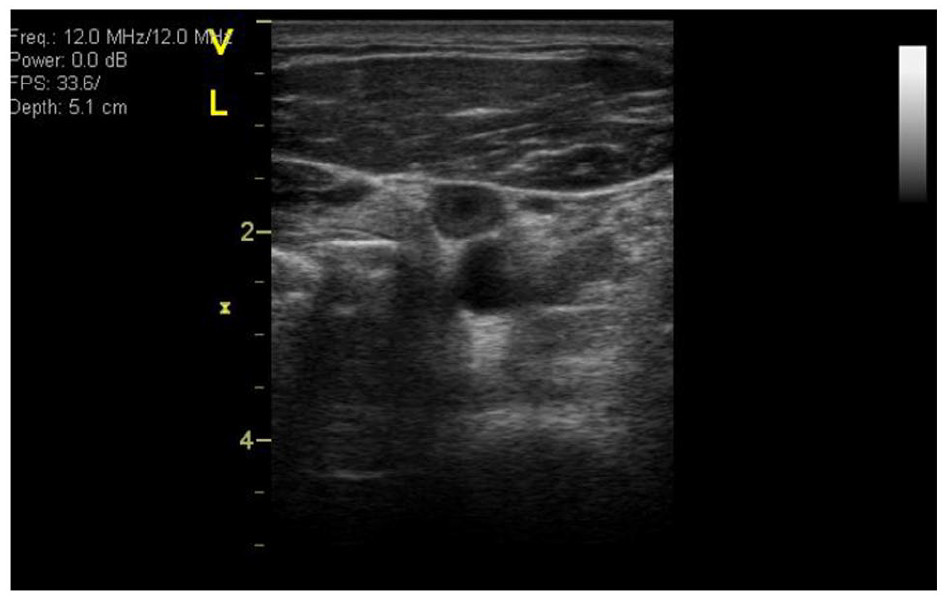
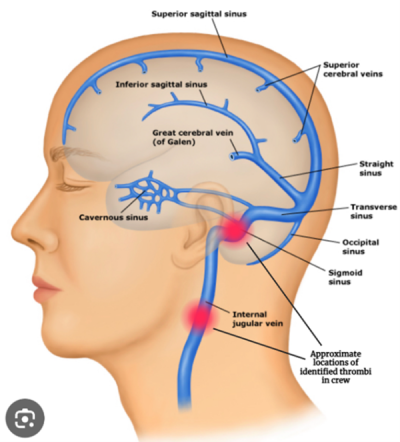
In April 2026, NASA’s Office of the Chief Health and Medical Officer (OCHMO) initiated a working group to review updated VTE case information, additional data gathered revealing altered blood flow status within a cohort of astronauts, and discuss progress of research and clinical activities intended to mitigate the risk of VTE during spaceflight with new evidence-based clinical practice recommendations.
The following is a summary of the working group’s recommendations:
NASA initially formed a working group in October 2024 after diagnosing venous thromboembolisms (VTEs) in astronauts during ISS missions. Experts reviewed case data, updated Clinical Practice Guidelines, and examined possible causes.
Mission-enabling assessment plays a crucial role in NASA’s long-term success by addressing essential questions requiring rapid response to support further…
This NASA Technical Standard provides medical requirements and clinical procedures designed to ensure crew health and safety and occupational longevity…
The Human Spaceflight & Aviation Standards Team continually works with programs to provide the best standards and implementation documentation to…
The Human Spaceflight and Aviation Standards Team continuously works with subject matter experts and with each space flight program to…
Crossovers and SUVs may dominate America's roads, and automakers may be pouring billions into hybrids and electric vehicles, but none of that matters much to Mopar enthusiasts.
Make Windows 11 feel faster with nine cleanup tips for startup apps, storage, background processes, updates, malware scans, and more.
The post Windows 11 Cleanup Guide: 9 Ways to Make Your PC Feel Faster appeared first on TechRepublic.
Make Windows 11 feel faster with nine cleanup tips for startup apps, storage, background processes, updates, malware scans, and more.
The post Windows 11 Cleanup Guide: 9 Ways to Make Your PC Feel Faster appeared first on TechRepublic.
