Normal view

There are new articles available, click to refresh the page.
Before yesterdayMain stream

NASA Revamps Challenge Linking Community College Studies to Aerospace Careers

2 September 2026 at 15:01
4 Min Read

NASA Revamps Challenge Linking Community College Studies to Aerospace Careers

Sunrise above Earth's horizon begins illuminating a cloudy Indian Ocean and reveals the terminator, the dividing line between night and day, in this photograph from the International Space Station as it orbited 271 miles above.

Community college students across the U.S. now have another opportunity to discover how their education can lead to fulfilling roles at the forefront of aerospace, science, engineering, and technology. The updated NASA Community College Aerospace Scholars (NCAS) student challenge invites students to learn about the agency and its missions, engage with NASA experts, and explore aerospace jobs while competing for monetary awards.

The applications period is currently open. The deadline to register is Monday, Sept. 28.

“What makes this opportunity unique is that it’s one of few that is specifically for community college students,” said Alicia Baturoni Cortez, project manager for NASA’s Minority University Research and Education Project, which administers NCAS. “The NCAS student challenge is designed to meet their needs and broaden their career awareness so they can either go right into the workforce or expand their goals to include a four-year degree in STEM.”

A launch pad for new possibilities
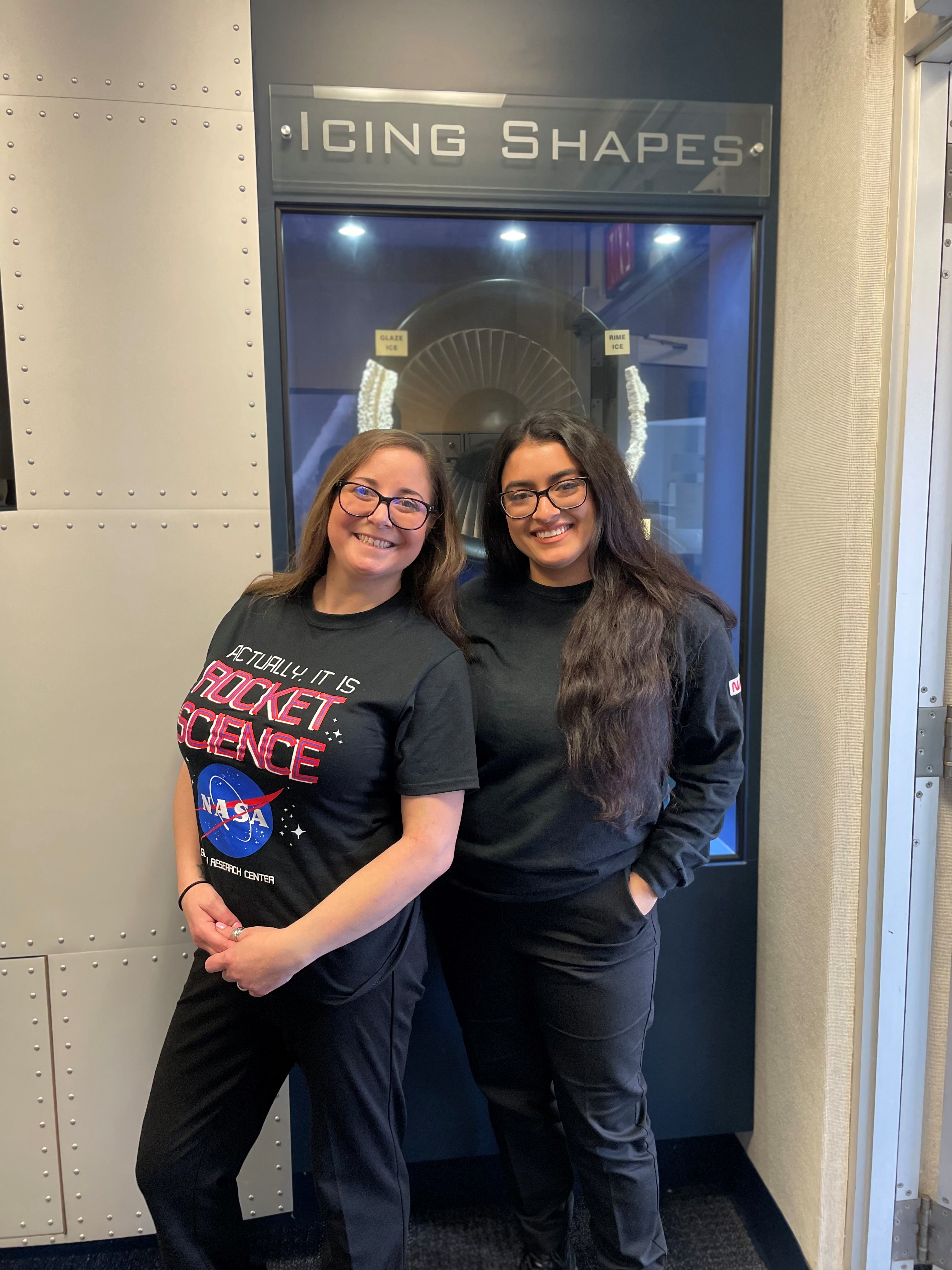
Two interns standing in front of a lab window with the words Icing Shapes above the window
Kim Alexander, left, and Ashley Rodriguez pose for a photo at NASA’s Glenn Research Center in Cleveland on their first day as interns in January 2024.
NASA/Erik Lopez

For NASA interns Kim Alexander and Ashley Rodriguez, NCAS became an unexpected springboard from community college to new careers.

After eight years as a bartender, Alexander was looking for a way to launch her career. She enrolled at Riverside Community College in Riverside, California, originally intending to pursue graphic design – but fell in love with math instead. Alexander participated in NCAS hoping it would look good on her resume and university transfer application. She ended up on a winning team that designed a human mission to Mars. The experience influenced her entire career trajectory.

“I was just completely overwhelmed by how amazing the program was,” said Alexander, who went on to participate in other NASA student opportunities. “But NCAS was the most monumental, because I really started thinking, ‘Hey, I could pursue a career in this. This is feasible.’”

Rodriguez grew up in South Florida, where she watched space shuttle launches but never considered a career at NASA. Instead, she gained experience in various roles and was parenting a toddler by the time she went back to school at Miami-Dade Community College seeking an IT degree. That’s where she first heard about NCAS, which ultimately set her on a path to a career in strategic communications.

“I did an infographic on laser relay communications. I knew nothing about it, then I felt like a pro by the end.”

Ashley Rodriguez

Ashley Rodriguez

NASA Intern

The experience showed her the importance of strategic communications at NASA and helped her to discover a field she enjoys.

In January 2024, Rodriguez and Alexander started NCAS-funded NASA internships in the agency’s Aerosciences Evaluation and Test Capabilities Portfolio Office, where they met their mentor, Data and Analytics Manager Erik Lopez.

Today, both have earned university degrees and are starting NASA Pathways internships that could lead directly to full-time NASA employment. Rodriguez is working as a strategic communications intern in the Engineering Performance Management Office at the agency’s Kennedy Space Center in Florida, while Alexander is beginning an engineering role supporting the Flight Demonstrations and Capabilities Project at the agency’s Armstrong Flight Research Center in Edwards, California.

“They were the first two NCAS alumni interns; they literally onboarded together,” Lopez said. “And the fact that they now both get to come back to the agency as Pathways interns just brings me so much joy.”

NCAS relaunches with updated mission, prize potential

Stories like Alexander’s and Rodriguez’s illustrate the impact NCAS can have, and underscore why the program’s updated mission aims to reach even more community college students.

This school year, NCAS is launching with a two-part mission. The cohort phase, which runs through fall, calls on students to participate in live virtual experiences with NASA experts and submit materials detailing a connection between their current coursework and a role at NASA. Faculty members are key to encouraging students who might not envision themselves in a NASA role. Up to 1,000 submissions will be eligible for a $500 award.

Those who successfully complete this phase will be invited to take part in the next phase, a spring virtual NCAS career fair linking them to experts and industry career opportunities. Upon completion of the career fair, students may submit additional materials for prizes of $250, for up to 500 of the top submissions.

“What NCAS does is bring the stars down to ground level. It allows students a risk-free exploration of what could be.”

Alicia Baturoni Cortez

Alicia Baturoni Cortez

Project Manager, NASA’s Minority University Research and Education Project

To explore NCAS timelines and eligibility requirements and take your education to the next level, visit: https://nasa-ncas.org/student-overview/.
NASA Establishes State Hubs to Grow Technical Aerospace Workforce

19 August 2026 at 11:55
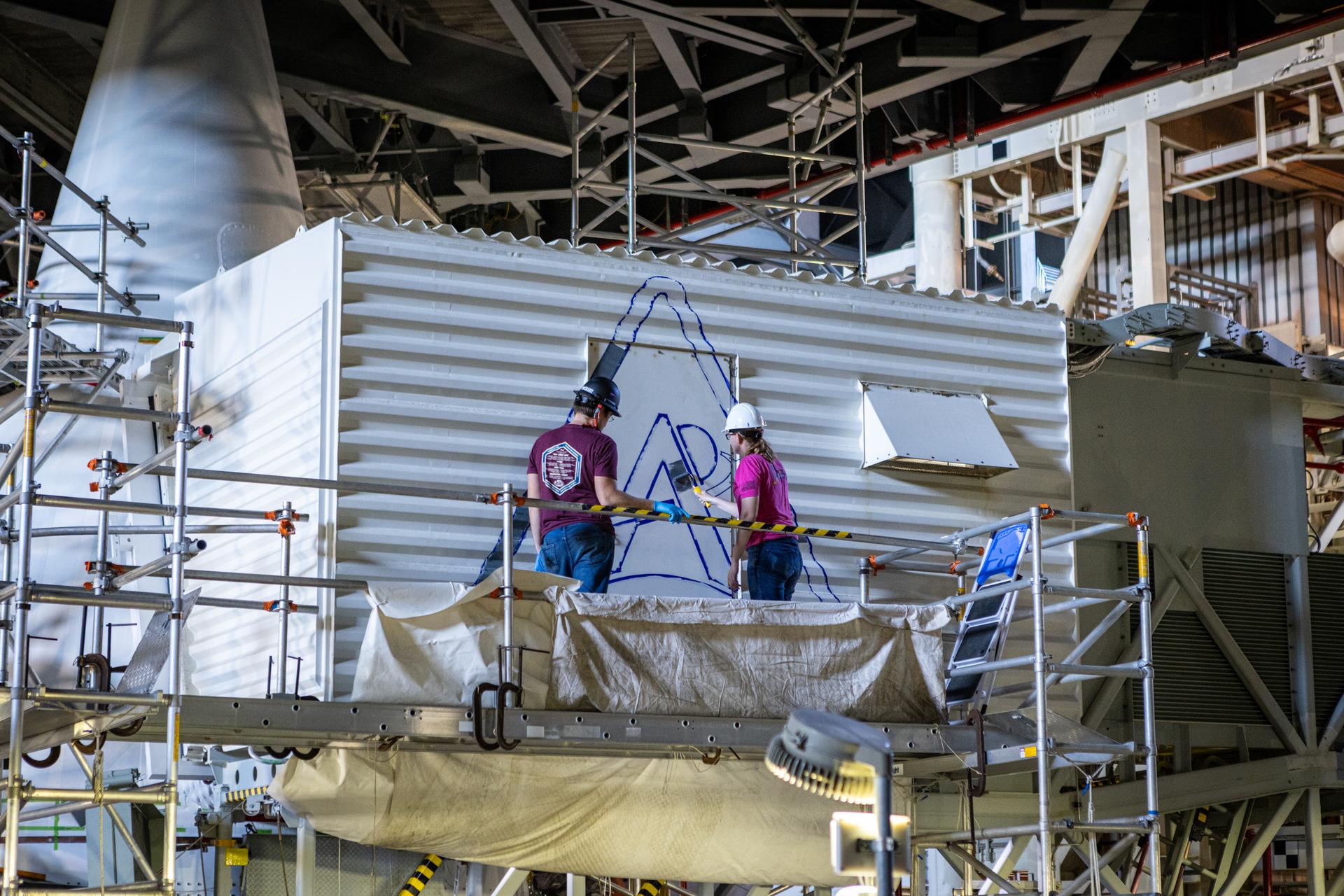
Two people standing atop scaffolding wearing hard hats. They are facing a large white rectangular structure that has an outline of the Artemis logo in blue. The two are preparing to paint the logoSean McCrary and Katie Mortensen, mechanical engineering technicians, paint NASA’s Artemis logo on the White Room connected to the crew access arm and mobile launcher inside the Vehicle Assembly Building at NASA’s Kennedy Space Center in Florida on Thursday, Dec. 4, 2025.
From left, Sean McCrary and Katie Mortensen, mechanical engineering technicians, paint NASA’s Artemis logo on the White Room connected to the crew access arm and mobile launcher inside the Vehicle Assembly Building at NASA’s Kennedy Space Center in Florida on Thursday, Dec. 4, 2025.
Credit: NASA/Frank Michaux

NASA has awarded approximately $10.5 million to seven institutions to help strengthen and streamline state-based pathways for students into skilled technical jobs in the aerospace industry.

The awards were made through the new NASA Aerospace Skilled Technical Workforce Hubs initiative, or NASA State Hubs. This investment in state ecosystems is designed to accelerate the development of technical roles to meet the talent demands of the space industry.

“The need for technical talent is already urgent and will only continue to grow as we return humanity to the Moon and set our sights on Mars and beyond,” said Elaine Ho, associate administrator for the Office of STEM Engagement at NASA Headquarters in Washington. “NASA is uniquely positioned to be the catalyst and convener that accelerates America’s aerospace workforce development and fosters the next generation of technicians.”

The newly awarded NASA State Hubs, represented across seven states, will function as strategic conveners that align industry employers, community colleges, high school career and technical education programs, and workforce systems to facilitate bringing students into high‑demand technical jobs, including welders, electricians, machinists, and other highly trained workers who use advanced STEM knowledge and technical skills in their occupations.

Over the next three years, the selected organizations will create programs that build critical skills identified by industry leaders, illuminate career pathways through education and apprenticeships, and build connections between employers and job seekers.

The awarded organizations are:

  • Antelope Valley Community College District in Lancaster, California
  • Georgia Tech Research Corporation
  • Minnesota State Colleges and Universities
  • Southern Utah University
  • Space Florida
  • State Board for Community Colleges and Occupation Education, Arapahoe Community College in Littleton, Colorado
  • Texas Space Commission

NASA State Hubs cooperative agreements are funded by the Office of STEM Engagement through its Next Gen STEM Project. The Office of STEM Engagement advances NASA’s mission by boosting the nation’s research capacity, building technical expertise, and strengthening participation in aerospace fields. The Next Gen STEM project extends this impact by preparing high school and community college students for future aerospace careers through strategic partnerships and competitive awards that develop the vital skills needed to power our Golden Age of exploration and innovation.

For more information on NASA State Hubs, visit:

https://www.nasa.gov/learning-resources/nasa-state-hubs

-end-

Gerelle Dodson
Headquarters, Washington
202-358-1600
gerelle.q.dodson@nasa.gov

Career Spotlight: Mechanic (Ages 14-18)

19 August 2026 at 09:48
4 Min Read

Career Spotlight: Mechanic (Ages 14-18)

What does a mechanic do?

Machines and engines are all around us. They power everything from cars and boats to airplanes and even rockets. Mechanics are experts who know how machinery works, especially engines, and how to fix them.

When you think of a mechanic, you might picture someone working on cars. But mechanics can be experts on all kinds of machinery.

What are some of the different types of work mechanics do at NASA?

At NASA, mechanics perform a variety of functions. For example, aerospace mechanics maintain the airplanes studied at NASA’s Armstrong Flight Research Center in Edwards, California. These might include research planes studying the environment or experimental aircraft testing new wing designs.

At NASA’s Kennedy Space Center in Florida, mechanics keep machines like the crawler-transporters in top working condition. These massive machines carry rockets from the building where they are assembled to the launch pad.

Mechanics at the agency’s Michoud Assembly Facility in New Orleans ensure the fleet of barges used to carry powerful rocket sections are maintained and ready to use. These large ships have been used for decades to carry rocket parts to various NASA centers for testing and launches.

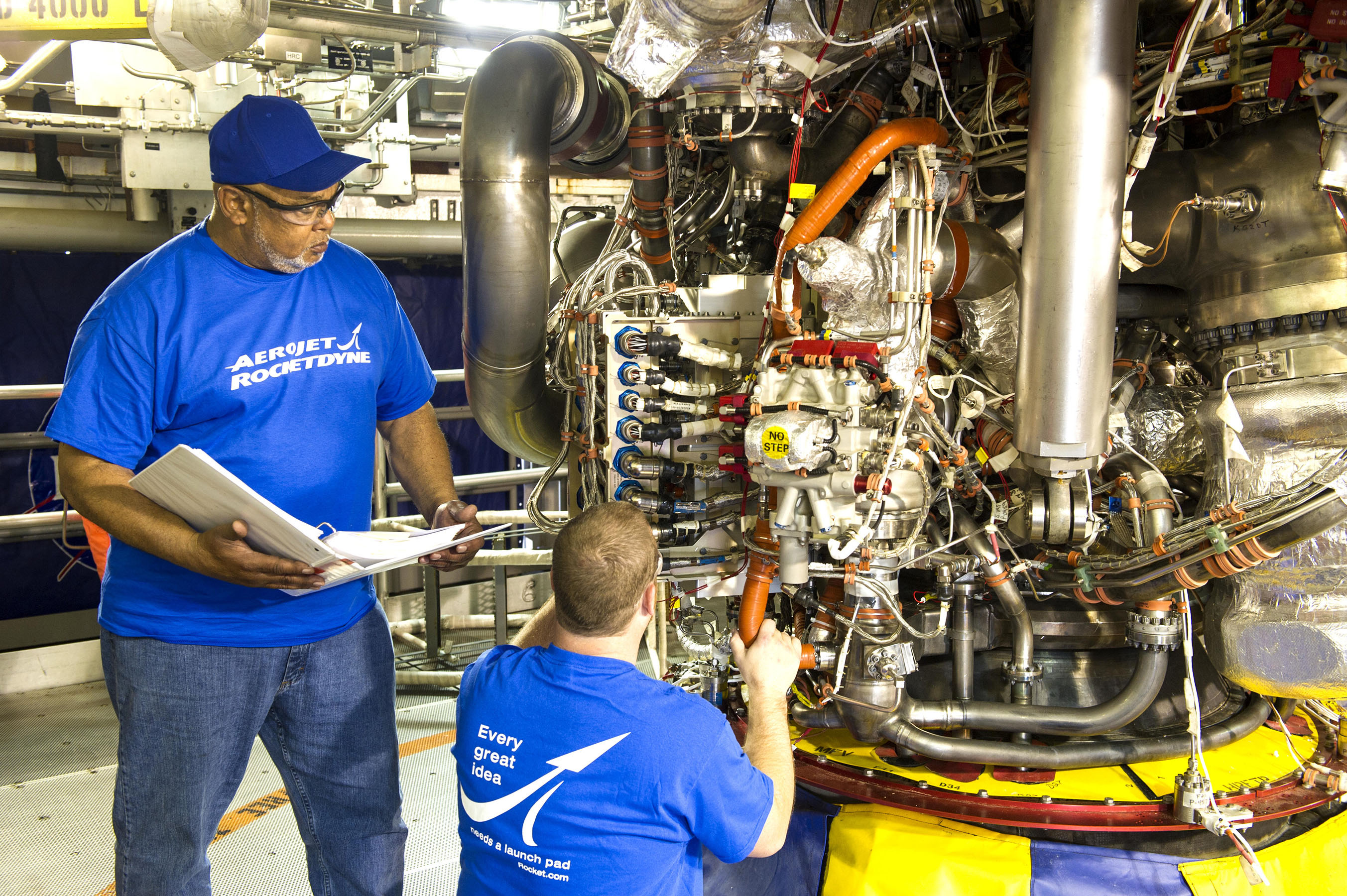
Aerojet Rocketdyne technicians inspect the engine controller
Mechanics from Aerojet Rocketdyne inspect the engine controller of an RS-25 rocket engine at NASA’s Stennis Space Center in Mississippi.
NASA

How can I become a mechanic?

There are many options that provide the training needed to get started as a mechanic. Different types of mechanics require different types of training and certifications. Here are a few examples.

Automotive mechanic: Automotive mechanics are experts at the interconnected systems in cars and trucks. After getting a high school diploma or GED, seek out trade or technical schools that have mechanic training programs. These provide hands-on experience. Further training may be required to work on specific types of automobiles. Certifications can help you advance specific skills and demonstrate proficiency.

Heavy equipment mechanic: The path to a career as a heavy equipment mechanic often begins with a two-year degree. Look for a program at your local community college or technical school. Opportunities to begin working right after high school are also available. You may start by doing basic tasks or by being paired with a senior mechanic to build skills. Most heavy equipment mechanics go through three to four years of hands-on training before taking certification and licensing tests.

Aircraft mechanic: Maintaining and repairing aircraft requires a special skillset. Community colleges and technical schools offer programs approved by the Federal Aviation Administration. These programs can fast-track your route to a career. They provide hands-on experience and help you prepare for tests needed to receive your certifications.

For many mechanic roles, military service is also a way to get training and certifications.

How can I start preparing today to become a mechanic?

In high school, take courses in math, science, and industrial technology. Check out any career and technical education programs your school might offer. Read repair manuals and look for online tutorials to figure out the basics of how machines work.

You can also gain useful experience through part-time work. Look for jobs or shadowing opportunities at your local repair shop.

Begin researching training programs, community colleges, and apprenticeship opportunities. Compare options to see which pathway seems right for you. This will help you understand program requirements and ensure you’re ready to take the next step.

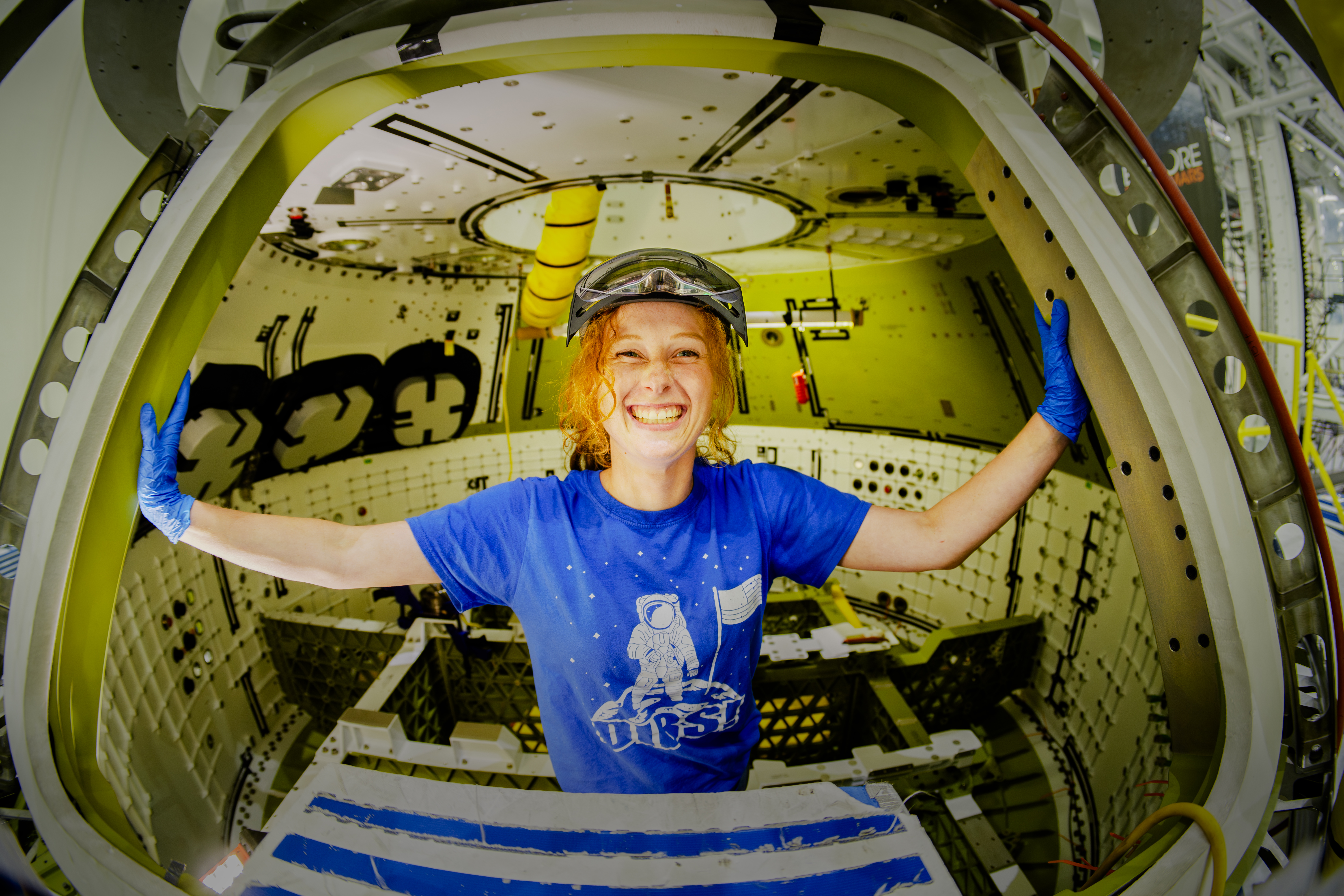
Rebekah Tolatovicz, a mechanical technician lead, works inside the Artemis III Orion crew module NASA’s Kennedy Space Center in Florida.
NASA

What skills will I need to be a successful mechanic?

Mechanics must be good problem solvers. Troubleshooting repairs on complex machinery requires logical thinking and patience. Being detail-oriented is critical to make sure measurements are correct and safety specifications are met.

Keeping up with the latest technology is important, too. Mechanics use computer equipment and electronic sensors to run diagnostics. And machinery technology can evolve rapidly with new advancements like electric vehicles and drones. Take initiative and stay curious.

The best part is knowing that people's safety depends on the quality of your work. It's rewarding to watch an aircraft take off with confidence, knowing you helped make it happen.

Wissam Habbal

Wissam Habbal

Aircraft Mechanic, Armstrong Flight Research Center

Additional Resources

💾

At NASA, aircraft mechanics keep our research aircraft flying safely and reliably as they support missions that push the boundaries of aeronautics and space ...

What Is the Nancy Grace Roman Space Telescope? (Grades 5-8)

11 August 2026 at 17:04

6 min read

Preparations for Next Moonwalk Simulations Underway (and Underwater)

This article is for students grades 5-8.

The Nancy Grace Roman Space Telescope is NASA’s newest astrophysics observatory. The telescope will scan large sections of space. Roman will help astronomers answer questions about dark energy, dark matter, exoplanets, and more.

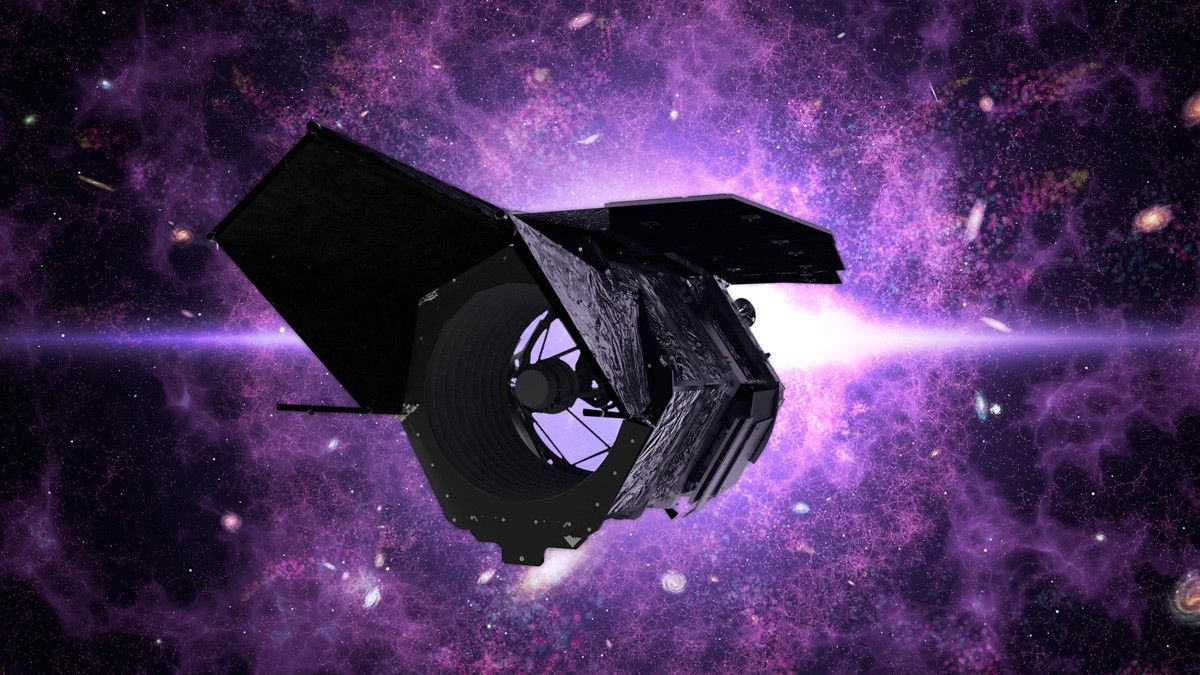
Image shows an illustration of the Nancy Grace Roman Space Telescope with a galaxy illustration in the background. Formerly known as WFIRST, is an upcoming space telescope designed to perform wide-field imaging and spectroscopy of the infrared sky.
The Nancy Grace Roman Space Telescope is NASA’s newest space telescope that will study dark energy, exoplanets, and astrophysics.
NASA’s Goddard Space Flight Center

______________________________________________________________________

Words to Know

Astrophysics: a branch of space science that applies physics and mathematics to study the universe.

Lagrange point: a position in space where the gravitational forces of a two-body system, such as the Sun and Earth, are balanced. This point creates an “orbital parking spot” where minimal fuel is needed to maintain a spacecraft’s position.

Infrared light: light that is completely invisible to the human eye but can be felt as heat. It’s the area on the electromagnetic spectrum where wavelengths are longer than visible red light, but shorter than microwaves.

Dark energy: the mysterious force that is causing the universe to expand at an accelerated rate.

Exoplanet: a planet outside of our solar system.

Dark matter: the mysterious gravitational “glue” that holds cosmic structures together.

______________________________________________________________________

When and Where Will the Nancy Grace Roman Space Telescope Launch?

The Nancy Grace Roman Space Telescope is scheduled to launch Aug. 30, 2026. It will launch aboard a SpaceX Falcon Heavy rocket. Liftoff will take place from Launch Complex 39A at NASA’s Kennedy Space Center in Florida.

Where Will the Nancy Grace Roman Space Telescope Go in Space?

The Nancy Grace Roman Space Telescope will orbit about 930,000 miles (1.5 million kilometers) away from Earth. It will orbit around a special place in space called the second Sun-Earth Lagrange point, or L2. This gravitational sweet spot is perfect for unobstructed views of the universe.

What Instruments Does the Nancy Grace Roman Space Telescope Have?

The Nancy Grace Roman Space Telescope will peer through dust and across vast stretches of space using infrared light. Roman’s primary mirror is 7.9 feet (2.4 meters) across. The large surface of the telescope mirror gathers lots of light. More light equals finer details.

The primary mirror will send light to Roman’s two science instruments: the Wide Field Instrument and the Coronagraph Instrument.

The Wide Field Instrument is a 300-megapixel infrared camera. It allows scientists to look very far back in time because the light captured by the camera has been traveling for billions of years before reaching the instrument. Seeing the universe in its early stages will help unravel how it has expanded throughout its history. This will give scientists hints about how the universe may continue to evolve.

The Coronagraph Instrument uses technology that blocks the glare from a star. This lets astronomers see planets in orbit around it. This instrument is the most powerful coronagraph ever flown in space. It will allow astronomers to see planets that are almost a billion times fainter than their host star.

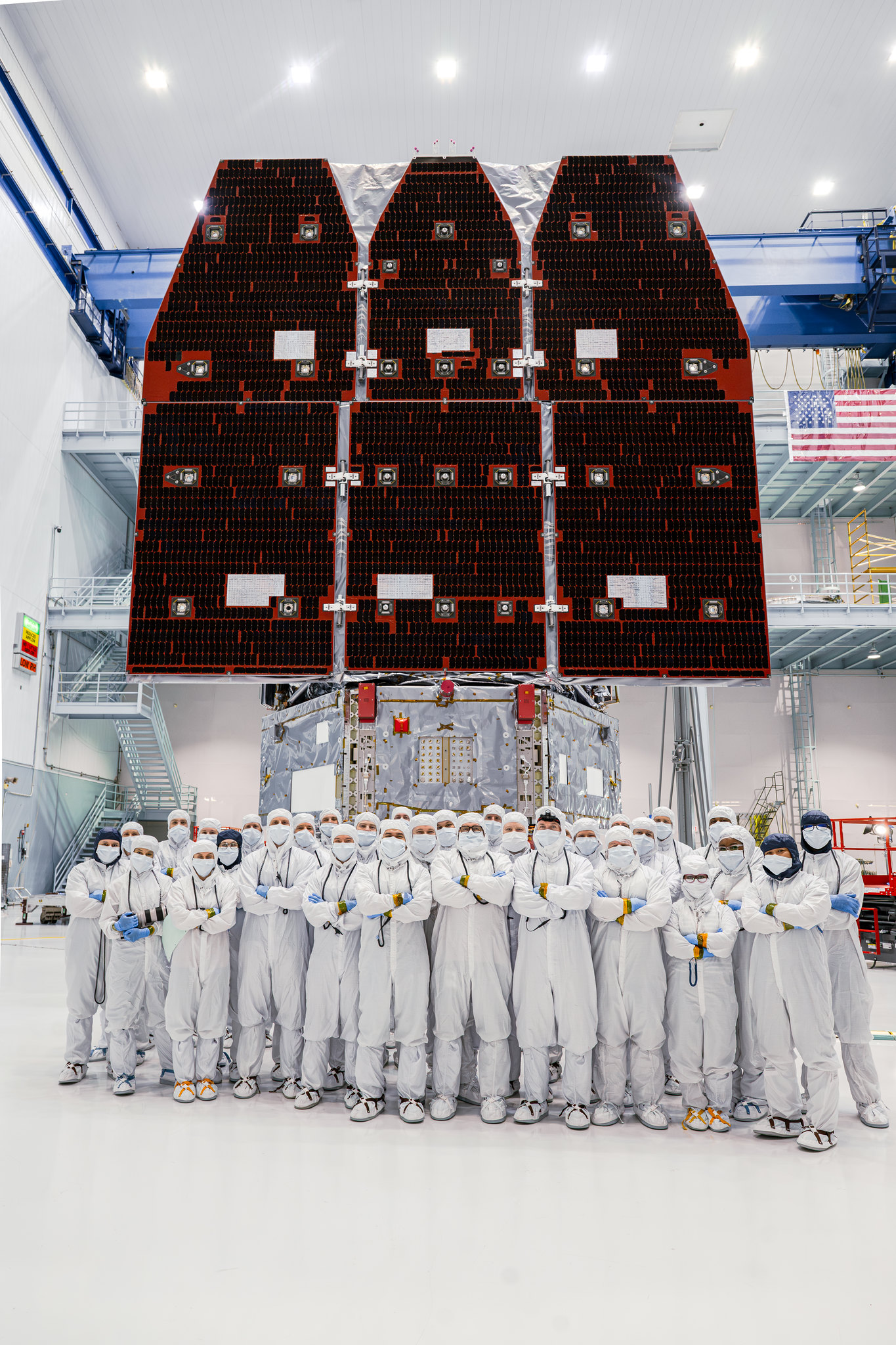
A large group of technicians in white
On Nov. 25, 2025, technicians joined the inner and outer segments together and the observatory was complete.
NASA / Sydney Rohde

What Will Scientists Study With the Nancy Grace Roman Space Telescope?

Scientists using the Nancy Grace Roman Space Telescope will focus on three main topic areas: dark energy, exoplanets, and dark matter.

Dark energy is a mysterious part of the universe. Scientists aren’t sure what it is, but it makes up about 68% of the universe’s total contents. It is believed to be responsible for the accelerating rate at which our universe is expanding. But recent observations seem to show that the pressure from dark energy is shifting over time. Scientists hope to use the Roman Space Telescope to help solve the mystery of dark energy’s true nature.

Exoplanets are planets outside of our solar system. Scientists have discovered more than 6,000 exoplanets. But they believe that billions could exist. Most of the exoplanets detected so far are wildly different than the planets in our solar system. Scientists expect Roman to find more unusual exoplanets. It will also allow astronomers to find planets in the habitable zone of their stars. This will be key to finding planets similar to Earth.

Dark matter is the invisible glue that holds the universe together. Scientists aren’t sure what dark matter is made of. Roman will allow scientists to peer back in time to trace how galaxies and galaxy clusters formed. If dark matter consists of heavy, sluggish particles, it would clump together readily and Roman should see galaxy formation early in cosmic history. If dark matter is made up of lighter, faster-moving particles, it should take longer to settle into clumps and for large-scale structures to develop. If astronomers can narrow down the candidates for dark matter particles, we’ll be one step closer to finally detecting them directly in experiments on Earth.

Who Was Nancy Grace Roman?

Nancy Grace Roman was NASA’s first chief astronomer and the first female executive at the agency. Roman championed the making of the first space-based telescope — the Hubble Space Telescope. She was involved in every crucial decision about the telescope from its funding to where it was built to the details of its instruments. Her vital role in making the project a reality led her to be known as “the mother of the Hubble Space Telescope.”

Roman was born May 16, 1925, in Nashville, Tennessee. She died Dec. 25, 2018.

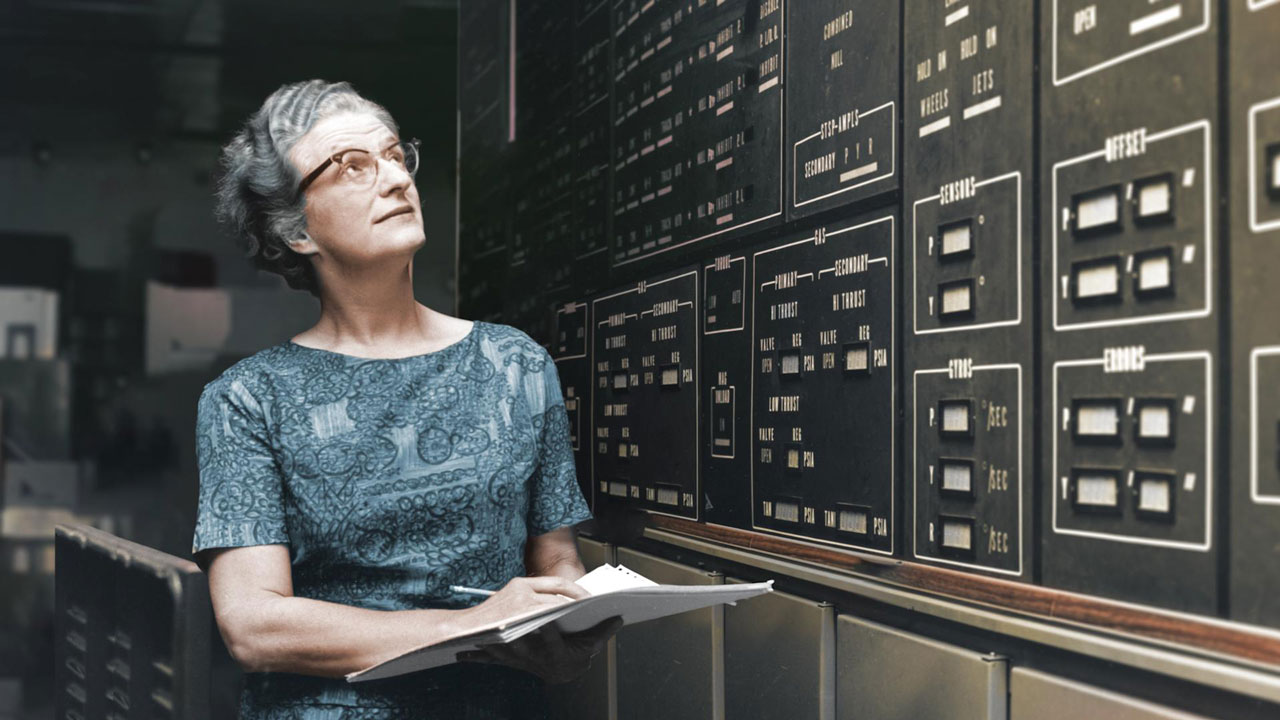
Portrait of astronomer Nancy Grace Roman holding papers and looking up at a board with information on it
Nancy Grace Roman was NASA’s first chief astronomer. She is knows as “the mother of the Hubble Space Telescope.”
NASA

Career Corner

More than a thousand technicians and engineers assembled Roman from millions of individual components. Here are a few examples of the careers that shaped NASA’s newest space telescope:

Instrument technician: These experts install, calibrate, and maintain sensors and control systems. They troubleshoot issues that might come up with delicate systems and equipment. This career path often starts with an apprenticeship or hands-on training alongside experienced technicians. An associate’s degree is often required.

Mechanical engineer: This branch of engineering focuses on complex machines and engines. Mechanical engineers design, build, test, and improve mechanical systems. They play an essential role in making a complex observatory like the Roman Space Telescope a reality. A career in engineering demands a strong understanding of math and complex problem-solving and usually requires an advanced college degree.

Astrophysicist: These scientists study the physics of the universe. They are interested in learning how the universe began, how it is evolving, and how it works. Becoming an astrophysicist requires advanced college degrees.

NASA also needs people who work in photography, management, social media, videography, and much more. Learn about some of the people who have made the Roman mission possible here!

More About the Nancy Grace Roman Space Telescope

Mission Website: Nancy Grace Roman Space Telescope

Video Game: Roman Space Observer

Roman Space Telescope Education and Outreach Materials

Launch Into a New School Year With NASA

10 August 2026 at 09:59
4 Min Read

Launch Into a New School Year With NASA

An illustration of two astronauts inside a spacecraft, looking at a screen that says "Back to School with NASA"

A new school year brings fresh opportunities to get involved with NASA. Whether you’re curious about space or eager to build real STEM skills, NASA offers a world of experiences putting you close to the action. As we enter a new golden age of exploration, there’s no better time to jump in, try something bold, and see where your curiosity takes you.

Gain Hands-On NASA Experience

NASA opens the door to authentic mission experiences through internships and student challenges. As members of the NASA team, interns work on genuine agency projects and gain industry-ready skills, all with the guidance of NASA mentors. Visit NASA’s internships website to learn more about current vacancies, deadlines, eligibility requirements, and more.

Through NASA’s student challenges and competitions, student teams tackle some of the critical technical hurdles facing mission planners. Flex your innovative muscles and sharpen your collaborative and problem-solving skills while developing, prototyping, and testing your team’s designs. Check out the full list of NASA STEM challenges and opportunities, choose one that fits your interests, and assemble your team.

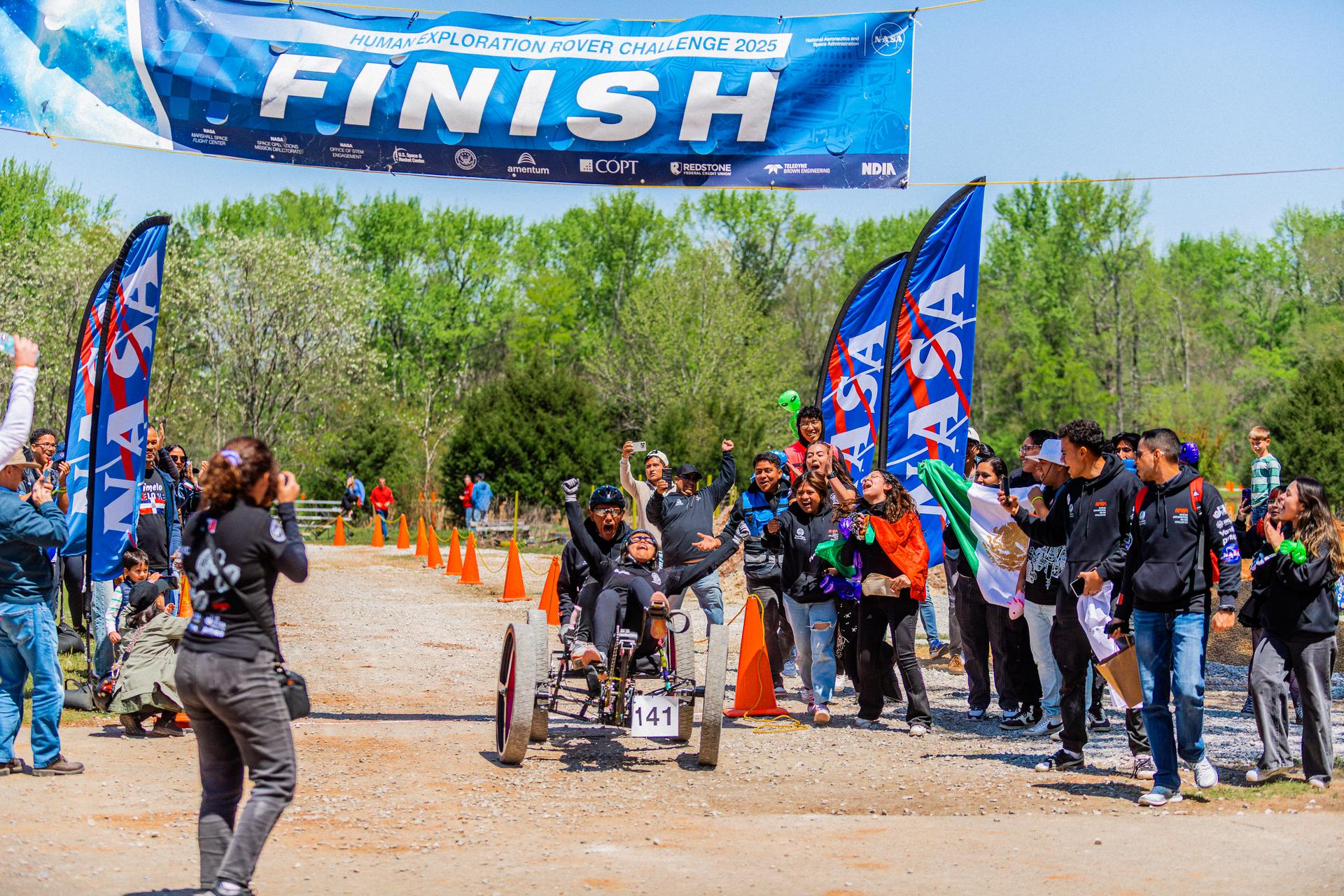
More than 500 students with 75 teams from around the world participated in the 31st year of NASA’s Human Exploration Rover Challenge (HERC) on April 11 and April 12, 2025, near NASA’s Marshall Space Flight Center in Huntsville, Alabama. Participating teams represented 35 colleges and universities, 38 high schools, and two middle schools from 20 states, Puerto Rico, and 16 other nations. NASA expanded the 2025 challenge to include a remote-control division - named Remote-Operated Vehicular Research - and invited middle school students to participate. Teams were awarded points based on navigating a half-mile obstacle course, conducting mission-specific task challenges, and completing multiple safety and design reviews with NASA engineers.
Students cross the finish line in their human-powered rover during the 2025 Human Exploration Rover Challenge at NASA’s Marshall Space Flight Center in Huntsville, Alabama
USSRC/Emily Riddle

Discover Technical Careers at NASA

The future of aerospace depends on a steady pipeline of skilled technical experts ready to make missions and ideas a reality. NASA invites students in high school, community college, and career technical education programs to join in-person and virtual events to explore these important career paths.
 
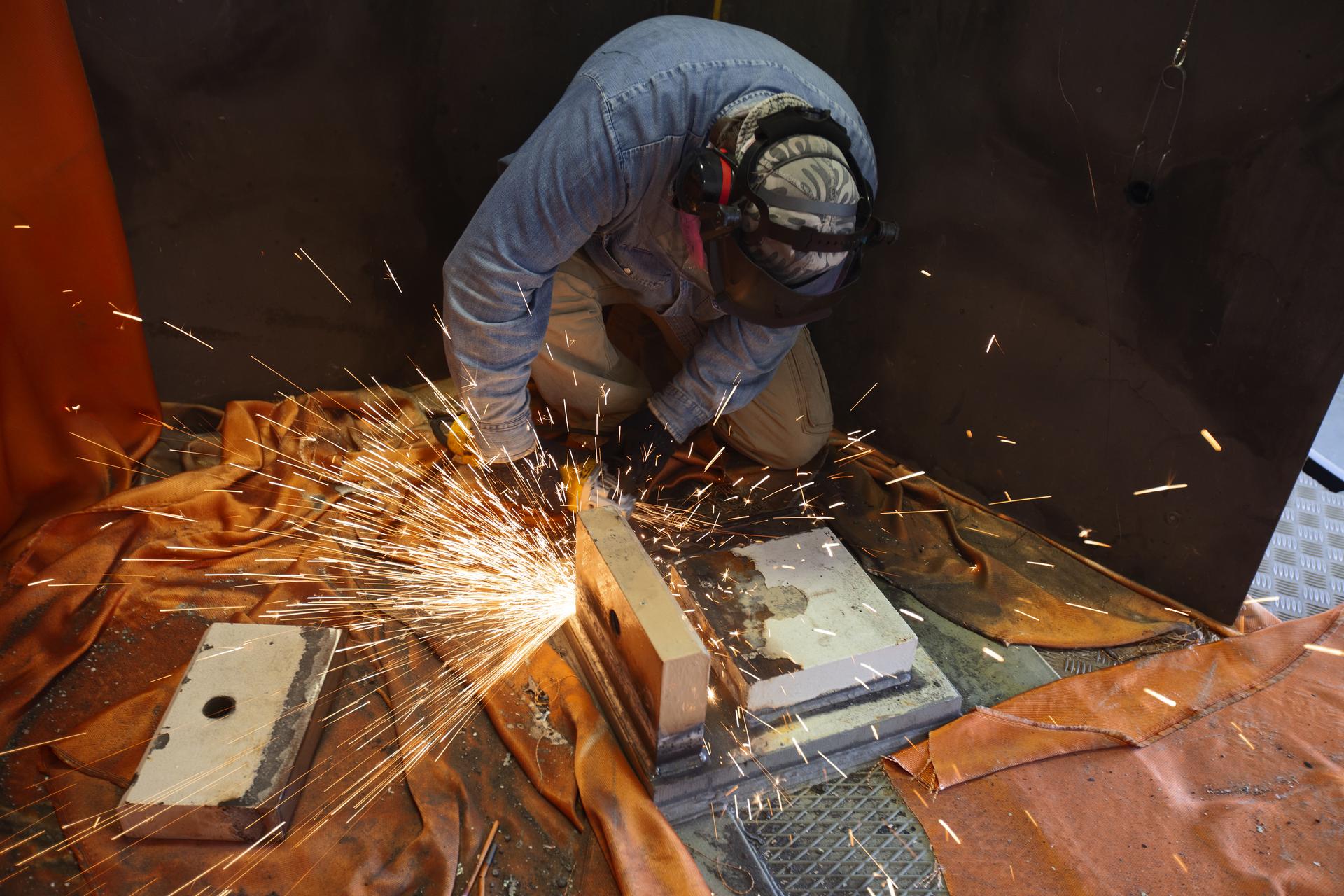
NASA Career Technical Education Days bring students on-site to meet NASA skilled technical workers who share what their jobs are like, how they built their careers, and the skills, training, and certifications that have helped them succeed. During NASA’s Next Gen STEM Virtual Career Connections , students interact live with technical experts supporting the agency’s missions. Students and teachers can learn more on the Next Gen STEM for Careers website.

A technician performs welding on a spacecraft transporter at NASA’s Kennedy Space Center in Florida.
NASA/Ben Smegelsky

Contribute to NASA Science as a Citizen Scientist

NASA’s Science Mission Directorate invites you to help make real discoveries through science projects powered by volunteers. Join from anywhere, whenever it fits your schedule, and start working with authentic mission data. Help identify comets and asteroids, hunt for binary star systems, and more. Find the project that’s right for you on the list of current citizen science projects.

Keep Up With NASA Missions and Discoveries

Don’t miss out on NASA’s biggest mission milestones this school year! Up first is the Nancy Grace Roman Space Telescope, scheduled to launch no earlier than 7:20 a.m. EDT on Sunday, Aug. 30. This powerful new observatory has a field of view at least 100 times larger than the Hubble Space Telescope. Be a virtual guest for launch and learn more about the telescope with fun activities provided by NASA’s Science Mission Directorate. You can also sign up to be a virtual guest for NASA’s next crewed launch to the International Space Station, SpaceX Crew-13, set to launch in September.

And be sure to follow NASA’s continuing crew training and hardware preparations for Artemis III. Set to launch into Earth orbit in 2027, the flight will test rendezvous and docking capabilities with commercial human landing systems – landers that will carry astronauts to the lunar surface on Artemis IV and future missions to the Moon.

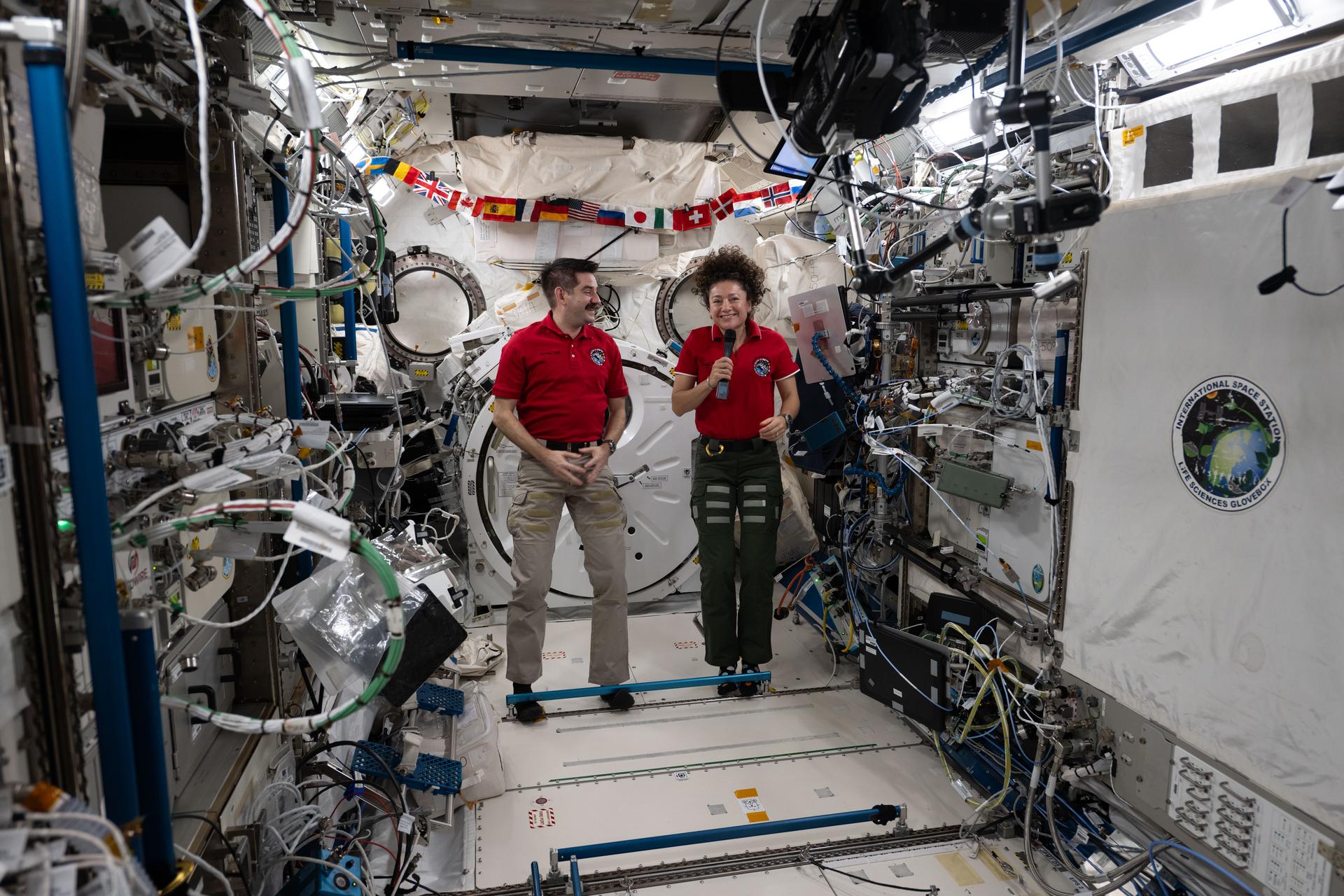
NASA astronauts Jack Hathaway and Jessica Meir, both Expedition 74 flight engineers, answer questions inside the International Space Station’s Kibo laboratory module during a live downlink event with Connecticut Public Radio. Hathaway is a native of South Windsor, Connecticut, while Meir is from Caribou, Maine.
NASA astronauts Jack Hathaway and Jessica Meir answer questions inside the International Space Station’s Kibo laboratory module during a live downlink event in May 2026.
NASA

Stay Engaged With NASA

Schools, classrooms, and community-based student groups have further options to engage with NASA and its people. Through In-Flight STEM Downlinks, students have their pre-recorded questions answered live by astronauts aboard the International Space Station, demonstrating how STEM careers reach far beyond Earth. Additionally, the NASA Engages public outreach program connects agency experts with student audiences to share mission and science updates, helping people discover how NASA’s work unfolds and how they can be part of the journey.

This school year, whether you’re interested in aerospace jobs or eager to dive into authentic STEM challenges, you’ll find an array of activities and career exploration tools on NASA’s Learning Resources website. Explore exciting NASA student opportunities and subscribe to the weekly NASA EXPRESS email newsletter for the latest NASA STEM opportunities and updates!

❌
❌