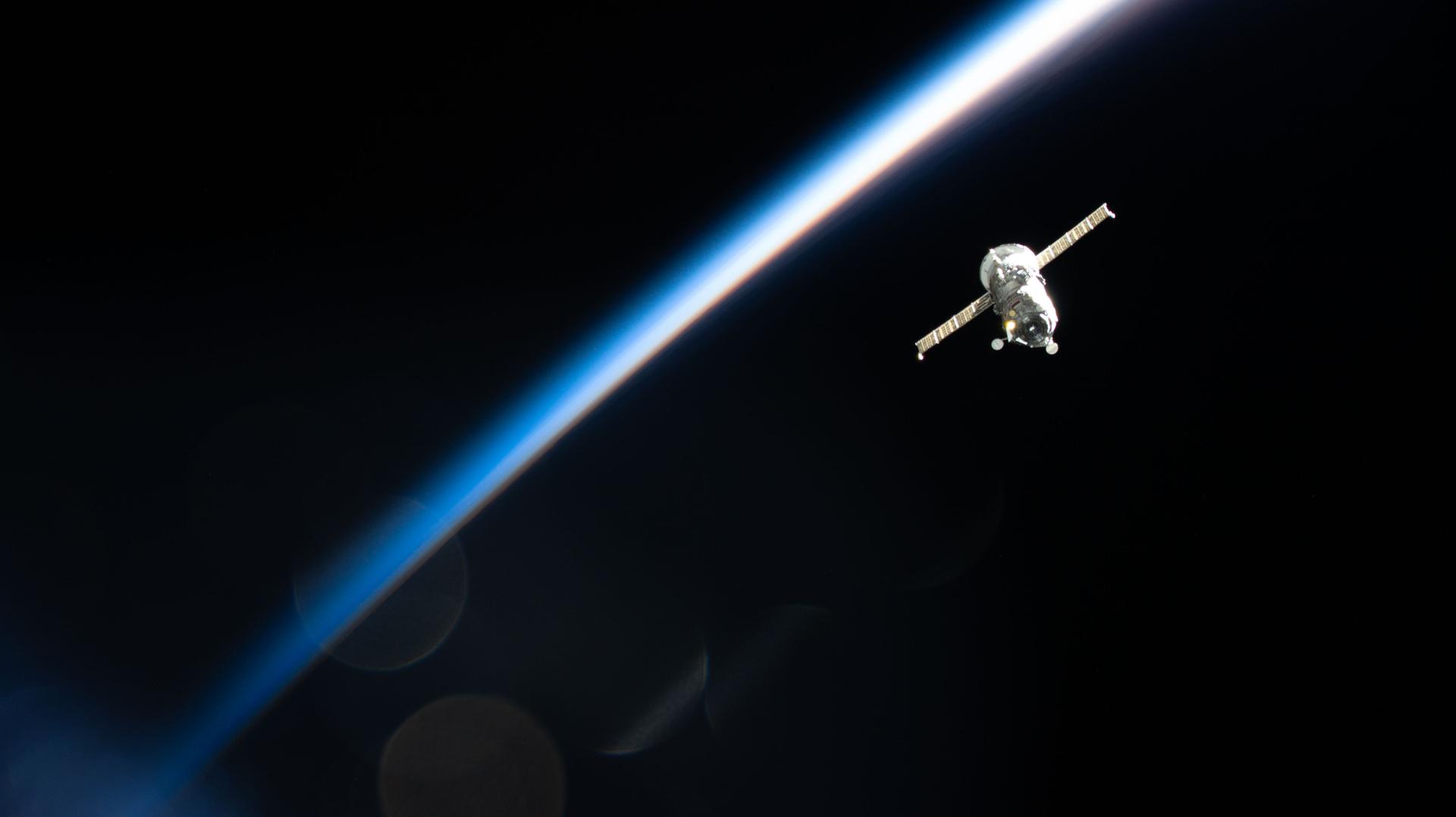
The Roscosmos Progress 92 cargo spacecraft is photographed in March 2026 from the International Space Station as it flies into an orbital sunset 267 miles above Earth’s surface.
Credit: NASA
NASA will provide live coverage of the launch and docking of a Roscosmos cargo spacecraft carrying about three tons of food, fuel, and supplies for the crew aboard the International Space Station.
The unpiloted Progress 96 resupply spacecraft is scheduled to launch at 12:15 p.m. EDT (9:15 p.m. Baikonur time), Wednesday, Sept. 9, on a Soyuz rocket from the Baikonur Cosmodrome in Kazakhstan. NASA’s live launch coverage will begin at 12 p.m.
After a two-day trip to the space station, Progress will dock autonomously to the Poisk module’s space-facing port at 2:37 p.m., Friday, Sept. 11. NASA’s arrival coverage will begin at 1:45 p.m.
NASA will stream these events live through a variety of platforms. Learn where to watch online:
The spacecraft will remain docked to the orbiting laboratory for about five months before departing to re-enter Earth’s atmosphere, where it will harmlessly burn up over the Pacific Ocean.
Before Progress 96 arrives, the Progress 94 spacecraft will undock from the space station at approximately 11:18 a.m., Monday, Sept. 7, for its departure and planned destructive re-entry. NASA will not stream coverage of Progress 94 undocking.
For more than 25 years, people have lived and worked continuously aboard the International Space Station, advancing scientific knowledge and making research breakthroughs not possible on Earth. The space station helps NASA understand and overcome the challenges of human spaceflight, expand commercial opportunities in low Earth orbit, and build on the foundation for long-duration missions to the Moon, as part of the Artemis program, and to Mars.
Learn more about the International Space Station, its research, and crew, at:
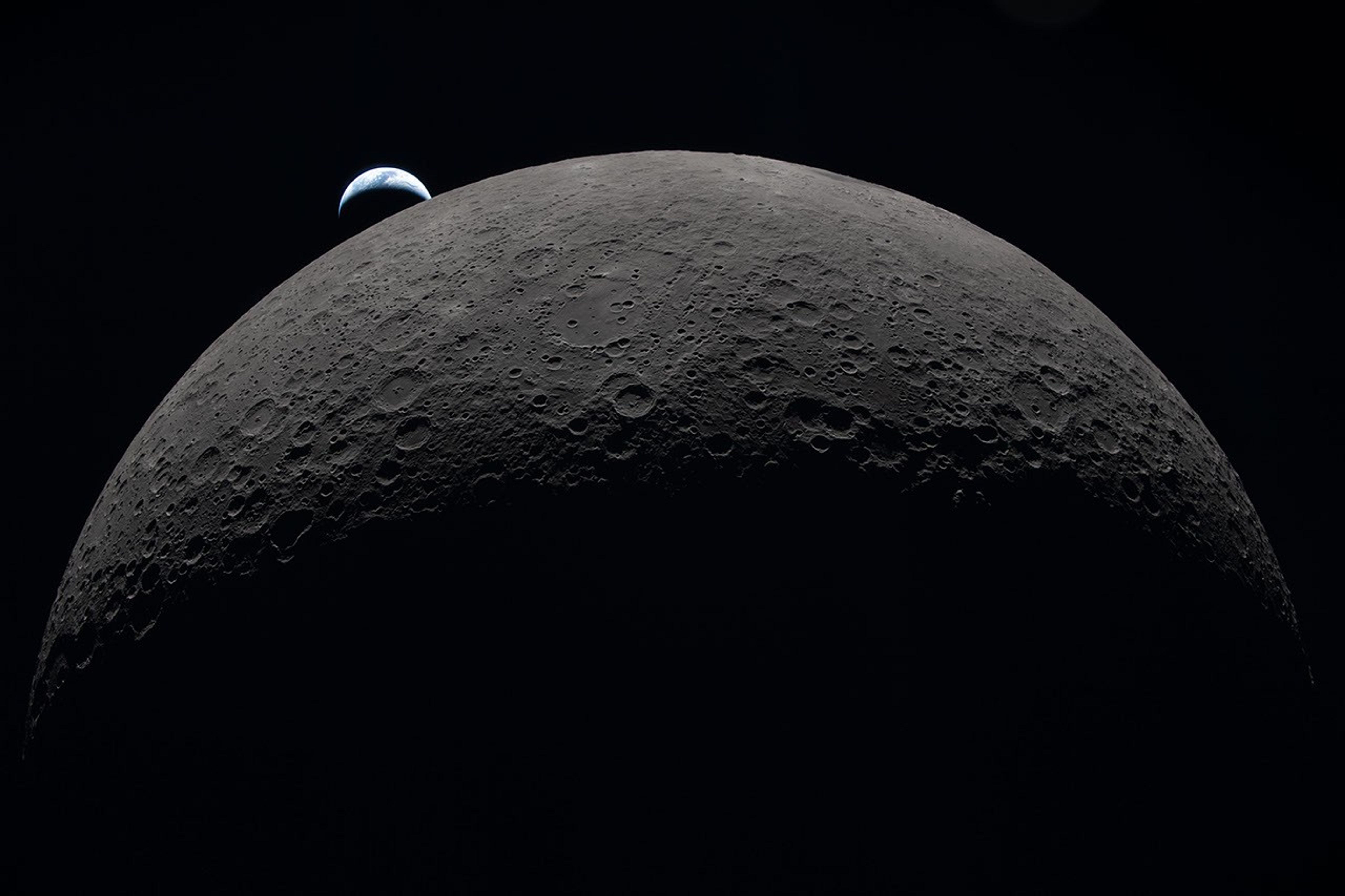
This image was taken by an Artemis II astronaut from the Orion capsule in April 2026, as the spacecraft traveled past the Moon and back over 10 days. The gray-brown, heavily cratered Moon dominates the frame against black space, with a partially lit crescent Earth setting behind its upper-left edge.
Some of Earth’s microbes likely to hitch a ride to space with human explorers could survive in the shaded nooks and crannies of the Moon’s South Pole region, NASA scientists say.
Published on Aug. 19, 2026, in Science Advances, these findings highlight a need to better understand microbial persistence in extreme lunar environments. As humans build a permanent presence on the Moon, it may become difficult to distinguish ancient lunar chemistry from contamination delivered by visiting astronauts. The concern extends beyond the Moon and on to Mars, scientists say.
“Humans are natural explorers, and with them come their voices, their memories … and their microbes,” said Prabal Saxena, a planetary scientist who led the study from NASA’s Goddard Space Flight Center in Greenbelt, Maryland. “For some scientists, myself included, that reality can be unsettling. But it also creates an opportunity to turn an imperfect situation into a useful experiment.”
Bringing microbes along is unavoidable: Humans have, on average, 1 million bacteria living on each patch of skin the size of a pencil eraser, for example. These bacteria vent from spacesuits and habitats. Though the paper’s authors worry about contamination interfering with the search for chemical clues to ancient geology or biology, they also argue that the Moon should be used as a natural lab. In shaded areas around the South Pole, scientists could carefully test the real-life limits of microbial survival in an environment that can’t easily be reproduced on Earth.
The Apollo program landed six pairs of astronauts on the Moon between 1969 and 1972. All six landing sites are near the lunar equator. In this visualization, the Apollo sites are contrasted with the South Pole, an area with enormous potential for future exploration. Time passes as we zoom toward Shackleton crater at the South Pole, revealing illumination conditions quite different from those near the equator. While many craters remain in permanent shadow, some nearby mountains and ridges are in persistent sunshine, making them attractive candidates for solar power and long-term habitation.
Before any surface science can happen, scientists need a baseline measurement of what contaminants humans bring, the authors say.
“We need to understand what was there before us, because when we go to Mars to search for signs of life beyond our planet, we will want to make sure it’s not stuff we brought,” said Andrew Needham, a NASA Goddard-based paper co-author who is an Artemis contamination‑control scientist for lunar samples.
Even with strict sterilization procedures, some organisms are stubbornly resilient. A good example is Aspergillus niger, which is a fungus that thrives in warm, damp places like household bathrooms and heating, ventilation, and air conditioning systems. Astronauts have sampled it inside the International Space Station, and experiments demonstrate that the fungus can survive outside the station as well. Aspergillus niger was one of five microbes, including bacteria and fungi, selected for this study because of its known toughness in spaceflight environments.
That microbes survived on the space station’s exterior surprised scientists. These species are typically not considered “extremophiles” that can withstand harsh conditions, such as the vacuum of space, according to Aaron Regberg, a geomicrobiologist at NASA’s Johnson Space Center in Houston.
“I would have expected these microbes to have dried out,” said Regberg, who studies space station bacteria and was a co-author on the paper.
NASA astronaut Kate Rubins on Oct. 14, 2016, collecting microbes in the Japanese Experiment Module aboard the International Space Station.
JAXA/Takuya Onishi
He pointed out that NASA often bakes robotic spacecraft at temperatures above 400 degrees Fahrenheit to reduce the number of living organisms on them. But that’s not possible with astronauts, so contamination concerns take on new meaning in crewed exploration of the Moon’s south polar environment.
A clearer picture of where microbes might survive comes from understanding how sunlight behaves at the poles. Survival in this study means the microbe can stay alive for at least one Earth day, which does not mean that it can grow and reproduce.
Because the Moon has a very small tilt on its axis, the view from its poles is of a Sun that appears to hover just above the horizon, skimming the surface like a flashlight laying on a table. As a result, elevated parts of the surface, including crater ridges, mountains, and even small bumps, block light from reaching low-lying terrain. This produces pockets of shadowed areas that can remain cold and preserve water, as well as shield fragile molecules and possible microorganisms from lethal radiation.
With that scientific context in mind, the team set out to test which Earth microbes could survive extreme polar conditions. They focused on organisms commonly found in spaceflight environments and those common on human skin. Besides Aspergillus niger, these included Bacillus subtilis, Staphylococcus aureus, Deinococcus radiodurans, and several species of Fusarium. Based on an analysis of previous studies, the scientists noted the maximum amount of heat and ultraviolet (UV) radiation each organism can withstand.
Then, the organisms were tested in simulations of three regions near the lunar South Pole — Nobile Rim, Connecting Ridge, and De Gerlache Rim. Those simulations used detailed environmental maps built from elevation and temperature data collected by instruments aboard NASA’s Lunar Reconnaissance Orbiter, combined with models of how radiation strikes the surface.
The models showed maps of “survivable niches” that range in size from a miles-wide crater floor to an astronaut’s boot print. Aspergillus niger, which was most resistant to UV radiation, was able to survive even in areas with some sunlight exposure. UV radiation is so deadly to most microbes that it’s used for sterilization in hospitals.
“When we think of the Moon, we don’t typically think of biology,” said Heather Graham, a paper co-author at NASA Goddard who helps develop tools and techniques for detecting biology that may look nothing like Earth’s. “But the Moon is a place where a cell can survive, so our first exploration of these sites should pay extra attention to our microbial hitchhikers and work hard to characterize lunar chemistry before our visits change what we will find.”
The authors note that while some microbes can survive in a dormant state in regions around the South Pole, and thereby confuse some future scientific investigations, there is no evidence the Moon has key ingredients to sustain growth and replication. Such ingredients include liquid water, which typically requires an atmosphere and moderate temperatures.
International Observe the Moon Night, Sept. 19, 2026
Each year, observers around the world come together to celebrate Earth’s Moon through direct observations, hands-on activities, lunar-themed music, artwork, readings, and more.
The Moon
From lighting up our skies to preserving evidence of our solar system’s history, Earth’s closest neighbor plays a pivotal role in the study of our planet and beyond.
About the Author
Lonnie Shekhtman
Senior Science Writer
Shekhtman helps communicate NASA planetary science to the world through news and feature stories on NASA.gov, videos for NASA+ and YouTube, and by working with the media. She reports on lunar and Mars science and exploration; NASA’s search for life; missions to Venus, Titan, and Jupiter’s Trojan asteroids; and many other topics related to NASA’s exploration of our solar system and beyond.
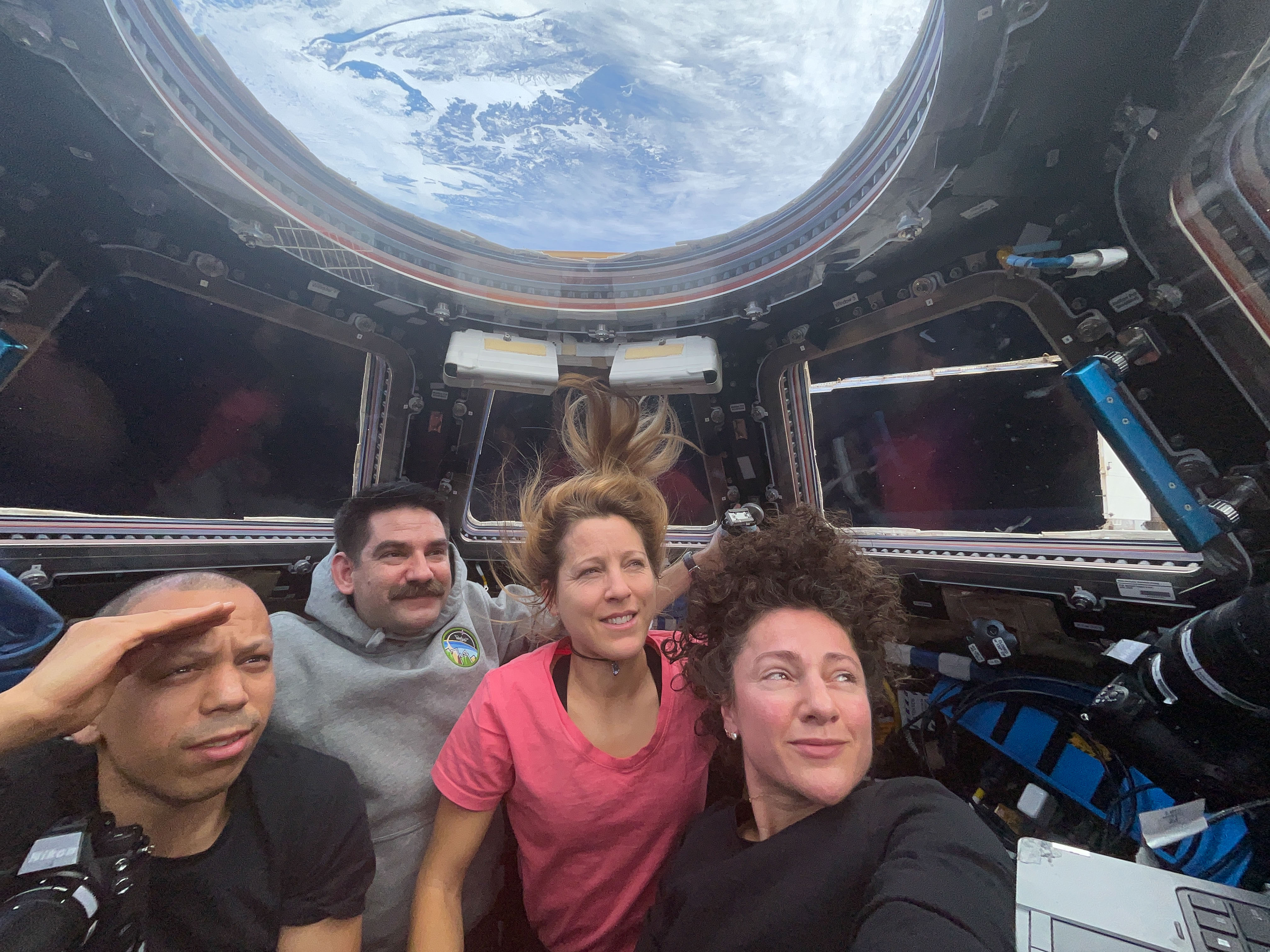
International Space Station Expedition 74 astronauts (from left) Chris Williams, Jack Hathaway, Sophie Adenot, and Jessica Meir inside the space station’s cupola waiting to observe the Orion spacecraft—with the Artemis II crew inside—as it reenters Earth’s atmosphere.
NASA
The International Space Station has been busy throughout 2026, as it continues to be a bustling workspace for astronauts conducting a variety of scientific experiments that lay the groundwork for missions to the Moon and beyond.
NASA’s Artemis II mission in April was the first crewed flight around the Moon in more than 50 years, marking a major milestone for humanity’s return to the lunar surface. While the mission validated key systems needed for future deep space human exploration, work aboard the International Space Station continues to support those goals. Astronauts on the orbiting laboratory are testing technologies, studying how the human body adapts to long-duration spaceflight, and conducting experiments to help ensure crews can live and work safely in deep space. Research aboard the space station, coupled with Artemis and Moon Base programs, will continue to demonstrate how NASA is preparing for sustained astronaut exploration of the Moon and, eventually, Mars.
Optimizing space technology
ESA (European Space Agency) astronaut Sophie Adenot activates the European Enhanced Exploration Exercise Device (E4D), marking the start of a two-year technology demonstration.
ESA/NASA
Astronauts aboard the International Space Station demonstrate and optimize innovative technologies to support exploration missions, reduce the technology footprint, and fine-tune systems ahead of travel beyond low Earth orbit.
Exercise equipment is important for long-duration spaceflight. On average, astronauts lose between 1% and 1.5% of their bone density each month while in microgravity, increasing the potential risk for fractures and other bone-related issues. Regular exercise can help counteract these effects and keep astronauts healthy. The European Enhanced Exploration Exercise Device (E4D) is a compact, versatile system now being tested aboard the space station for exploration crews. The system supports a variety of exercises, can simulate different gravity levels and may lead to even more compact exercise technology for exploration crews.
During deep space missions, astronauts may need medical care but could be too far from Earth to receive a resupply spacecraft with additional equipment. To prepare for that possibility, researchers are testing medical technologies aboard the station. One of these investigations, the Intravenous Fluid Generation – Mini (IVGEN Mini),evaluates producing intravenous (IV) fluids using the station’s potable water supply. Because commercially available IV fluids have a shelf life of only about 16 months, successful demonstrations of this technology could help meet medical needs while reducing launch mass and volume.
Medical care is one hurdle crews may face during future missions, while another is the limited time astronauts have to complete tasks that require human intervention. Robotic technologies, such as the Test facility for lab-aUtomation System in Kibo (TUSK), may help address these time constraints. This investigation studies how microgravity affects delicate robotic operations that rely on precise movement. Insights could help improve the design of future automated systems that can execute tasks independently, freeing up astronauts’ valuable time during future missions.
Studying the body in space
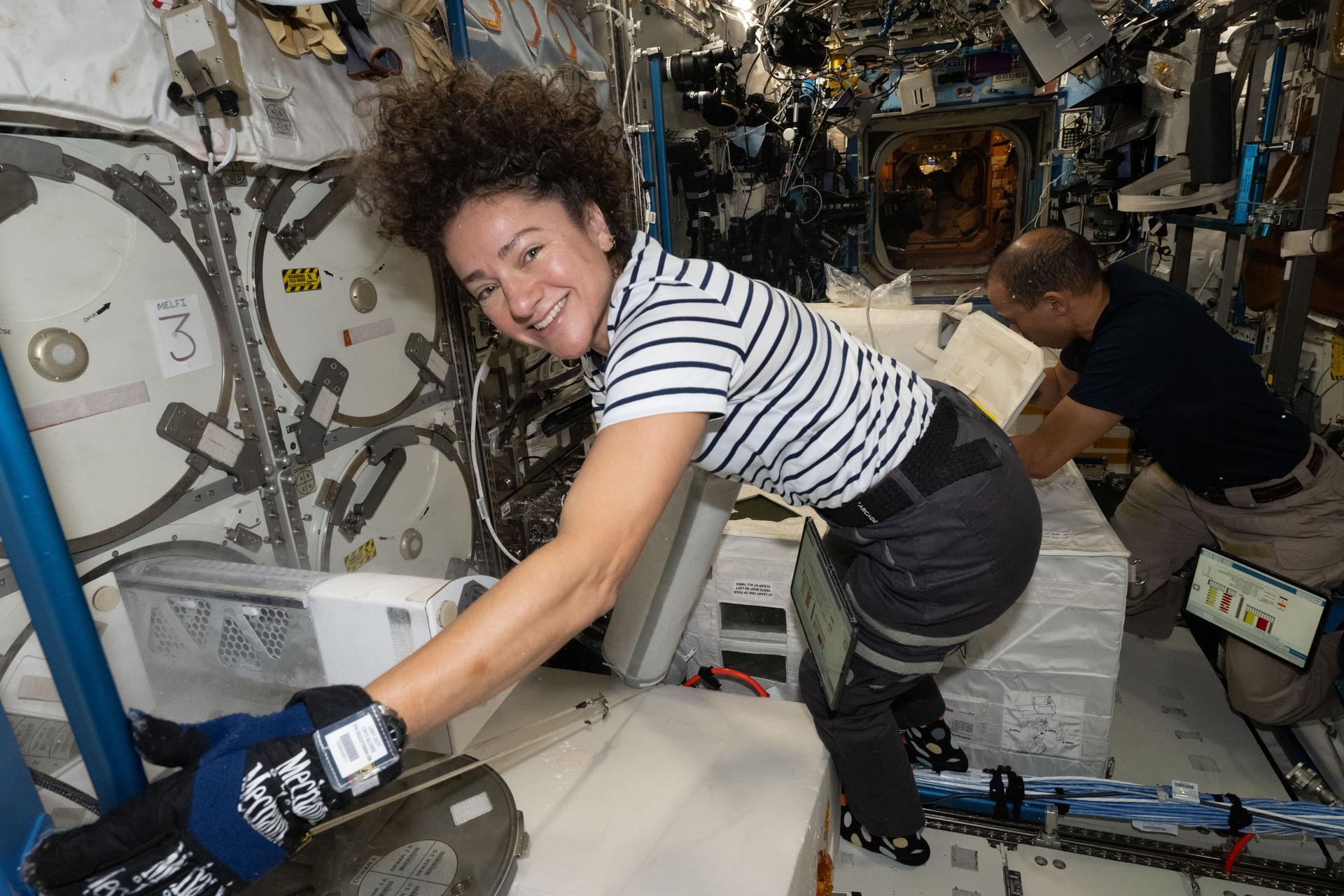
NASA astronauts Jessica Meir and Chris Williams collect frozen research samples from inside the International Space Station’s Destiny laboratory module.
ESA/Sophie Adenot
Astronauts also serve as test subjects. They collect biological samples, conduct medical exams, and perform scans to understand how bodies adapt to life in space. This research helps scientists and medical personnel understand the effects of spaceflight and protects crew health as missions extend farther into the solar system.
Past research shows weightlessness during spaceflight can sometimes disrupt astronauts’ normal blood flow, which may increase health risks for conditions, such as blood clots.The Spaceflight Thrombosis and Risk Factors (Venous Haemostasis) experiment examines changes in blood flow to identify unique physiological correlations and create preventative measures for at-risk crew members.
Astronauts also may experience changes to their cardiovascular and respiratory systems during spaceflight, which could affect blood pressure regulation. Research with the Causal Analysis of Cardiorespiratory Coupling on the ISS (CARDIOBREATH) uses the Bio-Monitor “smart shirt” to track heart rate, blood pressure, breathing rate, and activity during exercise sessions aboard the orbiting complex. Results will improve understanding of cardiovascular health in microgravity and inform treatments for cardiorespiratory risks during and after long-duration missions.
Maintaining mental health in space is as important as physical health. Prolonged isolation and confinement can impact a crew member’s sleep, morale, and decision-making. The Mind/Body Practices for Deep Space Exploration (RelaxPro) experiment evaluates non-invasive practices, such as meditation, to develop a structured system to reduce stress and improve sleep on future missions.
Refining next-generation spaceflight
Preflight imagery shows the Fiber-optic Active Dosimeter (Lumina), an active dosimeter that monitors real-time radiation dose.
NASA
Spacecraft are a critical aspect of deep space missions, providing shelter from the harsh environment of space, along with oxygen, water, and other life-support systems. Testing systems aboard the International Space Station allows researchers to refine technologies for next generation spacecraft traveling beyond low Earth orbit.
The Fiber-optic Active Dosimeter (Lumina) demonstrates real-time radiation monitoring using optical fibers that darken when exposed to radiation. Monitoring ionizing radiation keeps astronauts safe and remains one of the key challenges for future deep space exploration.
Many spacecraft use cryogenic, or extremely cold, fuels for propulsion. These fuels must remain cold to stay in liquid form, but temperature fluctuations in space can cause them to slowly evaporate and escape the tank, affecting fuel efficiency. The Zero Boil-Off Tank Noncondensables (ZBOT-NC)investigation evaluates how gases that do not liquify at low temperatures impact pressure control, evaporation, and condensation rates inside propellant tanks. Data from this experiment will help validate models and support the design of more efficient cryogenic fuel storage systems.
As the crew’s living environment, the spacecraft must also be monitored for microbial activity to help ensure a safe and healthy habitat. The Genomic Enumeration of Antibiotic Resistance in Space (GEARS) investigation surveys the space station for antibiotic-resistant organisms to better understand how bacteria may adapt in space. The study uses DNA sequencing techniques to advance onsite identification and diagnostic capabilities that will be important for future missions.
International Space Station science still is buzzing for the remainder of 2026. To learn more about ongoing research aboard the space station, visit:
Advanced Mini-laboratories Automate Space Station Research
NASA astronaut Tracy C. Dyson swaps out sample processors in the Advanced Space Experiment Processor (ADSEP).
Credits: NASA
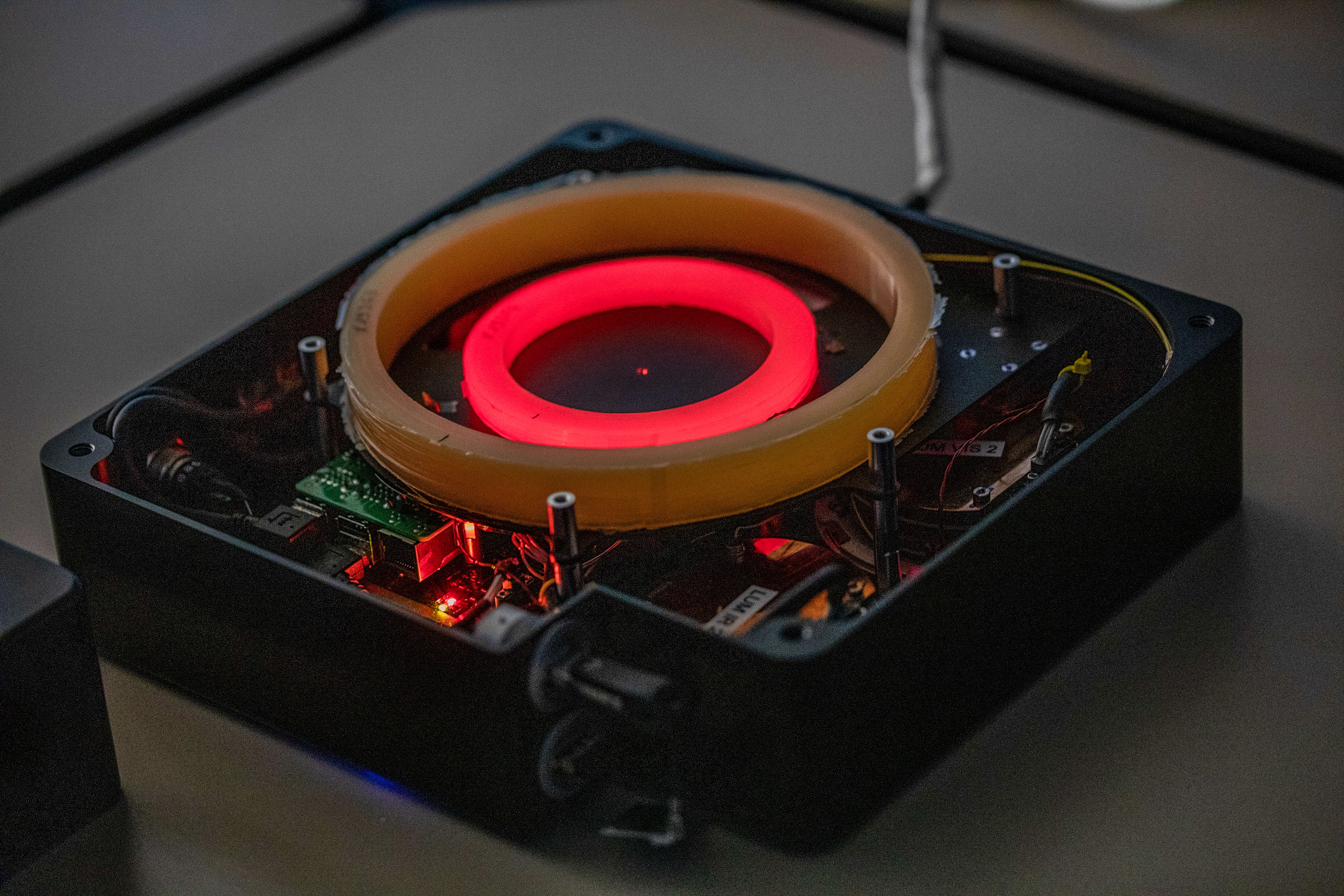
The International Space Station hosts hundreds of science experiments at a time. Some experiments can take hours to perform, and researchers need to account for astronauts’ limited time. Fully automated devices, like Redwire’s ADvanced Space Experiment Processors (ADSEPs), have been designed to conduct more space science with less crew time.
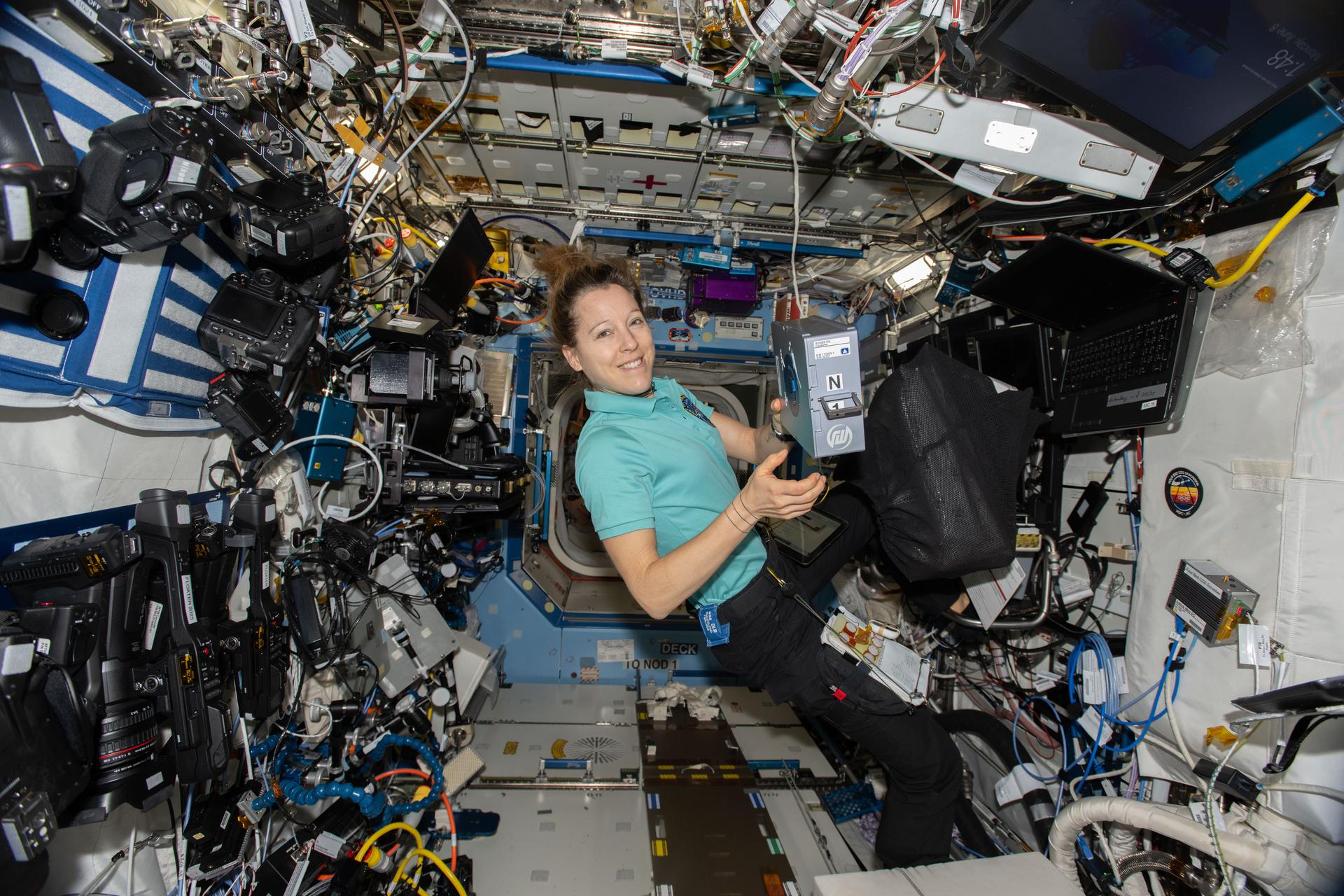
Within each ADSEP facility there are three to four “mini-laboratories”, called cassettes, that allow multiple studies with different needs to be performed at the same time. The latest model, ADSEP-4 can accommodate four cassettes and features imagery capabilities. Since 2017, ADSEPs have conducted and supported two dozen investigations aboard space station with new ones on the horizon.
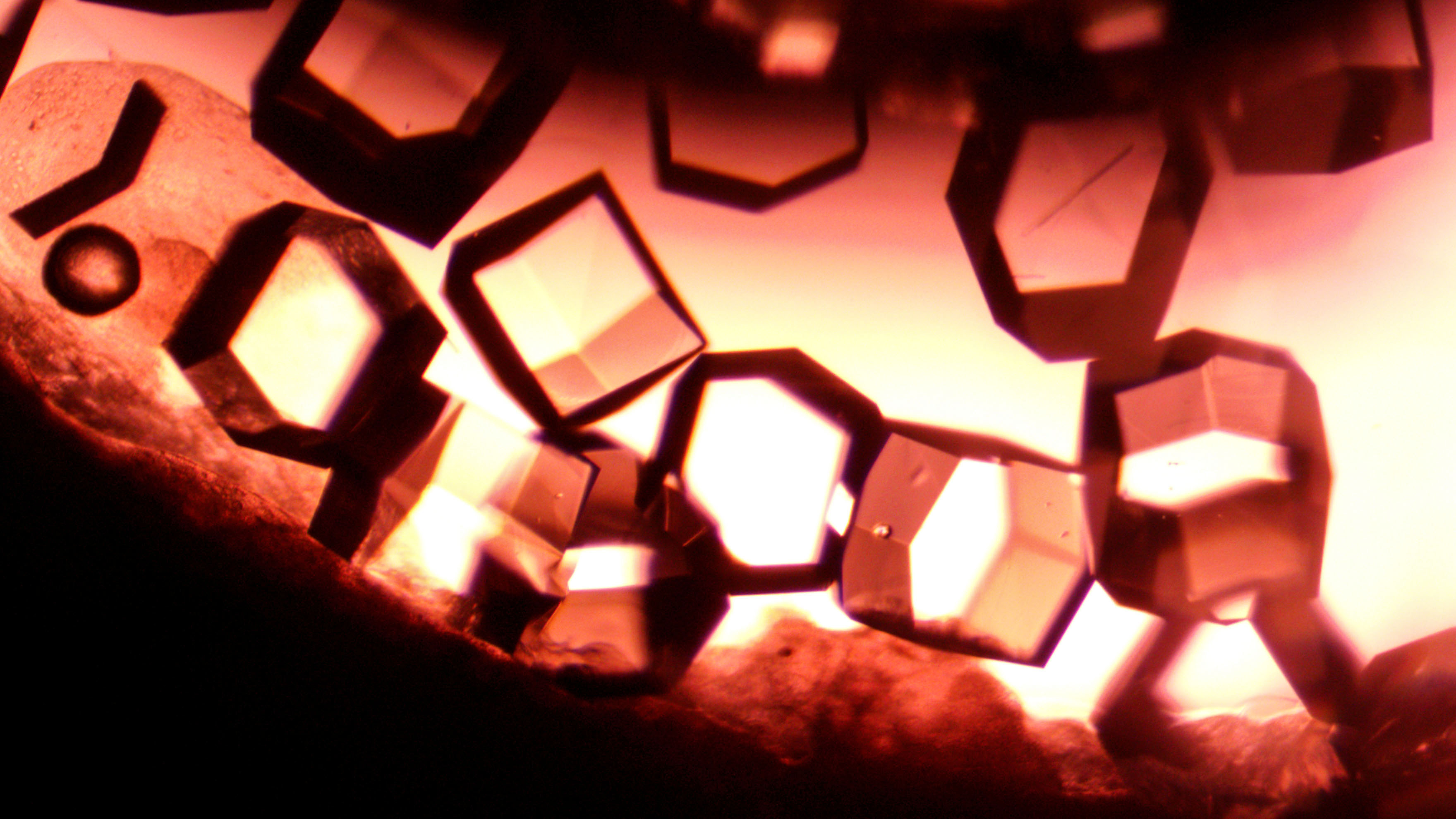
Crystals are grown aboard the International Space Station as part of ADSEP-PIL-02, an investigation that aims to study the effects of microgravity on various types of crystals.
Redwire
The latest ADSEP investigations are related to growing seed crystals in space, which can be used to reformulate existing drugs or develop entirely new therapeutics. Previous experiments have shown that the unique microgravity environment allows the growth of larger and higher quality crystals. With Redwire’s Pharmaceutical In-Space Laboratory (PIL-BOX), a cassette-based system that uses the ADSEP facility, researchers can grow improved, space-grown seed crystals.
European Space Agency (ESA) astronaut Sophie Adenot displays a cassette for the ADvanced Space Experiment Processor (ADSEP).
NASA
Notable PIL-BOX experiments sponsored by the ISS National Laboratory have focused on cancer research. The ADSEP-PIL-10 investigation, currently being conducted in orbit in collaboration with the Aspera Biomedicines, works to crystallize cancer-blocking and cancer-promoting molecules with the goal of creating an oral cancer medication. ADSEP-PIL-15 crystalized cancer-treating medicines to help refine production, quality, and stability of these cancer drugs. A recent technology demonstration, ADSEP- ICC (Industrial Crystallization Cassette), tested a larger cassette to expand ADSEP function and scale crystallization production for commercial use.
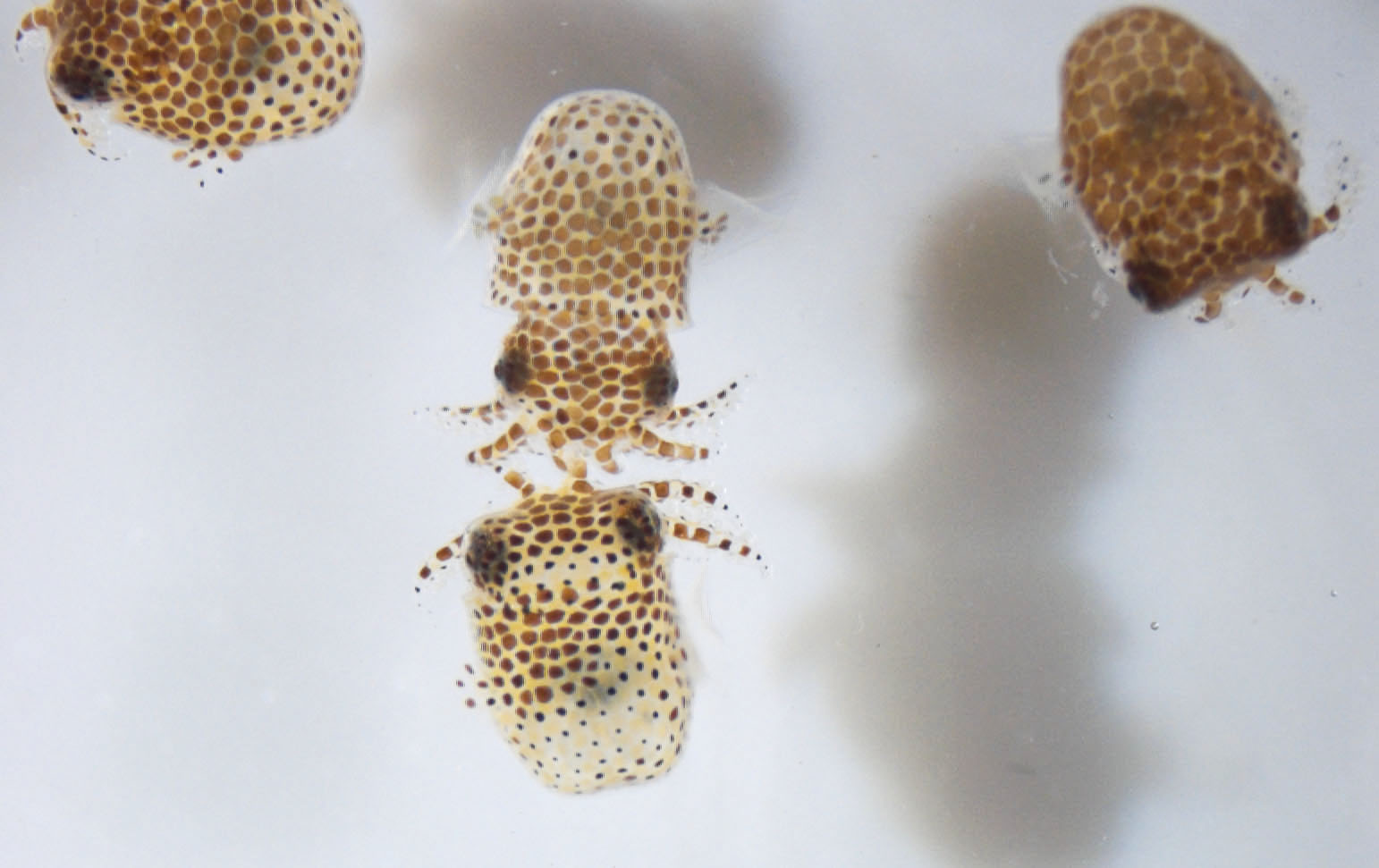
Juvenile bobtail squid swimming in seawater just after hatching as part of the ADSEP-UMAMI investigation.
University of Florida
ADSEPs are not limited to crystal growth and can also be used for culturing cells and tissues, studying organisms, and researching materials-sciences. In 2021, ADSEP-UMAMI studied how bobtail squid interacted with beneficial microbes in the space environment. This research found that symbiotic interactions with microbes can lessen a host animal’s stress responses caused by spaceflight and accelerate developmental pathways such as growing neurons and tissues. These findings give insight into the importance of symbiotic relationships in closed ecosystems like spacecraft and have implications for astronauts and their own beneficial bacteria during space missions.
The automation and versatility of ADSEPs permit a wide array of science experiments to be conducted aboard the orbiting laboratory, leading to findings that inform future space missions and are beneficial to people on Earth.

 Login
Login