Normal view

There are new articles available, click to refresh the page.
Today — 13 September 2026Main stream

CLARITY Act Odds Slashed to 60-Vote Senate Test Comes Into View

13 September 2026 at 12:24

CLARITY Act odds on Kalshi for the bill to become law in 2026 stood at 25% on September 13, down from 82% in February. At the same time, a separate Kalshi market put the probability of a U.S. Senate vote before October 1 at 94%.

The difference reflects two distinct questions: whether the Senate will take up the measure and whether the bill will complete the full legislative process and be signed into law, with a full-blown crypto bull market hinging on its passage.

The Senate is due to consider the measure on September 15. The Kalshi concerns whether H.R. 3633, formerly known as the CLARITY Act, will be passed by both chambers of Congress and signed into law by December 31, 2026. A vote on the motion to proceed is an earlier procedural stage, rather than final enactment.

Make Your CLARITY Act Prediction Count With $25 For Free on Kalshi

CLARITY Act Odds: A Vote Is Not the Same as a Law

More than $8M has been wagered on Kalshi’s contract covering the bill’s enactment. The market’s implied probability fell from 82% in February to 16% on September 7.

Views on the Senate threshold differ. Coinbase CEO Brian Armstrong said in a CNBC interview that he was rather optimistic about obtaining 60 votes and characterized the negotiations as having delivered most of what both sides wanted.

Other estimates cited in the source report were more cautious. Ian Katz of Capital Alpha Partners lowered his estimate of the bill’s chances of passage from about 40% to 25%.

Galaxy Digital’s estimate in August was 10%. These assessments, like the prediction-market prices, address the prospects for legislation that must move beyond a procedural Senate vote.

Make Your CLARITY Act Prediction Count With $25 For Free on Kalshi

Why 53 Republican Seats Isn’t Enough

In other CLARITY Act odds news, September 15 is expected to center on a motion to proceed, a step that authorizes debate on the bill rather than passing it outright. Supporters need 60 favorable votes. Republicans hold 53 Senate seats, so at least seven Democrats would need to join them to overcome cloture.

The CLARITY Act passed the House of Representatives in July 2025 by a 294-134 vote. The bill is intended to establish a federal framework for the U.S. crypto market.

Under the proposal described in the source report, the CFTC would receive exclusive authority over spot markets for digital commodities, while the SEC would retain oversight of certain securities offerings and crypto exchange activities.

Three areas of disagreement remain. Several Democrats, including Kirsten Gillibrand, are seeking a binding ban on public officials holding crypto assets. Traditional banks have resisted compromise over stablecoin rewards.

Lawmakers also remain divided over protections for decentralized finance protocols and non-custodial software developers, with concerns that some language could create regulatory loopholes.

Earn $50 and Enter $300K Prize Draw on EdgeX

What Happens After September 15

🚨HUGE: Anonymous traders have bet over $1 MILLION that crypto's biggest regulatory bill will FAIL, days before its make-or-break vote.

The CLARITY Act faces a Senate vote on September 15, but only to start debate, not to pass.

It needs 60 votes to proceed, yet Republicans hold… pic.twitter.com/g13s8TapC8

— Coin Bureau (@coinbureau) September 6, 2026

If the motion to proceed receives the necessary votes, the legislation would move into formal debate. The outstanding disagreements over ethics, stablecoin rewards, and protections for DeFi and non-custodial developers would still need to be addressed. If cloture does not clear, the bill would not advance through that procedural step.

The legislative route is not the only avenue for crypto policy. The SEC and CFTC are already pursuing work on crypto regulation without waiting for Congress.

Under Paul Atkins, the SEC has abandoned certain enforcement actions and outlined a taxonomy of crypto assets, according to the source report. The CFTC is working on issues involving leveraged exchanges and DeFi.

Regulatory action can provide a framework outside legislation, but agency rules can also be changed by a future administration. The September 15 proceeding, therefore, remains important as a gauge of whether the CLARITY Act can begin Senate debate, while the prediction markets highlight the separate question of whether it can become law in 2026.

Discover: The Best Crypto to Diversify Your Portfolio

The post CLARITY Act Odds Slashed to 60-Vote Senate Test Comes Into View appeared first on Cryptonews.

Yesterday — 12 September 2026Main stream

FTX Founder Sam Bankman-Fried Takes Fraud Conviction to Supreme Court

12 September 2026 at 07:00

Sam Bankman-Fried asked the U.S. Supreme Court on Thursday to overturn his fraud conviction stemming from the collapse of FTX, following high-profile pardons of Silk Road founder Ross Ulbricht and Binance co-founder CZ.

He is serving a 25-year prison sentence following his 2023 conviction, and his lawyers are also challenging an approximately $11Bn forfeiture.

The justices must first decide whether to hear the case. The court receives thousands of such requests each year and agrees to hear arguments in about 60 cases.

JUST IN: Sam Bankman-Fried has asked the U.S. Supreme Court to overturn his 2023 fraud conviction and 25-year prison sentence.

SBF is now taking his case to the highest court in the U.S.

This could be a huge development for the FTX founder. pic.twitter.com/J75ckwPdMM

— That Martini Guy ₿ (@MartiniGuyYT) September 11, 2026

What Does the Petition from Sam Bankman-Fried Actually Challenge?

The petition challenges key parts of the case against Bankman-Fried, including the conviction and the forfeiture order.

  • The conviction: His lawyers argue the trial court improperly prevented him from presenting evidence about whether FTX customers ultimately recovered their money.
  • The forfeiture order: The defense argues that the roughly $11 billion forfeiture is excessive under the Eighth Amendment.
  • A separate pardon application: Online records from the Office of the Pardon Attorney list Bankman-Fried’s request for a pardon from President Trump as pending.

Bankman-Fried was convicted on seven counts of fraud and conspiracy after a monthlong federal jury trial. In June, a three-judge panel of the U.S. Court of Appeals for the Second Circuit affirmed the judgment.

The appellate court described the case as involving the cryptocurrency exchange FTX and Alameda Research, the cryptocurrency trading firm that Bankman-Fried operated and controlled.

Earn $50 and Enter $300K Prize Draw on EdgeX

What are SBF’s Lawyers Saying?

His lawyers have argued that FTX and Alameda held sufficient assets to repay customers and that the court’s limits on evidence about those assets deprived him of a fair trial. The petition points to FTX’s bankruptcy plan, under which virtually all creditors were promised cash payments, including interest, to recover their losses.

Federal prosecutors have maintained that FTX customers were defrauded through Bankman-Fried’s handling of their money, including the misappropriation of billions of dollars in customer funds. The Second Circuit said the government’s trial theory was that Bankman-Fried promised customers their funds would be secure on the platform and used only for cryptocurrency transactions, but transferred customer funds to Alameda and elsewhere for unauthorized purposes. The court affirmed the district court’s judgment.

Don’t Miss Out on Our $1,000 USDT Airdrop on ByBit

From Billionaire to Defendant: The Story of Sam Bankman-Fried

Bankman-Fried founded FTX in 2019 and grew it into one of the world’s largest crypto exchanges. The company’s growth brought him wealth and public prominence, and he became one of the world’s youngest billionaires and a top Democratic donor.

FTX collapsed in 2022 after a run on deposits forced the firm into bankruptcy. Bankman-Fried was arrested later that year in the Bahamas, where he had been living, and was extradited to the United States to face trial. The Second Circuit’s account states that FTX filed for bankruptcy in November 2022 after it could not meet customer withdrawal requests.

Bankman-Fried has maintained his innocence. Prosecutors characterized the case as one of the largest financial frauds in history and alleged that he stole billions of dollars from FTX customers while presenting himself as a responsible philanthropist.

What Happens Next

The Supreme Court has not indicated whether it will take up Bankman-Fried’s petition. Its decision on whether to hear the case will determine whether the challenge receives further consideration.

The pending pardon application is a separate matter from the Supreme Court petition. The Office of the Pardon Attorney, a division of the Justice Department, lists the application as a request for a pardon after completion of sentence and marks it as pending.

Discover: The Best Token Presales

The post FTX Founder Sam Bankman-Fried Takes Fraud Conviction to Supreme Court appeared first on Cryptonews.

Before yesterdayMain stream

Trump Crypto: Kevin Hassett Coinbase Stake Raises Conflict of Interest Concerns

11 September 2026 at 08:00

In Trump crypto news, National Economic Council Director Kevin Hassett disclosed holding between $1M and $5M in vested Coinbase shares at the end of 2025, according to a previously unreported annual financial filing.

The stake sat on his books while the Trump administration rapidly rewrote federal crypto regulation, and the filing does not establish whether he still holds the shares in 2026.

That timing is the story. Hassett ran the council that housed Trump’s digital-assets working group even as his Coinbase position sat unresolved on paper, and Coinbase itself has been central to the regulatory rewrite now moving through Congress.

Hassett kept up to $5 million Coinbase stake as Trump reshaped crypto policy https://t.co/Am7fM82W77

— CNBC (@CNBC) September 11, 2026

Trump Crypto News: What the Hassett Disclosure Shows

Hassett’s 2025 annual disclosure lists vested Coinbase Global Class A shares valued between $1,000,001 and $5,000,000. He served on Coinbase Asset Management’s advisory council from March 2021 until January 2025, when he joined the White House. The filing does not confirm whether he sold the shares afterward.

Three days after Trump’s second inauguration, an executive order established the President’s Working Group on Digital Asset Markets, with Hassett’s office named as a member. The group proposed significant changes to digital asset regulations and reversed Biden-era crypto policies, aligning with Coinbase’s lobbying efforts.

Hassett said he recused himself from crypto matters while ethics officials reviewed his holdings, and he chose not to sell the shares to avoid the appearance of timing. The White House confirmed his recusal remains in effect, declining to comment on whether he still owns the shares or whether it affected his economic-policy work.

Make Your Prediction Count With $25 For Free on Kalshi

The Conflict-of-Interest Question

Virginia Canter, a former SEC ethics lawyer now at Democracy Defenders Fund, described the holding as a major conflict of interest or the appearance of one, according to the disclosure’s reporting.

She questioned whether a recusal broad enough to cover all crypto matters could have sidelined one of Trump’s top economic advisors from a defining priority of the administration – one that touched Treasury, Commerce, the SEC and the CFTC, all represented on the same working group Hassett’s council hosted.

What remains unclear is the practical scope of that recusal: which meetings Hassett skipped, which decisions he stepped back from, and how much of his NEC portfolio it touched.

The working group’s final report lists NEC deputy Robin Colwell as its representative rather than Hassett himself, suggesting at least some formal distance, but it doesn’t explain how crypto policy discussions were handled within a council he still directs.

🚨HASSETT: TRUMP IS SERIOUS ABOUT $5,000 CHECKS!

White House senior adviser Kevin Hassett said President Trump is committed to the $5,000 payment plan floated this week.

Hassett said budget reconciliation could be used to send the checks in a way he called fiscally responsible. pic.twitter.com/enzvV3QQt1

— Crypto Banter (@crypto_banter) September 11, 2026

Coinbase’s Stake in the Outcome of the CLARITY Act

Coinbase has more than a passive interest in how this policy fight resolves. The SEC dismissed its enforcement case against the exchange with prejudice just over a month into Trump’s term, a move regulators framed as part of a broader overhaul rather than a ruling on the case’s merits.

Coinbase was also a major backer of the Fairshake super PAC during the 2024 cycle, and CEO Brian Armstrong has met repeatedly with Trump and senior officials, including at the March 2025 White House crypto summit, context that shapes how Armstrong has talked about the regulatory environment under this administration.

Earn $50 and Enter $300K Prize Draw on EdgeX

The post Trump Crypto: Kevin Hassett Coinbase Stake Raises Conflict of Interest Concerns appeared first on Cryptonews.

Revised CLARITY Act Would Shift DeFi Compliance to Controllers

11 September 2026 at 04:36

A revised version of the CLARITY Act would put regulatory obligations on people or coordinated groups controlling “non-decentralized finance trading protocols.” The revised bill defines a non-decentralized protocol as one whose functionality, operation, or rules can be materially altered by an identifiable person or coordinated group.

Under the framework, the SEC and CFTC would write activity-based rules covering registration, conduct, disclosure, recordkeeping, and supervision. Treasury would then determine how existing Bank Secrecy Act obligations apply to affected controllers.

🚨BREAKING: Senate Republicans are reportedly circulating a revised CLARITY Act text ahead of the September 15 cloture vote.

The full text has not been made public.

Key disputes remain unresolved, including:

– Ethics rules targeting the president, who reported more than $1.4… pic.twitter.com/pXJ0yZ1ojT

— Coin Bureau (@coinbureau) September 10, 2026

Software and distributed-ledger systems would not be required to register in their own capacity under the text. Participation in an incident-response or security council would not, by itself, establish control over a protocol. This is a carve-out aimed at preserving emergency-response mechanisms without pulling their participants into regulatory scope.

However, the September 15 vote still depends on Democratic crossover votes, given unresolved disputes over ethics provisions, anti-money-laundering protections, and stablecoin rewards.

Trade Bitcoin on Bybit and Get a Chance to Win Our $1,000 USDT Airdrop

What Does the Revised CLARITY Act Actually Change?

The core shift in the revised CLARITY Act is definitional rather than structural. Instead of treating all DeFi trading protocols as a single regulatory category. The bill draws a line between protocols that behave like neutral infrastructure and those where an identifiable controller retains the ability to alter functionality, restrict users, or override pre-established code logic.

Practically, this means the SEC and CFTC would be tasked with building activity-based rulebooks aimed at controllers rather than protocols in the abstract. Treasury’s piece addresses how Bank Secrecy Act obligations map onto those same controllers.

The revised CLARITY Act would regulate identifiable DeFi controllers, while a September 15 Senate vote would only open debate on the bill.

For market participants tracking how the CLARITY Act could reshape institutional access to crypto markets, this is the mechanism that determines which DeFi front-ends and governance structures face compliance exposure and which remain entirely outside registration requirements.

The bill still faces the same political friction that has slowed it for months. Ethics restrictions, AML protections, and stablecoin-yield treatment remain contested, and the ethics section in the newly released text is largely unchanged from the prior draft despite being one of the central sticking points in negotiations.

Earn $50 and Enter $300K Prize Draw on EdgeX

Industry Reaction Splits on Substance

Crypto Council for Innovation CEO Ji Hun Kim called the pending vote a pivotal moment for digital assets and innovation. American leadership argues the US needs a framework that pairs consumer protections with business conduct standards.

Coinbase CEO Brian Armstrong told CNBC the bill was ready for a yes vote, saying Coinbase’s previously identified must-have issues had been resolved, though he did not specify which provisions changed or where ethics negotiations landed.

🚨JUST IN: Coinbase CEO Brian Armstrong says crypto wins no matter how the CLARITY Act vote turns out.

“If it passes, we get legislation,”

“If it doesn’t pass, the SEC and CFTC are ready to issue rules.”

Armstrong said the Sept. 15 Senate vote will bring regulatory clarity… pic.twitter.com/A38qUeLF7d

— Coin Bureau (@coinbureau) September 10, 2026

Not everyone shares that confidence. Democratic Senator Ruben Gallego warned in August against rushing a vote before lawmakers resolved disputes over ethics and stablecoin yield, arguing that a fast vote does not guarantee the outcome supporters want.

The September 15 cloture vote decides only if the Senate opens debate, not if the CLARITY Act becomes law. Clearing the 60-vote threshold requires Republicans to secure Democratic support despite the open fights over ethics language, AML protections, and stablecoin rewards, the same issues Gallego flagged weeks ago.

Armstrong noted that if the legislation stalls, the SEC and CFTC could still pursue rulemaking and innovation exemptions under their existing authority, meaning DeFi regulation would proceed agency by agency rather than through a single statutory framework.

Discover: The Best Token Presales

The post Revised CLARITY Act Would Shift DeFi Compliance to Controllers appeared first on Cryptonews.

Coinbase Links CLARITY Act Passage to Institutional Capital

10 September 2026 at 04:25

Coinbase CEO Brian Armstrong said U.S. crypto regulatory clarity is likely to arrive, whether or not the Senate advances the CLARITY Act in its scheduled Sept. 15 vote. He also frames the legislation as one of two possible paths to the same destination. Passage would unlock institutional capital and support future products such as tokenized equities, he said.

Armstrong told CNBC’s Squawk Box Asia the bill appeared close to the support it needs, with the senators he’s spoken to on board. Securing 60 votes remains the immediate hurdle, and as we have reported on the cloture vote, ethics provisions are among the details still being negotiated.

He said SEC and CFTC rulemaking could deliver an alternative route to clarity if Congress fails to act. Separately, Coinbase reported second-quarter 2026 revenue of $1.2 billion, down from $1.5 billion a year earlier, with a $359.5 million net loss versus a $1.43 billion profit in the year-ago period.

Earn $50 and Enter $300K Prize Draw on EdgeX

CLARITY Act Senate Vote Meets a Business in Transition

The CLARITY Act seeks to establish a federal framework for digital assets, dividing oversight between the SEC and CFTC. Coinbase has been one of its most vocal backers, and Armstrong reiterated that stance ahead of the Sept. 15 Senate vote, where clearing the 60-vote threshold is the key procedural test.

Democratic Sen. Ruben Gallego of Arizona has said getting to 60 votes requires resolving ethics provisions alongside other outstanding issues. Armstrong said those details were still being negotiated but appeared very close to a solution ahead of the vote.

LATEST: 🇺🇸 Senator Ruben Gallego says the GENIUS Act managed to pull in multiple Democratic votes despite low initial expectations, suggesting the CLARITY Act could do the same pic.twitter.com/dmI4FsECl9

— CoinMarketCap (@CoinMarketCap) August 21, 2026

He described the bill’s potential passage as a regulatory checkbox that could unlock institutional capital and pave the way for products like tokenized equities in the U.S., calling it a big milestone if it happens, without committing Coinbase to a specific product timeline.

That regulatory push comes as Coinbase leans harder into diversification. Crypto spot trading, which Armstrong said has been down for the last year and still accounts for roughly half of revenue, has dragged on results now for three straight quarters against Wall Street expectations.

Coinbase has expanded its trading business into stocks, commodities, and foreign exchange, while building out non-trading revenue through stablecoins and institutional custody. It is a mix that connects to broader questions about how regulatory clarity feeds into digital-asset pricing.

Discover: The Best Token Presales

Why Tokenization Doesn’t Escape Securities Law

Armstrong’s tokenized-equities framing runs into a distinction worth keeping straight: putting a stock on a blockchain doesn’t remove it from securities regulation. The SEC said in a January 2026 statement that a tokenized security is still a security under federal law regardless of whether it’s formatted as a crypto asset.

Coinbase CEO Brian Armstrong says the CLARITY Act could unlock institutional capital, while SEC and CFTC rules offer a fallback if it stalls.

That statement also outlined that tokenized securities can be issued directly by companies or created by unaffiliated third parties, layering a crypto asset on top of an existing security. The CLARITY Act’s relevance to Coinbase’s ambitions, then, may lie less in redefining what a tokenized stock legally is and more in clarifying which agency governs the trading venues and market infrastructure around it.

The Senate’s Sept. 15 vote is the immediate checkpoint, with 60 votes and outstanding ethics language the deciding factors. If the bill stalls, Armstrong’s fallback case rests on the SEC and CFTC moving forward with rulemaking of their own, a scenario he expects but that regulators have not put on a confirmed public schedule.

Trade Crypto on Bybit and Get a Chance to Win Our $1,000 USDT Airdrop

The post Coinbase Links CLARITY Act Passage to Institutional Capital appeared first on Cryptonews.

Coinbase CLARITY Act Optimistic as Cloture Vote Faces Ethics Fight

9 September 2026 at 04:23

Coinbase policy chief Faryar Shirzad told crypto advocate Scott Melker that he remains cautiously optimistic the CLARITY Act can clear a critical Senate procedural vote scheduled for September 15. Coinbase is not assuming all 53 Senate Republicans will back the CLARITY Act, which means Democratic votes are essential to reach the 60-vote cloture threshold.

The vote in question is a cloture motion on the bill’s path to full Senate consideration, not a final passage vote. Clearing cloture opens debate and amendments, but the bill still needs to survive a later floor vote before it becomes law.

Shirzad described the years the industry has spent building bipartisan support as finally putting comprehensive Senate crypto regulation within reach, calling the legislative package a powerful one. He laid out two possible outcomes on September 15: the bill stalls just short of 60 votes, or enough Democrats cross over to trigger what Washington insiders term a jailbreak, where additional undecided senators feel safe voting yes once bipartisan momentum is visible.

Discover: The Best Token Presales

The Ethics Fight Tied to Trump’s Crypto Interests

Shirzad identified the ethics language connected to President Trump’s crypto holdings as the single biggest risk to the bill’s advance. Senate Democrats continue to argue that the proposed ethics provisions fall short, while Republicans maintain that the legislation already contains meaningful safeguards.

UPDATE: Republican senators warn the CLARITY Act is "likely to FAIL" next week as talks stall over ethics rules governing Trump and his family, per Semafor.

Sen. Thom Tillis says the bill “is going to fail” unless the White House helps bridge the divide. https://t.co/cjCUWLznoE pic.twitter.com/ytnt5wUXFQ

— Coin Bureau (@coinbureau) September 8, 2026

Per Shirzad, the White House has accepted restrictions that apply specifically to the president, but Democrats may still demand further concessions before supplying the votes needed for cloture. Remaining disputes over DeFi provisions and exchange rules are, in his view, more likely to get resolved than the ethics standoff.

Stablecoin-related banking concerns add another layer of friction on the Republican side. Shirzad expects the White House to push lawmakers toward a compromise on that front, a dynamic that has already shaped how the industry frames the bill’s impact on bank deposits, a subject covered in detail regarding the CLARITY Act’s effect on the US banking sector.

Earn $50 and Enter $300K Prize Draw on EdgeX

What The CLARITY Act Would Actually Do Beyond Coinbase

The bill would split oversight of digital assets between the SEC and CFTC and bar government officials, including Trump, from operating crypto businesses, according to Reuters reporting. Trump reported more than $1.4 billion in income from his family’s crypto ventures last year, which is precisely why the ethics carve-outs have become the bill’s most contested section.

Democrats have pushed for stronger anti-money-laundering controls and for state attorneys general to have independent enforcement power over the presidential ban, per Reuters. Community bankers, meanwhile, have lobbied against provisions letting exchanges pay rewards on stablecoin holdings, arguing it would pull deposits away from traditional lenders.

BREAKING: 🇺🇸 A NEW AD JUST EXPOSED WHY THE BIG BANKS ARE TRYING TO KILL THE #BITCOIN CLARITY ACT

THEY RAKED IN RECORD PROFITS OF $300 BILLION LAST YEAR BY “SQUEEZING CONSUMERS AND SMALL BUSINESSES”

AND NOW THEY WANT TO “KILL THE BIPARTISAN CLARITY ACT”

THEY WANT "TO PREVENT… pic.twitter.com/eCvVpjIFHo

— The Bitcoin Historian (@pete_rizzo_) September 8, 2026

Failure at the procedural stage would not stop crypto regulation, according to Shirzad, who argued regulators would move to implement well over 100 individual rules through agency action to replicate much of the framework Congress failed to pass.

He expects crypto’s integration with traditional finance to keep advancing regardless, through tokenization, stablecoins, perpetual futures, and 24/7 markets. This is the CLARITY Act outcome Coinbase is positioning itself for by building toward a wider financial platform spanning investing, lending, and borrowing across asset classes.

Make Your Prediction Count With $25 For Free on Kalshi

Prediction markets are pricing skepticism into that timeline. Kalshi traders have assigned a low probability to major crypto legislation becoming law this year. A signal worth weighing against Coinbase’s public optimism heading into September 15.

Traders positioning around the vote should treat September 15 as a gauge of momentum, not a resolution. A cloture win still leaves debate, amendments, and a final floor vote ahead.

Discover: The Best Token Presales

The post Coinbase CLARITY Act Optimistic as Cloture Vote Faces Ethics Fight appeared first on Cryptonews.

CLARITY Act Could Open the Door to a New Wave of Bitcoin Banking Jobs

7 September 2026 at 04:02

The CLARITY Act Section 401 could hand traditional banks direct authority to custody, lend against, and run infrastructure for Bitcoin. This is an opportunity spanning a $25.7 trillion U.S. commercial banking sector against Bitcoin’s $1.3 trillion market valuation.

The scale gap is the entire bull case for Bitcoin-focused banking jobs, and it’s also exactly why the case remains hypothetical. The bill would permit financial institutions to custody digital assets, lend against them as collateral, operate nodes, and provide brokerage services without seeking additional regulatory approvals.

🇺🇸BREAKING: Washington just went all-in on crypto in a single week.

Trump urged Congress to pass the Clarity Act after hosting crypto executives at the White House.

The CFTC Chair says if the bill stalls, the agency will build its own crypto regime under existing authority.… pic.twitter.com/IrI7mAVr7e

— Coin Bureau (@coinbureau) August 21, 2026

On paper, that opens a lane for banks to build out trading desks, custody operations, risk teams, and compliance functions specifically oriented around Bitcoin. However, the legislative reality is messier than the headline framing suggests.

The bill passed the House 294-134 in July 2025 and has sat before the Senate since, with a cloture motion on the motion to proceed filed in August 2026, according to congressional records. It has not cleared the Senate floor and has not been signed into law, a status tracked in detail on the House calendar as the bill’s timeline continues to slip.

What does that mean for careers? The institutional expansion described in the bill is gradual and conditional, not an immediate crypto hiring boom. Most of CLARITY Act substance is aimed at altcoin securities classification rather than Bitcoin-specific market structure, which is why the Bitcoin provisions read more like defensive protections and banking on-ramps than a new operating framework.

Earn $50 and Enter $300K Prize Draw on EdgeX

What the CLARITY Act Changes for Bitcoin Professionals

btc logo
Bitcoin (BTC)
24h7d30d1yAll time

Two provisions matter most for people already building in Bitcoin. Section 605, labeled the Keep Your Coins Act, would give statutory backing to lawful self-custody and bar federal regulators from restricting personal custody rights. This is a direct response to the 2020 FinCEN proposal that would have forced exchanges to collect data on transfers above $3,000 to private wallets.

Section 604 would prevent non-custodial developers, node operators, and wallet creators from being classified as money-transmitting businesses, a boundary drawn in response to the Samourai Wallet founders’ guilty pleas in April 2026 and Roman Storm’s Tornado Cash conviction in August 2025.

The CLARITY Act could link Bitcoin to $25.7T in US banking, but its Senate delay leaves any Coinbase or bank hiring impact hypothetical.

The provision doesn’t reverse either case; it establishes a clearer legal footing for future open-source infrastructure work, which could reduce the liability concerns that have kept some developers away from non-custodial wallet projects.

Two other pieces of the House version didn’t survive Senate revision. The original language codifying Bitcoin’s commodity status was stripped out, though a July 22 draft reportedly restored it, and the House’s Anti-CBDC provisions were removed entirely.

Discover: The Best Token Presales

Forward Scenarios: From Senate Action to Institutional Hiring

Even if the Senate advances the bill, implementation is its own bottleneck. The CFTC would need to build out digital-commodity regulatory infrastructure largely from scratch, and it’s currently operating with a single commissioner while staff headcount has dropped 21% in a year.

BREAKING: 🇺🇸 SEC Chairman Paul Atkins thinks the Senate will pass the Clarity Act on September 15.

CLARITY IS COMING. pic.twitter.com/4Fie8tgnqI

— Ash Crypto (@AshCrypto) September 2, 2026

The precedent isn’t encouraging on speed. The GENIUS Act, signed in 2025, missed its entire one-year rulemaking deadline across six federal agencies, and that’s a useful baseline for how long banking and market-access provisions might take to become operational even after passage. This itself is a dynamic laid out in coverage of the unresolved Senate vote and its remaining provisions.

If institutional adoption does follow, the sequencing is likely to run compliance and legal first, with Bitcoin trading, custody, and infrastructure hiring expanding on a longer curve behind it.

Discover: The Best Crypto to Diversify Your Portfolio

The post CLARITY Act Could Open the Door to a New Wave of Bitcoin Banking Jobs appeared first on Cryptonews.

EU Strategy Targets €10 Trillion in Deposits, No Bitcoin Yet

3 September 2026 at 09:59

About €10 trillion of EU household savings is held in bank deposits, according to the European Commission Savings and Investments Union strategy, adopted on March 19, 2025. It aims to channel more savings into productive investment and increase citizens’ participation in capital markets.

The Commission’s strategy is focused on the EU financial system, household wealth creation, and financing for businesses. But could this shift toward retail investing eventually change how investors consider different types of investment products? As of today, the Commission’s published materials do not provide an answer to that question.

EU's von der Leyen:

€10 trillion of household savings is currently sitting in bank deposits, and a significant part of European savings is invested outside our continent.

Europe must now put these savings to work for its companies, and that is the goal of the Savings and… pic.twitter.com/CATwQJWAW2

— Clash Report (@clashreport) August 31, 2026

The Commission, however, says that about 70% of household savings in the EU is held in deposits. Deposits are safe and easy to access, but they usually earn less than investments in capital-market instruments.

The Commission also cites European Central Bank analysis suggesting that, if EU households aligned their deposit-to-financial-assets ratio with that of US households, up to €8 trillion could be redirected into market-based investments. That would represent a flow of around €350 billion annually.

Large blue Euro symbol sculpture with gold stars in front of the European Central Bank buildings in Frankfurt
Photo by Masood Aslami on Pexels

The policy case is therefore a conventional capital-markets one. A goal of giving citizens who choose to invest easier, simpler, and lower-cost access to a wide variety of investment opportunities. It links greater capital-market investment to companies’ ability to grow and thrive, as well as investment and growth across economic sectors.

That focus matters when assessing any Bitcoin angle. The Savings and Investments Union is not presented as a Bitcoin savings plan or as a digital-asset distribution initiative. Its stated purpose is to improve how the EU financial system channels savings to productive investment and to create a wider range of financial opportunities for citizens and businesses.

Discover: The Best Token Presales

Three Layers, Not One Policy

A row of gold Bitcoin physical coins resting on a glittering gold textured surface
Photo by https://kaboompics.com/ on Pexels

It is useful to separate the Commission’s stated policy goals from broader market interpretation. The first layer is the Savings and Investments Union itself: a strategy to increase participation in capital markets, support productive investment, and improve financial opportunities for citizens and businesses.

The second layer is implementation. The Commission says the strategy will be further developed and that measures will be taken in specific areas to boost competitiveness in the EU economy, with the most impactful actions receiving attention in 2025. It also says that EU institutions, EU countries, and key stakeholders will need to work together to achieve the initiative.

btc logo
Bitcoin (BTC)
24h7d30d1yAll time

A third layer is the Bitcoin question. The Commission’s material does not set out a role for Bitcoin in the strategy. Any connection between increased retail-investment participation and demand for Bitcoin would therefore remain a market interpretation rather than a stated policy outcome.

The available material supports the strategy’s focus on capital markets and productive investment, not a conclusion about future allocations to digital assets.

Trade XRP on Bybit and Get a Chance to Win Our $1,000 USDT Airdrop

Could EU Strategy Move the Needle?

The most important measure of the strategy’s relevance will be whether it broadens participation in the capital markets it explicitly targets. The Commission says citizens who wish to invest should have better opportunities to do so, including access to a wide variety of investment opportunities, while the broader strategy seeks to bridge the gap between savings and investment needs.

The EU wants to redirect 470 billion euros of European savings into European companies. Capital B is Europe’s first Bitcoin Treasury Company https://t.co/6Gcoej2XrT

— Alexandre Laizet ⚡ (@AlexandreLaizet) September 1, 2026

Its stated priorities remain competitiveness, security, and the digital and green transitions, alongside the integration and competitiveness of the EU banking sector. More capital-market investment, in the Commission’s framing, can help EU companies grow and support jobs, salaries, investment, and economic growth.

For Bitcoin, the gap should remain clear. The strategy may be relevant to the broader discussion around how EU households invest, but the Commission has not described it as a crypto catalyst or a Bitcoin-specific measure. The direct policy focus is on channeling savings into productive investment through a more integrated EU banking and capital markets system.

Discover: The Best Crypto to Diversify Your Portfolio

The post EU Strategy Targets €10 Trillion in Deposits, No Bitcoin Yet appeared first on Cryptonews.

House Calendar Cuts Leave CLARITY Act Facing Election Delay

4 September 2026 at 03:25

House Republican leaders have removed the weeks of Sept. 21 and Sept. 28 from the voting calendar, cutting eight previously scheduled legislative days and leaving representatives with just four voting days before they leave Washington on Sept. 17. The shortened calendar sharply reduces the odds of finishing the CLARITY Act before the Nov. 3 midterm elections, even as the Senate moves toward its own procedural vote days earlier.

House Majority Whip Tom Emmer’s office notified Republican members that leadership had scrubbed the weeks of Sept. 21 and Sept. 28 from the schedule. Leadership did not cite the CLARITY Act as the reason for the change, but the compressed session leaves little runway for the House of Representatives to process anything the Senate sends back.

🇺🇸 BREAKING: House cancels TWO WEEKS of September session putting the CLARITY Act at risk of a post-election vote.

House Republicans canceled voting sessions for the weeks of Sept. 21 and Sept. 28, leaving the chamber with only one more week of voting before heading home ahead… pic.twitter.com/3BTFH4CJzh

— Coin Bureau (@coinbureau) September 4, 2026

The chamber passed its version of the Digital Asset Market Clarity Act, H.R. 3633, in 2025. That bill would split oversight of the U.S. digital asset market between the SEC and CFTC while setting registration rules for crypto trading platforms. It is the closest thing to comprehensive crypto regulation Congress has produced to date.

Senators have since built their own text with provisions absent from the House-passed version. If the Senate advances an amended bill, the House must either sign off on the changes or the two chambers must hash out a unified draft, and any agreed language still needs approval from both sides before it lands on Trump’s desk.

With representatives departing just two days after the Senate’s expected vote, the House isn’t expected to resume regular legislative work until after the midterm elections, and no emergency return or calendar revision has been announced.

Discover: The Best Crypto to Diversify Your Portfolio

Pre-Midterm Odds Were Already Thin

Solana Policy Institute CEO Miller Whitehouse-Levine had previously placed the bill’s chance of becoming law before the midterms at around 10%. He is pointing to the limited number of legislative days and unresolved Senate negotiations.

Those talks have spanned presidential crypto ethics provisions, anti-money-laundering requirements, state enforcement authority, decentralized finance treatment, and stablecoin rewards. Now, Senate Republicans cannot clear the 60-vote cloture threshold without Democratic support.

The CLARITY Act faces a House calendar bottleneck after leaders cut eight voting days, dimming hopes for passage before the midterms.
Photo by DS stories on Pexels

Stablecoin rewards remain one of the thorniest sticking points. The Senate text would bar payments based solely on holding a stablecoin balance while permitting rewards tied to transactions or other activity, a distinction that matters for how exchanges structure yield products.

Banks argue that activity-based incentives could let crypto platforms mimic bank-like returns without carrying equivalent capital and liquidity requirements, while crypto companies say a strict ban would choke off legitimate revenue-sharing and dampen competition in dollar-backed payments.

The fight follows the GENIUS Act, which set federal rules for payment stablecoin issuers but left third-party distribution questions unresolved.

Visit Kraken and Trade Bitcoin Today

What Comes Next for the CLARITY Act?

The immediate checkpoint is the Senate’s expected Sept. 15 cloture vote, which requires at least 60 votes and would open the door to debate, amendments, and further procedural votes, not final passage. Given the House’s Sept. 17 departure, there’s essentially no buffer for a drawn-out Senate amendment process without pushing the bill past the election.

btc logo
Bitcoin (BTC)
24h7d30d1yAll time

Trade Bitcoin on Bybit and Get a Chance to Win Our $1,000 USDT Airdrop

If the CLARITY Act passes, Bitcoin could benefit from clearer and more predictable U.S. crypto regulations. This could encourage banks, institutions, and financial firms to increase their Bitcoin exposure. Greater regulatory certainty may also boost investor confidence and strengthen Bitcoin’s commodity status.

If the current Congress ends without a signed bill, lawmakers will have to restart the process from scratch next session. A post-election lame-duck window could theoretically offer another shot, but whether party leaders grant floor time will hinge on how the midterm elections reshape the balance of power in both chambers.

Discover: The Best Token Presales

The post House Calendar Cuts Leave CLARITY Act Facing Election Delay appeared first on Cryptonews.

EU Strategy Targets €10 Trillion in Deposits, No Bitcoin Yet

3 September 2026 at 09:59

About €10 trillion of EU household savings is held in bank deposits, according to the European Commission Savings and Investments Union strategy, adopted on March 19, 2025. It aims to channel more savings into productive investment and increase citizens’ participation in capital markets.

The Commission’s strategy is focused on the EU financial system, household wealth creation, and financing for businesses. But could this shift toward retail investing eventually change how investors consider different types of investment products? As of today, the Commission’s published materials do not provide an answer to that question.

EU's von der Leyen:

€10 trillion of household savings is currently sitting in bank deposits, and a significant part of European savings is invested outside our continent.

Europe must now put these savings to work for its companies, and that is the goal of the Savings and… pic.twitter.com/CATwQJWAW2

— Clash Report (@clashreport) August 31, 2026

The Commission, however, says that about 70% of household savings in the EU is held in deposits. Deposits are safe and easy to access, but they usually earn less than investments in capital-market instruments.

The Commission also cites European Central Bank analysis suggesting that, if EU households aligned their deposit-to-financial-assets ratio with that of US households, up to €8 trillion could be redirected into market-based investments. That would represent a flow of around €350 billion annually.

Large blue Euro symbol sculpture with gold stars in front of the European Central Bank buildings in Frankfurt
Photo by Masood Aslami on Pexels

The policy case is therefore a conventional capital-markets one. A goal of giving citizens who choose to invest easier, simpler, and lower-cost access to a wide variety of investment opportunities. It links greater capital-market investment to companies’ ability to grow and thrive, as well as investment and growth across economic sectors.

That focus matters when assessing any Bitcoin angle. The Savings and Investments Union is not presented as a Bitcoin savings plan or as a digital-asset distribution initiative. Its stated purpose is to improve how the EU financial system channels savings to productive investment and to create a wider range of financial opportunities for citizens and businesses.

Discover: The Best Token Presales

Three Layers, Not One Policy

A row of gold Bitcoin physical coins resting on a glittering gold textured surface
Photo by https://kaboompics.com/ on Pexels

It is useful to separate the Commission’s stated policy goals from broader market interpretation. The first layer is the Savings and Investments Union itself: a strategy to increase participation in capital markets, support productive investment, and improve financial opportunities for citizens and businesses.

The second layer is implementation. The Commission says the strategy will be further developed and that measures will be taken in specific areas to boost competitiveness in the EU economy, with the most impactful actions receiving attention in 2025. It also says that EU institutions, EU countries, and key stakeholders will need to work together to achieve the initiative.

btc logo
Bitcoin (BTC)
24h7d30d1yAll time

A third layer is the Bitcoin question. The Commission’s material does not set out a role for Bitcoin in the strategy. Any connection between increased retail-investment participation and demand for Bitcoin would therefore remain a market interpretation rather than a stated policy outcome.

The available material supports the strategy’s focus on capital markets and productive investment, not a conclusion about future allocations to digital assets.

Trade XRP on Bybit and Get a Chance to Win Our $1,000 USDT Airdrop

Could EU Strategy Move the Needle?

The most important measure of the strategy’s relevance will be whether it broadens participation in the capital markets it explicitly targets. The Commission says citizens who wish to invest should have better opportunities to do so, including access to a wide variety of investment opportunities, while the broader strategy seeks to bridge the gap between savings and investment needs.

The EU wants to redirect 470 billion euros of European savings into European companies. Capital B is Europe’s first Bitcoin Treasury Company https://t.co/6Gcoej2XrT

— Alexandre Laizet ⚡ (@AlexandreLaizet) September 1, 2026

Its stated priorities remain competitiveness, security, and the digital and green transitions, alongside the integration and competitiveness of the EU banking sector. More capital-market investment, in the Commission’s framing, can help EU companies grow and support jobs, salaries, investment, and economic growth.

For Bitcoin, the gap should remain clear. The strategy may be relevant to the broader discussion around how EU households invest, but the Commission has not described it as a crypto catalyst or a Bitcoin-specific measure. The direct policy focus is on channeling savings into productive investment through a more integrated EU banking and capital markets system.

Discover: The Best Crypto to Diversify Your Portfolio

The post EU Strategy Targets €10 Trillion in Deposits, No Bitcoin Yet appeared first on Cryptonews.

SEC Chair Paul Atkins Sets September 15 Senate Vote for CLARITY Act

3 September 2026 at 04:43

SEC Chair Paul Atkins said he expects the Senate to vote on the CLARITY Act on September 15. In a Fox Business interview, he said he anticipates and hopes the bill will pass the chamber and ultimately reach the President’s desk for signature. The expected timetable follows a delay from before the August recess, although Senate passage remains unconfirmed.

Trade Crypto on Bybit Before The Clarity Act Passes and Get a Chance to Win Our $1,000 USDT Airdrop

The substance of the bill matters alongside its timing. CLARITY would establish a framework for sorting digital assets into securities, commodities, or stablecoins. Atkins also described the SEC’s broader work as an effort to update and modernize rules for the age of blockchain and crypto assets.

Despite the delayed vote, the SEC and CFTC have not paused their efforts to shape crypto policy. Last week, the SEC sent a proposal to the White House aimed at clarifying the framework for custody of crypto assets held by investment advisers and companies. The proposal indicates that regulators are continuing work on parts of the agenda independently of the legislative timetable.

The bill’s stall has also involved political and industry disputes. Although the House passed CLARITY last year, the bill has been deadlocked for most of this year after the banking lobby clashed with lawmakers and crypto businesses over whether platforms such as Coinbase should be able to pay customers yield.

SEC Chair Paul Atkins expects a September 15 Senate vote on the CLARITY Act as disputes over yield and ethics language persist.
Photo by Ramaz Bluashvili on Pexels

Lawmakers have also sought changes to the bill’s ethics language. A draft circulating in July would bar government officials from promoting or making money from crypto, but some Democratic lawmakers said it did not go far enough. Pro-crypto Republicans, meanwhile, accused Democrats of delaying the bill for political reasons.

Discover: The Best Token Presales

What Happens Next for The CLARITY Act?

The immediate checkpoint is September 15, when Atkins said the Senate would vote on the measure. He has expressed hope that the Senate will pass the bill and send it to the President for signature, but the outcome still depends on a vote that has not yet taken place.

LATEST: 🇺🇸 Former NY Governor Andrew Cuomo told CNBC that "if we don't pass the CLARITY Act, it costs us internationally. Europe is ahead of us. Asia is ahead of us." pic.twitter.com/pLQecTwUvb

— CoinMarketCap (@CoinMarketCap) September 2, 2026

The yield and ethics disputes that helped stall the bill remain central issues as the Senate timetable approaches. For additional background, see this breakdown of the Senate vote and its hurdles.

Discover: The Best Crypto to Diversify Your Portfolio

The post SEC Chair Paul Atkins Sets September 15 Senate Vote for CLARITY Act appeared first on Cryptonews.

CLARITY Act Fate Hinges on Senate Debate Vote

2 September 2026 at 03:12

The CLARITY Act is scheduled for a Senate cloture vote on the motion to proceed in two weeks, on September 15. The date will mark a procedural gatekeeping test that determines whether the chamber can begin formal debate on a comprehensive crypto market-structure framework. It needs to clear the 60-vote threshold.

The CLARITY Act faces a 60-vote Senate test on September 15, with stablecoin yield and ethics disputes threatening crypto regulation progress.

Republicans control 53 Senate seats, so at least seven Democrats would need to join a unified GOP conference to hit the 60-vote cloture threshold. The Senate had originally aimed to hold this vote before its August recess, but that timeline slipped, a delay that industry participants now read as a signal of thinning bipartisan appetite rather than routine scheduling friction.

Two disputes are doing most of the damage to that coalition. One is whether stablecoins should be permitted to pay interest or yield, a provision that pits crypto issuers against banking interests worried about deposit flight.

The other is ethics language tied to President Donald Trump and his family’s crypto businesses, a politically charged sticking point that has made some Democrats reluctant to hand the bill their votes even after supporting it in committee.

Discover: The Best Token Presales

Industry Confidence Is Slipping

SALT CEO John Darsie said he was somewhat pessimistic about the bill’s prospects, adding that passage becomes less likely the closer Congress gets to the midterm elections. Former New York Governor Andrew Cuomo went further, warning that if the CLARITY Act fails before the midterms and Democrats subsequently win the House, a prolonged regulatory clash between Congress and the administration could follow.

The CLARITY Act faces a 60-vote Senate test on September 15, with stablecoin yield and ethics disputes threatening crypto regulation progress.

That framing matters for anyone pricing crypto regulation into near-term market expectations: a September stall doesn’t just push the timeline, it risks handing the next Congress a divided mandate on digital-asset policy altogether.

Discover: The Best Crypto to Diversify Your Portfolio

CLARITY Act and September 15

A successful cloture vote would let the Senate open floor debate and consider amendments on stablecoin yield, ethics provisions, and other unresolved language. Additional procedural hurdles and a separate passage vote would still stand between the bill and the President’s desk.

🇺🇸 CLARITY ACT: 16 days until the vote that decides crypto's future in America.

Here's where things stand:

The House passed it 294–134 in July 2025 with 78 Democrats voting yes.

The Senate Banking Committee advanced it 15–9 in May 2026, but the full Senate vote was delayed… pic.twitter.com/DJxIAwfnF0

— Coin Bureau (@coinbureau) August 30, 2026

A failed cloture vote carries the opposite risk: without 60 votes to even begin debate, the CLARITY Act would likely sit dormant through the rest of this Congress, leaving the SEC-CFTC jurisdictional split unresolved heading into the midterms. Either outcome sets the tone for how much regulatory certainty crypto markets can expect before 2027.

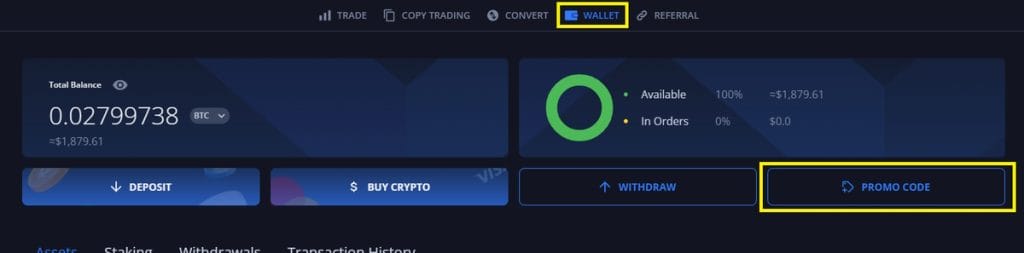
Exclusive CryptoNews Promotion Now Live on Margex

Margex promo code CRYPTONEWS gives users an exclusive 20% deposit bonus

Use the unique promo code CRYPTONEWS to receive a 20% deposit bonus when you fund your account with over $100 in any fiat currency. You can use the bonuses to offset trading commissions, which improves your buying power and reduces the cost of Margex’s already low trading fees.

Getting Started with the Margex Promo Code:

  • Step 1: Log in to your Margex trading account.
  • Step 2: Navigate your way to the deposit option.
  • Step 3: Deposit a minimum of $100.
  • Step 4: Add the promo code CRYPTONEWS.
  • Step 5: Follow the onscreen instructions to receive your 20% deposit bonus.

Visit Margex

The post CLARITY Act Fate Hinges on Senate Debate Vote appeared first on Cryptonews.

CLARITY Act Lags as Bitcoin ETFs Slip

31 August 2026 at 05:20

U.S. spot Bitcoin ETFs turned negative at the end of last week, ending a nine-day inflow streak that had brought in a total of $2.8 billion. Meanwhile, Robert Mitchnick, BlackRock’s head of digital assets, said the CLARITY Act is less critical for Bitcoin than for the rest of the crypto market.

That places more attention on altcoins, DeFi, and other complex crypto categories, where the regulatory picture remains unsettled. For Bitcoin, Mitchnick said institutional investors are not treating additional legislation as part of their base case, viewing regulatory progress as potential upside rather than a requirement.

Mitchnick told CNBC that Bitcoin’s rally while equities struggled reflected its distinct risk and return drivers rather than old risk-on behavior. He said the move could not be explained as an equity-beta trade, pointing to Bitcoin-specific flows and the debasement trade.

Bitcoin ETFs logged $200 million in outflow, while BlackRock says Bitcoin needs less CLARITY Act than DeFi and altcoins.
Robbie Mitchnick discusses digital assets on CNBC Crypto World.

Investors concerned about global debt and deficits are increasingly drawn to Bitcoin, according to Mitchnick, while younger demographics are favoring it over gold for a store-of-value role. He characterized that as Bitcoin’s long-term narrative.

The ETF data provides a measure of current demand. IBIT led last Thurday’s inflows with $277 million. Mitchnick said the fund continues to resonate with institutional investors, financial advisers, and direct investors. Cumulative net inflows stood at $55 billion, while total net assets reached $98.6 billion as Bitcoin traded near $78,500.

Discover: The Best Crypto to Diversify Your Portfolio

CLARITY Act Status and Where the Regulatory Gap Matters

Mitchnick said the CLARITY Act matters more for assets connected to DeFi and other complex crypto categories. Those areas remain part of a broader regulatory picture that he described as unsettled, in contrast with Bitcoin’s comparatively broader regulatory acceptance.

btc logo
Bitcoin (BTC)
24h7d30d1yAll time

Trade Bitcoin on Bybit and Get a Chance to Win Our $1,000 USDT Airdrop

BlackRock has also expanded its crypto product lineup to Ethereum with non-staking and staking products. The firm added a Bitcoin premium income product this summer that is designed to let investors retain most of Bitcoin’s upside while generating an annual yield and moderating volatility.

On stablecoins, Mitchnick said BlackRock sees growth opportunities beyond crypto trading, including cross-border payments and capital markets, with Genius Act implementation approaching.

Congress.gov lists H.R. 3633, the Digital Asset Market Clarity Act of 2025, as having passed the House. Its latest listed action is an August 8, 2026, Senate cloture motion on the motion to proceed to the measure. The bill had not reached the enacted-into-law stage in the available record.

Mitchnick’s distinction remains that Bitcoin’s institutional case does not depend on further legislation as a base-case assumption, while the regulatory picture for DeFi and other complex crypto categories remains unsettled.

Visit OKX

The post CLARITY Act Lags as Bitcoin ETFs Slip appeared first on Cryptonews.

Bank Plans on CLARITY Act Send Circle and Coinbase Shares Lower

28 August 2026 at 05:11

Circle (CRCL) and Coinbase (COIN) shares both fell more than 3% after reports that JPMorgan Chase and a consortium of major banks were moving toward issuing their own stablecoins following the advancement of the CLARITY Act. The news focused attention on the potential for traditional lenders to compete with crypto-native issuers such as Circle and Tether.

The selloff followed a Wall Street Journal report that U.S. banks are warming to stablecoins as nonbank issuers expand and executives worry the tokens could encroach on traditional banking. JPMorgan Chase has explored a potential stablecoin, though the discussions remain preliminary and no product is under development.

JUST IN: 🇺🇸 Bank of America, Wells Fargo, Santander & over a dozen major banks move forward with plans to launch a crypto stablecoin.

— Watcher.Guru (@WatcherGuru) August 26, 2026

Separately, a consortium of more than a dozen banks, including Bank of America, Wells Fargo, and Santander, is advancing plans for a commercial-focused stablecoin. The consortium has discussed a stablecoin covering the U.S. dollar, the euro, and other Group of Seven currencies.

CRCL retail sentiment on Stocktwits slipped from the extremely bullish zone to the bullish zone as chatter stayed at high levels over the past day. COIN sentiment remained in the extremely bullish zone, while chatter also stayed at high levels.

Discover: The Best Crypto to Diversify Your Portfolio

BankChain Alliance Plans a Bank-Owned Network

The BankChain Alliance announced an industry-owned and industry-governed blockchain network intended to enable banks of all sizes to build modern payment rails. According to the Wall Street Journal, the organizations involved, modeled on the Federal Home Loan Bank system, represent about 3,283 institutions and $21.8 trillion in assets. The platform is anticipated to emerge in the first half of 2027.

Planned use cases include treasury management, supply-chain financing, cash management, tokenized deposits, stablecoins, smart payment tools, and automated settlement. The Alliance said it is seeking a technology partner and that the network would be interoperable with other networks and open to ownership by banks nationwide.

Kathy Kraninger, interim chair of the BankChain Alliance and president and CEO of the Florida Bankers Association, said the collaboration is intended to help banks of all sizes build their future and continue serving customers safely and efficiently across rural, urban, and regional communities.

Kathy Kraninger sitting in a chair in front of a Bipartisan Policy Center backdrop
Kathy Kraninger speaking at a Bipartisan Policy Center event.

The announcements point to banks exploring on-chain payment and settlement services alongside tokenized deposits and stablecoins. The reported plans remain preliminary in JPMorgan’s case, while the BankChain Alliance network is planned for 2027.

Visit and Trade Crypto With Kraken

CLARITY Act Uncertainty and Coinbase Push

Coinbase has become one of the most vocal industry supporters of the CLARITY Act, with CEO Brian Armstrong and senior executives repeatedly urging the Senate to advance the crypto market structure bill. The company has also backed industry lobbying efforts, including a June letter signed by more than 200 crypto organizations calling for a Senate floor vote.

🎥WATCH: Coinbase CEO Brian Armstrong says self-custodial wallets are "the ULTIMATE sovereignty."

Q: You can't get debanked from crypto right?

"Many people including the president himself and his kids got debanked in the United States.”

"If you have a self-custodial… pic.twitter.com/3ERrK095b1

— Coin Bureau (@coinbureau) August 28, 2026

More recently, Coinbase Vice Chair Ryan VanGrack publicly pushed for passage as lawmakers faced mounting pressure to act, while Coinbase backed advocacy group Stand With Crypto, which endorsed congressional candidates who previously supported the legislation.

For now, the bank news arrived as the Digital Asset Market Clarity Act, or CLARITY Act, had yet to pass the Senate, with the bill’s treatment of stablecoin yield among the remaining issues to be resolved.

clarity act coinbase
Photo by Ramaz Bluashvili on Pexels

Shay Boloor, a market strategist at Futurum Equities, said Circle stock was under pressure amid concern that a dollar stablecoin issued and distributed at scale by major banks could reduce the share of the market flowing through Circle and USDC.

Two developments remain in view. The BankChain Alliance network is anticipated for the first half of 2027, and the Alliance is still seeking a technology partner.

Meanwhile, the Senate’s handling of the CLARITY Act, including its treatment of stablecoin yield, remains unresolved. The progress of the bank initiatives and the legislation will remain central to the discussion around stablecoin competition.

Discover: The Best Token Presales

The post Bank Plans on CLARITY Act Send Circle and Coinbase Shares Lower appeared first on Cryptonews.

CLARITY Act Sets Agency Roles, Leaves Back-Office Work Open

27 August 2026 at 03:40

The CLARITY Act would establish a regulatory framework for digital assets and allocate responsibilities between the Commodity Futures Trading Commission and the Securities and Exchange Commission. Its provisions address registration, oversight, recordkeeping, and custody in specified areas, but they do not prescribe how firms should reconcile activity or modernize legacy operational processes.

Jurisdictional clarity and operational readiness are different problems. H.R. 3633, introduced by Chairman French Hill on May 29, 2025, would establish a comprehensive market-structure framework for digital assets.

Sept 15. CLARITY Act vote.

Here's what actually changes if it passes — not the hype version:

Before:
→ SEC can claim almost any token is a security
→ CFTC can only chase fraud after it happens
→ No registration framework for crypto exchanges
→ Institutional capital sitting…

— Zbojtles (@Zbojtless) August 27, 2026

Under Section 401, the CFTC would receive exclusive regulatory jurisdiction over digital commodity cash or spot transactions that occur on or with digital commodity exchanges, brokers, and dealers required to register with the agency. The bill also provides for an expedited CFTC registration process for those entities.

The SEC would retain anti-fraud and anti-manipulation authority over transactions involving permitted payment stablecoins and digital commodities that occur on or with an SEC-registered entity.

Section 304 would require SEC registrants that are also registered with the CFTC as digital commodity exchanges, brokers, or dealers to adopt conflict-of-interest policies. It would also require the SEC and CFTC to enter into a memorandum of understanding intended to support non-duplicative oversight and appropriate information sharing.

Discover: The Best Crypto to Diversify Your Portfolio

The Operational Gap CLARITY Act Doesn’t Touch

The bill’s regulatory framework does not itself resolve the operational pressures identified in capital markets’ back offices. An AutoRek report on capital markets operations, based on a survey of 250 senior operations, finance, and technology leaders in the United States and the United Kingdom, describes strain from rising volumes, new asset classes, data fragmentation, and shallow AI integration.

Among the report’s findings, 85% of respondents expected scalability strain as activity grows against legacy processes. Of firms working with digital assets, 59% reported disproportionate operational complexity relative to other asset classes.

The CLARITY Act would divide SEC and CFTC duties, but firms would still face data, reconciliation and scalability challenges.

The report also found that 41% of respondents identified data integration and compatibility as their top operational challenge, while firms reported losing 15.9% of operational budgets to rework driven by manual processes and spreadsheets.

The survey found that 98% of firms use AI somewhere in operations, but only 14% have fully integrated it across operations. Those findings concern operating models rather than the allocation of agency jurisdiction.

A market-structure statute can define regulatory categories and obligations without, on its own, integrating data, replacing manual workflows, or reconciling records across a firm’s systems.

Trade Crypto on Bybit and Get a Chance to Win Our $1,000 USDT Airdrop

Where the Bill Does Touch Infrastructure

The bill does contain provisions relevant to operational infrastructure. Section 305 would allow brokers, dealers, transfer agents, investment advisers, investment companies, and national securities exchanges to use records from a blockchain system for existing recordkeeping requirements, subject to an SEC rulemaking required within 180 days of enactment.

Section 402 would require futures commission merchants to hold customer digital assets with qualified digital asset custodians. The congressional summary also describes requirements concerning recordkeeping and the commingling of customer assets.

Even if the CLARITY Act faces delays, the broader trend is what matters. Crypto regulation in the U.S. appears to be moving from uncertainty toward a more defined framework.

— Squirrel Technologies 🥜🐿 (@squirrel_wallet) August 27, 2026

These provisions address specified custody and recordkeeping matters, rather than a general framework for resolving data-integration or manual-process challenges identified by the AutoRek survey.

If enacted, the CLARITY Act would create a statutory framework for digital commodities, registration, and defined areas of SEC and CFTC authority. It would also establish requirements and rulemakings related to recordkeeping, custody, disclosures, and market intermediaries.

It would not, by itself, provide a detailed operating model for the data-integration, rework, and scalability issues reported by capital-markets operations leaders. Regulatory clarity and operational modernization can advance together, but they remain separate tasks under the evidence available here.

Discover: The Best Token Presales

The post CLARITY Act Sets Agency Roles, Leaves Back-Office Work Open appeared first on Cryptonews.

Coinbase CLARITY Act: Armstrong Expects 60+ Votes Despite Kalshi 22% Odds

26 August 2026 at 03:55

Coinbase CEO Brian Armstrong said he expects the Digital Asset Market CLARITY Act to clear a Senate cloture vote with more than 60 votes in mid-September. Kalshi, however, puts the chance of the bill getting more than 60 votes at 22%, highlighting the gap between Armstrong’s optimism and prediction-market pricing.

Most experts had viewed the CLARITY Act as facing an uphill path after the Senate did not vote on the crypto legislation before its August recess. After pressure from President Donald Trump, a cloture vote is set for September 15, the day after senators return from the recess.

🔥JUST IN: Coinbase CEO Armstrong says the CLARITY Act "has a great chance of passing" with "90% of what they want on both sides."

Armstrong says if the bill doesn't pass, he commends CFTC and SEC chairs for "pushing forward with clear rules regardless." pic.twitter.com/7bGm7VWQHo

— Coin Bureau (@coinbureau) August 20, 2026

Cloture would not formally pass the bill. It would end the debate and a filibuster, paving the way for a formal vote. Cloture requires 60 votes, the same number needed to ultimately pass the CLARITY Act, making the September 15 vote a strong indication of where the bill stands.

Armstrong has pointed to the scheduled vote as a reason for his optimism. He said Senate Majority Leader John Thune would not have scheduled the vote if he did not think it would pass. He added that both sides had received roughly 90% of what they wanted in the bill.

Discover: The Best Token Presales

The Math Behind Coinbase Armstrong’s CLARITY Act Optimism

Republicans hold 53 Senate seats, meaning at least seven Democrats would need to support the bill to reach 60 votes. That is the arithmetic behind Armstrong’s forecast and the threshold that Kalshi traders are pricing more cautiously.

Democrats have been reluctant to support the bill, calling for additional ethics provisions governing how much politicians can invest in crypto entities, particularly after Trump reported substantial crypto profits last year.

Brian Armstrong of Coinbase predicts 60-plus Senate votes for the CLARITY Act, but Kalshi traders give that outcome just a 22% chance.

Banking groups have also raised concerns that the stablecoin provisions do not go far enough to protect the banking industry. The bill would not allow idle stablecoins to earn yield, though stablecoins could offer rewards for certain activities, such as transactions.

The bill would establish a broader regulatory framework for crypto and address questions of regulatory jurisdiction. It would give the CFTC exclusive jurisdiction over spot markets for digital commodities, while both the CFTC and SEC have at times claimed jurisdiction over certain crypto markets.

Trade Crypto on Bybit before the CLARITY Act Passes and Get a Chance to Win Our $1,000 USDT Airdrop

What September 15 Does and Doesn’t Decide

If cloture clears with 60 or more votes, it would end the debate and pave the way for a later formal vote. It would not itself constitute final passage of the CLARITY Act.

If cloture fails, the calendar leaves limited time before the Senate breaks again in early October for the midterm elections. That would leave the bill’s path less certain, and helps explain why the 60-vote threshold remains central to the debate over its prospects.

Brian Armstrong of Coinbase predicts 60-plus Senate votes for the CLARITY Act, but Kalshi traders give that outcome just a 22% chance.
Source: Kalshi

Kalshi traders remain far less confident than Armstrong, pricing just a 22% chance that the CLARITY Act will secure more than 60 Senate votes. This gap makes the September 15 cloture vote particularly important, as the Coinbase CEO’s forecast would require at least seven Democrats to break ranks and support the CLARITY Act bill.

If the vote reaches 60, it would give the crypto industry a significant signal that the legislation has enough momentum to move toward final passage.

Do you agree with Armstrong? Make your call and start with a free $25 on Kalshi

The post Coinbase CLARITY Act: Armstrong Expects 60+ Votes Despite Kalshi 22% Odds appeared first on Cryptonews.

CLARITY Act 60-Vote Hurdle Puts Crypto Rules in Focus Days After White House Meeting

25 August 2026 at 04:18

The CLARITY Act cleared a Senate Banking Committee vote and now sits on the chamber’s legislative calendar after a cloture motion was filed on August 8, according to congressional records. That procedural motion is the next real test as the bill needs 60 votes just to proceed to floor debate, a bar it has not yet cleared.

The bill, formally H.R. 3633 or the Digital Asset Market Clarity Act, passed the House 294-134 in July 2025 with meaningful Democratic support. It would split oversight of digital assets between the SEC and CFTC, a jurisdictional question that has shaped enforcement uncertainty across the industry for years.

The CLARITY Act faces a 60-vote Senate hurdle as Trump presses lawmakers, with the outcome shaping crypto regulation and token markets.

President Donald Trump hosted crypto executives at the White House on August 19, calling on Congress to pass what he termed a “fair version” of the CLARITY Act. Coinbase CEO Brian Armstrong, Robinhood CEO Vlad Tenev, and Kraken co-CEO Arjun Sethi were among the attendees, alongside CFTC Chair Michael Selig and SEC Chair Paul Atkins.

That optics push doesn’t change the math on the Senate floor. Democrats and some Republicans have withheld support over conflict-of-interest language tied to Trump’s own crypto holdings. Reuters reported he has earned more than $1.4 billion from family crypto ventures since taking office. Not just that, a Reuters/Ipsos poll this week found a majority of Americans believe those holdings have inappropriately shaped policy.

Discover: The Best Token Presales

Why Should We Care

CLARITY’s core function is resolving the securities-versus-commodity question that has driven years of SEC enforcement actions and left token issuers guessing at their own legal status.

CFTC Chairman Selig has signaled the agency could use existing statutory authority to build out a market-structure regime even without new legislation. SEC itself has separately proposed rules exempting certain token offerings from securities treatment.

🚨 TODAY: The SEC proposed new rules, “Regulation Crypto Assets,” that would create a clear and fit-for-purpose framework for certain investment contracts involving crypto assets. pic.twitter.com/SAA2sErMXF

— U.S. Securities and Exchange Commission (@SECGov) August 18, 2026

That matters for positioning: a stalled bill pushes the regulatory center of gravity toward agency rulemaking rather than statute, which is inherently more reversible with the next administration or the next commissioner. Market structure clarity via legislation is durable; clarity via agency discretion is not.

Trade Crypto Before The Clarity ACT on Bybit and Get a Chance to Win Our $1,000 USDT Airdrop

What Happens Next for The CLARITY Act?

Reporting has pointed to mid-September, with September 15 discussed as a tentative target for the cloture vote. Though that date is not confirmed in the congressional record and should be treated as a planning window rather than a lock.

BREAKING: U.S. Senate schedules a vote on the CLARITY Act for Tuesday, September 15.

— Polymarket (@Polymarket) August 8, 2026

If cloture fails, the bill’s path forward within the current Congress narrows sharply, given a limited legislative calendar and competing priorities.

If it clears 60 votes, the substitute text reported out of Senate Banking in June, a roughly 600-page revision merging Banking and Agriculture committee work, would move to floor debate. Either outcome resolves a multi-year overhang on token classification, which is why the vote count.

Discover: The Best Crypto to Diversify Your Portfolio

The post CLARITY Act 60-Vote Hurdle Puts Crypto Rules in Focus Days After White House Meeting appeared first on Cryptonews.

Treasury’s $14 Billion Buyback Triggered a $3.5 Billion Crypto Short Squeeze

21 August 2026 at 07:50

Bitcoin jumped roughly 25% to a two-month high above $77,000 within hours of the U.S. Treasury doubling its long-dated bonds buyback operations on August 19.

Falling Treasury yields triggered a short squeeze estimated $3.5 billion across crypto derivatives.

The move raises a pointed question: did Bitcoin catch a genuine liquidity tailwind, or trade a one-day signal that the bond market itself partially reversed within 24 hours?

BREAKING: Crypto markets officially post their 7th largest liquidation event in history, with $3.5 billion in levered positions liquidated in 24 hours.

In 24 hours, crypto markets added +$280 billion in market cap.

That's +$12 billion in market cap per hour for 24 hours… pic.twitter.com/zpEsLeRhp9

— The Kobeissi Letter (@KobeissiLetter) August 20, 2026

Treasury Secretary Scott Bessent’s move came a day after the 30-year Treasury yield hit 5.34%, its highest level since 2007, amid a global bond selloff tied to inflation worries, an escalating U.S.-Israeli conflict with Iran, and mounting concern over the U.S. fiscal trajectory. Total U.S. debt outstanding crossed $40 trillion the same day the buyback announcement landed.

Discover: The Best Token Presales

What the Buyback Actually Buys

Treasury will double the size of its 10- to 30-year buyback operations to at least $4 billion per operation, up from $2 billion previously, effective September 9 through November 4.

That adds at least $14 billion of additional liquidity support this quarter, bringing maximum repurchases in the current window to $83 billion, measured against a $32.2 trillion Treasury market and $5.5 trillion in outstanding 20- and 30-year bonds.

The announcement worked in the way it was designed to, at least initially: the 30-year yield fell to 5.184% from Tuesday’s high, and the 10-year yield dropped roughly six basis points to 4.66%.

Source: CNBC

Dan Gottlander, global head of USD and CAD swaps trading at Citi, told Reuters the move would have a huge impact on the long end, though he cautioned that Treasury would still need to issue elsewhere to cover the shortfall.

“It does not change deficits, obviously, and if you are going to buy back the long end, you still will need to issue. They may issue more bills, or also in the five-year to 10-year sector.”

That distinction matters for anyone reading the move as quantitative easing. A Treasury buyback is financed by issuing new short-term bills to retire older, harder-to-trade long bonds, a refinancing operation that swaps one liability for another without expanding the money supply, unlike the Federal Reserve’s own bond purchases under QE, which credit new bank reserves into existence.

Conflating the two overstates how loose the operation actually makes financial conditions.

Discover: The Best Crypto to Diversify Your Portfolio

Why the Relief Didn’t Last

By August 20, Bessent said he might increase buyback sizes even further. “We’re going to increase the size of the buyback,” he said. “I would note that it could be more than the $4 billion per issue.” He argued that yields didn’t reflect the underlying strength of the economy, tying the spike partly to the Iran conflict.

Photo: Bessent

The bond market wasn’t fully convinced. The 30-year yield climbed back to 5.24% by August 20, retracing roughly half of the prior day’s drop, while the dollar clawed back most of its post-announcement losses. According to Bit.com’s market analysis, Bitcoin gave back the $70,000 level within hours, settling into the high-$60,000s after Fed minutes reintroduced rate-hike risk.

Thomas Simons, chief U.S. economist at Jefferies, told Reuters the surprise buyback announcement broke with Treasury’s tradition of predictable debt issuance, calling the move “shot from the hip.”

Evercore ISI analysts framed it more charitably, crediting Bessent’s tactical skill in catching bond shorts off guard during thin August liquidity, but questioned whether the impact would hold given the “tidal wave” of maturing debt and deficits still to be financed.

Trade Crypto Market on Kalshi and Get a $25 Signing-up Bonus

Bitcoin Just Traded a Policy Surprise: Kalshi Lets Traders Position Before the Next One Hits.

The Treasury buyback showed how fast crypto can reprice when a macro decision catches the market off guard. Bitcoin surged, shorts were squeezed, yields fell, and then part of the move unwound as the bond market reassessed what had actually changed.

Kalshi gives traders another way to approach that kind of setup.

The platform offers markets around economic data, Fed policy, politics, crypto, and other real-world events that can move risk assets. Instead of waiting for Bitcoin to react to the next Treasury announcement, rate decision, or inflation print, traders can take a position on the underlying outcome itself.

That distinction matters when the asset reaction is messy. Bitcoin can move on leverage, positioning, dollar strength, and liquidity all at once. An event market lets traders isolate the question they actually have conviction on.

Eligible new users who join Kalshi through CryptoNews can receive $25 through our referral link.

Claim Your $25 on Kalshi

The post Treasury’s $14 Billion Buyback Triggered a $3.5 Billion Crypto Short Squeeze appeared first on Cryptonews.

Bitcoin News Today: Reserve Rules Set Scope for Government Demand

21 August 2026 at 03:32

The U.S. Strategic Bitcoin Reserve made news on March 6, 2025, with an executive order that sets out how government-held Bitcoin may be managed and permits the development of budget-neutral strategies for acquiring additional Bitcoin. The order does not establish an open-market purchasing program or specify an amount of additional Bitcoin to be acquired.

That framework has kept attention on the role that government demand could play alongside institutional and corporate interest in Bitcoin. It also provides the policy context for the $1.5 million Bitcoin bull case associated with Cathie Wood in reporting by TheStreet.

Jim Cramer says he was told President Trump is buying Bitcoin for the US strategic reserve during the crash this week.

"I heard at $60k he's gonna fill the Bitcoin Reserve." pic.twitter.com/1VAAp2jK4d

— Watcher.Guru (@WatcherGuru) February 7, 2026

The March 6 executive order establishes a Strategic Bitcoin Reserve and a separate United States Digital Asset Stockpile for government-held digital assets other than Bitcoin.

Under the order, the reserve is capitalized with Bitcoin held by the Treasury Department that has been finally forfeited through criminal or civil asset-forfeiture proceedings, or in satisfaction of certain civil money penalties. Agencies were directed to review their authority to transfer Government Bitcoin they hold to the reserve and report the results to the Treasury secretary.

Bitcoin deposited into the Strategic Bitcoin Reserve is not to be sold and is to be maintained as a reserve asset of the United States, subject to applicable law. The order describes Bitcoin as having a permanently capped supply of 21 million coins and says the government holds a significant amount of BTC, without providing a total holdings figure.

Discover: The Best Crypto to Diversify Your Portfolio

Authority to Explore Additional Bitcoin Acquisition

The order directs the Secretaries of the Treasury and Commerce to develop strategies for acquiring additional Government Bitcoin. Those strategies must be budget-neutral and must not impose incremental costs on U.S. taxpayers.

Trump deferred to regulators when asked whether the government would buy more Bitcoin

When he was asked about accumulating Bitcoin or other crypto at the White House meeting, he said the subject had been discussed and that he would "rely on Paul and the whole group for that." He… pic.twitter.com/rHrHZSjqCG

— BSCN (@BSCNews) August 19, 2026

The accompanying White House fact sheet likewise states that Treasury and Commerce are authorized to develop budget-neutral acquisition strategies. The directive addresses strategy development; it does not identify a purchase amount, schedule, or acquisition method.

The executive order treats the non-Bitcoin stockpile differently. It says the government will not acquire additional stockpile assets beyond those obtained through forfeiture proceedings or civil money penalties without further executive or legislative action. The Treasury secretary may determine stewardship strategies for that stockpile, including potential sales.

Trade Bitcoin Market on Kalshi and Get a $25 Signing-up Bonus

ARK’s Bitcoin Framework, What the News Says

A person holding a smartphone displaying a stock market chart for AAPL on the NASDAQ exchange
Photo by Joshua Mayo on Pexels

TheStreet reported that ARK Invest’s multi-scenario Bitcoin framework places its 2030 base case near $730,000 to $750,000 and its bull case at $1.5 million. The report described the bull case as resting on institutional adoption, Bitcoin’s fixed supply, and its emergence as a legitimate digital store of value.

Bitcoin’s 21 million-coin supply cap is stated in the executive order. The order also says that a fixed supply creates a strategic advantage for nations that are among the first to create a strategic Bitcoin reserve. Those statements explain why the reserve’s acquisition authority is relevant to the discussion of Bitcoin demand, even though the order does not set out an active buying program.

btc logo
Bitcoin (BTC)
24h7d30d1yAll time

Bitcoin is trading above $75,000 at the time of writing, after trading below $65,000 four days earlier. Most news confirmed that Bitcoin was also traded near $35,000 four years earlier before reaching $126,000 in October 2025. Those figures provide context for the scale of a $1.5 million long-term bull case, but they do not establish a future outcome.

Discover: The Best Token Presales

The post Bitcoin News Today: Reserve Rules Set Scope for Government Demand appeared first on Cryptonews.

Ripple SEC Case Becomes a Warning for Crypto Lawmakers

21 August 2026 at 03:02

Ripple CEO Brad Garlinghouse is using his company’s own legal bill as evidence that Washington’s approach to digital assets has a direct, measurable cost. Garlinghouse has said Ripple spent roughly $150 million fighting the SEC over more than four years

On the same occasion, Garlinghouse also noted that a majority of the company’s hiring during that stretch happened outside the United States. It’s as proof that regulatory ambiguity pushes capital and jobs offshore, not just headlines into court dockets.

RIPPLE CEO: "The status quo is not good enough."

Brad Garlinghouse says Ripple spent MILLIONS fighting the 🇺🇸SEC over four years, while 80% of its hiring happened outside the U.S. as a result.

He says America needs clear crypto rules to protect users and keep innovation at home… https://t.co/BaNrlR5RZN pic.twitter.com/HwLONKul9y

— CryptosRus (@CryptosR_Us) August 20, 2026

The SEC sued Ripple, Garlinghouse, and co-founder Chris Larsen in December 2020, alleging the company raised funds through unregistered securities sales of XRP. The case dragged through multiple rulings before both sides filed a joint stipulation dismissing their appeals in August 2025, per the SEC’s own litigation release, leaving a $125,035,150 civil penalty and a registration-related injunction in place.

That outcome distinguished between institutional sales and secondary-market trading of XRP rather than declaring the token categorically exempt from securities law. It’s a nuance that matters when Ripple invokes the case as a template for how crypto assets should be regulated going forward.

xrp logo
Xrp (XRP)
24h7d30d1yAll time

Garlinghouse has previously called the resolution a long overdue surrender by the SEC, arguing the agency pursued the case to intimidate the industry rather than to police fraud.

Discover: The Best Token Presales

Selig Declares an End to Regulation by Enforcement

The renewed attention to Ripple’s legal costs surfaced around an August 19 White House innovation meeting that brought crypto executives together with regulators to discuss digital-asset policy and the stalled CLARITY Act. CFTC Chair Michael Selig used the appearance to draw a hard line under the prior enforcement posture.

Selig said, adding that innovators were now being welcomed to the White House instead of being “railroaded to the big house.” He also said additional regulatory roadmap details would follow at the CFTC’s inaugural Innovation Advisory Committee meeting on August 20, whose published agenda covers digital assets, tokenized collateral and emerging financial products.

BREAKING: 🇺🇸CFTC Chairman Selig says he “remains hopeful” Congress will get CLARITY to President Trump’s desk and lock in durable crypto rules.

“Passing CLARITY is the surest way that we can prevent another Gary Gensler from running a rogue campaign of lawfare.”

If the bill… pic.twitter.com/DuyYptBdLe

— CryptosRus (@CryptosR_Us) August 20, 2026

Garlinghouse, who attended alongside SEC Chair Paul Atkins and executives from Coinbase, Kraken, Gemini, Robinhood, Nasdaq and Intercontinental Exchange, posted his own read on the meeting afterward.

Garlinghouse said, citing a figure of 67 million Americans, or close to one in four people, are now holding crypto. That’s the political backdrop against which he’s positioning Ripple’s litigation history: not as a closed chapter, but as a cautionary case study lawmakers should point to when arguing for a formal SEC regulatory pathway for crypto issuers.

Trade XRP Market on Kalshi and Get a $25 Signing-up Bonus

Beyond Ripple and SEC: Why the CLARITY Act Is the Real Stakes

The practical argument underneath Garlinghouse’s comments is that the CLARITY Act would replace the case-by-case litigation model that consumed Ripple legal budget with a defined split of jurisdiction between the SEC and CFTC. That’s the same logic driving industry proposals for a token safe harbor that would let projects raise funds and build networks without facing an enforcement action years into their operating history.

ripple SEC

Whether that framework moves through Congress this session remains an open question, and Ripple’s own post-litigation position, including its financial standing after the SEC dispute, will likely stay a reference point in that debate regardless of the outcome.

Selig’s comments suggest the CFTC intends to move on rulemaking with or without a finished statute, but a durable division of authority between regulators still requires legislative action rather than agency posture alone.

For traders, the immediate takeaway isn’t a new legal threat to XRP – the SEC’s case against Ripple is closed, with the penalty and injunction from the district court’s judgment standing as final. The relevant signal is political: a sitting CFTC chair publicly renouncing enforcement-led regulation, with Ripple’s leadership in the room, tightens the odds that market-structure legislation gets prioritized before the next election cycle rather than shelved again.

Discover: The Best Crypto to Diversify Your Portfolio

The post Ripple SEC Case Becomes a Warning for Crypto Lawmakers appeared first on Cryptonews.

❌
❌