❌

Normal view

There are new articles available, click to refresh the page.
Before yesterdayMain stream

NASA’s Swift Mission Ends, Leaves Behind Scientific Bonanza

23 October 2026 at 17:51

4 min read

NASA’s Swift Mission Ends, Leaves Behind Scientific Bonanza

NASA’s Neil Gehrels Swift Observatory has ended its science mission now that the spacecraft is orbiting less than 171 miles (275 kilometers) above Earth’s surface. The greater atmospheric drag at this height prevents the satellite’s telescopes from steadily gazing at their astronomical targets.

Swift conducted its final observation on Oct. 20. It is expected to re-enter the atmosphere in the next few weeks.
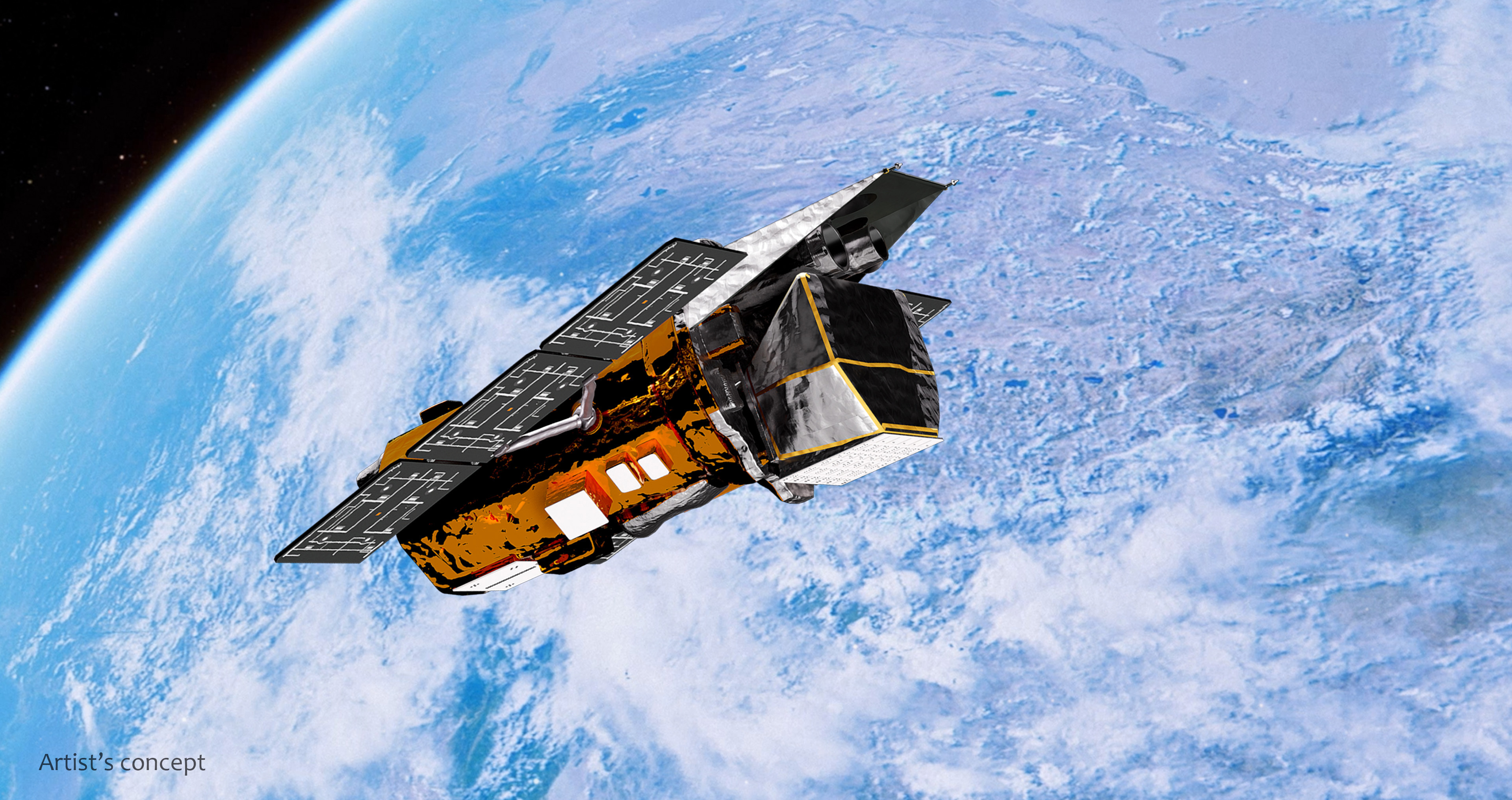
Artist’s concept of Swift in orbit
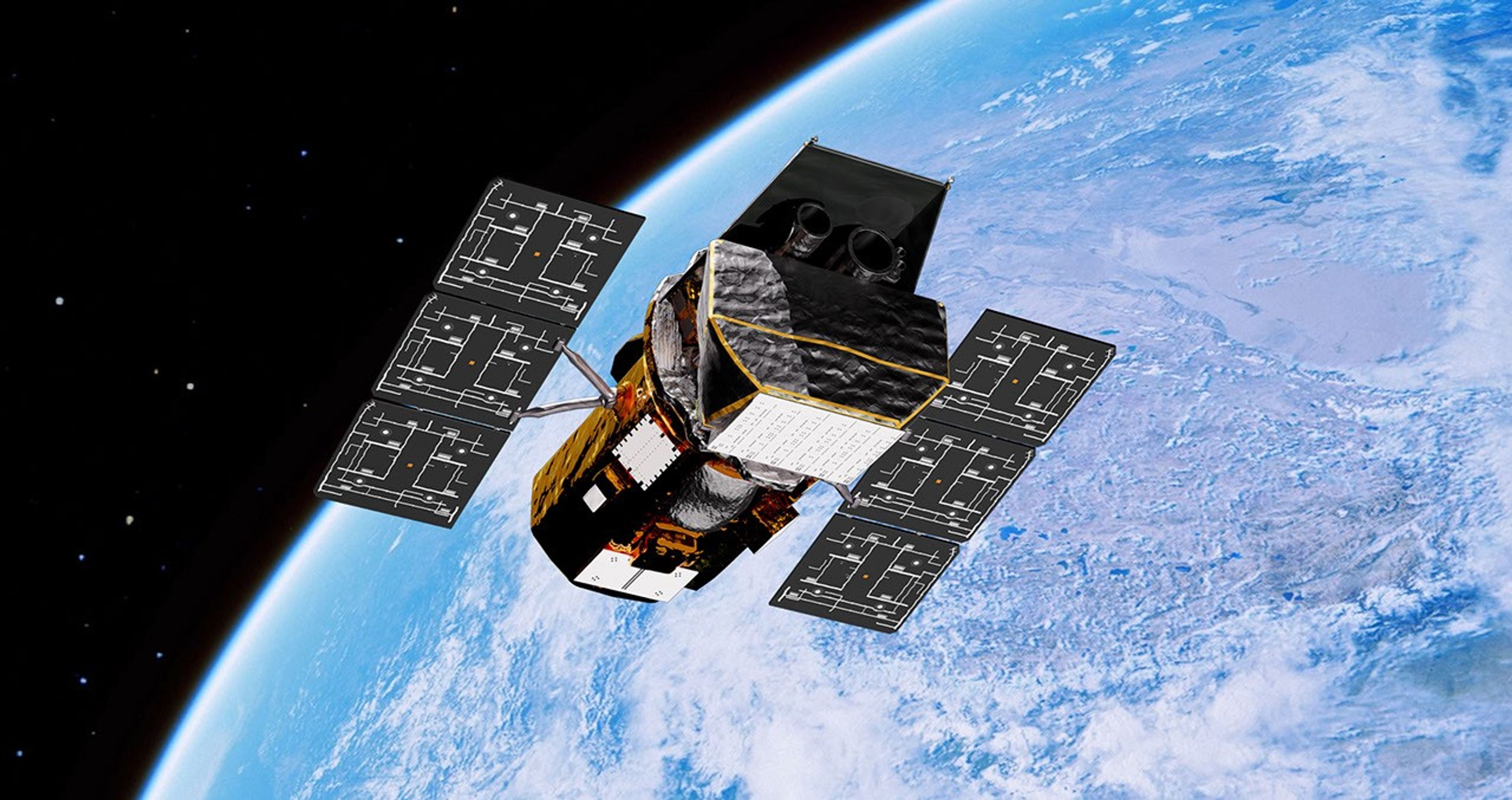
NASA’s Neil Gehrels Swift Observatory orbits above Earth in this artist’s concept.
NASA’s Goddard Space Flight Center Conceptual Image Lab

“Swift delivered an incredible, lasting return on investment for the nation, designed for a two-year primary mission but productive for more than 10 times as long,” said Shawn Domagal-Goldman, director, Astrophysics Division at NASA Headquarters in Washington. “In that time, Swift played a major role in advancing our understanding of the changing universe and was part of a revolution in astrophysics that showed how critical rapid-response observations are to the entire community. To support rapid response to cosmic events in a post-Swift world, we’re exploring our ability to use and augment NASA’s fleet of existing space telescopes, from fast-to-orbit commercial capabilities to efficient, innovative new missions. And Swift leaves us with an extraordinary archive of multiwavelength observations that will fuel new discoveries for decades more.”

In its storied career, Swift has observed more than 2,000 gamma-ray bursts, the most powerful explosions in the cosmos. It has studied more than 1,400 supernova explosions, witnessed stars shredded by black holes, monitored active galaxies, conducted an all-sky X-ray survey, studied asteroids and comets, and more. Swift data has contributed to about 7,000 published scientific papers.

“Swift was designed as a satellite dedicated to studying gamma-ray bursts, outbursts that came and went so quickly that no one could target them with large telescopes to learn more,” said S. Bradley Cenko, the mission’s principal investigator at NASA’s Goddard Space Flight Center in Greenbelt, Maryland. “Swift needed to detect and locate gamma-ray bursts, communicate their position to other observatories, and then swing its telescopes around to image the burst locations before their afterglows faded out. This typically took Swift about a minute to do.”

Led by its first principal investigator, Neil Gehrels, Swift was born as a multiwavelength observatory, with co-aligned Optical/Ultraviolet and X-ray telescopes that could quickly image and refine a burst’s position. The mission launched into orbit on Nov. 20, 2004, and went to work the following month. In 2018, NASA renamed the mission to honor Gehrels following his death.
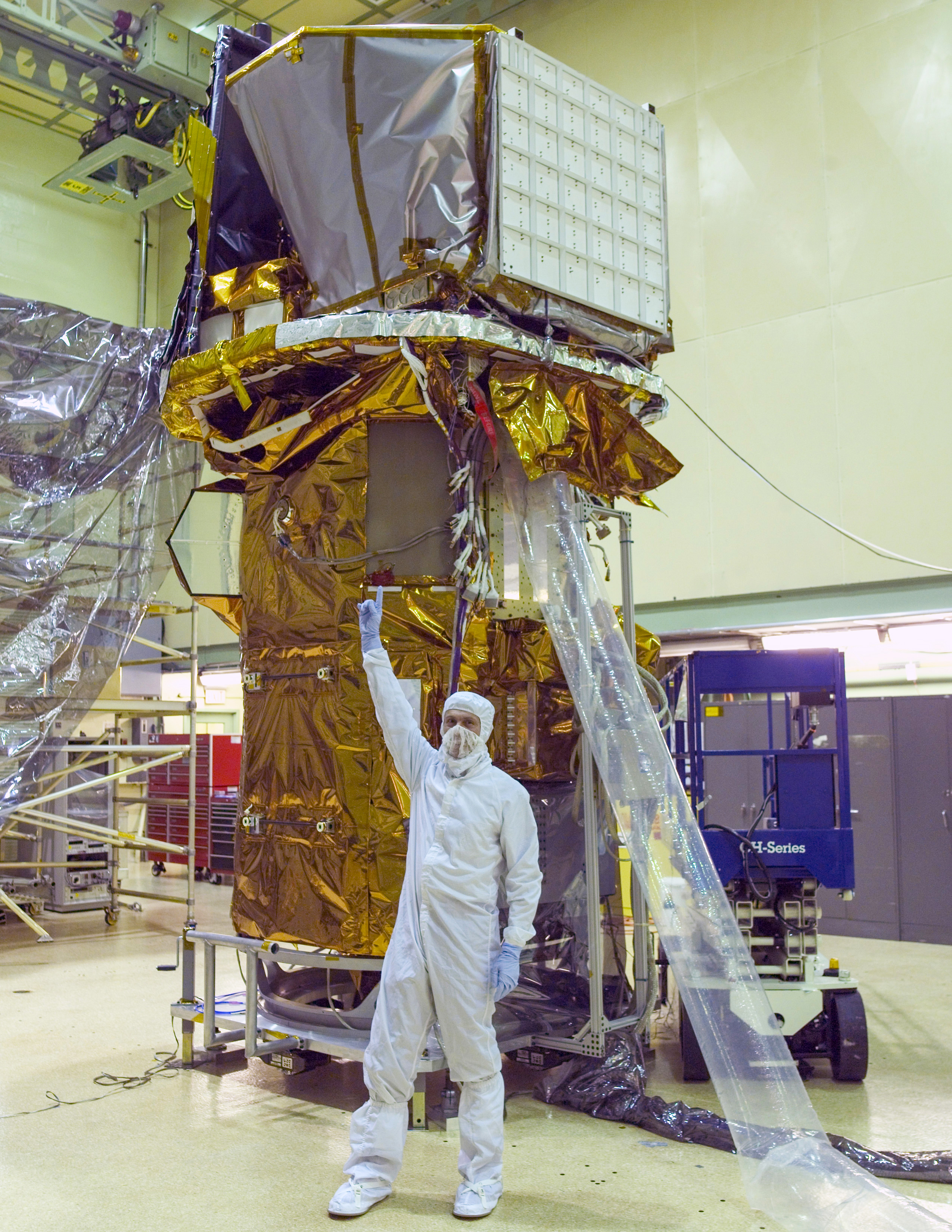
Neil Gehrels and Swift in a clean room
The completed Swift spacecraft is seen in a clean room at NASA Goddard on Sept. 9, 2003. In front of it, Neil Gehrels, the mission’s first principal investigator, points toward the instruments at the top.
NASA

Speed was especially important for an elusive population called short gamma-ray bursts, which reach peak brightness in less than two seconds. Until Swift, it had been impossible to locate these bursts rapidly and precisely enough to observe their afterglows. In May 2005, Swift achieved this milestone with GRB 050509B, which lasted just 0.03 seconds. Swift turned to the burst fast enough to detect 11 X-ray photons, making this the first short burst with a detected afterglow. These observations validated long-standing theoretical models, showing that short gamma-ray bursts likely come from mergers of two neutron stars — objects with the mass of the Sun that have been crushed to the size of a city.

Another factor led to Swift’s success as a kind of astronomical multitool. Its flexible planning system enabled astronomers to request “target-of-opportunity” observations that could be commanded from the ground in as little as a few minutes, or to set up monitoring programs for observing specific sources lasting from as little as a few minutes to months. The system could schedule up to 75 independent targets a day.

“The unique speed of response of the Swift hardware, the extraordinary success of the rapid mission operations, and the closely knit teamwork of the Swift Flight and Science Operations teams placed Swift at the crossroads of burgeoning areas of research,” said John Nousek, the mission’s operations director and professor of astronomy and astrophysics in the Eberly College of Science at Penn State in University Park, Pennsylvania.

The Swift archive contains nearly 22 years of brightness measurements of all kinds of cosmic outbursts, multiwavelength spectra, more than 1.5 million images from its Ultraviolet/Optical Telescope, and much more. The full dataset, publicly available as part of NASA’s commitment to open, gold standard science, spans approximately 12 terabytes, the storage equivalent of about 600 high-definition movies.  

As part of the agency’s previous planning for Swift’s end of mission, NASA will continue to prioritize finding new options to react rapidly to cosmic events, using current missions to help fill the gap in the meantime.

To learn more about the Swift mission, visit:

https://nasa.gov/swift

Facebook logo
Instagram logo

NASA’s Chandra Breaks Down ‘Treble Clef’s’ Galaxy Cluster Collision

14 October 2026 at 12:46
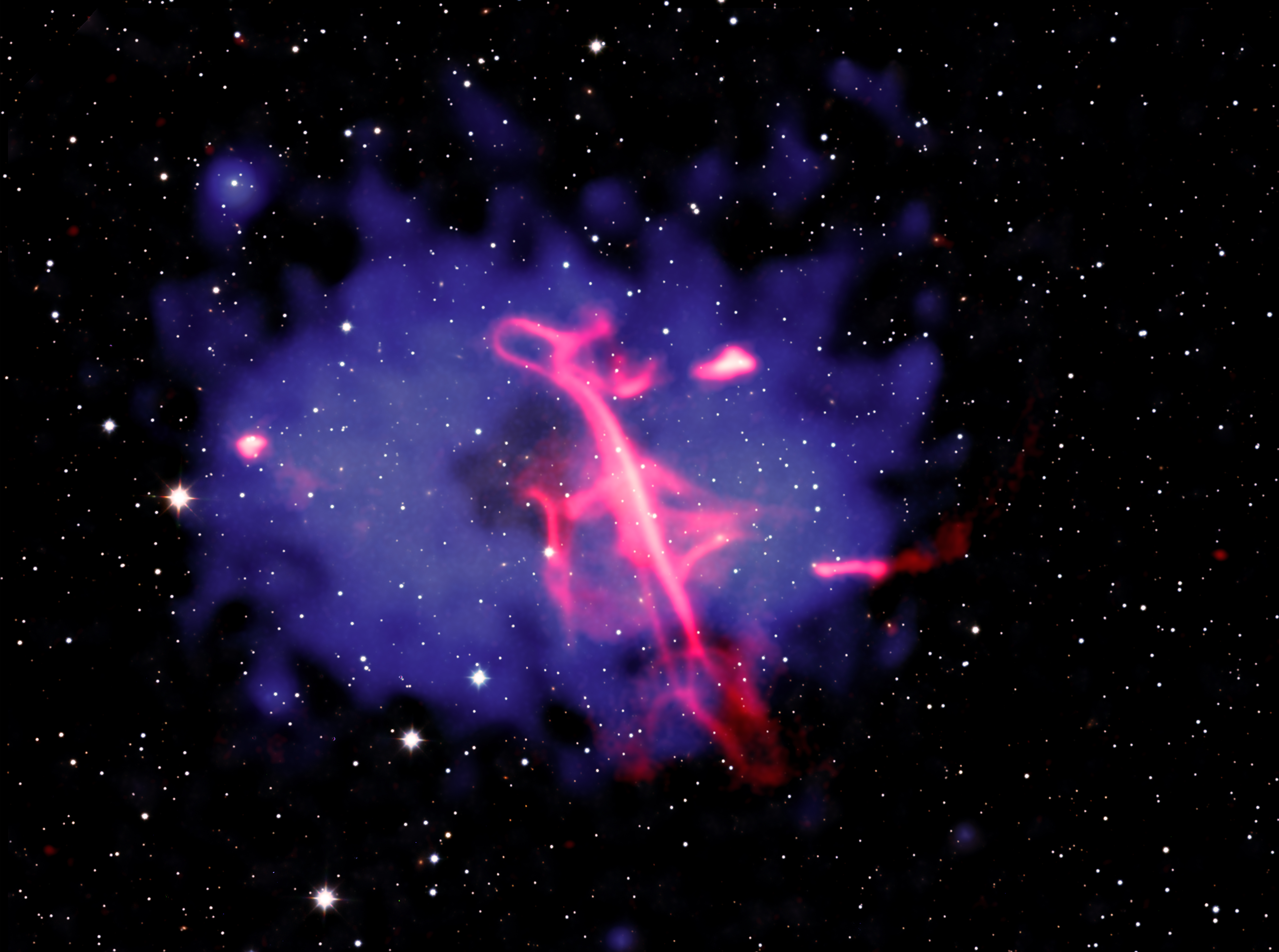
Using Chandra, astronomers have discovered that an outburst from a supermassive black hole, followed by a collision of two galaxy clusters, are the likely causes of an unusual formation in a galaxy cluster. The “Treble Clef” radio source was given its nickname because of a distinct shape in radio waves that resembles the musical symbol. This composite image of the Treble Clef and its galaxy cluster contains X-rays from Chandra and eROSITA, radio data from LOFAR, and infrared data from UKIRT.
X-ray: NASA/CXC/INAF-IRA/A. Botteon et al.; Infrared: UKIDSS-GPS ; Radio: ASTRON/LOFAR; Image processing: NASA/CXC/SAO/N. Wolk

Astronomers have used NASA’s Chandra X-ray Observatory to break down the cause of a remarkable formation of radio waves they have nicknamed the “Treble Clef” because its distinct shape strongly resembles the musical symbol.

The researchers discovered the Treble Clef is likely caused by an outburst from a supermassive black hole, followed by a collision of two galaxy clusters. A paper describing the findings, led by Andrea Botteon of the National Institute for Astrophysics, or INAF, in Italy, published Wednesday in the Astronomy & Astrophysics journal.

An explanation for the Treble Clef has been particularly difficult to find because the formation lies almost directly behind the plane of the Milky Way, meaning that stars, gas, and dust from our home galaxy largely block the view from Earth. However, by using telescopes that can peer through the intervening material, a team of researchers was able to identify what is responsible for this uncommon structure.

NASA’s Chandra and the German Extended RÖntgen Survey with an Imaging Telescope Array (eROSITA) X-ray telescope found diffuse, hot gas at the location of the Treble Clef, showing that a galaxy cluster hosts the object. The researchers also determined the galaxy cluster is, in fact, two clusters in the process of merging. Galaxy clusters are some of the largest structures in the universe, containing hundreds of individual galaxies and huge reservoirs of superheated gas.

This new composite image of the Treble Clef and its cluster shows the multimillion-degree gas detected in X-rays by Chandra and eROSITA in blue, with some of the Chandra data derived from a special technique the authors used to highlight important features in the Chandra data. Radio data shown in red from the LOw Frequency ARray (LOFAR), a large network of radio telescopes in Europe reveals the doppelganger of the musical notation. The final piece of the combined image comes from infrared data obtained by the United Kingdom Infrared Telescope, appearing mostly white.

The authors concluded that the Treble Clef likely formed in a two-stage process. First, an earlier outburst from a supermassive black hole in the galaxy cluster’s center drove clouds of charged particles and magnetic fields away at close to the speed of light. This led to a type of cosmic crescendo and initially produced bright radio waves that later faded as the particles lost energy. Next, the collision between the two clusters compressed or reenergized the cloud, which became brighter again in radio waves. Shock waves — similar to the sonic booms from supersonic jets — from the collision may have played a role in this reenergizing process.

To reveal evidence for the cluster collision in the Chandra data, the authors used a special technique that examined how much the cluster’s hot gas deviates from a symmetrical shape. Most of the hot gas is symmetrical and shaped approximately like an oval. The authors removed this symmetrical oval shape from the original X-ray image. The remaining X-ray emission in the residual image shows t is brightest on the left and right, and faintest in the center. The new composite image combines both the original X-ray and the residual X-ray images.

The brighter X-rays in the residual image, toward the left and right of the cluster’s center, imply that the collision between the two clusters likely occurred along the left-right direction as seen in the image. The researchers think the direct collision between the two clusters occurred a few hundred million years ago, and the clusters are now moving away from each other.

The resemblance to a treble clef is a case of pareidolia, the phenomenon when people see familiar shapes in random data, since there is no scientific connection to the musical notation.

NASA’s Marshall Space Flight Center in Huntsville, Alabama, manages the Chandra program. The Smithsonian Astrophysical Observatory’s Chandra X-ray Center controls science operations from Cambridge, Massachusetts, and flight operations from Burlington, Massachusetts.

To learn more about Chandra, visit:

https://nasa.gov/chandra

Visual Description

This release features a composite image of a remarkable radio wave formation that strongly resembles a treble clef musical symbol, hovering in the midst of two colliding galaxy clusters.

Here, galaxies in the galaxy clusters, plus foreground and background stars and galaxies, blanket the image with specks of light set against the blackness of space. At the center of the frame is a large, oval, blue-purple cloud with ragged edges. This is a multimillion-degree gas cloud in the two clusters detected in X-rays by Chandra and eROSITA, the Extended RÖntgen Survey with an Imaging Telescope Array.

In the middle of the purple field, tilting slightly to our left, is what appears to be a giant treble clef, loosely drawn with a neon pink marker. Like the musical notation for which it’s named, the formation has a strong vertical stroke with a continuous, fluid line swooping back and forth as it moves from top to bottom.

This radio wave formation appears to be the result of a two-stage process. First, charged particles and magnetic fields were driven from a supermassive black hole, producing bright radio waves. Those waves faded and lost energy over time, before being reenergized and compressed when the two galaxy clusters collided.

Share

Details

Last Updated
Oct 15, 2026
Editor
Lee Mohon
Contact
Location
Marshall Space Flight Center

NASA Highlights Lessons Learned From Swift Boost Mission

28 September 2026 at 13:44

6 min read

NASA Highlights Lessons Learned From Swift Boost Mission

A commercial mission to boost NASA’s Neil Gehrels Swift Observatory concluded without raising the spacecraft’s orbit, but the agency and industry vendor Katalyst Space have gained valuable experience that will benefit future in-space servicing programs.

“From the beginning, this was a high-risk, high-reward mission,” said Shawn Domagal-Goldman, Astrophysics Division director at NASA Headquarters in Washington. “Without intervention, Swift was going to re-enter the atmosphere by year’s end. And while we’ll be sad to see Swift’s mission come to a close, we knew this boost effort would be valuable to the agency on multiple levels — advancing U.S. spacecraft servicing technology, challenging us to meet unprecedented mission timelines, and testing how we operate satellites to extend their time in low Earth orbit. We’re very proud of how quickly this team got so far, and we’re capturing lessons learned to ensure we’re ready to go even farther.”

Artist’s concept of Swift in orbit above Earth
NASA’s Neil Gehrels Swift Observatory orbits above Earth in this artist’s concept.
NASA’s Goddard Space Flight Center Conceptual Image Lab

Swift, which launched in November 2004, was designed to study gamma-ray bursts, the most powerful explosions in the cosmos.

Over the last two decades, the observatory has revolutionized our understanding of how the universe works, from studying comets and asteroids in our own solar system and various types of cosmic explosions to flares from black holes in distant galaxies.

All spacecraft in low Earth orbit experience drag from our planet’s atmosphere. If they don’t have propulsion systems, this drag gradually reduces their altitudes. A period of increased solar activity magnified this effect on Swift.

After deciding to investigate the potential for a boost attempt, NASA had only a few months to issue a call for proposals through its Center of Excellence for Collaborative Innovation and fund design concept studies through the agency’s Small Business Innovation Research program.

In September 2025, NASA contracted Katalyst, based in Flagstaff, Arizona, to attempt the mission. The company had around one year to design, build, test, and launch a satellite that would then meet, grab, and lift Swift.

LINK attached to the front of the Pegasus XL
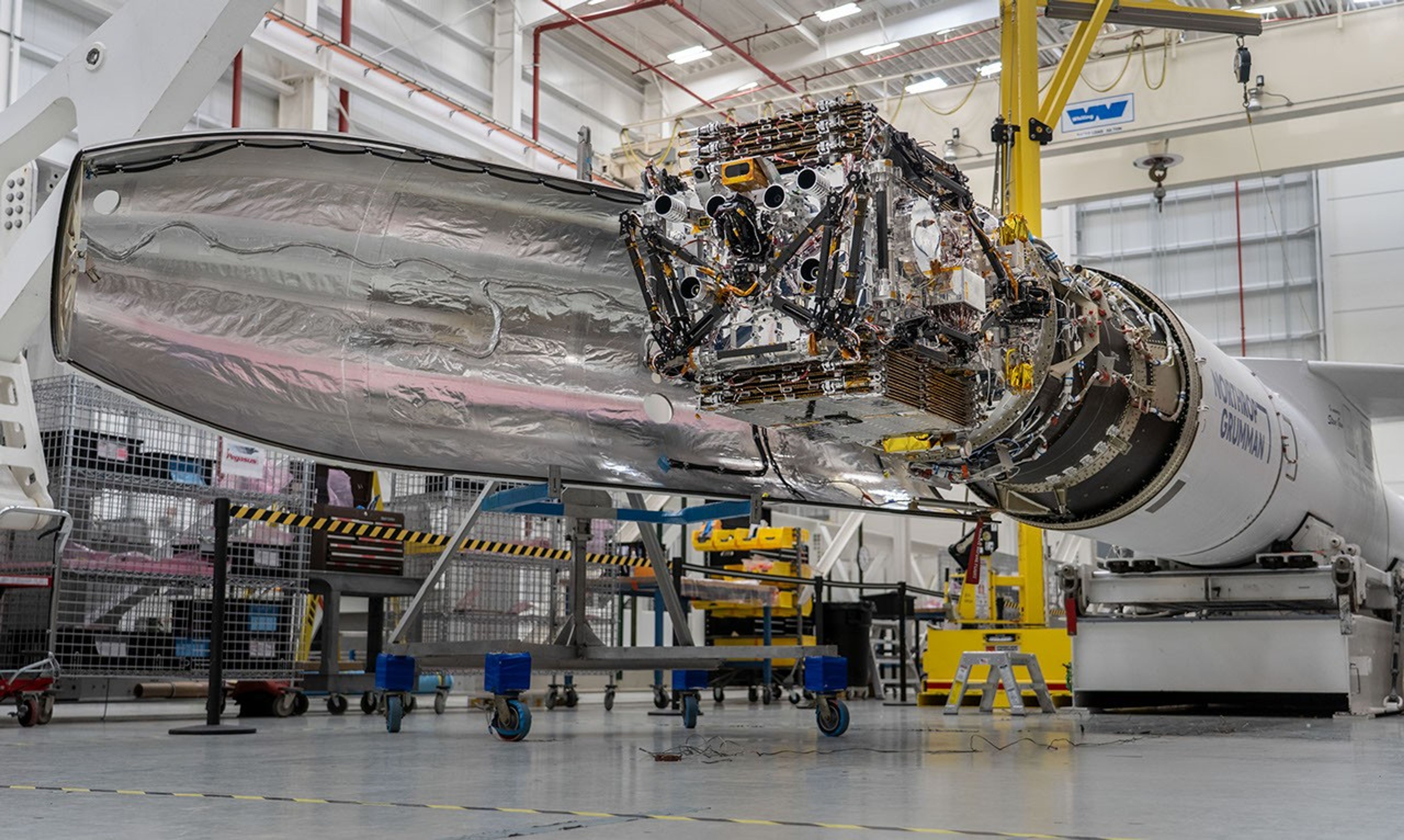
Katalyst Space’s LINK robotic servicing spacecraft awaits encapsulation inside a Northrop Grumman Pegasus XL rocket on June 8, 2026, at NASA’s Wallops Flight Facility in Virginia.
NASA/Ron Beard

The LINK spacecraft took off from Kwajalein Atoll in the Republic of the Marshall Islands in July aboard a Northrop Grumman Pegasus XL rocket. Katalyst selected the Pegasus as the best launch option for reaching the observatory on the mission’s condensed timeline, based on the mission’s orbital and programmatic needs.

After successfully reaching space and performing initial spacecraft checkouts, LINK began experiencing intermittent communications losses and developed issues with its orientation control.

Following a period of around-the-clock troubleshooting from both teams, NASA and Katalyst agreed to scale back the mission. LINK would no longer attempt to grab or boost Swift but instead attempt to perform a series of technology demonstrations that would advance the capabilities of the U.S. commercial servicing industry.

These included exercising the spacecraft’s xenon-powered propulsion system and three robotic arms, which were designed to provide flexibility regarding where LINK could safely grapple Swift. NASA formally concluded the agency’s involvement in LINK’s mission on Sept. 3. The spacecraft re-entered the atmosphere on Sept. 25.

“LINK was built to take on a problem that did not have an easy solution,” said Ghonhee Lee, CEO of Katalyst Space. “This was an ambitious mission on an aggressive timeline. While we did not accomplish every objective we set out to achieve, in less than a year we went from mission concept to launching and operating the first commercial space robot. This is a foundation we can build on.”

LINK image of Swift, which is a bright streak against black of space
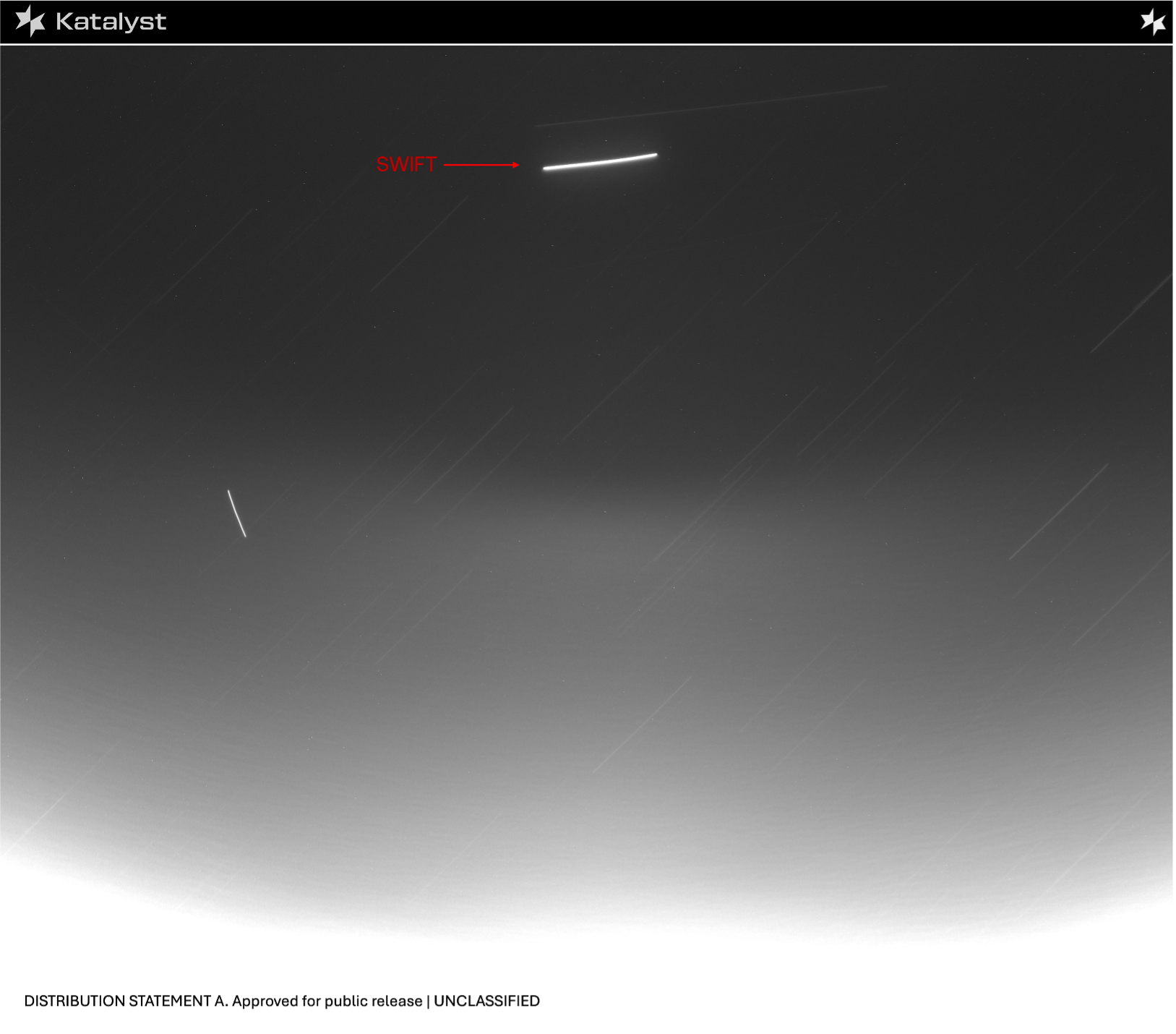
NASA’s Neil Gehrels Swift Observatory is seen as a streak in this image captured by Katalyst Space’s LINK spacecraft as it passed between 7.5 and 9 miles (12 to 15 kilometers) of Swift
Katalyst Space

Science missions like Swift take years to develop and then operate in orbit for decades. For the Swift boost, however, the most important factor was the timeline. All decision-making and risk acceptance hinged on predictions showing the observatory sinking to the point of no return — an altitude of around 185 miles (300 kilometers) — in fall 2026. As such, the boost mission required a new form of agile project management for NASA.

Swift team members in SSMO (Space Science Mission Operations) at NASA’s Goddard Space Flight Center in Greenbelt, Maryland, worked with Katalyst to develop milestones and approval processes that gave the mission the best chance of success while being flexible enough to move quickly toward launch.

Both groups received valuable input and feedback from NASA’s Engineering and Safety Center when tackling questions and issues that arose during integration and testing.

“Katalyst was committed to leveraging NASA’s deep experience to give themselves the best possible chance of successfully achieving the unprecedented challenge we gave them,” said Russell Carpenter, project manager in SSMO at NASA Goddard “Missions like these, where public-private teams work tenaciously to overcome obstacles, are an inspiration to the world, reminding us that striving for the near impossible brings out what is exceptional in all of us.”

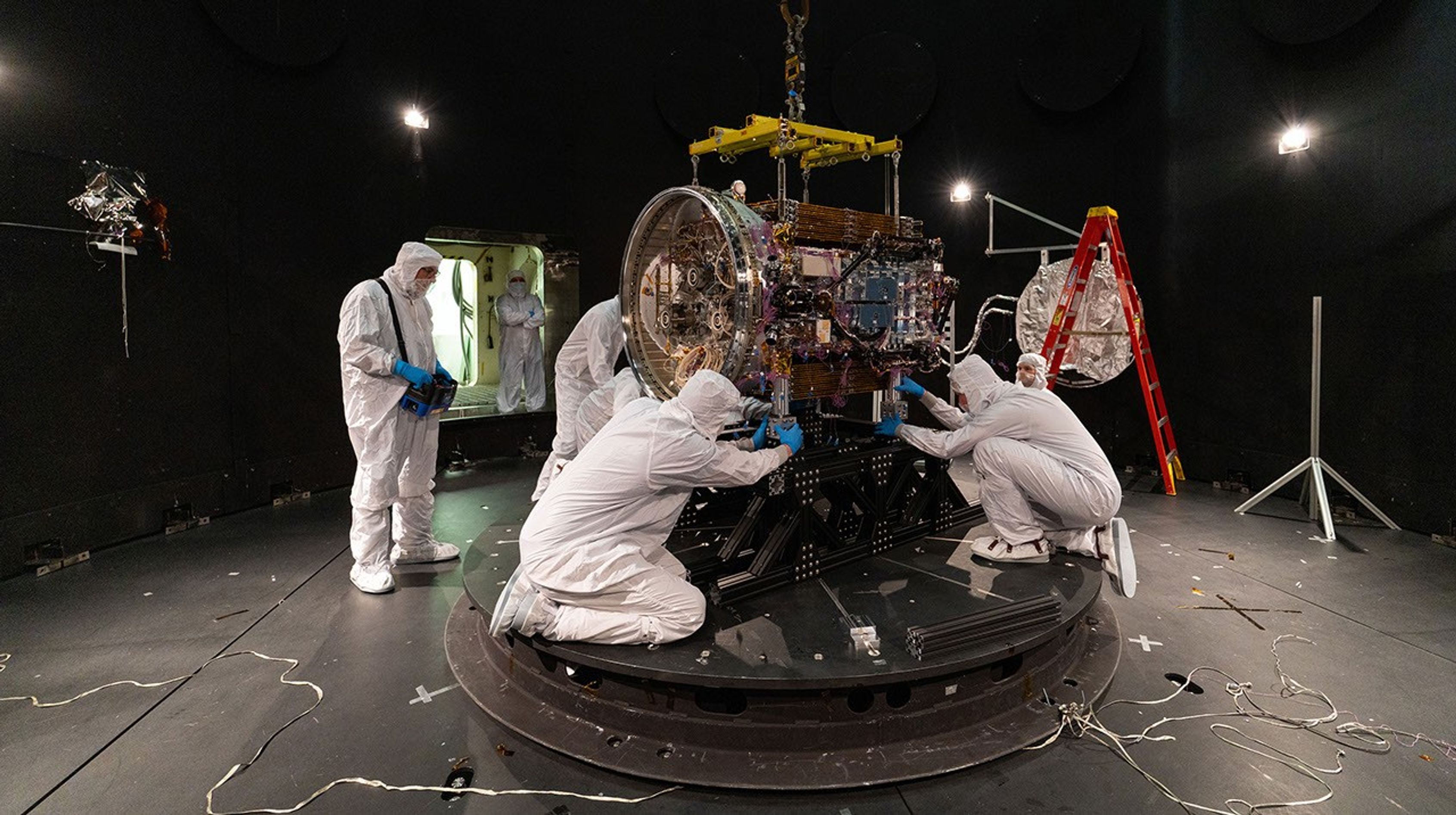
People in clean suits work on a spacecraft in a large chamber.
Katalyst engineers attach LINK to a baseplate inside the Space Environment Simulator at NASA’s Goddard Space Flight Center in Greenbelt, Md., on April 28, 2026. Once all the air was pumped out of the 27-foot-diameter chamber, the team practiced firing the satellite’s ion thrusters and operated one of the robotic arms while they cycled through space-like hot and cold temperatures.
NASA/Sophia Roberts

While teams at NASA and Katalyst were racing to get LINK ready on the ground, flight controllers in Swift’s Mission Operations Center, located at Penn State in University Park in Pennsylvania, were trying to keep Swift above the critical altitude for as long as possible. Below it, any boost attempt would become increasingly difficult.

During normal operations, the Penn State team sends a plan to Swift that tells the observatory which cosmic objects and events to observe each day.

In December 2025, however, the controllers started swapping around 25% of these science targets for points on the sky that would minimize drag when Swift was trained on them. By February, the team had switched over to this approach entirely.

“Even though Swift was not executing pointed science observations from mid-February to late August, we nonetheless continued Penn State’s history of innovative space research and operations, pioneering new methods to minimize drag experienced by the spacecraft,” said John Nousek, the mission director and professor of astronomy and astrophysics in the university’s Eberly College of Science. “These changes bought valuable time for the boost mission and can be carried forward for future NASA missions.”

The team also couldn’t point too close to Earth, the Moon, or the Sun, since the brightness of all three could overheat and damage the observatory’s instruments. Pointing Swift in the most streamlined position also tilted it too close to the atmosphere, where particles could collide with the telescopes and affect future observations. The team struck a balance that managed to maintain Swift’s altitude above the critical threshold for several months.

“We’re grateful to all our collaborators for the incredible amount of time and dedication they’ve put into the boost mission,” said S. Bradley Cenko, Swift’s principal investigator at NASA Goddard. “When Neil Gehrels, Swift’s namesake, designed the observatory, nothing like it had ever launched. He would have celebrated that this boost effort was part of Swift’s legacy, that it allowed NASA to try something new and daring even though the outcome wasn’t guaranteed. That’s how we explore the universe — as a team, learning from each other, constantly pushing forward.”

Facebook logo
Instagram logo

About the Author

Jeanette Kazmierczak

Jeanette Kazmierczak

Science writer

Jeanette Kazmierczak is a science writer at the University of Maryland, College Park and NASA’s Goddard Space Flight Center in Greenbelt, Maryland, where she covers missions and research in the Astrophysics Science Division.

❌
❌