We all have certain icks with our favorite apps—a bug, subpar display, long navigation, or even core features that we want to change to our liking. With streaming platforms like Spotify, you can get annoyed quickly when these issues manifest every day.
I like to test out different music/media players on Linux every so often. I don't know how I missed out on Clementine. I've been using the Spotify desktop app on one of my machines for a little while as a media player. So, just for fun, I decided to pit them against one another in a bit of a "friendly competition." I was surprised to see which one I ended up liking better.
The 1GB Raspberry Pi 5 was introduced in the midst of a RAM crisis that has seen prices of the once-affordable single-board computer hit the roof. You can still get your hands on one for $45 (for now), and your investment can pay for itself in a matter of months if you use it to ditch your subscriptions.
Yesterday, Isar Aerospace secured its place in the history books when the upper stage of their Spectrum rocket put a payload of CubeSats into low Earth orbit (LEO). Not only does this make them the first European company to achieve such a feat, but it also marks the first time a booster departing from continental Europe has reached orbit. Not bad for a second attempt.
Standing 28 meters (92 feet) tall, the two-stage Spectrum rocket is just shy of half the size of the SpaceX Falcon 9 and designed to put a maximum of 1,000 kilograms (2,200 pounds) into LEO and 700 kg (1,500 lb) into the Sun-synchronous orbits used by Earth observation satellites. That puts its performance considerably ahead of other commercial launchers such as Rocket Lab’s Electron. Although the booster is not reusable, Isar Aerospace has stated they’re targeting a respectable launch cost of €10,000 ($11,700) per kilogram. The German company notes there are several more Spectrum vehicles currently in production, and when their new factory is operational, they’ll have the capacity to produce up to 40 of them each year.
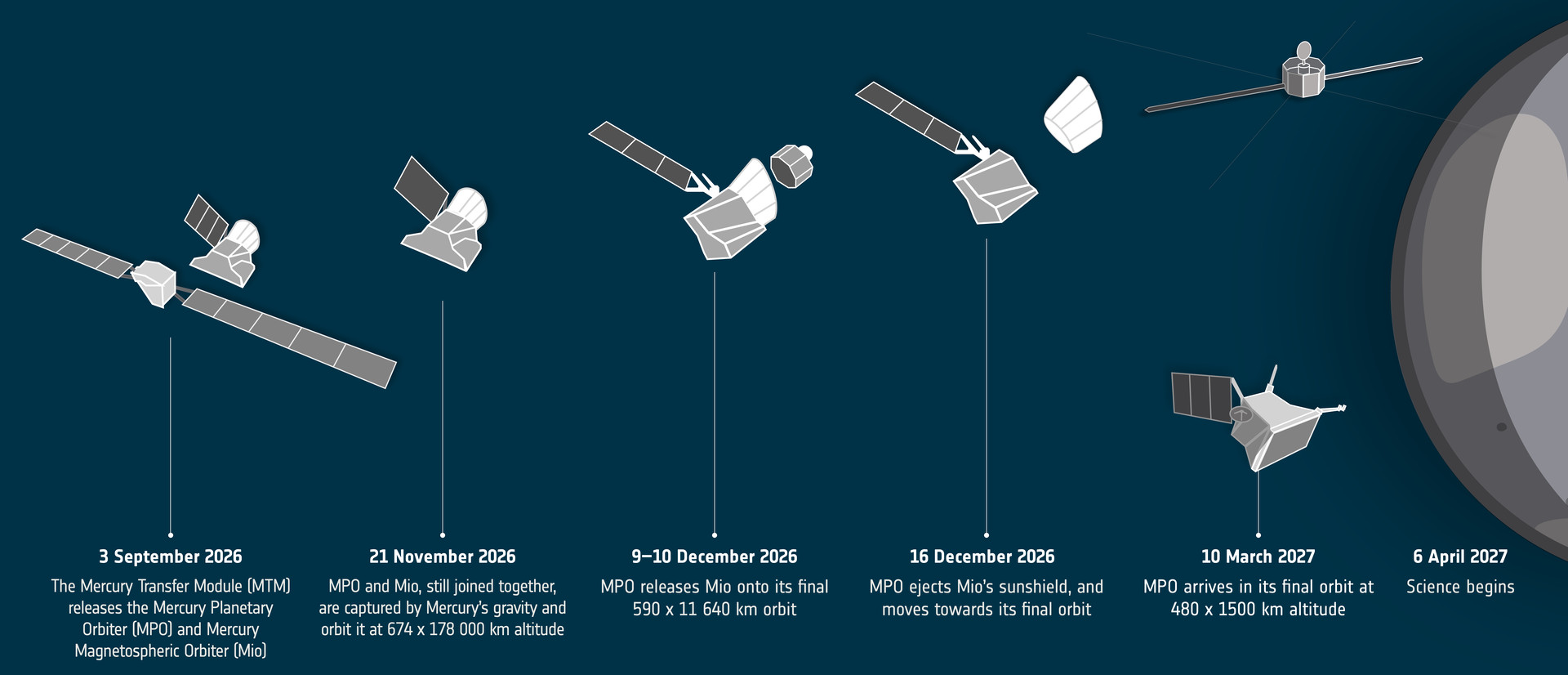
In other European space news, BepiColombo has now entered what the European Space Agency (ESA) is calling the “arrival phase” of its nearly decade-long journey to Mercury. On Thursday, the spacecraft jettisoned its ion propulsion module as it had achieved the necessary trajectory and velocity to be captured by the planet’s gravitational field when it swoops by in November.
Launched in 2018, the BepiColombo mission is actually carrying two separate craft: the ESA’s Mercury Planetary Orbiter and the Mercury Magnetospheric Orbiter from Japan. After the two separate from each other in December, they will operate independently to study their respective aspects of the solar system’s innermost planet for the next year, although, as is often the case for missions like this, an extension is always possible if things are still going well at that point.
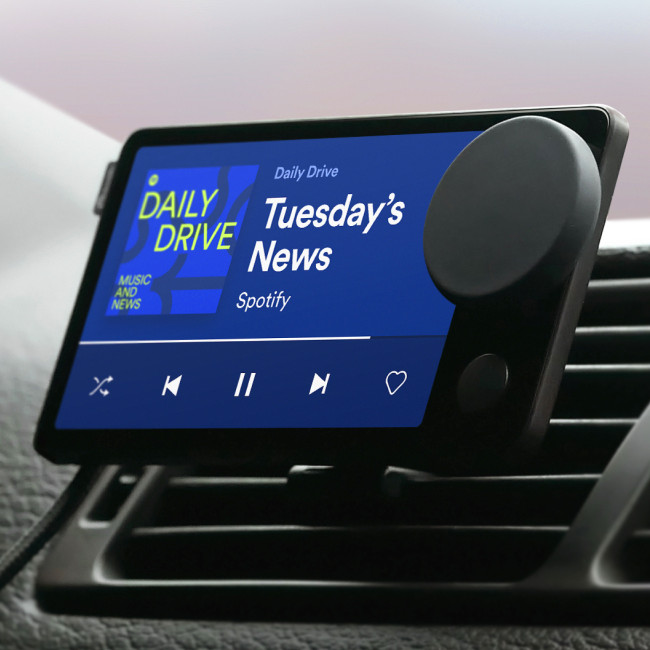
On the subject of hardware outliving its original design lifetime, an active community of hackers has done a fantastic job of keeping the Spotify Car Thing up and running after the company officially pulled the plug on it just two years after its 2022 release. They’ve got a full Linux distribution running on it featuring a slick UI that can launch apps, check the weather, tap into Home Assistant, and of course, play music. The community is currently running a contest with cash prizes to spur on development of new open source software for the liberated Car Thing, and we’re eager to see what comes of it.
The Car Thing, back when Spotify still cared.
Speaking of keeping things open, the Free Software Foundation (FSF) has joined Bluesky — but they aren’t exactly thrilled with it. Being federated and largely comprised of free and open-source software, the FSF admits that Bluesky is the lesser evil when compared to something like X or Facebook. But they still can’t recommend others join the service, as the actual signup process requires your browser to run non-free JavaScript code.
One may wonder why the FSF would join Bluesky if they can’t recommend the service to others, and the answer is simply because they want to get the word out to a wider audience. While the FSF already operates an account on Mastodon, there’s a good chance that anyone who’s willingly regularly using said platform doesn’t need any additional convincing when it comes to the evils of proprietary software.
This is as good a time as any to point out that Hackaday is on Bluesky and Mastodon as well, and unlike the FSF, we’re also on Facebook, although the automatic sharing of new posts hasn’t worked for quite some time and honestly we can’t be bothered to figure out why. For our readers with a particular aversion to grass, we’ve even got an official IRC channel on libera.chat where you and nearly 50 others can feel superior to the thousands of immoral heathens that have joined our Discord server.
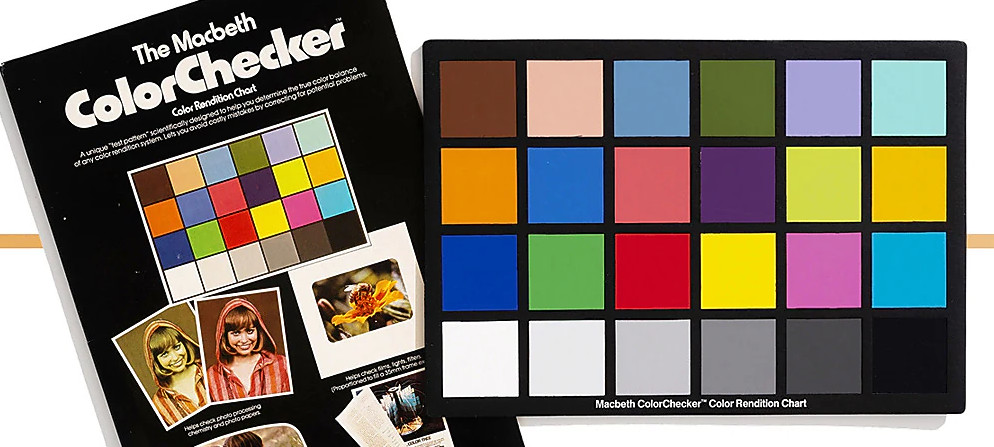
Finally, it’s been 50 years since the introduction of the ColorChecker — that little card with 24 blocks of colors that’s placed in the frame of a picture or video to provide a visual reference point. In honor of the milestone, Calibrite has put together a timeline that walks you through its history, starting with its inception in the 1976 paper “A Color-Rendition Chart” by C.S. McCamy, H. Marcus, and J.G. Davidson and running up to how the handy tool evolved for the digital age.
There are plenty of facts and trivia about the ColorChecker that you can bring up the next time you want to impress a photographer, and we especially appreciated the breakdown of what each of the original 24 colors was meant to represent.
See something interesting that you think would be a good fit for our weekly Links column? Drop us a line; we’d love to hear about it.

 Login
Login