 Login

Pork Rib Smoking Methods Compared: 3-2-1, 2-2-1, No-Wrap and More
26 October 2026 at 14:17
Compare 3-2-1, 2-2-1 and no-wrap ribs, then learn how to adjust the stages for the tenderness and bark you prefer.

Earlier this year, we knocked out a rack of red, white, and blue babyback barbecue ribs. They were a huge hit and this raspberry barbecue sauce recipe made that happen. Feel free to give it a go! Raspberry Barbecue Sauce Absolutely delicious raspberry bbq sauce recipe! CourseEntree CuisineAmerican, Barbecue Servings4 Servings Prep Time5 Minutes Cook Time20 Minutes Passive Time8 Hours ...
The post Raspberry Barbecue Sauce first appeared on Burn Blog.
Something about cooler weather makes smoky, hearty food sound even better. As the days get shorter and cool air settles in, lighter summer meals start giving way to the kind of comfort food you actually want to linger over. That’s where BBQ comes in. Smoky meats, savory sides, rich sauces, and plenty of flavor make it a natural match for fall cravings, whether you’re grabbing dinner after a busy day or settling in for a relaxed weekend meal.
One of the best things about BBQ is that the flavor doesn’t need much explaining. That unmistakable smoky taste comes from time, heat, seasoning, and technique, creating meat that is rich, tender, and packed with character.
Fall is the perfect time to appreciate those deeper flavors. When you’re craving something substantial, a plate piled with smoked meats and your favorite sides feels like exactly what the season ordered.
Of course, you can’t talk about BBQ without talking about the sides. A great meal is about more than what’s coming off the smoker. Creamy, crispy, savory, and tangy sides bring different textures and flavors to the plate and make the whole meal feel complete.
Whether you have a favorite side you order every time or like trying something different, there’s something especially satisfying about building a meal around a combination of smoky meat and comforting sides.
Summer tends to be all about lighter meals, fresh flavors, and eating outside. Fall brings a different mood. You want food that feels warm, satisfying, and worth slowing down for.
That makes BBQ such a natural fit for the season. It works for a casual weeknight dinner, a weekend lunch, a meal with friends, or those evenings when you simply want something hearty without having to cook it yourself.
If you’re ready to lean into those cooler-weather cravings, Code 1 BBQ has plenty of smoky, satisfying options to put on your fall food rotation. From flavorful meats to hearty sides, it’s an easy way to make an ordinary autumn day feel a little more delicious. Stop by, check out our menu, and find the combination that becomes your new seasonal favorite.
Hungry for more smoky goodness? Follow us on Facebook for more BBQ, menu favorites, and updates!
The post Why BBQ Just Hits Different in the Fall appeared first on Code 1 BBQ.
By Steven Raichlen
Greetings from Barbecue University®, my school at the Alisal Ranch in Solvang, California. We always start the first class with a bang. And bangs (or bones) don’t get bigger than dino bones, aka brontosaurus bones, aka beef plate ribs, aka big bad beef ribs!
The beef plate rib certainly lives up to its reputation as “brisket on the bone.” Imagine the fatty richness of a barbecued brisket point with the gnaw-a-bility of a meaty sparerib. Imagine a single rib that weighs upwards of 2 pounds and easily feeds 2. When you order it at a restaurant, you can pay up to $50—for a single rib! I’m going to show you how to barbecue this spectacular beef bone at home for a fraction of the price.
First the rib. Beef plate ribs are cut from bones 6, 7, and 8 on a steer’s ribcage. (MPS/NAMP 123A in butcher speak.) They come in a slab that’s the size of a laptop computer, tipping the scale at 6 to 8 pounds.
We source our beef ribs from the Nashville-based butcher shop and online meat purveyor, Porter Road. Founded by Chris Carter and James Peisker in 2010, Porter Road specializes in pasture-raised meats free of antibiotics and hormones, dry-aged and hand-cut. I order from them whenever I can: their meats are first rate. If you use code BarbecueBible you can get 15% off your first order.

Once you have your dino ribs, cut the rack into individual bones. Individual bones mean more spice, more bark, and more woodsmoke on each rib. I like to keep the seasoning simple: coarse salt and cracked black peppercorns. Maybe a whiff of garlic powder and dried oregano. Whoops—I just gave away the formula for my Planet Barbecue Brisket Rub, which goes great on dino bones.
You can cook your dino ribs on a smoker, kamado, pellet grill, or charcoal grill. (Sorry, folks. It’s hard to smoke meat on a gas grill.) Preheat it to 250 degrees and add the wood (chunks or chips) following the manufacturer’s instructions every hour.
The other ingredient you need is time—lots of it—because dino ribs take at least 8 to 10 hours to cook, plus 1 to 2 hours resting in an insulated cooler or barbecue blanket before serving.
So how do you know when they’re done? The meat will have shrunk back from the ends of the bones by 2 inches or so and the meat will be soft and tender. The internal temperature on an instant-read thermometer should be around 200°F.
And what do you serve with dino bones? If you’re me, nothing. I like to savor the rich beefy flavor, salt, pepper, and smoke all by themselves.
But Mrs. Raichlen likes my Chipotle Molasses Barbecue Sauce, so I wouldn’t say no to that.
Here, then, are Barbecued Dino Bones in all their beefy glory. Guaranteed to give brisket a run for its money!
Recipe
By Steven Raichlen
Big, meaty beef plate ribs seasoned with salt, cracked black pepper, and hot red pepper flakes, then smoked low and slow until tender.
Plan your next cook with our full recipe collection—weeknight grills, weekend projects, and special-occasion feasts.
Get Steven’s weekly grilling tips, seasonal recipes, and live-fire ideas in your inbox. Join our Up in Smoke newsletter. Sign up and get a FREE PDF of Steven Raichlen's Best Ribs Recipes Ebook.
Preorder Man On Fire — A Steven Raichlen Memoir. And get some really cool rewards!
Looking to upgrade your tailgating setup? Check out our Tailgating Essentials.
The post How to Smoke Dino Ribs: Big, Bad Beef Plate Ribs appeared first on Barbecuebible.com.
There’s something fascinating about watching a smoker work. A large cut of meat can spend hours surrounded by low heat and fragrant wood before emerging completely transformed, with a dark exterior, rich smoky flavor, and tenderness that can’t be rushed. We know good BBQ takes time, but what is actually happening inside that smoker while the hours pass? From the fire itself to the way heat and smoke interact with the meat, there’s more going on than meets the eye.
Smoking and grilling may both involve fire, but the cooking process is very different. Grilling typically relies on higher temperatures and shorter cooking times, while smoking uses lower, steadier heat to cook larger cuts of meat more slowly.
That extended cooking time is especially important for cuts containing a lot of connective tissue. As the meat slowly heats, collagen begins to break down and fat gradually renders, changing the texture along the way. What starts out tough can eventually become tender enough to pull apart with very little effort.
Wood smoke is responsible for much of the flavor associated with smoked meat, but it also contributes to the color and aroma of the finished product. As the smoke moves around the cooking chamber, compounds in it settle onto the surface of the meat and interact with what’s happening during the cook.
The type of wood used can influence the character of that smoke, which is one reason pitmasters pay attention to their fuel. Different woods can produce different levels of intensity and subtly change the flavor of the finished meat.
A smoker isn’t simply a box with a fire inside. Air needs to move through the cooking chamber in a controlled way, carrying heat and smoke while helping maintain the right temperature.
Too much airflow can make a fire burn hotter than intended, while too little can affect combustion and the quality of the smoke. Managing that balance is part of what makes smoking a craft rather than simply a matter of putting meat over a fire.
One of the strangest parts of smoking meat is the stall. At a certain point during a long cook, the internal temperature of the meat can stop rising as quickly as expected. Moisture evaporating from the surface creates a cooling effect that can slow the process considerably.
For someone watching the thermometer, it can be frustrating to see the temperature seemingly stop moving after hours of cooking. For the meat, though, it’s simply another stage of the process.
By the time a cut is ready to serve, hours of heat, smoke, evaporation, rendering, and chemical changes have taken place. That’s what makes smoked meat so different from something cooked quickly over high heat. The smoker isn’t just cooking the meat. It’s gradually changing it.
Stop by Code 1 BBQ in Wilmington for slow-smoked favorites made with the time and care great barbecue deserves. Whether you’re stopping in for a meal or bringing something home, there’s plenty waiting on the menu. We’d love to have you join us for your next BBQ.
Follow us on Facebook for our latest menu updates, specials, events, and what’s happening at Code 1 BBQ.
The post What Actually Happens Inside a Smoker? appeared first on Code 1 BBQ.
I’ve cooked baby back ribs just about every way you can cook them. Different smokers, different seasonings, different sauces… and there’s really no one right way to do it. You can take just about any good rib recipe and make some great ribs.
It starts with picking out a good rack and trimming it up so it cooks evenly. Then you gotta know when the bark is set and the ribs are ready to wrap, what tender ribs should actually feel like, and when it’s time to get them off the pit. And one of the biggest things I’ve learned is to give ribs a good hold once they’re tender. That little bit of time lets everything settle down before you put on the final glaze.
For these ribs, I’m using Tyson Baby Back Ribs from Walmart and keeping the flavors pretty simple. But that’s really the point. Change the seasoning, change the sauce, cook them on whatever smoker you’ve got. If you pay attention to these little things during the cook, you’ll get tender, juicy ribs with that beautiful mahogany finish every time.
WHAT MALCOM USED IN THIS RECIPE:
5 Stars 4 Stars 3 Stars 2 Stars 1 Star
No reviews
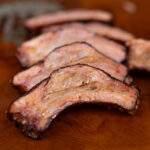
These baby back ribs are smoked at 275°F until the bark is set, wrapped until tender, then given a proper hold before finishing with a final glaze. It’s the little things along the way that give you tender, juicy ribs with a beautiful mahogany finish.
Malcom Reed
Connect on Facebook
Follow me on TikTok
Subscribe to my YouTube Channel
Follow me on Instagram
The post Perfect Baby Back Ribs appeared first on HowToBBBQRight.
Slice into a beautifully smoked brisket, and there’s a good chance you’ll notice a narrow band of pink just beneath the dark exterior. For many barbecue fans, that distinctive color is one of the first things they look for. It has become closely associated with authentic smoked meat, but the science behind it is more interesting than simply saying that smoke makes meat pink. So what creates the smoke ring, and does it actually tell you anything about the quality of the BBQ you’re about to eat?
The smoke ring forms due to a reaction involving myoglobin, a muscle protein that contributes to meat’s natural color. As meat cooks, heat changes the structure of myoglobin, causing the familiar shift from red or pink toward brown.
During smoking, certain compounds produced by burning wood can interact with myoglobin near the surface of the meat. Under the right conditions, that reaction helps preserve the pink color, creating the ring that appears just beneath the bark.
The depth and appearance of a smoke ring can vary depending on factors such as the type of wood, cooking conditions, moisture, and the amount of time the meat spends in the smoker.
A smoke ring can indicate that meat was exposed to wood smoke during cooking, but it isn’t a reliable indicator of how well the meat was prepared. A dramatic pink ring doesn’t guarantee tenderness or flavor, and a perfectly cooked piece of smoked meat doesn’t necessarily need to have a prominent one.
For experienced pitmasters, the more important qualities are things like tenderness, moisture, seasoning, bark, and the overall balance of smoke and flavor.
Part of the smoke ring’s reputation stems from barbecue competition culture, where appearance is an important factor in judging. Over time, that bright pink edge became something BBQ enthusiasts began to associate with well-executed smoke.
There’s also something appealing about being able to see evidence of the cooking process. A smoke ring is a visible reminder that the meat spent hours in a smoker rather than simply being cooked over high heat.
The smoke ring may be the first thing you notice when you slice into smoked meat, but it is only one small part of what happens during a long cook. Smoke contributes flavor, heat gradually changes the meat’s texture, and the exterior develops the bark that gives each bite another layer of character. A good piece of barbecue ultimately has to do more than look the part.
Did we spark your cravings yet? Stop by Code 1 BBQ and experience our take on BBQ in Wilmington, from smoked meats to the sides and sauces that bring everything together. Whether you’re trying one of our favorites for the first time or already know what you’re ordering, there’s always a reason to come hungry. Stop in and see what’s cooking!
Follow us on Facebook for menu updates, specials, events, and more from Code 1 BBQ!
The post The Smoke Ring: What It Is and Why BBQ Fans Look For It appeared first on Code 1 BBQ.
People often describe great BBQ by its smoky flavor, but taste is only part of what makes it memorable. The texture of slow-smoked meat plays an equally important role. A tender slice of brisket, perfectly pulled pork, or ribs with just the right amount of bite all require time, patience, and careful attention throughout the cooking process. Those details may not always be visible, but they’re what separate an ordinary meal from one that’s worth talking about long after the last bite.
The phrase “low and slow” isn’t just a barbecue tradition. It’s a cooking method that gives tougher cuts of meat the time they need to become tender. As the meat slowly cooks, connective tissues gradually break down, creating the juicy texture that barbecue is known for.
Trying to rush that process can leave meat dry or chewy, which is why patience remains one of the most important ingredients in authentic barbecue.
Not all smoked meats respond to heat in the same way. Brisket contains plenty of connective tissue that softens over several hours, while pork shoulder develops its signature pull-apart texture through a slightly different process. Ribs require their own balance, becoming tender without losing the structure that gives each bite its satisfying texture.
Understanding how each cut behaves during cooking allows pitmasters to bring out its best qualities instead of treating every piece of meat the same.
Once the meat comes off the smoker, the cooking process isn’t quite finished. Allowing it to rest gives the juices time to redistribute throughout the meat instead of running out with the first slice. That extra patience helps preserve moisture while creating a richer, more satisfying bite.
It’s one of those small steps that often makes a noticeable difference on the plate, especially when preparing exceptional BBQ.
Great barbecue isn’t the result of a single technique. It comes from dozens of small decisions made throughout the cooking process, from selecting the right cut of meat to monitoring temperature, smoke, and timing. Those details may happen behind the scenes, but they’re what create the flavor and texture people remember.
Whether you’re stopping in for smoked brisket, ribs, pulled pork, or another favorite, Code 1 BBQ is passionate about serving authentic BBQ that’s prepared with patience and attention to detail. Check out our menu and visit us soon to enjoy a meal where every bite reflects the time and care that went into making it!
Follow us on Facebook for behind-the-scenes barbecue, featured menu items, and upcoming events you won’t want to miss!
The post Why Patience Is the Secret Ingredient in Great BBQ appeared first on Code 1 BBQ.
Pork is honestly one of the best things you can put on a smoker. It’s forgiving, flavorful, and there’s so much you can do with it — from a low-and-slow pork butt that shreds into the most incredible pulled pork, to sticky ribs, crispy pork belly, glazed ham, and everything in between. This round-up covers […]
The post 34 Easy Smoked Pork Recipes appeared first on Simply Meat Smoking.

 Print Recipe
 Pin Recipe