Normal view

There are new articles available, click to refresh the page.
Before yesterdayMain stream

What Is the Nancy Grace Roman Space Telescope? (Grades 5-8)

11 August 2026 at 17:04

6 min read

Preparations for Next Moonwalk Simulations Underway (and Underwater)

This article is for students grades 5-8.

The Nancy Grace Roman Space Telescope is NASA’s newest astrophysics observatory. The telescope will scan large sections of space. Roman will help astronomers answer questions about dark energy, dark matter, exoplanets, and more.
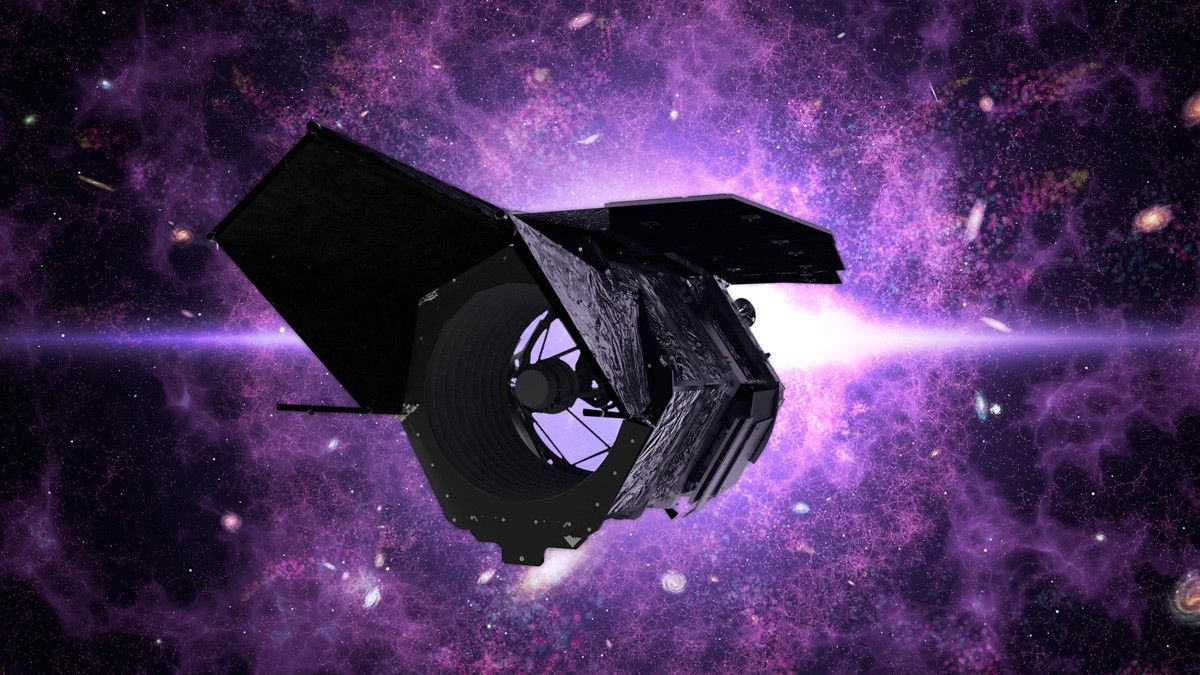
Image shows an illustration of the Nancy Grace Roman Space Telescope with a galaxy illustration in the background. Formerly known as WFIRST, is an upcoming space telescope designed to perform wide-field imaging and spectroscopy of the infrared sky.
The Nancy Grace Roman Space Telescope is NASA’s newest space telescope that will study dark energy, exoplanets, and astrophysics.
NASA’s Goddard Space Flight Center

______________________________________________________________________

Words to Know

Astrophysics: a branch of space science that applies physics and mathematics to study the universe.

Lagrange point: a position in space where the gravitational forces of a two-body system, such as the Sun and Earth, are balanced. This point creates an “orbital parking spot” where minimal fuel is needed to maintain a spacecraft’s position.

Infrared light: light that is completely invisible to the human eye but can be felt as heat. It’s the area on the electromagnetic spectrum where wavelengths are longer than visible red light, but shorter than microwaves.

Dark energy: the mysterious force that is causing the universe to expand at an accelerated rate.

Exoplanet: a planet outside of our solar system.

Dark matter: the mysterious gravitational “glue” that holds cosmic structures together.

______________________________________________________________________

When and Where Will the Nancy Grace Roman Space Telescope Launch?

The Nancy Grace Roman Space Telescope is scheduled to launch Aug. 30, 2026. It will launch aboard a SpaceX Falcon Heavy rocket. Liftoff will take place from Launch Complex 39A at NASA’s Kennedy Space Center in Florida.

Where Will the Nancy Grace Roman Space Telescope Go in Space?

The Nancy Grace Roman Space Telescope will orbit about 930,000 miles (1.5 million kilometers) away from Earth. It will orbit around a special place in space called the second Sun-Earth Lagrange point, or L2. This gravitational sweet spot is perfect for unobstructed views of the universe.

What Instruments Does the Nancy Grace Roman Space Telescope Have?

The Nancy Grace Roman Space Telescope will peer through dust and across vast stretches of space using infrared light. Roman’s primary mirror is 7.9 feet (2.4 meters) across. The large surface of the telescope mirror gathers lots of light. More light equals finer details.

The primary mirror will send light to Roman’s two science instruments: the Wide Field Instrument and the Coronagraph Instrument.

The Wide Field Instrument is a 300-megapixel infrared camera. It allows scientists to look very far back in time because the light captured by the camera has been traveling for billions of years before reaching the instrument. Seeing the universe in its early stages will help unravel how it has expanded throughout its history. This will give scientists hints about how the universe may continue to evolve.

The Coronagraph Instrument uses technology that blocks the glare from a star. This lets astronomers see planets in orbit around it. This instrument is the most powerful coronagraph ever flown in space. It will allow astronomers to see planets that are almost a billion times fainter than their host star.
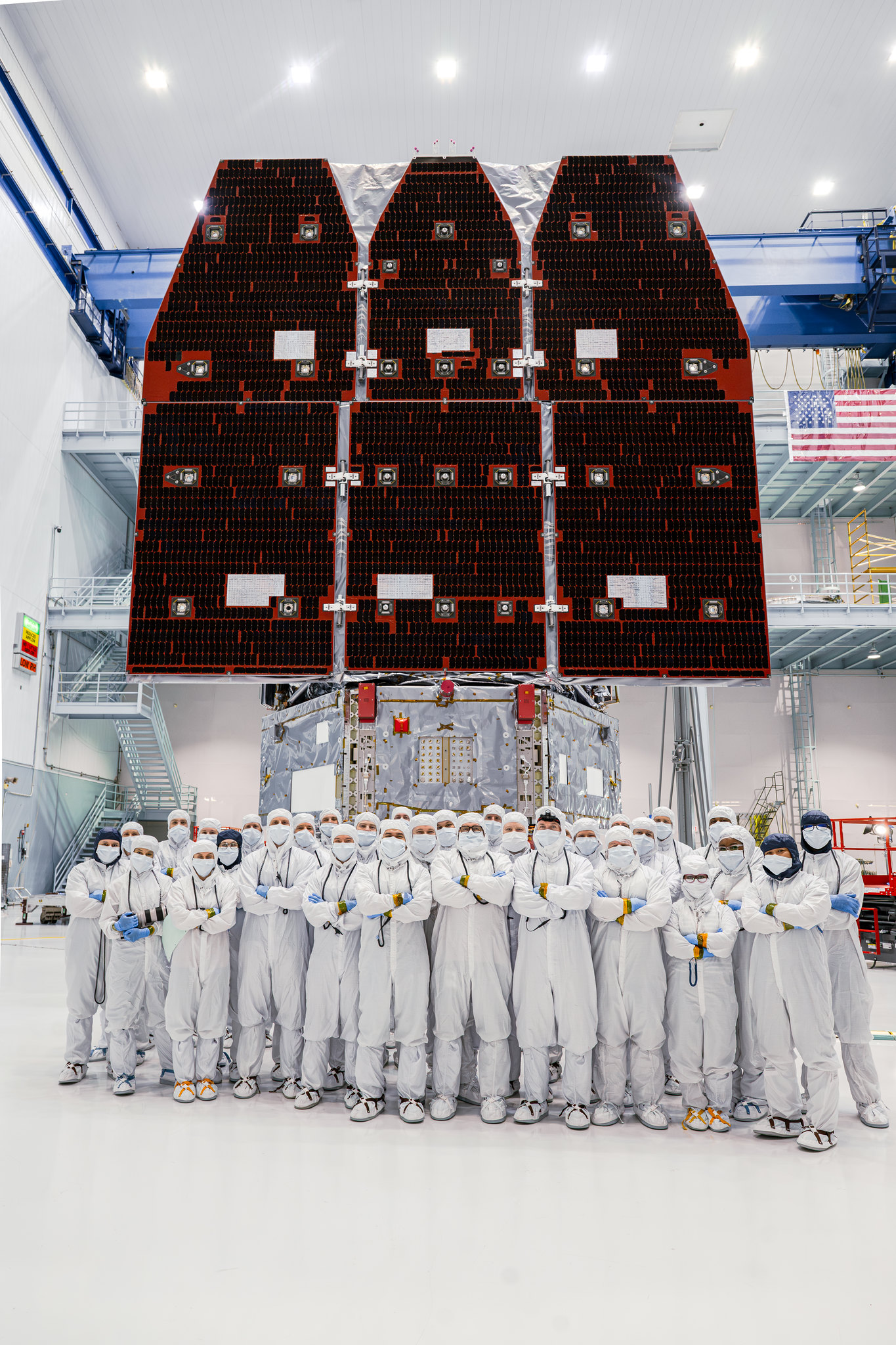
A large group of technicians in white
On Nov. 25, 2025, technicians joined the inner and outer segments together and the observatory was complete.
NASA / Sydney Rohde

What Will Scientists Study With the Nancy Grace Roman Space Telescope?

Scientists using the Nancy Grace Roman Space Telescope will focus on three main topic areas: dark energy, exoplanets, and dark matter.

Dark energy is a mysterious part of the universe. Scientists aren’t sure what it is, but it makes up about 68% of the universe’s total contents. It is believed to be responsible for the accelerating rate at which our universe is expanding. But recent observations seem to show that the pressure from dark energy is shifting over time. Scientists hope to use the Roman Space Telescope to help solve the mystery of dark energy’s true nature.

Exoplanets are planets outside of our solar system. Scientists have discovered more than 6,000 exoplanets. But they believe that billions could exist. Most of the exoplanets detected so far are wildly different than the planets in our solar system. Scientists expect Roman to find more unusual exoplanets. It will also allow astronomers to find planets in the habitable zone of their stars. This will be key to finding planets similar to Earth.

Dark matter is the invisible glue that holds the universe together. Scientists aren’t sure what dark matter is made of. Roman will allow scientists to peer back in time to trace how galaxies and galaxy clusters formed. If dark matter consists of heavy, sluggish particles, it would clump together readily and Roman should see galaxy formation early in cosmic history. If dark matter is made up of lighter, faster-moving particles, it should take longer to settle into clumps and for large-scale structures to develop. If astronomers can narrow down the candidates for dark matter particles, we’ll be one step closer to finally detecting them directly in experiments on Earth.

Who Was Nancy Grace Roman?

Nancy Grace Roman was NASA’s first chief astronomer and the first female executive at the agency. Roman championed the making of the first space-based telescope — the Hubble Space Telescope. She was involved in every crucial decision about the telescope from its funding to where it was built to the details of its instruments. Her vital role in making the project a reality led her to be known as “the mother of the Hubble Space Telescope.”

Roman was born May 16, 1925, in Nashville, Tennessee. She died Dec. 25, 2018.
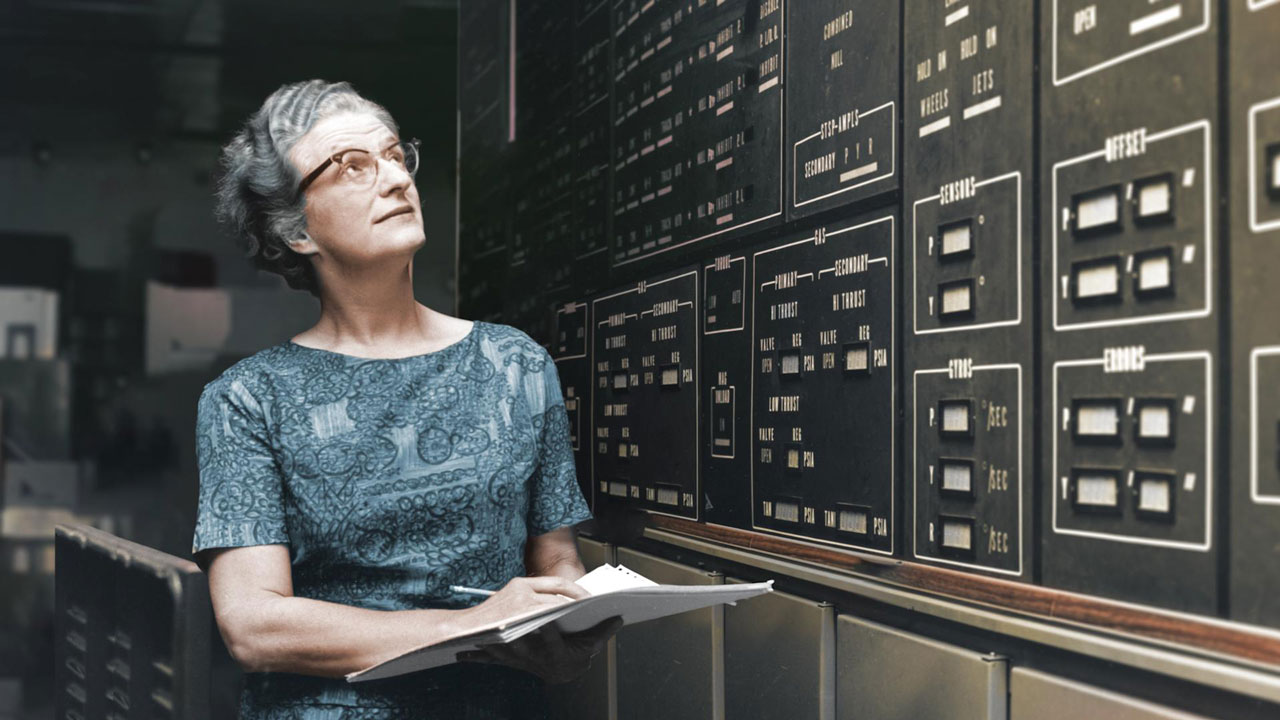
Portrait of astronomer Nancy Grace Roman holding papers and looking up at a board with information on it
Nancy Grace Roman was NASA’s first chief astronomer. She is knows as “the mother of the Hubble Space Telescope.”
NASA

Career Corner

More than a thousand technicians and engineers assembled Roman from millions of individual components. Here are a few examples of the careers that shaped NASA’s newest space telescope:

Instrument technician: These experts install, calibrate, and maintain sensors and control systems. They troubleshoot issues that might come up with delicate systems and equipment. This career path often starts with an apprenticeship or hands-on training alongside experienced technicians. An associate’s degree is often required.

Mechanical engineer: This branch of engineering focuses on complex machines and engines. Mechanical engineers design, build, test, and improve mechanical systems. They play an essential role in making a complex observatory like the Roman Space Telescope a reality. A career in engineering demands a strong understanding of math and complex problem-solving and usually requires an advanced college degree.

Astrophysicist: These scientists study the physics of the universe. They are interested in learning how the universe began, how it is evolving, and how it works. Becoming an astrophysicist requires advanced college degrees.

NASA also needs people who work in photography, management, social media, videography, and much more. Learn about some of the people who have made the Roman mission possible here!

More About the Nancy Grace Roman Space Telescope

Mission Website: Nancy Grace Roman Space Telescope

Video Game: Roman Space Observer

Roman Space Telescope Education and Outreach Materials

Launch Into a New School Year With NASA

10 August 2026 at 09:59
4 Min Read

Launch Into a New School Year With NASA

An illustration of two astronauts inside a spacecraft, looking at a screen that says "Back to School with NASA"

A new school year brings fresh opportunities to get involved with NASA. Whether you’re curious about space or eager to build real STEM skills, NASA offers a world of experiences putting you close to the action. As we enter a new golden age of exploration, there’s no better time to jump in, try something bold, and see where your curiosity takes you.

Gain Hands-On NASA Experience

NASA opens the door to authentic mission experiences through internships and student challenges. As members of the NASA team, interns work on genuine agency projects and gain industry-ready skills, all with the guidance of NASA mentors. Visit NASA’s internships website to learn more about current vacancies, deadlines, eligibility requirements, and more.

Through NASA’s student challenges and competitions, student teams tackle some of the critical technical hurdles facing mission planners. Flex your innovative muscles and sharpen your collaborative and problem-solving skills while developing, prototyping, and testing your team’s designs. Check out the full list of NASA STEM challenges and opportunities, choose one that fits your interests, and assemble your team.

More than 500 students with 75 teams from around the world participated in the 31st year of NASA’s Human Exploration Rover Challenge (HERC) on April 11 and April 12, 2025, near NASA’s Marshall Space Flight Center in Huntsville, Alabama. Participating teams represented 35 colleges and universities, 38 high schools, and two middle schools from 20 states, Puerto Rico, and 16 other nations. NASA expanded the 2025 challenge to include a remote-control division - named Remote-Operated Vehicular Research - and invited middle school students to participate. Teams were awarded points based on navigating a half-mile obstacle course, conducting mission-specific task challenges, and completing multiple safety and design reviews with NASA engineers.
Students cross the finish line in their human-powered rover during the 2025 Human Exploration Rover Challenge at NASA’s Marshall Space Flight Center in Huntsville, Alabama
USSRC/Emily Riddle

Discover Technical Careers at NASA

The future of aerospace depends on a steady pipeline of skilled technical experts ready to make missions and ideas a reality. NASA invites students in high school, community college, and career technical education programs to join in-person and virtual events to explore these important career paths.
 
NASA Career Technical Education Days bring students on-site to meet NASA skilled technical workers who share what their jobs are like, how they built their careers, and the skills, training, and certifications that have helped them succeed. During NASA’s Next Gen STEM Virtual Career Connections , students interact live with technical experts supporting the agency’s missions. Students and teachers can learn more on the Next Gen STEM for Careers website.

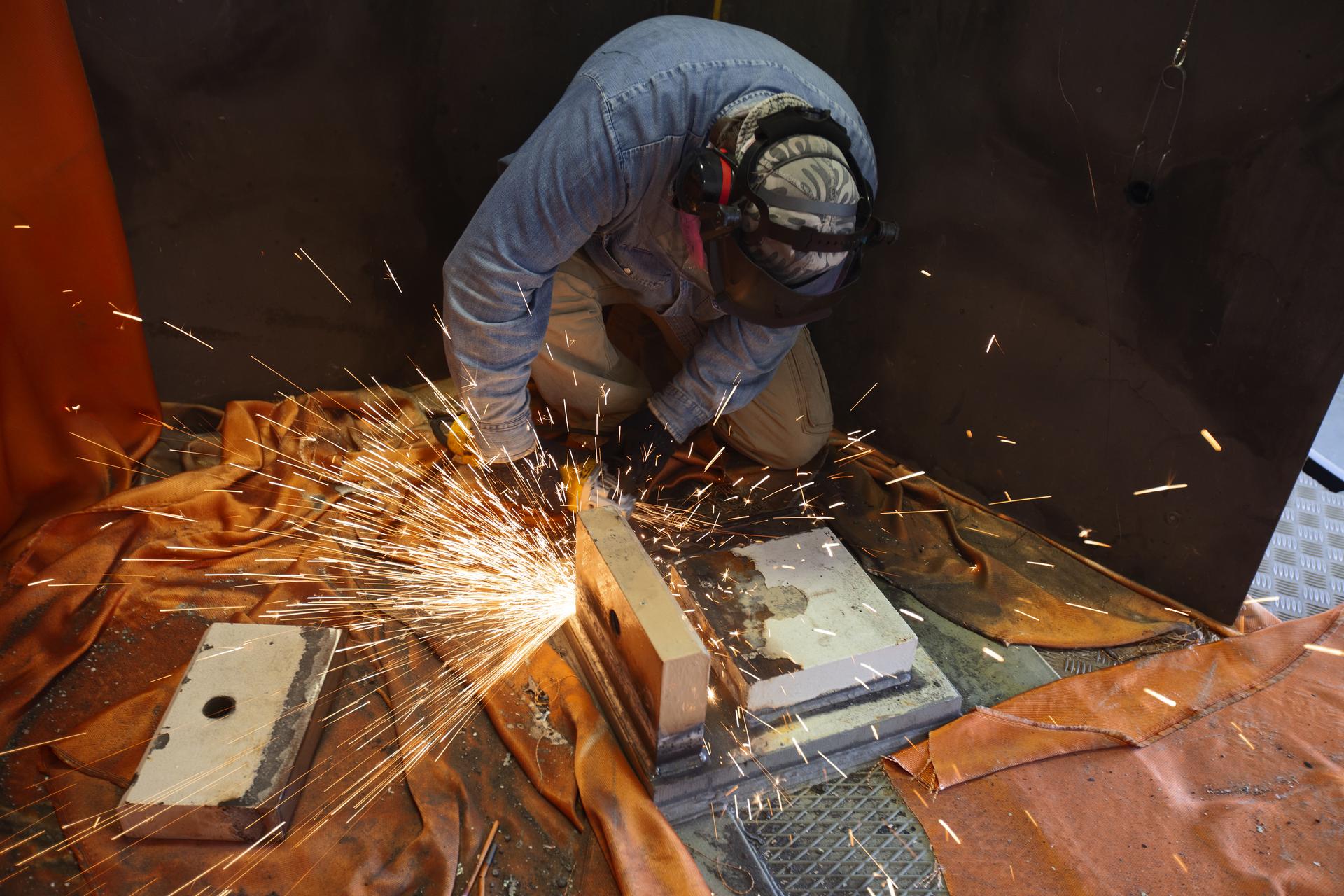
A technician performs welding on a spacecraft transporter at NASA’s Kennedy Space Center in Florida.
NASA/Ben Smegelsky

Contribute to NASA Science as a Citizen Scientist

NASA’s Science Mission Directorate invites you to help make real discoveries through science projects powered by volunteers. Join from anywhere, whenever it fits your schedule, and start working with authentic mission data. Help identify comets and asteroids, hunt for binary star systems, and more. Find the project that’s right for you on the list of current citizen science projects.

Keep Up With NASA Missions and Discoveries

Don’t miss out on NASA’s biggest mission milestones this school year! Up first is the Nancy Grace Roman Space Telescope, scheduled to launch no earlier than 7:20 a.m. EDT on Sunday, Aug. 30. This powerful new observatory has a field of view at least 100 times larger than the Hubble Space Telescope. Be a virtual guest for launch and learn more about the telescope with fun activities provided by NASA’s Science Mission Directorate. You can also sign up to be a virtual guest for NASA’s next crewed launch to the International Space Station, SpaceX Crew-13, set to launch in September.

And be sure to follow NASA’s continuing crew training and hardware preparations for Artemis III. Set to launch into Earth orbit in 2027, the flight will test rendezvous and docking capabilities with commercial human landing systems – landers that will carry astronauts to the lunar surface on Artemis IV and future missions to the Moon.

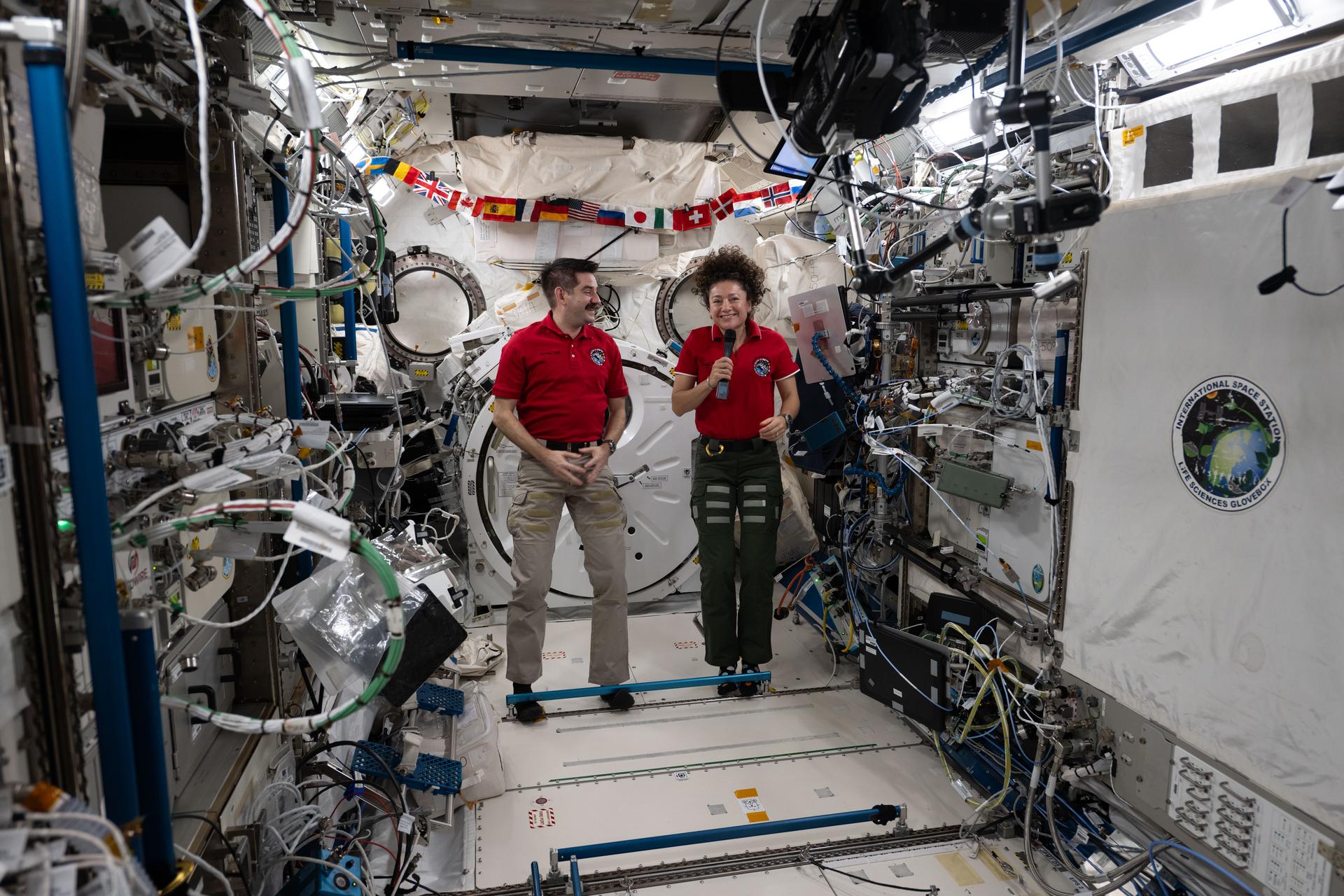
NASA astronauts Jack Hathaway and Jessica Meir, both Expedition 74 flight engineers, answer questions inside the International Space Station’s Kibo laboratory module during a live downlink event with Connecticut Public Radio. Hathaway is a native of South Windsor, Connecticut, while Meir is from Caribou, Maine.
NASA astronauts Jack Hathaway and Jessica Meir answer questions inside the International Space Station’s Kibo laboratory module during a live downlink event in May 2026.
NASA

Stay Engaged With NASA

Schools, classrooms, and community-based student groups have further options to engage with NASA and its people. Through In-Flight STEM Downlinks, students have their pre-recorded questions answered live by astronauts aboard the International Space Station, demonstrating how STEM careers reach far beyond Earth. Additionally, the NASA Engages public outreach program connects agency experts with student audiences to share mission and science updates, helping people discover how NASA’s work unfolds and how they can be part of the journey.

This school year, whether you’re interested in aerospace jobs or eager to dive into authentic STEM challenges, you’ll find an array of activities and career exploration tools on NASA’s Learning Resources website. Explore exciting NASA student opportunities and subscribe to the weekly NASA EXPRESS email newsletter for the latest NASA STEM opportunities and updates!

❌
❌