Reading view

There are new articles available, click to refresh the page.

Demand for EV chargers is outstripping supply, says ChargePoint report

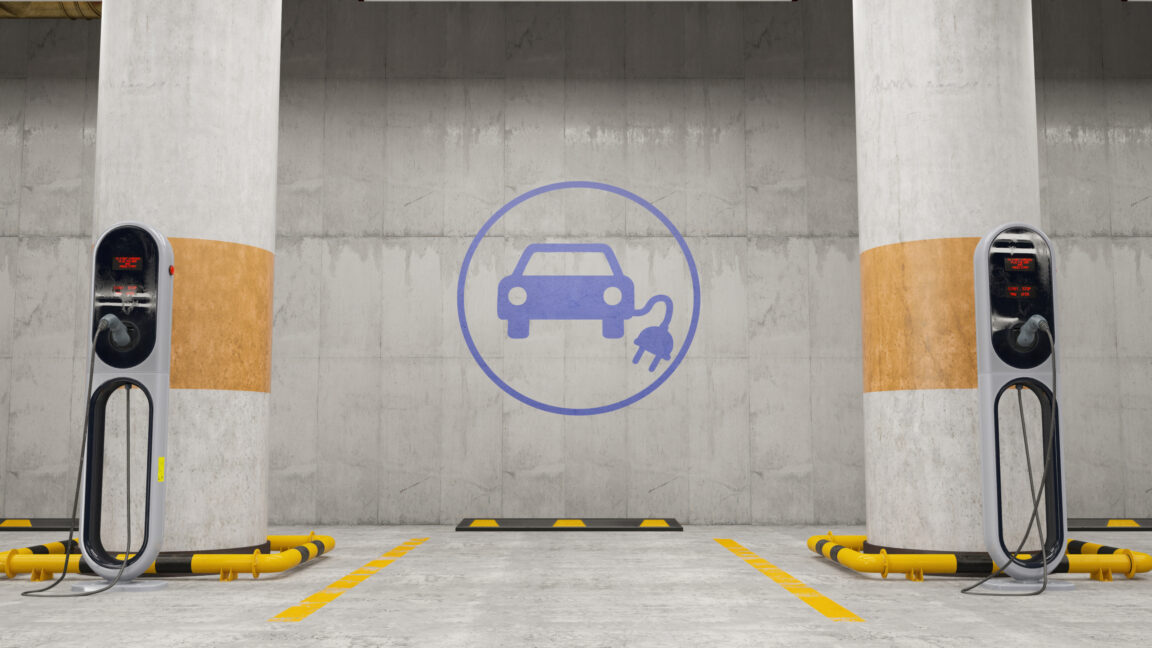
There might not be the same degree of optimism regarding electric vehicle adoption as a few short years ago, but the transition toward battery-electric vehicles continues nevertheless. More than 1.8 million EVs had already been sold between the start of this year and the end of August, according to analysts. And in the US, there has been a large uptick in drivers considering EVs that they might have written off last year, due to escalating fuel prices with no clear end in sight. Despite this, charging infrastructure continues to lag, according to a new report from ChargePoint.

“All in all, things are moving forward. I think the North American market has been better shaped than a lot of the press reports,” said ChargePoint CEO Rick Wilmer. “Part of it is just the data we see in terms of the amount of RFPs that we receive for charging solutions. They haven't slowed down. We reported quarter over quarter growth in the last quarter we reported. And you look at the data around used EVs going up in price because the demand is so high. I saw a recent report… EV retention rates are 96 percent. So those folks that are putting their leased cars on the used market, they're not going back to gas, they're going to another EV,” he said.

Beyond that, cheap electric trucks from Slate and Ford indicate further future demand for charging. “When you look at how much interest there is in the used EVs that are at parity with an equivalent gas vehicle, that tells you the appetite is there for EVs if it's the right vehicle at the right price point," Wilmer said. "So I think the auto OEMs, maybe not homogeneously, but they're figuring out what the market wants in North America, and they're starting to introduce those vehicles, which I don't think a lot of the forward-looking forecasts accommodate the fact that the product market fit is getting better coming out of the car companies.”
Read full article

Comments

© Getty Images

GM gives its most important trucks a new UI—and includes CarPlay

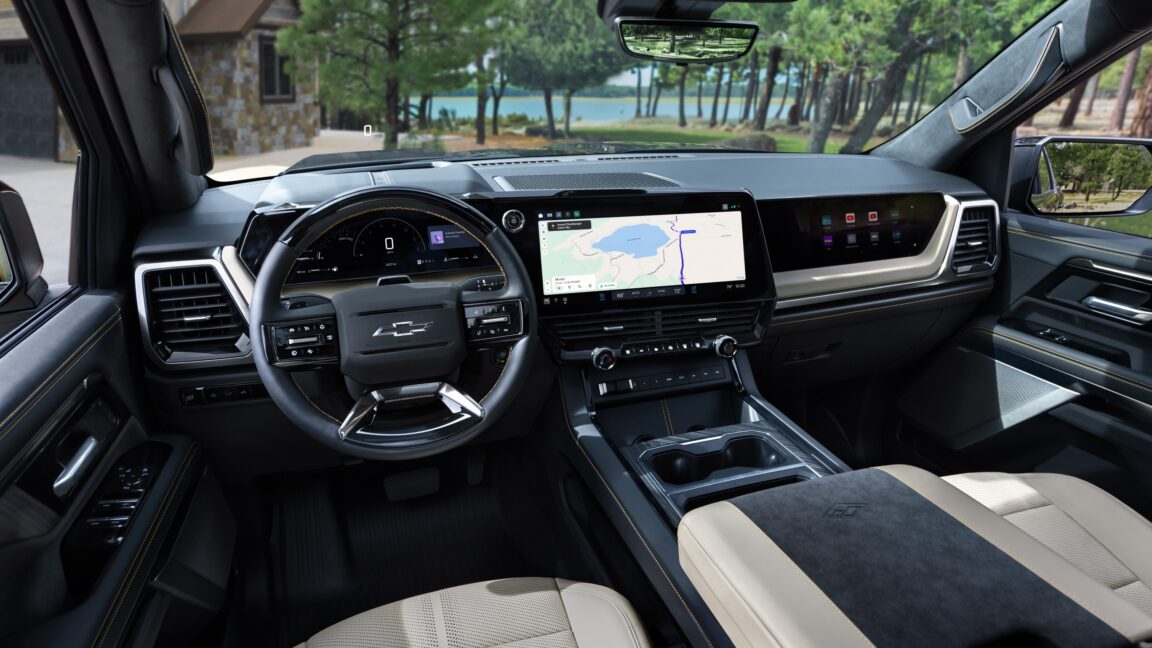
General Motors is about to launch new versions of its bestselling Chevrolet Silverado and GMC Sierra pickup trucks for model year 2027, and among the changes are new user interfaces for the trucks’ digital displays. The automaker has gone for a more minimalist approach than we’ve seen from it in the past, and after a demo yesterday, it seems like it has been listening to constructive feedback to improve the products. And yes, unlike GM’s electric vehicles, these trucks still let you cast your Apple or Android phone to the infotainment system.

Although GM showed us video of the main instrument cluster—the gauges and info that’s presented to the driver—we don’t have any screenshots we can show you. But I was impressed with the restraint and lack of visual noise; instead, the background is always black, which should be dark even at night thanks to local dimming technology.

There are a number of different views. One with simple half-moon dials for speed and engine rpm; on the right side of the display is a user-configurable zone, where you can browse your music or audio feeds, display trip info, or turn-by-turn directions. Another is a driver assist display, with green as the highlight color to show when Super Cruise is active; this shows you a representation of what the car’s fused sensors are seeing around it. A third is for off-road driving, with your various angles and diff settings, and a fourth is for towing.

Read full article

Comments

© GM

Volvo increases the batteries for 2028 XC60 and XC90 plug-in refresh

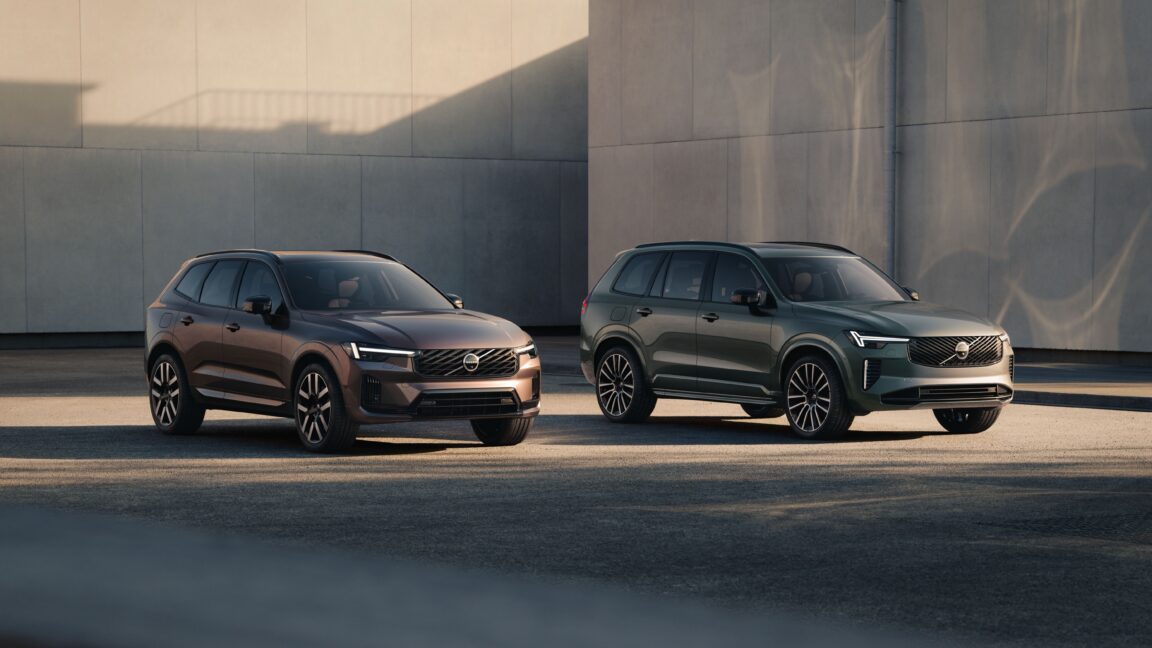
There must be a case of upgrade fever taking hold in Gothenburg. Yesterday, we saw the revised Volvo XC40; today it’s the turn of another pair of Volvo SUVs, the bestselling XC60 and the three-row XC90. While the styling changes are more subtle, the new plug-in hybrid powertrain—which more than doubles its real-world electric range—is most welcome.

Volvo had sold more than 2.7 million XC60s worldwide by the end of last year, so it’s an important car for the brand. Visually, there are changes to the “Thor’s Hammer” headlights: these keep their distinctive daylight running light signature but now hide matrix LED projectors within their depths. There’s a new front grille as well, one that has been slimmed down a little, together with tweaks to the bumpers, wings, and some other body panels.

On the inside, there’s a new ventilated leather interior option, and like the XC40, the new 11.2-inch infotainment system sports a Gemini personal assistant to enable conversational voice control of the android automotive OS-based infotainment system. Based on some brief testing, the new Gemini voice assistant does at least perform a lot better than the previous version, which, if anything, has degraded in ability over the past few years.

Read full article

Comments

© Volvo

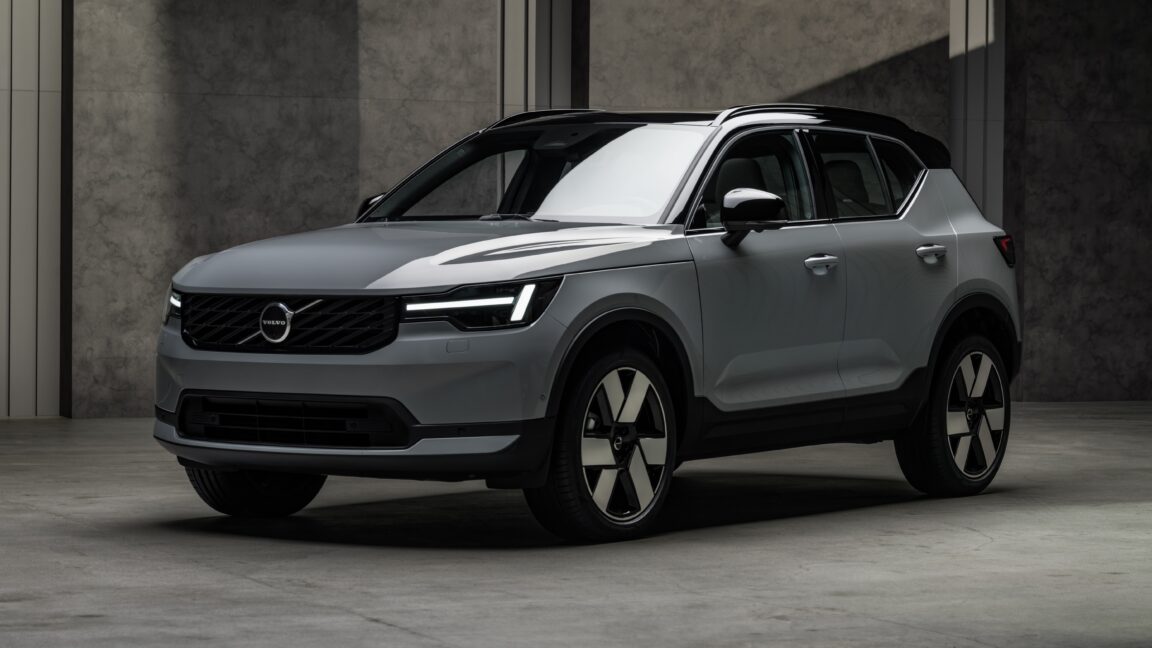
New corners, new lights for 2028 Volvo XC40

Most cars get a midlife facelift about four years after first hitting the streets. It’s a chance for automakers to update the styling and introduce new features and engineering changes that are usually minor but can be quite dramatic—the Polestar 2 swapping from front- to rear-wheel drive comes readily to mind. I can’t think of too many cars that have gone on to have a second update, but here’s one: the 2028 Volvo XC40.

First debuting in 2017, Volvo gave the XC40 a tweak for model year 2023. Rather than launch an all-new version, it has decided to give the popular crossover another update for MY28 with the aim of keeping things fresh. “By enhancing the XC40’s design, technology, and safety features, we've created the best version of the XC40 yet,” said Akhil Krishnan, interim lead for the 30 and 40 Series at Volvo Cars. “This already-popular model is now set to continue being one of our best-selling cars for years to come.”

The most obvious changes are the new front and rear lights. Up front we still see the distinctive “Thor’s Hammer” daylight running light signature, but the new matrix LED light clusters appear more minimalist, hiding their details from view. The rear similarly gets new LEDs. But Volvo’s designers have been at work elsewhere, shaving away the corners of the car to make what was already a small SUV take up slightly less room.

Read full article

Comments

© Volvo

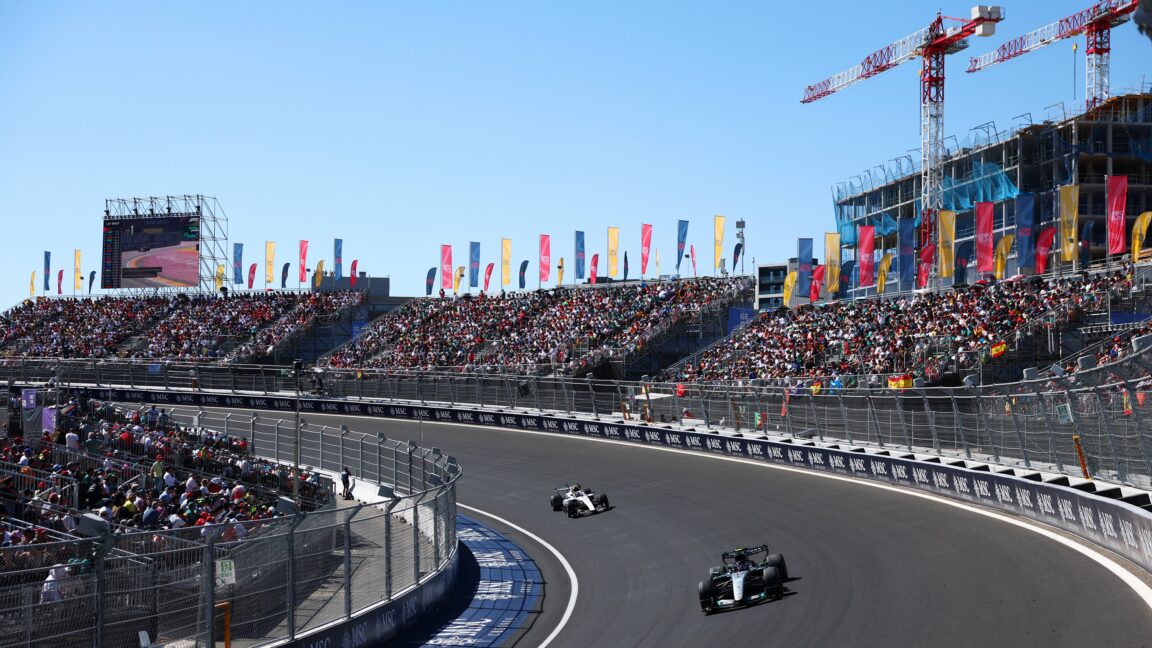
F1 in Madrid: Like Monaco but twice as long and none of the glamour

It’s been quite a couple of weeks for Formula 1. First, its annual visit to one of the oldest tracks on the calendar, the Italian temple of speed that is Monza, just outside Milan. Apologies for no Ars report, but your correspondent was on the ground, on vacation, learning the hard way that attempts to call the circuit “accessible by public transport” can still involve walking several miles. The place was packed with Tifosi—the hardcore Italian superfans—dressed in red, who had their hopes dashed almost immediately as Charles Leclerc first ruined his teammate’s race, then his own, all within the first two laps.

Salvation came in the form of the first Italian title contender in my lifetime, Mercedes’ Kimi Antonelli. Opting to take a new engine and other power unit components meant Antonelli would start the race from 19th. But the kid is in fine form right now, and Monza’s long straights and slow corners make for several good overtaking spots. I declared to my race companions that morning that “he’s going to podium, easily,” but if anything, I was too cautious. By the time Leclerc’s heavy crash at Parabolica had stopped the race, Antonelli was already up to 12th.

From the second standing start, on fresh medium tires and still needing a second pitstop, he made short work of the rest of the grid, including his teammate George Russell, who spent much of the race in the lead, on a theoretically faster one-stop strategy. Even a mistake from Antonelli that saw him make an excursion through a gravel trap as he tried to pass Russell couldn’t stop his charge, and he became the first Italian to win the Italian Grand Prix in 60 years—fairy tale stuff, surely.

Read full article

Comments

© Clive Rose/Getty Images

Here's our first look—and drive—of the 2027 Range Rover Electric

Jaguar Land Rover was one of the first automakers to announce a transition away from combustion engines. That transition timeline might have slipped somewhat—pesky things like pandemics, supply chains, and revanchism have all been barriers to more rapid electrification—but it's still underway, and today is the debut of the Range Rover Electric, a new battery-electric vehicle variant that sits alongside the internal combustion and plug-in hybrid Range Rovers.

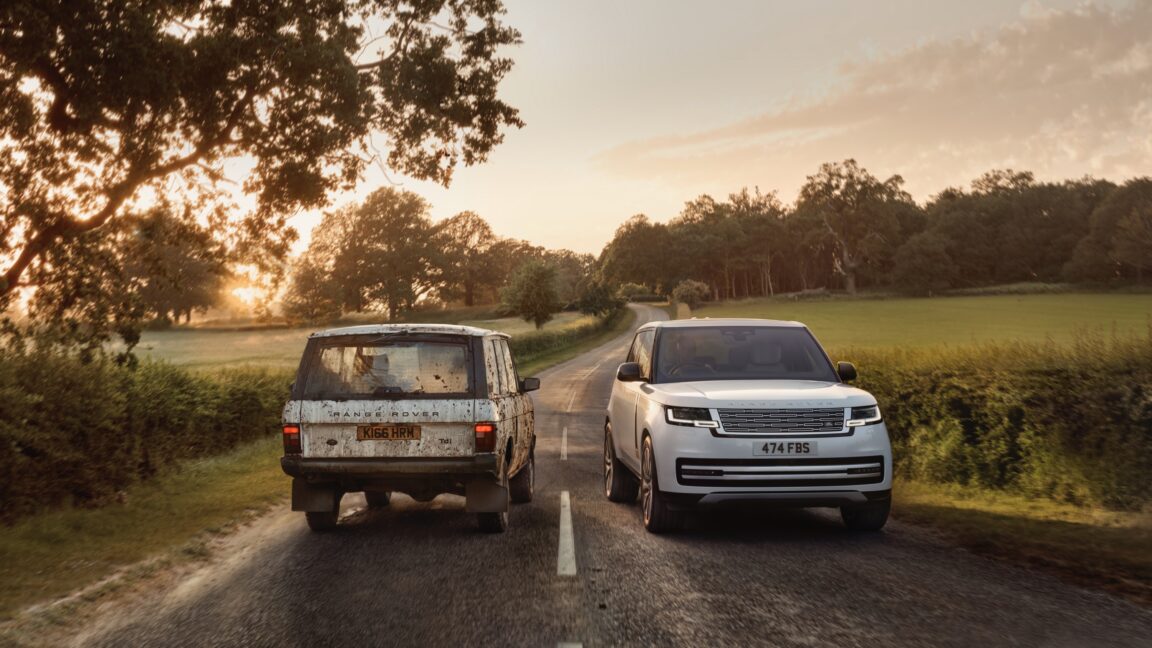
Until now, the only way to get a fully electric Range Rover was by going the restomod route. But classic Range Rovers drive like classic cars, with all their inherent faults, and the price tag can be eye-watering. No Range Rover is exactly cheap, but with a starting price of $138,000, the 2027 Range Rover Electric is about half the cost of one of those restomods and benefits from 21st century safety systems like airbags, advanced driver assistance systems, modern crash protection standards, plus the support and warranty of a major OEM. And there's evidently demand: JLR told us that it already has 80,000 hand-raisers—half from North America—70 percent of whom are new to the brand, with 20 percent already owning an EV. (Obviously, only some fraction of those will translate to sales.)

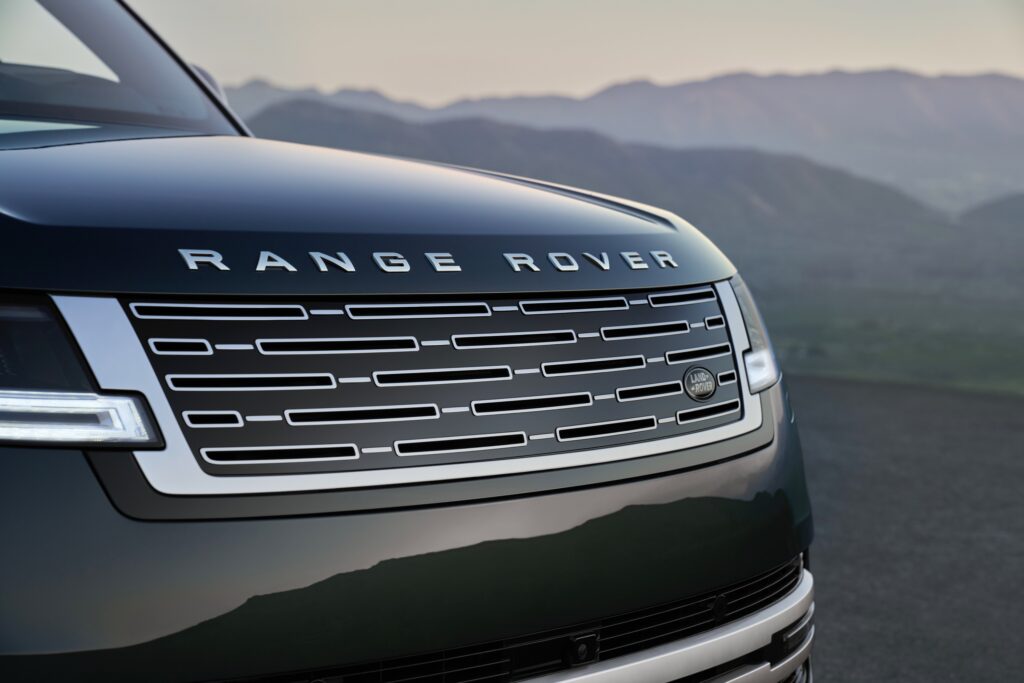
Range Rover EV grille The smooth front grille is one of the only ways to spot a Range Rover Electric. Credit: Range Rover
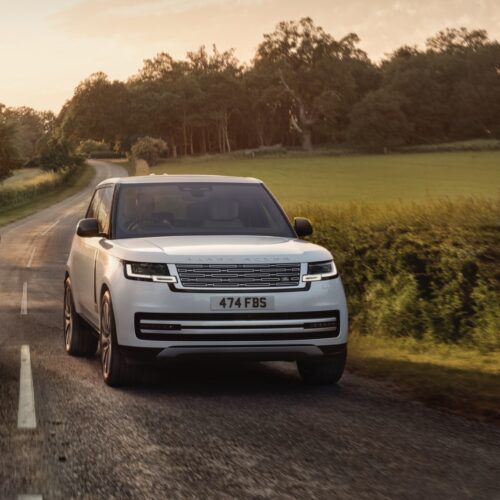
Because the idea was to make the Range Rover Electric a Range Rover first and an EV second, it looks virtually identical to the other versions, albeit with a slightly more aerodynamic front grille and more aero-efficient wheels that together conspire to shave off a fraction of the vehicle's drag coefficient. The lack of tailpipes at the back is probably the biggest giveaway that you're looking at the electric one. There's also a flat underbody, but hopefully you'll never need to look at that.

Read full article

Comments

© Range Rover

This is what a supercar was like a century ago

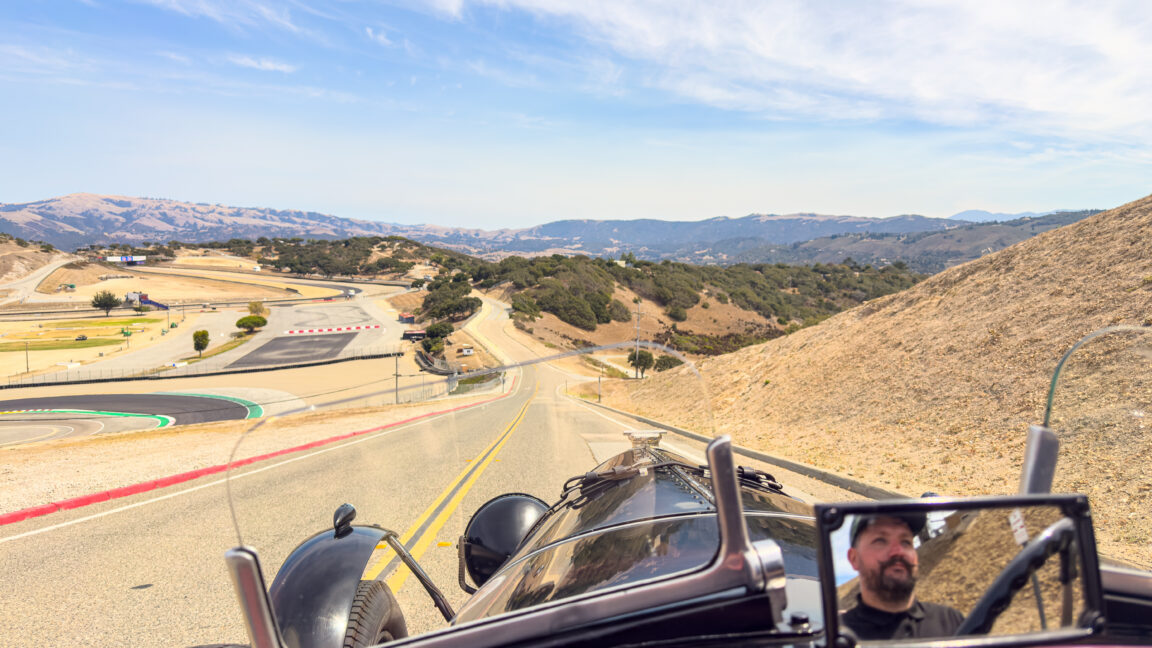
MONTEREY, Calif.—Elsewhere on these pages, you can find our first track drive of the new Bentley Supersports. Shorn of its hybrid system and stripped back to rear-wheel drive, it's not only the most driver-focused Bentley we can remember, but it's also apparently the lightest car the company has made in 85 years. But you have to go back even further into the Bentley archive to find the first car to wear the Super Sports badge. And since Bentley had done just that, bringing along to Laguna Seca an example from the time, it would have been rude to refuse the offer of a ride.

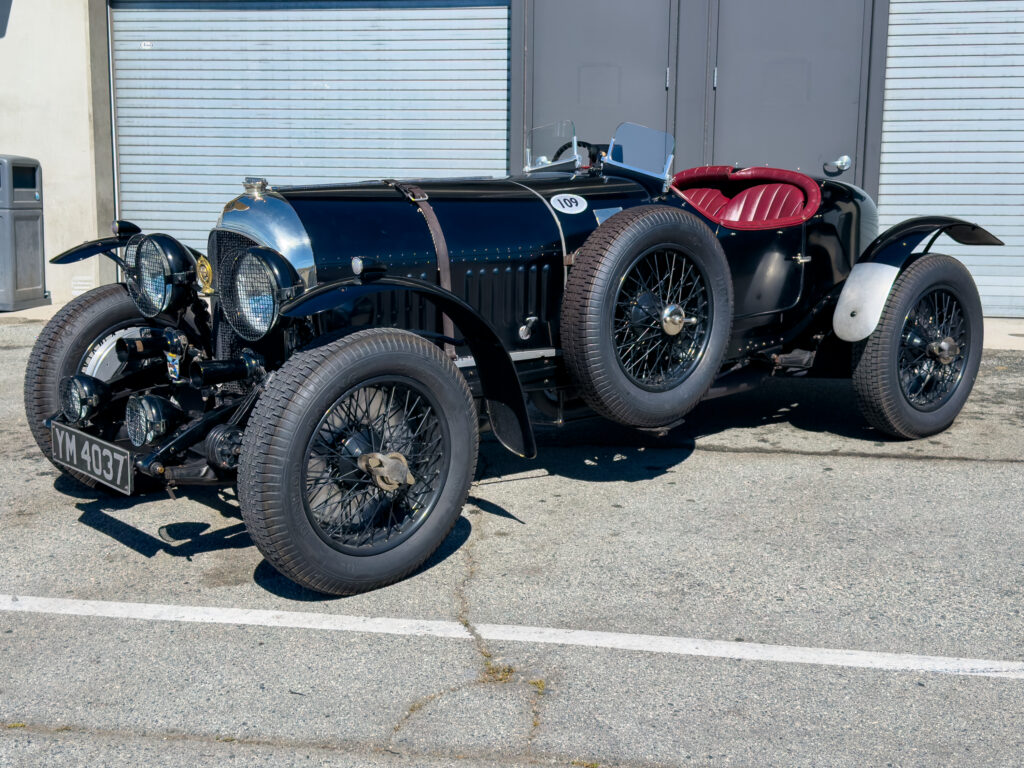
Bentley built 18 Super Sports between 1925 and 1927, taking its standard 3 Litre model and shortening the wheelbase by 9.5 inches (241 mm). Like today's Super Sports, that shaved some mass and made it a more responsive driver's car. But a fast one, too. The radiator was more tapered and thus presented less resistance against the flow of air, although like many cars at the time, the bodywork was a matter of whichever coachbuilder the owner decided upon.

A 1926 Bentley Super Sports with bodywork by Jarvis of Wimbledon, seen from the front 3/4
Smoky's two-seat bodywork was compact for the time.
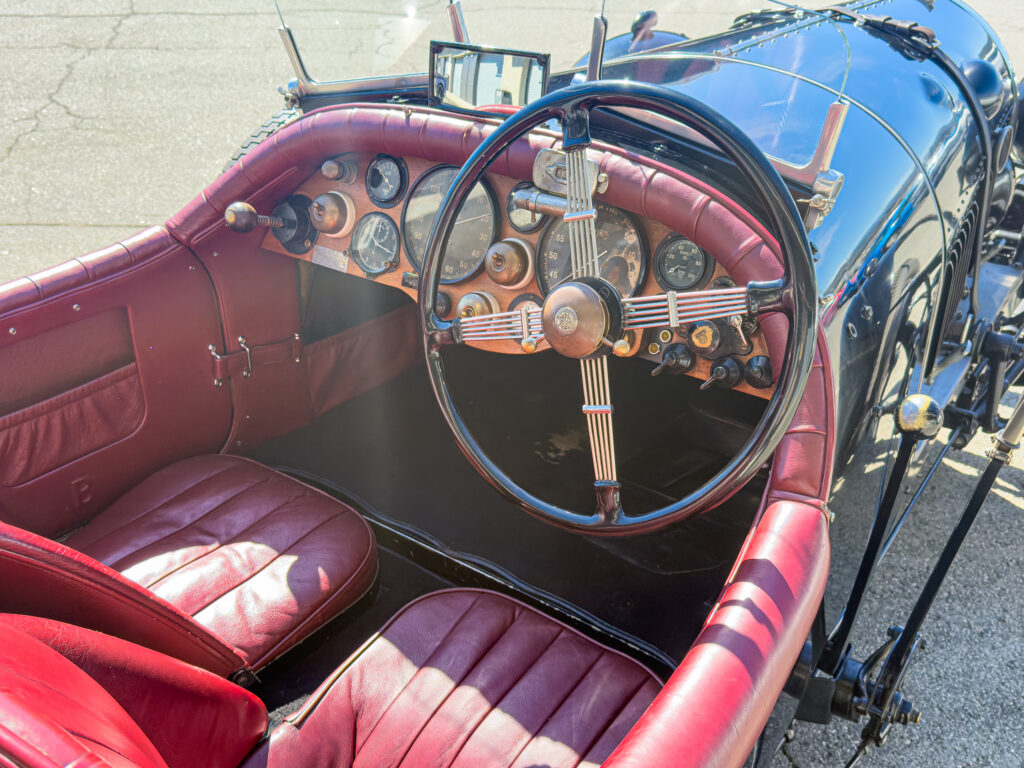
The cockpit of a Bentley Super Sports
The lever for the three-speed transmission is just outside the car. Not sure the FIA or NHTSA would let you get away with that today. Credit: Jonathan Gitlin

Like today with the Continental GT and the new Supersports, the 3.0 L engine Bentley in the original Super Sports was more special than one you'd find in the standard car, with new pistons, a lighter flywheel, more compression, and different carburetors. Together with its unique gearing, the factory would guarantee a Super Sports that could exceed 100 mph (160 km/h); the millions of Ford Model Ts that took the roads those same years were hard-pushed to break 40 mph (64 km/h).

Read full article

Comments

© Jonathan Gitlin

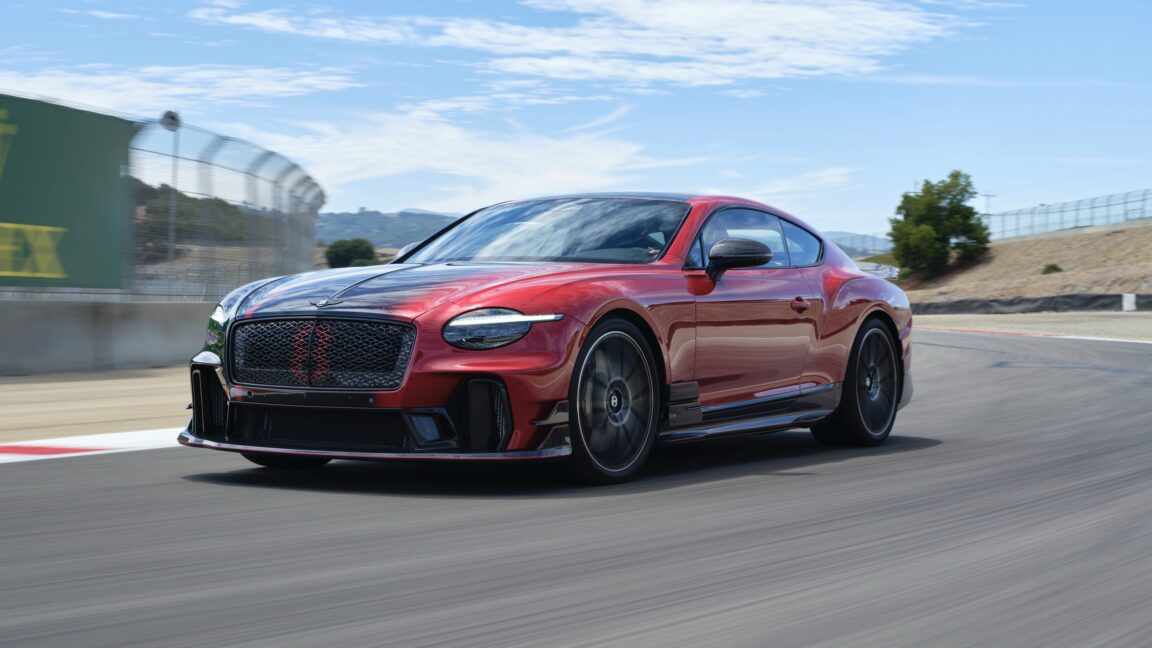
The Bentley Supersports: A stripped-out engineer's indulgence

MONTEREY, Calif.—Last week, we brought news of the Bentley Torcal, a new electric vehicle that the luxury automaker has been cooking up at its HQ in Crewe, England. The company wants to attract new customers with its first battery EV, part of a plan to make sustainability as much a part of the brand's character as its high-end fit and finish. W12 engines have given way to V8 plug-in hybrid power, and the new Continental GT is all the better for it.

But around the same time as Ars got its first experience of that new PHEV two-door on a rather wet Spanish racetrack, some of Bentley's boffins were wondering what might happen if you also built one without the hybrid stuff.

Or all-wheel drive—something that has been a characteristic of every new road-going Bentley since the turn of the century. That would certainly cut the curb weight. So, too, would leaving out the rear seats. That sort of idea leads down a well-trodden path for some OEMs, and Porsche in particular is famous for making stripped-out road cars inspired by its race cars and making money from them, too.

Read full article

Comments

© Bentley

Bentley takes us for a ride in its new EV, the Torcal

MONTEREY, Calif.—Next month Bentley will reveal its first battery-electric vehicle. The British automaker is no stranger to electric motors; it now offers plug-in hybrids across its range, even replacing the Continental GT's W12 with a new plug-in hybrid V8. The addition of electric motors perfectly suits the marque: what's more Bentley than waves of effortless torque, after all? But until now, there's always been a combustion engine along for the ride. Not so the Torcal.

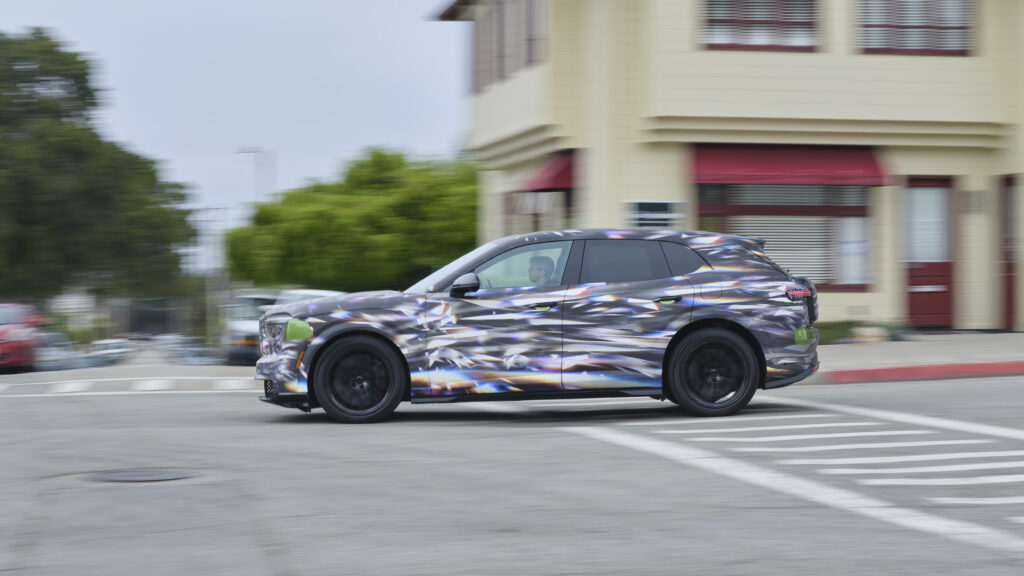
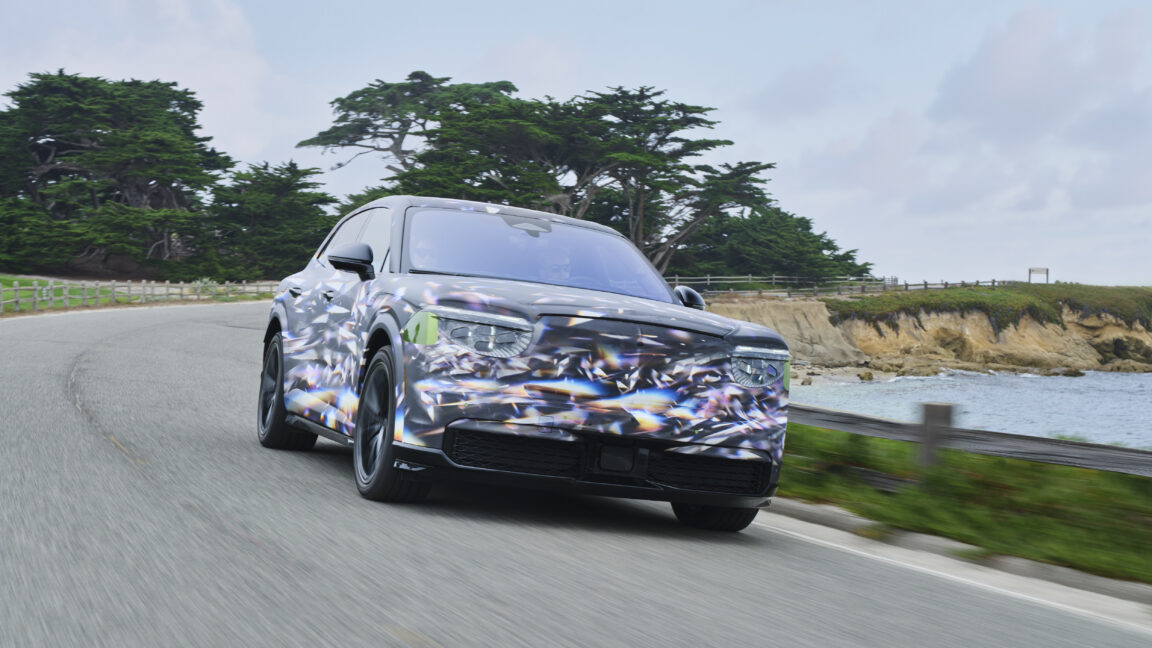
Clad in plastic and wrapped in a multi-hued dazzle camouflage, it's shorter in length and height compared to a Bentayga, although it is similarly voluminous on the inside thanks to the inherent packaging efficiencies of an EV. If the proportions remind you of a Porsche Cayenne EV, that's because the two share quite a lot of the same basic engineering, albeit reworked by Bentley to suit its needs. The target is 300 miles (482 km) in EPA range or 600 km (373 miles) under WLTP, from the battery pack, and like the Cayenne, expect 400 kW DC fast-charging.

A camouflaged preproduction Bentley Torcal drives past the camera. Bentley is targeting the sports SUV segment with the Torcal. It's 5 meters (16 feet, 5 inches) long, which is shorter than a Bentayga. Credit: Bentley
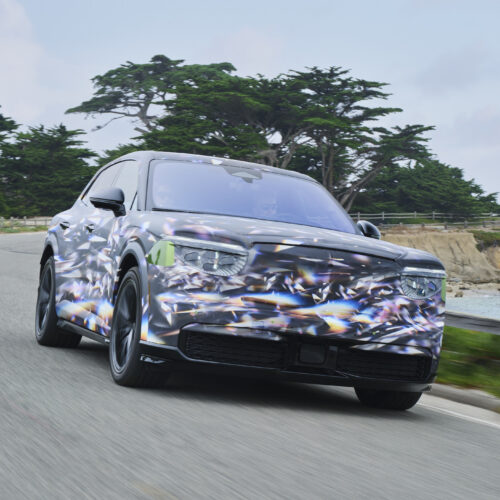
Don't expect the Cayenne's quadruple-figure power output, though. "We'll be well over a thousand newton-meters of torque [737 lb-ft], which is one of the sort of enabling pillars of the technology, which is fantastic. There'll be over 850 PS [838 hp/625 kW], but we're not chasing four figures," said Martin Page, product line director for the Torcal.

Read full article

Comments

© Bentley

GM vehicles under federal scrutiny after hundreds of reports

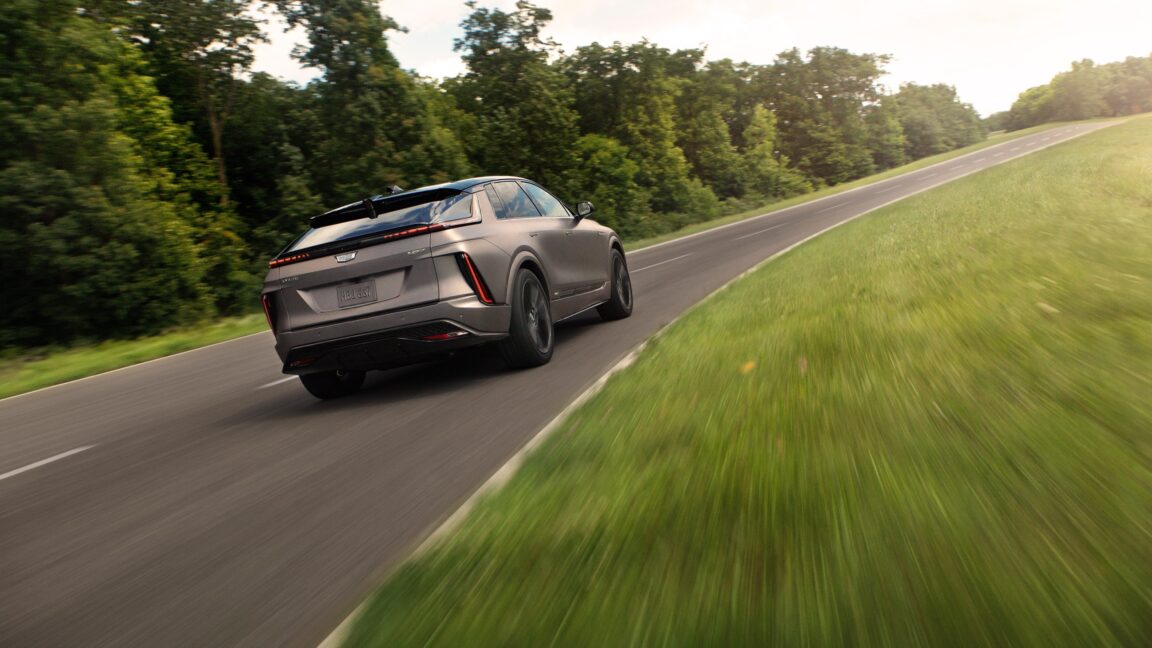
The federal government is expanding a safety investigation into a number of vehicles manufactured by General Motors after receiving hundreds of reports of brake failure. The problem affects more than 1.1 million cars, including many of GM's electric vehicles, as well as ones it has built for Honda and Acura. The problem is with the brake-by-wire system (which GM calls eBoost), which can suffer a spindle fracture while driving.

GM says that in the event of that happening, the car should still retain a number of critical safety features—antilock brakes, traction control, and stability control—at least until it comes to a complete stop, at which point they become inoperable. But NHTSA's ODI says that it has received many reports that contradict this behavior and allege that eBoost failures are followed by an immediate loss of braking, which obviously poses a safety risk.

Indeed, NHTSA has received 227 incident reports, a number that grows to 745 once you include the hundreds of occurrences reported to GM. Twenty-two cases resulted in crashes, and while six people have been injured in five crashes, thankfully there have been no fatal incidents.

Read full article

Comments

© Cadillac

F1 in the Netherlands: The driver you most want to beat is your teammate

After months of rumors surrounding his future, now we know: Four-time champion Max Verstappen is staying in the sport for the foreseeable future. The news broke on the eve of the Dutch Grand Prix, held this past weekend at Zandvoort in the Netherlands as F1 returned from its mandatory summer vacation.

Verstappen's wasn't the only contract news—Williams will keep both Alex Albon and Carlos Sainz, too. More than once I've noticed a driver having an underwhelming weekend following a freshly signed contract; in this case, all three had a weekend they'd probably rather forget. They weren't the only ones, though. Up and down the grid, we saw friction between teammates. And there's no one an F1 driver wants to beat more than the only other person to have the same car as they do.

Formula 1 returned from its summer break with this weekend's Dutch Grand Prix.

Read full article

Comments

© EYE4Images/NurPhoto via Getty Images

❌