❌

Reading view

There are new articles available, click to refresh the page.

As US measles cases rise, biotech firms start developing new treatments

Up until recently, measles vaccination has been so effective that there’s been little medical or financial incentive to develop treatments for the disease.

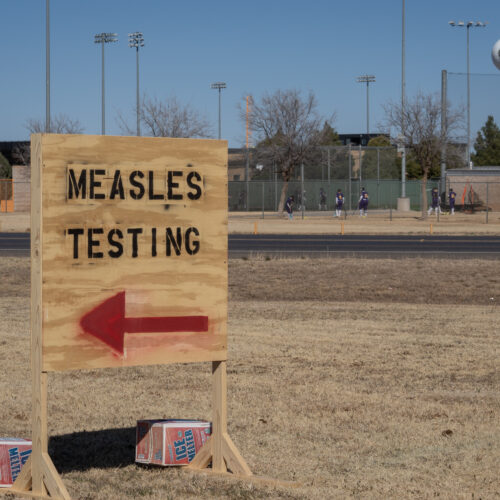
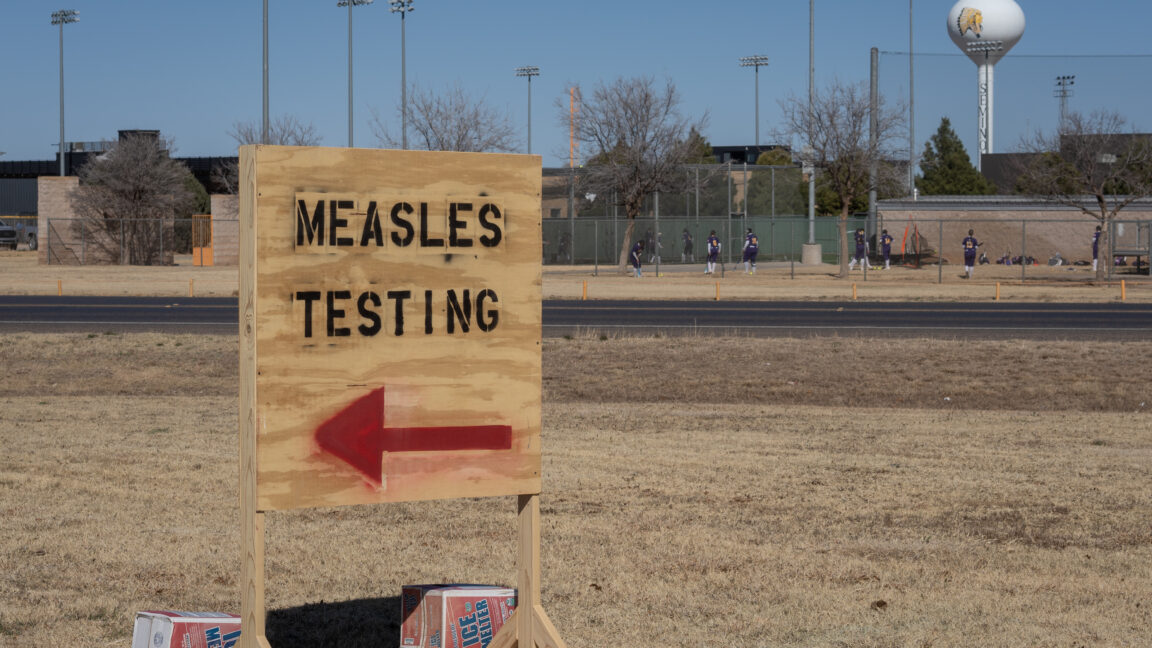
But as measles cases hit a 35-year high and vaccination rates continue to decline in the US, a handful of biotech companies and academic groups have started working on measles treatments for those infected with the virus as well as vulnerable individuals needing short-term protection. It will likely be years, however, before these countermeasures are available, and it’s even more uncertain if those who refuse vaccines would take such treatments.

Fueled by large outbreaks in South Carolina and Utah, the US had already surpassed last year’s 2,289 measles cases, and it’s only July. For comparison, there were just 285 cases in all of 2024.
Read full article

Comments

Β© Jan Sonnenmair/Getty Images

What public health professionals can learn from anti-vaccine storytelling

As long as there have been vaccines, there have been people who doubted their science and safety.

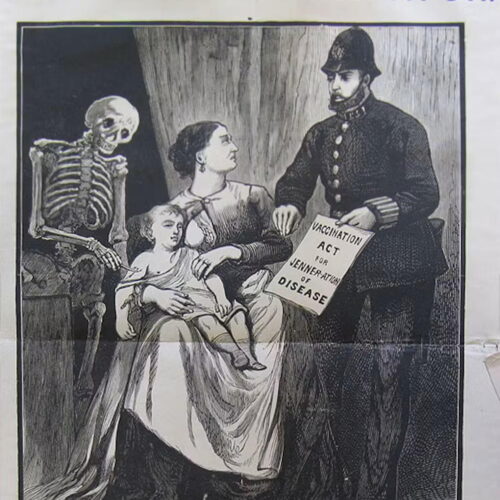
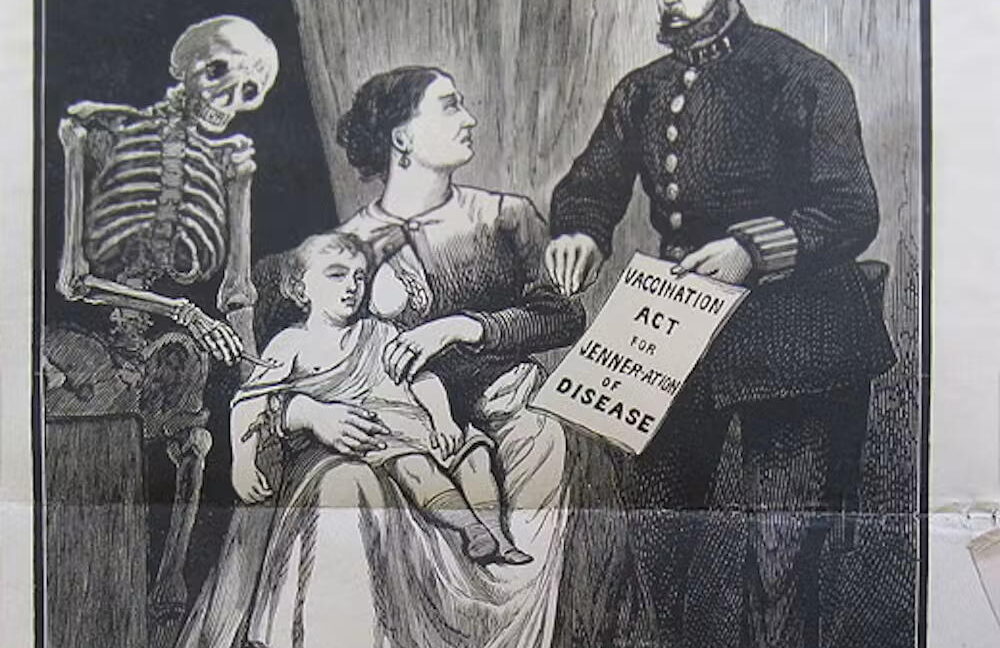
Back in 19th-century England, people rioted against a mandatory smallpox vaccine, claiming that it violated civil rights and was an affront to human bodily integrity. In the United States, organizations dedicated to resisting vaccines have existed since the Anti-Compulsory Vaccination League of Brooklyn was established in 1894.

Researchers generally refer to people who do not follow the standard advice of health professionals about vaccines, by either refusing or delaying some or all vaccines, as vaccine hesitant. Today, vaccine hesitancy is most famously associated with the Make America Healthy Again movement and its standard-bearer, Health and Human Services Secretary Robert F. Kennedy Jr.

Read full article

Comments

Β© Historical Medical Library of The College of Physicians of Philadelphia

❌