❌

Reading view

There are new articles available, click to refresh the page.

As US ties fray, Europe plans first undersea cable link to Greenland

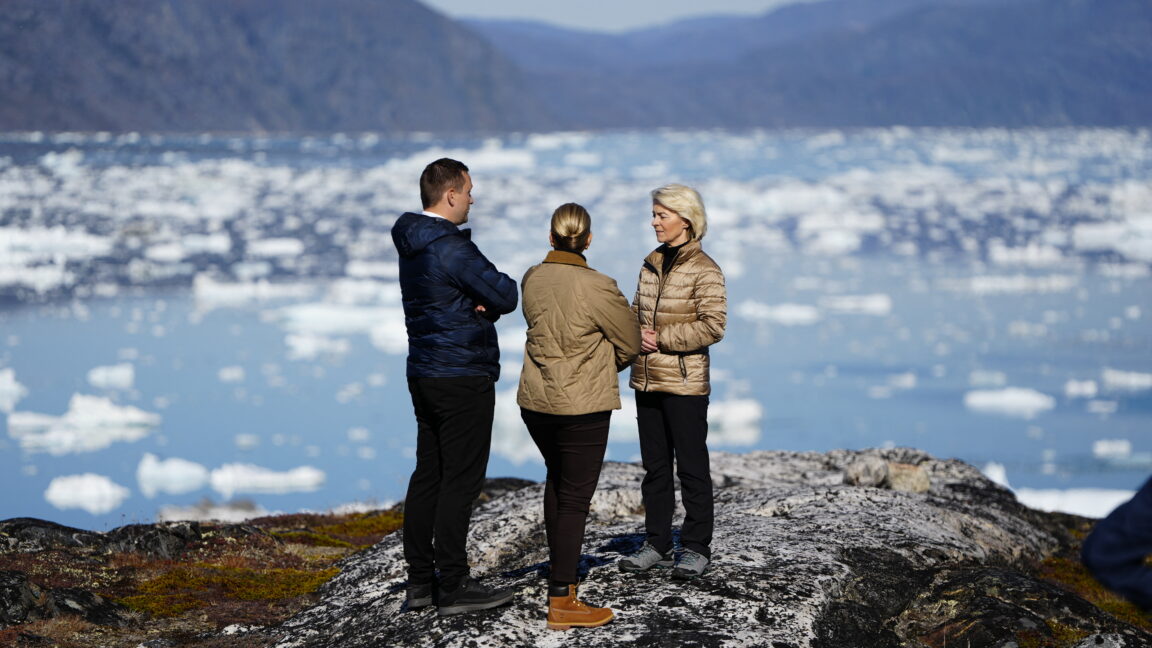
The European Union plans to create the first subsea Internet cable directly connecting Europe to Greenland. The Pan-Arctic Cable project could also extend to Canada and eventually link with Japan and South Korea, notably bypassing the United States.

The Pan-Arctic Cable is described as a European Union flagship project in a European Commission joint communication published on October 20, 2026. The policy document describes a new European strategy for the Arctic that supports β€œa sovereign, secure and resilient submarine cable connection linking Greenland directly to the EU,” while also suggesting that β€œlike-minded partners like Canada” could provide a stepping stone for future cable expansion toward Asia.

β€œIt is interesting that this project is even being considered, because five years ago it would have seemed like not a particularly commercially attractive proposition,” Elisabeth Braw, a senior fellow at the Atlantic Council who leads the Threats to the Global Maritime Order Initiative, told Ars. β€œBut the fact that it's being considered is very much on trend and a sign of our times.”

Read full article

Comments

Β© Mads Claus Rasmussen / Ritzau Scanpix / AFP via Getty Images) / Denmark OUT
China’s snooping around Pacific undersea cables raises risks for Big Tech

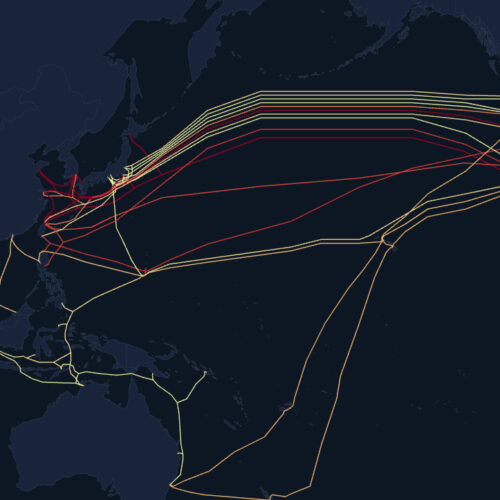
Subsea cable projects owned by US companies such as Google and Meta face some of the greatest risks from the threat of deep-sea sabotage in the Pacific Ocean, according to a new report. That coincides with Chinese research ships spending an extraordinary amount of time apparently surveying undersea cablesβ€”not to mention Chinese commercial ships being investigated for cutting cables in both European and Asian waters.

Most damage to the undersea cables that form the Internet’s backbone is the result of accidents involving bottom-trawling fishing nets and ship anchors dragging on the seabed, with storms and undersea landslides also factoring in. But the recent rise in international tensions and open conflicts have placed new scrutiny on more suspicious instances of cable-cutting damage, with analysts warning about Russia and China in particular engaging in cable sabotage or tampering as β€œgray zone” tactics that fall short of direct military confrontation.

One of the newest risk assessments of China’s gray zone tactics targeting the Internet’s undersea infrastructure comes from a research report published by the US-China Economic and Security Review Commission, an independent government commission that advises Congress. The report was contracted to the London-based think tank China Strategic Risks Institute and published in September 2026.

Read full article

Comments

Β© China Strategic Risks Institute

❌