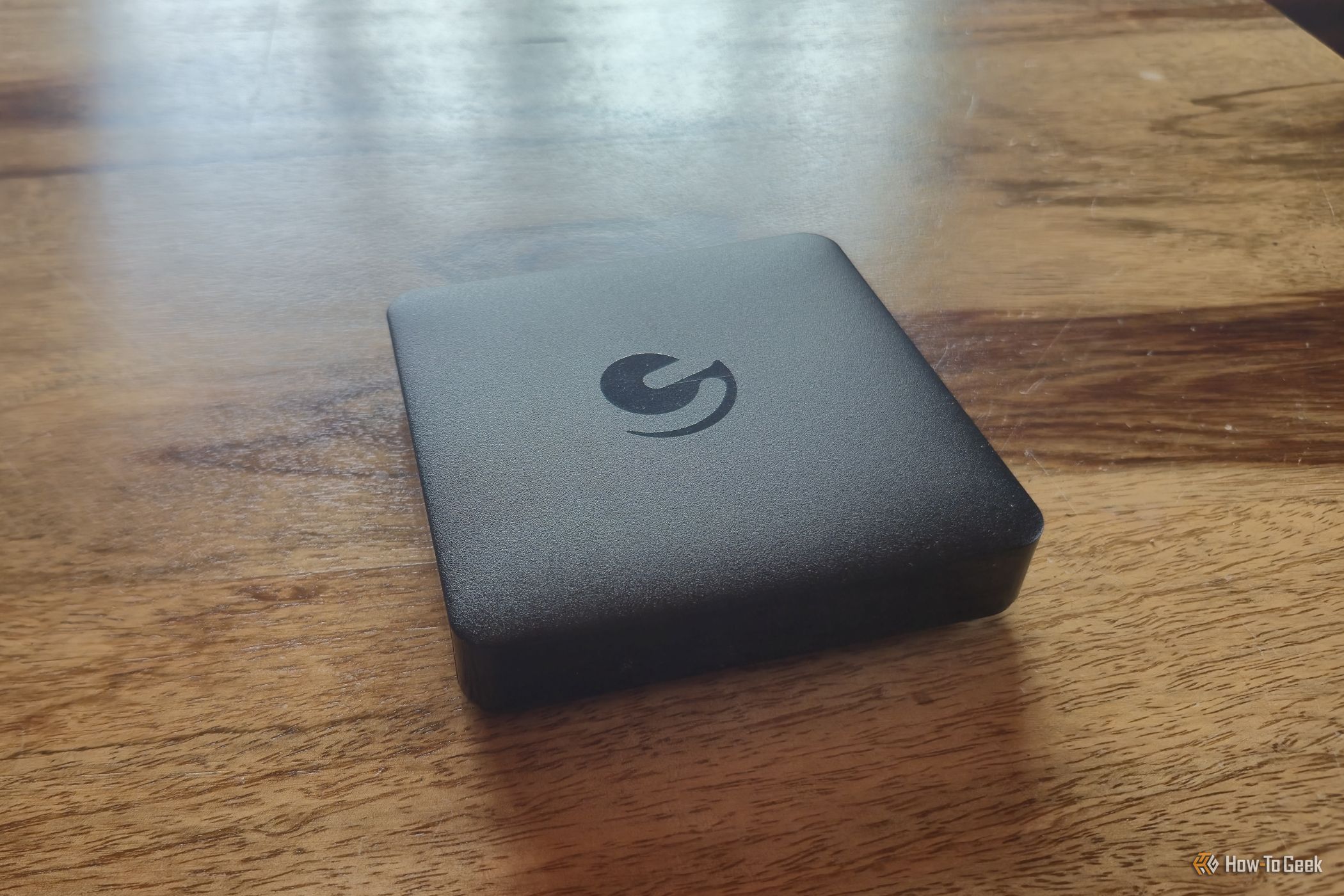
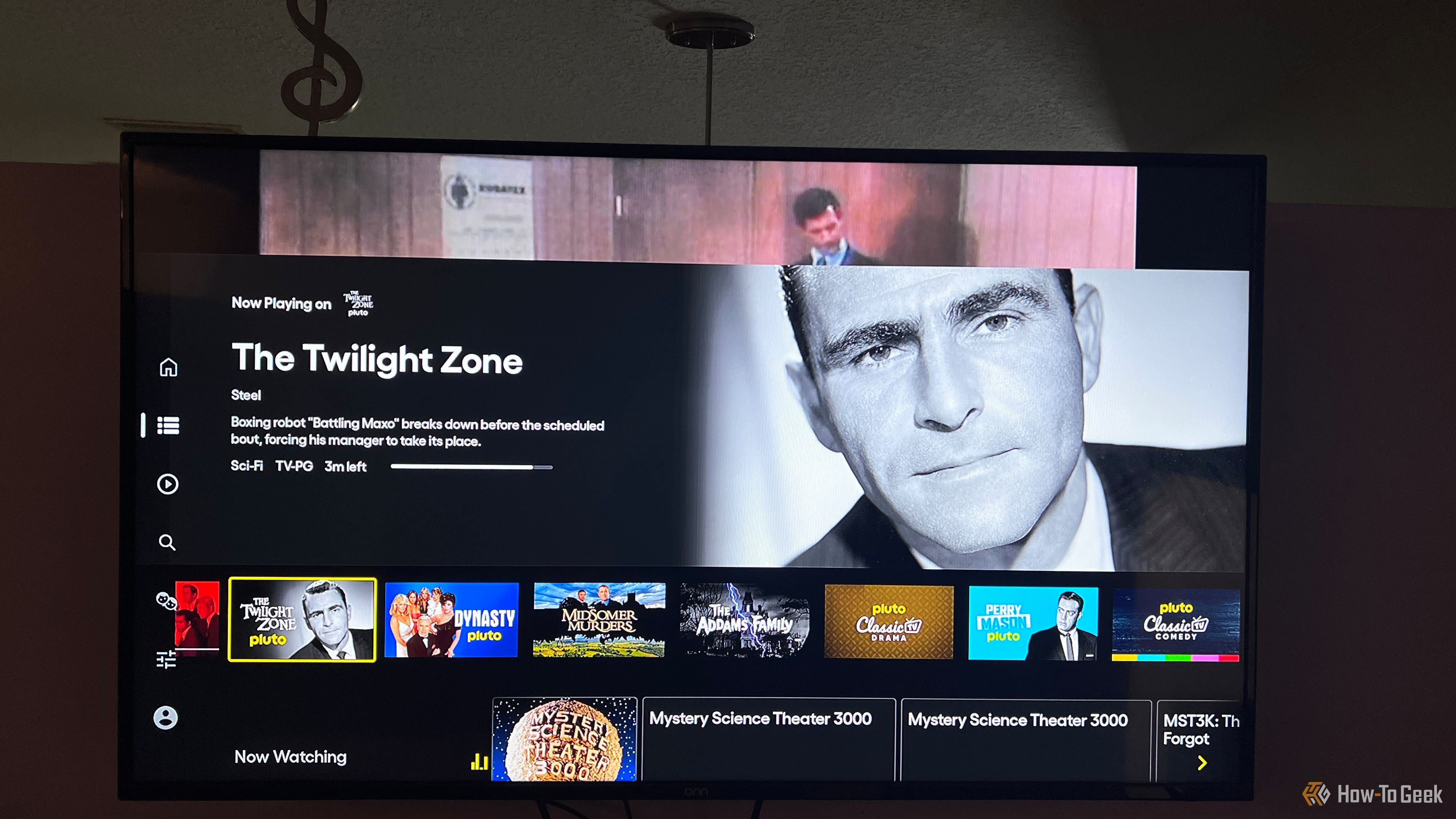
Years ago, I bought an Android TV box so I wouldn't have to replace the TV in my bedroom with a smart TV. At the time, it seemed like a cheap and simple solution. All I had to do was plug the box into the TV, connect it to Wi-Fi, and I had access to all the streaming apps I needed. What I didn't expect was that I'd still be using the same box years later, even while newer streaming devices have come and gone.
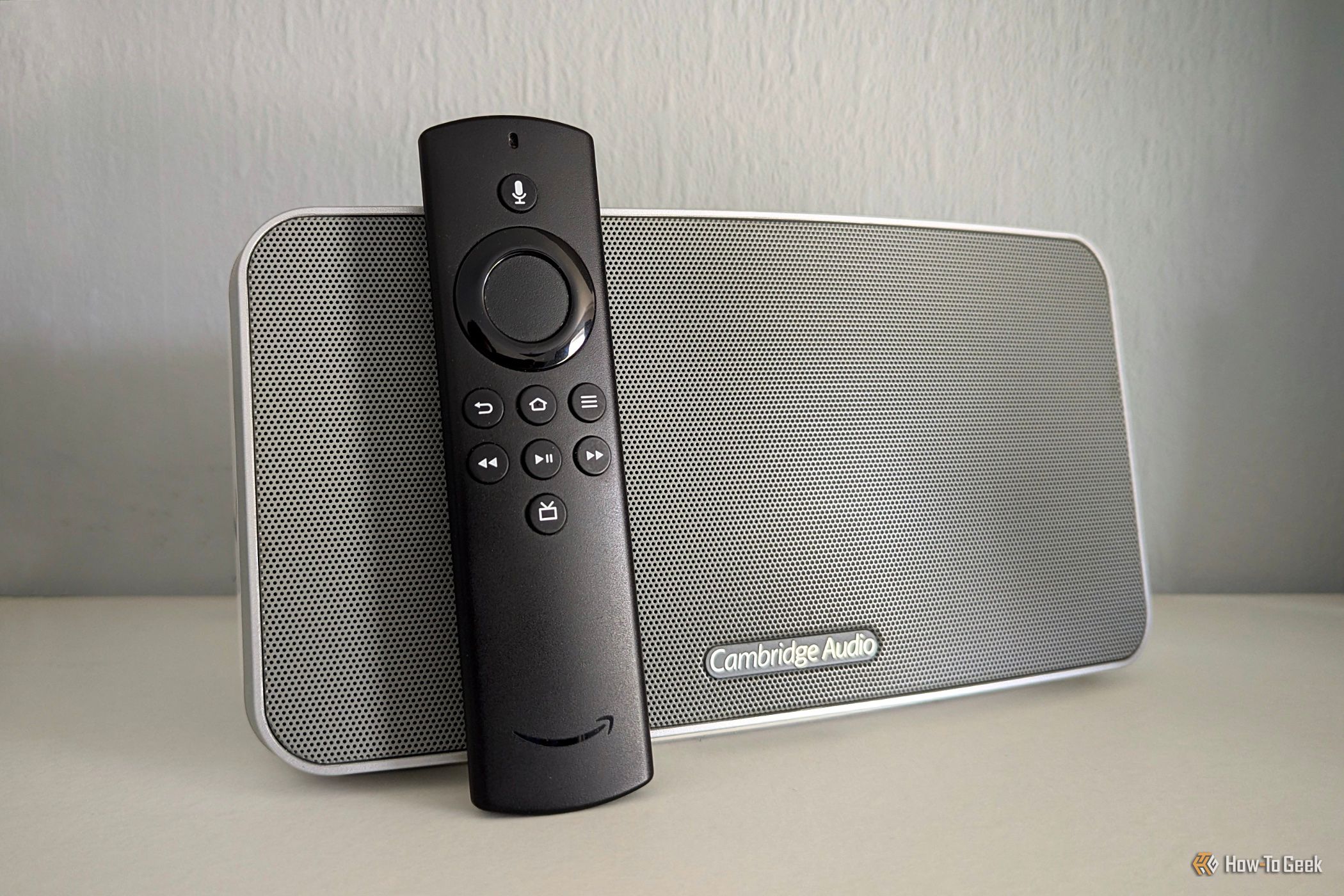
If you've got an old Fire Stick that you no longer need to watch TV with, it doesn't have to become e-waste. With its built-in Alexa functionality, you can disconnect it from your TV and use it as a smart speaker. It's not quite an Amazon Echo, but it can make surprisingly good use of the hardware that you already own.
Buying digital movies is a risky business. There's no guarantee that you'll always be able to access the TV show or movie that you paid for. While some companies are actively removing people's content, there's one thing you can do to give your collection a better chance of survival.
One of the things we used to appreciate about broadcast television is that… you kinda just got what you got. You didn’t have to choose beyond picking a channel, and then you settled in to imbibe whatever media the CRT was spraying at you. A vague recreation of part of this experience is now available, in the form of [Sergei’s] RND.TV.
The concept is simple enough—it’s a webpage that plays random videos from The Internet Archive. Each session draws videos from a random sequence, with no algorithm or fancy social media nonsense to push some videos over others. As you might expect, you’re in for lots of random and weird stuff, from old Army videos to middle-school basketball games. You can swipe to flick to a different “channel” if you don’t like what’s playing, or you can mark videos you like if you fancied what came up in the random feed. You can also use your phone as a remote if you want to sit back and flick channels like it’s the 90s again or something.
We’ve featured other projects in a similar vein before—like little TVs from The Simpsons that play episodes on repeat. Sometimes, it’s fun to just avoid the paralysis of choice, and a random stream of content can provide that relief. Or, alternatively, you could always hook up your TV to an antenna and watch free-to-air… it’s still out there, for those that wish to view it!
Streaming sticks used to be a really good purchase that was pretty straightforward. You paid the cost, which changed over time, plugged it in, and watched your shows. The same devices now boot into ad-heavy home screens, autoplay sponsored trailers before you've touched a button, and push updates that make the interface worse on purpose. You technically own the hardware, but the experience is designed around someone else's revenue. Building your own box used to sound like overkill, but not anymore now that an option like Fire TV is bad for home labs.
A new streaming TV channel shows films made with genAI, reports Engadget. "Fairground AI Creator TV" is free — and supported with ads — describing its material as "AI Cinema":
"AI-generated" can make it sound as though someone typed a sentence into a machine and came back five minutes later to find a finished movie. Fairground's catalog shows why that description can be too simple. Take Lost Garden: The Awakening of the Lantern Knight. According to its Fairground page, creator Frank Houbre wrote the world, characters, mythology, emotional arc and screenplay himself. AI tools were used mainly for animation and visual production, with other tools helping create voices and music before the episode was assembled in conventional video-editing software.
There's still one question, the article notes: "whether viewers actually want an AI-focused TV channel." More than 100 AI creators have contributed to the 24-hour slate of programming, although Variety points out several of them were discovered on social media.
The channel was recently profiled in an article by the Guardian. Its headline? "'Nightmare fodder': Roku's AI slop channel is even worse than expected." (And its subheading calls it "a 24/7 channel devoted to low-quality AI content for viewers sick of watching real people move...")
What about people who hate plot and vision and the sight of people speaking convincing dialogue that synchronises perfectly with the movement of their lips? What about the people who just want to watch an unyielding torrent of eerily weightless nightmare fodder? Well, good news. Roku has finally caught up... Early reactions were, to put it mildly, not great. The Verge compared it to eating from a trough, while Futurism called it "bottom-of-the-barrel slop"...
On the plus side, the channel is evidence that artificial intelligence has come on in leaps and bounds over the last couple of years... However, it is still awful. Categorically, catastrophically awful. The channel doesn't so much offer shows as a drifting dreamscape of bad ideas rendered as horribly as possible with no thought paid to scheduling. At one point on Wednesday, a shrill high-frequency anime gave way to a long and staid German-language short about Nazi bureaucracy. After that came a sort of Gladiator ripoff that had all the dynamism of an exhibit you'd see at the fourth-best museum on a poorly planned family holiday.
TiVo is notifying customers about changes to "one of its longest-standing and most popular DVR features," reports the blog Cord Cutter News:
Starting November 2, 2026, the current version of SkipMode that allows users to jump over commercial breaks with a single button press on the remote will no longer be available. The company is instead preparing to test a new paid add-on called Premium Auto Commercial Skip.
SkipMode has been a core part of the TiVo experience for years. After a supported show finished recording, the service added markers that let viewers leap from the end of one program segment directly to the start of the next, bypassing the ads in between. On newer TiVo Experience 4 devices, users could even set the feature to automatic so commercials were skipped without any remote interaction. The feature was limited to popular prime-time programming on major networks, typically appearing a short time after a show aired.
Under the new plan, that one-button and automatic functionality will disappear from the standard service. Viewers will still be able to skip commercials the traditional way by using the 30-second skip button or the fast-forward control on their remotes. Those manual methods have existed on TiVo boxes for more than two decades and do not rely on the company's commercial-detection data.
In November, TiVo will offer a 30-day free trial of the new Premium Auto Commercial Skip service. After the trial ends, customers who want to keep the automatic or one-button skip capability will need to add it to their accounts for an extra monthly fee.
The company has not yet published the price.
Thanks to long-time Slashdot reader AmiMoJo for sharing the article.
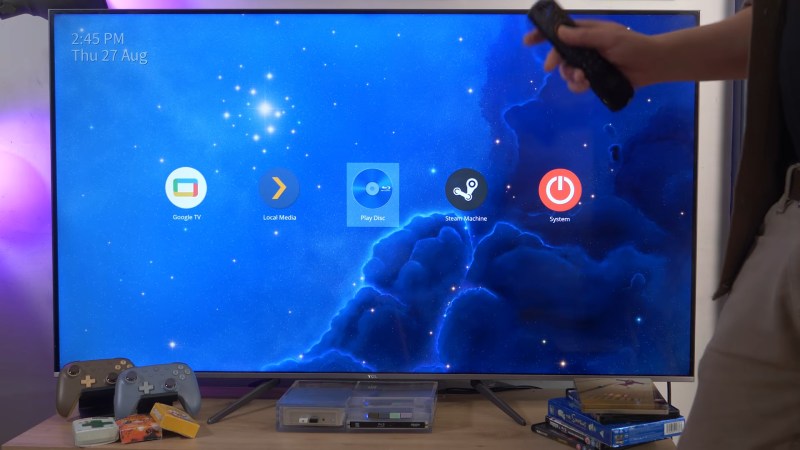
The Year of the Linux Desktop hasn’t been on its way for quite as long as nuclear fusion plants, but somehow it seems to recede into the horizon at just about the same rate. Every year, it’s another year in the future. You know what isn’t a desktop? A television. [Haggis on Toast] makes a case that while there may be barriers to desktop adoption, there’s no reason not to use Linux for a set-top box, and shows one such build in a recent YouTube video.
Of course everyone knows commercial set-top boxes and “smart” TVs alike run Android, which is built atop a Linux kernel. Those are getting steadily more frustrating to use as corporate enshittification continues, so why not DIY? [Haggis]’s build uses a miniPC in a custom 3D-printed case, running Nobara Linux with a Waydroid TV build to provide the Android set-top box experience, plus light/casual gaming via Steam.
Control is via gamepads or a cheap USB remote, with the frontend provided by DeckyLoader. Getting it all set up might be a pain if you’re new to Linux. However, everything comes with easy installers, so it should be a breeze if you’re more than casually computer literate in any other operating system. The most intimidating part of this build is probably reflashing the Blu-Ray player to unlock the ability to play and rip 4K disk content. But if you’ve embraced the death of physical media, you can skip that part.
Owning an Android or Google TV gives you a lot of freedom, but navigating its interface with a standard remote can sometimes be frustrating. You likely already use your smartphone as a remote to control your TV wirelessly — for tasks like typing long search queries or as a backup remote. While there are plenty of Android and iOS options to control your Google TV, controlling it through Windows 11 is often a less explored territory.
Apple increased the price for a monthly subscription to Apple TV by $2, to $15, today.
Annual prices increased by 20 percent from $99 to $119. Current subscribers will receive one month’s notice before paying the new prices, Apple said, per Variety.
A federal appeals court yesterday blocked a Trump administration decision that could have resulted in even more political advertisements appearing on broadcast television during the upcoming elections.
The Federal Communications Commission recently ordered broadcasters to offer the lowest advertising rates to political parties and joint fundraising committees. Four Democratic candidates challenged the decision in court, saying that only individual candidates are entitled under US law to receive what is called the "lowest unit charge," or LUC.
In a 2-1 vote, a judges' panel at the US Court of Appeals for the 4th Circuit agreed with the candidates and set aside the FCC decision that was scheduled to take effect on September 4. That's the start date of the 60-day period before the election in which broadcasters must offer the lowest ad rates to qualified candidates.
When the analog TV signals were turned off in most places around fifteen years ago, their replacement took the form of a set of digital multiplexes. ATSC for North America, and DVB-T for Europe and other places. This would deliver a multi-channel broadcasting solution for the future, and this would be how those not on a cable would consume their telly. It’s a surprise then to find that some governments are already looking at turning off digital TV broadcasting, with the UK in particular wanting to put a date on the switch-off of 2032.
It’s been no secret for many years that linear broadcast TV is being overtaken by streaming services, and this move projected to come at the end of the transmitting contract was always likely to come eventually. Even with increasingly few younger people watching traditional TV though, it still comes as a bit of a shock that it’s happening so soon. The replacement will be an online service for which initially a set-top-box will be required. We’re guessing there will be a storm of protest, but since it’s still quite a few years away and broadband coverage is now near-universal, there’s a good chance it will peter out as the time approaches.
Aside from the end of analog TV, we’ve seen a steady decline in AM and Long Wave transmission across Europe. What makes this surprising then is that instead of being a legacy analogue system, the one facing the turn-off is the future-proof replacement, and one that still sees plenty of use at that. A major shift in consumer electronic technology is taking place, but will anyone notice it?
— Mehul Shah joined Oracle as group vice president for OCI data and storage services, ending a 14-year run at Amazon and Amazon Web Services.
In his last role at AWS, Shah led engineering and product for Amazon RDS for SQL Server, Oracle and Db2, and ran the launch and expansion of Oracle Database@AWS, the partnership that put Oracle’s database inside Amazon’s cloud.
“Through that collaboration, I saw firsthand that OCI shares the same DNA that inspired me to join Amazon back in 2012,” Shah said on LinkedIn, citing “deep curiosity, a passion to innovate, the courage to make bold decisions, and relentless drive to excel.”
Shah, who is based in Seattle, spent more than eight years at AWS, earlier leading real-time data streaming services including Amazon Data Firehose and Kinesis Data Streams, and serving as director and general manager of Amazon EMR. He started at Oracle this month.
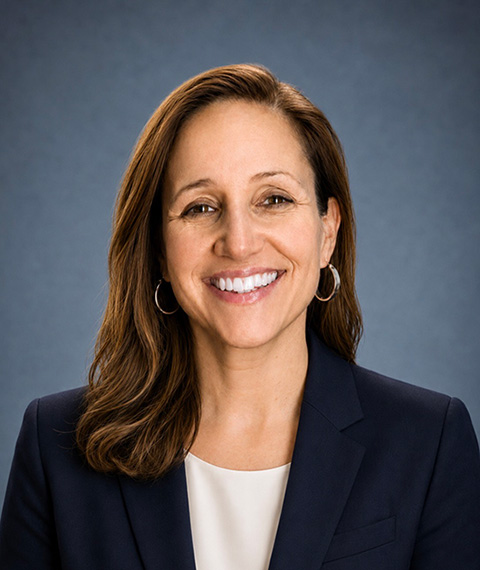
Dr. Natalie Pageler. (Seattle Children’s Photo)
— Seattle Children’snamedDr. Natalie Pageler senior vice president and chief information officer, putting her in charge of digital strategy and IT operations for the pediatric hospital system.
Pageler comes from Stanford Children’s Health and the Stanford University School of Medicine, where she was division chief of clinical informatics and earlier spent a decade as chief medical information officer. She is a pediatrician and clinical informaticist with more than 20 years of experience.
Seattle Children’s CEO Dr. Christopher Longhurst followed a similar path. He was chief medical information officer at Stanford Children’s Health, the same role Pageler held, before spending a decade at UC San Diego Health, most recently as chief clinical and innovation officer.
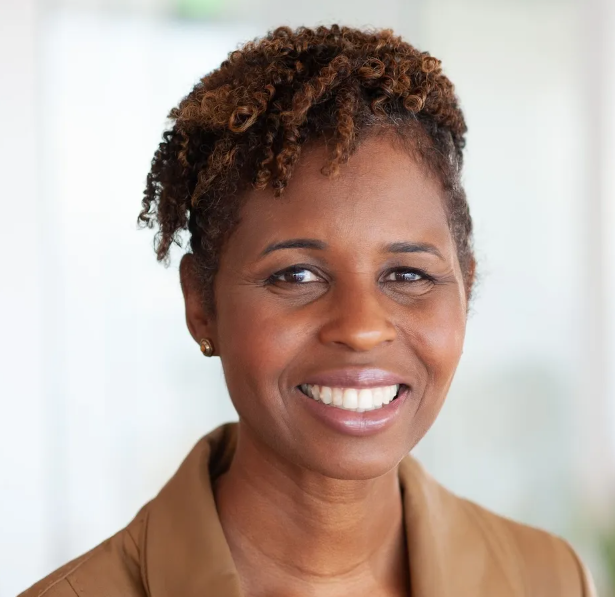
Cassandra “Sandi” Knight. (Zillow Photo)
— Zillow Group named Cassandra “Sandi” Knight its first-ever chief legal and policy officer, a role the Seattle company created this month as part of a broader leadership shuffle. Reporting to CEO Jeremy Wacksman, she oversees Zillow’s legal, compliance and government relations functions.
Knight joins from Google, where she spent four years as a vice president leading global civil litigation and discovery. She was previously vice president and chief litigation counsel at PayPal, and spent 11 years at Morgan Stanley in senior litigation and compliance roles.
She began her career as a trial lawyer at the San Diego Public Defender’s Office, the firm Keker & Van Nest and the San Francisco City Attorney’s office. She holds a law degree from Stanford and is based in the San Francisco Bay Area.
She arrives at a busy moment: Zillow and Redfin are set to go to trial Aug. 24 as defendants in an antitrust case brought by the FTC and five state attorneys general over the companies’ $100 million rental listings deal. Zillow has spent $26 million on the case so far this year.
Two longtime Zillow leaders are heading out:
Sara Bonert, vice president of industry engagement for Zillow Group and ShowingTime+, is leaving after nearly 20 years. One of Zillow’s earliest employees, she joined in the fall of 2006 as director of broker services, helped build Zillow’s first platform for taking in listing data, and signed the partner agreements that took the site from zero to a million listings in four months.
Jeff Tompkins, head of corporate real estate and operations, wrapped up almost five years with the company. Tompkins, who is based in Denver, ran Zillow’s workplace strategy across North America and beyond. He said he will share his next role soon.
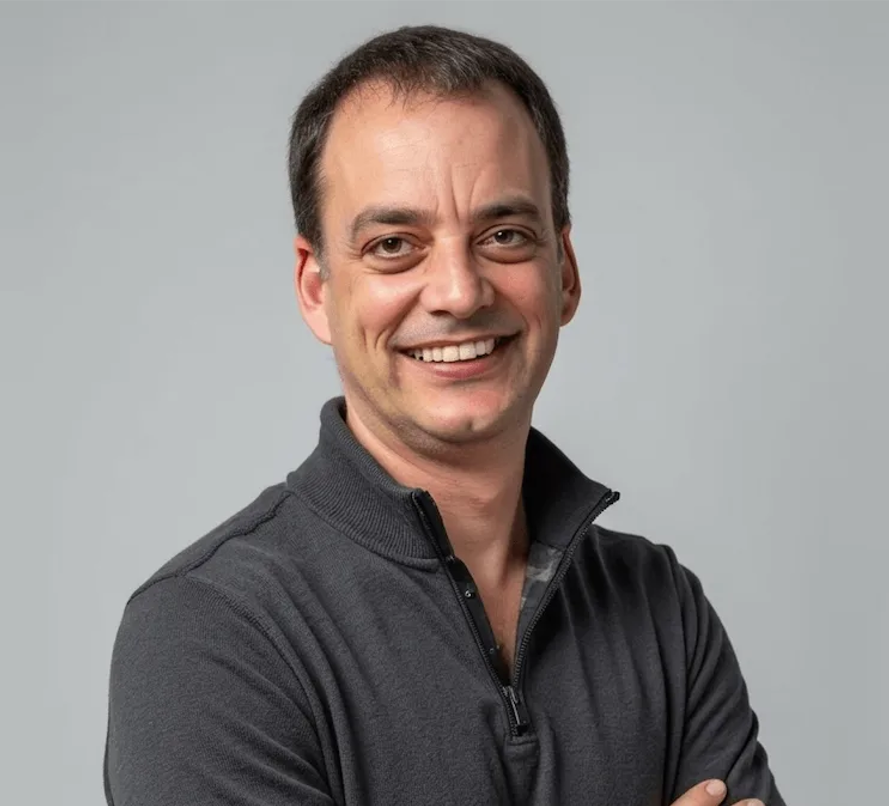
Amir Pelleg. (Uber Freight Photo)
— Amir Pelleg, a veteran of companies including Amazon and Convoy, is the new chief product officer at Uber Freight. He is based in Seattle, working out of the shared Uber and Uber Freight office on Second Avenue.
At Amazon, Pelleg was principal product manager for Kindle Fire, launched the Dash Button and initiated Alexa’s smart home controls, then incubated and launched Amazon Shipping in India, the U.K. and the U.S. as a director and general manager in Amazon Transportation.
He was a vice president on Convoy’s executive team until the Seattle freight startup shut down in 2023, then spent two and a half years at dental tech company Dandy.
— Seattle’s Frazier Healthcare PartnersaddedWes Wheeler to its Growth Buyout team as an executive in residence, advising on diligence and on life science logistics and infrastructure.
Wheeler was most recently CEO of LabConnect, a central laboratory services company serving clinical trials, and before that president of UPS Healthcare, where he built a vertical of 10,000 employees across 35 countries. During Operation Warp Speed he was the primary industry interface to the U.S. government, overseeing distribution of more than 1.5 billion COVID-19 vaccine doses to over 100 countries.
Dr. Heather Cheng. (Fred Hutch Photo)
— Dr. Heather Cheng was announced as the inaugural recipient of the Marty Lazarus Weiden Family Endowed Chair at Fred Hutch Cancer Center, which will fund her work detecting, preventing and treating hereditary cancers.
Cheng is clinical director of cancer genetics programs at Fred Hutch and directs its prostate cancer genetics clinic. In 2016 she was part of a team that found more than 10% of men with advanced prostate cancer carry inherited mutations in DNA-repair genes such as BRCA1 and BRCA2.
The chair is named for Marty Lazarus Weiden, who was diagnosed with breast cancer in 1993 and died in 2001. The family learned only later that some of its members carry a BRCA mutation.
— Microsoft corporate vice president Darryl Willis was named to the board of ONE Nuclear Energy, a natural gas and advanced nuclear developer going public this quarter through a merger with Hennessy Capital Investment Corp.
Willis has led Microsoft’s energy and resources group since 2019. He was previously a Google Cloud vice president and a BP executive who ran the company’s Deepwater Horizon claims process and testified before Congress. He will officially join the board when the merger closes, and he is expected to chair its compensation committee.
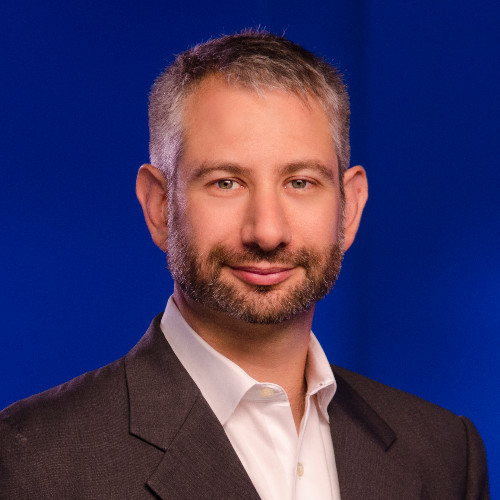
Jake Milstein. (LinkedIn Photo)
— Jake Milstein was named head of healthcare solutions marketing at Zscaler, a return to healthcare cybersecurity. He joins from application security company Contrast Security and was earlier chief marketing and revenue officer at Critical Insight, the Bremerton, Wash.-based security firm acquired by Lumifi Cyber.
Before moving into technology, Milstein spent a decade at Seattle’s KIRO TV, including four years as news director.
— Michele Mehl left Amazon Web Services after nearly two and a half years to become senior public relations manager at ALSO, arriving the same week the electric vehicle company announced a $150 million Series D round led by Prysm Capital.
ALSO builds the TM-B consumer electric bike and the TM-Q commercial delivery quad, and counts Amazon and DoorDash among its commercial partners.
— Richard Van Bibber was named senior vice president of research and development at Verasonics, the Kirkland, Wash.-based maker of ultrasound research platforms used in fields including biomedical ultrasound, materials science and earth sciences.
Van Bibber has spent much of a 25-year medtech career in the Puget Sound region, including seven years as director of research at Kirkland’s Cardiac Dimensions and five years leading clinical affairs at Bellevue-based Aortica.
— Dave Cotter joined the board of Nickson, the apartment-furnishing startup led by Cameron Johnson, alongside MarcyPen Capital Partners and Larry Braithwaite. Cotter is CEO of Greenwood and has previously worked at Amazon, Nordstrom, zulily, RealNetworks and Leafly.
— PCC Community Markets president and CEO Krish Srinivasanwill retire effective Jan. 29, 2027. Srinivasan was chief financial officer at Remitly and vice president of finance at Lyft before joining the Seattle grocery co-op as CFO, and earlier held leadership roles at Amazon and Microsoft.
— Seattle FoundationnamedElizabeth Wong as chief philanthropy officer, reporting to President and CEO Alesha Washington. Wong spent more than a decade at Foundation Source and earlier worked directly with the Gates family at the Bill & Melinda Gates Foundation.
And in case you missed it:
— Jay Bartot, a co-founder of the airfare-prediction startup Farecast and former chief technology officer of Madrona Venture Labs, was named CTO of Lev, the Pioneer Square Labs spinout building an “AI co-founder” for entrepreneurs. Read more here.
— Expedia Group is parting ways with at least eight vice presidents and senior vice presidents, and promoted five other leaders, as it reorganizes its product and technology groups around AI. Read more in this GeekWire story.

 Login
Login