Reading view

There are new articles available, click to refresh the page.

Unvaccinated Pennsylvania woman died of measles complications, coroner says

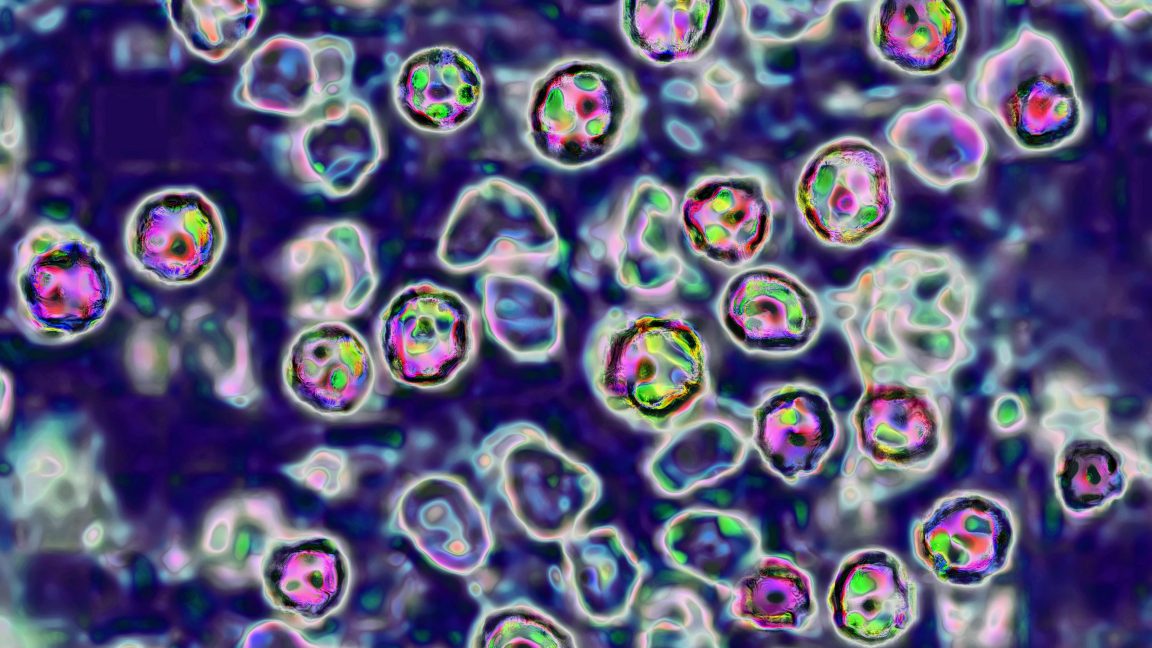
A 40-year-old woman in Jefferson County, Pennsylvania has died of complications from measles, according to the county's coroner.

It marks the third vaccine-preventable, measles-linked death in the US this year. All three have occurred in Pennsylvania, which is experiencing an explosive outbreak that has caused over 670 cases and 124 hospitalizations across 37 counties. Prior to these deaths, Pennsylvania had not reported a measles death in 35 years.

In a news release dated September 12, Jefferson County Coroner Greg Furlong said the death in the woman was "a heartbreaking loss for the family and an unfortunate reminder that measles can be a serious and potentially life-threatening disease."

Read full article

Comments

© Getty | BSIP

I ditched Fitbit and Samsung Health tracking for this private alternative

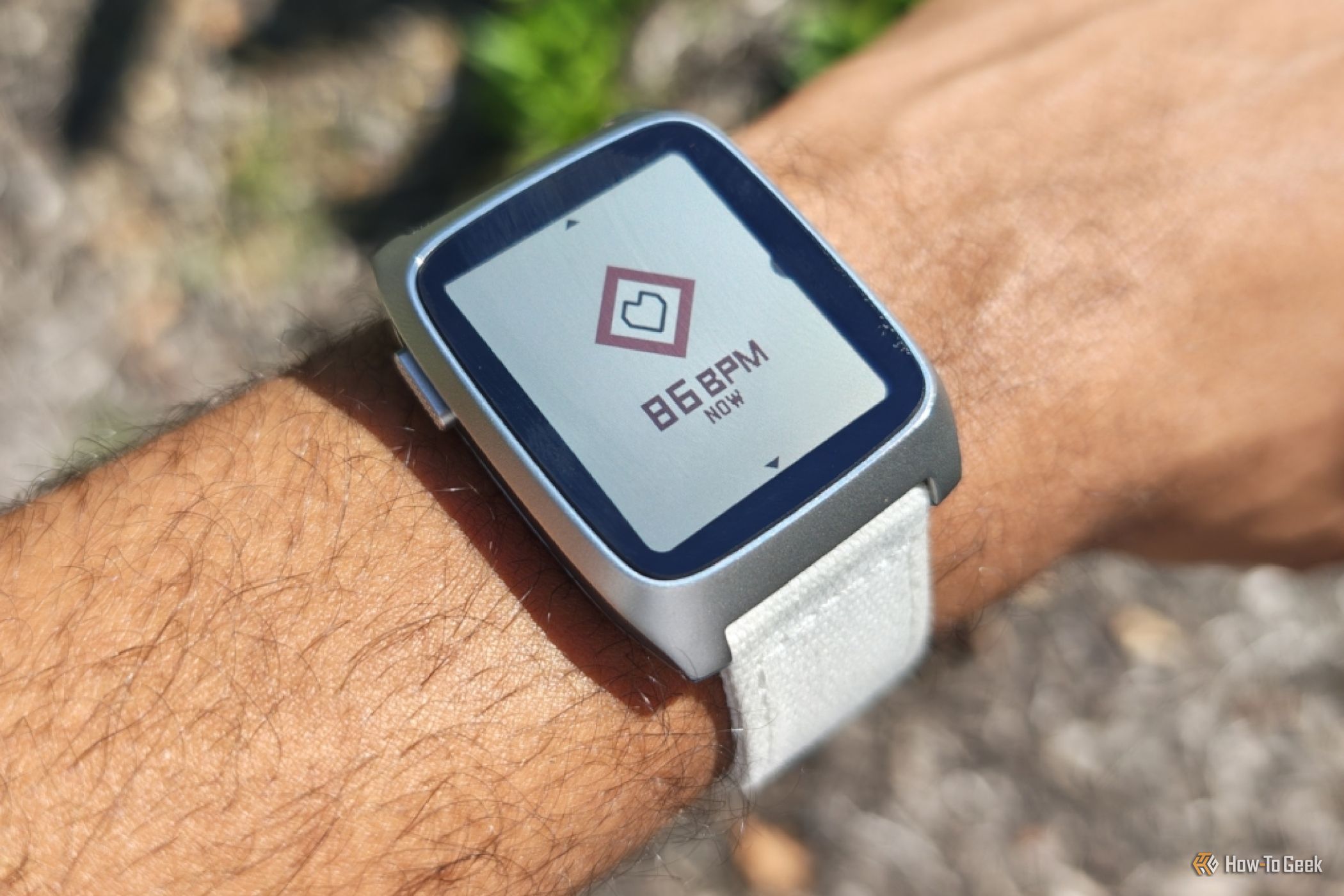
I am suspicious of fitness trackers. I'm not saying we can't trust companies to safeguard the data they generate, but it would be nice to not have to trust them in the first place. That is why I've been happy to wear a Pebble Time 2, which is the first Android-compatible product I've worn that generates health metrics without also uploading that information to the web.

Rusting an E-scooter (In a Good Way)

It is a classic Hackaday situation. You have an Egret GT E-scooter. It has a screen that shows the usual dash stats, but that led to an annoyance. You could accidentally enter firmware update mode and, from there, enter operational mode without the security PIN. [Ben] couldn’t let that stand, so he reverse-engineered the protocol and rewrote the firmware in Rust. As he put it, “… because I have to break… everything I own…” We get it.

The mobile app was useful for some basic info, since sniffing Bluetooth is fairly easy and analyzing mobile code is, more or less, straightforward. Analysis revealed some data that doesn’t show on the display and that several things are sent back to home base tagged with the scooter’s unique ID — another reason to gut the existing firmware.

Internally, the scooter uses the CAN Bus, so out came the oscilloscope and a homebrew CAN decoder.  Surprisingly, the CAN bus is accessible on the USB-C port’s data pins. Officially, the port is only for charging phones, so you have to wonder what your phone makes of the alien signals on the data pins when it is charging.

Firmware updates actually come in at least three flavors: display, input panel, and main controller. Reverse engineering the firmware update process was crucial to installing the new firmware.

If you own a similar scooter, this post is a goldmine. If you don’t, it is still a very detailed breakdown of a reverse-engineering workflow, and you can apply many of the tools and techniques to your next project.

Of course, another option is to just keep the scooter and replace the brains. If you want to learn more about reverse engineering, there are literally dozens of Hackaday posts to help you get started.

As SCOTUS Rejects Emergency Appeal for Religious Exemption to Vaccines, Thorny First Amendment Issues Persist

9/12/26
VACCINE EXEMPTIONS
Enable IntenseDebate Comments: 
Enable IntenseDebate Comments

A mother in New York State who claims to oppose vaccines because of her Catholic faith lost an emergency appeal to the Supreme Court of the United States (SCOTUS) this week—though Justices Samuel Alito and Neil Gorsuch said they would have granted her application. For now, the woman’s kindergarten-aged son must be vaccinated to attend school. 

read more

Random rewards enrich classic game-theory insights

Games may be life with all the hard bits removed, but they provide a way to study why people make the choices they make. Traditional games are usually played against a static background: the rewards per outcome are constant. That limits their relevance to behavior because, in real life, the rewards and consequences of strategic choices are ever changing. Now, researchers have used a mathematical model to study a series of games that include evolving strategies and randomly varying returns.

A bit of history

Perhaps the most famous game-theory contest is the prisoner’s dilemma. In the prisoner’s dilemma, a pair of thieves have been captured and are being separately interrogated by the police. If both clam up, they will be punished for a lesser crime. If one prisoner makes a deal (defects) then that prisoner gets to go free and the other gets a heavier sentence. If both make a deal, they both get an in-between punishment.

The person running the game can start it with different rewards for cooperating and defecting to explore how the optimum strategy varies with reward and risk, which the players can figure out by varying the strategies across multiple rounds. Depending on the balance between the reward for staying silent (cooperating) and betrayal, the game stabilizes with everyone betraying everyone. In this simple situation, everyone loses.

Read full article

Comments

© NurPhoto

Bouncy castle launches horrifying MRSA outbreak, striking 48 kids in Ireland

For a child bursting with energy, few things are more fun than hurtling through a bouncy castle, launching into the air, and ping-ponging between every surface. But that childhood buoyancy will quickly deflate when it turns out those surfaces are smeared with a hypervirulent, multidrug-resistant pathogen.

That was the horrifying reality for a community in Ireland in fall 2025. Neighbors had gathered for an afternoon of merriment, complete with a barbecue, a sweets station, and three bouncy castles. Officials estimate that about 120 people joined the festivities, and around half of them were children and teens. Within a day, some children began developing signs of an infection. In all, 48 children in the community developed aggressive skin and soft-tissue infections.

Of the 48 cases, 33 were treated by their regular doctor, and 15 sought emergency care. Four children ended up being hospitalized. Luckily, all of the children recovered. The results of the outbreak investigation were reported this week in the journal Eurosurveillance.

Read full article

Comments

© Getty | Marko Stojkovic

Meet the under-35s shaping the future of biotech

Every year, MIT Technology Review puts together a list of some of the brightest and best young minds working across science and technology. Our 35 Innovators Under 35 are the ones to watch—people whose research and technical work stands to shape the future of their fields.

This year, the list includes nine people who are transforming biotech. And this week, I’m going to give you a taste of some of the very cool stuff five of them are working on, which includes lifesaving innovations and groundbreaking “age reversal” tech.  

1. Preventing maternal deaths

Let’s start with Paschal Kija, a 28-year-old who has developed a device to treat postpartum hemorrhage—a dangerous birth complication that contributes to around 29% of maternal deaths in his home country, Tanzania. The Mkanda Salama (“Safe Wrap” in Swahili) is easy to use and costs just $70. A study found that it stopped postpartum bleeding in 73% of women within 20 minutes.

2. Making brain electrodes inspired by Japanese art

For decades, scientists have been developing, testing, and implanting brain electrodes. These devices are literally inserted into people’s brains, so while they can help us understand brain activity and treat various neurological disorders, it’s not totally surprising that they can also cause a bit of damage. Xiao Yang, 34, is working on ultra-small electrodes, which she hopes will have less of an impact on surrounding brain tissue. Her electrodes are flexible, too—in fact, they look a lot like actual neurons.

Yang is also creating sheets of electrodes to study brain cells in the lab. Inspired by kirigami—the traditional Japanese art of cutting paper to form three-dimensional shapes—she’s created a sheet of electrodes with a honeycombed structure shaped like a spiral basket. And she’s already using it to study brain cells.

3. Developing an all-new treatment for baby KJ

In 2024, Kyle “KJ” Muldoon Jr. was born with a rare and potentially fatal genetic disorder. Sarah Grandinette was a member of a team that developed an entirely new, personalized treatment for him—a gene-editing therapy essentially designed to correct a genetic misspelling.

Grandinette, who is now 26, created cells with KJ’s genetic variant and used them to screen gene-editing approaches; then she tested potential medicines in mice and monkeys. KJ ultimately got his first dose of the resulting treatment when he was about seven months old. He responded well and was eventually discharged from hospital. He’s “doing pretty great,” she says.

4. Reversing the aging process to treat eye disease

The buzziest tech in longevity right now centers on reprogramming—attempts to rewind the age of cells by resetting them to a more embryonic-like state. In a study published in 2020, Yuancheng (Ryan) Lu (now 34) and his colleagues showed that a reprogramming therapy reversed vision loss in aged, blind mice. Now an almost identical version of that therapy is being tested in people with eye disease. Life Biosciences, the company developing the drug, dosed its first volunteer in June.

5. Using AI to design new viruses

Last year, Samuel King used a generative AI model to come up with new genetic blueprints for bacteriophages—teeny viruses that can infect bacteria. Once he had those blueprints, he printed them out as strands of DNA. In experiments, he found that those AI-designed viruses could create new copies of themselves, burst out of bacterial cells, and infect other nearby bacteria. Viruses aren’t alive, but King, 27, hopes that AI-designed life forms might one day be used to make drugs or soak up pollution.

You can read more about these innovators, and the others on the biotech list, here.

This article first appeared in The Checkup, MIT Technology Review’s weekly biotech newsletter. To receive it in your inbox every Thursday, and read articles like this first, sign up here.

August Was World's Joint-Hottest Month On Record, Scientists Say

Longtime Slashdot reader AmiMoJo shares a report from the BBC: August was the joint-hottest month ever recorded, tying with July 2023, according to the EU's climate service. The record was driven by a combination of climate change and the rising influence of El Nino, pushing heat into the atmosphere across the Pacific. Temperatures for the month were 1.65C above pre-industrial levels -- surpassing the critical 1.5C threshold agreed by countries to avoid the worst consequences of climate change. While a single month above 1.5C does not mean it has been permanently crossed, it shows a trend towards breaching that limit. The month also capped western Europe's warmest summer, with high temperatures pushing the season past the deadly heat of 2003.

Read more of this story at Slashdot.

Climate 'Feedback Loops' Could Worsen Global Warming By 30%, Study Finds

An anonymous reader quotes a report from The Guardian: Rising global temperatures caused by the burning of fossil fuels are transforming the world's forests, wetlands and tundra to the point they are releasing emissions that could further worsen global heating by as much as 30%, a new study has found. As the world heats up, permafrost in the high latitudes is thawing, fiercer wildfires are burning in drying forests and wetlands and lakes are warming. All of these changes are themselves causing the release of planet-heating methane and carbon dioxide locked in trees and soils, therefore worsening the climate crisis, the paper states. While scientists have long known of these "feedback loops" that amplify the impact of direct pollution from burning coal, oil and gas, the emissions from natural sources are largely unaccounted for in climate projections. This additional heating is however significant, researchers found, with emissions from natural sources set to amplify global heating by 20% to 30% by the end of this century. This would add an estimated 0.2C to 0.4C to the global average temperature by this time, depending on the overall action taken by countries to combat the climate crisis. [...] This latest paper makes clear that action by countries to cut fossil fuel pollution will still lessen the amount of additional emissions that come from landscapes. Under the most optimistic climate scenario where emissions are cut quickly, natural sources will add 0.2C of warming, the paper found. Under a worse case higher emissions scenario, 0.4C will likely be added. Current policies put in place by governments are likely to see the global temperature rise to 2.6C above pre-industrial times, according to Climate Action Tracker. This will likely cause severe disruption and hardship to billions of people through sea level rise, crop losses and other consequences. "This hidden multiplier is missing from the models guiding climate policy, so those models are likely underestimating how much warming is coming -- and overestimating how much carbon we can still afford to emit," said Sam Abernethy, a scientist at Spark Climate Solutions who led the research, published in Environmental Research Letters. The disruption of the worldâ(TM)s carbon cycles is now being seen in "real time," said Rob Jackson, a Stanford University scientist and study co-author. "The results are a wake-up call, and itâ(TM)s imperative that they be included in the next generation of climate policies," he added. "Failure to do so will make meeting the worldâ(TM)s climate goals less and less likely."

Read more of this story at Slashdot.

Boy developed "toasted skin" condition from using a laptop every day

Fears that modern electronic devices may harm children are nothing new. Gadgets with screens of any size have long been allegedly melting, rotting, and/or corrupting the brains of youths for decades. However, a medical case report published this week offers a new and alarming way our digital doodads may cause physical harm.

In BMJ Case Reports, two UK doctors, Mara Znagoveanu and Edward Artley, report the case of a boy who came to an emergency department with alarming marks on his abdomen. The marks were described as being in a patch about 15 centimeters (6 inches) wide, made of flat, reddish-brown "interlacing lines forming irregular circles and a lace-like morphology." A picture of the marks is here.

Mysterious marks

The boy, whom they described only as being in "mid-childhood," was not in any pain, and the rash was not warm to the touch or tender. He and his parents said they couldn't think of any recent injuries or trauma that might explain the marks. He was otherwise healthy, hadn't recently been ill, and had no systemic symptoms, such as fever or fatigue. Everything about the boy's health, growth, and medical history looked normal.

Read full article

Comments

© Getty | The Good Brigade

❌