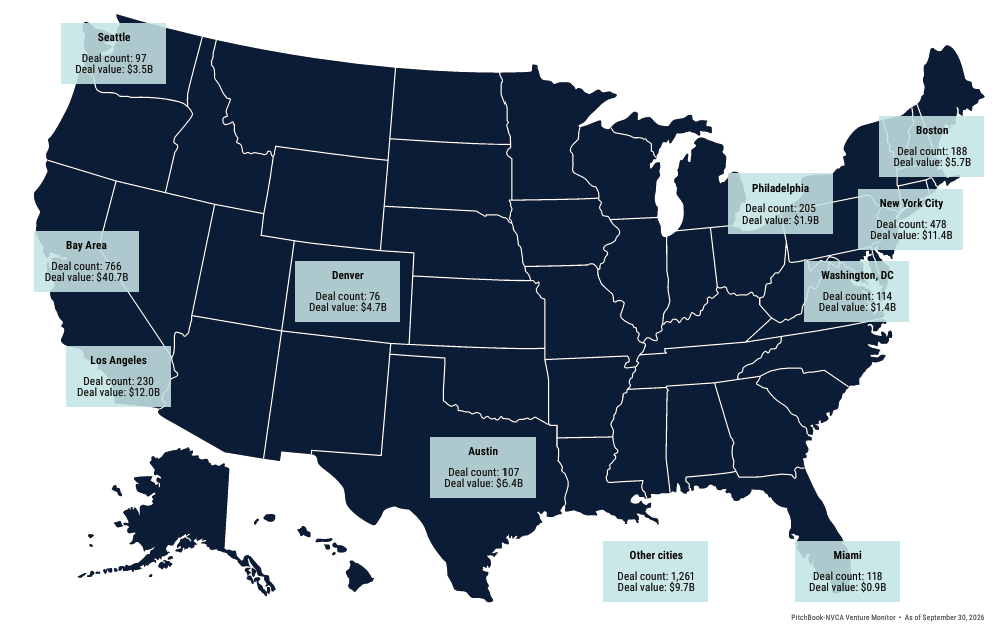
Q3 2026 VC deal activity by U.S. metro area. Note: PitchBook’s map uses broader regional boundaries than the metro-area figures in this story (PitchBook-NVCA Graphic, click to enlarge.)
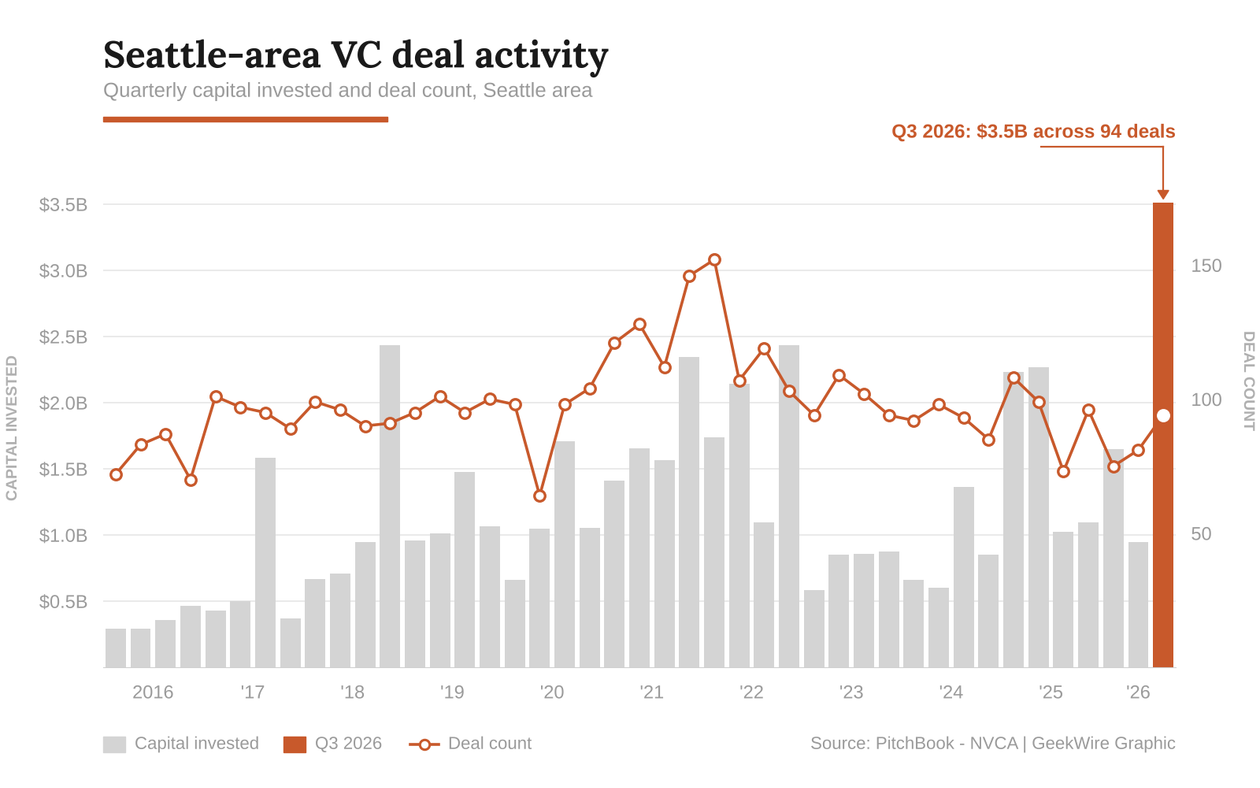
That’s more than triple the $1 billion raised in the region in the same quarter a year earlier, according to the PitchBook-NVCA Venture Monitor. It’s also more than $1 billion above the previous quarterly high of about $2.4 billion, reached in late 2018 and again in late 2022.
Most of the money went to a handful of companies building physical things: rockets, satellites, spacecraft and fusion power plants. Three space companies in the region raised $1.6 billion combined: Stoke, Redmond-based Starcloud and Seattle’s Hubble Network.
Nationally, the trend went the other way. U.S. venture funding fell 40% from the prior quarter, to $98.4 billion, as the giant rounds for frontier AI labs that drove the first half of the year tapered off.
Seattle ranked seventh among U.S. metro areas for venture dollars in the quarter. The Bay Area led with $40.7 billion, followed by Los Angeles, New York, Austin, Boston and Denver. Denver’s $4.2 billion came largely from a single $3.9 billion round for AI data center developer Crusoe.
By number of deals, Seattle ranked eighth, with 94.
The total includes Helion’s $500 million round, which the company announced in June but PitchBook counts in the third quarter. Even without it, the quarter would still be the region’s biggest on record.
Bellevue, Wash.-based Temporal is expanding its security capabilities for AI agents following a $550 million funding round last month that valued the enterprise infrastructure company at $12.55 billion.
In an announcement Tuesday, Temporal revealed that team members from Oso, a New York-based startup specializing in application authorization, are joining the company to integrate access controls directly into Temporal’s platform. Meanwhile, holding company Tiny acquired Oso’s software product and customer base.
The move addresses a growing challenge for enterprise tech teams: while generative AI models handle reasoning, autonomous agents must interact with internal databases, execute multi-step workflows, and call external application programming interfaces without breaching security boundaries.
“AI safety doesn’t stop at the model,” Temporal VP of product Preeti Somal said in the release. “It extends into the applications where agents act, which is where access to systems and crucial data comes into play.”
Temporal’s primary technology, known as “durable execution,” maintains application state and execution history across system failures and network timeouts. By adding Oso’s security frameworks to this underlying engine, Temporal aims to ensure an agent’s permissions and human approvals remain intact, preventing agents from bypassing controls or repeating rejected actions.
Temporal said the addition of the Oso team will accelerate security features currently in development, with existing platform operations remaining unchanged.
“Our goal is practical: to help developers put agents to work with appropriate access and with guardrails their companies control,” said Somal. “In practice, that means asking, for each action an agent takes, who it is acting for and what that person is allowed to do, and getting the same answer every time the work is retried.”
“What makes agents valuable is the same thing that makes them dangerous – access to real systems and data. Temporal already powers agents in applications like Cursor and OpenAI Codex, and unlocking their full potential requires the right security controls. We’re joining Temporal to accelerate its work on agent authorization, giving developers more precise control over what agents can access and do.”
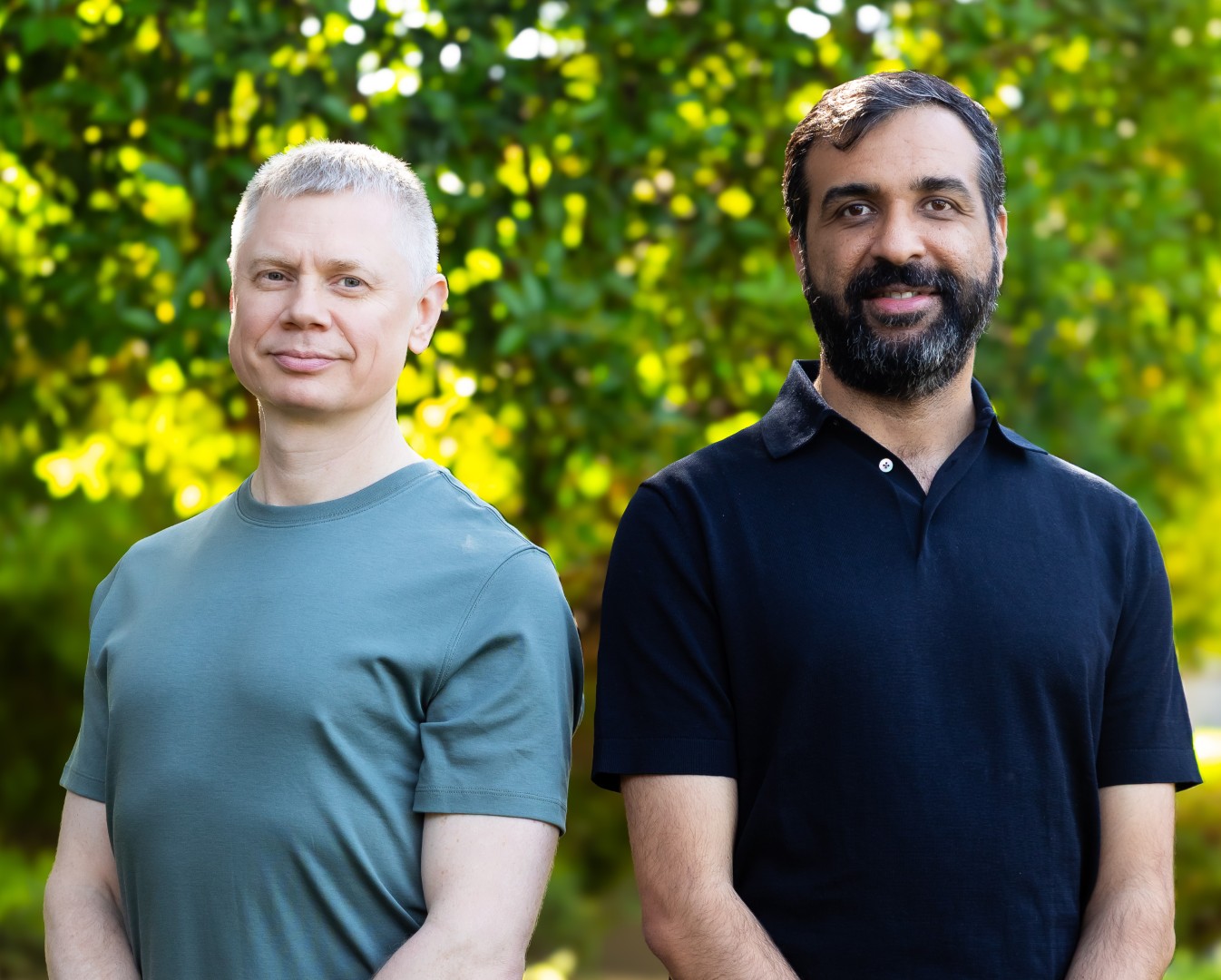
Co-founded in 2019 by Amazon and Microsoft veterans Samar Abbas and Maxim Fateev, Temporal provides open-source orchestration tools used by companies including OpenAI, NVIDIA, Netflix, Snap and JPMorgan Chase. The company recently surpassed $250 million in annualized revenue run rate, growing more than 200% year-over-year.
It employed about 570 people prior to the Oso deal, roughly double from a year ago, with 89 in the Seattle area. The company is fully remote. Its Bellevue office, previously occupied by OpenAI, is used mainly for meetings rather than daily work. The company recently rose to the #1 spot on the GeekWire 200, the list of the fast-growing privately-held tech startups in the Pacific Northwest.
Companies building software for the AI boom and advanced machinery for space, energy and defense are remaking the Pacific Northwest’s tech economy, and both trends are showing up in full force on the GeekWire 200, our ranking of the region’s top privately held tech startups.
The Fall 2026 update, released Wednesday morning, features a new No. 1: Temporal, the Bellevue, Wash., company whose software keeps AI agents running reliably. It raised $550 million this month at a $12.55 billion valuation, more than double its value earlier this year. Its annualized revenue has passed $250 million, up more than 200% in a year, with customers including OpenAI, Nvidia and Netflix.
Temporal replaces fusion company Helion, now No. 2. Helion grew its Series G round to $500 million and opened a Seattle office as its headcount topped 800, but questions have emerged about its timeline for delivering fusion power to Microsoft by 2028.
Six of the top 10 companies build advanced machinery: fusion reactors, rockets, drones, radar, military vehicles and weed-zapping robots. Several of them spent the quarter scaling up production.
Stoke Space (No. 3), which is developing a fully reusable rocket, jumped three spots after it raised about $1 billion. It’s expanding its rocket test site in Moses Lake.
Brinc (No. 6), which makes drones that police and fire departments send to 911 calls, is moving into a new headquarters and factory in Seattle’s Queen Anne neighborhood with three times the production space of its current plant.
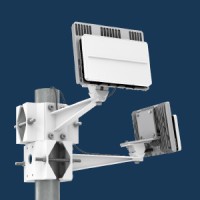
Echodyne (No. 9), which makes compact radar used to detect and track drones, jumped 33 spots into the top 10 after it opened a $40 million factory in Woodinville to meet growing demand for drone detection.
The GeekWire 200 combines objective data, editorial insight and AI analysis of our coverage to provide a broad view of the region’s startup landscape. Dating to 2013, it has long served as a resource for investors, job seekers, service providers and others tracking the regional tech scene.
See the updated GeekWire 200, and continue reading for highlights. Here’s the new top 10.
Durable-execution infrastructure for the agentic-AI stack, valued at $12.55B after a $550M Series E led by Lightspeed, with OpenAI, Nvidia and Snap among its customers.
Kent, Washington • Defense and Space Manufacturing
Building the fully reusable Nova rocket, with roughly $1B raised and its Moses Lake test site expanding to 550 acres ahead of a first flight in early 2027.
Health-data platform built with a consortium of health systems; its co-founders are serving as interim co-CEOs as Terry Myerson retires at the end of September.
Kirkland, Washington • Appliances, Electrical, and Electronics Manufacturing
Radar maker that opened a $40M, 86,000-square-foot factory in Woodinville built for about 30,000 radars a year, and is adding 100 to 200 people on top of 260.
Overland AI (No. 7, up 2): The military autonomy startup landed a Marine Corps contract worth nearly $20 million, which it says makes it the first ground-autonomy company to serve as prime contractor on a military production deal. It also opened a Bay Area office to recruit AI and robotics talent.
Carbon Robotics (No. 8): The laser-weeding company added Plant Profiles, letting farmers tailor its AI model to their own crops and fields.
Dropzone (No. 10, up 3): The maker of autonomous AI agents for security operations enters the top 10 after more than doubling its headcount over the past year, the fastest growth of any company in the top 20.
Starcloud (No. 52, up 23): The Redmond company building data centers in orbit raised $250 million at a $2.3 billion valuation, with Nvidia joining as an investor.
Levanta (No. 72, up 5): The creator-marketing platform raised $22 million and says revenue is up 80% this year.
AIM Intelligent Machines (No. 100, up 10): The autonomous construction startup laid out its vision for self-driving bulldozers on Earth and, eventually, Mars.
Digs (No. 120, up 13): The Vancouver, Wash., homebuilding AI startup raised $25.3 million led by Builders FirstSource, which will offer its platform to 140,000 builder clients.
Augmodo (No. 122, up 23): The maker of AI camera badges for retail workers raised $21 million at a $350 million valuation and is expanding into warehouses, factories and other workplaces.
Nuance Labs (No. 163, up 20): The AI lab founded by former Apple researchers raised a $50 million Series A led by Lightspeed.
NewDays (No. 172, up 14): The dementia-care startup expanded its seed round to $16 million and expanded to Nevada.
New to the list
Entire (debut, No. 101): Former GitHub CEO Thomas Dohmke’s startup launched a distributed Git network built for the load of AI coding agents. It’s the highest debut this quarter.
BrainChild Bio (debut, No. 117): The Seattle Children’s spinout raised $116 million to advance a CAR T therapy for a deadly childhood brain cancer.
BuyWander (debut, No. 124): The retail-returns marketplace moved its headquarters from Spokane to Kent and raised $21 million led by Madrona and Inspired Capital.
Endurance (debut, No. 128): Former SpaceX engineer Andrew Redd’s startup is tapping undersea volcanoes for geothermal power.
General Robotics (debut, No. 130): The Redmond startup led by Microsoft veterans says its AI has cut robot setup from a month to hours.
Thira (debut, No. 140): Apptio co-founders Sunny Gupta and Kurt Shintaffer reunited to launch the enterprise AI startup with $21 million led by Madrona.
Golden Analytics (debut, No. 152): The Bellevue startup led by Francois Ajenstat, Tableau’s longtime chief product officer, is using AI to take on traditional business intelligence tools. It launched with $7 million from NEA and Madrona in April, then added a $14 million extension led by Insight Partners in June, bringing its seed funding to $21 million.
Resect AI (debut, No. 158): The Washougal, Wash., startup launched out of stealth with $25 million to catch AI hallucinations before they happen.
Harell Data (debut, No. 176): Adaptive Biotechnologies co-founder Harlan Robins raised $15 million to connect AI developers with proprietary scientific data.
Noösphere Labs (debut, No. 180): Former Meta AI research director Kevin Carlberg raised $10.25 million from Trilogy and Madrona for the stealth physical AI startup.
Leaving the list
Agility Robotics (previously No. 5): The Salem, Ore., humanoid robot maker left the list as it prepares to go public in a $2.5 billion SPAC merger expected to close in the fourth quarter. It unveiled Digit 5, which lifts 50 pounds and is designed to work alongside people without safety barriers.
Common Room (previously No. 80): The sales-intelligence startup left the list after agreeing to be acquired by Zoom.
Auger (previously No. 31): The supply chain startup led by former Amazon operations chief Dave Clark moved its headquarters to Dallas. Auger still has a major engineering hub in Bellevue, which we’ve added to our list of engineering centers established in the region by companies headquartered elsewhere.
XBOW (previously No. 35): The AI hacking startup left the list because it doesn’t meet our standard that a company’s headquarters and leadership be based in the region. Its CEO is based in Malta, and its Seattle headquarters is a mailbox at a coworking space.
Notes on the GeekWire 200
Our list is not scientific, by any means, and the specific rankings should be taken with a grain of salt. But it has proven to be a valuable tool for many years. We hear regularly from readers who use the GeekWire 200 to look for jobs, prospect for customers, scout potential investments and get a high-level view of the region’s tech community.
Companies on the list must be privately held, founded within roughly the past 15 years and headquartered in the Pacific Northwest with their leadership based in the region. Companies generally leave the list when they agree to be acquired by another company or to go public.
To make sure your Pacific Northwest technology startup is eligible for the GeekWire 200, first confirm it’s included in the broader GeekWire Startup List. If so, there’s no need to submit it separately. If your startup isn’t among the companies on that larger list, you can submit it for inclusion here, and we’ll crunch the numbers to see if it makes the next GeekWire 200 update.

 Login