❌

Reading view

There are new articles available, click to refresh the page.

Bank of America Kindly Asks That You Don't Share Your Password With Your AI Assistant

Longtime Slashdot reader schwit1 shares a report from TechCrunch: In an email blast to customers titled "Protecting your finances in the Al World," Bank of America urged customers to never share their username and password with another person or an outside service, "including an Al-enabled tool or agent that offers to act on your behalf." [...] A spokesperson for Bank of America confirmed the authenticity of the bank's email that was posted to social media. But heed the bank's warning, for if things go wrong, it's on you. Account agreements at most banks hold customers responsible for anyone they give their log-in to. "If you do share your credentials," its email reads, "keep in mind that you're responsible for activity resulting from that access."

Read more of this story at Slashdot.

Massive Leak Exposes 41,000 Homeland Security Workers

A massive leak has exposed records tied to more than 41,000 DHS employees and contractors, including roughly 10,000 ICE personnel. The data, reportedly taken from DHS's Okta login system, reveals phone numbers, email and office addresses, reporting relationships, and permission groups associated with undercover operations, wiretapping and surveillance tools. Wired reports: In all, the leak provides a map of how DHS is organized and how it operates. The records, which span DHS itself as well as seven component agencies, including Immigration and Customs Enforcement and US Customs and Border Protection, were last updated on August 19, 2026. The transparency nonprofit Distributed Denial of Secrets and cybersecurity researcher and journalist maia arson crimew previewed the data to WIRED, which they say they obtained from a group calling itself the Department of Peace. DDoSecrets published the archive, which it calls "Icepick," on Wednesday. In a press release, DDoSecrets says the data is from DHS's Okta login system. In a note with the files, the hackers wrote, "They have our information, so it's only fair that we have theirs." An Okta spokesperson tells WIRED that it is unaware of any breach of its systems. "We are aware of this report. Okta is secure, and we have no evidence our data or systems were compromised," the spokesperson says.

Read more of this story at Slashdot.
Amazon Puts a Camera In Its Echo Studio So Alexa Can See

Amazon has added a camera to its Echo Studio speaker, allowing Alexa to visually identify objects, help with tasks and remotely monitor a room. For those concerned about privacy, Amazon is keeping a camera-free version available. The Next Web reports: The camera speaker ships today for $249.99. Hold up a board game box and Alexa can explain the rules, or show it a box of cereal and it can help you reorder it, according to Amazon. Owners can also check in on the room from the Alexa app while they are away. The Echo Studio without a camera stays on sale at $219.99. A dedicated button turns off the microphones and any camera, and a visual indicator shows when a camera streams images or video to the cloud, Amazon said. Certain features require Alexa+, which is included with a Prime membership. Other devices Amazon unveiled today include an Echo Time alarm clock, an Alexa Photo Frame and the Echo Show 16.

Read more of this story at Slashdot.

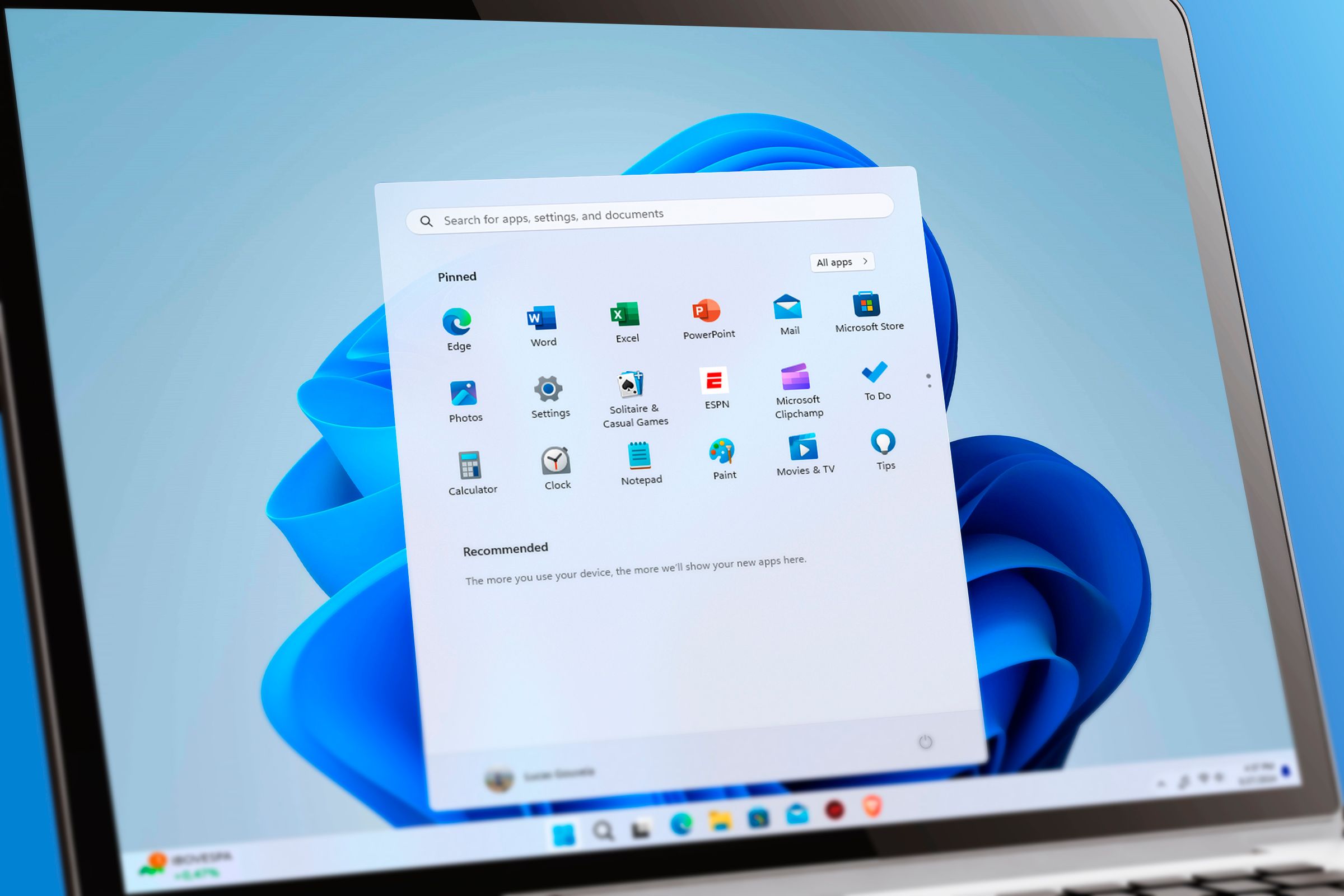
Windows 11 is finally giving you more control over which apps can access your camera and microphone

For years, Windows 11 has handled camera and microphone access for desktop apps like a master keyβ€”flip the switch and every program gets in, or none do. Microsoft is finally working on a solution for the latest Windows 11 Insider build. The new privacy controls allow you to decide which desktop apps get to use your camera and microphone, one at a time. If you use an Android phone, you'll find the per-app permission settings feel familiar. This matters because camera and microphone access can reveal more than you might expect across varied software.

PHP2Shell Security Flaws Now Successfully Exploited

The critical PHP2Shell vulnerabilities (CVE-2026-109618 and CVE-2026-109619) have now been successfully exploited in the wild, just days after patches were released and initial exploitation attempts failed. BleepingComputer reports: The malicious activity was caught by Adel Karimi, detection and response lead at Perplexity, whose honeypots recorded evidence of confirmed remote code execution against an Apache mod_php installation running PHP 8.4.26. "This is now confirmed RCE with usable memory disclosure, not just a crash followed by a suspicious process. The response delivered an 800 KiB decoded cookie dump, and a function address derived from that dump using the public exploit's offsets appears in the subsequent execution payload," Karimi shared. "The evidence demonstrates this chain on the intentionally favorable single-worker mod_php profile; it is not a measurement of exploit reliability on other worker counts, PHP builds, or applications," he added. Karimi's findings were also confirmed by Expel threat researcher Marcus Hutchins, who has been tracking a stream of alleged successful PHP2Shell exploitation reports. "This is by far the highest quality confirmation of in-the-wild php2shell exploitation I've seen so far. Deep technical breakdown of a successful exploitation attempt against an Apache mod_php installation running PHP 8.4.26," Hutchins said.

Read more of this story at Slashdot.

Windows gets dangerous when you disable these 6 features

Windows has a habit of getting in your way just when you're trying to get something done. Whether it's an update at the wrong time or a driver that refuses to cooperate, you might be tempted to disable a security feature and call it a day. Before you do, though, there are six Windows features you should think twice about switching off.

❌