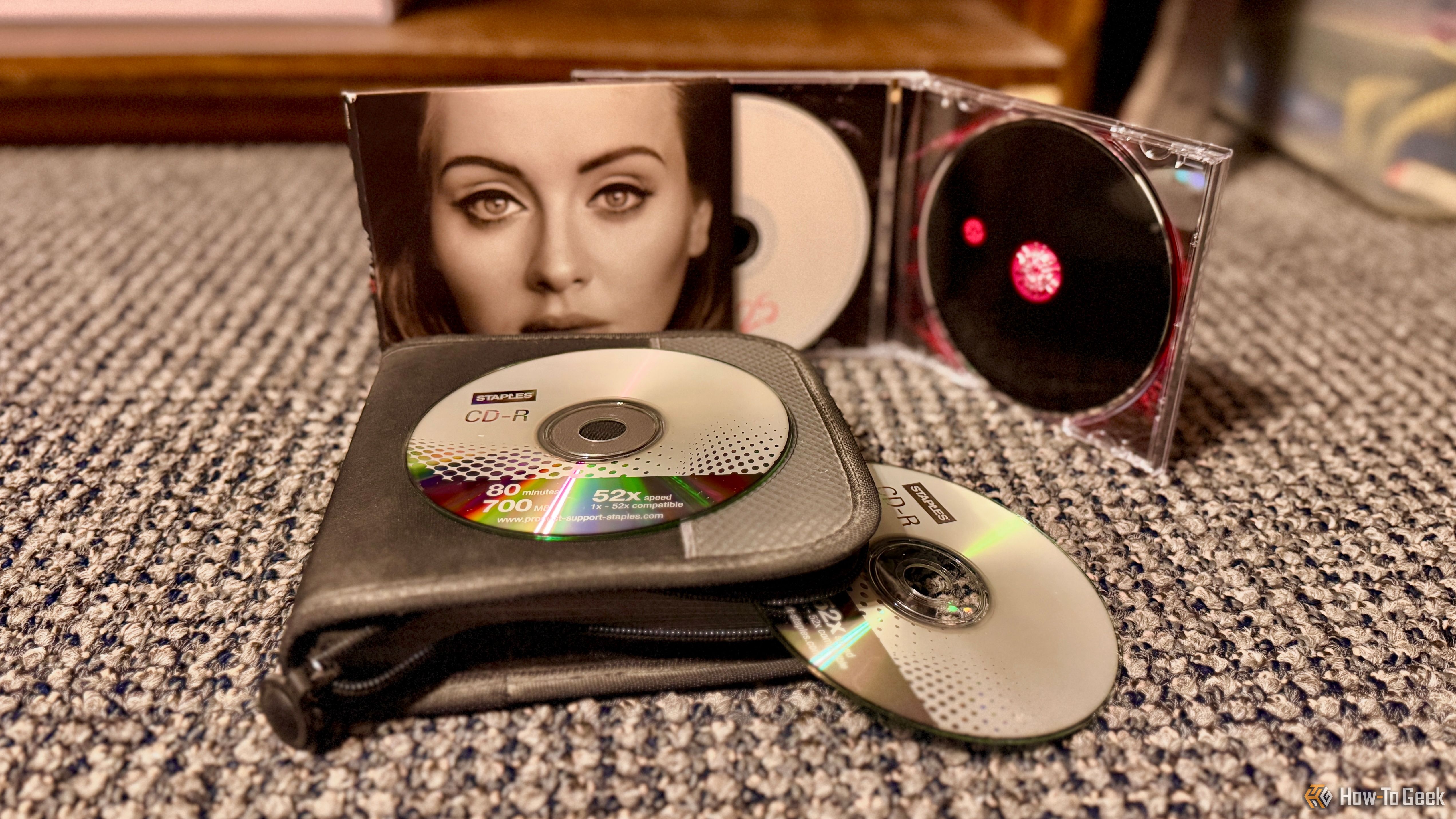
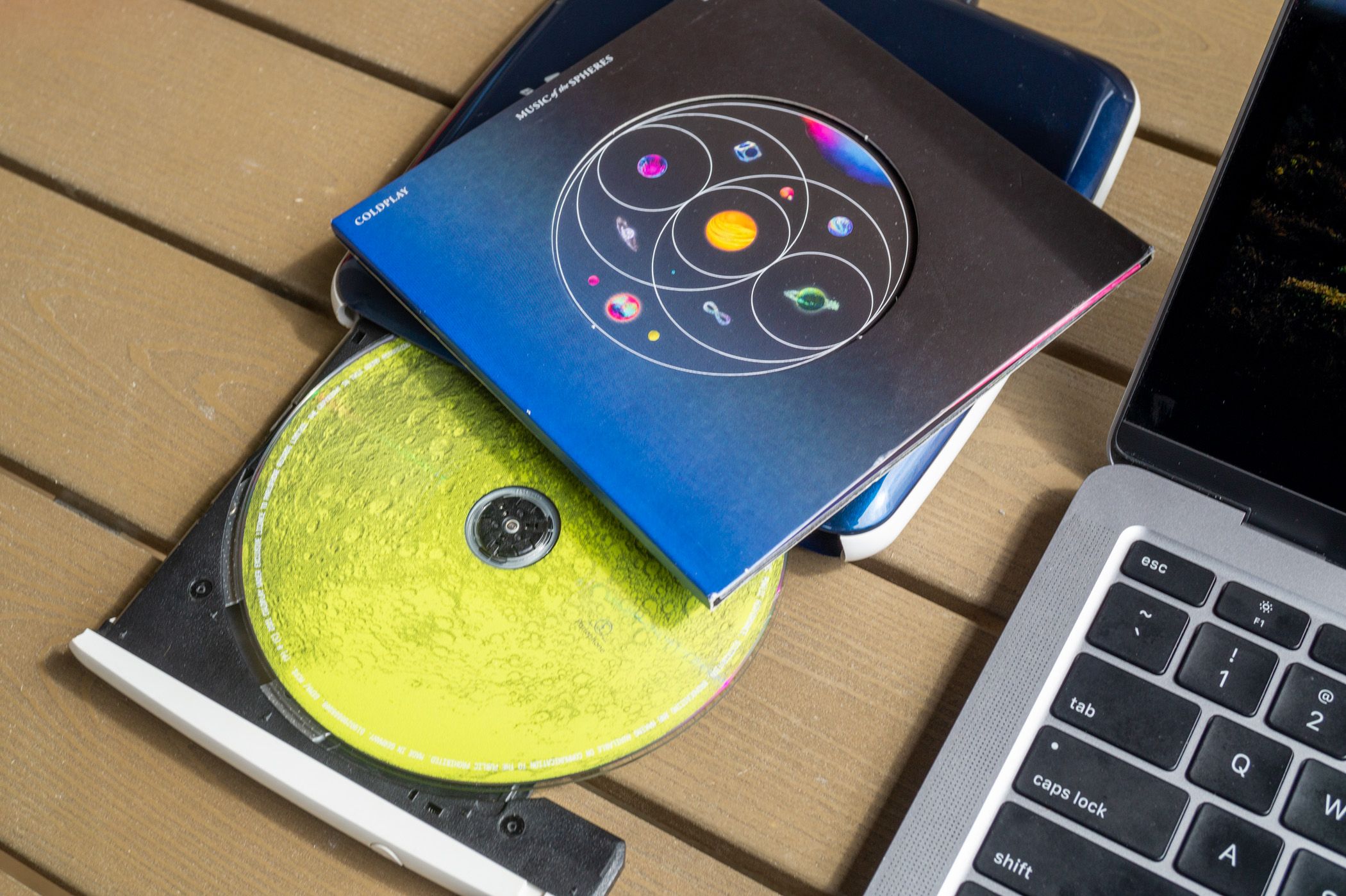
Blu-ray may very well be the last physical media we get when it comes to video content, but if history had gone just a little differently, it would be HD-DVDs being frantically collected by media nerds today, and not Sony's gift to image quality purists.
Back in 1997, a few years after video game consoles and computers had fully embraced CD-ROM technology, a new optical format standard known as DVD-RAM was finalized.
Happy belated July 4th to all the readers from the United States — hopefully you aren’t reading this from a hospital bed after losing a hand or burning off your eyebrows. While we suspect amateur firework shows and their related injuries will be around for many years to come, we did note that many major cities switched over to drone shows this year.
At least on paper, the appeal is obvious. Beyond the fact that drones are safer and quieter than pyrotechnics, they’re also capable of far more complex displays. Good luck trying to draw George Washington’s face in the sky with exploding rockets. But even if it’s a little more than nostalgia, there’s still something about the sights and sounds of fireworks that enthrall audiences. For many, the whole “rockets’ red glare” thing is a bit more meaningful than the “drones’ red LEDs.”
Earlier this week, we brought you news that Sony would stop producing physical PlayStation discs in January 2028. Many gamers are understandably concerned about the long-term implications such a move will have for software ownership, and while the negative reactions online haven’t bothered Sony enough to get them to amend their plans, they have clarified the situation with developers by explaining that games published before the cutoff date aren’t impacted. So if a developer has a hit title that drops in the summer of 2027 and they want to keep cranking out discs, additional orders can still be placed. Not much of a reprieve, but it will give the community a little more time to figure out what comes next.
While plenty would argue that the death of physical media has been exaggerated, the same can’t be said about 3D TV. Engadget has a piece that goes over what went wrong with 3D home media, and not all of it is on the technical side. Of course, a big part of the problem was the glasses — they were goofy and added per-viewer expenses that consumers weren’t thrilled with. But some of the blame also has to be put on Hollywood and the content they were putting out.
There were a few big-name movies like Avatar that were filmed in 3D, and computer-generated films could be rendered to take advantage of the third dimension, but the rest were lazy at best. Getting folks to spend thousands on a 3D-capable home theater was tricky enough, but asking them to do it if there were only a handful of movies worth watching on the thing was simply asking too much.
Speaking of tech heading off into the sunset, it looks like the end may be near for Amazon’s Mechanical Turk service, as they’ve announced they’ll no longer be taking new customers after this month. For those unaware, Mechanical Turk connected bored humans with customers that had repetitive tasks they needed completed. Think of somebody spending an afternoon sorting images and making a few cents a pop.
When the service launched 20 years ago, tasks like this were difficult to automate, and it made sense to pay humans to do it. But in the age of AI, it comes as no surprise to hear Amazon is looking to wind things down. Existing Mechanical Turk users will be able to continue using the service after July, but with no new jobs coming in, the writing is clearly on the wall.
Finally, things seem to be going well so far for the Neil Gehrels Swift Observatory rescue mission. On July 3rd, the robotic LINK spacecraft that will eventually link up with the Observatory and push it into a higher orbit was successfully air-launched aboard a Northrop Grumman Pegasus XL rocket. Teams on the ground have already made contact with the rescue vehicle and are performing health checks on it before committing to a rendezvous with the ailing Swift.
LINK will attempt to push the Neil Gehrels Swift Observatory into a higher orbit.
Once it has attached itself to Swift, LINK will push it up to an altitude of around 640 km (400 miles), which should keep it from burning up in the Earth’s atmosphere for another decade or so. We’ve had our eye on this ambitious mission for some time now, and will keep you updated as it progresses.
See something interesting that you think would be a good fit for our weekly Links column? Drop us a line; we’d love to hear about it.
Sony has just announced on their PlayStation blog that they will stop the production of game discs starting January 2028. This effectively means a shift away from physical media to one that fully relies on downloading content from the PlayStation online store.
Although not technically confirmed, this announcement would strongly indicate that the PlayStation 6 will do away with its optical drive altogether as previously speculated. Of course, physical media has long since been on the ropes, particularly when it comes to gaming. Valve’s recently released Steam Machine doesn’t feature an optical drive, and for that matter, neither does the average gaming PC these days. But it’s still disappointing to see in many ways.
Although digital downloads have their advantages, a major problem here is that due to Digital Rights Management (DRM) you only ever get a license to lease a game. This means losing the ability to lend or borrow a game, and will likely mark the end of second hand sales. With narrow exceptions such as Good Old Games (GoG) and its DRM-free installers that you can e.g. burn onto a CD or copy to a USB drive as a static instance of the software, this shift by Sony effectively ends game ownership for PlayStation owners.
Sony announced on Wednesday morning that it plans to phase out physical media for future PlayStation games, which is a massive market disruption for an already reeling games industry. It ends trade-ins and lending, raises the overall price of entry for the PlayStation ecosystem, and turns your shelf full of games into licenses that can potentially disappear.
The news came via a post on the official PlayStation blog by senior communications director Sid Shuman. As of January 2028, all games for PlayStation platforms will only be available in digital formats, such as direct downloads.
“This is a natural direction for Sony Interactive Entertainment to adapt to consumer trends as the general preference for digital media significantly outpaces physical discs,” Shuman writes. “This transition will enable us to align more closely with how most of our community prefers to access and play games today.”
Analysts have expected an announcement like this for some time. As per Circana senior director Mat Piscatella, physical media sales in gaming have been on a steady downward turn since their peak in 2009, hitting an all-time low in 2025. In fact, several companies have sprung up since then that treat physical games as an exclusive collectible, such as Limited Run, Lost in Cult, and Videogames New York.
US new physical video game software spending. 12 months ending May 2007-2026:
It’s not hard to see why Sony would make this move. We’re approaching the point that would usually mark the end of the PlayStation 5’s life cycle. Were it not for the ongoing component shortage, we’d likely have heard more about the PlayStation 6 by now. An all-digital PS6 theoretically uses fewer parts and the games are cheaper to publish, which lowers the per-unit cost for Sony as it develops the new hardware.
However, Sony’s decision to sunset physical media in a year-and-a-half is faster than most analysts’ craziest predictions, most of whom figured it’d take at least another decade to fully phase discs out. Even at its lowest point, per Circana’s math, physical media in video games represents $1.9 billion in consumer sales. That’s not insignificant.
Sony’s competitors have yet to react in any significant way. Microsoft’s next-generation Xbox, currently known under the codename Project Helix, is rumored to be an all-digital system, and Microsoft has famously been trying to get out of the physical media business since at least 2013.
That year, Microsoft announced at E3 that the Xbox One would have significant measures in place to keep players from reselling their physical games, which led to widespread outcry online. The next day, Sony’s president went onstage and proclaimed the PS4 would do none of that — which gave it a big head of steam going into a console generation Sony went on to win.
Thirteen years later, Sony is making Microsoft’s old bet.
The irony is that Sony itself underscored one of the biggest issues with ditching physical media last Sunday. On June 26, Sony sent a number of users in the United Kingdom an email to notify them that due to the end of a license agreement, 551 shows and movies that were previously available on the PlayStation Network would be removed from the service. Consumers who’d previously thought they’d made a purchase were suddenly informed that it had actually been a multi-year rental.
That’s the central problem of the streaming era for end users: you only have anything in your digital library for as long as the library’s owner decides you do. An all-digital future means you own nothing. At best, you have limited viewership rights that can be revoked at short notice.
Most worryingly, however, the shift to an all-digital future effectively raises the cost of entry to the console market, at a point when the price of gaming is already rising. If there are no physical discs for the PlayStation 6, then you can’t swap discs with a buddy or defray a purchase by trading an old game back to a store.
This is a relatively sudden disruption to the console market, and through it, to the games industry as a whole. It’s likely to have a series of knock-on effects for the next few years, and sets an early tone for the upcoming 10th generation of console hardware.
While it’s still possible that consumer outcry could get Sony to reverse course here, or offer some intermediary solution like USB disc drives, the end of physical gaming media has analysts and players alike asking a lot of tough questions about costs, preservation, and consumer convenience. The games industry is changing faster than expected in 2026, and is likely to be nearly unrecognizable by this time next year.