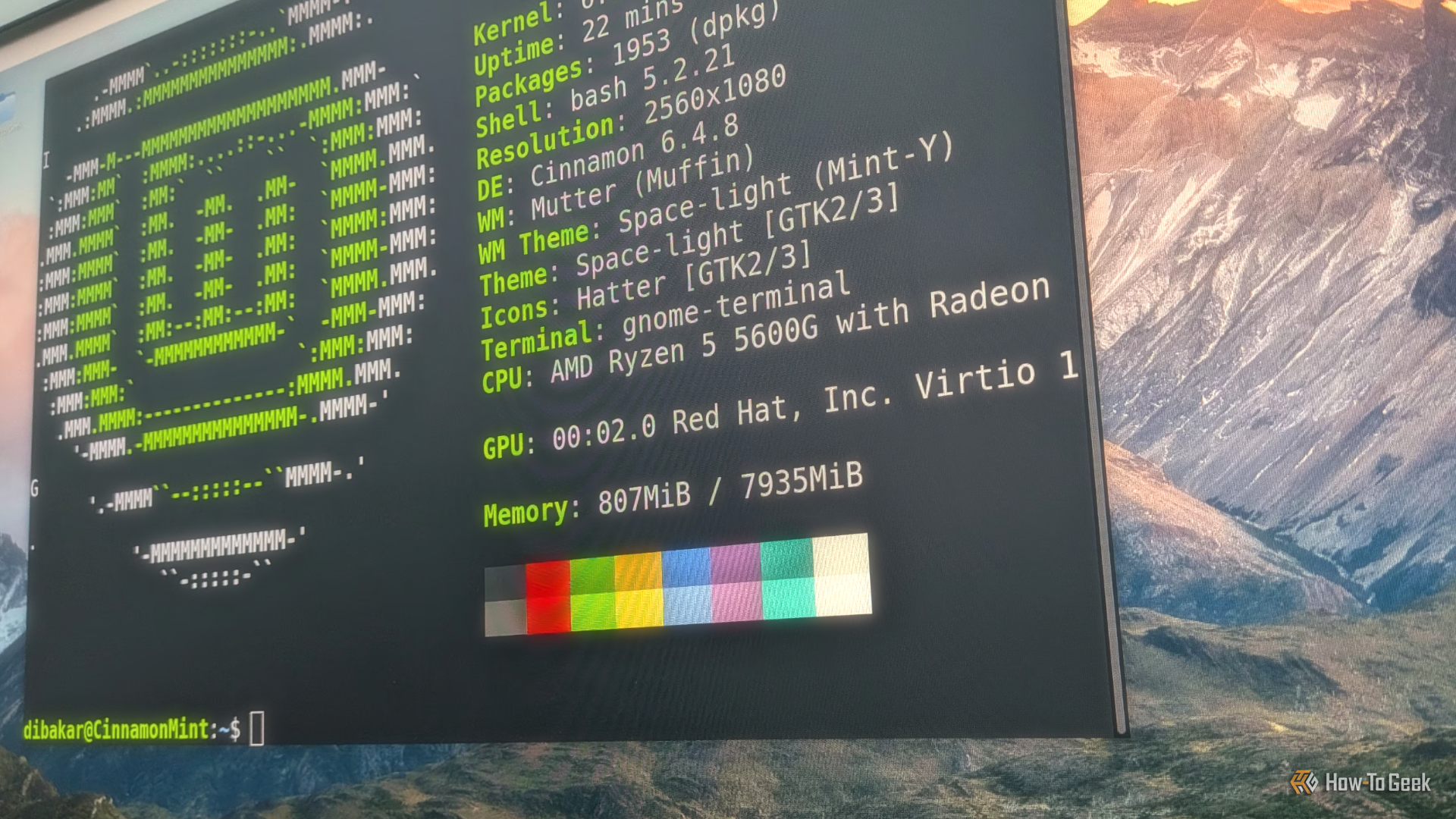
If you're new to Linux, or you've happily existed in Mint's easygoing ecosystem for years, you might want to hear what its downsides are. That comfortable feeling may cost you dearly.
Welcome back, aspiring cyberwarriors and OSINT investigators!
Today, we’re diving deeper into the world of social media OSINT, focusing specifically on TikTok. What started as a simple short-video app has rapidly transformed into a major global player, boasting over one billion active users who are constantly creating, sharing, and engaging with content at an unprecedented rate. While many view TikTok purely as a source of entertainment, this article will uncover how we can leverage various tools to gather valuable insights, including location data, network connections, and metadata. So, let’s get rolling!
Step #1: Decoding TikTok URL Metadata
Let’s dive into our first tool, Unfurl. This tool wasn’t created specifically for TikTok, but it’s useful for quickly gathering basic information about videos. Its name perfectly describes its purpose: it unfurls or unravels URL structures to uncover the valuable information embedded within them.
When you share a TikTok video, the URL carries much more than just a simple link to the content. TikTok encodes identifiers, timestamps, and metadata right into the URL, often in formats that aren’t easily decipherable at first glance. Unfurl takes these URLs and translates the embedded data into clear, visual formats, making analysis much more straightforward.
The interface is simple. Paste any TikTok video link into this field and click the Unfurl button. The tool processes the URL and generates a tree diagram showing all extracted metadata.
The screenshot above shows that we have extracted the video ID, a unique identifier assigned to each video on the platform. Additionally, the author’s username and timestamps embedded in TikTok URLs indicate when the content was published. Unfurl processes these timestamps from their encoded formats and translates them into easily readable dates and times.
It’s very simple, but it can sometimes be useful when doing an investigation. Just paste the link, and you’ll get the date and time.
Step #3: Gathering TikTok Account Intelligence
Let’s shift our focus to account-level insights rather than just individual video metadata. To do so, there’s a website called omar-thing.site that can help.
To begin, simply enter the username of the account you wish to explore and submit your query.
The results start with the avatar, which can be downloaded for further analysis. The account name and display name are extracted separately.
The account location is shown as the country where it was registered or where TikTok believes the user is based, in this case, Belarus. The account’s language is also listed.
Below that is the bio (blurred here due to ads), followed by key stats and details: the permanent user ID, creation date, dates of any username changes, and whether the account is private or public.
At the bottom of those details, we can find lists of followers and of those being followed. We can click to explore them further or download the information for analysis later.
Summary
By using a few simple tools, you can uncover a wealth of valuable information from TikTok. This article serves as a starting point for exploring this social media platform not just as a source of entertainment, but also as a treasure trove of insights.
If you’re looking to enhance your OSINT skills beyond just using these tools, consider exploring OSINT training. If you need assistance in uncovering the truth, don’t hesitate to reach out to us at hackers-arise@protonmail.com, and we’ll conduct a comprehensive OSINT investigation for you.
This epic roasted garlic chili coconut tofu sandwich stars this toasty, flavor-packed chili-garlic-coconut chutney(Indian Vada Pav Chutney) that coats the tofu paired with this creamy, herbed yogurt sauce and tangy pickled cabbage. 18g Protein 7g fiber!
I am so excited to bring you another sandwich in my series of reimagining sandwiches inspired by popular Indian street food! This one is spicy, nutty, coconutty, sweet, crunchy, creamy, and tangy all at once. It’s such an incredible combination of flavors and textures. Don’t miss all the summer sandwiches in the series! These are some of my best sandwiches, Big flavor, and nutrient dense! Watch me make them on my YouTube channel! 🌶️
These stacked, make ahead friendly sandwiches and the Indian jalapeño popper toasts (15g protein per toast!) and my Indian crispy Chikin tofu sandwich, all pack incredible flavor and also Protein and fiber!
We’re going to make this chili garlic coconut chutney, which is a dry condiment (lasun chutney) often found in vada pav, a popular Indian sandwich. Vada pav usually has that chutney and a green chutney, and then there is this fried fritter of potatoes that’s tucked into bread. It’s so delicious.
I’m taking that amazing chutney and adding it on top of some tofu slices and baking them, then using them to fill up the coconut tofu sandwich. We’re piling them high in the sandwich along with a creamy, cooling, herby yogurt sauce as well as some tangy pickled cabbage. You can also use other pickled vegetables in this sandwich and add some roasted veggies, as well. This is a very flexible sandwich.
The main flavor component of this coconut tofu sandwich is that chili garlic chutney, so don’t skimp on it. Definitely make that chutney, and don’t skimp on the garlic or the chili when you do. They give it an amazing flavor.
You want to use super firm tofu for the best results, but extra firm tofu works, as well. I like to slice it thin, almost like deli slices, because the more surface area, the more flavor you get from all of that chutney.
The chili garlic chutney has loads of garlic that gets toasted, then process it up with toasted sesame seeds, peanuts, toasted coconut, and a good amount of Kashmiri chili powder. I use Kashmiri chili powder a lot in my Indian recipes. If you don’t have it, you definitely need to get some. It has a very distinctive flavor and isn’t overly hot, so you can use it in non-Indian recipes, as well, in place of paprika. It adds beautiful color and amazing flavor. You can find Kashmiri chili powder online or at Indian grocery stores.
We make the yogurt sauce with yogurt, herbs, lime juice, and a little maple syrup to balance the savoriness. The pickled cabbage is simply cabbage pickled with vinegar, salt, sugar, and pepper flakes. You can use the same ingredients to pickle other vegetables, like cucumber, radishes, or onions, as well.
This sandwich has amazing flavors and textures in every bite!!!
Why You’ll Love this Coconut Tofu Sandwich
toothsome tofu smothered in toasty, flavor-packed chili garlic coconut chutney
creamy, herbed non-dairy yogurt sauce
crunchy, tangy pickled cabbage contrasts all of those rich, deep flavors

 Login
Login