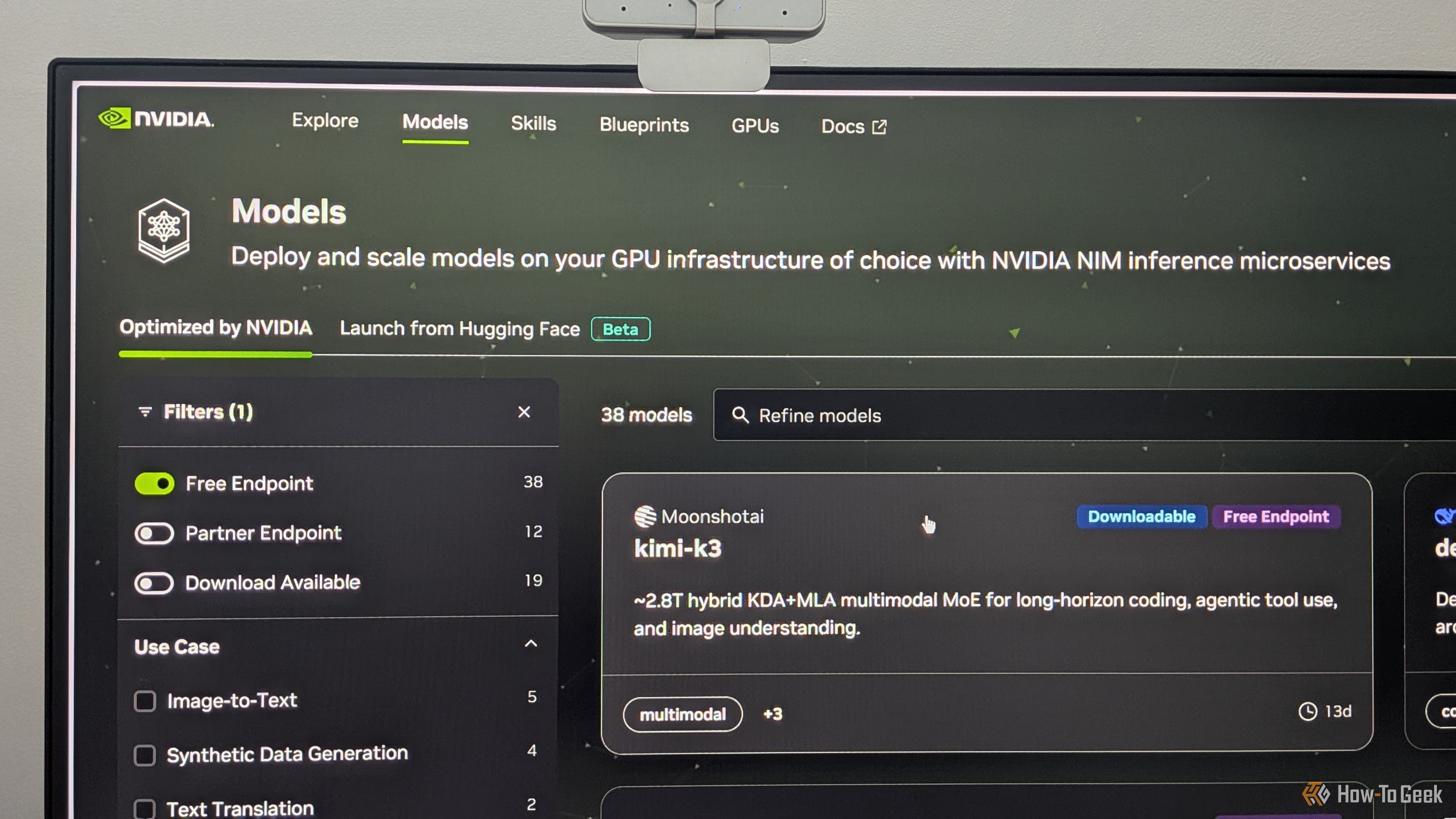
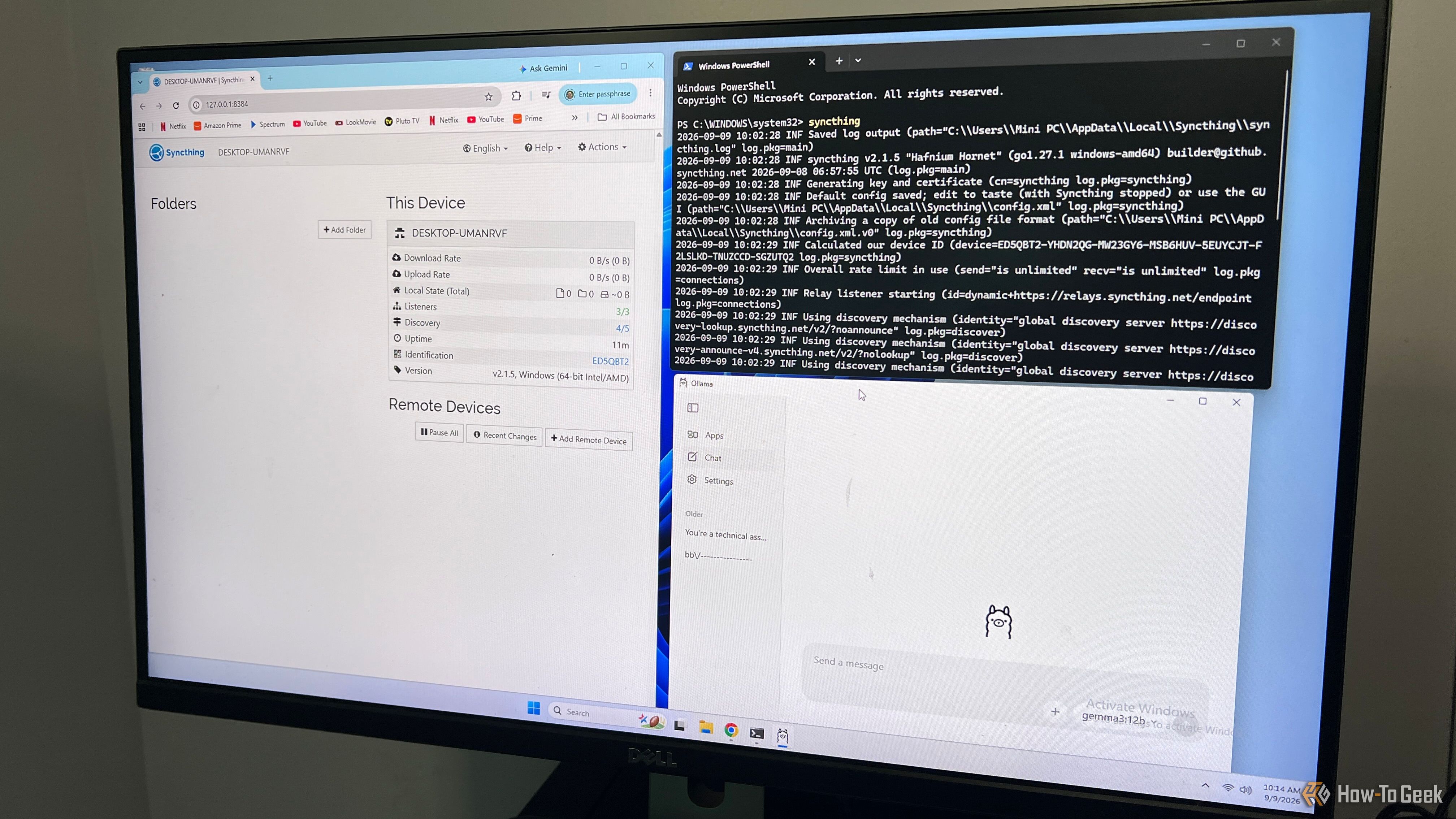
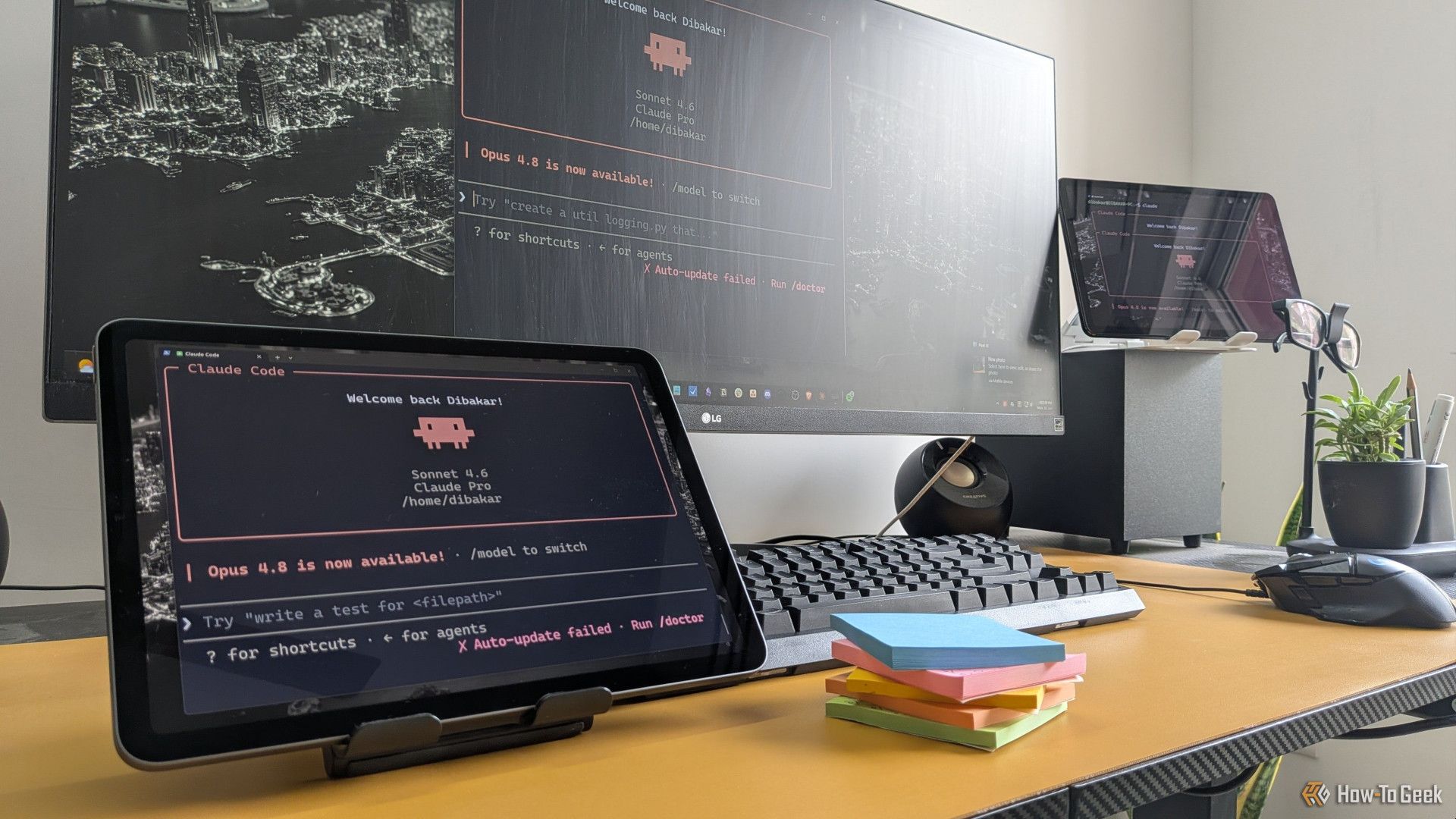
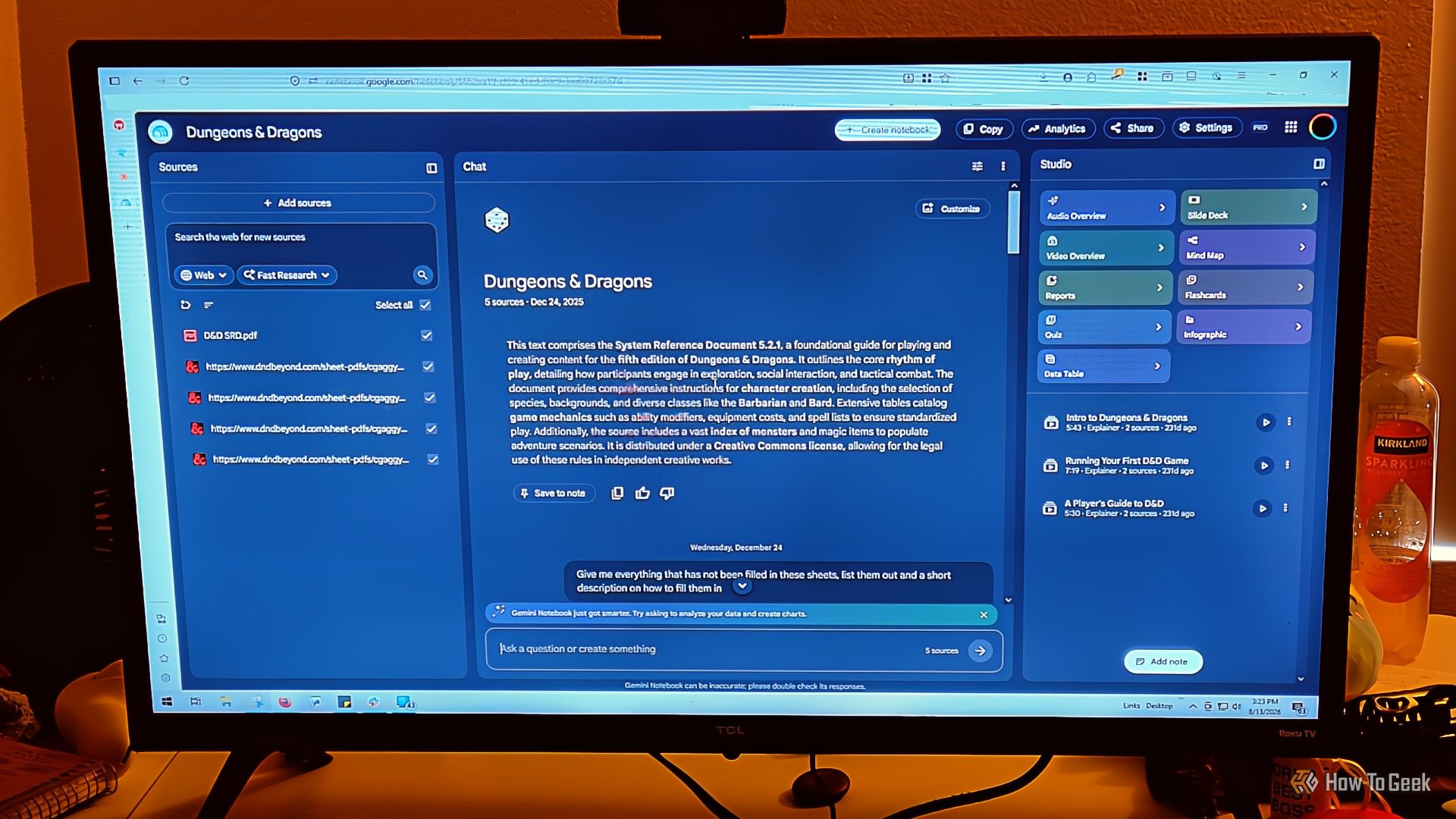
Large language models (LLMs) might be the most accessible and flexible technology we've ever had access to. By default, they're presented as chatbots—but that's just one way to interact with them. With the right prompts, you can transform an LLM into something that behaves like an entirely different app, complete with its own custom interface.
In an ideal world, the role of technology would be to make all of our lives easier. And although all the ads suddenly appearing in our smart TVs and gaming systems might make it seem otherwise, some technology can still improve our lives if we work hard at it. For [Cian], that meant training a neural network to read his gas meter so he wouldn’t have to do it himself.
The root issue here is twofold, first that [Cian]’s gas company hasn’t upgraded their own technology to modern, remote-readable meters, and second that the meter can’t be read by a gas employee because it’s hidden in the depths of [Cian]’s basement. This latter fact requires him to delve into Moria-like depths to get to the meter, so the solution here was to place a Raspberry Pi in this location instead. With a camera pointed at the meter, it’s not quite capable of discerning digits on its own so a neural network was trained in order to get accurate readings of the dial. And, finally, since the machine is networked already [Cian] set it up to automatically notify the gas company of its reading so he is now completely out of the loop.
For automating tedious tasks like these, the Raspberry Pi with something like OpenCV as a computer vision tool is a fairly mature platform for light machine learning duties like these. We’ve seen license plate readers as well as neighborhood traffic surveys built on these platforms to help automate human labor away, making our lives easier one single-board computer at a time.
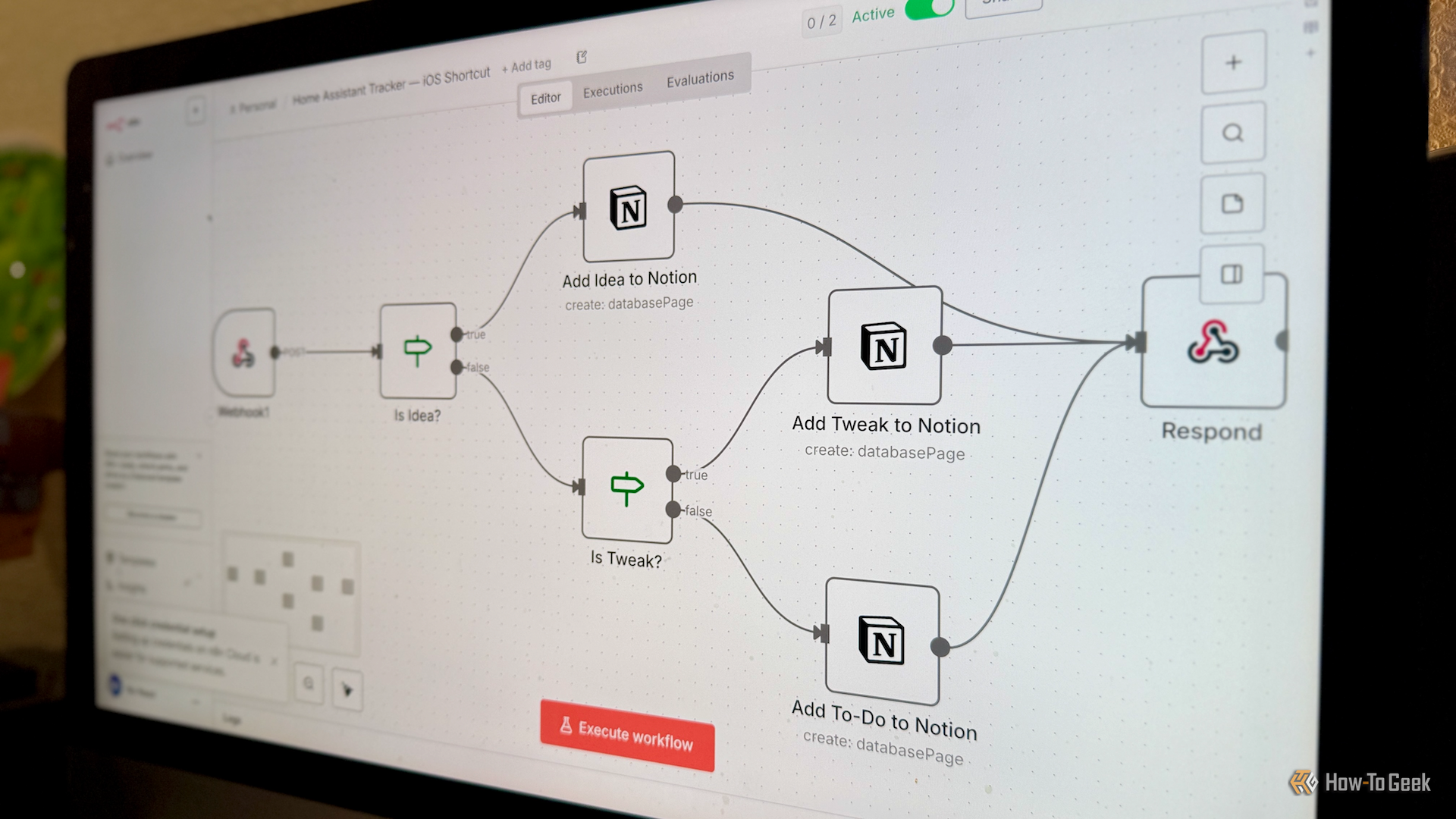
The way to use a chatbot is given in the name. They are designed to be used by having two-way conversations with the LLM using natural language. You type something into the chatbot, and it replies. In some cases, continually typing stuff into a chatbot isn't the most efficient way to do things, so I set up a system that does it for me.
We all know that Google and other big players pick and choose what information people see, but we sometimes overlook it outside of the search and social media space. [Lauren Leek] decided to take a look at how Google Maps picks winners and losers in the restaurant scene in London.
Building a machine learning model to determine a new restaurant recommendation (as one does), [Leek] uncovered interesting, and perhaps concerning, elements of how Google Maps ranks restaurants. Broken down by relevance, proximity, and prominence, many new restaurants face the issue of not drawing traffic without reviews and vice-versa causing a vicious cycle. Relevance and proximity are fairly straightforward, but what goes into “prominence?”
[Leek] found that “it is not just what people think of a place – it is how often people interact with it, talk about it, and already recognise it.” This leads to chains and high foot traffic areas awash in reviews while more out-of-the-way places find it more difficult to draw traffic. Some of this is expected and would be happening even when word of mouth was the primary way to find out where to eat, but as with many things, the algorithm amplifies this, along with the undisclosed paid placement of restaurants in Maps results.
While still in its infancy, [Leek] built a public dashboard where people can sort restaurants in the city. The machine learning algorithm is designed to identify places that are hidden gems that punch above their Google Maps weight and may make you look like the trendy one (if you live in London).
Zooming out further, [Leek] found larger clusters that revealed restaurant “diversity, in other words, is not just about taste. It is about where families settled, which high streets remained affordable long enough for a second generation to open businesses, and which parts of the city experienced displacement before culinary ecosystems could mature.”
An AI-led cyberattack breached limited Hugging Face datasets and service credentials, while public models, Spaces and published packages showed no signs of tampering.
I used to spend far too much time building and debugging complex Excel formulas. Now, I can describe a problem to AI and get a working answer in seconds. But when I asked ChatGPT, Claude, and Gemini for the "best" Excel formula, they all gave me different answers.
The more comfortable I get using AI to help me code, the more curious I become about how the major platforms compare when they're given the exact same job. It's easy to ask Claude, ChatGPT, or Gemini to create a simple app and come away impressed when something functional appears a few seconds later. But that doesn't necessarily tell you whether the code is secure, well structured, or capable of handling situations beyond the most obvious use case.
If there are three things folks typically know about me, it's that I love Linux, I'm an avid reader and I have a bit of an obsession with modding Kindles and Fire Tablets. I would say, "Hey, I resemble that remark!" and then wait patiently while no one catches the reference. One Kindle has eluded me all these years, but I finally found one: a Kindle Fire 7 (2012). I tried to mod it, with a little help from Claude.
Are you deeply invested in the Google ecosystem? Do you actively use Google Keep, Tasks, Calendar, and Drive in your day-to-day life? Individually, each of these is an excellent tool—minimal by design but solid in functionality. The only problem is that these apps are mostly isolated from one another. But if you add Gemini as an orchestration layer, all of these tools can start talking to each other. That's exactly what I did, effectively turning Gemini into my personal project management system.
When I first installed a local LLM, I expected to use it the same way that I'd been using ChatGPT. It soon became apparent that on my modest hardware, this wasn't going to work. By changing the way I use my local LLMs, they've become much more useful.
Windows has a way of breaking in ways that feel almost personal. What makes these issues so draining isn't that the problems are complicated; it's that the built-in tools Microsoft gives you to fix them either don't work or don't even come close to addressing what's actually wrong. I started handing these problems to Claude instead, to see if it can do more than just free up space on your Windows PC. I was surprised at how good it was at finding a reasonable solution.
AI promises to make tedious work easier, but I wanted to know whether it could deliver in real Excel projects. Rather than asking Claude for formulas or snippets of code, I tested whether it could handle three types of automation: creating a workbook from scratch, building a reusable reporting system, and developing a tool that analyzes existing spreadsheets. The goal was to see how much of the work Claude could handle and where I would still need to step in.
Popular AI chatbots such as Claude, Gemini, and ChatGPT can analyze data from spreadsheets and other uploaded files. You can upload spreadsheets and ask them to create summaries, find patterns, and more. I wanted to use ChatGPT to analyze my spending to see if it could find ways to save money, but I didn't want to upload my personal information to the cloud. Using a PII-detection tool and a local LLM, I was able to strip away the personal information before I uploaded my files.
Speaking is much faster than typing, and while it’s an increasingly convenient way to interact with computers, it’s hardly private. Providing speech privacy in a way we haven’t seen before is this prototype tongue-reading system that uses machine learning and ultrasound to read tongue movements and turn them into decoded speech. Not only can a user speak without emitting a sound, since it doesn’t read sound waves it’s completely immune to noisy environments.
Tongues are a far richer source of speech data than reading lip and mouth movements.
It turns out that tongue movements are a very rich source of information about speech, and an ultrasound probe under the chin takes very clear video of a tongue. With a dataset consisting of only around 50 hours of training data, the system has a 15.6% error rate and generalizes across different speakers (as long as they speak with similar accents).
That error rate may seem high at first glance, but keep in mind this is for a prototype system built in a month around a relatively small training dataset. All indications are that better results are just a matter of better training.
Probably the biggest drawback at the moment is the size of the ultrasound probe and the way it must be held under one’s chin like a contact microphone, but at the moment the probe is an off-the-shelf model that is hardly optimized for either size, weight, or wearability. If the system seems promising enough, a probe resembling an adhesive patch might even be possible.
The density of WiFi access points in modern cities has now reached a point where a large-scale surveillance system may be able to identify almost anyone who walks near a router, even if that person is not carrying a mobile phone. Researchers from the Karlsruhe Institute of Technology (KIT) have published a scientific paper describing this kind of system and the technology that makes it possible.
At the center of this surveillance method is a feature called beamforming, which first appeared with the WiFi 5 (802.11ac) standard in 2013–2014. The basic idea was introduced with WiFi 5, but it became much more refined and effective with WiFi 6 (802.11ax), where the technology matured into something more practical.
Beamforming
Beamforming, also called spatial filtering, is a signal processing technique used to send and receive wireless signals in specific directions rather than spreading them evenly in every direction. In simple marketing language, this is often described as a router that “does not broadcast equally everywhere anymore, but instead follows the user with a focused beam.” That description is not wrong, but it leaves out the technical depth behind the idea.
Beamforming
From an engineering point of view, beamforming works by combining several antennas into a group called an array. When the signals from these antennas are timed and lined up correctly, they boost each other in certain directions. In other directions, they cancel each other out. The result is a signal that is far more focused and efficient than older systems, which simply broadcast outward in every direction at once.
Beamforming gives both senders and receivers the ability to focus on signals coming from one direction while blocking out noise from others. Because of that, the technique is used not only in WiFi, but also in radar, sonar, seismology, wireless communications, radio astronomy, acoustics, and biomedical engineering.
Identifying People Through WiFi Signals
As radio waves move through space, they do not simply travel in a straight, clean line. They interact with the world around them in many different ways. They can pass through objects, reflect off surfaces, become absorbed, become polarized, bend around obstacles, scatter in different directions, or refract as they cross boundaries between materials. This means that when a WiFi system sends a signal and later receives it back, the final result contains information about everything the signal encountered along the way. By comparing the expected signal with the received one, it becomes possible to measure interference and use that information to correct transmission errors. But that same interference also reveals details about the environment itself.
For example, when a person enters the path of a WiFi signal, the signal changes. Human bodies affect radio waves in measurable ways. The signal may weaken, shift, scatter, or behave differently depending on movement, posture, and position. If researchers analyze these changes carefully, they can infer a surprising amount of information about the surrounding environment. They may detect whether people are present, what they are doing, and in some cases even who they are.
This whole research area has grown into a separate field known as WiFi Sensing.
Most WiFi Sensing research is presented as useful and harmless, and in many cases it really is. It can support smart-home features, occupancy detection and other practical applications. But the privacy concerns are obvious. When these methods are combined with activity recognition and the massive spread of WiFi hotspots, they can reveal highly sensitive information. One of the most troubling possibilities is that someone could be identified in the range of a hotspot and then tracked over time without ever knowing it.
Using Channel Information for Identification
There are several ways a person can be identified through WiFi. One important method relies on analysis of Channel State Information (CSI), which is sent at the physical layer of WiFi communication. CSI is detailed and useful for WiFi sensing. It gives a rich picture of how the wireless channel behaves. The problem is that CSI is not always easy to access. In many cases, it requires modified firmware and specialized hardware support, which limits how widely it can be used in practice.
Comparison of CSI-based identity recognition methods
The table above compares roughly 25 different systems, evaluating them across several key dimensions. The Paper column lists the name of each system, while the Identities column shows how many different people each system is capable of distinguishing between. The Accuracy column then reflects how reliably each system correctly identifies a person. On the technical side, the Pre-Processing column describes the signal processing techniques each system applies to clean and transform raw WiFi data before passing it to a machine learning model, and the Model Architecture column identifies what type of model is used. The Perspective column shows how subjects were positioned or moving during data collection, such as standing orthogonally, performing gestures, or typing keystrokes.
Beamforming entered the picture for a different reason. As mentioned earlier, it was introduced in WiFi 5 to improve throughput and make wireless communication more efficient. But beamforming also depends on environmental information that is similar to CSI. The difference is that this information is gathered on the transmitter side rather than the receiver side.
Comparison of BFI-based WiFi sensing methods
The key new dimensions here are the Inference column, showing the wide variety of tasks these systems tackle, from respiratory rate monitoring and crowd counting to sign language recognition.
In a typical beamforming setup, client devices send something called Beamforming Feedback Information (BFI) back to the access point. BFI is a condensed snapshot of current signal conditions. It tells the access point how the wireless channel looks so that it can adjust its transmission for better performance.
The key difference between CSI and BFI is that BFI is transmitted back to the access point without encryption. This makes it much easier to collect using standard, off-the-shelf hardware, without needing any special software modifications. That significantly lowers the bar for potential misuse. The privacy concern gets even more serious when you consider that the IEEE is already working on making WiFi sensing an official standard through the upcoming 802.11bf update and based on the current draft, without putting strong privacy protections in place.
Researchers at KIT showed that people can be identified using only BFI data, even when they are not carrying a smartphone or any other wireless device. The method does not depend on a person bringing along a tracked gadget. It works using ordinary WiFi devices already present in the environment and already communicating with one another.
Placement of TP-Link Archer BE800 access points, measurement locations, and participant walking routes in the WiFi-based identity recognition experiment
As radio waves move through space and interact with the human body, they create patterns that can be captured, analyzed, and compared. In that sense, the process starts to resemble imaging, almost as if the wireless system were building a rough picture of a scene without using a camera. The result is not a photograph in the normal sense, but the data can carry enough structure to support identity inference.
WiFi Routers as Silent Observers
“The technology turns every router into a potential surveillance device,” says Julian Todt, one of the study’s authors. “If you regularly walk past a café that has a WiFi network, you could be identified without your knowledge and later recognized by government agencies or commercial companies.”
That is a serious warning, and it captures the core concern very well. Intelligence services and cybercriminals already have many easier ways to monitor people, including compromising CCTV systems or intercepting video communications. But wireless networks are different. They create a nearly invisible surveillance layer that already exists in a huge number of places.
Unlike earlier approaches that depended on LiDAR sensors or on reflection-based systems using walls, furniture, and human bodies, this method works with standard WiFi equipment. By collecting BFI data, researchers can build representations of people from several different viewing angles. These representations are then used to distinguish one person from another, even when the number of people is large. Once the machine learning model has been trained, the identification process can happen in just a few seconds.
BFI vs CSI accuracy as the number of WiFi packets increases. BFI reaches near-perfect accuracy almost instantly, while CSI requires hundreds of packets to approach similar performance
Experimental Results
The study involved 197 participants. The researchers reported that they were able to identify individuals with nearly 100% accuracy, regardless of viewing angle or walking style. That is an impressive result, but it did not come easily. To reach that level of accuracy, the model needed a substantial amount of machine learning training. Each person in the training set performed around 20 walking passes before the model was trained.
BFI vs CSI accuracy across different walking styles. BFI maintains near-perfect accuracy regardless of how a person walks or what they carry, while CSI struggles significantly when walking styles change
During the research two TP-Link Archer BE800 routers were used. The experiment relied on channels 37 and 85. It also used two non-overlapping 160 MHz channels in the 6 GHz band available under WiFi 6E. The hardware included Intel AX210 WiFi network adapters.
Accuracy of five WiFi identification systems as the number of people grows. BFId (BFI) and LW-WiID maintain near-perfect accuracy even at 170 individuals, while competing systems degrade sharply with FreeSense dropping to near 15% at scale
The researchers stress that the technology is powerful, but also potentially dangerous. The risks are especially serious in authoritarian states, where systems like this could be used for large-scale population surveillance. In such settings, the ability to identify people without their phones, without cameras and without obvious visible monitoring would be a major privacy threat.
For that reason, the authors strongly recommend that privacy protections and security safeguards be built into the upcoming IEEE 802.11bf standard from the start, rather than added later as an afterthought.
WiFi 6 Routers as Motion Sensors
In fact, WiFi-based sensing has become so effective that some modern routers already include motion-detection features right out of the box, and manufacturers openly advertise them.
Xfinity
Features such as WiFi Motion Detection allow homeowners to monitor activity inside their homes through mobile apps, using nothing more than changes in WiFi signal patterns.
A feature designed for convenience in a home can also become part of a much broader surveillance system when deployed at scale.
Related WiFi and Bluetooth Scanning Tools
As an additional note, several tools already exist that monitor wireless activity in nearby environments. They don’t work exactly the same way as the techniques we covered earlier, but they’re still useful.
Pi.Alert scans devices connected to a WiFi network, detects unknown devices, and sends notifications when devices unexpectedly disconnect from the network. It is often used as a practical awareness tool for keeping track of what is present on a home or local network.
WireTapper discovers nearby wireless signals, including WiFi networks, Bluetooth devices, hidden cameras, vehicles, headphones, televisions, and cellular towers. It gives the user a broader view of the wireless environment around them, which can be useful for awareness and inspection.
Video
We also have an video on this topic with Master OTW and Yaniv Hoffman. In the video, OTW explains how hackers can use SDR, AI, and Wi-Fi signals to detect human movement through walls, how the technology works, and talk about practical ways to defend against it. Feel free to check it out.
Summary
As modern routers gain advanced sensing, they can also become tools for observing and identifying people through the way their bodies interact with wireless signals. The KIT research shows that this is a practical technology that can identify individuals with remarkable accuracy using ordinary WiFi hardware. Although WiFi sensing can be valuable for smart homes and automation, it also raises serious privacy concerns. Privacy protections will need to become just as important as performance improvements.
If you’re interested in Wi-Fi security, our Wi-Fi Hacking training can help you gain the necessary experience. This attack vector is often underestimated, and many organizations are vulnerable to it. It is definitely valuable in penetration testing.