Lead Analysts: Prabhakaran Ravichandhiran and Jeewan Singh Jalal
The lure email has been received. This is a fabricated iCloud sign-in alert designed to feel like an official security notification, complete with a fake reference number and a display link that resolves to Apple's own domain."
Most phishing attacks pick a target and commit to a tactic. This one picks the tactic based on the target, which happens dynamically, per device, in milliseconds, without the victim ever knowing a decision was made.
Experienced coders and people who have never done so much as a "Hello World" exercise are all having a blast with vibe coding. That's the practice of telling an AI model in plain English what software you want to make and then watching it rattle off lines of code faster than you can read them.
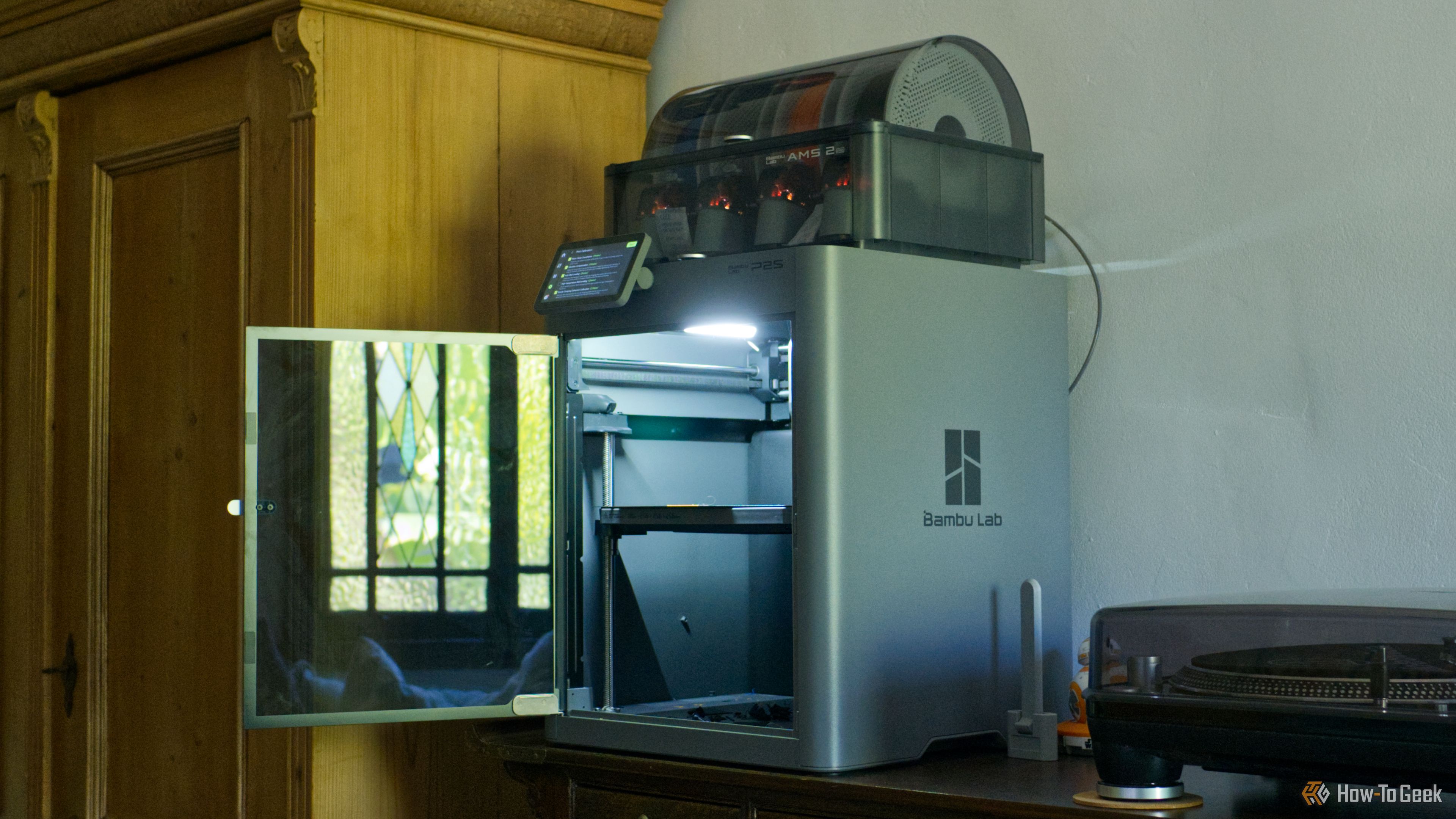
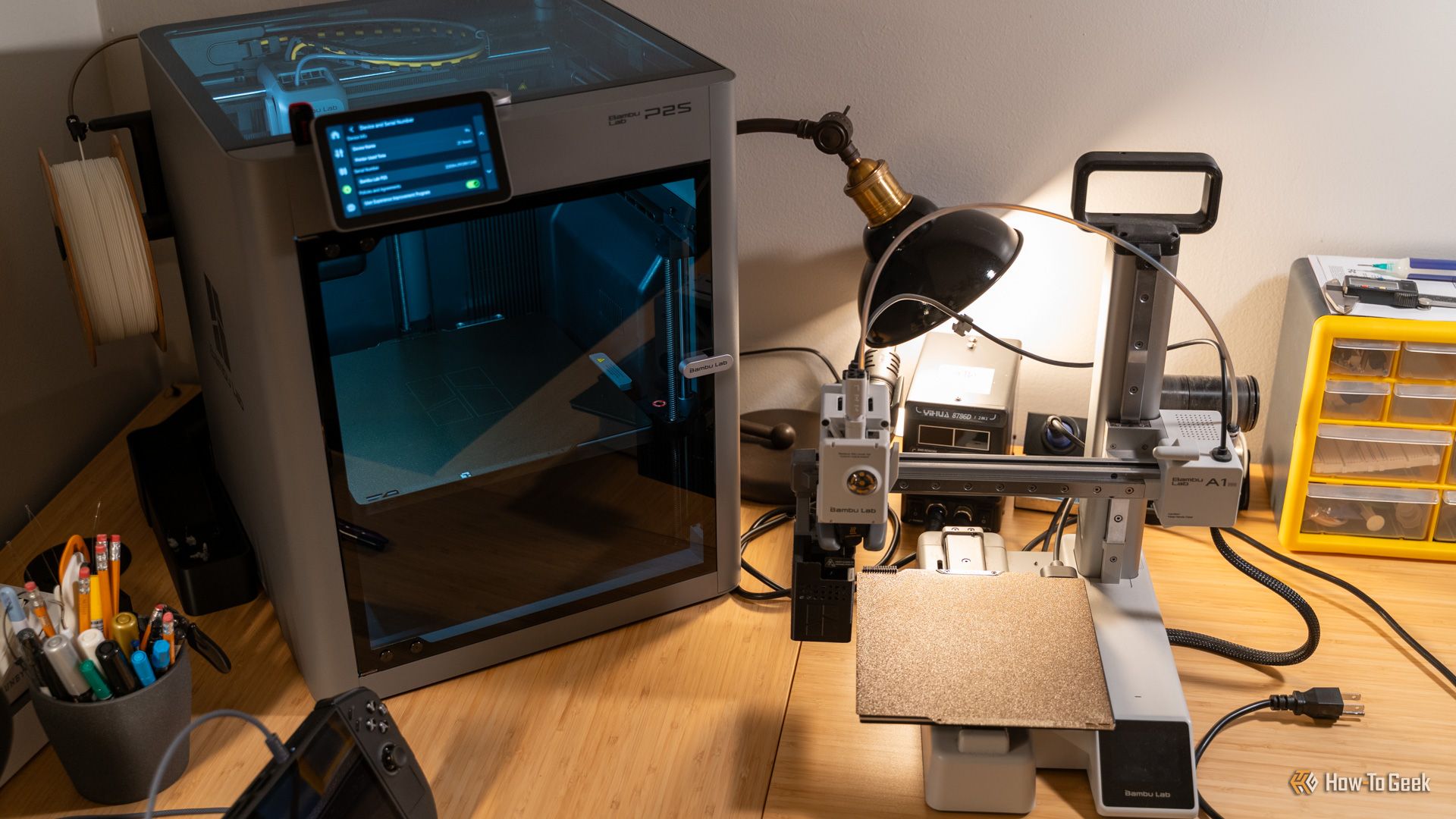
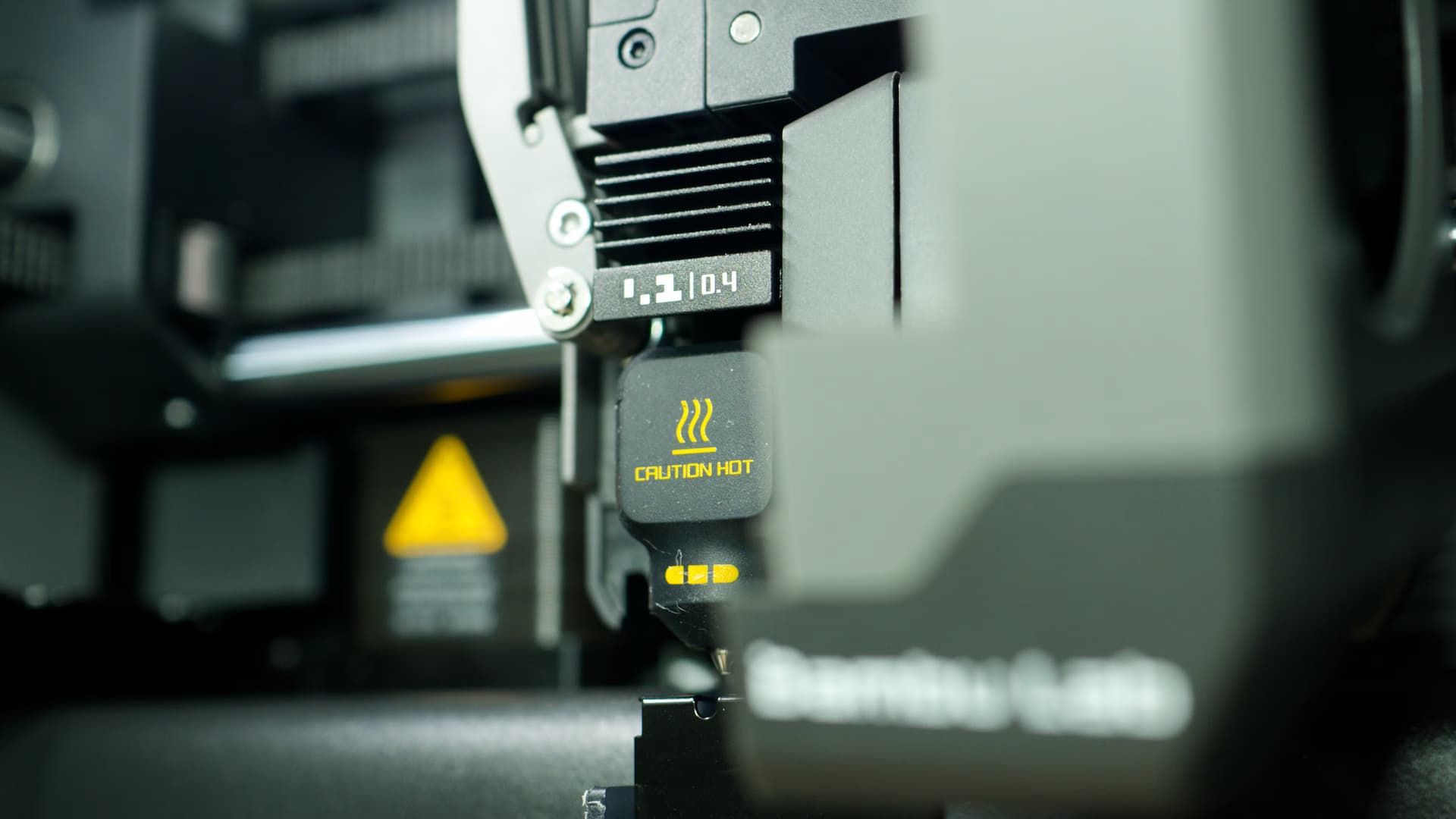
You might not have given much thought to the location of your 3D printer beyond making sure it fits somewhere. So what if you could print more and prevent problems simply by moving it to another room?
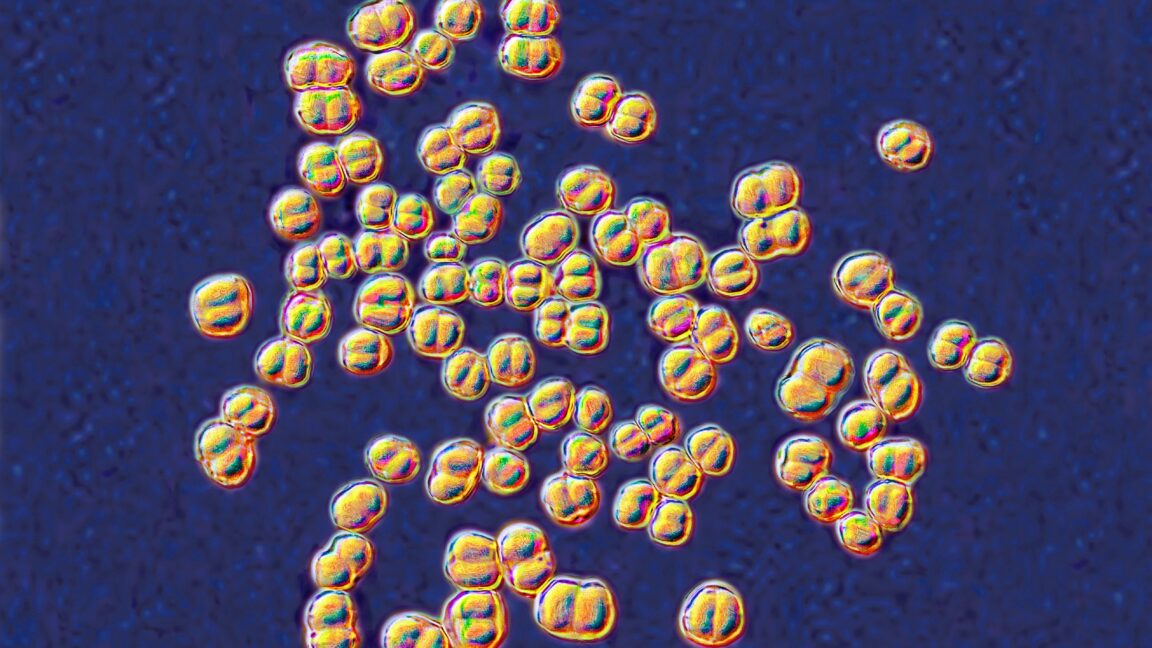
A bizarre series of events in a college microbiology lab class left 33 people—including students, professors, and lab workers—believing they were exposed to a deadly germ. Of those, 32 began taking an antibiotic regimen as a precaution to prevent a life-threatening infection. Two also underwent lumbar punctures—aka spinal taps—after developing mild symptoms.
But none of them had actually been exposed to a dangerous pathogen, a fortunate twist in the strange incident, which otherwise stands to be a cautionary tale for the ages. The incident was published in a recent issue of Morbidity and Mortality Weekly Report.
It began with a simple laboratory exercise. The microbiology lab students were supposed to be given mystery bacteria by their instructors and then identify the microbe based on a series of biochemical tests and morphological characterization.
Rocket Lab Corporation, the publicly traded space company known primarily for its small satellite launch vehicles, announced a $266 million multi-launch contract with the U.S. Space Force, the branch of the Department of War responsible for military operations in and through space, marking the largest single launch agreement the company has ever secured. The deal […]
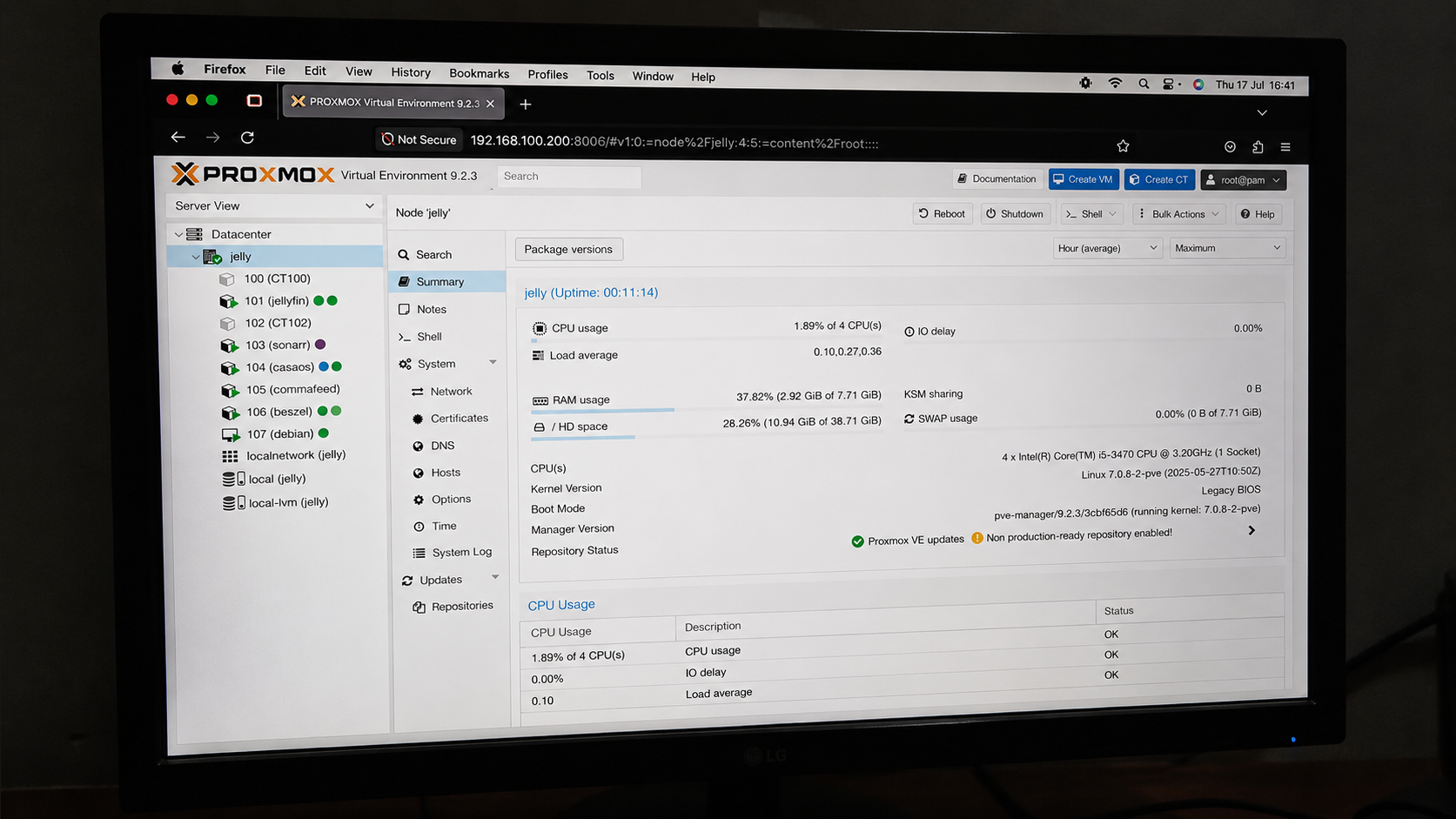
Self-hosting has become easier than ever. Docker Compose, one-click installers, and container-focused operating systems make it possible to deploy dozens of applications in minutes. For many people, that is enough. However, some self-hosted applications benefit from capabilities that containers cannot provide on their own. Features such as snapshots, GPU passthrough, advanced networking, PCI device assignment, kernel customization, and filesystem flexibility often make a virtual machine the better choice. This is where Proxmox stands out.
So you’re thinking about a second 3D printer. You’re enjoying the hobby to the extent that you’re rubbing up against limitations that can only be solved with a hole in your wallet.
Anyone building a homelab today has more choices than ever. A few years ago, Unraid was often the first recommendation for anyone who wanted to store files and run Plex. It made home servers approachable, especially for users who did not want to learn enterprise virtualization.
I got into self-hosting earlier this year after building my first NAS, and what started as a fun little hobby quickly turned into an addiction. The more apps I added to my Docker stack, the more value I got from the relatively small amount of money I spent putting everything together.
The market is stacked with compelling options for anyone considering a 3D printer, but three brands usually float to the top: Bambu Lab, Creality, and Prusa. These aren’t the be-all and end-all of the 3D printing world, but they earned their status for a reason.
Amazon is closing its San Francisco AGI site as part of the layoffs it made this week in its artificial general intelligence organization, but said its frontier model research lab will continue.
A company spokesperson confirmed the news of the site closure, which was first reported by The Information. Amazon’s frontier model research work will carry on under Pieter Abbeel, a UC Berkeley professor who joined Amazon in 2024 when the company licensed the technology and hired the team from Covariant, the robotics startup he co-founded.
The AGI Lab was founded in December 2024 and initially built around several dozen employees Amazon brought in from the startup Adept, including its co-founder and CEO David Luan.
The team grew to about 80 people at its peak, according to The Information, but more than a dozen of the Adept hires have since left, Luan among them. Earlier this week, Amazon confirmed it was cutting an unspecified number of jobs across the broader AGI organization.
Impacted employees will have the chance to explore other roles at Amazon, the spokesperson said, and the company is supporting them through that process.
Nova Act, the browser-agent model and service that came out of the group, remains available on AWS and in use by customers. More broadly, AWS has continued to build out its agentic AI lineup, including Bedrock AgentCore and applications like Kiro, Quick, Continuum and Transform.
The moves come as Amazon invests heavily in helping customers deploy AI, including a $1 billion AWS effort to embed engineers with businesses building AI agents. The initiative reflects an expanded industry focus toward putting agents and models to better use for customers.
Ransomware and phishing have always been linked, but the old model was blunt: a phishing email carried the payload, the recipient opened it, encryption followed within hours.
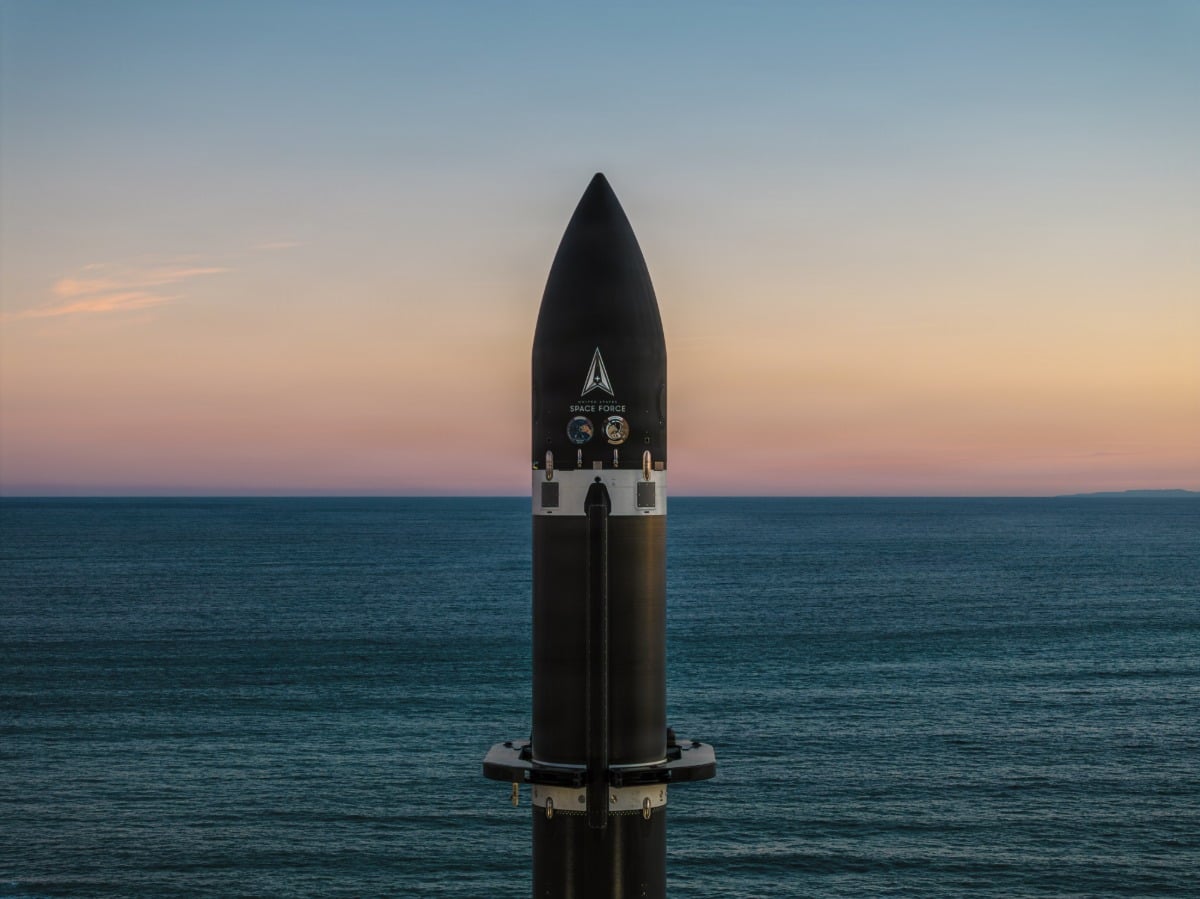
The Pentagon’s Space Systems Command awarded Rocket Lab USA a $266 million contract for suborbital launch services, according to a Department of War contract announcement, covering 12 confirmed launches with an option for six more, all to be conducted from the Pacific Spaceport Complex on Kodiak Island, Alaska, through the end of 2028. The contract […]
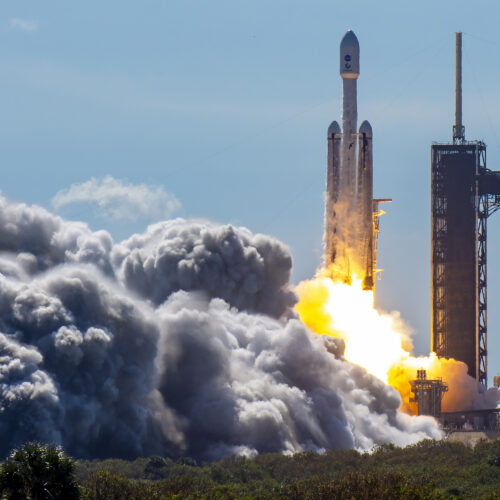
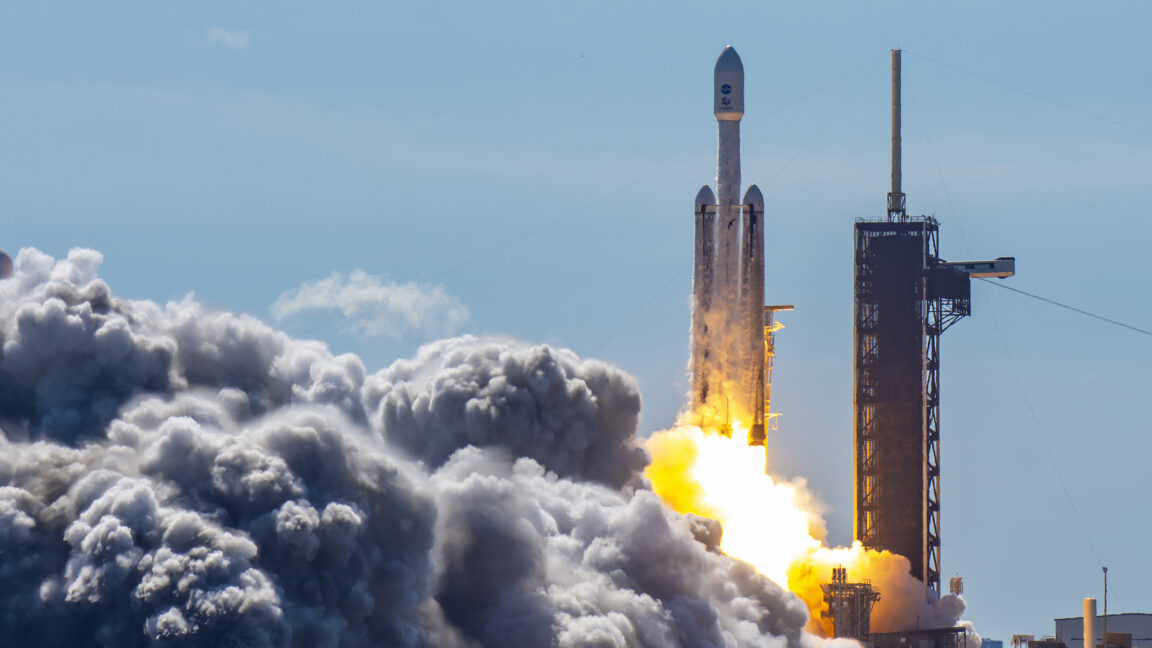
It seems as though $5.6 billion wasn't enough. That was the news from the US Space Force on Friday, when military officials announced they were tripling the maximum value of one of the service's National Security Space Launch contracts to $17 billion.
The expansion of the Space Force's National Security Space Launch (NSSL) Phase 3 contract comes as the Pentagon signals rising demand for military satellite launches. The NSSL program is set up to allow Space Systems Command, which oversees the Space Force's launch program, to select from a pool of launch providers for individual missions to deliver the military's satellites to orbit.
The NSSL program has two parts. Lane 1 covers the Space Force's more risk-tolerant missions, such as medium-lift launches with experimental payloads or rideshare missions carrying satellites for the Pentagon's surveillance or data relay constellations. Lane 2 includes higher-priority strategic missions, like the government's largest and most expensive spy satellites, or radiation-hardened communications satellites designed to survive a nuclear war.
It seems as though $5.6 billion wasn't enough. That was the news from the US Space Force on Friday, when military officials announced they were tripling the maximum value of one of the service's National Security Space Launch contracts to $17 billion.
The expansion of the Space Force's National Security Space Launch (NSSL) Phase 3 contract comes as the Pentagon signals rising demand for military satellite launches. The NSSL program is set up to allow Space Systems Command, which oversees the Space Force's launch program, to select from a pool of launch providers for individual missions to deliver the military's satellites to orbit.
The NSSL program has two parts. Lane 1 covers the Space Force's more risk-tolerant missions, such as medium-lift launches with experimental payloads or rideshare missions carrying satellites for the Pentagon's surveillance or data relay constellations. Lane 2 includes higher-priority strategic missions, like the government's largest and most expensive spy satellites, or radiation-hardened communications satellites designed to survive a nuclear war.
Emer Dooley, site lead for Creative Destruction Lab in Seattle, moderates an accelerator program session alongside mentors and startup founders. (CDL Photo)
Startups innovating across advanced manufacturing and computational health made up the latest cohort of the Seattle accelerator run by Creative Destruction Lab (CDL).
The nine-month, nonprofit program based at the University of Washington’s Foster School of Business graduated 17 early stage companies. It’s the fifth cohort since CDL launched its Seattle hub in 2021.
CDL, which runs startup programs around the world, does not take equity from companies and relies on funding from founding members such as the UW and Microsoft. Founders in the cohort get access to mentors including startup founders, investors, and other leaders from across the Pacific Northwest.
Startups that have participated have collectively raised more than $330 million in follow-on venture capital funding since 2022, according to CDL.
The list below includes the companies that just graduated, with descriptions provided by CDL. See past graduates here.
Manufacturing
3D Spark — An AI-powered B2B platform that lets engineering, procurement, and sales teams rapidly evaluate and compare manufacturing methods for custom parts by analyzing manufacturability, cost, lead time, and CO₂ footprint.
Outrun Robotics — An industrial automation company that builds and deploys capable, flexible, intelligent robotic workstations to automate stationary, repetitive work in factories.
Xronos — Empowers developers to rapidly and confidently design, test, and deploy software to automate the physical world.
Loadsters — A lightweight, rechargeable, modular conveyor-belt system that makes it easier for ramp agents to load and unload cargo and luggage in narrowbody aircraft, for airlines and ground handlers.
Velodex Robotics — Building general-purpose robotic manipulation, initially targeting high-volume production in the food industry.
AILOS Robotics — Builds the gearboxes robots need at every joint, making modern robotics lighter, faster, safer, more sustainable, and more affordable.
R2 Labs — Redefining industrial automation with the R2 Autonomy Controller (RAC), bringing vision, AI, and real-time intelligence to existing PLC-based systems.
Neuramill — AI tools for high-precision manufacturing; the copilot for CNC, sitting between CAD and CAM.
Computational health
Navis Bio — Software and AI tools for highly-customized intelligence on biopharma assets.
Cubtale — The first parenting platform integrated with healthcare systems, delivering AI-powered, personalized care guidance and rich behavioral data analytics from birth to early childhood.
Vocxi — A breath-based diagnostic platform that enables rapid, noninvasive detection of multiple diseases.
EloraHQ — The operating system for frontline care: 90% less paperwork, 10x clients, and full revenue capture.
Vivo Surgery — A cloud platform that captures and organizes surgical video into AI-ready data, accelerating precision training, connected operating rooms, and the future of autonomous robotic surgery.
LIND AI — Helps health systems accelerate trial accrual by automating screening and surfacing the most eligible patients, with source-verified evidence at their fingertips.
Adentris — An AI-powered platform that integrates with EHR systems to continuously scan for quality-measure adherence and documentation issues before they lead to patient-safety risks or financial losses.
Exin Therapeutics — Develops gene therapies to repair circuit dysfunction, powered by an AI drug discovery platform.
Therassist.AI — Helps psychotherapists close the quality gap by automating notes and guiding expertise in evidence-based psychotherapy.
Applications are now open for the 2026-27 cohort, with a July 24 deadline to apply. The program is conducted virtually with three in-person session days in October, February, and April. Founders can apply here or reach out to CDL Seattle venture managers: cdl-seattle@creativedestructionlab.com.
KnowBe4 ThreatLabs tracked phishing campaign activity from the first week of April through June 22, 2026 — covering the pre-tournament build-up, tournament kickoff and the first twelve days of live match play. Our latest intelligence adds crucial mid-tournament telemetry (June 15-22), a newly identified reply-back campaign track and additional infrastructure intelligence.

 Login
Login


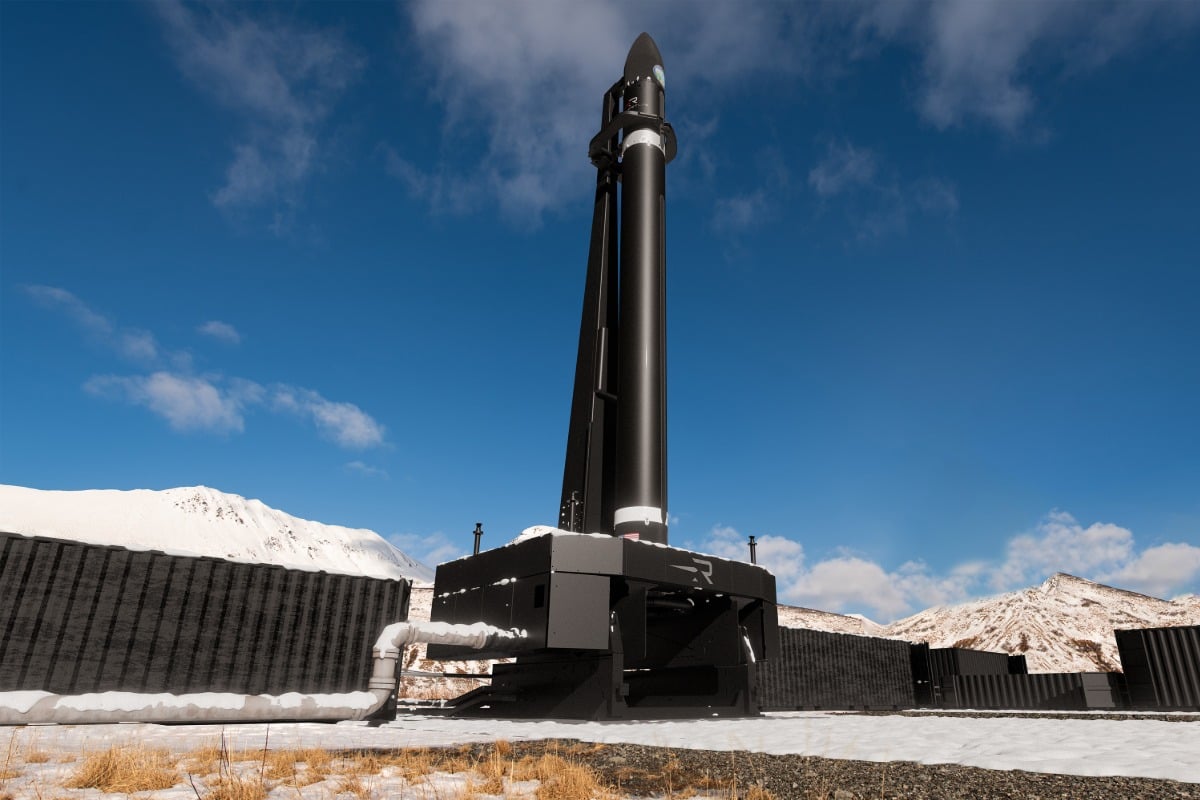 Rocket Lab Corporation, the publicly traded space company known primarily for its small satellite launch vehicles, announced a $266 million multi-launch contract with the U.S. Space Force, the branch of the Department of War responsible for military operations in and through space, marking the largest single launch agreement the company has ever secured. The deal […]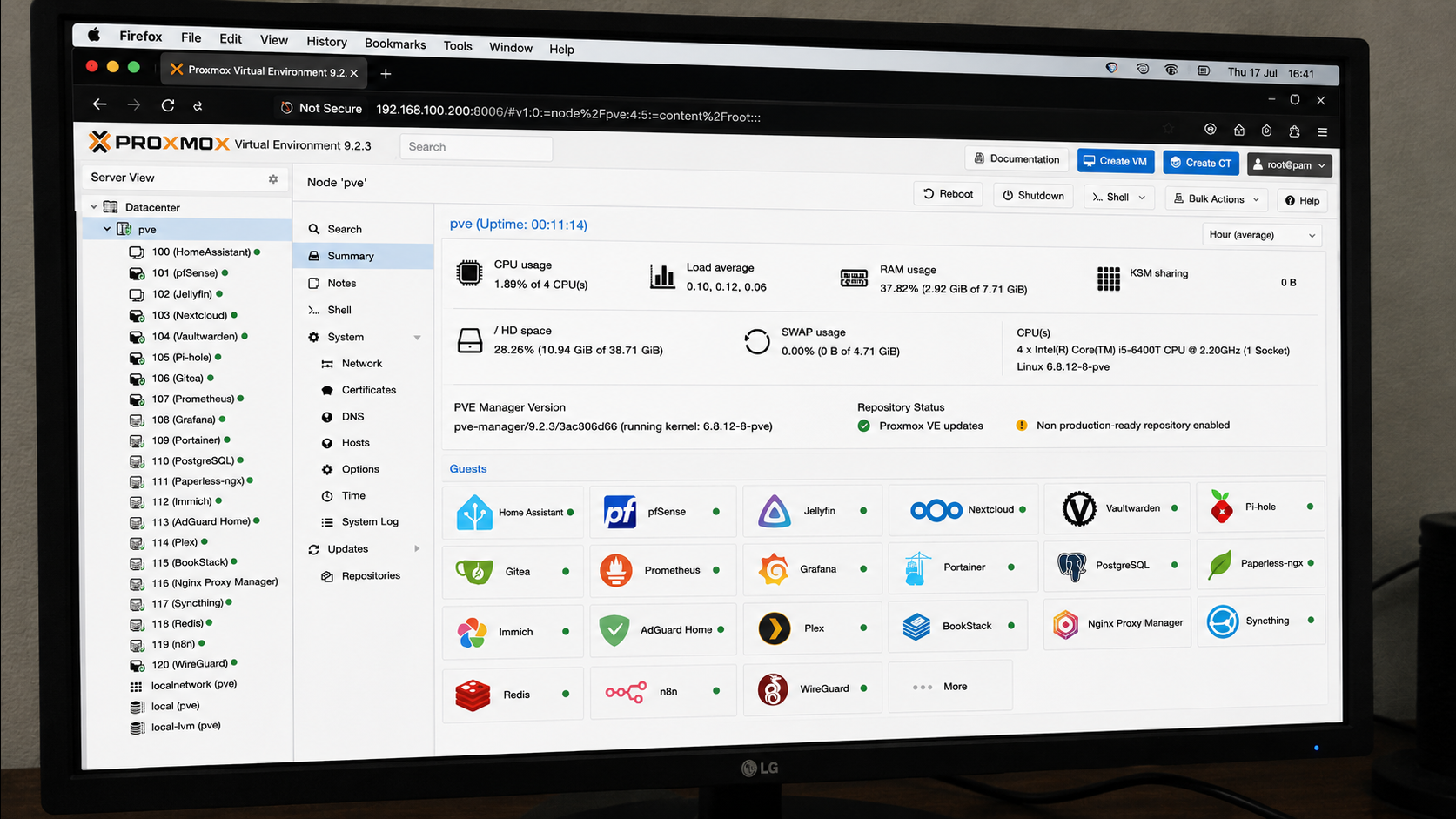


 The Pentagon’s Space Systems Command awarded Rocket Lab USA a $266 million contract for suborbital launch services, according to a Department of War contract announcement, covering 12 confirmed launches with an option for six more, all to be conducted from the Pacific Spaceport Complex on Kodiak Island, Alaska, through the end of 2028. The contract […]