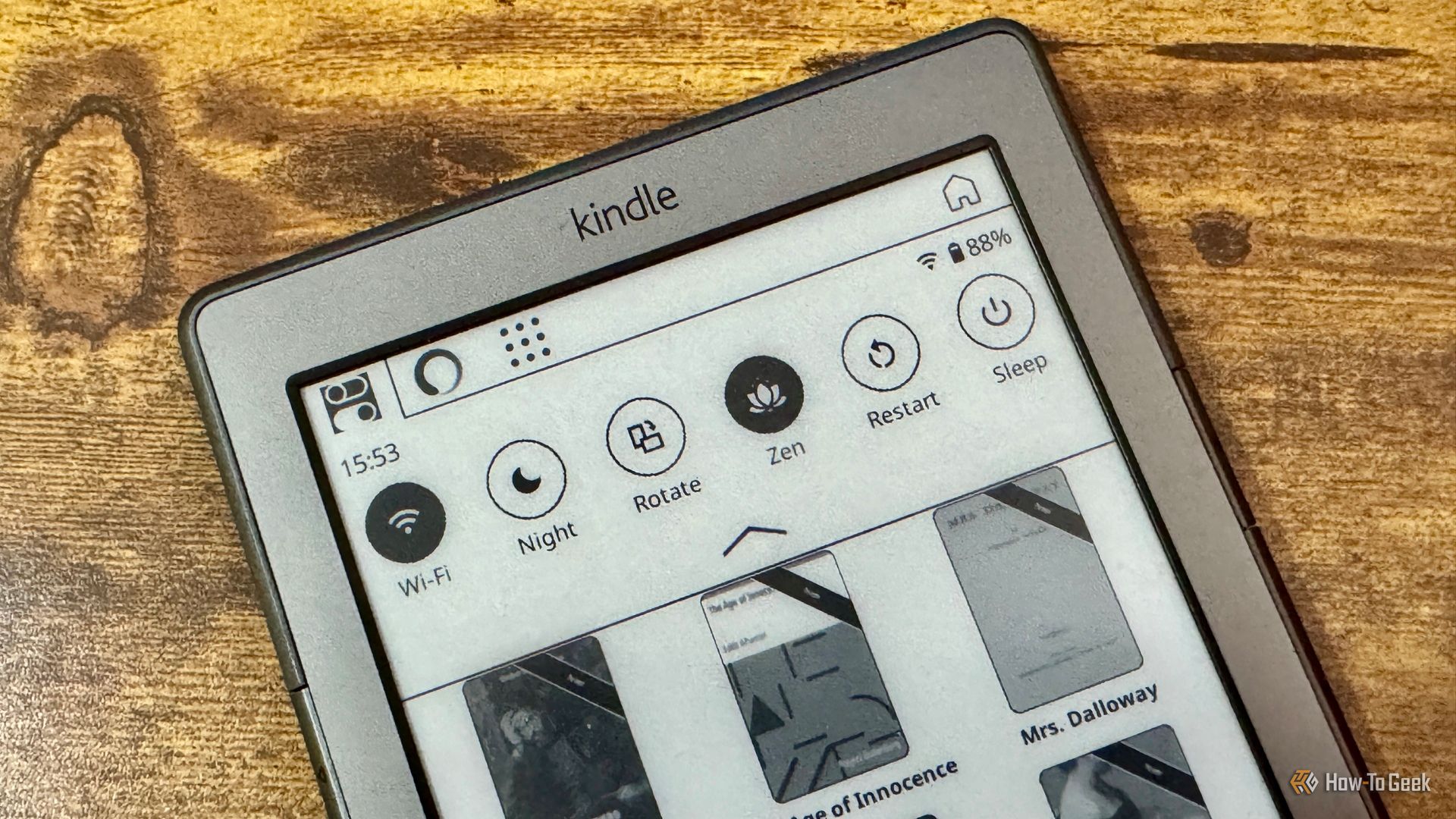
Tablets are great. You can use them for anything from browsing the web to watching your favorite shows. They're incredibly versatile, but that versatility can come at a cost. There are plenty of things that a jailbroken Kindle can do better.
Life is busy, and I don't always have time to sit and read articles when I discover them. Pocket used to allow me to save these articles and read them later, but it's sadly long gone. I decided to set up a Pocket replacement using a mini PC and my Kindle.
If you have even the slightest interest in open hardware e-readers, youβve certainly heard of [Joey Castillo]βs Open Book project. Weβve covered his efforts to develop an affordable reader that delivers a Kindle-like experience without the Orwellian megacorp trappings for several years now, and watched with great interest as the core hardware has evolved.
So we were particularly excited over the weekend to see the Open Book Touch finally hit Crowd Supply, and judging by the fact that the campaign for the $149 device has already blown past 60% of its funding goal in just a few days, it seems like we werenβt the only ones.
As the name implies, this latest iteration of the e-reader does away with physical navigation buttons and introduces an intuitive touch-based interface. Those who like to enjoy their open source hardware under the covers will be glad to hear that not only does this new version of the Open Book finally include an illuminated display, but it even allows you to adjust the color temperature and brightness of the LEDs with the swipe of a finger.
While the hardware improvements over the previous Open Book are impressive, the software has really come a long way as well. The user interface lets you organize your books on virtual shelves and browse through their covers, providing the sort of slick experience that youβd expect from a modern e-reader. You can also look up the definitions of words, or dog-ear favorite pages so you can return to them later.
But what you wonβt get is locked down with DRM β the Open Book Touch uses standard EPUB and TXT files loaded from a micro SD card, and thanks to the WiFi-enabled ESP32 at its heart, it offers up a web interface that lets you manage your collection over the network.
Itβs been nearly a decade since the Open Book first graced our pages, and though weβre not in the habit of picking favorites here at Hackaday, this is one project where the stakes are so high that we canβt help but feel invested. Reading shouldnβt require a subscription fee, or depend on a proprietary piece of hardware that can get ejected from its own ecosystem once its maker decides you need a new one. Obviously the Open Book Touch wonβt even make a dent in the market share that Amazonβs Kindle enjoys, at least there will be an option available for those who wish to keep reading on their own terms.
People have been attempting to turn Kindles into more than e-readers since the first devices came out nearly two decades ago. The e-ink displays are low-power and great for displaying information that doesnβt refresh too often, and with Amazon continuing their trend of bricking their older devices there will be more of these devices available. [Hemant] built a weather dashboard with one of his, but since then had requests for other types of e-reader dashboards and has a guide for making more general-purpose use of an old Kindle.
The first approaches outlined here involve the installation of a dashboard client on the Kindle and pointing it at a server that hosts a PNG image of whatever information needs to be displayed. The client simply displays that image and refreshes it at predetermined intervals. There are a number of options for creating that server as well, including using Home Assistant for those who already have a home automation system deployed. The benefit of using Home Assistant is that itβs much more straightforward to gather data for the dashboards from sensors and other peripherals that are already installed.
Installing a client like this might seem straightforward, and it can be, provided that the Kindle involved is jailbroken or capable of being jailbroken. An Amazon update recently broke many modern devicesβ ability to execute the jailbreak, so not every Kindle can do this anymore. But [Hemant] goes into detail about this and also outlines some methods for using generic e-ink displays instead, and also dives into the hardware and software behind building a server to host the dashboard images for those without Home Assistant already running. Itβs a great overview for those who have always wanted something like this but never knew where to start.
See whether an Amazon Kindle is worth buying, how it compares with other e-readers, and practical ways to read more books without overspending each month today.