❌

Reading view

There are new articles available, click to refresh the page.

LinkedIn just released its list of the top 10 Seattle startups: One problem, nearly half aren’t based in the region

Image via LinkedIn

Every so often, we get sucked into a list touting the top regional startups or the most robust entrepreneurial ecosystems.

Well, a startup list released today from Microsoft-owned LinkedIn — titled “The 10 companies on the rise in Seattle” — grabbed our attention, for all of the wrong reasons.

Let’s just say: We know a thing or two about Seattle-area startups around here. And so we had to do a little fact-checking.

First of all, four of the companies on LinkedIn’s list — Anthropic, Auger, Whatnot and Armada — are not even headquartered in the Seattle area.

San Francisco-based Anthropic — ranked #1 on LinkedIn’s Seattle startup list — has a growing engineering center at Dexter Yard North in Seattle’s South Lake Union neighborhood. But to think that Anthropic CEO Dario Amodei and his team are cutting deals at the Washington Athletic Club or debating the future of AI over lattes in Kirkland is a hallucination bigger than most AI models could create.

If the LinkedIn team were studying GeekWire’s coverage, they’d also realize that #2 on their list, Auger, is not headquartered in the Seattle area, either. The AI logistics startup, co-founded by former Amazon executive Dave Clark, moved its headquarters to Dallas in August, although it maintains a Bellevue engineering center.

It keeps getting more bizarre from there. The #3 company on LinkedIn’s Seattle list is Whatnot, the heavily funded video-based shopping startup that set up an engineering center in Seattle last year, but is clearly headquartered in the Los Angeles area.

Finally, ranked #9 on the Seattle list is data center upstart Armada — a company that, according to its own LinkedIn profile, is based in San Francisco.

So, just to summarize: Three of the top Seattle startups (according to LinkedIn) have their headquarters in California, and one has its headquarters in Texas.

GeekWire columnist and angel investor Charles Fitzgerald pointed out the flaws in the list, calling it a “half-assed” effort. “For a Microsoft-owned company, you’d think they’d have better insight into where Seattle is actually located,” Fitzgerald said.

The list does include some companies that are actually based in the Seattle area.

Making the top 10 are: Bellevue-based Truveta (#4); Seattle-based Yoodli (#5); Redmond-based Worldscape (#6); Seattle-based Overland AI (#7); Seattle-based Gradial (#8); and Kent-based Stoke Space (#10).

All of those companies (except for Worldscape) are listed on the GeekWire 200, our ranking of the top 200 privately held startup companies in the Pacific Northwest. The other companies — Anthropic, Auger, Whatnot and Armada — are listed on our engineering center list.

Notably absent from LinkedIn’s Seattle list is Chainguard, which ranked #42 on LinkedIn’s accompanying report on the top 50 startups in the U.S. Chainguard is headquartered in Kirkland but is a fully remote company. The Seattle ranking counts only employees and hiring in the city, which may explain why a remote company like Chainguard didn’t make the cut.

For our purposes, given that one of the co-founders of the cybersecurity startup calls the Seattle area home, we claim it as a Seattle-area startup.

In its defense, LinkedIn describes a Seattle startup a bit differently than we do here at GeekWire.

According to its methodology, the ranking weighs four factors: employment growth, engagement with company pages, interest in job openings, and the ability to recruit talent from LinkedIn’s list of top companies. The data covers July 2025 through June 2026.

LinkedIn requires privately-held companies to be less than seven years old and headquartered in the United States to qualify for its U.S. rankings, but doesn’t require them to be headquartered in the Seattle area to make the Seattle list. All of which explains how a startup can make a list of Seattle’s top startups without actually being based in Seattle.

We have to admit, this is a new one on us.

As GeekWire co-founder Todd Bishop notes: What the heck is going on, LinkedIn?

UPDATE: LinkedIn provided this statement to GeekWire:

“While companies do not need to be headquartered in Seattle to qualify, they must have at least 30 full-time employees based in the metro area. Our city lists are designed to spotlight startups gaining momentum, locally, recognizing that growing companies often have employees and operations across multiple markets. Further, the data for the city lists are reflecting employees based in that city only, versus the entire country.”
Tech Moves: Microsoft, Amazon and Kestra promotions; Gradial names CMO; Yoodli adds VP

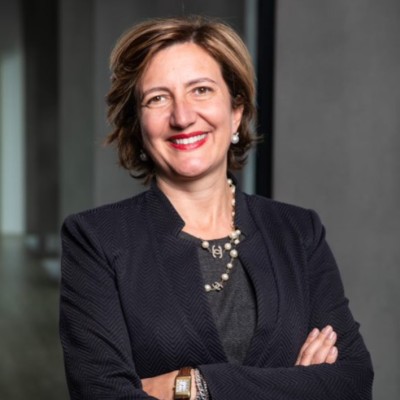
Silvia Candiani. (LinkedIn Photo)

— Silvia Candiani has been named corporate vice president of Worldwide Telco & Media within the Microsoft Frontier Company, a $2.5 billion initiative launched by the tech giant in July to embed engineers inside customers to build and run AI systems. In her new role, Candiani will lead Microsoft Frontier Company’s work with some of the largest telecommunications operators and media conglomerates.

“The momentum across our industry is extraordinary, and I believe we are only at the beginning of what AI can make possible,” said Candiani, who is based in Milan.

Before joining Microsoft in 2010 as a general manager, Candiani was a marketing director for Vodafone in Italy for more than a decade.

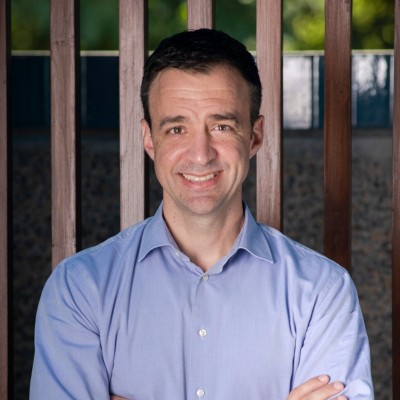
Kevin Frey. (LinkedIn Photo)

— Kevin Frey has been appointed vice president and chief impact officer of Microsoft Elevate, the company’s philanthropic effort providing technology support, donations, sales and AI training for educational organizations and nonprofits. Frey joined from UNICEF, where he was the first CEO of Generation Unlimited, the organization’s skills and employment initiative.

Frey said he was joining Microsoft because it’s “one of the only organizations in the world with the scale, scope and influence to bend the arc of the AI-powered future we are entering.”

“I will be spending my time and energy trying to ensure that the benefits of AI are shared broadly and safely across society — by every teacher, every student and every worker — regardless of their postal code,” he added.

— And while we’re on Microsoft, Anne Linge has been promoted to director of communications for commercial and consumer experiences after nearly 10 years with the company. She previously worked in communications at Weber Shandwick and Waggener Edstrom Worldwide, which has since rebranded as We.

Alexis Bateman. (LinkedIn Photo)

— Alexis Bateman has been promoted to director of global sustainability at Amazon Web Services after more than five years with the company. She was director of the MIT Center for Transportation & Logistics for 14 years before coming to Amazon.

Her work with AWS has given her the chance to help “shape sustainability at enormous scale,” Bateman said. “AI and cloud are transforming technology and society at an unprecedented pace, creating both enormous challenges and incredible opportunities for sustainability.”

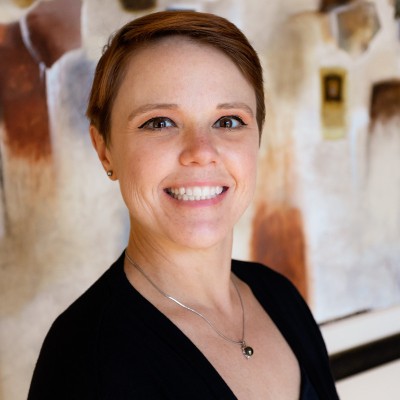
Lynn Girotto. (LinkedIn Photo)

— Gradial has appointed Lynn Girotto as chief marketing officer. In June, the Seattle startup announced $65 million in new funding for its agentic AI platform that automates enterprise marketing. The company is No. 127 on the GeekWire 200, a ranked index of the Pacific Northwest’s top startups.

Girotto joins from Qualtrics, where she was CMO for two years. She has previously led marketing teams at companies including Vimeo, Tableau and Getty Images, and was a senior director at Microsoft for nine years earlier in her career.

“The best marketers I know want to build ideas and customer relationships, not manage processes,” Girotto said. “Gradial is the first company I’ve seen that’s built to give them that time back.”

Kam Ghaffarian. (LinkedIn Photo)

— A Seattle-area nonprofit group known as the Fermi Explorer Mission announced that Kam Ghaffarian has joined as co-founder. Earlier this month, the organization shared its plans to send a spacecraft on an 80,000-year trip to the nearest alien star system, Alpha Centauri.

Ghaffarian is a billionaire who helped launch companies including X-energy, Axiom and Intuitive Machines. “By committing to launching a spacecraft to Alpha Centauri by 2029, we are not just pushing the boundaries of current technology; we are inspiring a new generation to look up and dream of interstellar exploration,” Ghaffarian said.

Philip Johnston, co-founder and CEO of the Fermi Explorer Mission, also leads Redmond, Wash.-based Starcloud, a startup aiming to launch up to 88,000 satellites to serve as AI data centers.

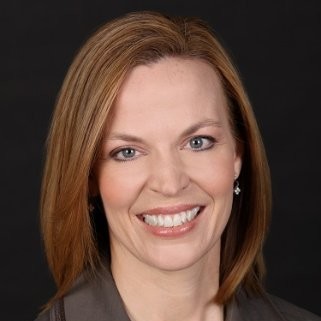
Rachel Cougan. (LinkedIn Photo)

— Yoodli, the Seattle-based AI roleplay platform for enterprise training, has named Rachel Cougan vice president of human resources. Cougan previously served as a fractional HR leader through her consultancy, Possible HR. Before that, she was VP of people for Logixboard and Hiya, and also served as VP of talent for Textio.

Yoodli, which launched in 2021, has grown to more than 100 employees. The company is No. 17 on the GeekWire 200.

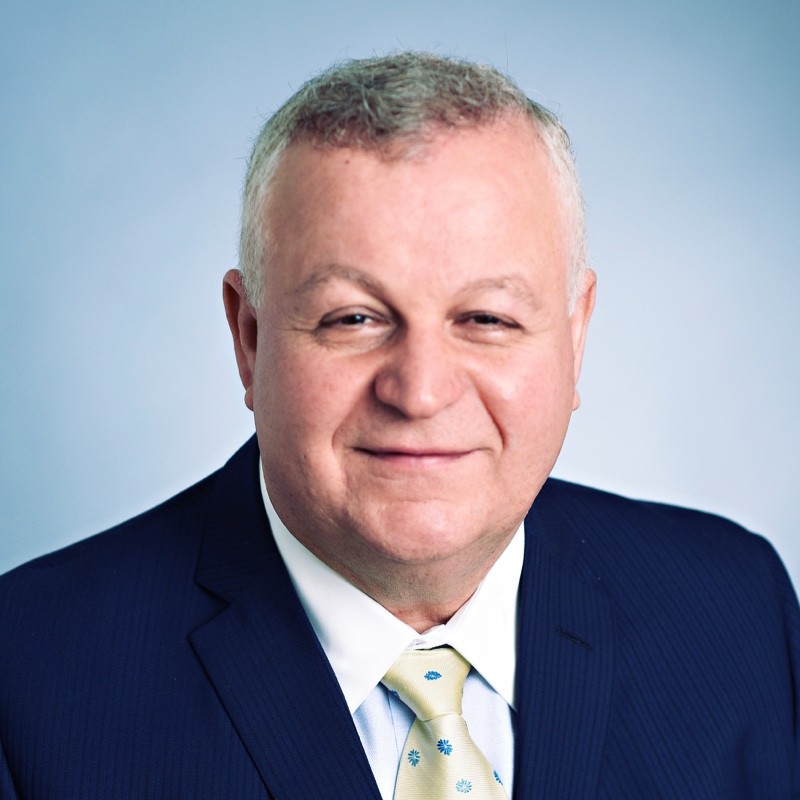
Daniel Finney. (LinkedIn Photo)

— Kestra Medical Technologies has promoted Daniel Finney to vice president of research and development. The Kirkland, Wash.-based company sells cardiac monitoring and therapeutic devices. It raised $202 million in its IPO in March 2025 and was nominated for Deal of the Year at this year’s GeekWire Awards.

Finney has been with Kestra since 2019. CEO Brian Webster praised his role in developing the company’s FDA-approved monitoring device, adding that his “technical depth, product experience, and demonstrated leadership positions him to guide our next phase of innovation.”

Finney succeeds Phillip Foshee, Jr., who recently retired after leading Kestra’s R&D organization for nearly a decade.

— PATH has named Dr. Jeremy Farrar chief of its Asia, Middle East and Europe regional division. Farrar, a globally recognized leader in public health and clinical medicine, will join PATH effective Oct. 1 and be based in Geneva. His past roles include assistant director-general at the World Health Organization and director of the Wellcome Trust.

PATH CEO Nikolaj Gilbert praised the appointment, and noted that Farrar “possesses deep knowledge of the realities that prevent access, the people that make health care possible, and the need for PATH’s mission of ensuring breakthrough innovations reach all who need them.”

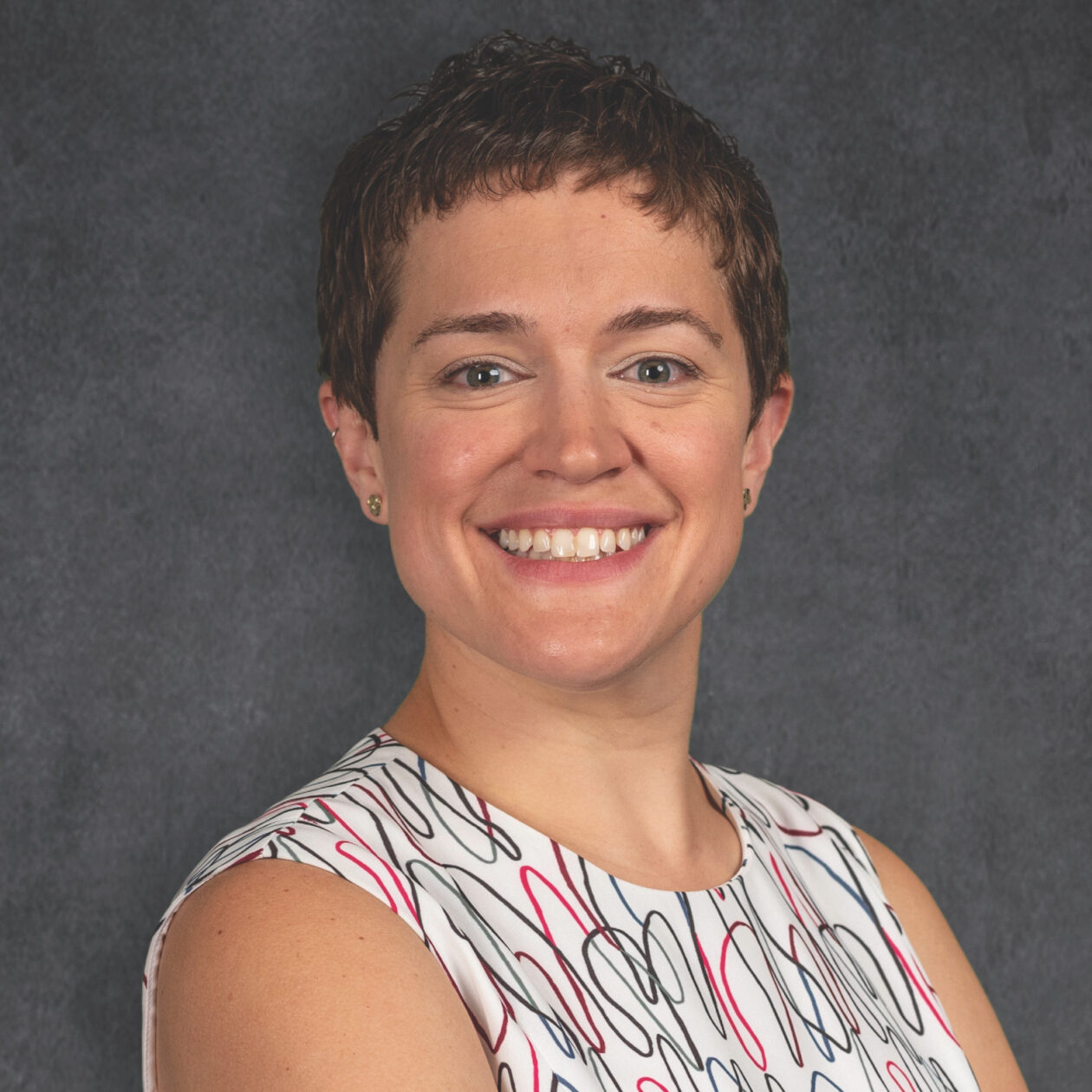
Emily Levesque. (AAS Photo)

— American Astronomical Society (AAS) announced that University of Washington scientist Emily Levesque is the next editor in chief of the AAS journals. She will succeed Ethan Vishniac, who is stepping down from the role at the end of summer 2027 after 12 years.

“In the writing and publishing landscape we’re facing today, sharing information has never been easier, but trusting information has never been harder — which makes the AAS journals’ combination of rigorous peer review and accessible science more valuable than ever,” Levesque said.

Levesque has been an assistant astronomy professor at the UW for 11 years. She leads the massive stars research group, which studies the evolution and death of the largest and “most extreme” stars in the universe.

— The Seattle Metropolitan Chamber has added eight members to its board of trustees:

  • Deniz Anders, Nordstrom’s executive vice president and chief marketing officer
  • Reuven Carlyle, founder of Earth Finance and former state senator
  • Carl Gipson, vice president of government and community affairs for Comcast
  • Trevor Gooby, executive vice president and chief operating officer for the Seattle Mariners
  • Daniel Huber, BNBuilders’ vice president of operations for the Northwest and Colorado
  • Karen Lee, CEO of Plymouth Housing
  • Holli Martinez, vice president, head of belonging, recognition and corporate responsibility for T-Mobile
  • Rajat Puri, executive vice president and chief operating officer for Premera Blue Cross

❌