Google's Gemini app now offers Immersive Explorations, an interactive learning feature that lets you explore subjects like ancient trade routes, jet engines, and lightning through layered visual explanations.
It's almost like Google's got something to prove after taking a break from releasing new frontier AI models earlier this year. Just two weeks after rolling out Gemini 4 Argon, Google has announced Gemini 4 Carbon. This isn't the Flash model equivalent we've been waiting for but, rather, is an improvement on Argon, and like that model, Google is working on a staged release that could take a while.
Stop me if you've heard this one before: Google says its latest AI model reaches a new threshold in coding, agentic tasks, and scientific analysis. It's so capable, in fact, that Google can't let you use it just yet.
Gemini 4 Carbon reportedly makes big gains in cybersecurity applications. Google says the model shows a "significant leap" in vulnerability detection, validation, and remediation. Carbon is also apparently twice as likely to generate code that is free of vulnerabilities versus Argon. Meanwhile, the Chrome team claims that Carbon is 10 times better at generating "high-quality" patches compared to non-Google models. Google also notes that Carbon has increased its score by 89 points on WebDev Arena, now ranking at number four on the leaderboard.
Google's Gemini 4 Carbon targets complex coding and cybersecurity tasks, with the company touting stronger secure coding, fewer AI mistakes, and impressive benchmark results.
Google is expanding Connected Apps across Gemini and Search, with more than 50 integrations and a new developer platform that could make juggling multiple apps a thing of the past.
Google’s Genie 4 adds native audio and real-time world editing. Learn about access, US pricing, and the limits teams should assess before running a pilot.
A new developer platform will let businesses bring their services to Google's AI experiences, potentially changing how consumers discover and use apps.
Google’s Genie 4 adds native audio and real-time world editing. Learn about access, US pricing, and the limits teams should assess before running a pilot.
Siri AI and Google Gemini both offer conversational AI, personal context, and app automation, but they work differently across devices. Compare their features, privacy controls, and everyday usefulness to decide which assistant suits you best.
Siri AI and Google Gemini both offer conversational AI, personal context, and app automation, but they work differently across devices. Compare their features, privacy controls, and everyday usefulness to decide which assistant suits you best.
Google’s Antigravity is an AI-first coding environment built on the bones of VS Code. It gets less attention than Gemini, yet it may be the company’s most interesting AI product. The key word here is most interesting, though, not better. Here’s what it does, where it impresses, and where it still frustrates.
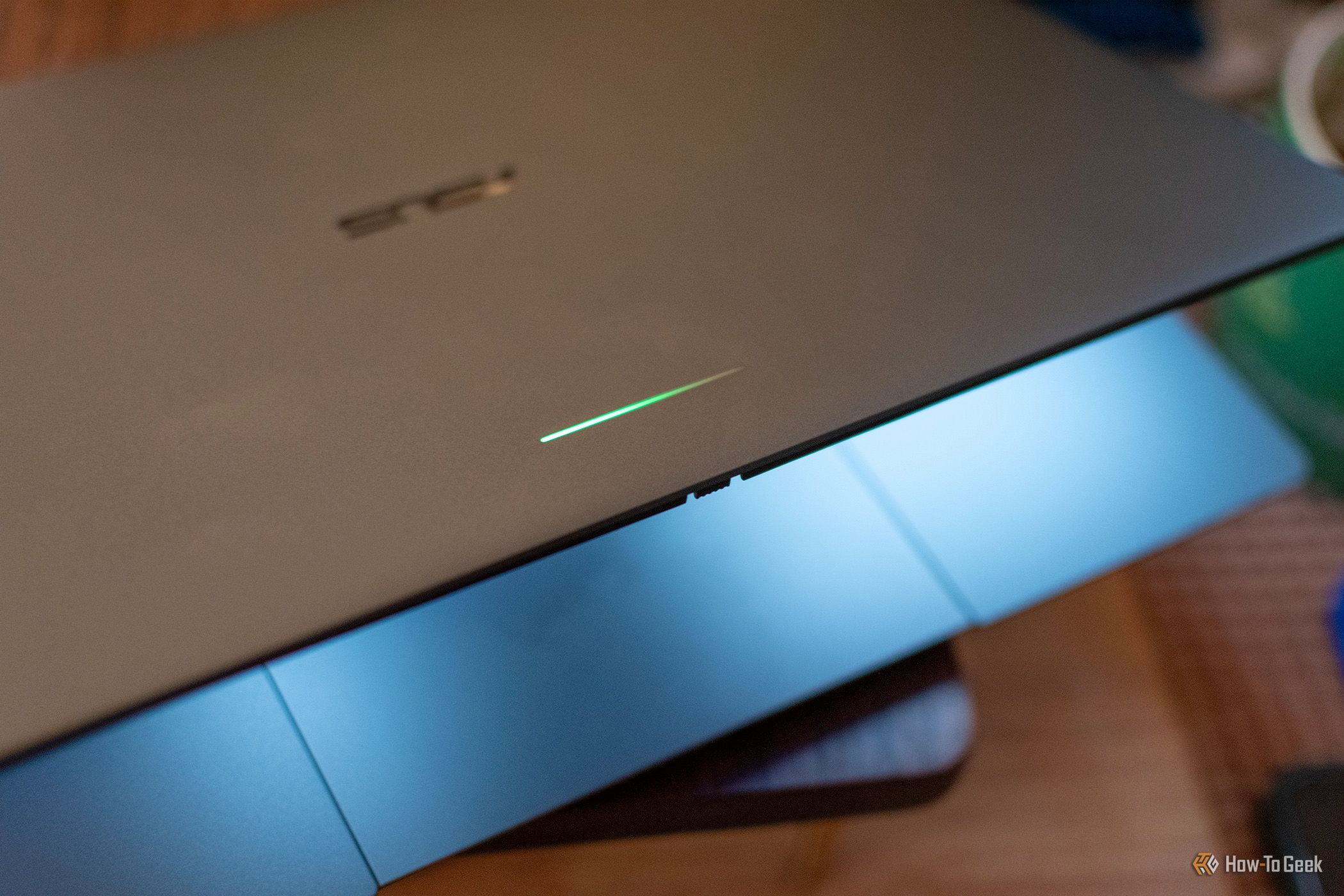
I wasn't particularly satisfied with the Googlebook launch. As a tech writer and product reviewer, I was basically obligated to spend two weeks with a product that felt grossly unfinished and super confused about its identity. But one feature, the Glowbar, just can't escape my mind.
Gemini is Google’s big bet on AI that has made its way into the company’s search, mobile, and smart home offerings. The only issue is that Google doesn’t seem to have gotten the memo that new technologies are supposed to improve the user experience, not make it worse.
You might have suspected that Google was using personal app data for more than your own tasks, but now you have confirmation. Google has updated its privacy policy with an exception that lets its services use your shared content for personalized ads when you connect them to apps like Drive, Gmail, and Photos.
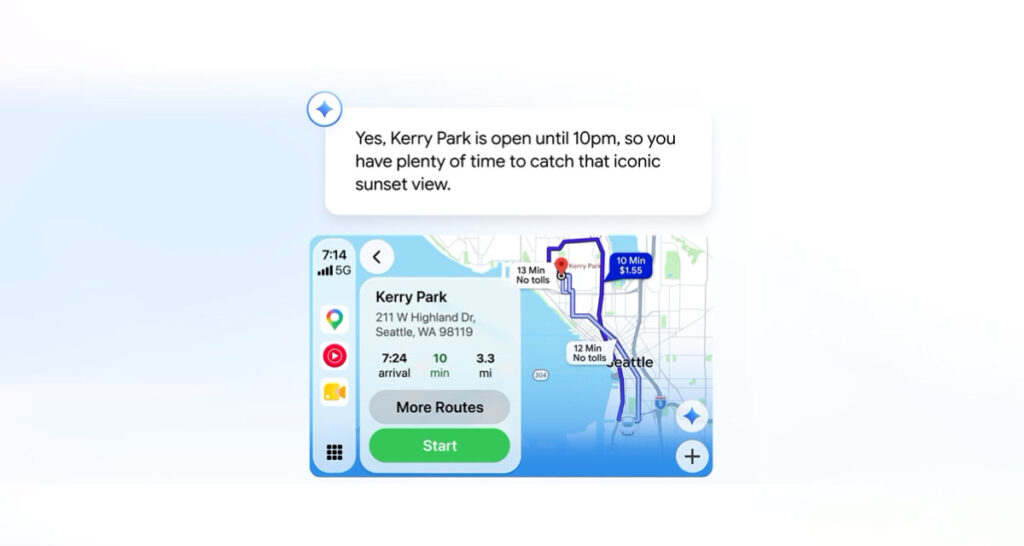
Google is bringing conversational Gemini navigation to Apple CarPlay, allowing drivers to ask multi-step questions about routes and destinations, but Personal Intelligence remains unconfirmed.

 Login