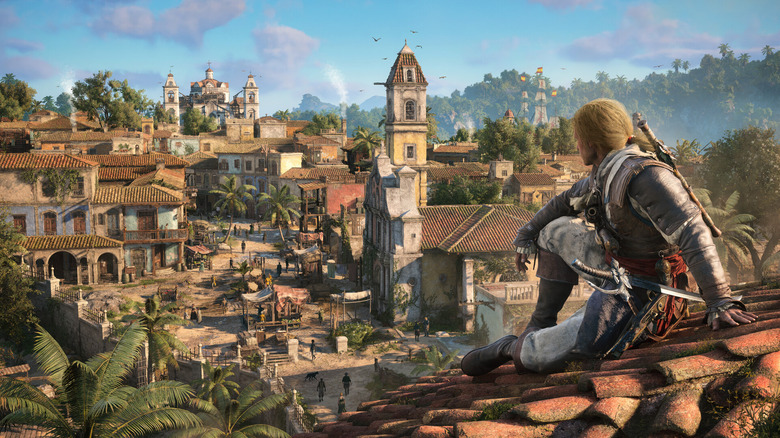
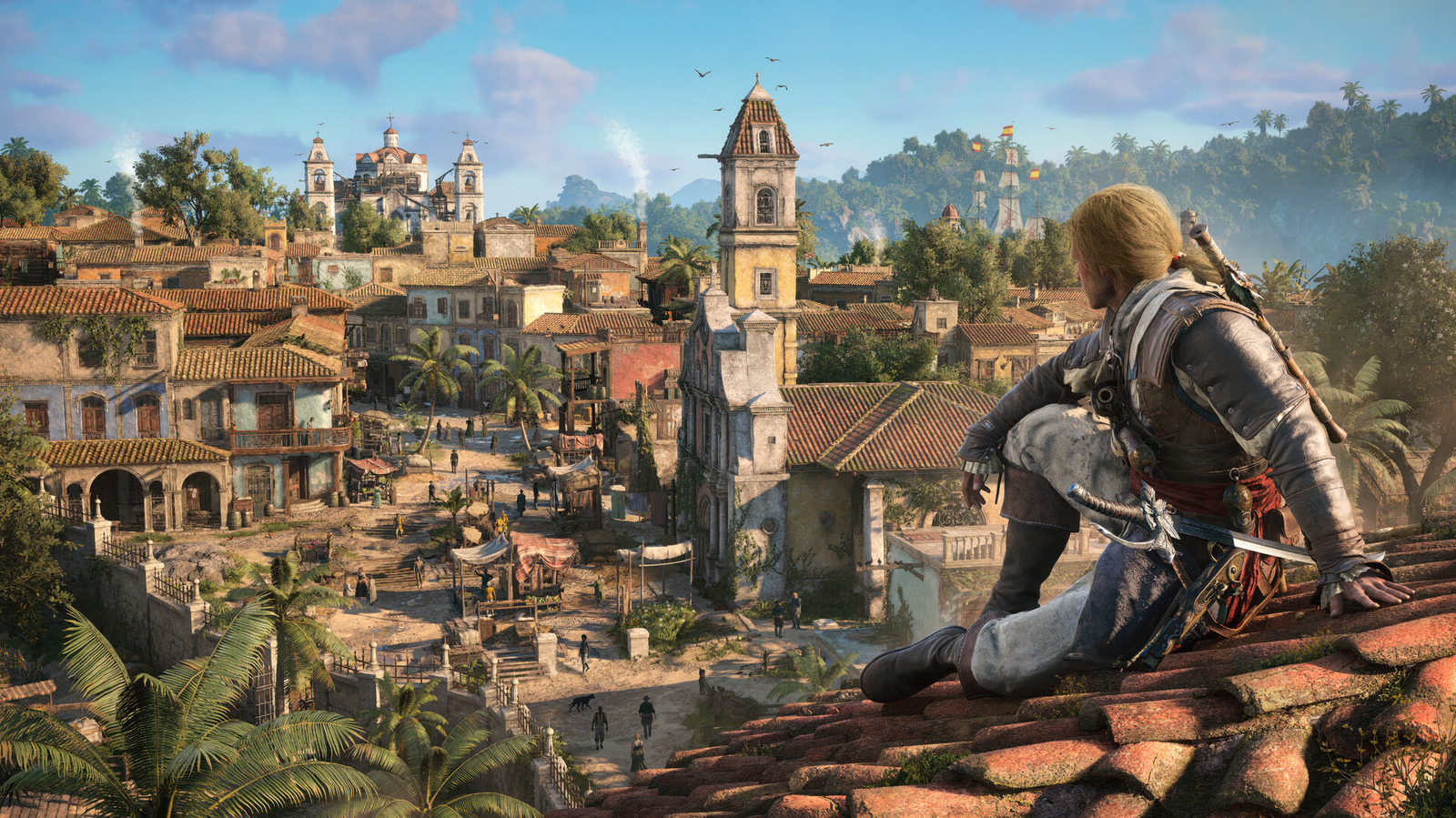
We have had a considerable number of high-profile game releases this year, but none so far have had as much hype behind them as Phantom Blade Zero. The source of all that hype was a 2023 trailer highlighting its fluid kung-fu-derived sword combat. Considering that, at the time of writing this piece, there are over […]
TabStationToo brings PCSX2 to the browser with help from Claude. Final Fantasy XII and Burnout ran flawlessly on our GMKtec M8 mini PC, though the project remains experimental and requires your own files.
Nvidia is bringing Phantom Blade Zero to GeForce NOW at launch alongside eight other games, while adding new membership options in India and mod support for Cyberpunk 2077 and The Witcher 3.
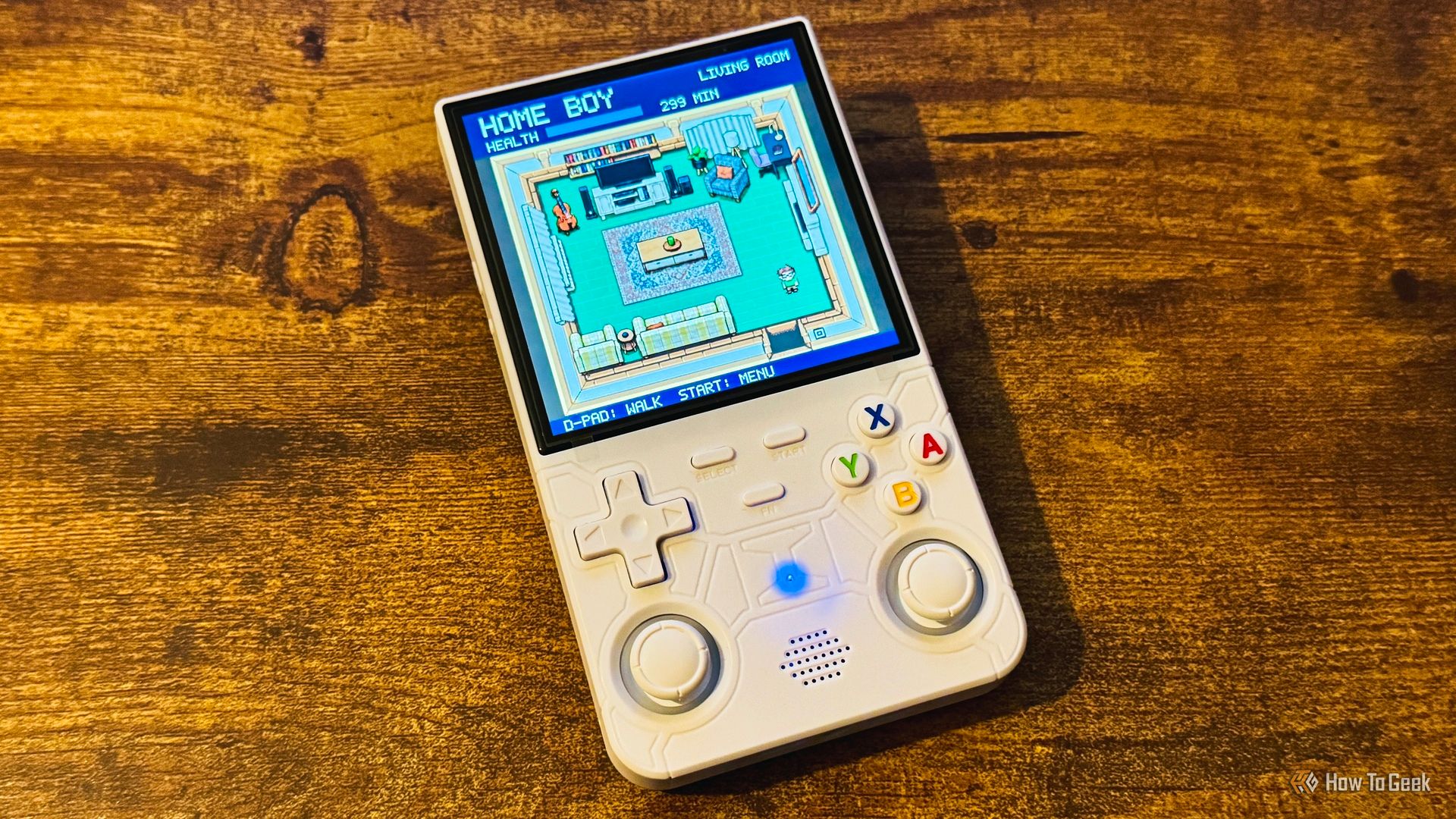
I'm not a huge fan of smart home dashboards; I want my smart home to work as automatically as possible. However, when I had an idea for building a retro game version of my house that I could use to control my smart home, I knew I had to make it happen.
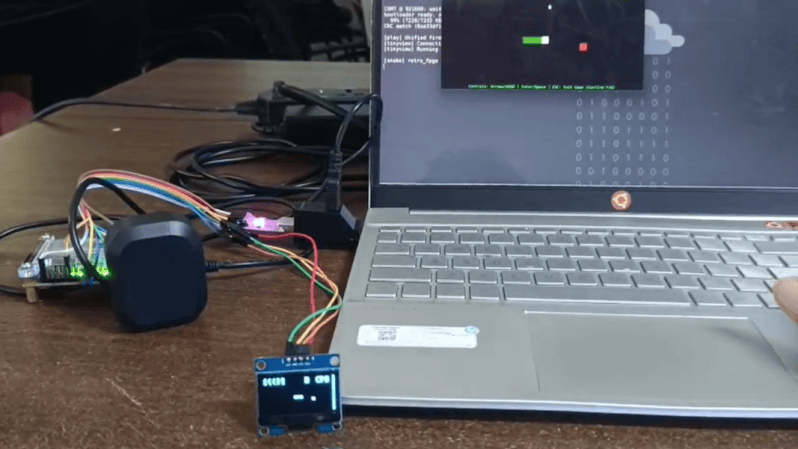
Although once little more than an academic endeavor, the RISC-V architecture is slowly supplanting applications that would have normally gone to ARM. Even a few microcontrollers have chips running this open-source instruction set now, and we expect it to grow in the future since it doesn’t require the licensing of an ARM or x86 chip. [M_Jagadeesh97] is getting ahead of the curve with this retro gaming system built on a custom-designed RISC-V system.
Most of us, presumably including [M_Jagadeesh97], don’t have access to chip fabrication tools, but what we can get is any of various FPGAs. This RISC-V CPU is built on a Terasic DE0-Nano board with 32 MB of RAM available to it, and boots to a launcher with 32 games available. There are a few limitations with this low-power system which was largely solved by limiting the display to 64×32, which lets it maintain the same aspect ratio as the original DOOM as well as the same aspect ratio for many of the older games, while still maintaining 45 FPS.
The project writeup goes deep into the design of a system like this, from the bare metal, the CPU design, the timing of the video signals, and how to implement a Wolfenstein-like raycaster. After adding a small display it looks to be fairly portable as well and is an excellent demonstration of how powerful inexpensive boards like this FPGA can be with the proper amount of effort.
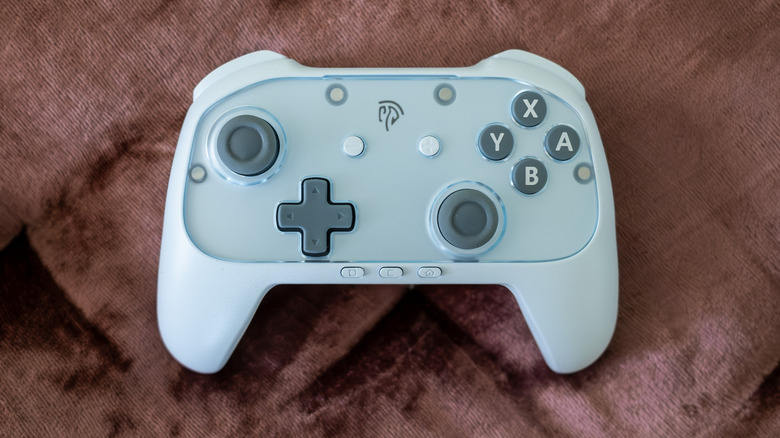
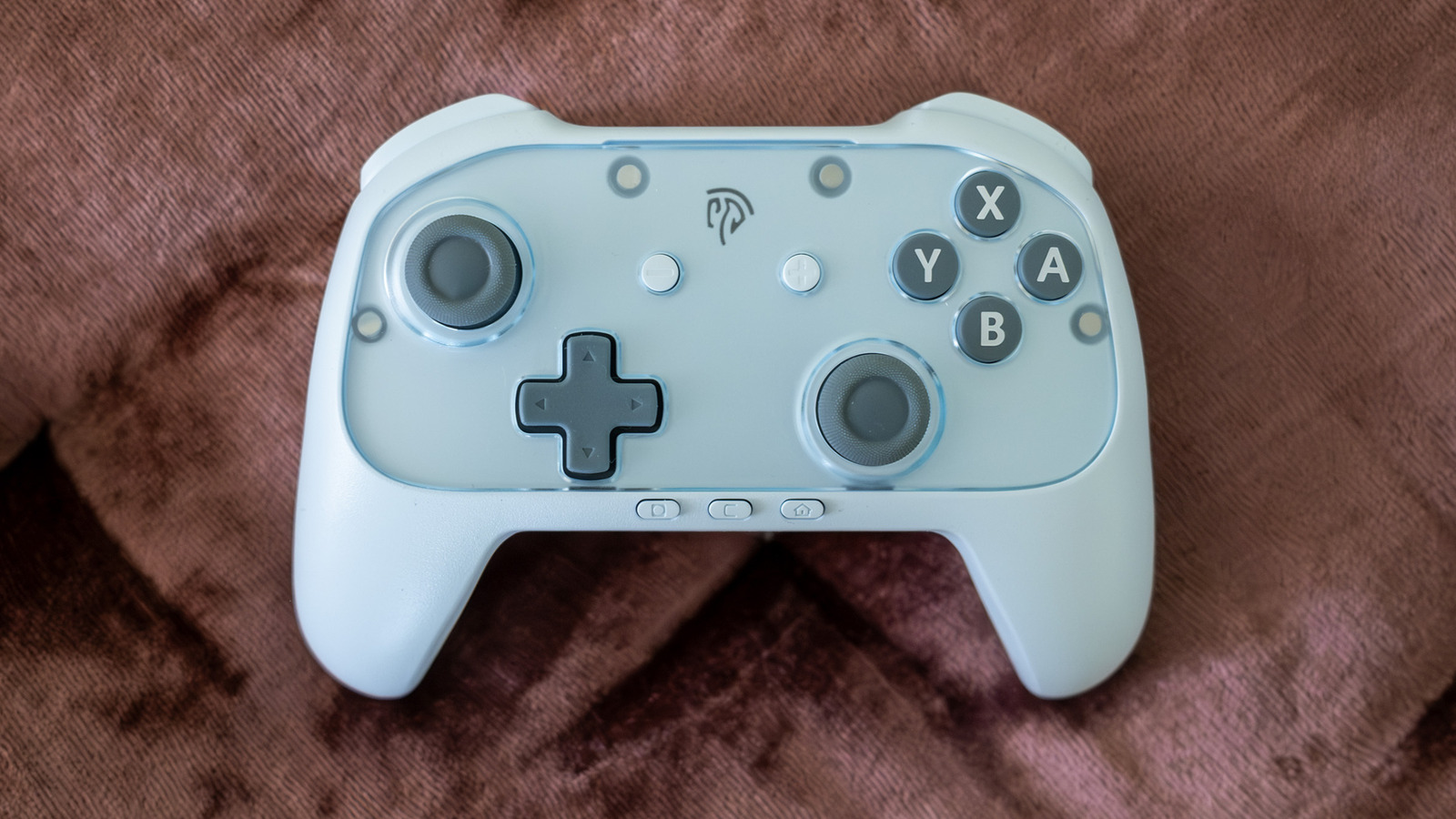
Sony’s new PS5 Prism Collection brings back the beloved transparent aesthetic of the ’90s with glossy DualSense controllers and matching console covers in three stunning colors.
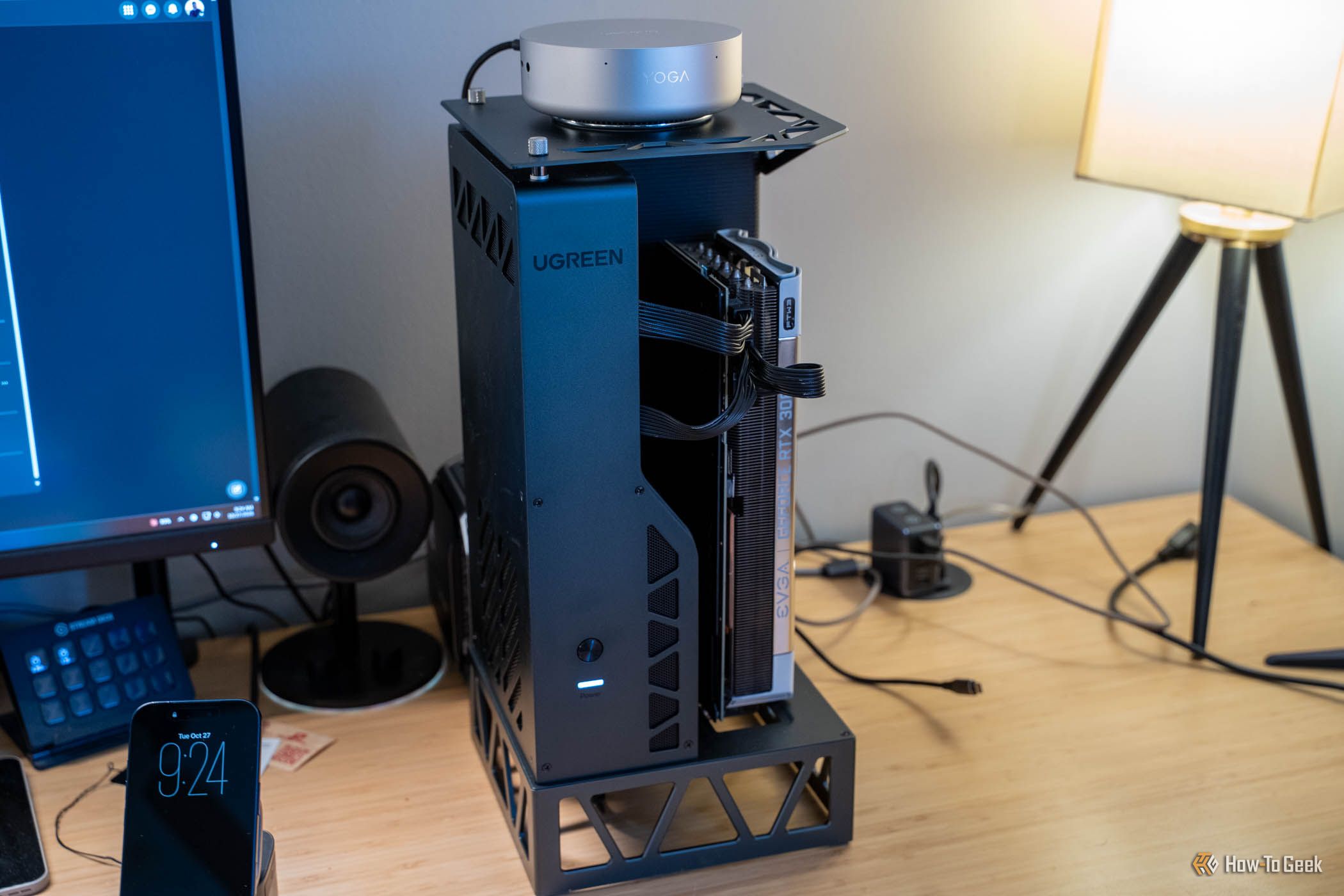
My RTX 3080 now spends most of its life switched off, and that’s exactly how I want it. For years, I’ve wanted my mini PC to game like a desktop without bringing back a desktop’s heat, noise, and footprint, and USB4 finally makes that practical. Ugreen’s LinkStation eGPU Dock puts a full-size graphics card on the end of a single cable, and after a few weeks of plugging it in only when it’s time to play, it’s become my favorite PC gaming accessory.
For years, Call of Duty’s campaign mode has used big, scripted set pieces to tell the overarching story amid all the adrenaline-pumping action. The 2023 Modern Warfare 3 tried to shake up the established formula by introducing a handful of short open combat missions, and I genuinely liked the idea, but the game’s overall negative […]
Acer’s Predator Atlas 8 finally has a US release date and price, several months after the company first showed off the handheld in May. The highlight is the Intel Arc G3 Extreme chip inside, which has been adopted by only a couple of other consoles besides the Atlas 8. This version will go on sale […]
The 2026 ASUS ROG Zephyrus G14 packs serious gaming performance, a gorgeous 2.8K OLED display, and surprisingly usable battery life into a 1.5kg chassis, but its Indian price and 8GB RTX 5070 hold it back.
Google Play Games Sidekick can now save the previous 30 seconds of Android gameplay, borrowing a familiar Nintendo Switch trick without requiring players to record an entire session ahead of time.
 Login