
 Login
Login
DIY Steam Controller Puck Offers Xbox, Switch, PlayStation Emulation Modes
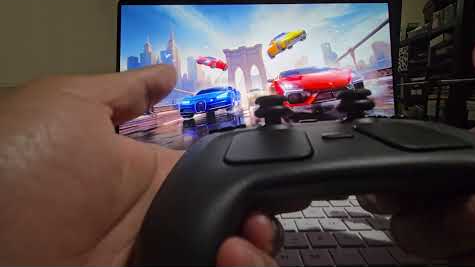
Valve recently released a new version of the Steam Controller, which features a wired USB puck that serves both as charger and dedicated, low-latency wireless receiver. The downside is they aren’t currently available for purchase separately, but that’s not a worry because you can now make your own thanks to [safijari]’s OpenPuck project.
OpenPuck uses the highly affordable Pro Micro NRF52840 board, programmed to emulate the wireless receiver portion of the puck, meaning one can pair their Steam Controller to it just like they would with the factory puck. A major part of the project was naturally documenting the wireless protocol, but there’s also an array of extra features offered by OpenPuck.
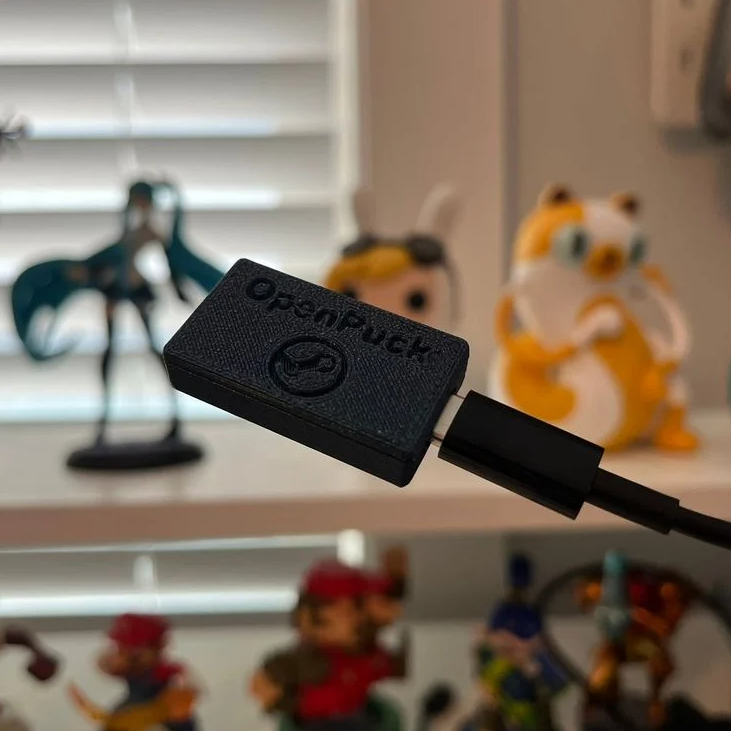
Why is it necessary for this emulation to be done from OpenPuck? Because while the Steam Controller has tight integration with Steam Input — a sort of highly useful translation layer for controller inputs — that integration also means the controller’s best features only work while Steam is running. OpenPuck’s ability to emulate other console controllers makes it flexible in a way the factory puck isn’t, and a user can make the most of a single controller this way.
It’s worth noting that while the real puck has the ability to charge the controller (whether or not the user makes it walk itself), the OpenPuck doesn’t have this ability. Does that mean one must still use the factory puck for charging? Not at all, as the Steam Controller charges just fine over a USB-C connection.
There’s a short video below that demonstrates the flashing and setup, so check it out if you think it might be useful to you.
Thanks for the tip, [Jaki]!
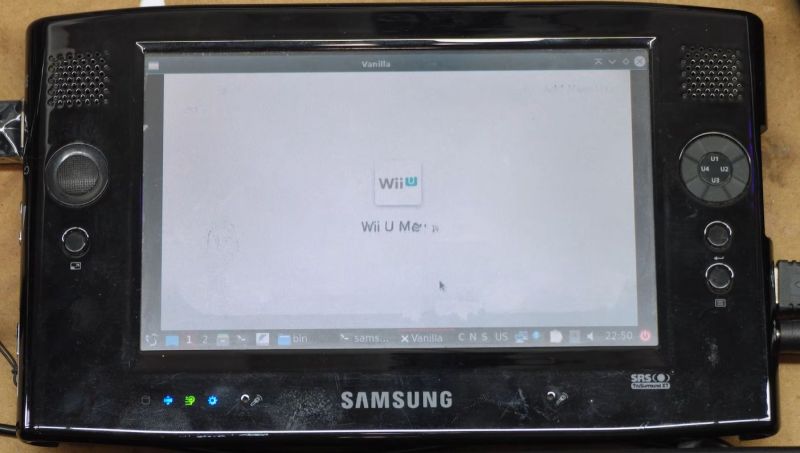
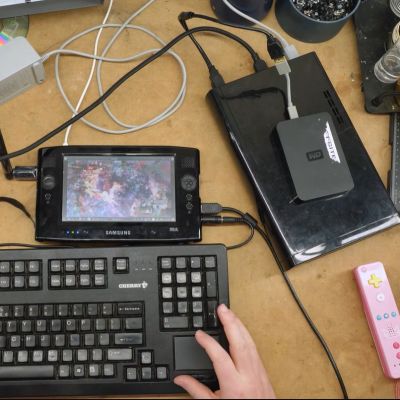 As unique the Nintendo Wii U Gamepad may appear to be, at its core it’s pretty much just a tablet with game controls stuck on it. Now that the communication between the Wii U and the Gamepad have been fully reverse-engineered and poured into easy to use software, this opens the possibility of using other tablets with suitable controls on them for Wii U Gamepad purposes,