The RTX 5080 offers more processing power, but the RTX 5070 Ti shares its 16GB VRAM and DLSS capabilities. Here's how performance, power, and 2026 pricing compare.
The RTX 5080 offers more processing power, but the RTX 5070 Ti shares its 16GB VRAM and DLSS capabilities. Here's how performance, power, and 2026 pricing compare.
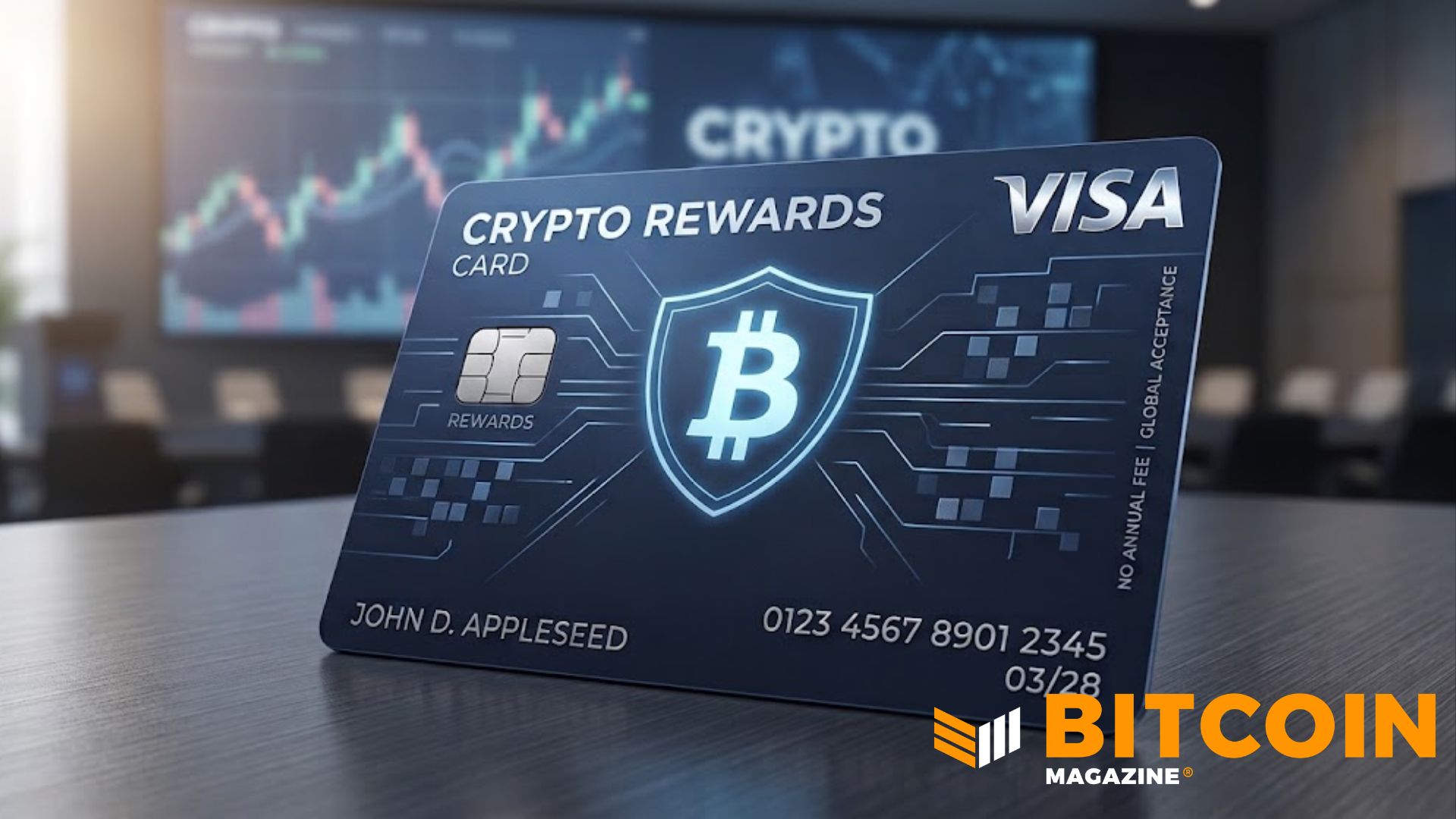
Payment volume processed on crypto cards has climbed to a record $12.5 billion, up 140% year-to-date, according to data from paymentscan.xyz, first shared by The Kobeissi Letter.
The figure is also 247% higher than levels recorded in October 2025.
The surge is being driven by growing use of stablecoins as a payment rail and a broader push for cheaper, faster cross-border transactions, The Kobeissi Letter said.
BREAKING: The total volume of payments processed on crypto cards has reached a record $12.5 billion, up +140% year-to-date.
This also marks +247% growth compared to levels seen in October 2025.
Continued adoption of stablecoins as a payment rail and the push toward cross-border… pic.twitter.com/8AMiahkD0F
QR-code payments are another bright spot: demand for QR-based spending helped push activated cards on Jupiter Spend, one of the largest on-chain card providers, up 55% quarter-over-quarter.
“Crypto cards are the next phase of crypto adoption,” The Kobeissi Letter said.
The figures come as major players move into the space of crypto cards. Fold Holdings (NASDAQ: FLD) announced earlier this year that it had started issuing its Fold Bitcoin Credit Card to select waitlist members, with wider access rolling out in batches over the coming weeks and months.
The card runs on the Visa network, is powered by Stripe Issuing and is accepted at 175 million merchants. It offers a base rate of 1.5% back in bitcoin, rising to as much as 4% through behavior-based boosts and partner offers. Cardholders who pay their bill in bitcoin earn an extra 0.5% back.
Aven has taken a different approach. Its Aven Bitcoin Visa Card, unveiled at the Bitcoin Conference 2026 in Las Vegas, lets holders borrow up to $1 million against their bitcoin without selling it, with rates starting at 7.99% APR and repayment terms of up to 10 years.
Collateral is held by BitGo, while Coastal Community Bank issues the card.
OKX has launched OKX Money, a standalone app focused on saving, sending and spending dollar-backed stablecoins.
The app combines eligible yield features with virtual and physical cards in supported markets.
OKX is targeting users who want dollar access without relying on a traditional foreign bank account.
OKX is taking stablecoins out of the exchange interface and putting them into a standalone consumer finance app.
OKX Money launched on October 6 with a pitch built around three ordinary financial jobs: save, send and spend digital dollars.
The app combines stablecoin balances, eligible earning features and payment cards rather than centering the experience on active crypto trading.
The Product Is A Bet On Stablecoins As Everyday Dollars
The exchange says the product is aimed particularly at people living in markets where access to U.S. dollars is expensive or inconvenient.
That could mean high foreign-exchange fees, limited access to dollar bank accounts or local currencies that lose purchasing power more quickly than users would like.
Stablecoins have already become a workaround for some of those problems.
OKX Money packages that behavior into a more conventional financial interface, with virtual and physical cards designed to make balances spendable at ordinary merchants.
OKX says foreign-exchange fees can add 2% to 5% to international purchases in some markets. The company is positioning digital-dollar balances as a way to reduce that friction.
A Consumer App Changes The Competitive Set
OKX built its name as a crypto exchange, but OKX Money competes as much with fintech apps and cross-border banking products as it does with other exchanges.
That changes what success looks like.
The user does not need to trade a perpetual contract or buy an altcoin for the app to be useful. They may simply want to hold dollar exposure, send money internationally or pay with a card.
Availability remains market-dependent, and stablecoin balances are not the same thing as insured bank deposits.
Yield features also introduce their own terms and risks.
Still, the product reflects a broader change in crypto.
Exchanges increasingly see stablecoins as a route into everyday financial services rather than merely the settlement asset users keep between trades.
If OKX Money gains traction, the company may find that the most mainstream part of its crypto business is the part where users barely think about crypto at all.
This article was written by the News Desk and edited by Samuel Rae.
Gambit Security found AI agents breached 27 companies, stole 600,000 credit card records and installed payment skimmers across compromised retail sites.

 Login