❌

Reading view

There are new articles available, click to refresh the page.

Cadillac Escalade IQ review: Huge battery, huge range, huge SUV

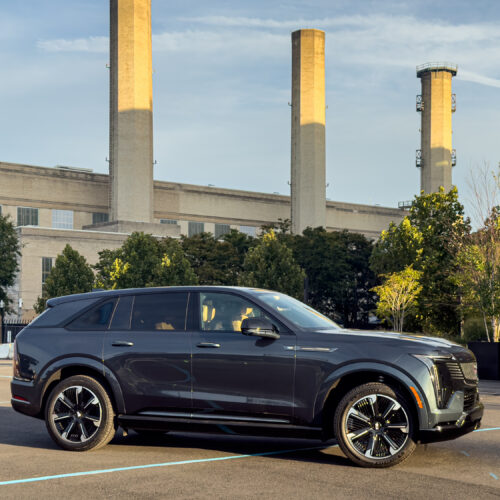
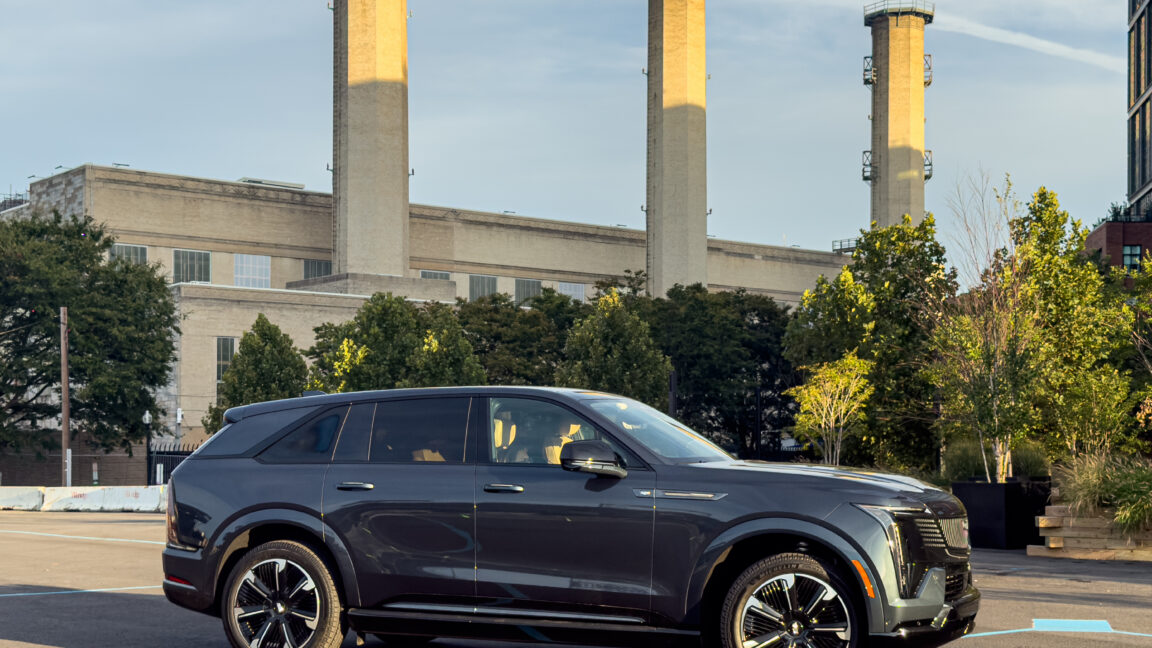
β€œPlease have at least 125 miles of range left when we pick it up.” That request from the people who look after the Cadillac press cars wasn’t going to be hard to honor. The electric Escalade IQ arrived with an indicated range of 440 miles (708 km), and with a full week of work to squeeze in, getting anywhere close to needing to recharge it seemed unlikely. With more than 200 kWh of lithium-ion battery between its axles, range is one thing the big electric Caddy needn’t worry about.

Designed and debuted during a time of greater EV optimism, the Escalade is Cadillac’s statement that swapping out a V8 for a pair of powerful electric motors is no compromise to its ambitions, even if the brand’s future will now include a mix of electric and combustion cars beyond 2030. It shares a battery pack and much else with other full-size GM EVs we’ve tested: the Chevrolet Silverado EV, the GMC Sierra EV, and of course the divisive Hummer EVs. And like those trucks and SUVs, the Escalade is large and heavyβ€”just small enough to fit into a standard parking space, with a curb weight sufficient to push it into the Class 3 truck category.

So, the side mirrors are flat, and there’s no formal EPA rangeβ€”Cadillac says it achieves 460 miles (740 km) on the EPA test cycleβ€”but there are plenty of airbags, even though the 9,046 lb (4,103 kg) curb weight does not require them. Yes, you did read that right, it does weigh 4 tons. And yes, the electric Escalade does weigh a third more than the last gas-powered one we tested.
Read full article

Comments

Β© Jonathan Gitlin

Electric or gas? BMW goes both ways with new 2027 X5 and iX5.

When we first drove BMW’s first Neue Klasse model, the iX3, it quickly revealed that BMW knows how to make a good electric vehicle. A clean-sheet design, it featured the automaker’s sixth-generation electric powertrain, a completely reimagined dashboard, and powerful computers to run the whole show. Now, much of that technology is being ported over to the larger X5 line.

But BMW knows not all its customers are ready to go electric, especially in the US, so it’s sticking with its powertrain-agnostic CLAR platform, as used in cars as diverse as the large 7 Series and the new gasoline 3 Series. Which means in addition to the all-electric iX5, there are also mild hybrid and plug-in hybrid X5s available, and in time, even a hydrogen-powered option. For now, as I’ll explain, I think the EV is the pick of the bunch.

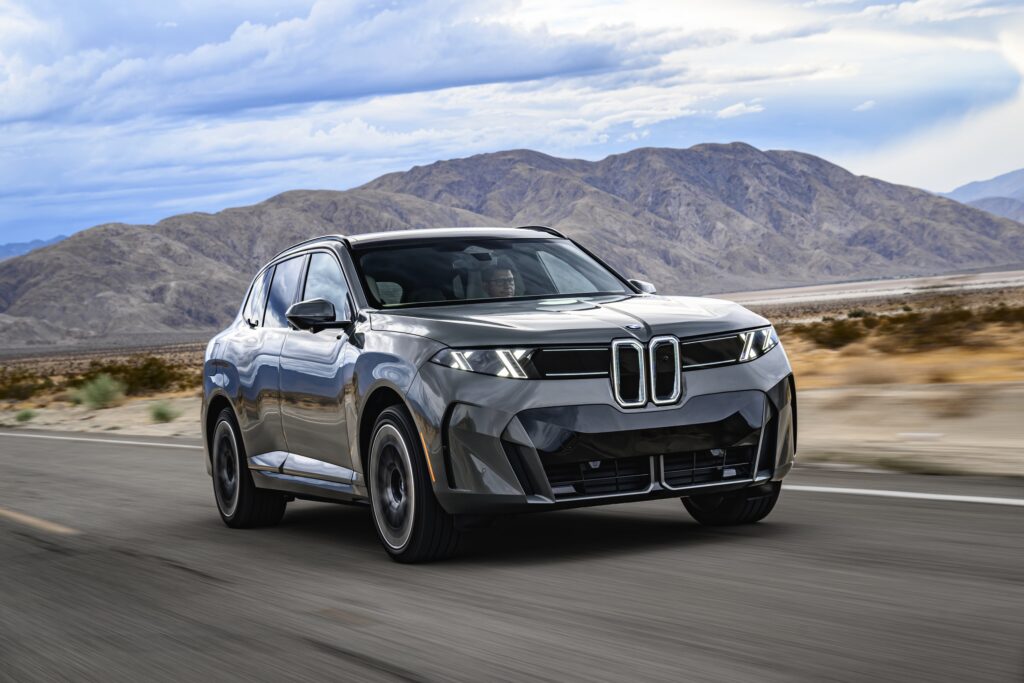
A BMW iX5 drives on the road.
Get used to it, because this is what BMW SUV kidney grilles look like from now on. Credit: BMW
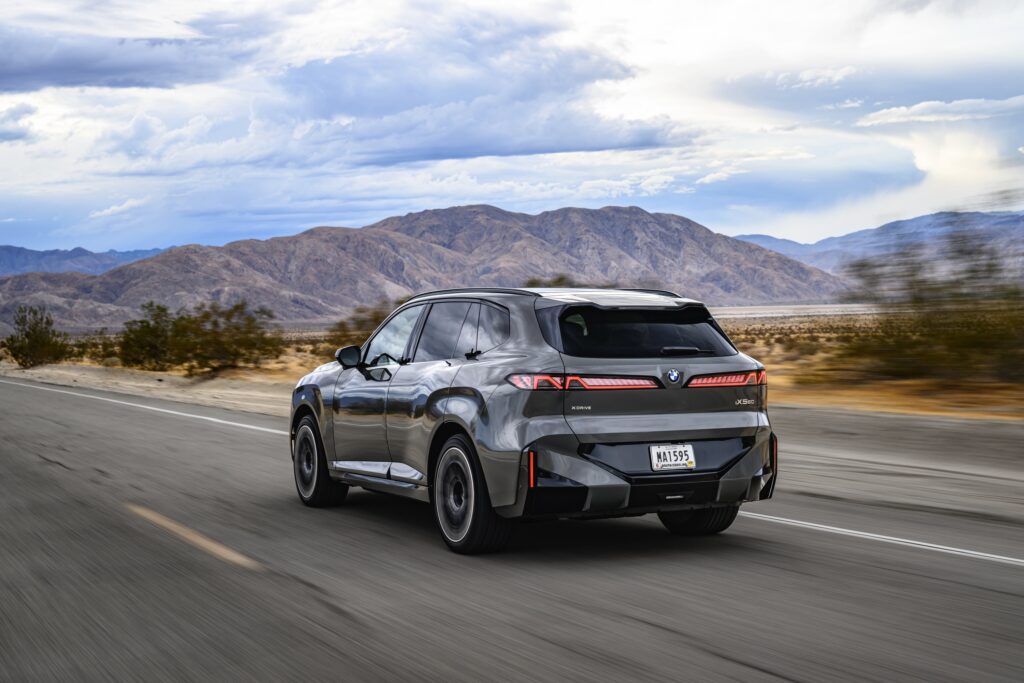
A BMW iX5 drives away from the camera
If you looked very carefully you'd see this was an iX5 because there's no exhausts. Of course, reading the badge is probably easier. Credit: BMW

Pick your power

The most conventional option is the X5 40 xDrive, powered by a 3.0 L turbocharged inline six-cylinder engine that generates 394 hp (294 kW) and 428 lb-ft (580 Nm). The 48 V mild hybrid system can contribute a decent slug of torque (148 lb-ft/200 Nm) if necessary, and the engine operates under the Miller cycle for better efficiency, as well as featuring the usual BMW engine technology, like variable valve timing. Expect around 26 mpg (9 L/100 km) from this powertrain and a full-to-empty range of 569 miles (915 km).

Read full article

Comments

Β© BMW

❌