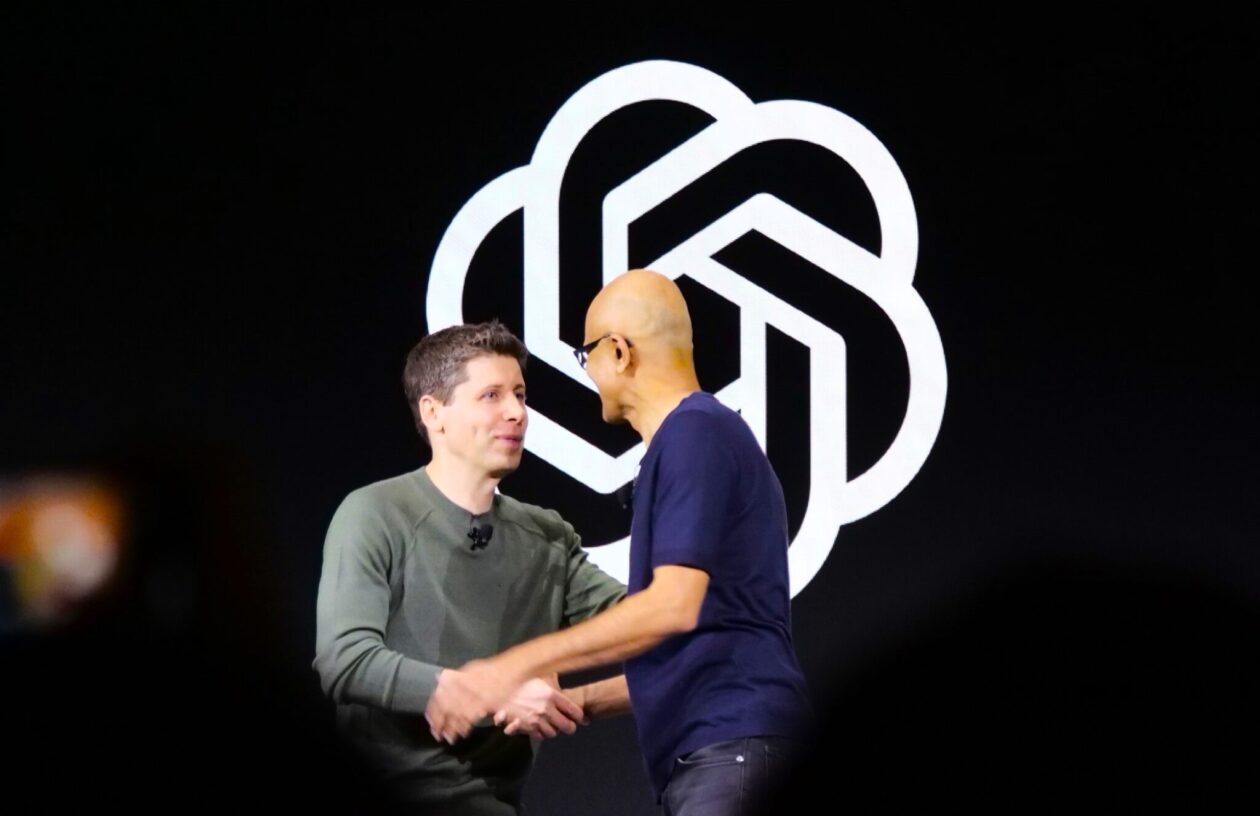
OpenAI CEO Sam Altman and Microsoft CEO Satya Nadella at OpenAI’s DevDay in November 2023. (GeekWire File Photo / Todd Bishop)
OpenAI generated $10 billion in revenue for Microsoft in the quarter ended Sept. 30, about 11% of the Redmond company’s total revenue, according to its quarterly filing Wednesday.
The amount is up sharply. In the fiscal year that ended in June, Microsoft recorded $24.1 billion in revenue from its business with OpenAI, or about $6 billion a quarter on average.
That $10 billion surpasses some of Microsoft’s longest-running businesses. Xbox brought in $5.4 billion in the quarter. Search and advertising, which includes its Bing search engine, generated $6.6 billion. Windows licenses sold through PC makers, along with Surface and other Microsoft devices, brought in $3.6 billion.
The total covers revenue-sharing payments from OpenAI, as well as other business between the companies, such as OpenAI’s use of Azure to train and run its AI models. Microsoft didn’t say how much came from each, or how much of Azure’s growth came from OpenAI.
Microsoft has begun disclosing its revenue from OpenAI because its stake of about 24% makes OpenAI a “related party” under accounting rules, requiring it to report the business they do with each other.
Microsoft first reported the number in its annual report in July, as a full-year total. This is the first time it has given a quarterly figure.
The original AI alliance: Microsoft first invested in OpenAI in 2019, eventually committing $13 billion, and became its exclusive cloud provider. ChatGPT ran on Azure when it launched in late 2022.
The companies have loosened their ties since then. OpenAI restructured as a public benefit corporation in October 2025, and Microsoft gave up its right of first refusal to supply OpenAI’s computing capacity. OpenAI committed to buy an additional $250 billion in Azure services. An April 2026 agreement gave OpenAI broader freedom to use other cloud providers.
OpenAI has also agreed to keep sharing revenue with Microsoft through 2030.
In addition, Microsoft sells access to OpenAI’s models to business customers through its Azure OpenAI Service, and the models became the foundation for its Copilot products, putting Microsoft at the front of the generative AI boom. That revenue comes from Microsoft’s own customers, so it isn’t part of the $10 billion.
Many customers, not a few: Asked by Bernstein Research analyst Mark Moerdler whether AI growth on Azure was coming from big businesses or AI-native companies, Microsoft CEO Satya Nadella didn’t mention OpenAI.
He said he doesn’t want Azure’s AI business to depend on a few big customers, and that broad adoption by businesses is just getting started.
Nadella described it as “a decade-long thing,” and contrasted it with relying on “four customers who buy a lot of capacity from you” to show a few quarters of growth. That, he said, is “not a business as far as I’m concerned.”
He added that Microsoft has large customers who want to buy capacity, “and as long as the pricing is right, we may sell them some. If not, we will be patient.”
Later in the call, Goldman Sachs analyst Gabriela Borges brought up the fact that OpenAI made up 11% of revenue. Nadella didn’t address the number but praised OpenAI’s latest models and said customers are increasingly mixing models from different companies, or training their own.
He cited Microsoft’s tools for routing each task to whichever AI model handles it best. If you use AI coding agents, Nadella said, you want Anthropic and OpenAI “to compete for your workload, not like once a quarter, but for every task.”
New risk language: Microsoft also expanded a warning in its quarterly filing about the risks of depending on outside AI providers. The company builds products such as Copilot on AI models from outside companies, including OpenAI and Anthropic. It now says it has “limited visibility into or control over” how those models are designed, trained, secured and tested.
Without naming OpenAI or Anthropic, the same section notes that some of these AI partners are also “significant customers of Azure,” and that the benefits Microsoft expects from those relationships “may not be realized or sustained.” It says those partners could change how much they buy, and that Microsoft itself may change how it allocates scarce data center capacity or prices it.
Microsoft is an investor in both companies. According to its latest filing, it owns about 24% of OpenAI, down from about 25% in June and about 27% after OpenAI’s restructuring a year ago, and has put $12.0 billion of a promised $13.0 billion into the company.
Understand APNIC IPv4 transfer rules, buyer requirements, fees and approval steps, with helpful checks to assess address blocks before completing a transaction.
When Apple unveiled the new M5 Max and M5 Ultra Mac Studio earlier this year, it confirmed that there would be a new 512GB version available at a later date. Today, alongside the new MacBook Pro with PROLED XDR Display, Apple unveiled that new Mac Studio — as well as its incredible price.
The European Union plans to create the first subsea Internet cable directly connecting Europe to Greenland. The Pan-Arctic Cable project could also extend to Canada and eventually link with Japan and South Korea, notably bypassing the United States.
The Pan-Arctic Cable is described as a European Union flagship project in a European Commission joint communication published on October 20, 2026. The policy document describes a new European strategy for the Arctic that supports “a sovereign, secure and resilient submarine cable connection linking Greenland directly to the EU,” while also suggesting that “like-minded partners like Canada” could provide a stepping stone for future cable expansion toward Asia.
“It is interesting that this project is even being considered, because five years ago it would have seemed like not a particularly commercially attractive proposition,” Elisabeth Braw, a senior fellow at the Atlantic Council who leads the Threats to the Global Maritime Order Initiative, told Ars. “But the fact that it's being considered is very much on trend and a sign of our times.”
Microsoft has never disclosed Azure's quarterly revenue in dollars. But for the first time, we can see just how close it is getting to besting the biggest competitor in the market, AWS.
Whatever the future of AI might be, the current situation is still very good for Microsoft. The tech giant reported yet another record for quarterly revenue on Wednesday: $92.3 billion, a 19% increase over the year-ago quarter.
The leaked records include the locations of ICE and CBP facilities, workers’ cell phone numbers, and the members of groups tied to wiretap programs, Palantir software, and xAI’s Grok chatbot.
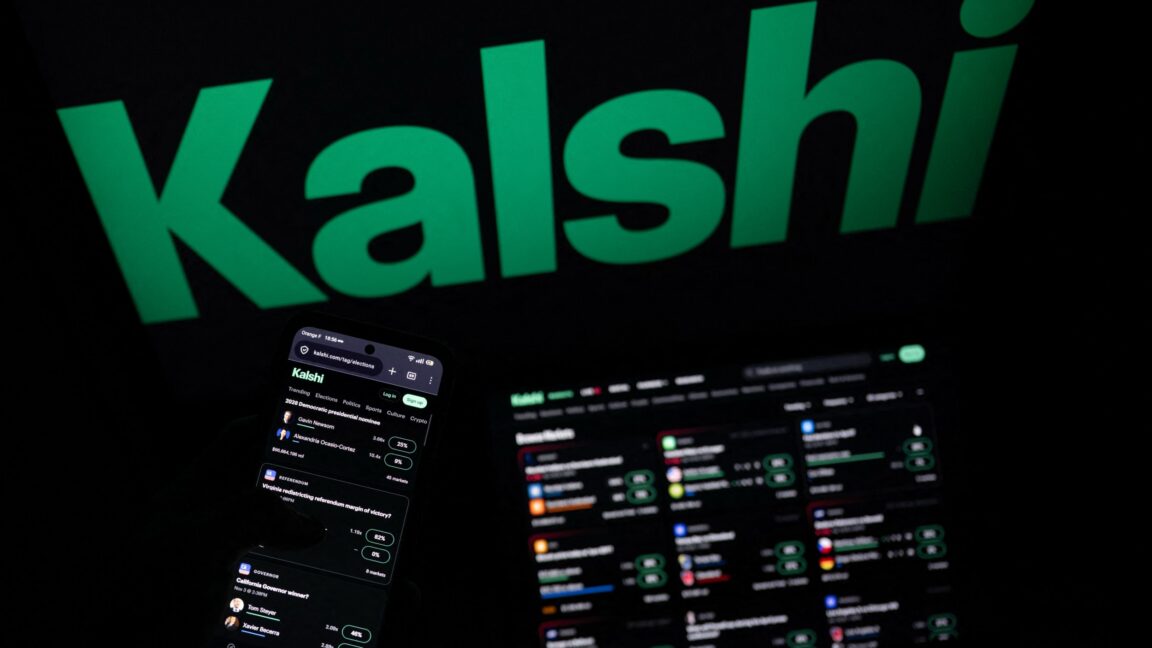
The Trump administration is trying to stop Utah from enforcing its gambling ban against Kalshi, making Utah the 10th state sued by the US government agency that regulates prediction markets.
Utah, which prohibits gambling, sued Kalshi in a state court last week. Utah's lawsuit seeks an order prohibiting Kalshi from offering bets on sports, elections, politics, and other events.
“Kalshi runs an online casino in Utah and calls it a prediction market. That violates Utah law,” Utah Attorney General Derek Brown, a Republican, said last week. “Not only do our state laws ban gambling but Utah is one of only two states where gambling is also prohibited under the state constitution. For 130 years, Utah has been clear: gambling has no place here, and we will enforce our laws.”
The private space tourism era looked so very promising five years ago. Blue Origin and Virgin Galactic had begun flying customers—real people with zero space experience—on suborbital missions. And at about the same time, private citizens were going to orbit for days at a time aboard SpaceX's Crew Dragon.
But that was then. Consider the state of play today:
It has been 10 months since Blue Origin's New Shepard spacecraft flew its last mission in January. The program was subsequently "paused," but let's be real. Blue Origin has moved on. New Shepard's engineering teams are now supporting the New Glenn rocket and Blue Moon lander programs.
SpaceX flew its final free-flyer mission on Dragon, Fram2, in April 2025. A handful of non-NASA missions bound for space stations remain on the spacecraft's manifest, but all are likely to carry at least one government astronaut. Then Dragon will be retired. There is no credible timeline for SpaceX's Starship to fly humans into space from Earth.
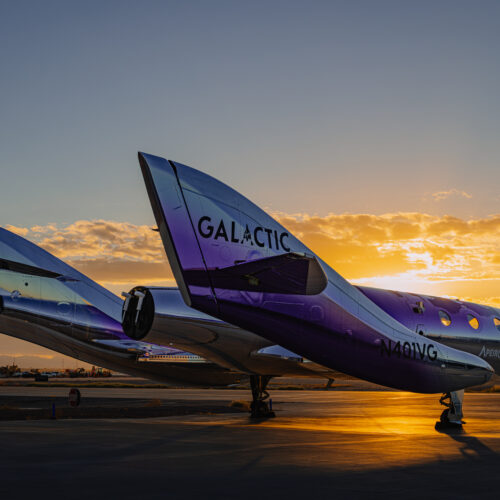
As for Virgin Galactic, the company flew its final suborbital mission on the VSS Unity spacecraft more than two years ago, in June 2024.
So we are now 10 months, and counting, without a space tourism mission in the United States.
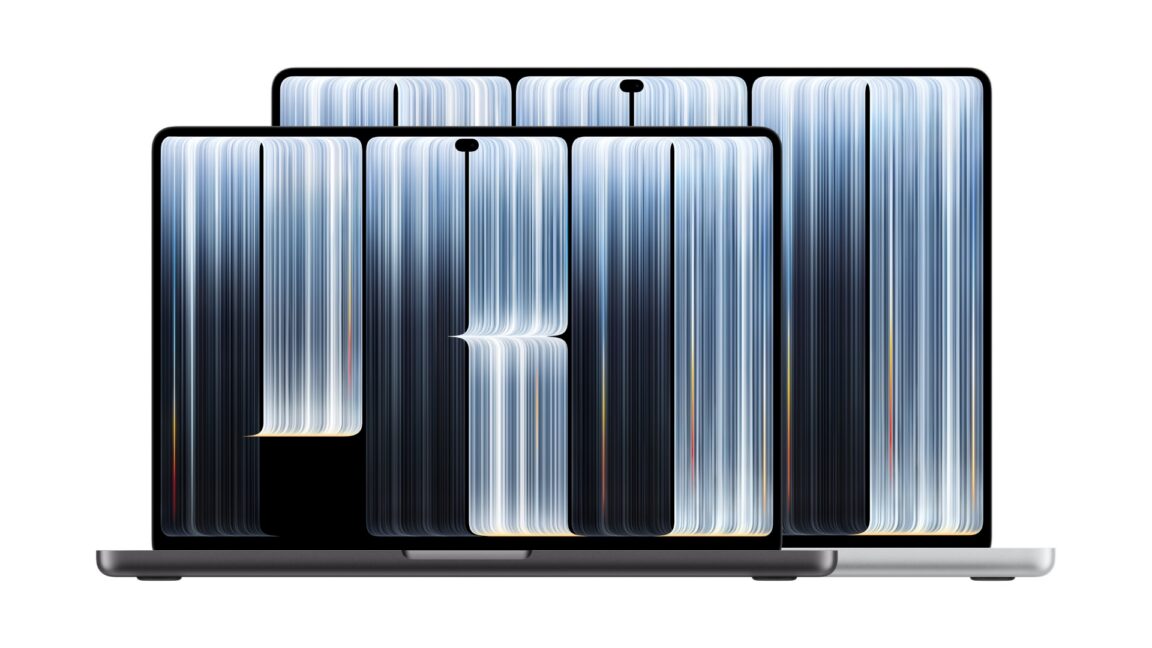
Apple announces new MacBook Pro models featuring a PROLED XDR touch display and a glowing Apple logo, introducing major design changes to its professional laptops.
OnePlus rolls out Android 17-based ColorOS 17 early to four phones, including the OnePlus 13 and 13R. See what's new, supported devices, and US availability.
OnePlus rolls out Android 17-based ColorOS 17 early to four phones, including the OnePlus 13 and 13R. See what's new, supported devices, and US availability.
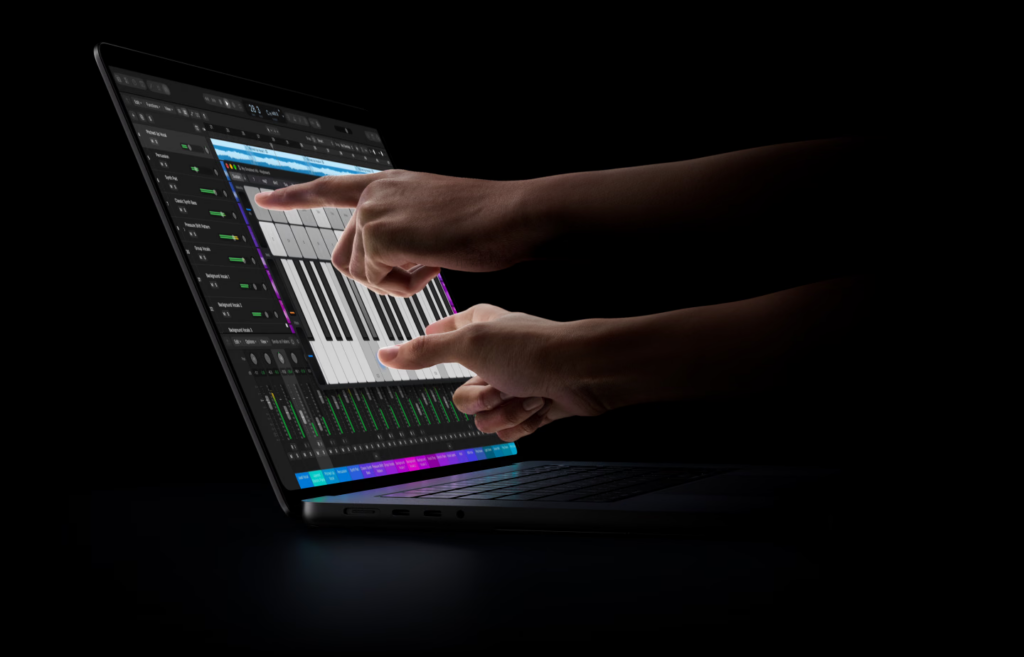
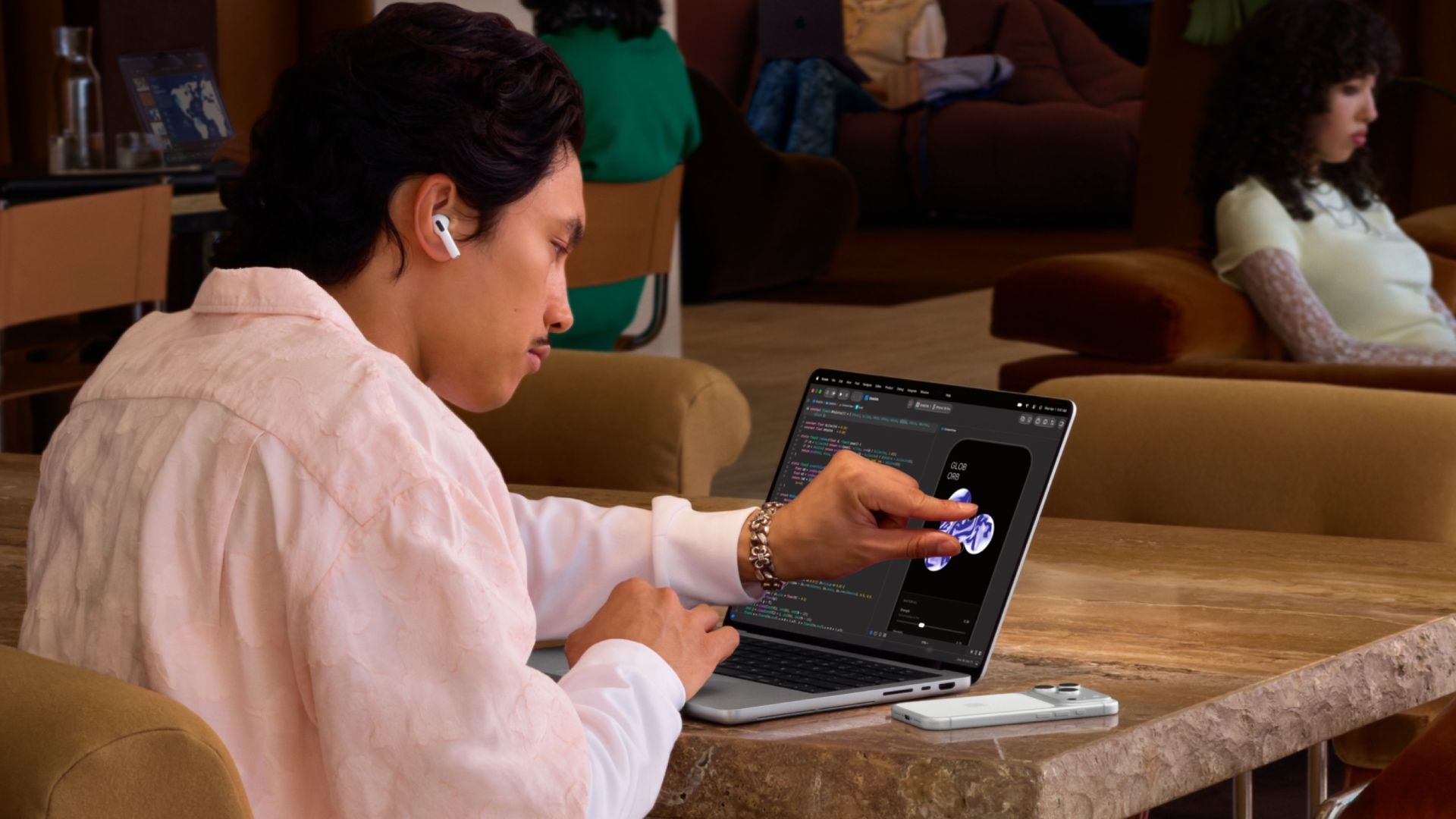
LOS ANGELES—Apple today announced and gave a first glimpse of its first major MacBook Pro redesign in more than five years. As rumored, it includes an OLED display and, for the first time on macOS, a touchscreen—a change Apple has long debated. (Former CEO Steve Jobs famously was opposed.)
Apple's demonstration video showed users interacting with applications by reaching up to touch the screen, including file dragging and multi-touch gestures like pinch-to-zoom. It does not appear to be a 2-in-1 convertible design, though; all the footage was of people reaching up to touch the screen in a normal laptop configuration.
The OLED display (which Apple is, of course, calling the PROLED XDR) seems to be the real highlight here, compared to earlier models: It can achieve 2,000 nits in terms of maximum brightness, and Apple says it has a 10,000,000:1 contrast ratio. References were made to burn-in protection, but details on which approach it's taking for that weren't yet shared. The display retains the 120 Hz variable refresh rate of its predecessors.
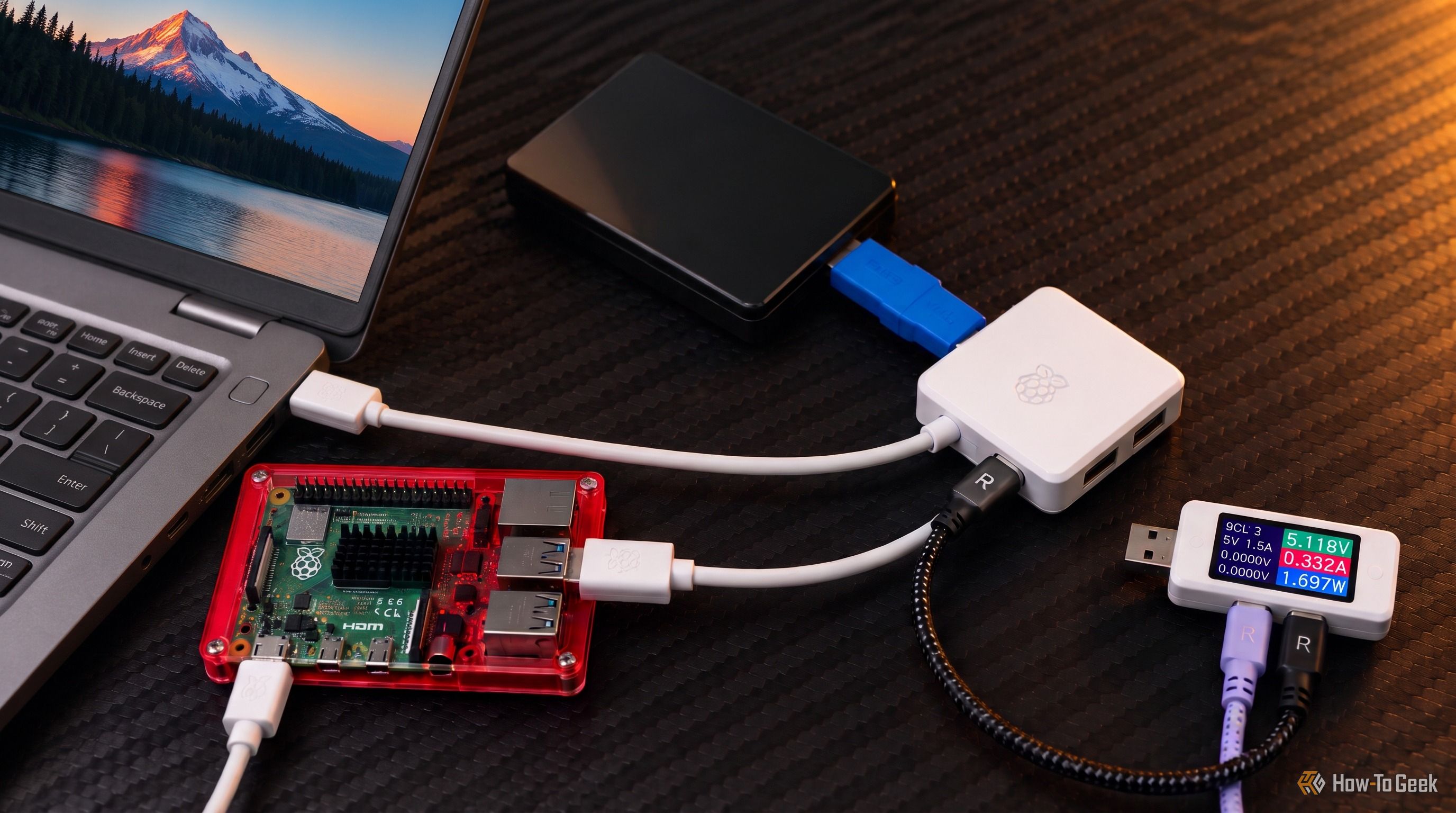
The Raspberry Pi is a fun little computer, but I have a habit of collecting accessories that turn out to be more useful than the device they were designed for. Some of them stay connected to the Pi, while others find their way onto my desk and become part of my regular setup. The official Raspberry Pi USB 3 Hub is one such accessory.
Apple is bringing two new technologies for the first time ever in Mac’s history. The brand has unveiled the MacBook Pro with an OLED panel and touchscreen support. These have been around on Windows machines for years, and while Apple is late to the party, it introduces interface changes optimized for touch input and designed to deliver a more immersive viewing experience. That potentially blurs the line between MacBook and iPad experiences.
Circle has reported 30% growth in USDC assets under custody on Kraken since their September 2025 partnership, alongside nearly 1 billion EURC traded on the exchange since listing. Circle, in an Oct. 28 post presenting its Kraken case study, said…
 Login