❌

Reading view

There are new articles available, click to refresh the page.

White House vs. Microsoft, AI fighter jets, and a visit to a startup founder’s Seattle recording studio
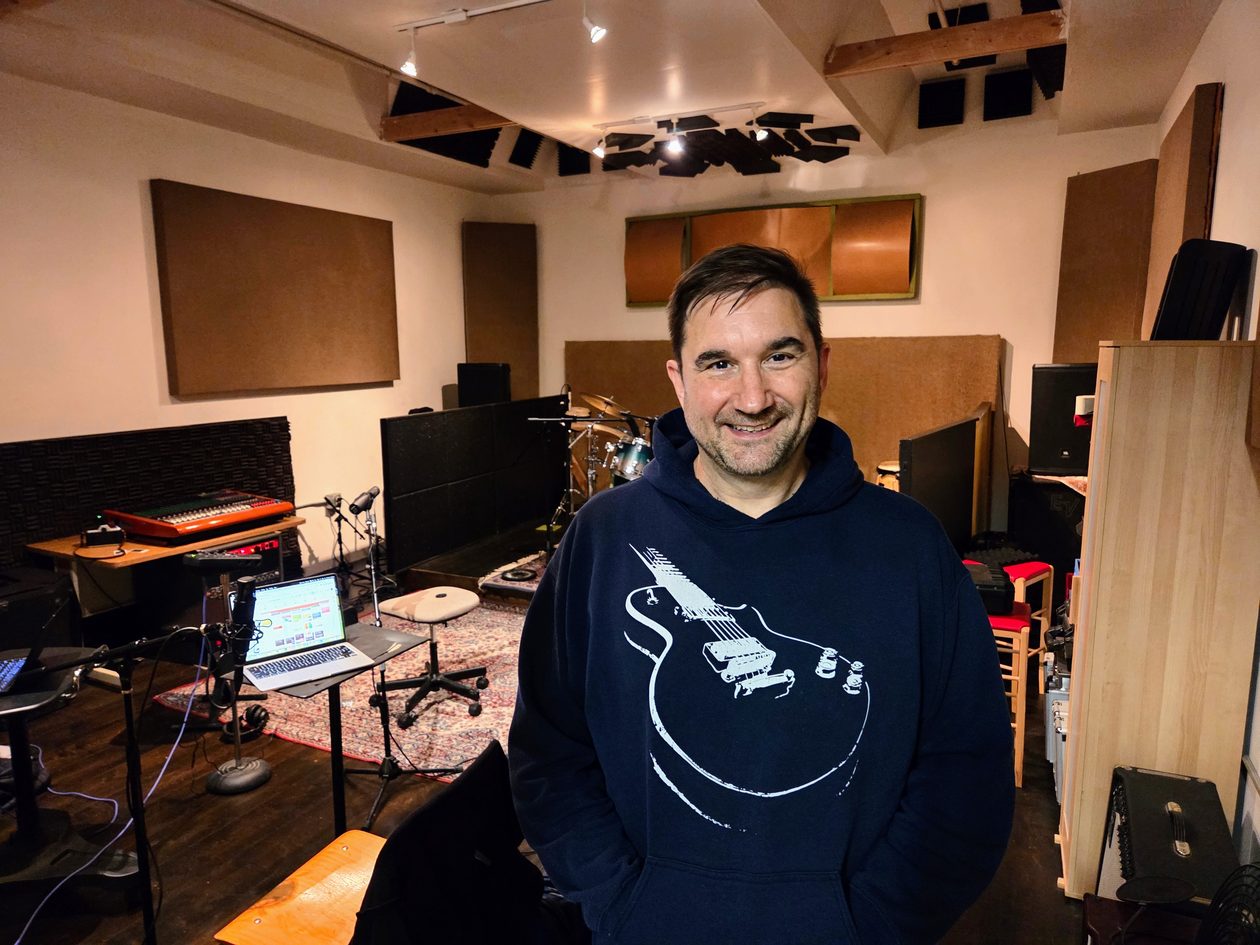
Seth Paul of Front Burner Studios and security startup Qinsay at the studio near Pike Place Market. (GeekWire Photo / Todd Bishop)

This week, we take the GeekWire Podcast to Front Burner Studios in Seattle, where we’re hosted by studio co-owner Seth Paul, who’s co-founder and CEO of security startup Qinsay.

We discuss the White House crackdown on Microsoft’s green-card sponsorships, which Vice President JD Vance announced just hours before President Trump awarded Satya Nadella the National Medal of Technology and Innovation. We talk about the contrast, and about how Nadella himself traveled that same path from H-1B visa to U.S. citizenship.

We also look at how Seattle-area startups raised a record $3.5 billion, driven largely by companies building physical things like rockets and satellites.

That leads us to Shield AI’s plans to build AI-piloted fighter jets in Des Moines, Wash., where a city FAQ assures residents the facility is not a data center.
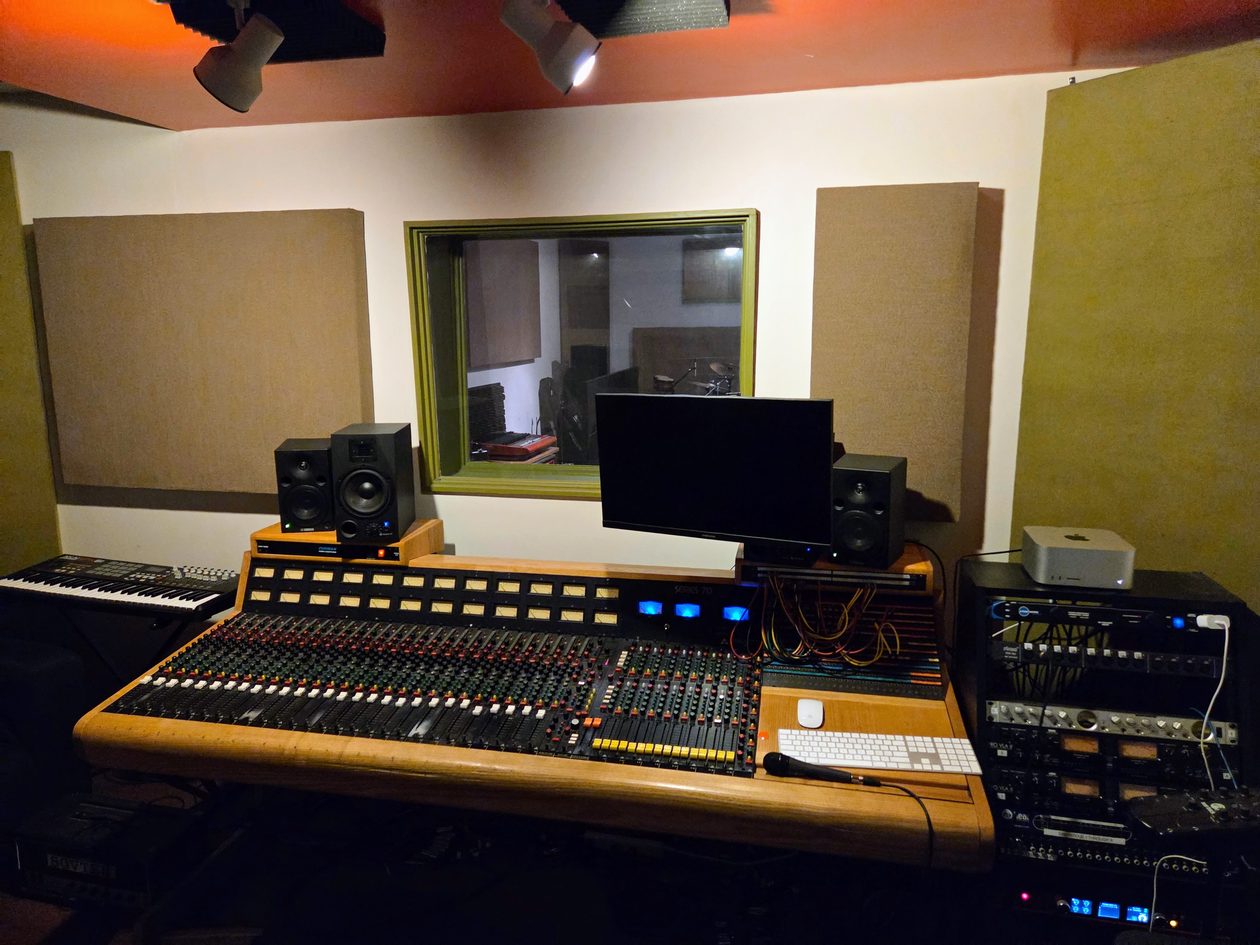
The vintage Trident Series 70 console in the control room at Front Burner Studios, which Seth Paul drove across the country from Detroit in the middle of winter. (GeekWire Photo / Todd Bishop)

After we catch up on the news, Seth joins us to tells us about the studio, including the vintage console he drove from Detroit, and how he brings a musician’s approach to the startup world.

And in the final segment, it’s the return of the GeekWire Trivia Challenge.

Related links:

Subscribe to GeekWire in Apple Podcasts, Spotify, or wherever you listen.
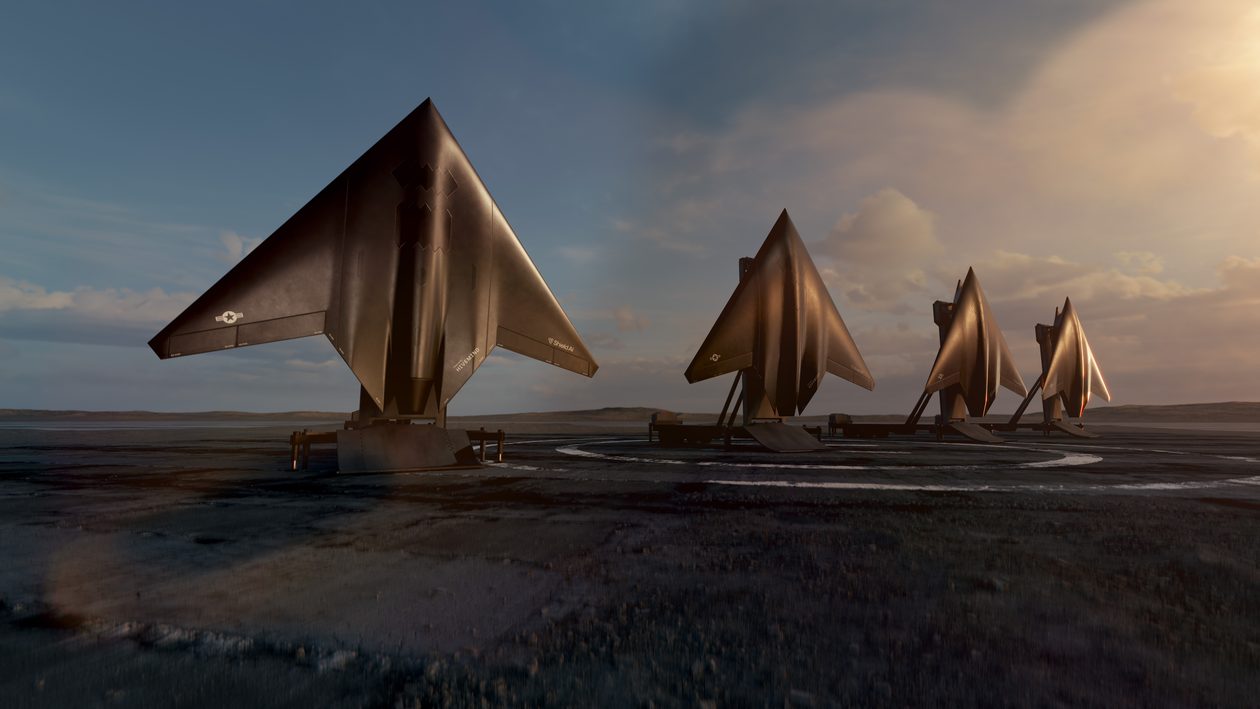
Meet the X-BAT: Full specs on the new AI-piloted fighter jet to be built in Washington state

Shield AI’s new X-BAT autonomous fighter jet is designed to take off and land vertically. Rendering via Shield AI.

Traditional military air operations rely heavily on fixed, vulnerable targets: long concrete runways and aircraft carriers.

Shield AI’s new X-BAT autonomous fighter jet is designed to bypass that infrastructure entirely, utilizing a vertical takeoff mechanism and a mobile launch trailer that can operate from highways, remote outposts or standard cargo ships.

Operated without a human in the cockpit, the aircraft relies on aboard algorithms to navigate and execute strike missions where GPS and satellite communications are jammed. The X-BAT has yet to make its maiden flight, but Shield AI and GE Aerospace cleared a critical milestone this summer by completing ground engine tests and integrating the jet’s F110 thrust-vectoring nozzle.

With news that the X-BAT will be mass produced in the Seattle area β€”Β bringing 4,000 jobs to the region by the early 2030s β€”Β we decided to take a closer look at this groundbreaking aircraft.

Meet the X-BAT: Specifications & Capabilities

  • Aircraft Name: X-BAT
  • Developer: Shield AI
  • Aircraft Classification: Autonomous / AI-Piloted Strike Fighter (Runway-Independent)
  • Fuselage Length: 26 feet
  • Wingspan: 39 feet
  • Service Ceiling: Greater than 50,000 feet
  • Takeoff/Landing Style: Vertical Takeoff and Landing (VTOL)
  • Objective Combat Radius: About 1,000 nautical mile combat radius (out and back), topping the roughly 590 nautical miles of the Air Force’s F-35A.
  • Total Range: 2,000 nautical miles.
  • Internal Payload Bay Capacity: Up to 2,000-pound class weapons.
  • Engine: GE Aerospace F110
  • Software: Shield AI Hivemind autonomy system.
  • Primary Propulsion & Flight Control: Autonomous AI agent, replacing human onboard pilot.
  • Logistics & Mobility: Road-transportable via dedicated Launch and Recovery Vehicle (LRV) trailer; highway-mobile and ship-deployable (destroyers, LHA/LHD amphibious assault ships, expeditionary bases). Tagline: β€œEarth is our runway.”
  • Target Production Rate: ~150 aircraft per year by early 2030s
  • Key Operational Milestones: First vertical flights expected in 2026. Production is set to start in Des Moines in mid-2027. The first jet is projected to be built in early 2028 and fly by that summer. The Navy could start using it by the end of 2029. Full production is planned for the early 2030s.
❌