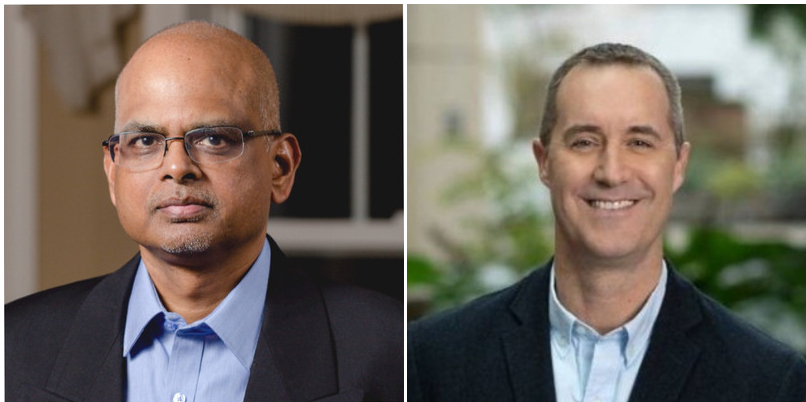
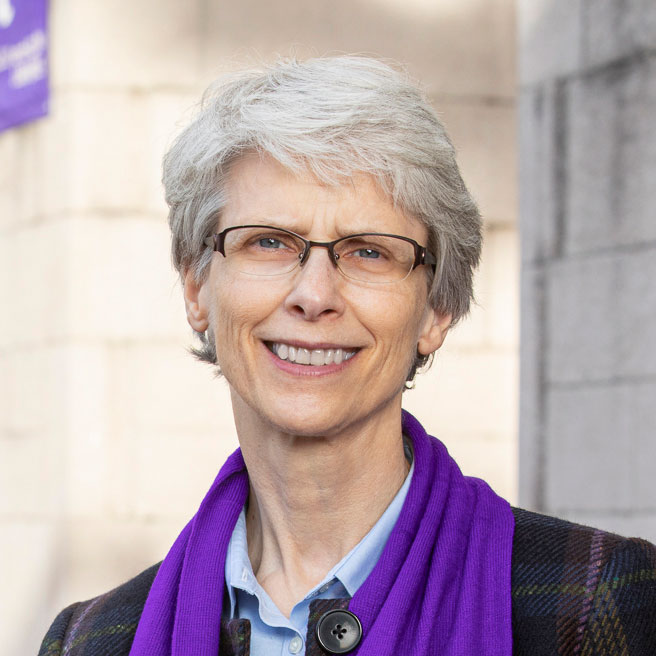
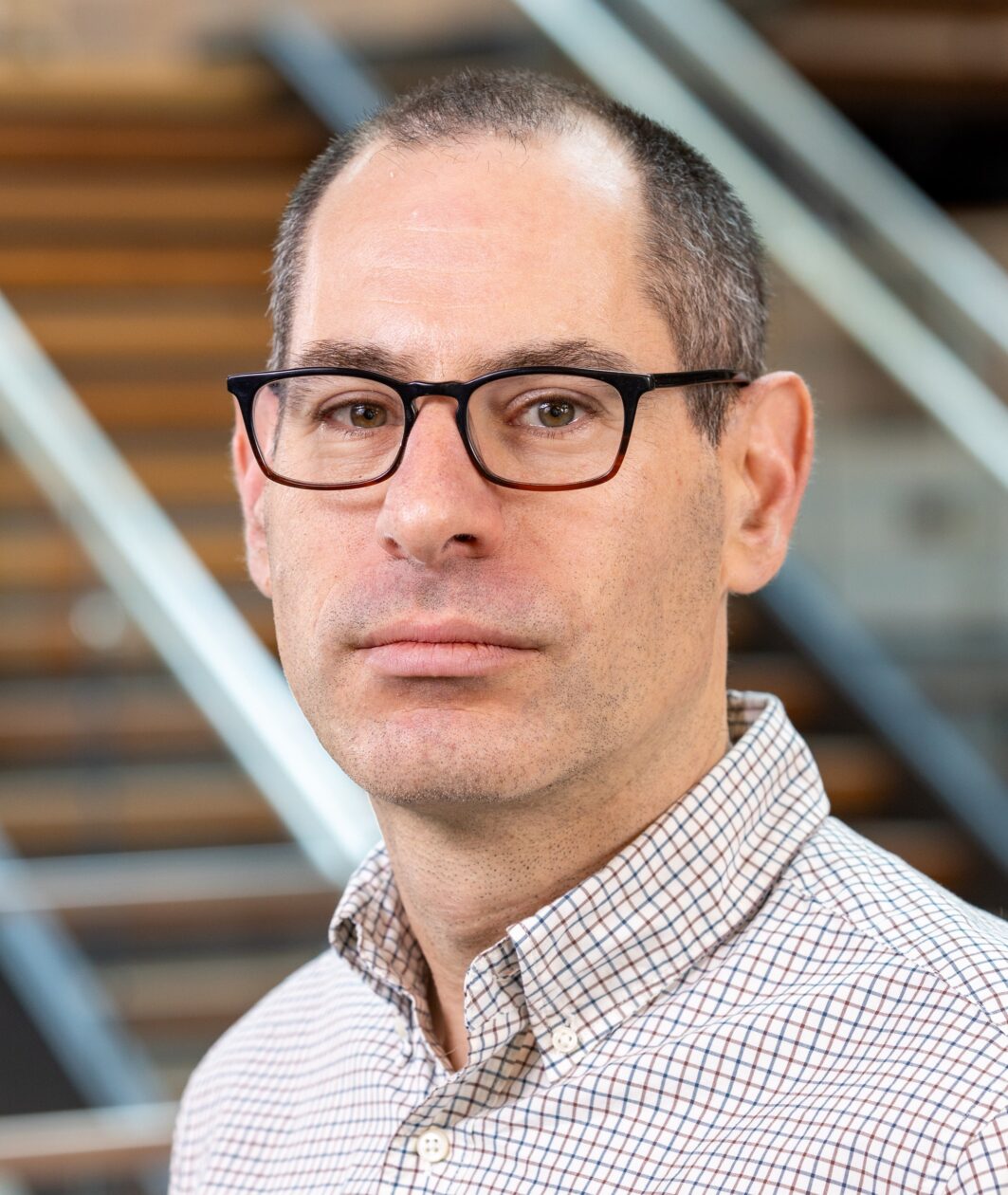
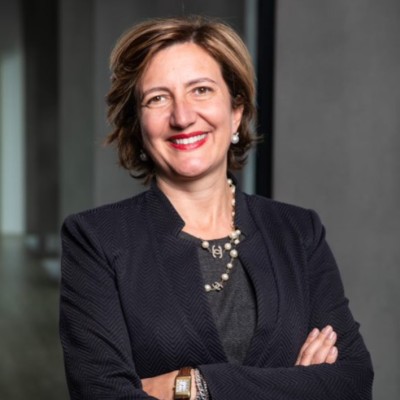
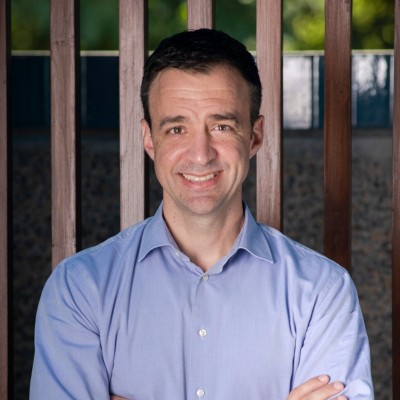
Avi Saxena, left, and Tyler Whitworth. (LinkedIn Photos)
— Two former Amazon executives who helped build Discovery’s direct-to-consumer operation in Bellevue, Wash., are stepping down from their leadership roles following the company’s acquisition by Paramount Skydance. They will remain in advisory roles during the transition.
Avi Saxena joined Discovery in 2019 as chief technology officer of its direct-to-consumer business and led its new Bellevue office. He became CTO of Warner Bros. Discovery (WBD) following Discovery’s 2022 merger with AT&T’s WarnerMedia business. Paramount Skydance completed its acquisition of WBD on Oct. 6, with the combined company taking the name Skydance Corporation.
Before joining Discovery, Saxena was with Amazon for 19 years over two stints, most recently as vice president of technology for Amazon Marketplace. He also held leadership roles at Microsoft and internet infrastructure startups.
Tyler Whitworth is stepping down as executive vice president and chief product officer for WBD’s streaming business. He led teams working on digital products for HBO Max, discovery+, Eurosport, TNT Sports, Food Network and others. Before joining Discovery, he spent more than seven years at Amazon, leading teams developing products and services for customers and third-party sellers.
Dane Glasgow, Skydance’s chief product officer, announced the departures of Whitworth, Saxena and WBD Chief Information Officer Dave Duvall in a memo shared with GeekWire.
“Much of the strength of WBD’s product and technology organizations reflects their leadership and dedication. Please join me in thanking them and wishing them the very best,” Glasgow wrote.
The company has not responded to GeekWire’s inquiries about the future of the Bellevue office.
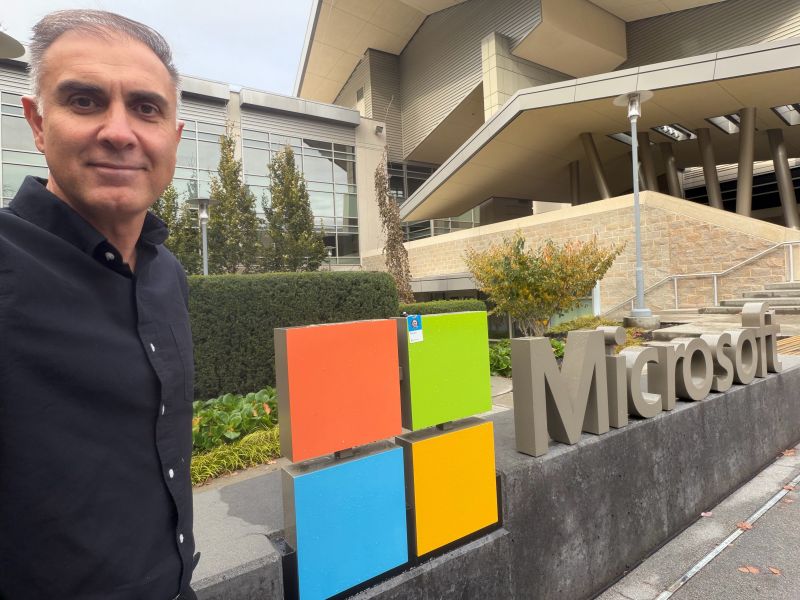
Bahadir Onalan. (LinkedIn Photo)
— Bahadir Onalan is returning to Microsoft as a vice president in its CoreAI organization, focused on responsible AI, after nearly 10 years at Amazon. Onalan first joined Microsoft in 2005 and worked on Azure teams focused on search, analytics, business intelligence and security. He left in 2017 as a principal software group engineering manager to join Amazon, where he worked on machine learning initiatives.
“This second tenure feels like a true homecoming,” Onalan wrote. “Our goal goes beyond shipping a platform or a product; we are here to define the global standards for AI safety.”
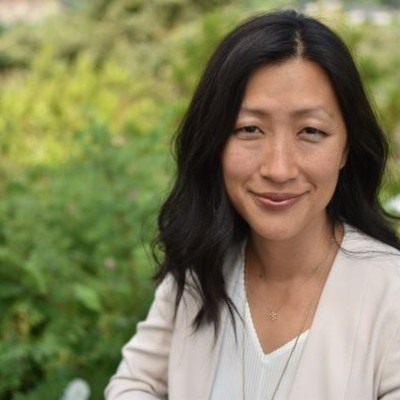
Naria Santa Lucia. (LinkedIn Photo)
— Naria Santa Lucia is leaving Microsoft after seven years, most recently as a general manager with Microsoft Elevate. She previously served as executive director of the Washington State Opportunity Scholarship.
“I’ll carry the lessons I learned from my time at Microsoft as I continue my personal and professional mission to serve people and communities by teaching, advising nonprofits and mission driven organizations, and spreading joy and human connection,” Santa Lucia wrote.
She did not announce a specific next role.
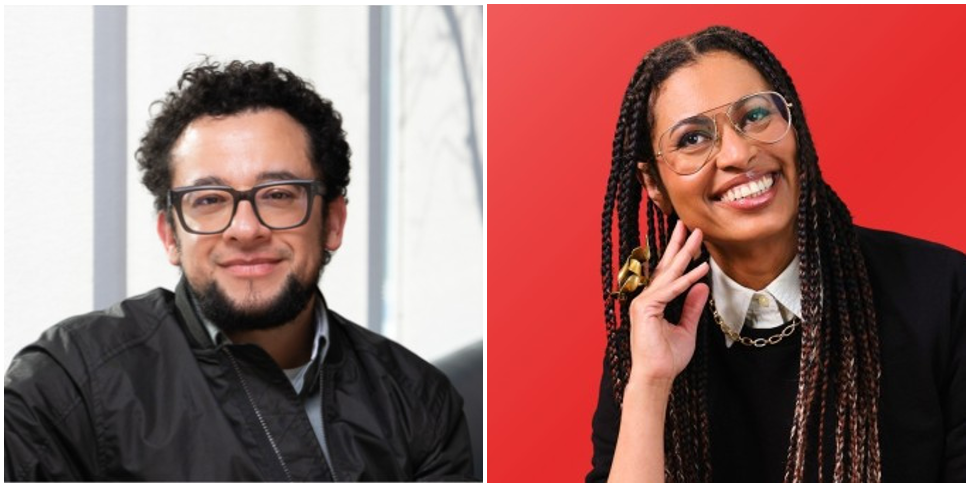
Leo Ochoa, left, and Aina Abiodun. (LinkedIn Photos)
— VertueLab, a Pacific Northwest nonprofit supporting climate tech entrepreneurs, has named Leo Ochoa executive director, promoting him from managing director for Oregon. He succeeds Aina Abiodun, who is transitioning to chair of the organization’s board after more than three years as executive director.
“Leo brings a unique blend of vision, relationships, and entrepreneurship experience,” the organization said, noting his background as a wildland firefighter, startup founder and patent holder for wearable safety gear.
Abiodun’s accomplishments include co-creating the Seattle Climate Innovation Hub, launching the Opalene Climate Challenge and helping lead the Just Future Climate Labs initiative.
Leah Sardone. (LinkedIn Photo)
— Seattle’s Pulse Space has appointed Leah Sardone as vice president of engineering. The startup is developing laser-based systems to deliver power and enable long-distance communications in low Earth orbit and beyond. In July, the company announced a $40 million U.S. Space Force contract to advance its laser-based space power technology.
Sardone brings more than 23 years of experience in hardware, sensors and embedded systems development. She joins Pulse Space from IonQ, where she most recently served as director of quantum networking and interconnects. Her previous employers include Lockheed Martin, Northrop Grumman, Honeywell Aerospace, Blue Origin and Amazon’s Project Kuiper, now known as Amazon Leo.
Michał Jastrzębski. (LinkedIn Photo)
— Caravel Bio a Portland, Ore., startup developing technology to rapidly test newly designed proteins, has announced Michał Jastrzębski as its CTO. The company says its platform can screen millions of protein designs in parallel at low cost, helping identify promising candidates for applications in human health, pollution reduction and industrial processes.
Caravel also announced a nearly $1.25 million Small Business Innovation Research Phase II grant from the National Science Foundation to further develop the platform.
Jastrzębski previously served as a principal machine learning engineer at Ginkgo Bioworks. His past employers also include GitHub and Intel.
— Darick Baker has been appointed the director the University of Washington’s Washington Nanofabrication Facility, which the UW describes as “the largest publicly accessible nanofabrication facility and cleanroom in the Pacific Northwest.” Baker joined the facility in 2012 as a research engineer and has served as acting director since 2025. He previously worked at the Colorado School of Mines
— Technology Alliance announced that Stoke Space director of communications Kyra Jorgensen has joined its board. Jorgeson recently joined the space startup from the fusion company Helion Energy.
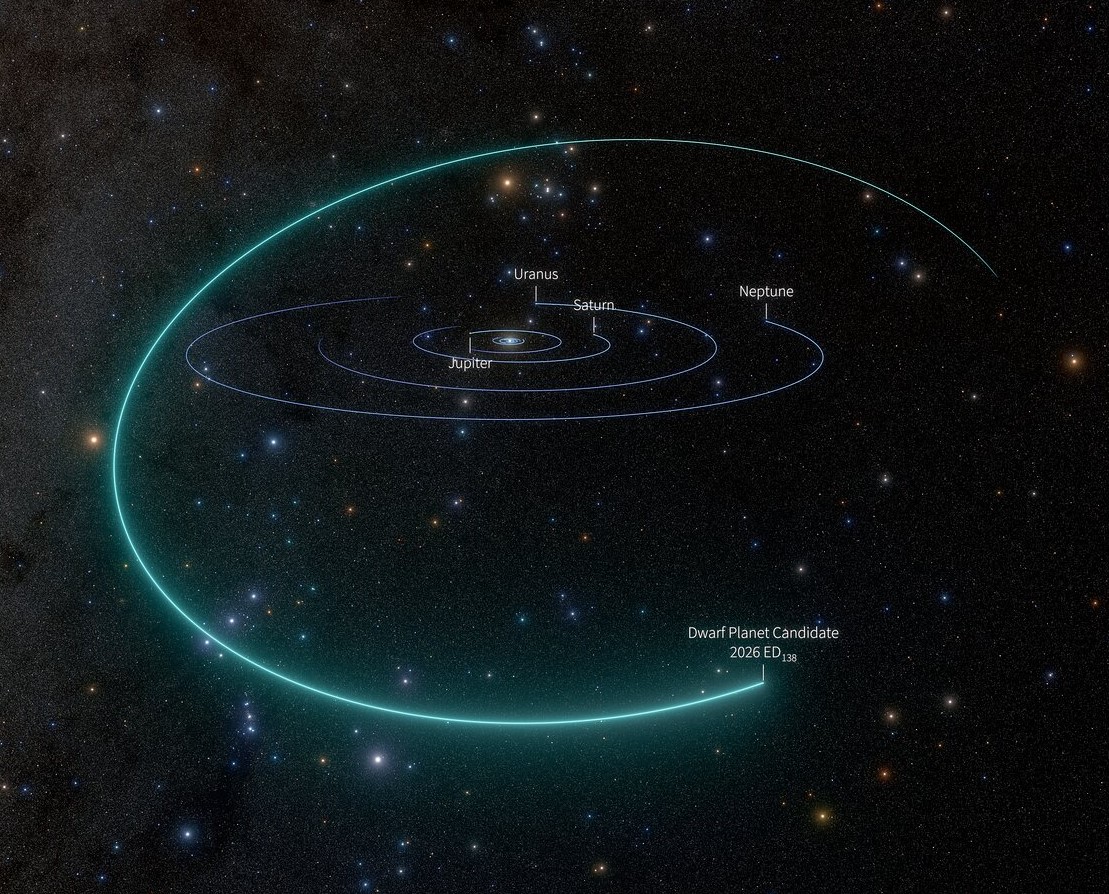
A visualization shows the orbital path of the dwarf planet candidate 2026 ED138 in relation to the orbits of the solar system’s larger planets. Click on the image for a larger version. (Credit: NSF-DOE Vera C. Rubin Observatory / NOIRLab / SLAC /AURA / R. Proctor)
Astronomers sorting through data from the Vera C. Rubin Observatory in Chile have found an icy world that has a good chance of joining Pluto in the solar system’s retinue of dwarf planets.
University of Washington astronomer Mario Jurić joined the astronomer who made the discovery, Matthew Holman of the Harvard & Smithsonian Center for Astrophysics, to announce the findings today at a meeting of the American Astronomical Society’s Division for Planetary Sciences in Spokane, Wash.
Jurić, the Rubin team’s solar system lead scientist, said the observatory’s capabilities made it possible to detect and characterize the new dwarf planet candidate, known as 2026 ED138.
“Rubin is giving us an unprecedented capacity to explore the sky through a combination of speed, depth, and precision,” Jurić said in a news release. “And the discovery is just the beginning: Once we identify a new object, we can search back months, and sometimes even decades, finding it in images where nobody knew to look. This ability to both discover and ‘precover’ objects is transforming how quickly and accurately we can determine their orbits and understand the distant solar system.”
2026 ED138 traces a tilted orbital path that takes it well beyond Pluto, the solar system’s best-known dwarf planet. It’s currently at a distance of 46 astronomical units, where 1 AU equals the average distance between Earth and the sun. Pluto, by comparison, is currently about 40 AU from the sun.
Astronomers suspect ED138 formed billions of years ago closer to the sun before being flung into a wider orbit by gravitational interactions with Neptune.
Based on an analysis of its distance, brightness and assumed composition, ED138 is thought to be somewhere between 600 and 1,500 kilometers (373 to 932 miles) in diameter. At that size, an icy object should possess enough gravity to pull itself into a round shape — satisfying the primary physical criterion for a dwarf planet.
Rubin’s researchers analyze the data from those scans to find objects of interest — ranging from asteroids to gamma-ray bursts — and track them over time. On Oct. 13, Holman was running data through a search code that he developed with Kevin Napier, a colleague at the Center for Astrophysics. ED138 stood out due to its exceptional size and brightness.
“My first reaction was one of excited disbelief,” Holman said. “Objects like this are very rare, so I immediately started checking whether I or the code had done something wrong.”
To confirm the discovery, Holman, Jurić and their colleagues found 30 archived observations of ED138 dating back to March 4. The Asteroid Institute’s ADAM Precovery service found still more images of the object, going back to 2016, in the archives of a different astronomical survey.
The precovery data confirmed that ED138 was a special case.
“Finding an object this big, roughly 1,000 kilometers across, is something that happens maybe once in a generation,” Jurić said. “It’s the largest trans-Neptunian object found in about 20 years, and Rubin turned it up while we were still commissioning the telescope.”
In 2006, the International Astronomical Union defined dwarf planets as planetary objects that are big enough to crush themselves into a roundish shape — technically speaking, into a state of hydrostatic equilibrium — but not big enough to clear their orbital neighborhood.
So far, the IAU has classified five solar system objects as dwarf planets — including Ceres in the main asteroid belt, plus Pluto, Eris, Haumea and Makemake in the region beyond Neptune. 2026 ED138 joins a host of other celestial objects that are thought to be dwarf planets but haven’t yet been added to the IAU’s official list.
“The official list hasn’t moved since 2008,” Jurić told GeekWire in an email. “I’m not sure if there’s an active process that reviews candidates, and what are the timelines.”
Jurić and his colleagues hope additional observations will boost ED138’s chances of attaining true dwarf planethood.
“The next step in building the case would be to prove it’s round (in hydrostatic equilibrium),” he wrote. “The means to do that would be directly through occultations (and there’s a good chance of that, given it’s in a dense stellar field), and then thermal measurements plus modeling and light curves (or the absence of variability).”
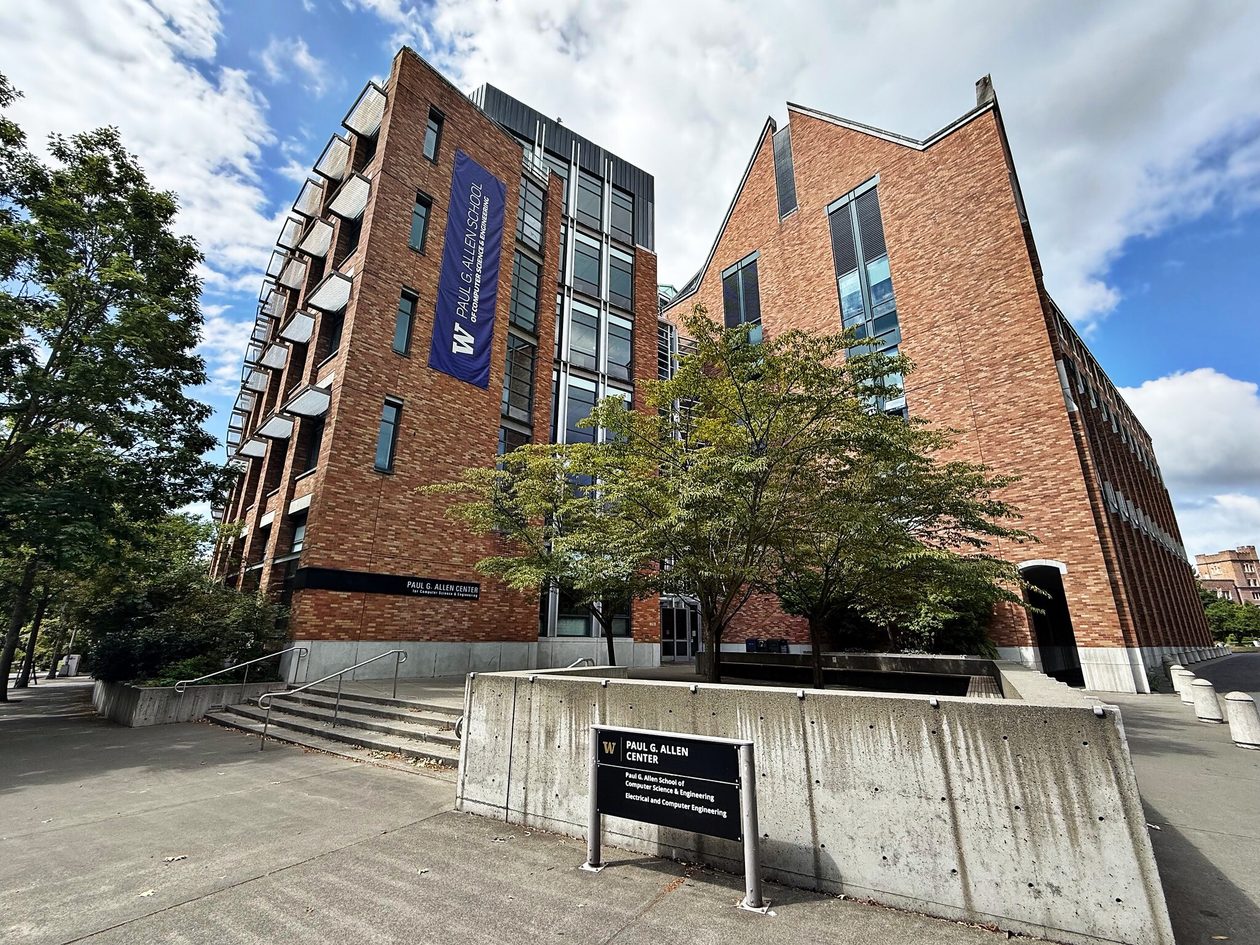
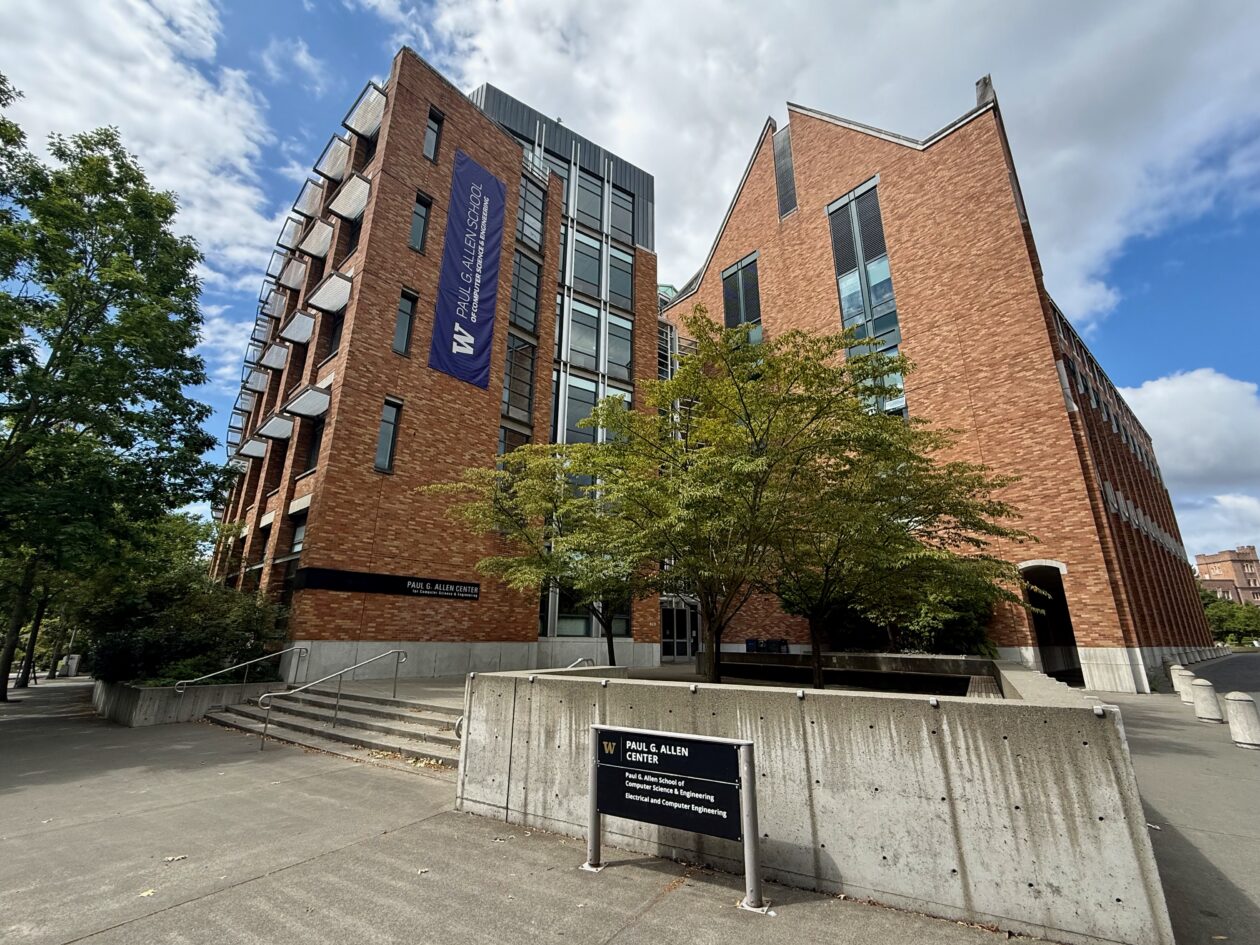
The Paul G. Allen Center on the University of Washington’s Seattle campus, home to the Allen School of Computer Science & Engineering, which a university task force has recommended separating from the College of Engineering. (GeekWire Photo / Kurt Schlosser)
University of Washington leaders are weighing whether to separate the Allen School of Computer Science & Engineering from the broader College of Engineering, after a task force recommended the move as part of proposed changes to UW’s computing and AI programs.
The split would give new independence to what has become one of the world’s leading schools for computer science and AI, and a major source of talent for the Seattle region’s tech industry.
As an independent, college-level school, the Allen School would gain greater control over its finances and a seat at the table with UW’s other deans. It could also put more of its own revenue toward teaching, as student demand for computing courses continues to outstrip its capacity.
The task force’s report, released this week, concluded that UW’s successes in computing, data science and AI have come “not because of the organizational structures we have in place but in spite of them.” The nine-member group included UW faculty leaders from across campus, two outside academics and an Amazon executive.
The report also described a “difficult relationship” between the Allen School and the College of Engineering, and “significant distrust” across campus over resources and priorities.
Nancy Allbritton, dean of the UW College of Engineering, said the college supports the university’s decision to “carefully evaluate” the task force recommendations. (UW Photo)
UW Engineering Dean Nancy Allbritton, in a statement to GeekWire on Tuesday, called the relationship “complex rather than difficult.”
The College of Engineering supports the university’s decision to “carefully evaluate” the task force’s recommendations, Allbritton said. She praised the Allen School and said the school and college share a long history of working together, with a commitment to students, research and service to Washington state.
The stakes extend well beyond university politics: The Allen School’s graduates are in high demand across the tech industry. Nearly 100 graduates from the 2025-26 class went to work full time at Amazon, and more than 70 went to Google, Microsoft or Meta, according to a survey of recent graduates by the school. In all, graduates went to more than 150 different companies.
No decision yet: UW President Robert J. Jones and Provost Tricia Serio said Monday that they aren’t making a decision yet. In a letter to the UW community, they announced two implementation committees.
One committee will plan for a possible independent Allen School, including its finances. The letter calls the continued strength and growth of the College of Engineering “a central consideration.”
The other will develop plans for a new campus-wide “Federation of Information, Computing and Society,” which would coordinate computing, data science and AI work across UW, including fundraising, and hold its own funding for hiring across departments.
Both committees are due to report by the end of winter quarter 2027, and UW leaders plan to announce next steps in spring 2027. Any changes would still need approval through the university’s usual processes, including the Faculty Senate and Board of Regents, with a goal of putting them in place by the end of the 2027-28 academic year.
The task force was co-chaired by Andy Connolly of UW’s eScience Institute and Kathy Yelick of Lawrence Berkeley National Laboratory. Its other members were Dan Grossman, now the Allen School’s interim director; Remzi Arpaci-Dusseau of the University of Wisconsin; UW’s Elizabeth Nance (chemical engineering), Abel Rodriguez (statistics), Emma Spiro (Information School) and Peter Tarczy-Hornoch (UW Medicine); and Anne Szeto of Amazon.
Allen School faculty voted 83-0 in late September in support of “moving forward with a process to determine how the Allen School would become an independent school,” with 13 not voting because they were absent or on leave, according to the school. A formal decision and vote would follow that process, the school said.
Budget and a seat at the table: The issue comes down to money and influence. UW’s budget model sends tuition and a share of research grant funding to the college where the courses are taught and the research is based.
For the Allen School, that’s the College of Engineering. As an independent school, the Allen School would control those funds directly, and its leader would sit with UW’s other deans when the university sets strategy on AI and other priorities, a voice the task force says computing has largely lacked.
UW’s Information School already operates as an independent, college-level unit. But the report says its focus on the human, societal and organizational side of computing and information is different from the Allen School’s focus on computing as a discipline.
Dan Grossman, interim director of the Allen School, has been invited to participate in UW’s Board of Deans and Chancellors. (UW Photo)
As an initial step, Jones and Serio invited Grossman to participate in the Board of Deans and Chancellors. The letter says the move is “independent of any future decision about administrative structure.”
In a message to the Allen School community, Grossman called the invitation “a reflection of the Allen School’s scale and reach,” adding, “I’m pleased to have this opportunity to make meaningful contributions to discussions among UW’s leaders.”
He described the task force’s proposals as “exciting recommendations that will be great for the whole of UW and its impact on Washington state and beyond.”
Grossman also said there are “no planned changes to the Allen School’s structure, staffing, budget, policies and procedures, or degree programs” while the committees do their work.
A longtime Allen School professor and its former vice director, Grossman was named interim director this summer when Magdalena Balazinska’s nearly seven-year term as director ended. At the time, UW said it was opting for an interim leader for about a year while it weighed the task force’s recommendations, which hadn’t yet been made public.
The board seat was one of several early steps the task force recommended to show that UW was committed to the process. The task force also suggested having the Allen School’s director report jointly to the provost and giving the school more control over its budget, but UW hasn’t taken those steps for now.
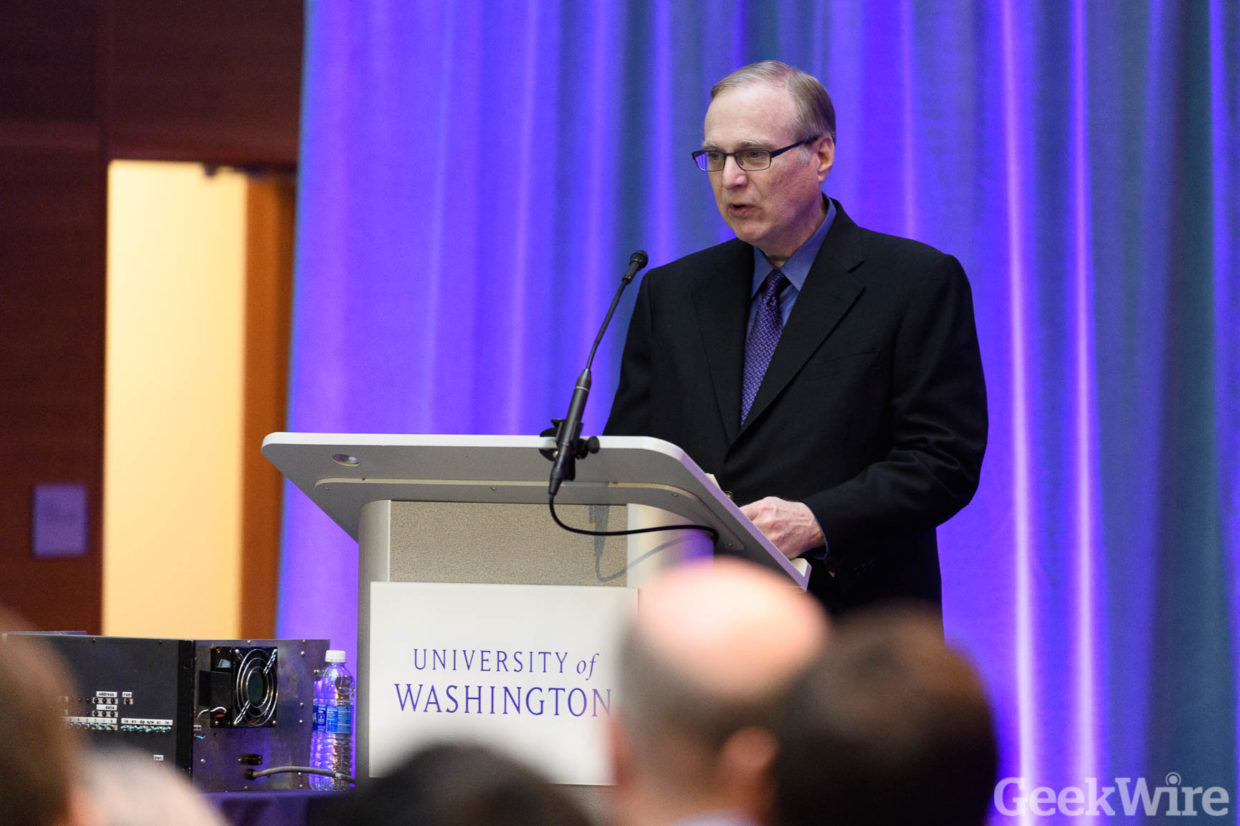
Microsoft co-founder Paul Allen speaks at UW in March 2017, when his $40 million gift turned the university’s computer science department into the Allen School. Allen died in 2018. (GeekWire Photo / Kevin Lisota)
Rooted in Paul Allen’s gift: The prospect of independence goes back to the Allen School’s creation in 2017.
When a $40 million gift from Microsoft co-founder Paul Allen turned UW’s longtime computer science department into the Allen School, the gift agreement said the school would “remain a unit of the College of Engineering, at least for the time being,” according to a copy obtained by GeekWire.
The agreement called for the school to receive the same prominence, visibility, support and privileges as UW’s other schools and colleges “to the greatest extent possible,” and anticipated that it could someday become “a free-standing School or College.”
The agreement also spelled out what would happen to the name if the school were ever “elevated to a College of the University”: it would change to reflect the new structure, but would “always prominently include” Allen’s name.
Impact on Engineering: The College of Engineering would lose its largest unit. The Allen School, which awarded 894 of the college’s 3,132 degrees in 2025-26, accounts for a little more than a quarter of the college by degrees, enrollment and faculty, according to figures from the college.
The report acknowledges “significant short- and long-term financial implications” from a separation and suggests options such as permanent financial support for Engineering to offset the loss.
Allbritton said the college is committed to helping shape an outcome that “strengthens the College of Engineering, strengthens computer science as an independent discipline, and advances the University of Washington’s broader mission of innovation, discovery, economic opportunity and public impact.”
The Allen School “is an extraordinary unit that has experienced remarkable growth and operates at a scale unlike any other department in the College,” she said. “As both organizations have evolved, there have naturally been questions about structure, governance, and how best to support future growth.”
She also noted that the College of Engineering has nearly doubled in size over the past decade “amid increasingly constrained public resources,” and said the college’s focus is on ensuring that students, faculty, staff, research partnerships and industry relationships “continue to thrive.”
“What has remained constant is a shared commitment to student success, research excellence and service to Washington state,” Allbritton said.
The report doesn’t detail the friction between the Allen School and Engineering. It says independence “does not directly address concerns voiced about collegiality” but could remove “a structural asymmetry that has complicated those relationships.” Opinion across campus on Allen’s independence was “genuinely divided,” the report says.
The federation’s role: The proposed federation is partly a way to keep the rest of campus on board. Other units worried that the Allen School would win independence while the federation never got real resources, according to the report, which recommends that the split not be finalized until the federation is up and running.
Much of the “distrust” cited in the report centers on whether one recommendation would advance at the expense of the other.
If the Allen School’s separation is finalized first, the report says, “other stakeholders are unlikely to trust that the federation will ever achieve the size and stature it needs.”
If the federation moves ahead without a clear commitment to independence, the Allen School and its supporters “are unlikely to trust that their important contributions toward the federation’s success will achieve meaningful change.”
The Allen School is already helping lead cross-campus efforts, including a new AI minor for students in all majors, developed with 18 academic units and set to launch in spring 2027.
Toward a college of computing: Other top universities have taken similar paths. Carnegie Mellon and Georgia Tech run computer science as standalone, college-level schools, while MIT, UC Berkeley and Cornell have created broader colleges of computing, according to the report.
Peer institutions’ computing colleges were “frequently propelled by a transformational naming gift,” the report notes, as with MIT’s Schwarzman College of Computing and Cornell’s Bowers College of Computing and Information Science.
The report describes the federation as a possible “transitional phase” toward a full College of Computing at UW, which would house the Allen School alongside other units, and recommends revisiting that idea in about five years.
Correction: An earlier version of this story overstated the Allen School’s size relative to the rest of the College of Engineering. The story has been updated with figures from the college.
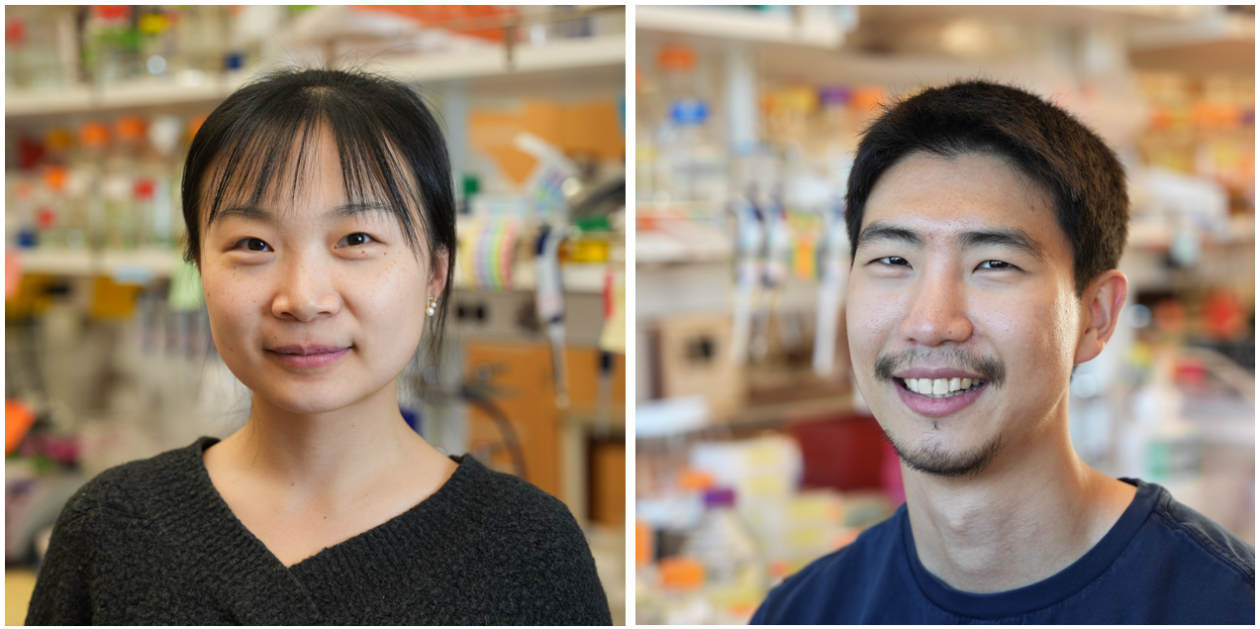
Anqi Chen, left, and Hojae Choi, are lead authors on two Nature papers from UW Medicine’s Institute for Protein Design. (IPD Photos)
Researchers at UW Medicine’s Institute for Protein Design (IPD) have created new proteins that act like molecular scissors, chopping up targets associated with Alzheimer’s disease and amyotrophic lateral sclerosis, also known as ALS or Lou Gehrig’s disease.
The University of Washington scientists are using sophisticated AI models developed at IPD to design proteins called proteases — a class of enzymes that cut specific proteins at specific locations in their structure. The proteases can make those cuts over and over again.
“You have this catalytic capability to destroy one target, and then immediately your molecule can hop over to the second, third and thousands of different targets,” said Anqi Chen, a postdoctoral fellow at the institute.
Many pharmaceuticals bind to a single target, inactivate it and stay there. That approach requires high doses of medicine to have an effect on disease. These enzymatic proteins, by contrast, have an amplified impact.
“There’s this potential to use your drug at very, very low concentrations,” Chen said.
The researchers have made proteases that attack proteins associated with neurodegenerative disease and are now working on targets for malaria, chronic diseases and cancer. They also could make proteins to defang viruses or bacterial toxins.
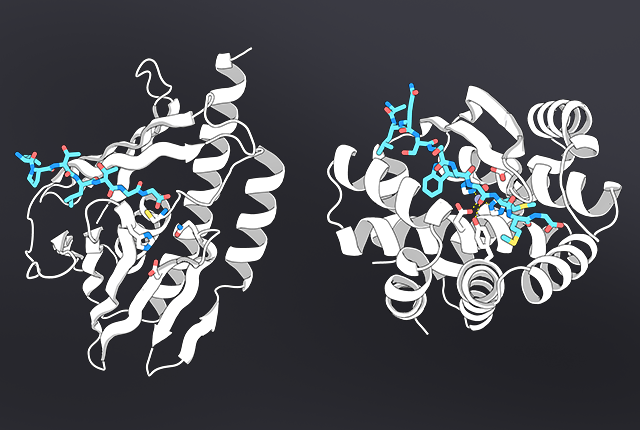
Structural model of a representative designed cysteine protease and metalloprotease, highlighting the catalytic area that performs the cutting. (IPD Image / Benedicte Rossi)
“There’s super exciting applications,” said David Baker, director of IPD and a 2024 Nobel laureate in chemistry.
Baker is the senior author of two papers describing this work that were published today in the journal Nature. Chen and Kejia Wu are the first authors of one paper, and Hojae Choi, an IPD graduate student, is the first author of the other.
Baker said the research is significant because of how well the enzymes work and the range of potential applications, which beyond medicine include breaking down hazardous pollutants and plastic waste.
Chen and her colleagues designed proteases that use a metal ion, rather than an amino acid, as the cutting blade. More than one-third of the new proteases that they created precisely cut their target, a protein implicated in Alzheimer’s disease, and did so 100 million times faster than cuts made without the enzymes.
The work by Choi and his colleagues used an activated amino acid called cysteine as the blade. The proteins designed by the scientists had a 19% success rate in cutting their targets and were up to 30 million times faster than uncatalyzed reactions.
Much work remains before these newly designed proteins can become drugs for humans. One challenge is ensuring that the proteases don’t trigger a response in which a patient’s immune system attacks the therapeutic before it has a beneficial effect. Another potential hurdle is turning the enzymes off and on to modulate their impact as needed.
Choi is studying that immune system issue, called immunogenicity. He’s working to combine the catalytic, cutting component of the enzyme with a benign-appearing antibody that won’t alert the immune system — sort of a protease wolf in antibody clothing.
“It is a newly launched project, so we don’t have any official data to show to public,” Choi said. “But we’re really working on it.”
The Nature publications are titled: “Computational design of metalloproteases” and “De novo design of cysteine proteases”
Other institutions contributing to the research are: University of Oxford, NVIDIA, University of Cambridge, Imperial College London, Universitat Ramon Llull, Howard Hughes Medical Institute, Zhejiang University, Max Planck Institute of Molecular Cell Biology and Genetics, ETH Zurich, Lawrence Berkeley National Laboratory, Stanford University and Korea Advanced Institute of Science and Technology.
The Paul G. Allen School of Computer Science & Engineering is part of the University of Washington’s College of Engineering. (GeekWire Photo / Kurt Schlosser)
The University of Washington’s College of Engineering has received a $12 million gift from a semiconductor company whose chairman earned a master’s degree from the school more than 45 years ago.
The donation is from Winbond Electronics Corporation America, a U.S. subsidiary of Taiwan-based Winbond Electronics Corp. Arthur Y.C. Chiao is Winbond’s chairman and CEO and has been with the company since 1987. He earned his master’s degree in electrical engineering from the UW in 1980.
The gift will create the Winbond Endowed Fund for Excellence in the College of Engineering to support student scholarships, faculty recruitment and retention, research and interdisciplinary collaboration.
“Arthur Chiao’s vision, leadership and lifelong commitment to the University of Washington make this gift especially meaningful,” Nancy Albritton, dean of the College of Engineering, said in a statement.
Chiao envisions the new fund “as a catalyst for breakthrough discoveries” that will allow the college to “pursue bold initiatives and respond to evolving opportunities in engineering, technology and fields of future strategic importance,” according to a UW release. That includes semiconductors, AI, quantum tech and advanced manufacturing.
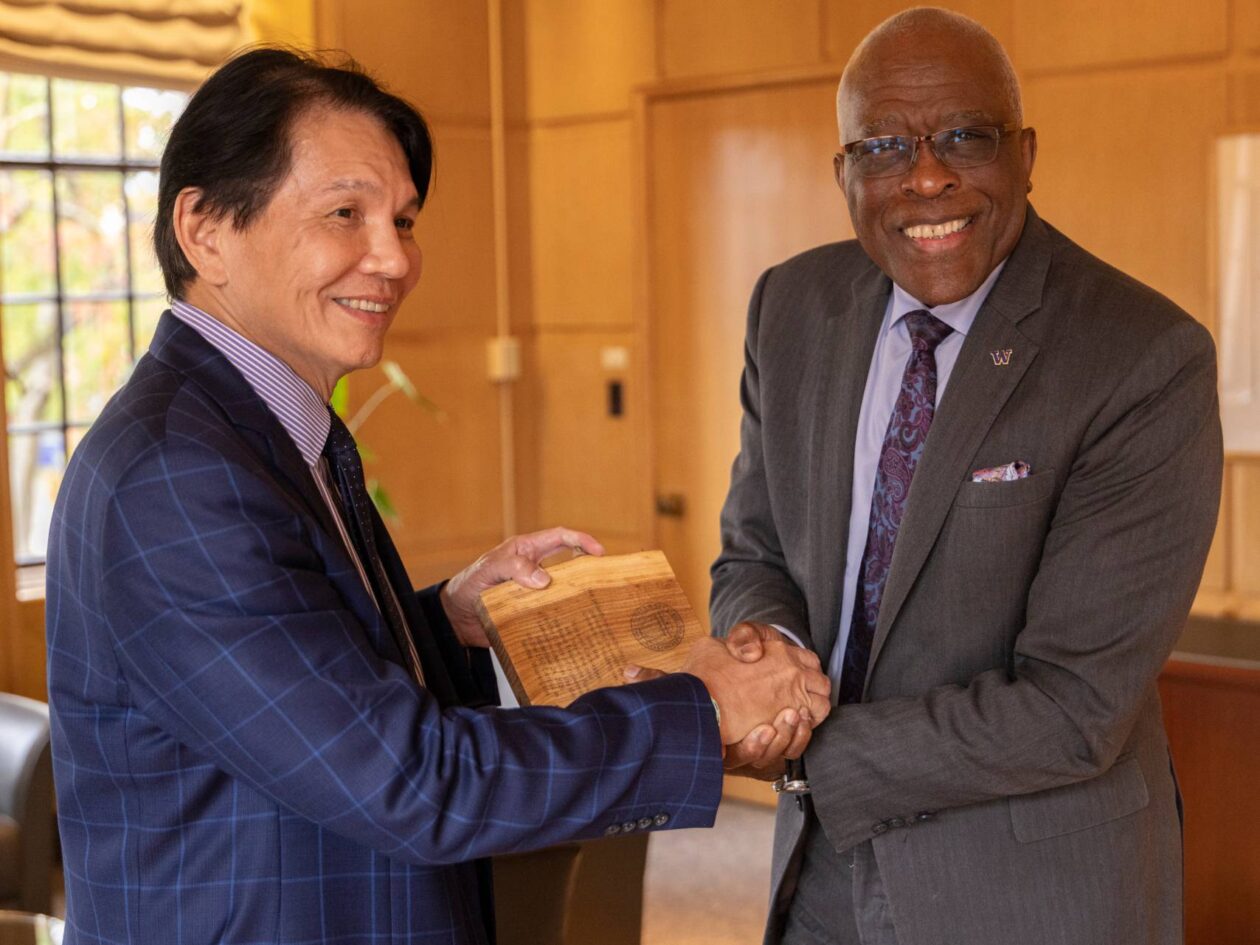
Taiwan-based semiconductor company Winbond is making a $12 million gift to the UW College of Engineering. Winbond President Pei-Ming Chen, left, and UW President Robert Jones celebrate at a September event in Seattle. (UW Photo)
The College of Engineering is among the UW’s largest colleges, enrolling 10,136 students last fall and employing a faculty of 350. The college says it is the fifth-largest producer of electrical and computer engineering graduates in the U.S.
“Seattle is a gateway to the Pacific Northwest of North America, and the University of Washington will play an important role in connecting future technology innovation between North America and East Asia,” Chiao said.
The gift comes amid a push to bring chipmaking closer to home. Taiwan is the global center of manufacturing for the most advanced semiconductor chips, and the United States has been working to reduce its dependence on East Asian chip production. In 2022, Congress passed the CHIPS and Science Act to incentivize domestic fabrication, R&D work and workforce training.
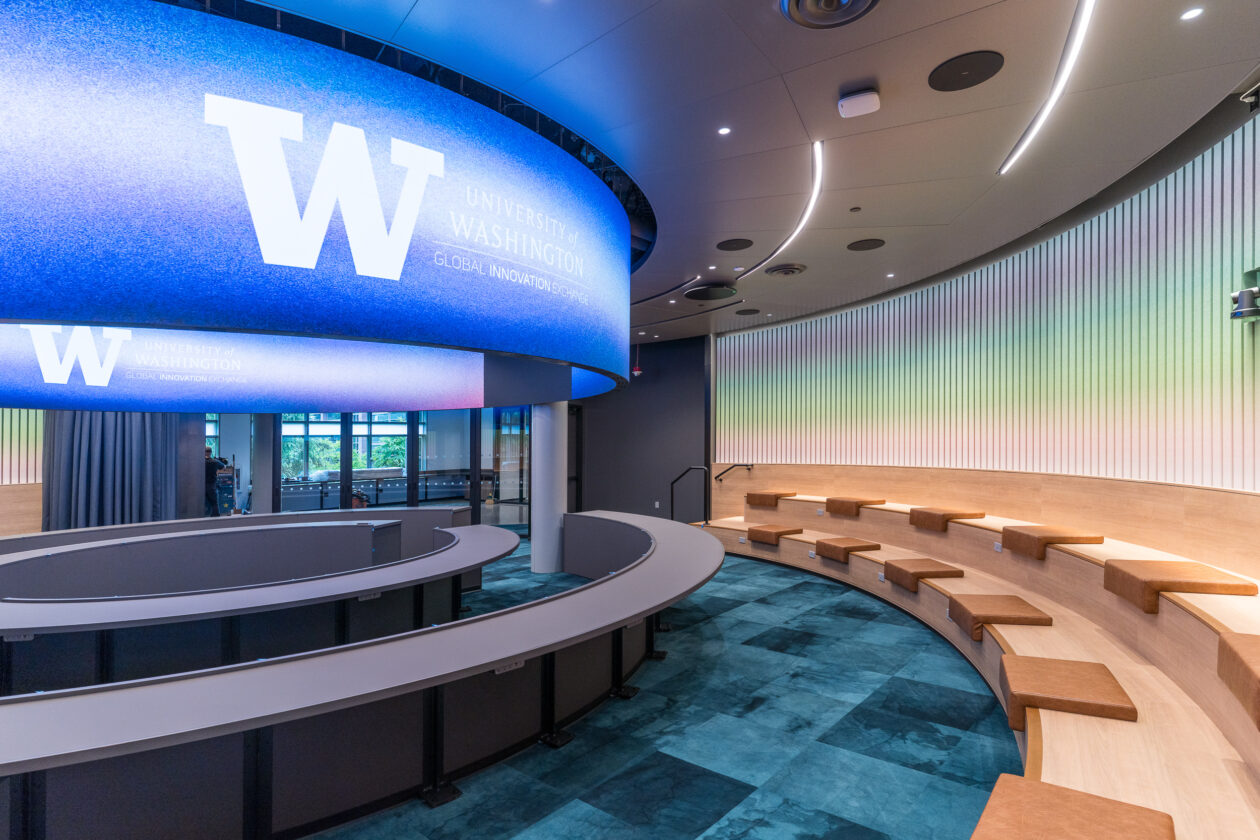
The UW’s Global Innovation Exchange program has moved into a new full-time space on the Microsoft campus. (UW Photo)
The University of Washington and Microsoft today celebrated the opening of the permanent home of the UW’s Global Innovation Exchange (GIX), an institute supporting tech leaders, on the tech giant’s Redmond, Wash., campus.
GIX is the first UW program to set up full-time operations at Microsoft, whose headquarters are just across Lake Washington from the university’s main campus. The company provided a $42 million in-kind donation to establish the embedded facility.
The UW is leasing the new 48,500-square-foot GIX space in Microsoft’s Building 92 rent-free.
“At a time when AI is transforming how we learn and work, that proximity will create new opportunities for University of Washington students, Microsoft employees, and researchers to learn from one another and accelerate innovation,” Microsoft President Brad Smith said in a statement.
GIX’s mission is to provide interdisciplinary graduate and professional education to tech leaders. It enrolls more than 150 students each year in its Master of Science in Technology Innovation program, which offers in-person and hybrid online options.
“At GIX, we keep people — not technology — as our focus, recognizing that technological change is not an end unto itself. Its value depends on how people use it to create opportunity, strengthen institutions, and contribute to broader social progress,” said Sean Carr, executive director and CEO of GIX.
A space inside the new GIX facility on the Microsoft campus. (UW Photo)
The institute opened in 2017 in Bellevue’s Spring District. From then until 2023, Microsoft provided $70 million in endowment support, facility improvements and lease payments. GIX moved to its new Redmond home in July. The space includes classrooms, labs, prototyping and makers space facilities, and a high-tech remote learning studio.
GIX was initially created as a collaboration between the UW and Beijing’s Tsinghua University to offer graduate technology degrees for American and Chinese students, with the Chinese research university establishing a physical presence in the U.S.
It appears the arrangement did not come together as planned. The GIX website notes that students can earn dual master’s degrees, one from the UW and the other from Tsinghua, but the links for Tsinghua are dated. Under its “global experiences” heading, the site lists a two-week immersion program last summer for students from National Taiwan University to study in Seattle.
The announcement of the new facility says GIX participants will have access to “scholars, researchers, technologists, and business professionals from around the world” who are onsite at Microsoft.
The UW’s GIX facility in Redmond, Wash., includes labs, innovation spaces and classrooms. (UW Photo)
Other GIX partners include T-Mobile, Amazon, Meta, Aigen, Cisco, Mitsubishi, Responsible Innovation Labs, AI2, Vaisala, King County Metro, Sound Transit, and the UW’s Applied Physics Laboratory and Urban Freight Lab.
The institute is a self-sustaining unit of the UW and does not receive operational funding from the university or the state. It operates in partnership with the UW’s College of Engineering and Foster School of Business.
The UW and Microsoft said in a release that the arrangement “demonstrates how a public research university can engage deeply with industry without sacrificing its academic independence or public purpose.”
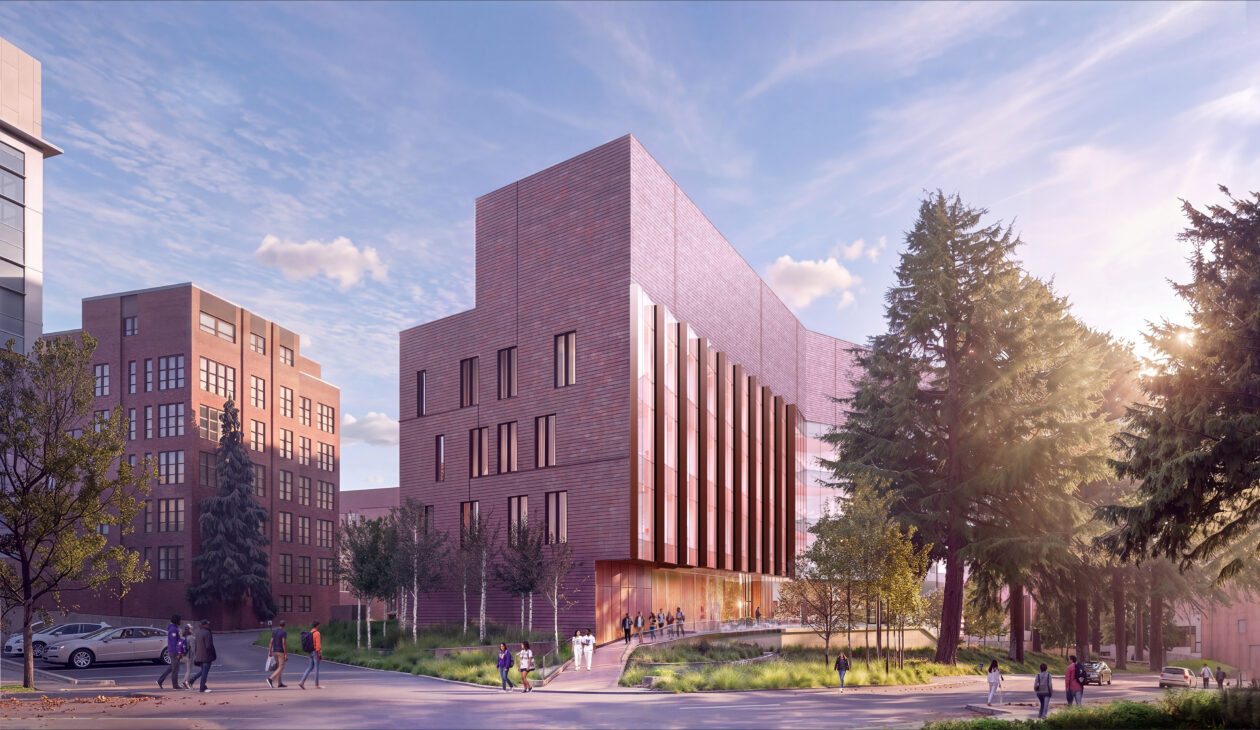
Artist rendering of the UW’s new Chemical Sciences Building. The design-build team is Skanska and Payette+EHDD. (UW Image)
The University of Washington today marked the groundbreaking of its Chemical Sciences Building, a $231.1 million facility that will provide new laboratories for instruction and research in areas including sustainable chemistry, human health, advanced materials and quantum science.
The five-story, 104,500-square-foot building will replace the Chemistry Library Building, which sits west of Bagley Hall.
The new facility will also allow for a complete renovation of Bagley Hall, the longtime home of the Department of Chemistry. Bagley, which stands alongside the UW’s iconic Drumheller Fountain, was built in 1937.
Funding for construction of the Chemical Sciences Building comes from a $129 million appropriation from Washington state, with the remainder provided by the UW’s College of Arts & Sciences, the UW and private donations. Funding for the Bagley renovation is still being identified, a university spokesperson said.
The new building is slated to open in 2029.
“The work that happens here will help advance science, strengthen our state and improve lives for generations to come,” said UW President Robert Jones in a statement.
The UW’s Department of Chemistry, among the largest in the U.S., has about 275 staff and faculty, according to its online directory. At the start of the 2025 academic year, it reported 985 undergraduate majors and 320 graduate students and postdoctoral researchers.
The department managed $28 million in funding in 2025, including grants from the National Science Foundation, National Institutes of Health, Department of Energy, Department of Defense, industry and foundations.
UW and state leaders framed the project as bringing economic and academic benefits, including workforce training, industry collaboration and the ability to attract and retain talented students and researchers.
“Washington’s economy is built on innovation,” said Gov. Bob Ferguson, who attended the groundbreaking. “Maintaining our leadership requires a reliable pipeline of skilled, highly educated workers. We’re proud to be an investor in this state-of-the-art new building.”
The design-build team for the project is Skanska and Payette+EHDD.
The chemistry building will be among the UW’s largest new academic facilities in Seattle since the Interdisciplinary Engineering Building, a 72,000-square-foot College of Engineering facility, opened in the spring of 2025.
The university had planned to build a 345,000-square-foot building just west of the main campus to house research programs in clean energy, protein design and precision medicine. The Brightwork facility was scuttled last year.
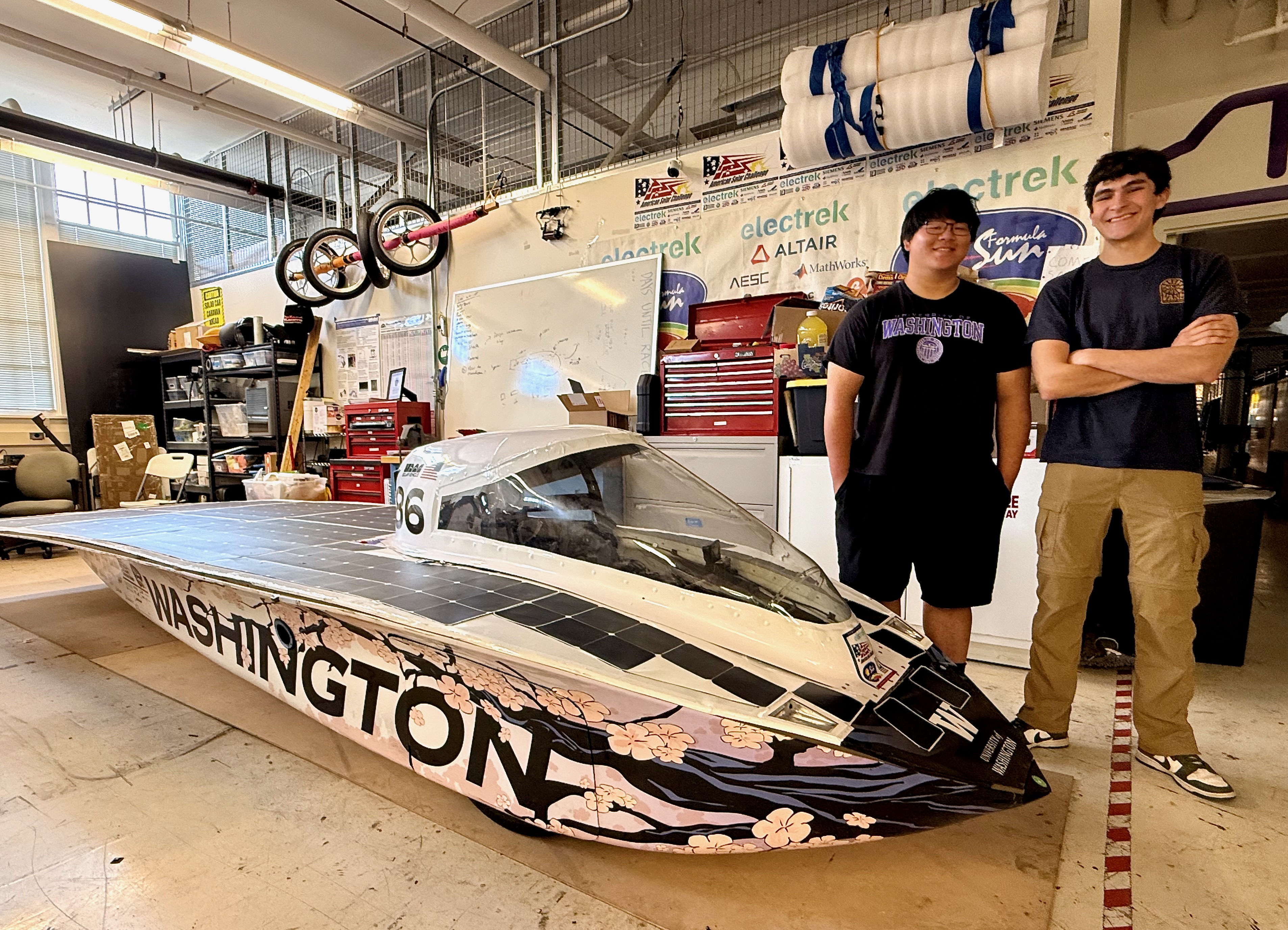
Elijah Yan, left, and Rudy Heredia-Jantz, members of the Solar Vehicle Team at UW, with Sakura, the solar-powered vehicle the student-led team constructed in their shop at the University of Washington. (GeekWire Photo / Kurt Schlosser)
In a cramped corner workspace in a mechanical engineering building at the University of Washington, a team of students is working to harness the power of the sun.
They operate on a fraction of the budget of elite international programs, fitting build hours around class schedules and other extracurriculars. Yet this summer, the scrappy crew took their handmade, solar-powered car — dubbed Sakura — out of the shop and onto the open road.
Over seven days in July and 1,778 miles from Minnesota to Texas, they outpaced nearly every competitor to finish fourth overall and cross the line as the top-ranking American team in the American Solar Challenge.
Now entering its fourth year, the Solar Vehicle Team at UW (SVTUW) is still a relative newcomer to collegiate solar racing. Officially affiliated with the university’s Mechanical Engineering Department, the roughly 50-person group has evolved into a broader interdisciplinary effort spanning electrical engineering, computer science, business, aerodynamics, and more.
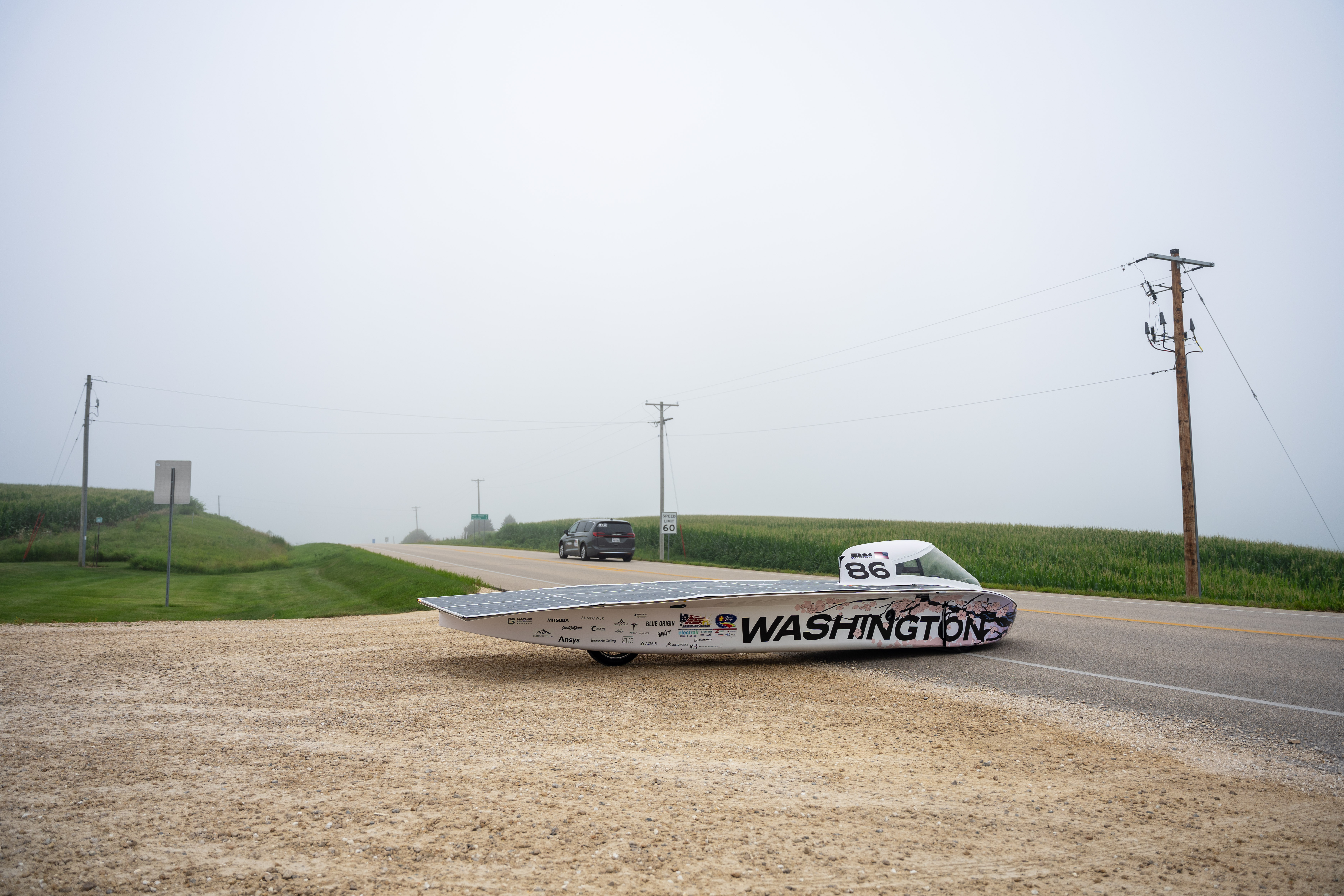
The UW solar car merges onto a roadway in Lansing, Iowa, near where the movie “Field of Dreams” was made, during the American Solar Challenge race in July. (American Solar Challenge Photo / Rishi Mohan)
Operated entirely by undergrads, the club handles every aspect of the operation in-house — from sponsor outreach and logistics to hands-on fabrication.
While top international competitors rely on multi-million dollar budgets and years of development, the Huskies assembled their vehicle (named after the Japanese word for cherry blossom) in just 11 months — a lightning-fast turnaround for a machine built entirely from scratch.
For team president Rudy Heredia-Jantz, an electrical and computer engineering senior, even making it to the starting line felt like a triumph.
“Frankly, we have no idea [how we pulled it off],” Heredia-Jantz said. “This car — it was a little bit of a miracle. We did not have it up and running until the day before we left for competition. We didn’t even have it moving. We just spun the rear motor, threw it in the trailer, and figured we’ll blow something up eventually.”
Things did indeed blow up — 12 tires in total along the way — but the Huskies kept rolling. For a third-year program competing against seasoned international juggernauts, simply keeping the car on the road was an achievement; outpacing them was a statement.
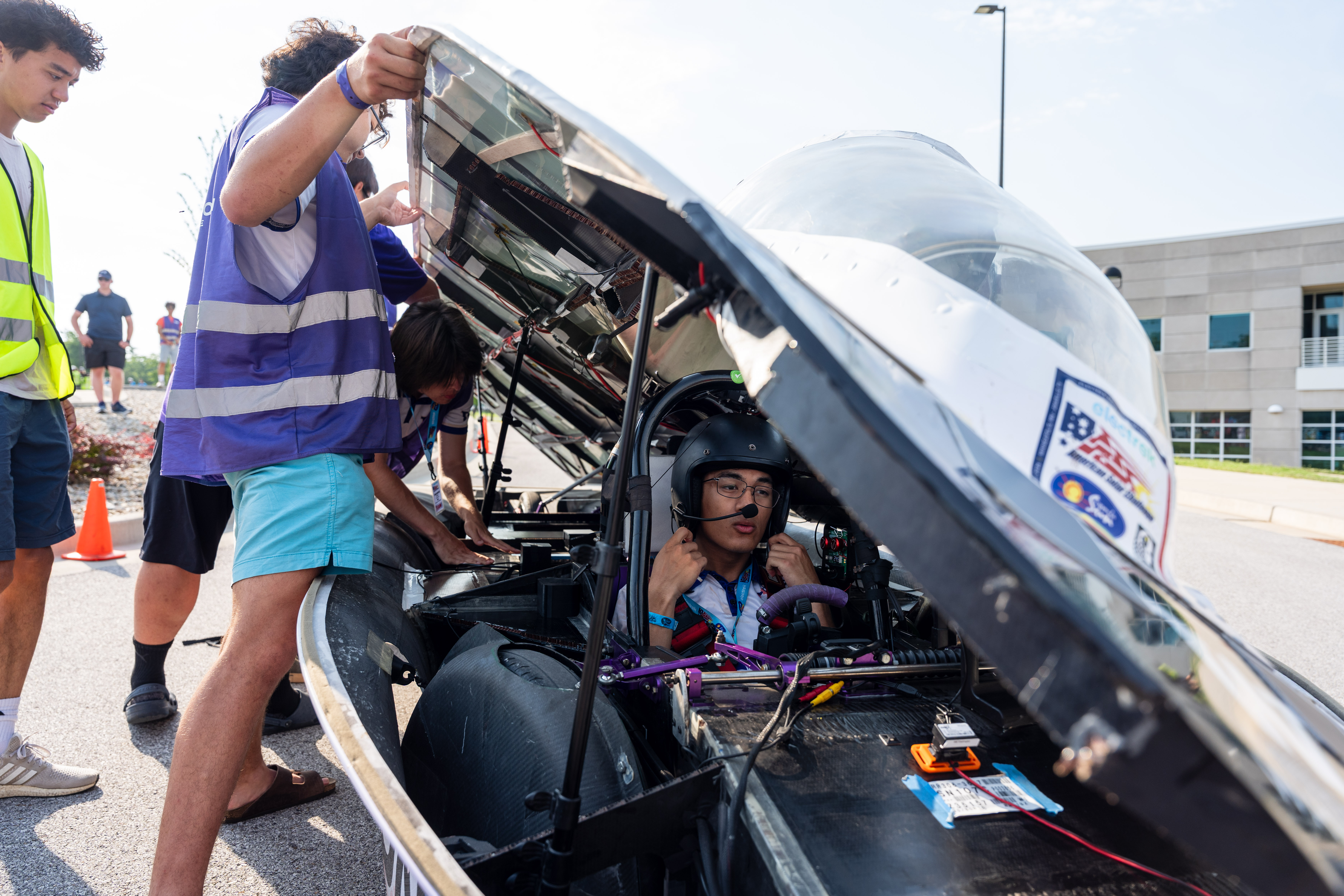
UW student Nikhil Garg, the 2025-2026 electrical lead for the solar vehicle team, is seen behind the wheel during the American Solar Challenge. (American Solar Challenge Photo / Rishi Mohan)
UW didn’t just survive the route to Texas — they blew past expectations for a young club, clinching the Aesthetics Award and Spirit of the Event Award alongside their top-four finish.
For second-year mechanical engineering student Elijah Yan, who serves as the team’s mechanical lead, the learning curve was immediate.
“Building a car is just not something I’ve done before, so it’s very new to me, and it’s super cool to learn that type of stuff — suspension stuff, how to do vehicle dynamics,” Yan said.
That hands-on engineering paid off when Sakura hit highway speeds on open pavement. Designed to maximize efficiency, the ultra-lightweight vehicle — weighing roughly 500 pounds with a driver inside — stretches 19 feet long to fit its array of solar panels while keeping its profile as narrow as possible.
Under the hood, Sakura is a blend of precision engineering and strict energy conservation:
Solar array: 386 Maxeon Gen 7 photovoltaic cells covering six square meters, producing up to 1,540 watts of max power output directly from sunlight.
Battery pack: A student-built 5.125 kWh lithium-ion battery in a 36S9P cell configuration (121V nominal), supplemented by a secondary backup battery used solely for system startups.
Drivetrain and motor: Powered by a 2 kW Mitsuba 2096-III hub motor capable of pushing the 500-pound vehicle up to 65 mph on open highways.
Data and cockpit: A custom steering wheel equipped with push-to-talk comms, digital telemetry displays, and regenerative braking controls, paired with an onboard Samsung Galaxy smartphone that streams real-time battery and motor analytics back to the pit crew.
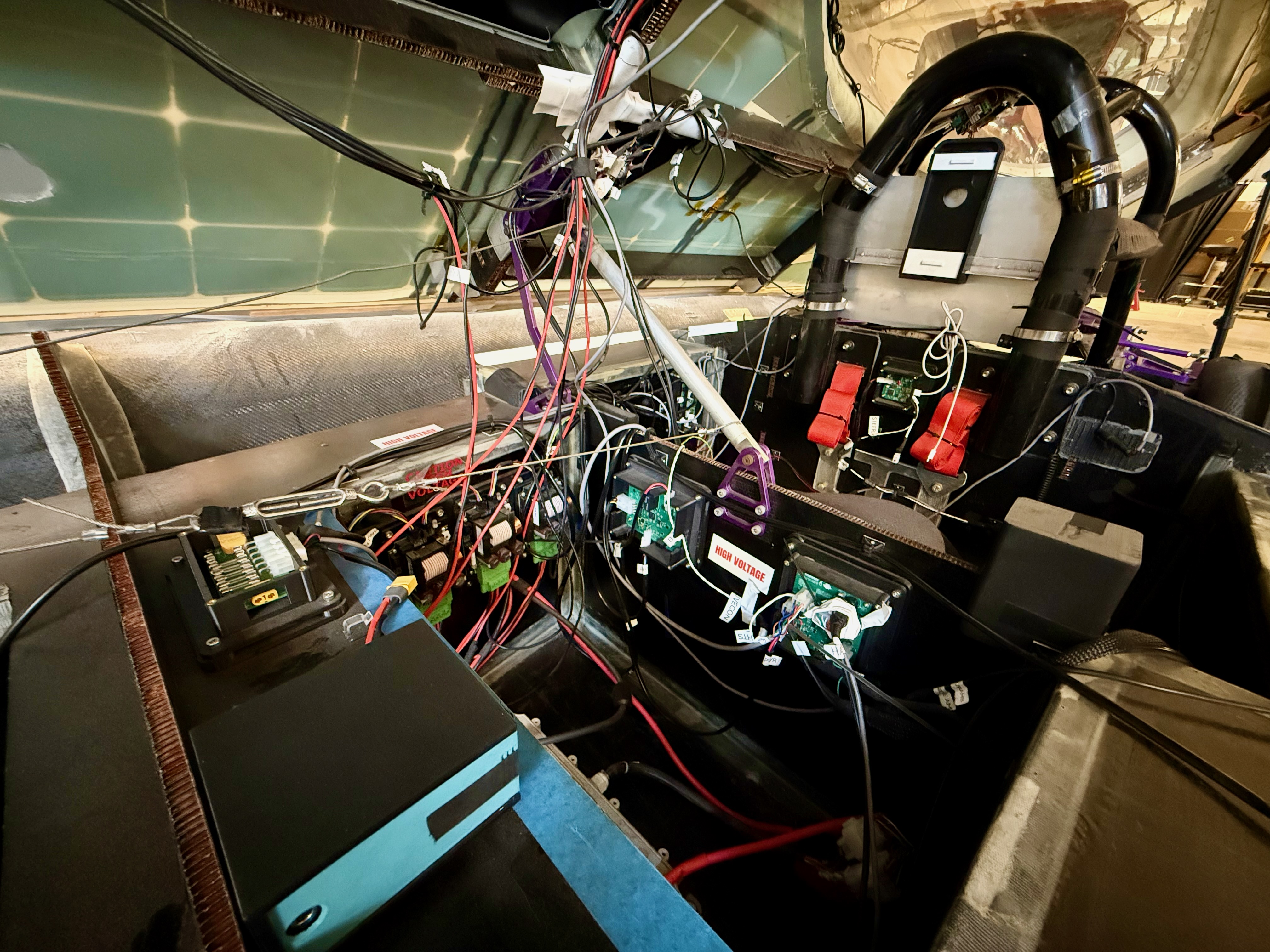
A look just behind the cockpit of the UW solar car. (GeekWire Photo / Kurt Schlosser)
To pull off a competitive build on a shoestring budget, the team combined its resourcefulness with local industry support. The vehicle’s lightweight frame, for instance, relies on carbon fiber sandwich panel flooring donated by Boeing, held together with specialized fiberglass tape.
“It’s the perks of being a Seattle-based team — we work with some amazing materials,” Heredia-Jantz said.
Yet even with aerospace-grade composites, bringing a prototype car across the finish line required plenty of improvised shop hustle.
“The car is held together with cardboard and duct tape, essentially,” Yan joked.
And managing the technical hardware on the road is as much a game of data processing as it is driving.
During the race, a dedicated strategy team monitors Sakura‘s health in real time. Using a custom dashboard that feeds off the onboard smartphone’s data stream, students track battery state-of-charge, individual array voltages, and motor temperatures from a trailing support vehicle.
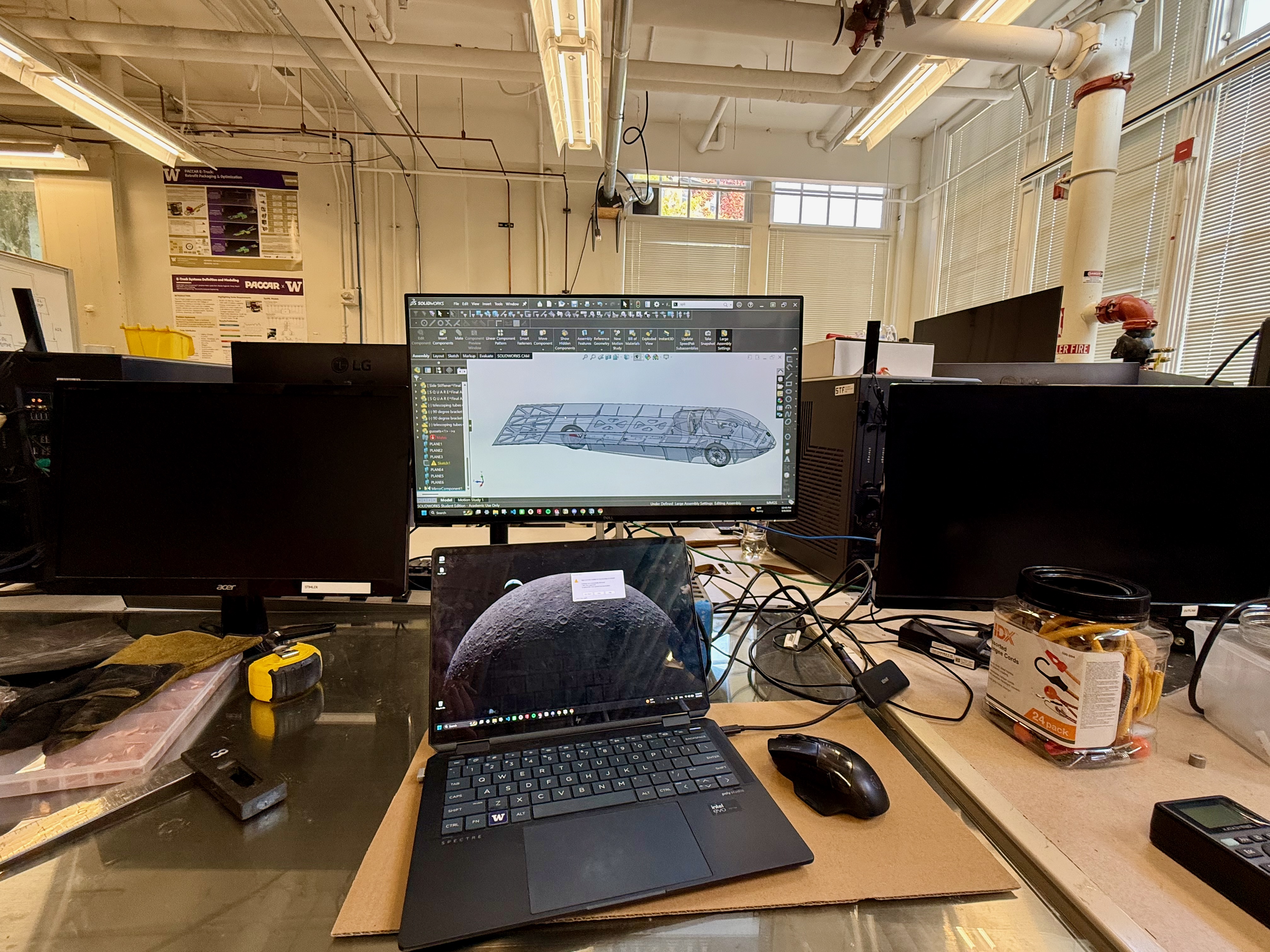
A mock-up of the UW’s solar car as seen on a computer in the team’s lab. (GeekWire Photo / Kurt Schlosser)
By pairing live telemetry with incoming weather forecasts, the crew calculates optimal cruise speeds on the fly — relaying instructions to the driver via walkie-talkie so they can balance energy consumption, leverage regenerative braking, and avoid tripping the battery’s protection systems on steep climbs or hard accelerations.
That real-time power management was also put to the test right before the cross-country journey, when the team competed in the Formula Sun Grand Prix — an annual three-day track race where cars run on a single initial charge and whatever sunlight they can harvest along the way. Despite navigating a track that pushed their power distribution system to its limits, the track time gave the team crucial baseline data and momentum before taking on the road race.
Now the club is already preparing for its next evolution. While repairing Sakura for upcoming competitions, students are designing their next-generation vehicle from scratch — overhauling power distribution, reinforcing the chassis, and building a new solar array.
For a club building sun-powered technology in a city known for grey skies, the project is ultimately driven by something deeper than weather.
“I believe this team is building something special in the early morning hours on UW’s campus: talent that shows up before sunrise, a refusal to wait for better resources before doing great work, and a stubbornness that looks a lot like faith,” said Caoilin Krathaus, the team’s administrative lead. “It reminds me of the story behind Boys in the Boat, and what I’ve always thought of as the true Husky experience.”
— Silvia Candianihas been named corporate vice president of Worldwide Telco & Media within the Microsoft Frontier Company, a $2.5 billion initiative launched by the tech giant in July to embed engineers inside customers to build and run AI systems. In her new role, Candiani will lead Microsoft Frontier Company’s work with some of the largest telecommunications operators and media conglomerates.
“The momentum across our industry is extraordinary, and I believe we are only at the beginning of what AI can make possible,” said Candiani, who is based in Milan.
Before joining Microsoft in 2010 as a general manager, Candiani was a marketing director for Vodafone in Italy for more than a decade.
Kevin Frey. (LinkedIn Photo)
— Kevin Frey has been appointed vice president and chief impact officer of Microsoft Elevate, the company’s philanthropic effort providing technology support, donations, sales and AI training for educational organizations and nonprofits. Frey joined from UNICEF, where he was the first CEO of Generation Unlimited, the organization’s skills and employment initiative.
Frey said he was joining Microsoft because it’s “one of the only organizations in the world with the scale, scope and influence to bend the arc of the AI-powered future we are entering.”
“I will be spending my time and energy trying to ensure that the benefits of AI are shared broadly and safely across society — by every teacher, every student and every worker — regardless of their postal code,” he added.
— And while we’re on Microsoft, Anne Linge has been promoted to director of communications for commercial and consumer experiences after nearly 10 years with the company. She previously worked in communications at Weber Shandwick and Waggener Edstrom Worldwide, which has since rebranded as We.
Alexis Bateman. (LinkedIn Photo)
— Alexis Bateman has been promoted to director of global sustainability at Amazon Web Services after more than five years with the company. She was director of the MIT Center for Transportation & Logistics for 14 years before coming to Amazon.
Her work with AWS has given her the chance to help “shape sustainability at enormous scale,” Bateman said. “AI and cloud are transforming technology and society at an unprecedented pace, creating both enormous challenges and incredible opportunities for sustainability.”
Lynn Girotto. (LinkedIn Photo)
— Gradial has appointed Lynn Girottoas chief marketing officer. In June, the Seattle startup announced $65 million in new funding for its agentic AI platform that automates enterprise marketing. The company is No. 127 on the GeekWire 200, a ranked index of the Pacific Northwest’s top startups.
Girotto joins from Qualtrics, where she was CMO for two years. She has previously led marketing teams at companies including Vimeo, Tableau and Getty Images, and was a senior director at Microsoft for nine years earlier in her career.
“The best marketers I know want to build ideas and customer relationships, not manage processes,” Girotto said. “Gradial is the first company I’ve seen that’s built to give them that time back.”
Kam Ghaffarian. (LinkedIn Photo)
— A Seattle-area nonprofit group known as the Fermi Explorer Mission announced that Kam Ghaffarian has joined as co-founder. Earlier this month, the organization shared its plans to send a spacecraft on an 80,000-year trip to the nearest alien star system, Alpha Centauri.
Ghaffarian is a billionaire who helped launch companies including X-energy, Axiom and Intuitive Machines. “By committing to launching a spacecraft to Alpha Centauri by 2029, we are not just pushing the boundaries of current technology; we are inspiring a new generation to look up and dream of interstellar exploration,” Ghaffarian said.
Philip Johnston, co-founder and CEO of the Fermi Explorer Mission, also leads Redmond, Wash.-based Starcloud, a startup aiming to launch up to 88,000 satellites to serve as AI data centers.
Rachel Cougan. (LinkedIn Photo)
— Yoodli, the Seattle-based AI roleplay platform for enterprise training, has named Rachel Couganvice president of human resources. Cougan previously served as a fractional HR leader through her consultancy, Possible HR. Before that, she was VP of people for Logixboard and Hiya, and also served as VP of talent for Textio.
Yoodli, which launched in 2021, has grown to more than 100 employees. The company is No. 17 on the GeekWire 200.
Daniel Finney. (LinkedIn Photo)
— Kestra Medical Technologies has promoted Daniel Finney to vice president of research and development. The Kirkland, Wash.-based company sells cardiac monitoring and therapeutic devices. It raised $202 million in its IPO in March 2025 and was nominated for Deal of the Year at this year’s GeekWire Awards.
Finney has been with Kestra since 2019. CEO Brian Webster praised his role in developing the company’s FDA-approved monitoring device, adding that his “technical depth, product experience, and demonstrated leadership positions him to guide our next phase of innovation.”
Finney succeeds Phillip Foshee, Jr., who recently retired after leading Kestra’s R&D organization for nearly a decade.
— PATH has named Dr. Jeremy Farrar chief of its Asia, Middle East and Europe regional division. Farrar, a globally recognized leader in public health and clinical medicine, will join PATH effective Oct. 1 and be based in Geneva. His past roles include assistant director-general at the World Health Organization and director of the Wellcome Trust.
PATH CEO Nikolaj Gilbert praised the appointment, and noted that Farrar “possesses deep knowledge of the realities that prevent access, the people that make health care possible, and the need for PATH’s mission of ensuring breakthrough innovations reach all who need them.”
Emily Levesque. (AAS Photo)
— American Astronomical Society (AAS) announced that University of Washington scientist Emily Levesque is the next editor in chief of the AAS journals. She will succeed Ethan Vishniac, who is stepping down from the role at the end of summer 2027 after 12 years.
“In the writing and publishing landscape we’re facing today, sharing information has never been easier, but trusting information has never been harder — which makes the AAS journals’ combination of rigorous peer review and accessible science more valuable than ever,” Levesque said.
Levesque has been an assistant astronomy professor at the UW for 11 years. She leads the massive stars research group, which studies the evolution and death of the largest and “most extreme” stars in the universe.
— The Seattle Metropolitan Chamber has added eight members to its board of trustees:
Deniz Anders, Nordstrom’s executive vice president and chief marketing officer
Reuven Carlyle, founder of Earth Finance and former state senator
Carl Gipson, vice president of government and community affairs for Comcast
Trevor Gooby, executive vice president and chief operating officer for the Seattle Mariners
Daniel Huber, BNBuilders’ vice president of operations for the Northwest and Colorado

 Login