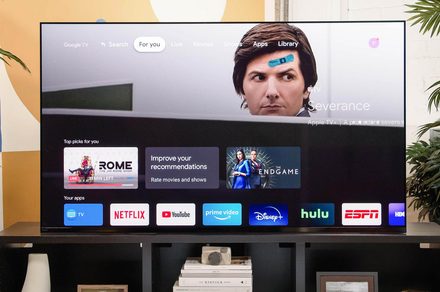
Proton warns that smart TVs use automatic content recognition to track everything you watch, sending data to manufacturers and advertisers by default, even when smart features go unused.
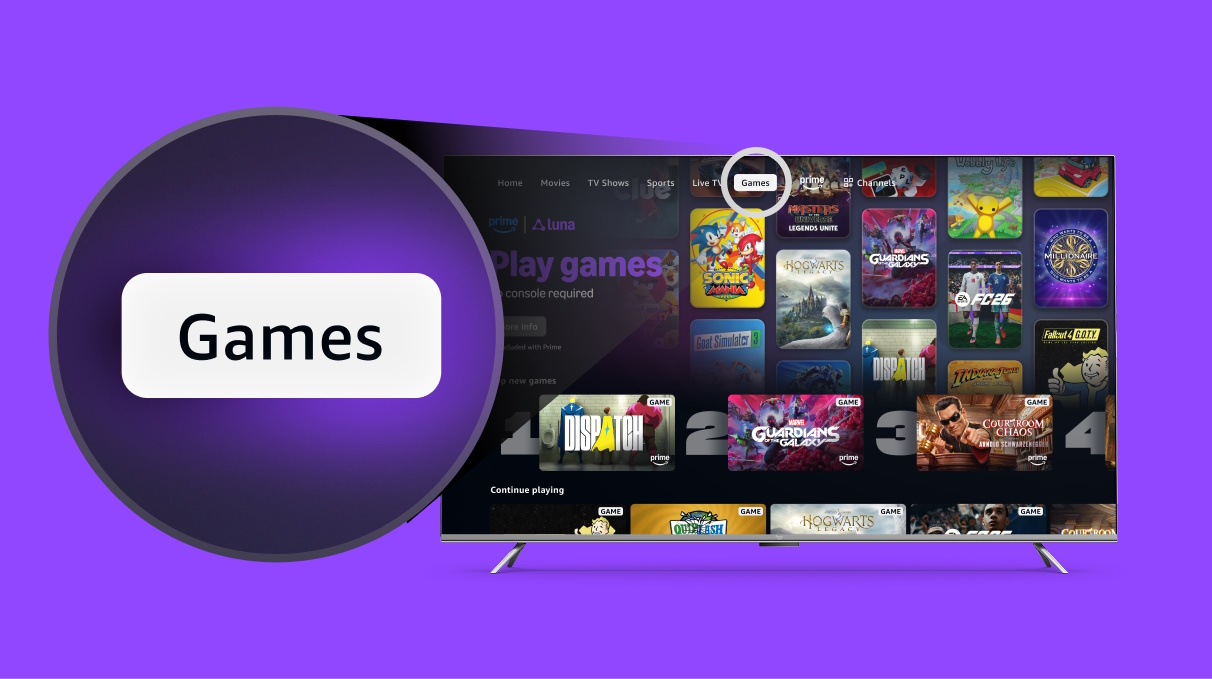
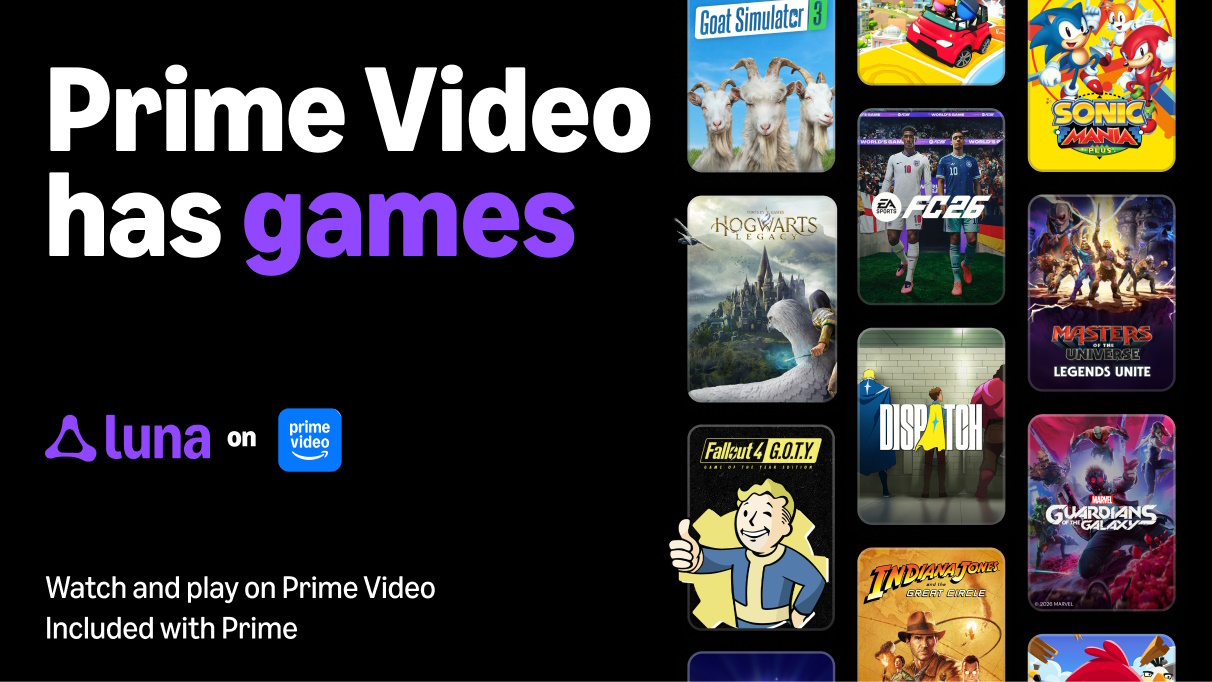
Amazon will begin to fold its Luna cloud platform directly into the Prime Video app via the new Games tab, in an effort to get word about Luna to Prime members. (Amazon Luna promotional image)
Amazon announced today that it has updated some versions of its Prime Video app to include direct access to its cloud-based Luna gaming platform.
The business goal is to solve Luna’s awareness problem and bring new users to the platform. Many Prime members don’t know the gaming service is included with their membership.
Consumers in the US and UK who have both a Prime subscription and a Fire TV can now launch Luna directly from the Prime Video app, where it can be found in its own dedicated tab in the UI. Prime subscribers who launch Luna in the app will get direct access to a library of both casual and mainstream “AAA” video games for no additional cost and without having to exit the app.
“Effectively, we relaunched last October, taking a bunch of the value of Luna that had been behind a paywall… We pushed it into the Prime membership, as a way of providing great value and trying to grow our business,” Jeff Gattis, GM of gaming at Amazon, told GeekWire.
Players on Luna can stream an assortment of games to their TV or browser via Amazon’s cloud servers, using a smartphone as a controller if they don’t have a compatible gamepad. Luna’s current library ranges from established mainstream hits like Indiana Jones and the Great Circle, Dispatch, and Fallout 4 to an assortment of casual-friendly exclusive titles like Amazon’s own Courtroom Chaos.
(Amazon Luna press image)
Since that relaunch, Gattis said, the company has “basically 5x’d” its player base.
“The question for us is, how do you build upon that?” he said. “How do we let 200 million-plus Prime members worldwide know that they have this great benefit where you can play $70 games inside your Prime membership at no additional cost? One of our biggest challenges today remains that people don’t know the [Luna] benefit exists.”
While Luna was previously available to Prime subscribers via web browser and a couple of other types of smart TVs, it was a standalone service that required users to seek it out on its own. By shifting it into its own tab on the Prime Video app, Amazon’s hope is to drive up awareness that, well, Luna is there at all.
“It’ll start on Fire TV, but obviously our end state is to roll out to more countries and more devices, both first-party and third-party,” Gattis said. “Eventually we’ll be everywhere that Prime Video is.”
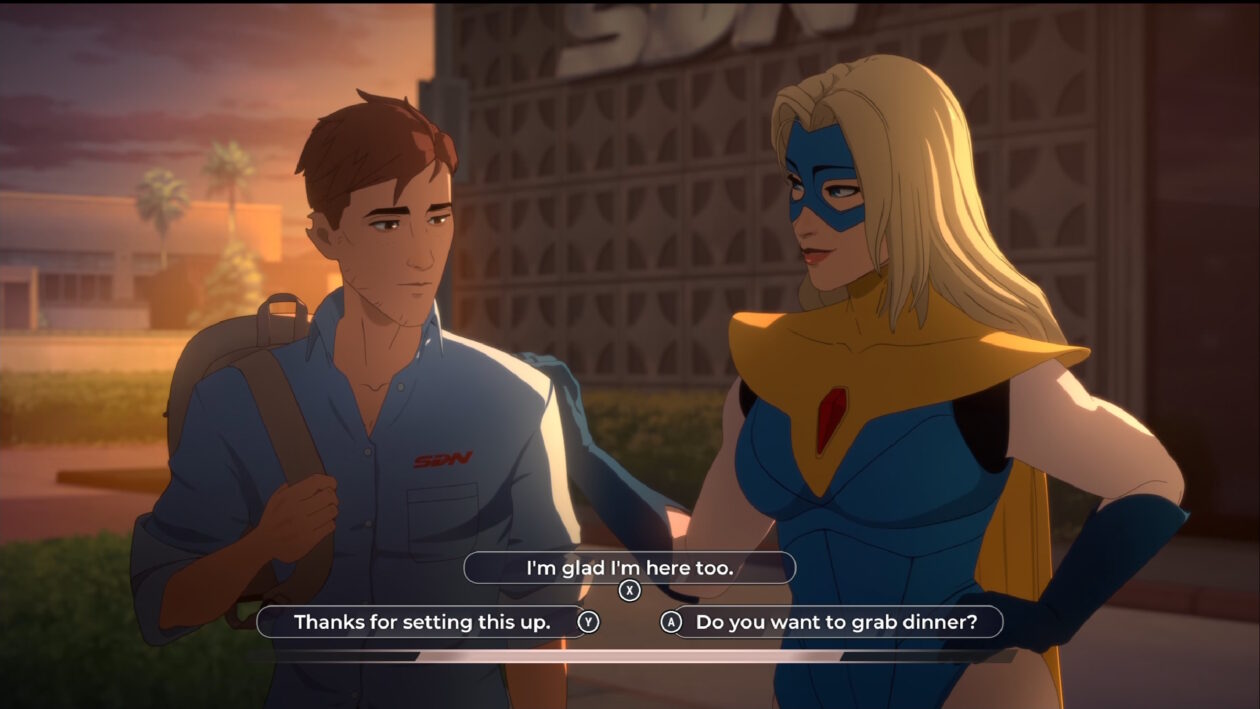
Dispatch, a viral indie hit from 2025 about office romance at a superhero agency, has been a big hit on Amazon Luna. (AdHoc Studio image)
The integration of Luna with Prime could also potentially bring back the largely-abandoned practice of video game movie tie-ins. Fans of this summer’s Masters of the Universe reboot can watch the film on Prime Video, then switch to Luna to play Masters of the Universe: Legends Unite, a strategic deckbuilding game that’s currently exclusive to Luna. This kind of transmedia synergy used to be a part of every big summer action movie, but it’s largely fallen by the wayside since the 2010s.
Luna originally debuted in 2020 as a subscription-based cloud service. Subscribers could pay a monthly fee for access to over 100 video games, which they could play through their browser by streaming them from Amazon’s servers.
Back then, Luna was Amazon’s entry into what was shaping up to be a publisher-driven “battle for the cloud,” with companies like Google and Nvidia all launching their own game streaming services. Over time, however, the cloud’s impact on gaming hasn’t matched its early hype.
More recently, the component crunch has driven up the price of consoles and graphics cards, and that plays into Amazon’s bet on Luna.
Gattis said the cloud has been “technology ahead of its time,” in part because the industry aimed it at the wrong people, pitching it as a direct replacement for consoles and gaming PCs.
“That’s a heavy lift to ask somebody like myself,” he said. “I’ve invested both emotionally and financially in my Series X console and my 5090 graphics card. I’m happy.”
Amazon is catering to everyone else: players unlikely to buy a gaming PC or a current-generation console, let alone the next generation of gaming hardware at even higher prices. For the first time, Gattis said, there are “a lot more people who are going to think about the cloud as a viable alternative to $1,500 hardware.”
LG says it will suspend webOS apps that secretly turn smart TVs into residential proxy nodes, after research found over 42 percent of its apps hid this feature.
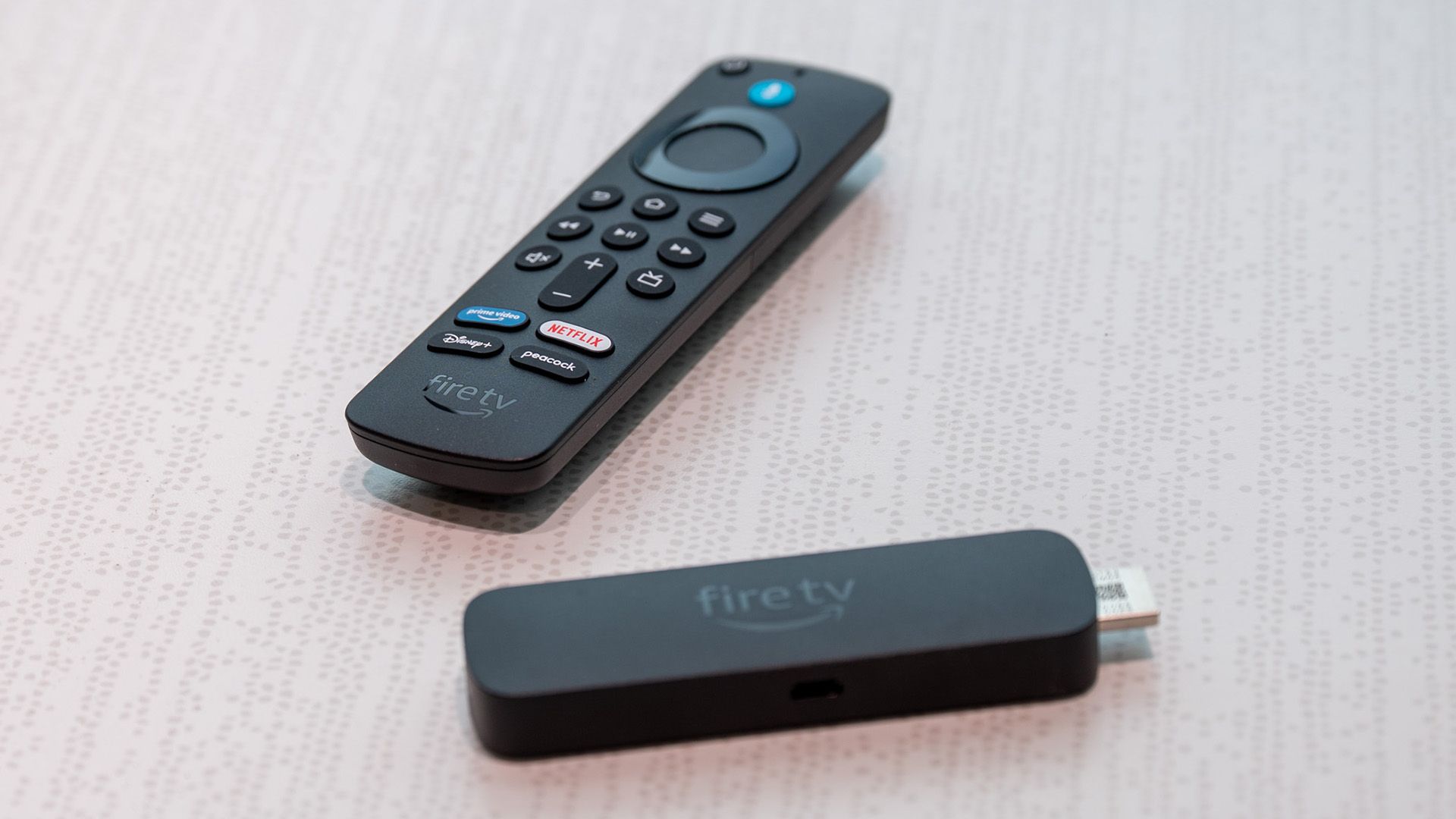
Smart TVs looked like the obvious move when they launched. One less box under the TV, everything built in, nothing extra to buy. A few years later, many people are watching their menus get slower every month, waiting for apps to load, and realizing their TV hasn't seen a meaningful update in years and no longer feels new. A $20 Fire TV Stick doesn't fix the screen, but it quietly fixes almost everything else.
The LG C6 OLED delivers an excellent experience straight out of the box, but a few simple adjustments can make it even better. After a month of testing, these are the picture, motion and sound settings I keep coming back to, along with the tweaks that noticeably improved the overall viewing experience.
An anonymous reader quotes a report from KrebsOnSecurity: The home appliance giant LG Electronics USA said this week it plans to suspend any apps built for its smart TVs that turn one's television into an always-on residential proxy node. The move comes less than a month after researchers found that more than 42 percent of games and other apps available for download on LG's webOS store allow unknown third-parties to route their Internet traffic through a user's TV. On July 2, [KrebsOnSecurity] featured research by the security firm Spur that examined the prevalence of residential proxy software development kits (SDKs) in smart TV apps. Spur found more than 42 percent of apps available for download on LG smart TVs include SDKs that turn one's television in a proxy node indefinitely, and that more than a quarter of the apps made for Samsung's Tizen operating system had similar residential proxy components.
Responding to questions about Spur's research, LG Senior Vice President John Taylor told KrebsOnSecurity the company was working with app developers to remove the residential proxy option from their apps on the webOS platform. Developers that fail to comply, he said, will find their apps suspended. "A residential proxy network is not an intended use for LG smart TVs, and LG Electronics is working with developers to remove the residential proxy option from their apps on the webOS platform," Taylor said. "If this option is not removed, these apps will be suspended." Taylor said LG is committed to keeping residential proxy networks out of its smart TV apps going forward, and that the company's review of those apps is "well underway now."
"As part of our ongoing efforts to enhance platform quality and the user experience, LG will continue to strengthen our evaluation process for developer-submitted apps, including those that incorporate residential proxy SDKs," Taylor wrote in an emailed statement. [...] "A one-time consent prompt buried in a TV app is not a substitute for meaningful transparency, ongoing control, and platform oversight," Spur's Trevor Sutter wrote. "The risk is amplified when consent comes from individuals within the household who use the device but shouldn't give consent, such as minors." LG is also facing criticism for monitors that automatically install software promoting paid McAfee subscriptions through Windows Update without user approval.
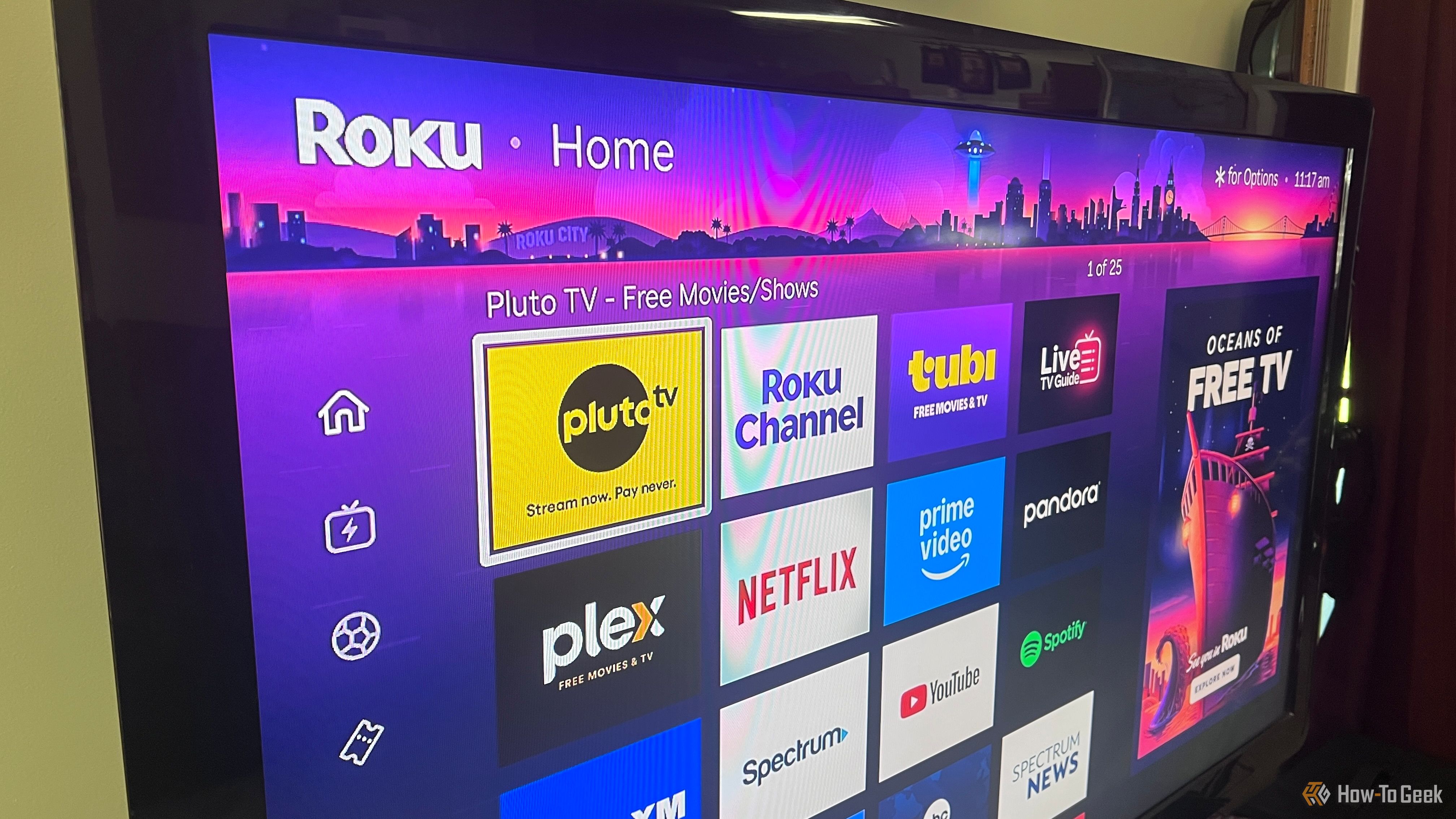
I pay for Netflix and Amazon Prime, but I still spend most of my time watching free streaming services. We keep Netflix largely because my wife despises commercials, while I use the other benefits of Amazon Prime throughout the year and treat Prime Video as a bonus. The bottom line, however, is that when I’m choosing something for myself, I usually end up opening Pluto TV, The Roku Channel, or Tubi.
Super Powers Mobility, known as SPM, said it recently demonstrated its Energized Vehicle Kit, or EVK, to special operations forces at two separate demos in Nevada and Utah, showcasing a battery and power system built to bolt onto existing light tactical all-terrain vehicles, the small, rugged off-road trucks commonly known by the acronym LTATV that […]
The FCC plans to vote on repealing local TV ownership limits, including the 39% national audience cap that currently restricts how much of the U.S. market a single broadcast group can reach. Engadget reports: On August 6, commissioners will hold a ballot to repeal Section 303 of the Communications Act, and with it the 39 percent rule. In essence, the rule limits the reach of a local TV network to no more than 39 percent of the U.S.' total audience market. In its place, the FCC would move to a system whereby it would personally approve or reject TV ownership deals on a case-by-case basis.
It's not clear if the FCC even has the authority to reject Section 303 without the explicit consent of the legislature. As Lawrence J. Spiwak wrote in the Yale Journal on Regulation back in January, Section 10 of the Communications Act expressly forbids the FCC from bending the rules around Section 303. "Americans no longer trust the legacy national media to report the news fairly or accurately," wrote FCC Chairman Brendan Carr in an op-ed published on Breitbart. "In fact, only eight percent of Americans have a great deal of trust in mass media. That figure is even lower among Republicans -- sitting at a mere three percent."
"... Many local broadcast TV stations are getting hollowed out as a result and turning into little more than mouthpieces for programming produced in New York and Hollywood," he alleged. "That is not what Congress or the FCC intended."
Disney is exploring a free tier for Disney+ that would make some content available without a subscription. According to Nielsen data, the three largest free streamers accounted for 18.7% of watch time on U.S. TVs in April, up from 16.8% a year earlier and 12.7% in April 2024. Business Insider reports: Product and tech chief Adam Smith spoke about enabling free-tier content during a streaming town hall on Thursday afternoon, one staffer said. Smith didn't share a timeline for this initiative or a sense of the scope, this person added. A person familiar with Disney's streaming strategy said these talks are part of an ongoing discussion about concepts to better serve fans. Currently, the Disney+ and Hulu bundle costs $12.99 a month with ads or $19.99 without ads at full price.
Amid signs of slowing engagement, Netflix is reportedly considering launching "always-on" live channels, giving subscribers something to tune into 24/7.
Happy belated July 4th to all the readers from the United States — hopefully you aren’t reading this from a hospital bed after losing a hand or burning off your eyebrows. While we suspect amateur firework shows and their related injuries will be around for many years to come, we did note that many major cities switched over to drone shows this year.
At least on paper, the appeal is obvious. Beyond the fact that drones are safer and quieter than pyrotechnics, they’re also capable of far more complex displays. Good luck trying to draw George Washington’s face in the sky with exploding rockets. But even if it’s a little more than nostalgia, there’s still something about the sights and sounds of fireworks that enthrall audiences. For many, the whole “rockets’ red glare” thing is a bit more meaningful than the “drones’ red LEDs.”
Earlier this week, we brought you news that Sony would stop producing physical PlayStation discs in January 2028. Many gamers are understandably concerned about the long-term implications such a move will have for software ownership, and while the negative reactions online haven’t bothered Sony enough to get them to amend their plans, they have clarified the situation with developers by explaining that games published before the cutoff date aren’t impacted. So if a developer has a hit title that drops in the summer of 2027 and they want to keep cranking out discs, additional orders can still be placed. Not much of a reprieve, but it will give the community a little more time to figure out what comes next.
While plenty would argue that the death of physical media has been exaggerated, the same can’t be said about 3D TV. Engadget has a piece that goes over what went wrong with 3D home media, and not all of it is on the technical side. Of course, a big part of the problem was the glasses — they were goofy and added per-viewer expenses that consumers weren’t thrilled with. But some of the blame also has to be put on Hollywood and the content they were putting out.
There were a few big-name movies like Avatar that were filmed in 3D, and computer-generated films could be rendered to take advantage of the third dimension, but the rest were lazy at best. Getting folks to spend thousands on a 3D-capable home theater was tricky enough, but asking them to do it if there were only a handful of movies worth watching on the thing was simply asking too much.
Speaking of tech heading off into the sunset, it looks like the end may be near for Amazon’s Mechanical Turk service, as they’ve announced they’ll no longer be taking new customers after this month. For those unaware, Mechanical Turk connected bored humans with customers that had repetitive tasks they needed completed. Think of somebody spending an afternoon sorting images and making a few cents a pop.
When the service launched 20 years ago, tasks like this were difficult to automate, and it made sense to pay humans to do it. But in the age of AI, it comes as no surprise to hear Amazon is looking to wind things down. Existing Mechanical Turk users will be able to continue using the service after July, but with no new jobs coming in, the writing is clearly on the wall.
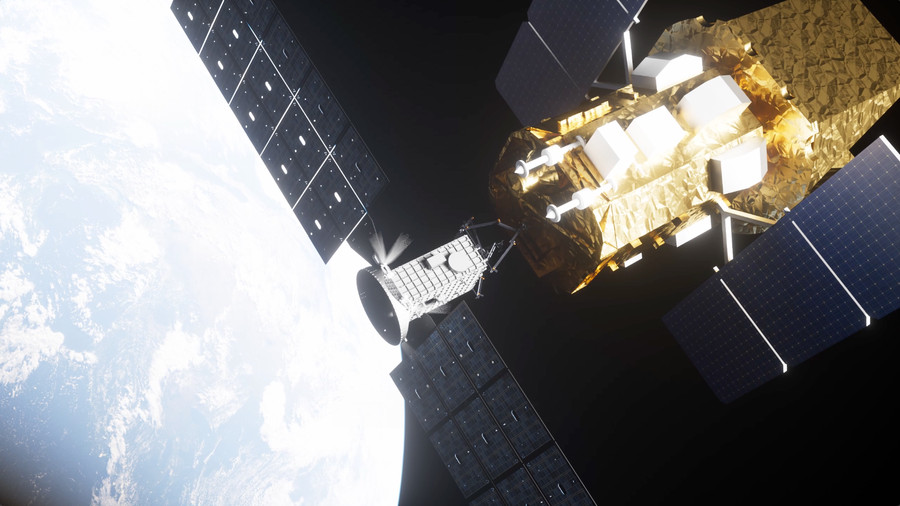
Finally, things seem to be going well so far for the Neil Gehrels Swift Observatory rescue mission. On July 3rd, the robotic LINK spacecraft that will eventually link up with the Observatory and push it into a higher orbit was successfully air-launched aboard a Northrop Grumman Pegasus XL rocket. Teams on the ground have already made contact with the rescue vehicle and are performing health checks on it before committing to a rendezvous with the ailing Swift.
LINK will attempt to push the Neil Gehrels Swift Observatory into a higher orbit.
Once it has attached itself to Swift, LINK will push it up to an altitude of around 640 km (400 miles), which should keep it from burning up in the Earth’s atmosphere for another decade or so. We’ve had our eye on this ambitious mission for some time now, and will keep you updated as it progresses.
See something interesting that you think would be a good fit for our weekly Links column? Drop us a line; we’d love to hear about it.

 Login
Login


 Super Powers Mobility, known as SPM, said it recently demonstrated its Energized Vehicle Kit, or EVK, to special operations forces at two separate demos in Nevada and Utah, showcasing a battery and power system built to bolt onto existing light tactical all-terrain vehicles, the small, rugged off-road trucks commonly known by the acronym LTATV that […]