❌

Reading view

There are new articles available, click to refresh the page.

‘Not a new AI center’: Seattle Children’s launches $10M pediatric innovation institute
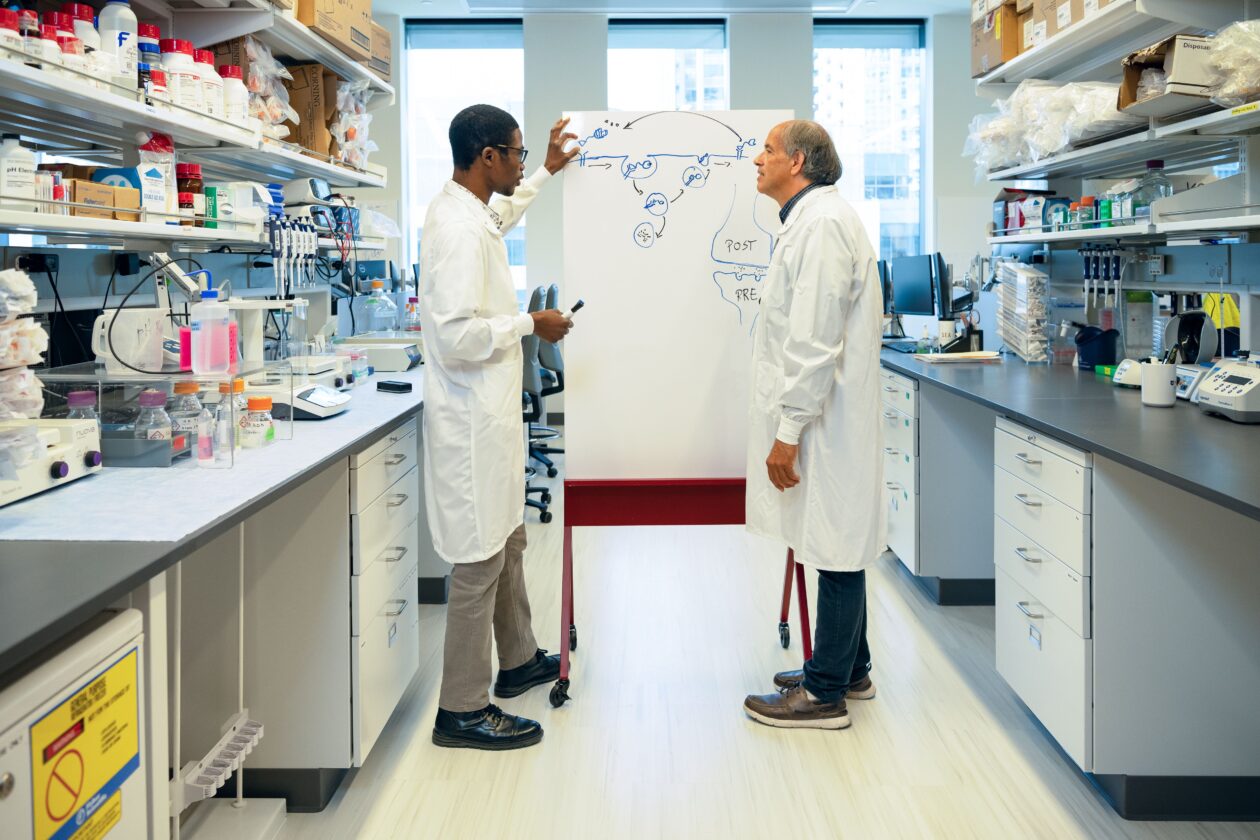
Seattle Children’s researchers. (Seattle Children’s Photo)

Seattle Children’s is announcing today the launch of its Institute for Pediatric Innovation, a $10 million initiative with eight focus areas and a chief innovation officer yet to be named. The hospital is positioning the institute as the “core engine” driving its strategic plan.

CEO Dr. Christopher Longhurst has specific health challenges in mind where he hopes today’s technology could quickly improve care for pediatric patients.

“The question is, with this new generation of tools — not just AI and large language models, but precision health tools, whole genome sequencing, etc. — how can we leverage these tools to solve problems in ways that we have not before?” Longhurst said in an interview with GeekWire.
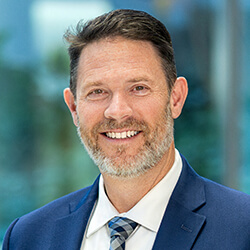
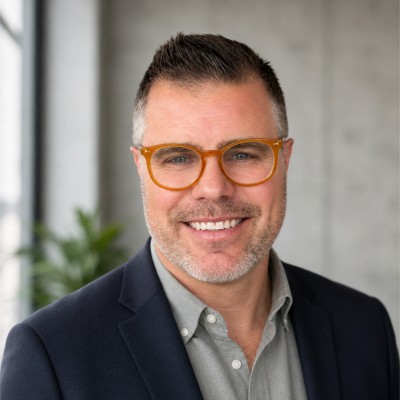
Dr. Christopher Longhurst, CEO of Seattle Children’s. (Seattle Children’s Photo)

Seattle Children’s has approximately 600,000 patient visits last year and reported approximately $2.6 billion in expenses.

Longhurst became CEO in January after a decade at UC San Diego Health, where he founded and directed the Joan & Irwin Jacobs Center for Health Innovation. The institute is Seattle Children’s most prominent new organization-wide initiative since he took the job.

The institute “is not a new AI center. This isn’t about the shiny objects or the tools. This is about the outcomes that we can achieve and the impact that we can have,” Longhurst said. “So really, the focus here is impact at scale.”

The organization will concentrate on eight areas:

AI tools. Seattle Children’s plans to develop, test and use new technology tools. One example is a digital care platform specific to pediatric patients where families and providers can manage appointments, medications, results and communications. The hospital is already helping build one with industry partners and Longhurst is eager to include an AI chatbot for caregivers. Other AI work includes a pilot of an automated tool that rapidly generates anonymous copies of medical images for research and a listening tool that drafts clinical notes during appointments.

Industry partnerships. Longhurst said these cut across the other focus areas. The hospital is working with industry on the care platform, for example, and plans to partner on seeking FDA approval for pediatric uses of existing devices.

Innovation unit. The hospital is establishing a facility that offers advanced care and can test new pediatric devices. Longhurst pointed to Ochsner Health’s innovation lab as a model and said he wasn’t aware of a comparable facility focused on children.

Medical device innovation. This focus overlaps with the innovation care unit and aims to serve unmet pediatric needs. Longhurst noted that numerous medical devices designed for adults are being used off-label for children. One piece of the solution is taking data related to these applications and seeking FDA approval for use in kids.

Precision medicine. Seattle Children’s already offers targeted therapies and aims to expand them. A recently published study from the hospital found that genome analysis, usually performed only for critically ill patients, could lead to faster diagnoses for non-ICU patients, particularly children with failure to thrive. “The question for us now is … how do we make a research project into something that we do every day at scale?” Longhurst said.

Biomedical data. Patient monitoring produces vast amounts of electronic data that can be combined with genetic and protein-expression information. The hospital is pursuing technology that recognizes patterns across these sources in real time to guide treatment for critically ill and other patients.

Therapeutics. Research into next-generation cell, gene and protein therapies will expand.

Training for young scientists and clinicians. The hospital’s Invent@SC program provides mentorship and education for early-career researchers and clinicians. The initiative focuses on treatments discovered at Seattle Children’s that can be widely adopted.

Seattle Children’s main campus. (Seattle Children’s Photo)

Projects from the institute must be approved by a Seattle Children’s AI Review Board, which will assess whether proposed uses of AI are ethical, equitable and responsible. Those involving research will also go to the Institutional Review Board for regulatory compliance.

Seattle Children’s has recruited three external launch advisors to help recruit the CIO and develop the institute’s organizational structure. They are Dr. Matthew Lungren, a Stanford University adjunct professor and former chief scientific officer for health and life sciences at Microsoft; Dr. Kevin Koo, a radiologist whose experience includes leadership at Seattle Children’s and roles at UW Medicine and McKinsey & Company; and Dr. Jessica Mega, a cardiologist and co-founder of Verily, an Alphabet company.

Longhurst said the work will require a cultural shift at the institution, from risk aversion to an openness to change.

The institute’s initial funding comes from a $5 million anonymous gift and $5 million in existing resources. Longhurst acknowledged the amount is limited relative to the scope of the work.

“That’s really just the beginning,” he said. “And what that should signify is a commitment from me as the leader to allocate actual investments in this space.”
Tech Moves: 2 Microsoft execs depart; Kymeta hires former CIA leader; Alaska Air names CITO

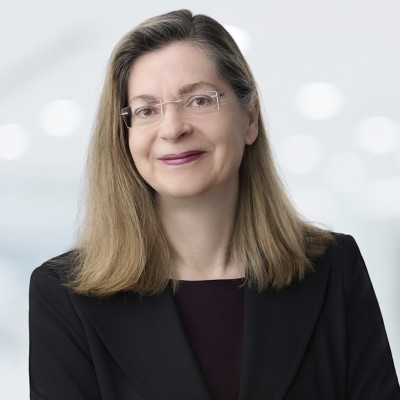
Elizabeth Kimber. (LinkedIn Photo)

— Kymeta has appointed former CIA Deputy Director Elizabeth Kimber as chief growth officer.

Kymeta, a Redmond, Wash.-based mobile satellite communications company, is working to increase sales with the Department of Defense, the intelligence community and other organizations in national security.

Kimber had a 37-year career with the CIA, departing in 2022 as the agency’s deputy director for operations. She most recently worked as a vice president with Two Six Technologies and has served on Kymeta’s board of directors for two years.

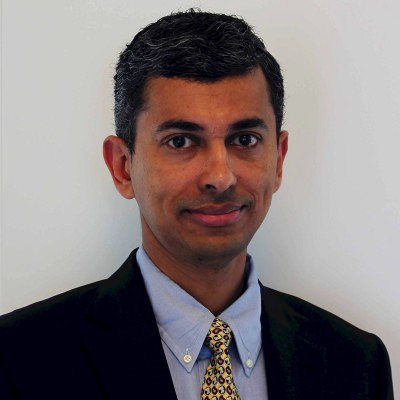
Amaresh Siva. (LinkedIn Photo)

— Alaska Airlines has named Amaresh Siva as its first chief information technology officer. Siva joins from CVS Health and has held technology leadership roles for more than two decades at companies including Lowe’s, Target and GE Money.

“Technology touches nearly every part of how we run our airline and serve our guests, and Amaresh will bring our technology and digital teams together under one leader,” said Ben Minicucci, CEO of Alaska Air Group, in announcing the news.

— Vijaye Raji, founder and former CEO of Bellevue, Wash.-based Statsig and now OpenAI’s CTO of applications, has joined the board of Amplitude, a digital analytics and product intelligence company. OpenAI acquired Statsig last year, and Statsig and Amplitude announced a strategic partnership in May in which Amplitude would build on Statsig’s brand and customers.

“Statsig continues as a platform and brand within Amplitude,” Raji said. “Joining the board is an opportunity for me to help carry that mission forward as Amplitude and Statsig build their next chapter together.”

Here are four departures and arrivals for Microsoft leaders:

Vasu Jakkal. (LinkedIn Photo)

— Vasu Jakkal has left her role as Microsoft corporate vice president of security, compliance, identity, management and privacy after more than six years. She has joined Armadin, a Palo Alto, Calif.-based cybersecurity company, as chief strategy and business officer.

Jakkal is based in the San Francisco Bay Area and previously held executive roles at FireEye and Intel. She praised Armadin’s mission, which she described as building “autonomous security to stay ahead of attackers and build a safer world for all.”

Hans Yang. (LinkedIn Photo)

— Microsoft VP Hans Yang is leaving. The Los Angeles-based leader, most recently focused on AI transformation, product strategy and growth, was formerly a general manager for Microsoft for Startups and Microsoft Learn.

“I think my next hill to climb is helping companies capture real ROI from AI,” Yang said, adding, “If you know a company that is struggling to get started with AI, or has invested but is not yet seeing meaningful value, I would welcome any introductions.”

— Venky Chandrasekharan is returning to Microsoft for the role of general manager of Windows commercial category and investments. He left the company in 2021 after 12 years and worked at Qualcomm and Acuity Brands in the interim.

“Having spent some of my most formative years at Microsoft, there’s definitely a sense of familiarity — but I’m coming back with new experiences, a broader perspective, and a lot of excitement for what’s ahead,” Chandrasekharan said.

— Meg O’Conor Bannecker has left Microsoft after two years leading communications for the company’s Washington state team. Past roles include communications leadership at NanoString Technologies, Bannecker Public Affairs and Pier 70 Ventures.

Patrick Miller. (LinkedIn Photo)

— Patrick Miller has been appointed as global division president of real estate company JLL’s technology sector. Miller joins from Snap, where he served as senior director of global workplace services. He previously oversaw real estate operations for Amazon’s Seattle-area headquarters for more than three years and has worked for Facebook and DTZ.

“I’ve spent my career on the client side … so I know exactly what it feels like to need a partner who shows up, tells you the truth, and solves real problems,” Miller said.

— DigniFi, a Bellevue, Wash.-based fintech company providing repair financing for autos, RVs, ATVs and other motorized vehicles, has named Jefim Piekarz as chief product officer. Piekarz joins from Arch, and his past employers include Skylab74, Welo, Octane and Etsy. Launched in 2012, DigniFi has facilitated more than $575 million in transactions for automotive merchants in the U.S.

— Seattle-based global logistics company Tideworks Technology has named two C-suite leaders:

  • Mark Traynor, chief product and technology officer, joins from Lynxis. He is an entrepreneur who has worked in port, rail and terminal logistics for more than 20 years.
  • Guenter Schmidmeir, chief revenue officer, joins from Avlino and has decades of maritime leadership from Germany.

— Adaptiva, a Kirkland, Wash.-based company automating software updates across computers, has named Allison Armstrong VP of product marketing. She joined from Elemica and has worked for Transmit Security, Hopin, Qualtrics, Apptio and others.

— Smarsh, a Portland, Ore.-based company providing communications data and insights, has appointed Alessandro Silva as its first chief growth officer. He joins from ACI Worldwide, and his past employers include Western Union and Carlyle Group. Silva is also a board member for Teach for America.

— Seattle-based Yoodli has named Mike Mather as chief learning advisor. The startup recently expanded from helping people practice speeches, sales pitches and job interviews to providing corporate training across wide-ranging skills. Mather is CLO for the accounting firm KPMG US and was previously a partner at EY, IBM and PwC.

“For most of my career, the hardest part of [learning and development] was the gap between training and the moment someone actually has to perform,” Mather said. “Yoodli closes that gap.”

— DigiStor, a company with offices in Austin, Texas, and Vancouver, Wash., that offers secure data storage products, has appointed Peter Bell to its board of directors. Bell co-founded StorageNetworks and serves as managing partner at Stowe Capital, among other roles.

— Seattle-area tech leader Jake Varghese has been promoted to chief product and technology officer for Dayforce, a Minneapolis company providing HR, payroll and related technology. He previously worked for companies including Microsoft, ServiceNow, Tanium and ConnectWise.

— The Association of Washington Business Institute has appointed Meagan Darrow as executive director. Darrow is also an adjunct professor at Evergreen State College and was most recently executive director of the American Diabetes Association. The AWB Institute is the nonprofit research and education affiliate of the association, a longtime organization advocating on behalf of its 8,000 members.

— Five Seattle-area physicians were appointed to the National Academy of Medicine:

  • Dr. Susan Stern, professor emeritus and founding chair of UW Medicine’s Department of Emergency Medicine
  • Dr. Elizabeth Swisher, professor in the Fred Hutch Clinical Research Division and UW Medicine’s Division of Gynecologic Oncology, as well as deputy director of the Fred Hutch/UW/Seattle Children’s Cancer Consortium
  • Dr. Leslie Walker, chair and professor of UW Medicine’s Department of Pediatrics and chief academic officer at Seattle Children’s
  • Dr. Dimitri Christakis, professor in UW Medicine’s Department of Pediatrics, pediatrician at Seattle Children’s and chief health officer with Special Olympics International
  • Dr. Christopher Longhurst, CEO of Seattle Children’s and clinical professor with UW Medicine’s Department of Pediatrics

❌