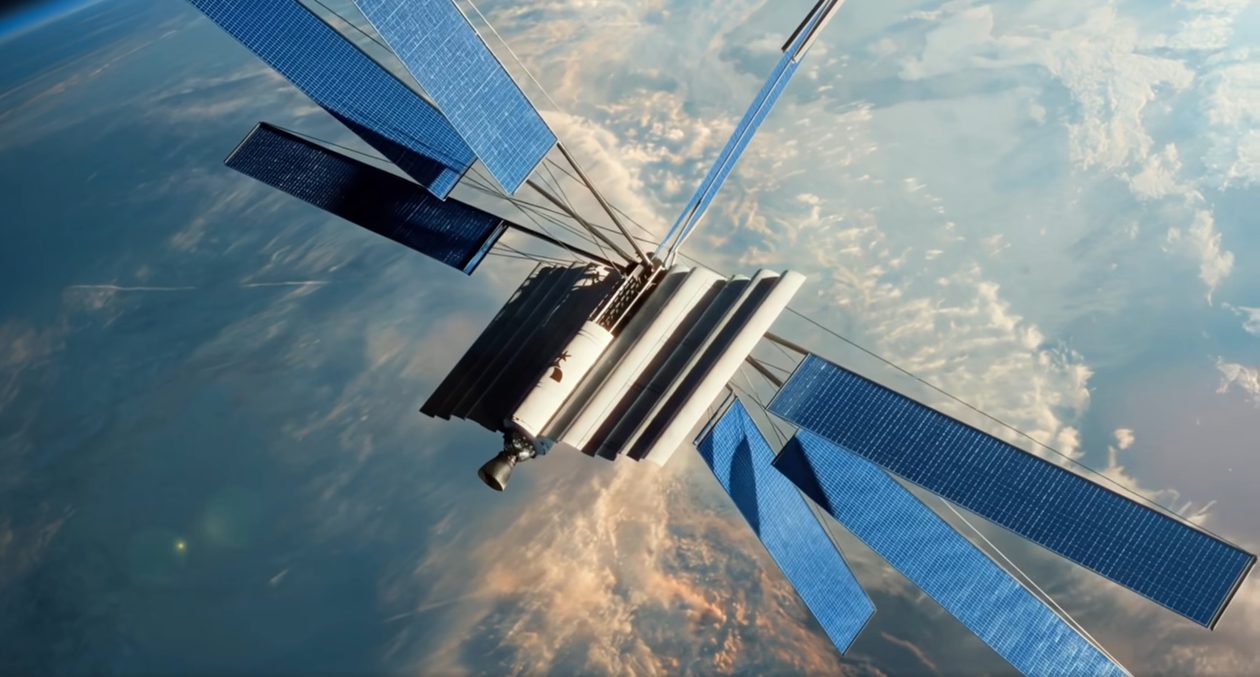
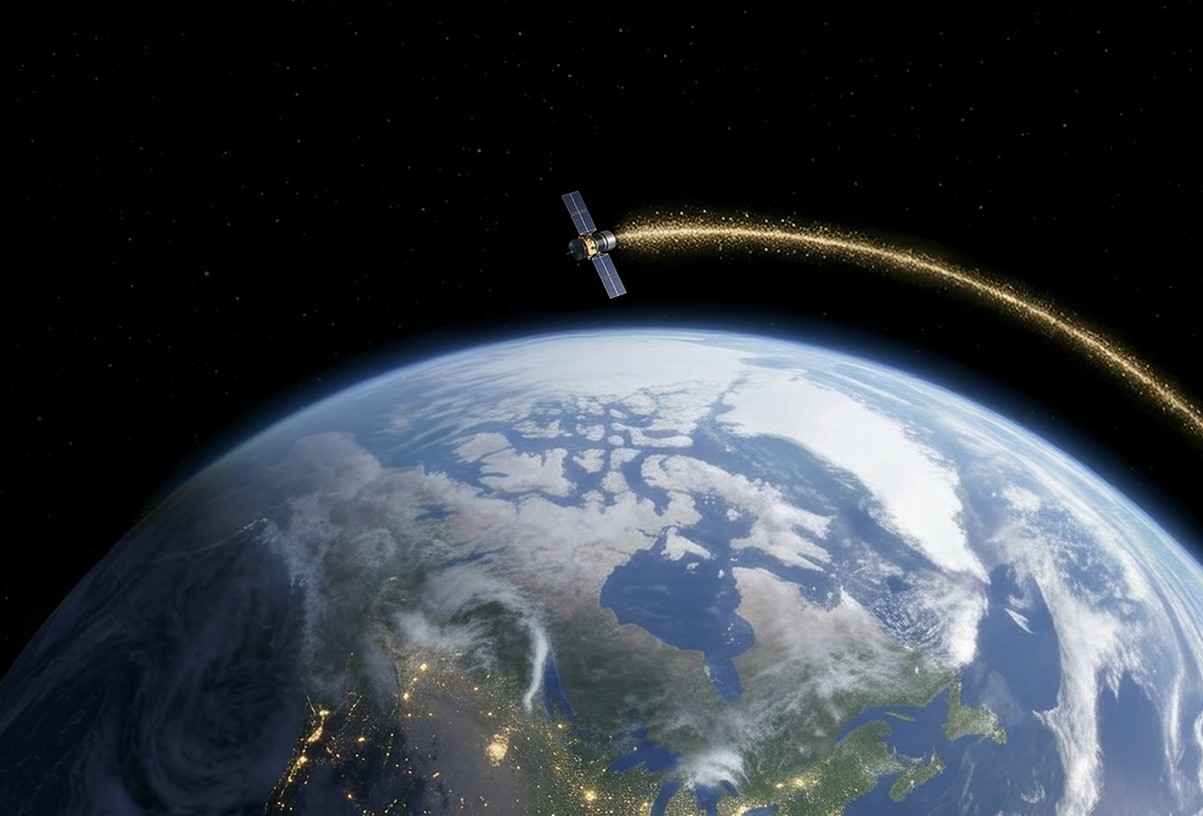
An artist’s conception shows one of Cowboy Space’s data centers in Earth orbit. (Cowboy Space via LinkedIn)
California-based Cowboy Space is leasing a 291,035-square-foot industrial facility in Kent, Wash., to support the production of hardware for its planned constellation of AI data center satellites, according to the company that arranged the lease.
“According to Newmark Research, the transaction is the largest industrial lease in the Puget Sound region year-to-date,” Newmark, the real estate broker for the deal, said in a news release. Newmark represented CenterPoint Properties, Cowboy’s new landlord.
The facility at 7650 S. 228th St. previously served as a Costco distribution and delivery center. “This building was originally designed for large-scale logistics users, but Cowboy Space recognized the opportunity to reimagine it as a highly specialized production facility,” said Taylor Hoff, a vice chairman at Newmark’s office in Bellevue, Wash.
Newmark said Cowboy Space plans to convert the facility into a manufacturing operation supporting space and rocket development. The operation is expected to add 300 jobs, Newmark said. Cowboy is currently listing 46 Kent-based positions in its careers database.
The city of Kent, which is about 20 miles south of Seattle, is one of the hotspots for space companies in the Pacific Northwest. Boeing’s Kent Space Center remains active more than 50 years after building NASA’s Apollo moon rovers. The city also hosts Jeff Bezos’ Blue Origin space venture and Stoke Space, which was founded by Blue Origin alumni.
Cowboy Space, previously known as Aetherflux, plans to send its own rockets into low Earth orbit starting as early as 2028, with the upper stages outfitted to serve as solar-powered orbital data centers. The Stampede constellation is one of several planned projects aimed at getting around the land, power and water constraints that have made ground-based AI data centers increasingly controversial.
“We are building what I call the last big clean-sheet launch vehicle in my lifetime, so it’s going to be a very big heavy-lift vehicle, and we’re working every day to bring it to reality,” Warren Lamont, Cowboy Space’s head of launch and propulsion, said this week in a LinkedIn video. Lamont, who previously worked for IonQ and Blue Origin, is one of the executives heading up Cowboy Space’s engineering hub in the Seattle area.
Update for 3:30 p.m. PT Sept. 13: Cowboy Space confirmed the opening of its Kent facility in a post to LinkedIn. “Kent will be our launch vehicle and satellite design hub, and we will be building our rocket engines and solar systems here too,” the company said:
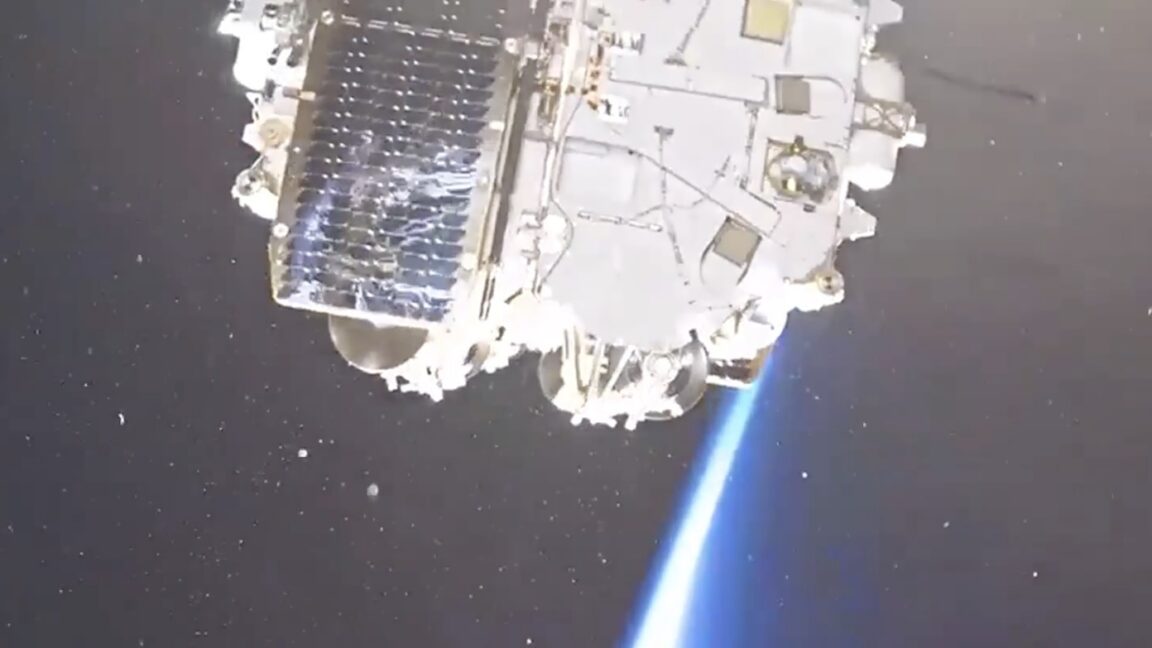
Russia's attempt to replicate SpaceX's Starlink satellite network seems to be moving as slowly as the front lines in eastern Ukraine.
The Rassvet program, often billed as Russia's answer to Starlink, started launching its first operational satellites earlier this year. Two launches, one in March and a second in July, have delivered 32 Rassvet satellites to low-Earth orbit, some 10 percent of the roughly 300 Rassvet spacecraft Russia aims to put into orbit by the end of next year to provide connectivity for military and civilian users. The company in charge of Rassvet, Bureau 1440, wants to deploy 924 satellites by 2035.
But none of the 32 satellites launched so far have reached the 500-mile (800-kilometer) orbit they were designed to operate in. The rockets that launched the first two batches of Rassvets released the satellites much closer to Earth, and the satellites were expected to use their own plasma engines to raise their orbits over the next few months.
Nvidia’s next-generation AI chip, the Space-1 Vera Rubin Module, is set to be used on Starcloud’s future satellites. (Nvidia Illustration)
Starcloud says it has raised $250 million in new funding to support the creation of a constellation of data center satellites powered by Nvidia’s next-generation AI chips.
The Series A extension funding round was led by Manhattan West, with participation from existing investors including Benchmark, EQT, Soma, NFX and 776. Among the new investors joining for this round are Nvidia, Cisco Investments, Cedar Capital, Goanna Capital and Standard Capital.
Founded in 2024, Starcloud is headquartered in Redmond, Wash., and is building production lines for its Starcloud-3 spacecraft at a new 100,000-square-foot manufacturing facility in Woodinville, Wash. The newly announced round brings the startup’s total capital raised to $450 million, with a post-money valuation of $2.3 billion.
Nvidia’s participation in the funding round brings Starcloud’s collaboration with the computer-chip titan to a new level. In November 2025, Starcloud flew Nvidia’s H100 GPU to orbit for the first time. It used the chip to train a large language model called NanoGPT — marking a milestone in space-based AI data processing.
Starcloud plans to equip future satellites with Nvidia’s Space-1 Vera Rubin Module, which Nvidia says will deliver 25 times as much in-space compute capability as the H100. Starcloud’s satellites will serve as an early flight platform for the space-rated chips.
“This fresh capital empowers us to build the infrastructure to launch many more of Nvidia’s most advanced GPUs into space,” Starcloud co-founder and CEO Philip Johnston said today in a news release.
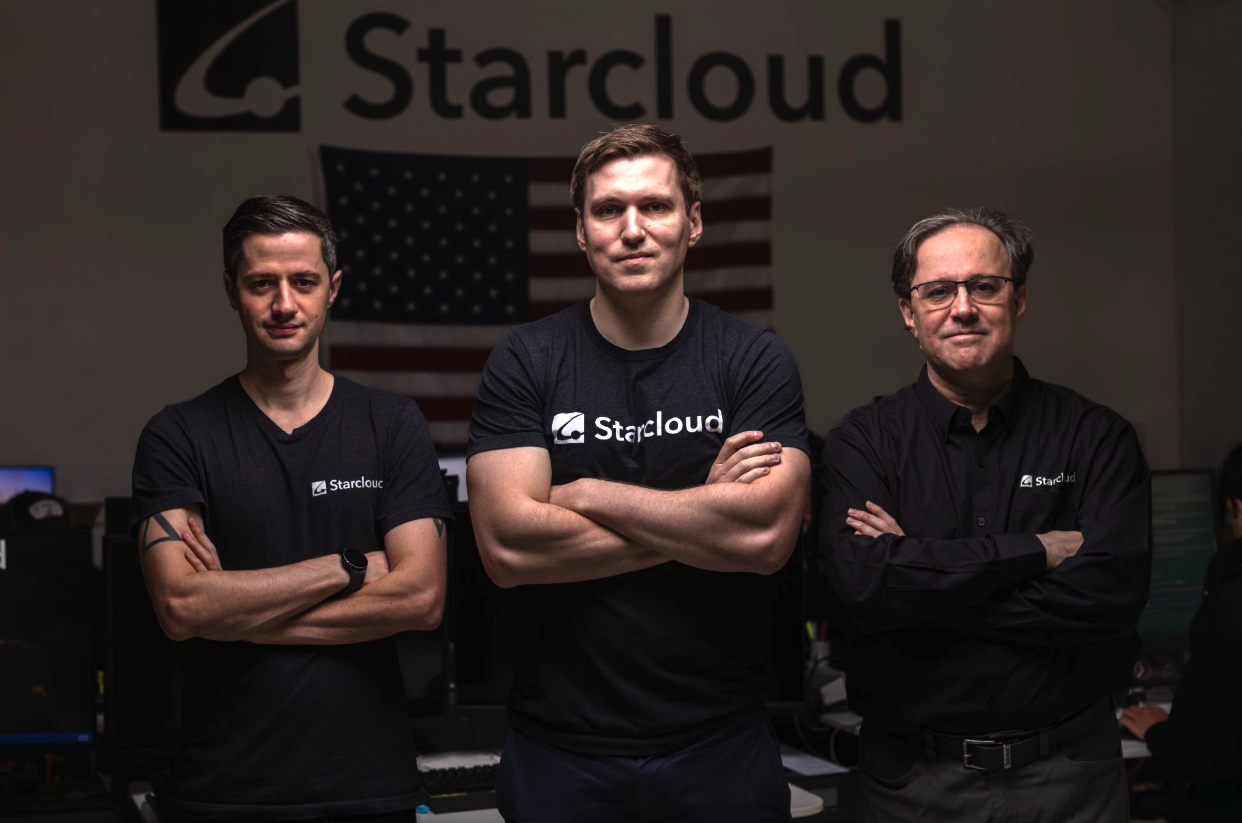
Starcloud was founded by chief technology officer Ezra Feilden, CEO Philip Johnston and chief engineer Adi Oltean. (Starcloud Photo)
Starcloud says the new investment will fund the continued buildout of manufacturing capacity, engineering work in collaboration with Nvidia and the procurement of future launch slots. Manhattan West’s Lauren Selig will join Starcloud’s team as a board observer.
Starcloud has filed an application with the Federal Communications Commission to operate as many as 88,000 satellites as orbital data centers for AI and other applications. It’s not the only company targeting the market for orbital data centers. Most notably, SpaceX has filed its own plans to put up to a million data center satellites in space, for a project called Starmind.
The push to move AI infrastructure into space is driven by growing terrestrial bottlenecks surrounding land, power and water consumption — and by the political controversies those bottlenecks have sparked.
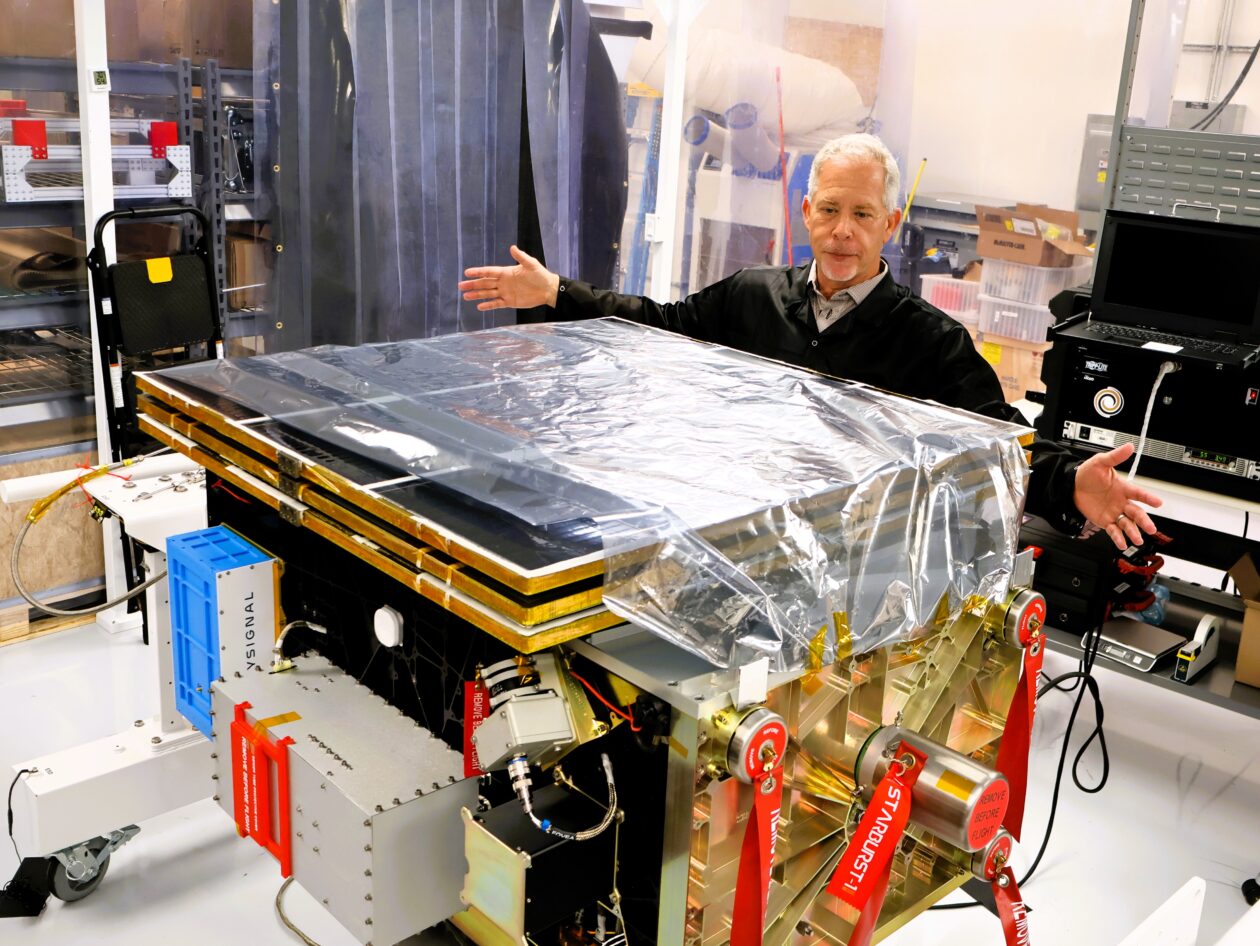
Portal Space Systems’ co-founder and CEO, Jeff Thornburg, shows off the Starburst-1 satellite in the company’s Bothell lab. (Portal Space Systems Photo)
BOTHELL, Wash. — Portal Space Systems is getting ready to send its first Starburst spacecraft to Florida for a milestone launch, and at the same time is fleshing out its plans for launching an even more capable spacecraft known as Supernova.
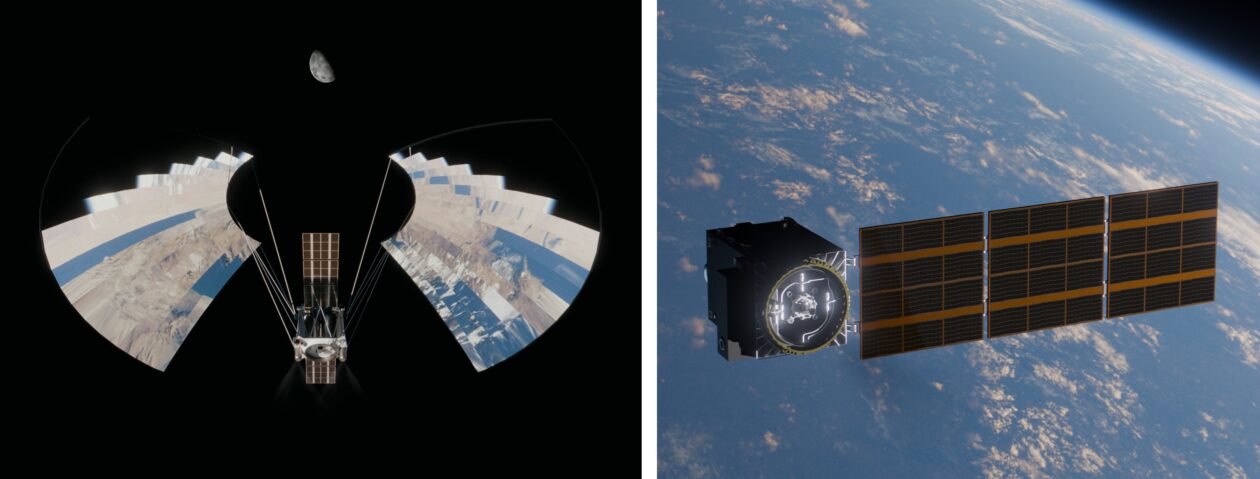
Both spacecraft are designed to offer rapid maneuverability in orbit at low cost, and both will take advantage of Portal’s core technologies, supply chains and manufacturing processes. But Supernova will be heavier than Starburst (1,100 pounds vs. 600 pounds) and will make use of an innovative solar thermal propulsion system to move within a wider range of orbits.
Starburst-1 will blaze the trail for Supernova. The desk-sized spacecraft recently returned to the Bothell lab after undergoing a round of vibration testing in California. It’s scheduled for an October launch from Cape Canaveral Space Force Station in Florida on SpaceX’s Bandwagon-5 satellite rideshare mission.
Portal CEO Jeff Thornburg said he expected Starburst-1 to be trucked to Florida in September, after engineers make their final software adjustments.
“Until we get ready to fly, we’ll be constantly testing it and evaluating its health, and making any tweaks that we think we need to make,” he said. “Anything that helps reduce the risk for the first flight, up to the point where we launch — we’ll implement that if we need to.”
Back in March, Portal sent a payload about the size of a tissue box into space to test the electronics and control systems designed for Starburst and Supernova. That instrument package, known as “Mini-Nova,” is still attached to an orbiting space vehicle, but a replica is displayed in a conference room next to the lab.
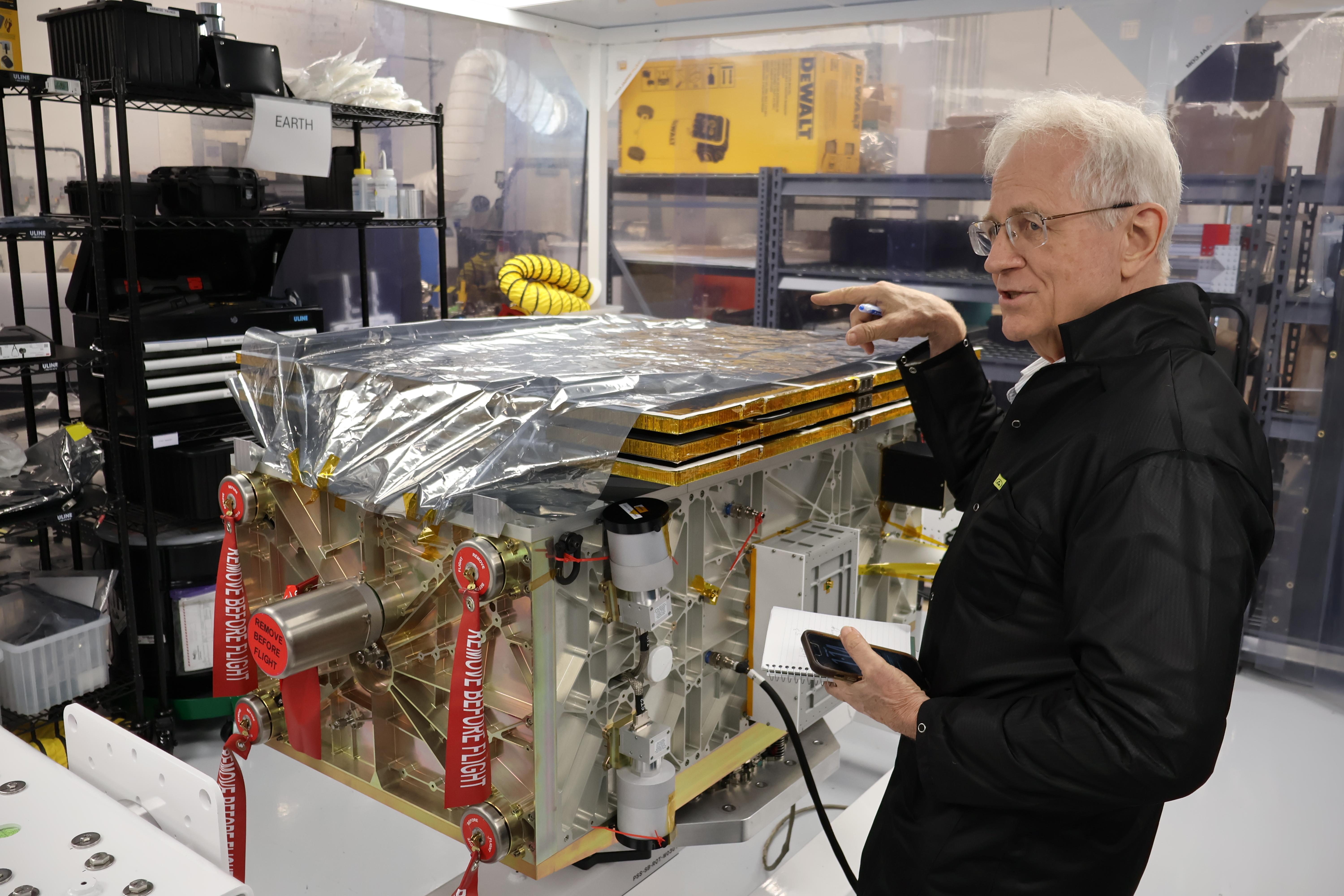
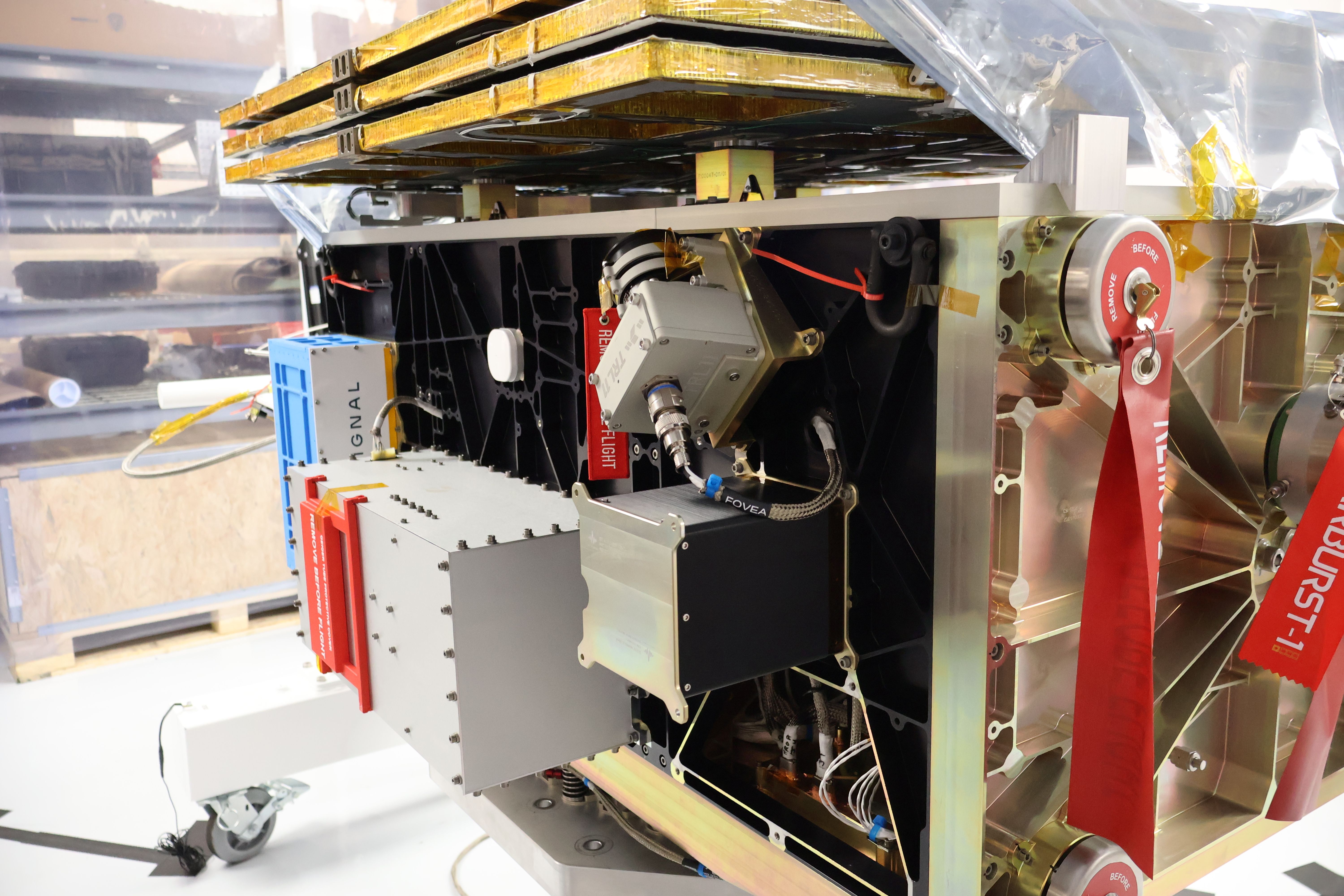
Starburst-1 takes center stage in the lab’s clean-room enclosure. The satellite’s solar arrays are stacked on top, and several contraptions stick out from the sides. The hardware includes Starburst-1’s star trackers and communications equipment. A full-motion video system, provided by TRL11, will monitor the spacecraft and its orbital surroundings.
Here’s a slideshow featuring Portal’s lab and Starburst-1:
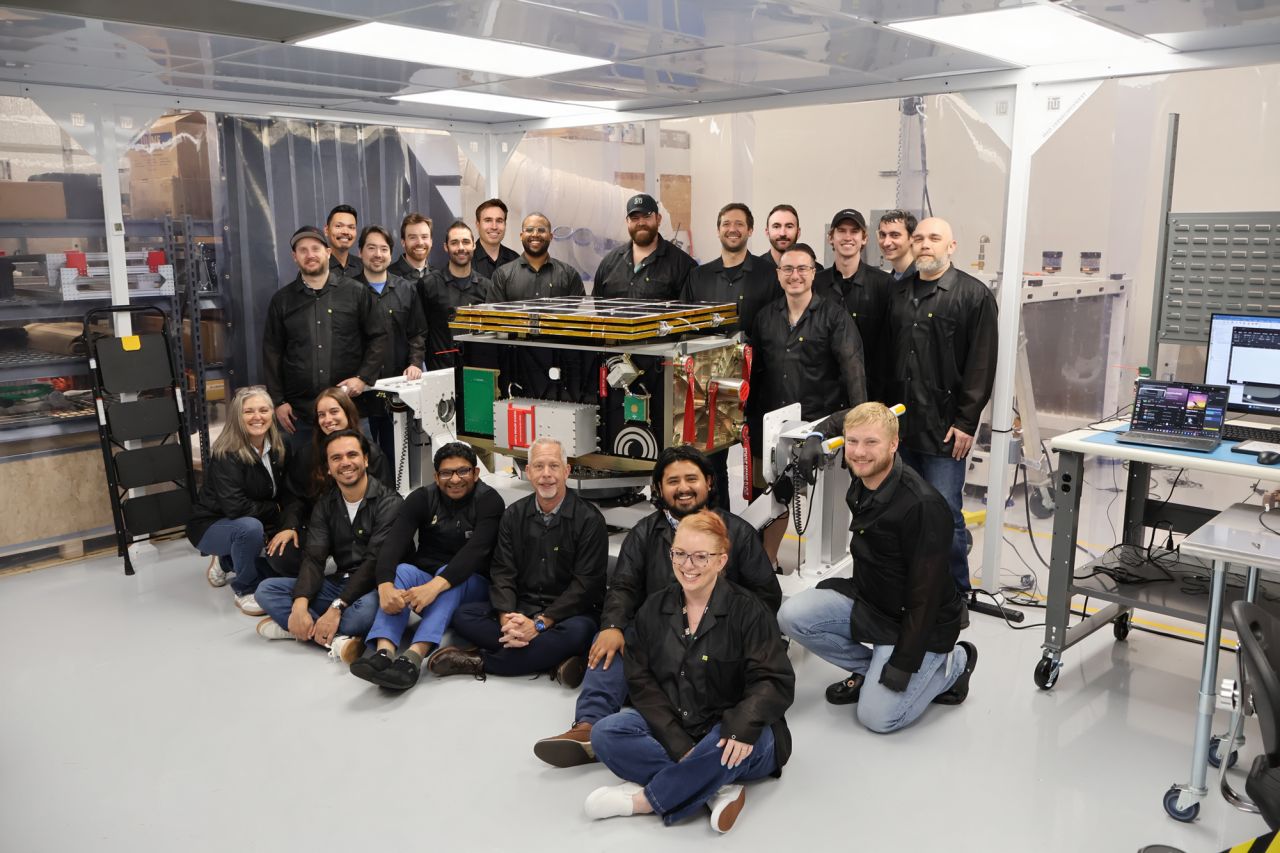
Members of Portal’s Bothell team gather around Starburst-1. (Portal Space System Photo)
GeekWire’s Alan Boyle gets a close look at Starburst-1. (Portal Space System Photo)
TRL11’s video system and Zenno’s superconducting magnet are attached to Starburst-1.
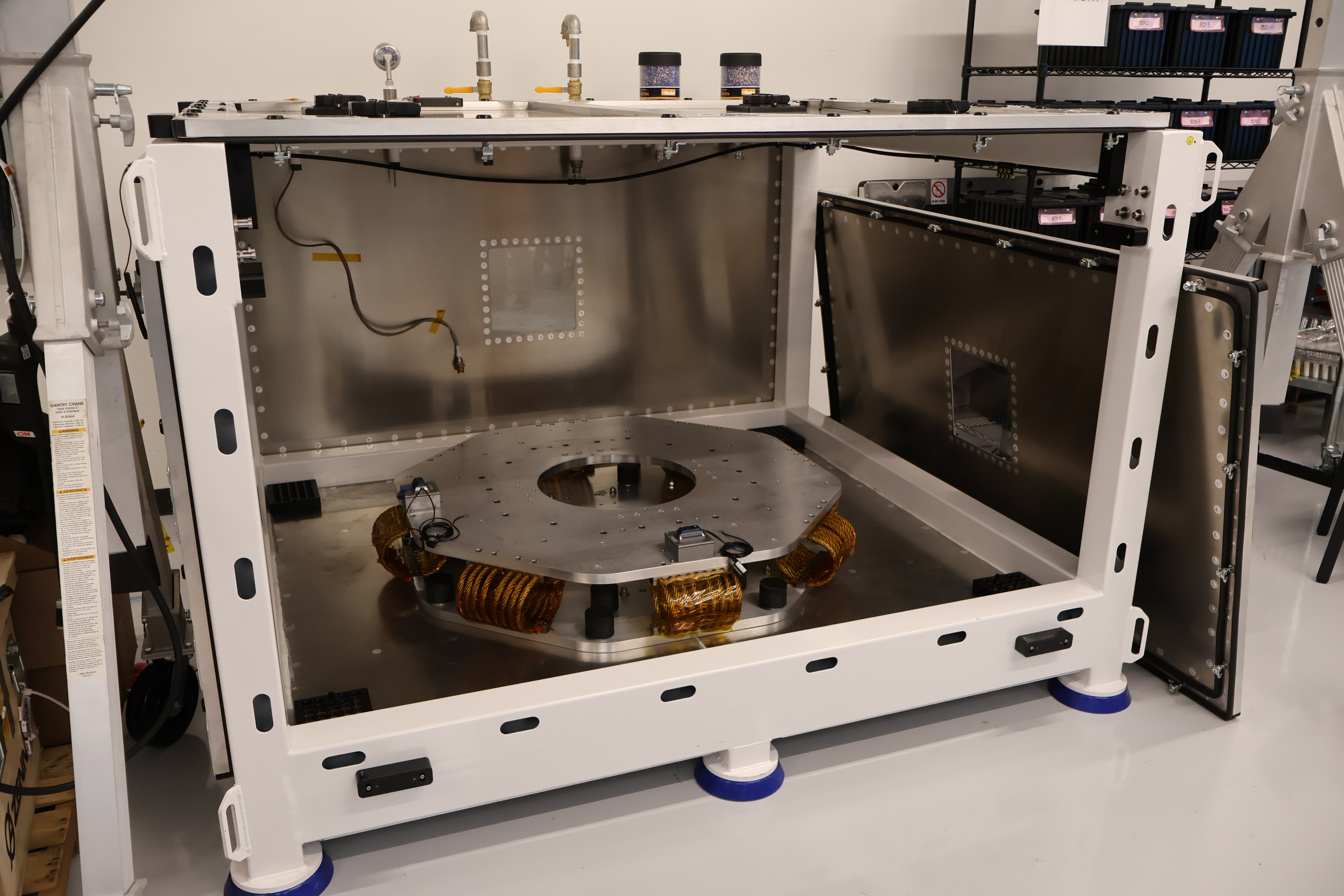
Starburst-1 will travel in this shipping container. (Portal Space Systems Photo)
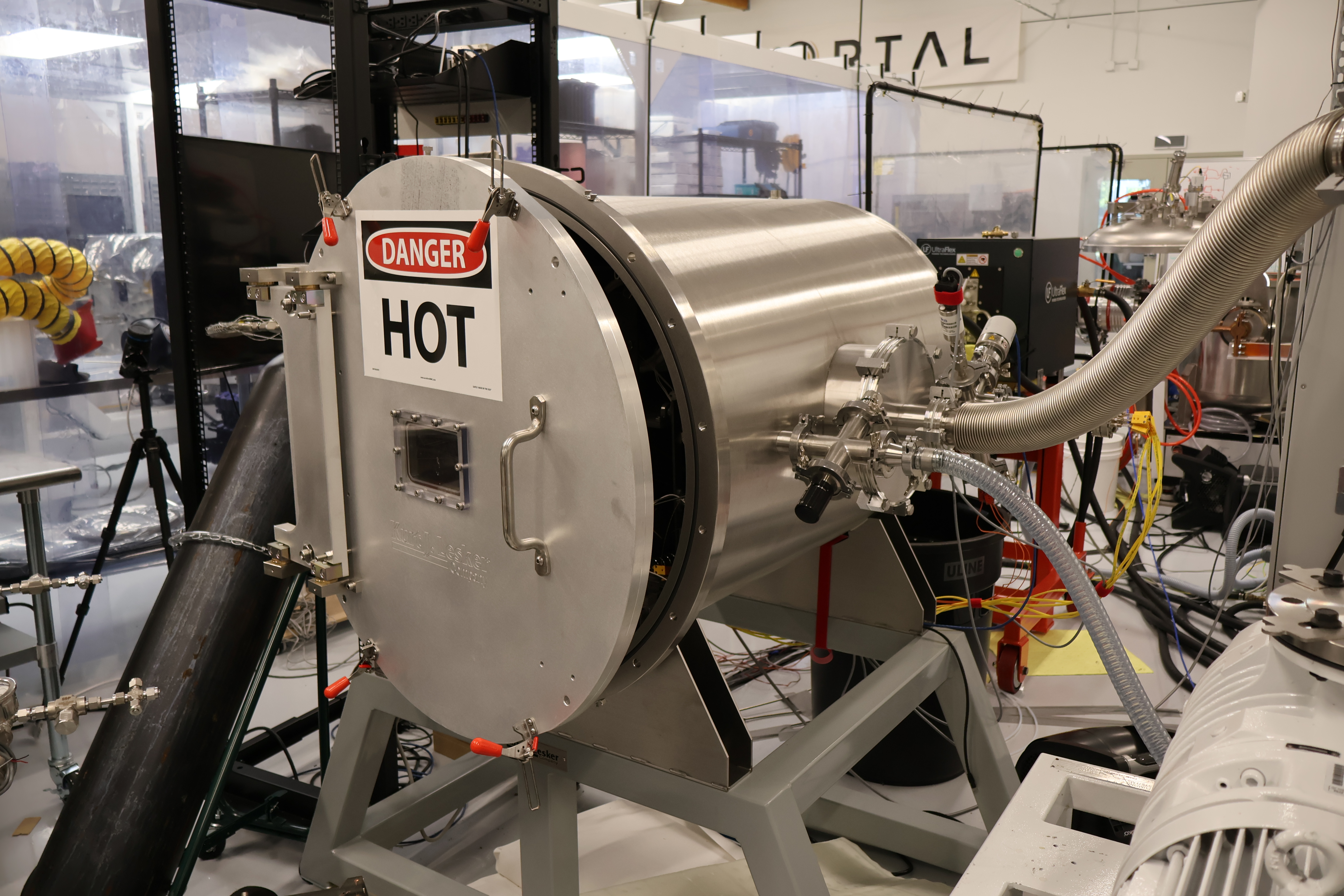
Hardware is tested inside this vacuum chamber. (Portal Space Systems Photo)
“It’s the Star Trek shields coming to life on the spacecraft,” Thornburg said. “That’s probably the use case I’m most excited about.”
Thornburg emphasized that testing the video system and the magnet are secondary mission objectives. The primary objective is to validate Starburst-1’s engineering design over the course of a year or more.
“Everything after a year becomes residual capability,” he said. “If all is healthy, then we’ll basically go into a stable orbit, and then we’ll re-engage this with other Portal spacecraft in the future to practice rendezvous proximity operations, and practice everything we need to refuel these spacecraft.”
By this time next year, Portal’s satellite manufacturing operation will have made the transition over to a much bigger facility in Bothell. “We have 65,000 square feet we’re moving into, just down the road about three miles, and it’ll have the capacity to produce 12 Supernova and 16 Starburst spacecraft a year,” Thornburg said.
Portal Space Systems is working on two types of highly maneuverable orbital vehicles: Supernova, which uses large mirrors to concentrate sunlight on a heat exchanger / thruster system (at left); and Starburst (at right), a smaller spacecraft that leverages many of the technologies developed for Supernova. (Portal Space Systems Illustrations)
Supernova: Putting the plans in place
Supernova will be the flagship of Portal’s highly maneuverable space fleet. It’s designed to serve as an orbital platform for payloads that have to shift to different orbits in hours or days rather than weeks or months.
Today Portal announced that its first Supernova space vehicle will be launched in 2028 on a SpaceX Falcon 9 rocket. California-based Maverick Space Systems, which did the vibration testing for Starburst-1, will handle payload accommodation, integration and manifest optimization. Extra capacity on the Falcon 9 will be offered for third-party rideshare payloads.
“We’re designing an optimized payload stack for Portal, and bringing additional rideshare payloads to the mission, helping reduce launch costs for all mission partners,” Vidur Kaushish, Maverick’s chief operating officer and co-founder, said in a news release. “This new rideshare model is precisely what the industry needs. Portal’s ability to maneuver on orbit gives us the flexibility to select orbits that are truly valuable to rideshare customers.”
The key to Supernova’s rapid maneuverability is its solar thermal propulsion system, known as Flare. The system concentrates sunlight to heat up ammonia propellant in a heat exchanger, producing high-efficiency thrust without chemical combustion. Starburst also uses heated ammonia as a propellant, but in a more traditional electrothermal thruster system.
Supernova will be equipped with a battery to store heat when the spacecraft is in Earth’s shadow. “The thermal battery is a material that lives inside our heat exchanger, and it heats up and retains the heat for up to an hour,” Thornburg told me. “So, I don’t need to see the sun to be able to execute a maneuver.”
Supernova’s first mission will be called “Motus Via Sol,” meaning “Movement With the Sun.” And Portal Space Systems will be on the move as well.
“I think the timing will work out where all our future builds will be in our new facility,” Thornburg said. “I’d say in the next six to 12 months, we’ll probably have all of this capability in the new building, and then we’ll vacate this facility. But I’m not rushing engineering, because I don’t need to.”
Thornburg said it was only recently that he realized the full significance of that transition, and what it will mean for “our little mini-facility that did what it needed to do.”
“I was seeing the end of this building,” he said, “and the beginning of the next one.”
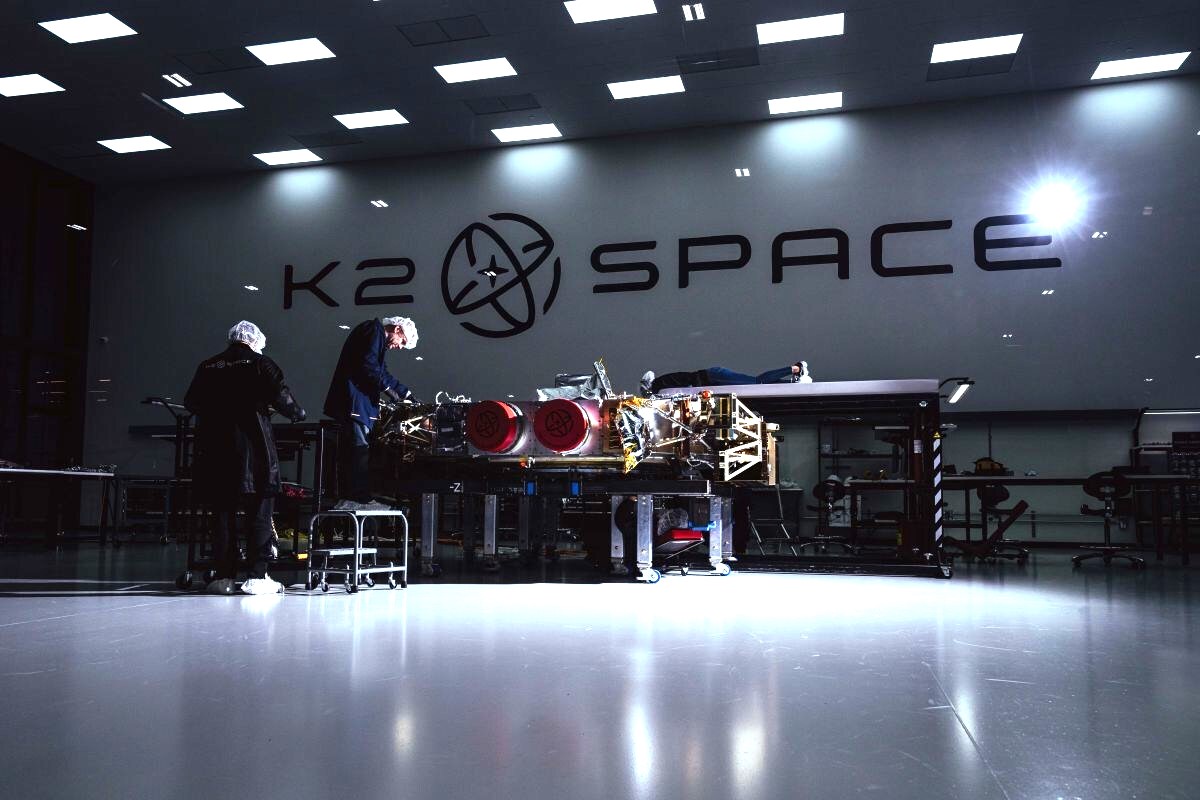
K2 Space’s Gravitas satellite, shown here during final integration, was launched in March. (K2 Space Photo via PRNewswire)
K2 Space, a California-based satellite company that recently set up an engineering hub in Seattle, has announced a $500 million funding round at a $6.8 billion valuation.
The Series D round was led by Kleiner Perkins and ICONIQ, with participation from CapitalG, Lightspeed, Altimeter, Spark Capital, Sands Capital, ARK Invest, T. Rowe Price Associates and other existing investors.
Since its founding in 2022, K2 Space has raised more than $1 billion in capital and secured an equivalent amount in contracts.
While many satellite companies focus on miniaturization, K2 Space is going big on satellite mass and power. K2 had its first “mega-class” satellite, dubbed Gravitas, launched into orbit on a SpaceX Falcon 9 rocket in March. The two-ton, 20-kilowatt satellite carried a dozen undisclosed payload modules for multiple customers, including the Department of Defense.
Karan Kunjur, co-founder and CEO of K2 Space, said the new capital validates the company’s core strategy.
“When my brother Neel and I started K2 four years ago, we took a contrarian bet that building bigger would be the future for exploring and developing space,” Kunjur said today in a news release. “This latest round validates that thesis and gives us the capital to accelerate scaling as we prepare to build up to 100 large satellites per year.”
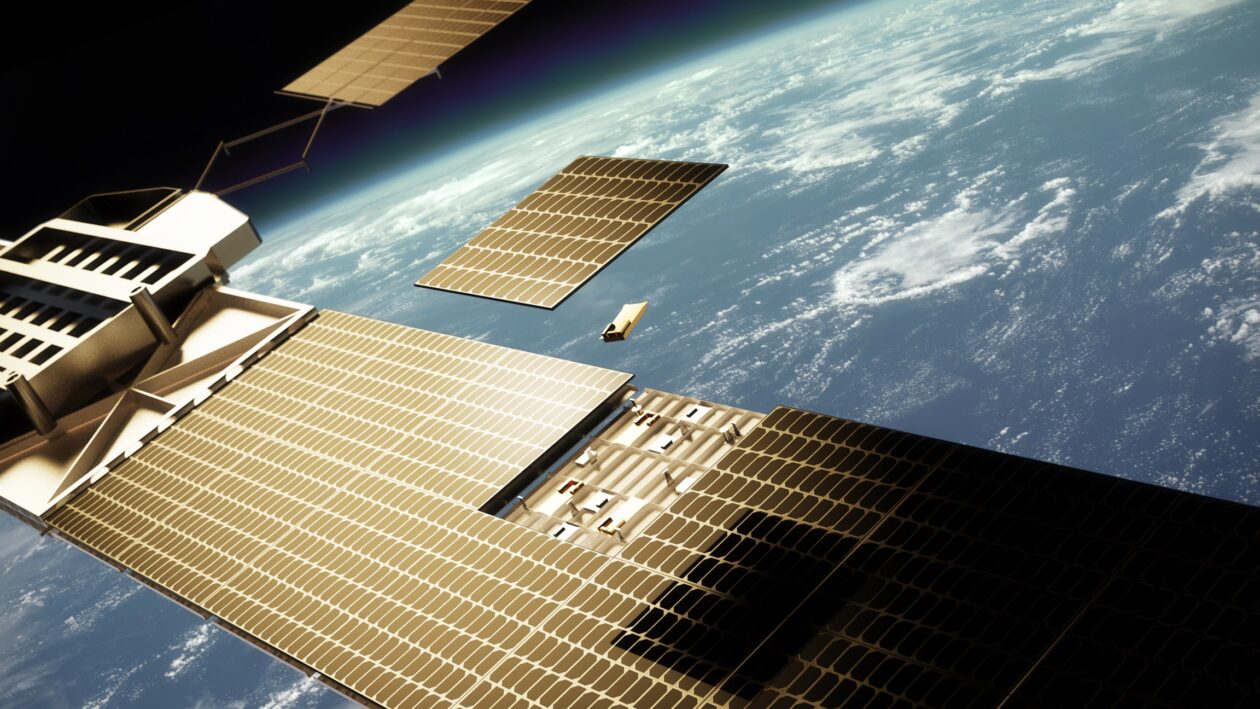
An artist’s conception shows a data center satellite that makes use of Sophia Space’s tile-based architecture. (Sophia Space Illustration)
Sophia Space has secured a patent for a technology that could pave the way for solar-powered orbital data centers that passively radiate excess heat into space.
Developed in partnership with Caltech, Sophia’s architecture tackles a major hurdle in orbital computing: how to cool thousands of chips running artificial intelligence applications in space.
Traditional designs rely on satellite-wide radiator systems with heat pumps and circulating fluids. In contrast, Sophia plans to build flat,modular tiles equipped with four processors each. The tiles draw power from solar cells on their sunlit side, and shed heat into the cold vacuum of space from their dark side.
This approach avoids having to put a cooling system in the central bus of every satellite, said Leon Alkalai, Sophia Space’s co-founder, chairman and chief technology officer. “I think you will find in time that our approach is much more favorable when we scale to larger wattage systems, because bringing everything into a bus can only be done until a certain level, and then it becomes almost impossible to do,” he told GeekWire. “Our benefit is really scalability.”
An added benefit of the satellite design is that each tile is powered independently. “The connectivity between the tiles is with fiber optic connectors,” Alkalai said. “Only data is shared. No power, no thermal, no copper wires. It’s just fiber optic links.”
Alkalai and his team came up with a fitting acronym for the design of the modules: TILE, which stands for Thermal Integrated LEO Edge. (LEO stands for “low Earth orbit.”)
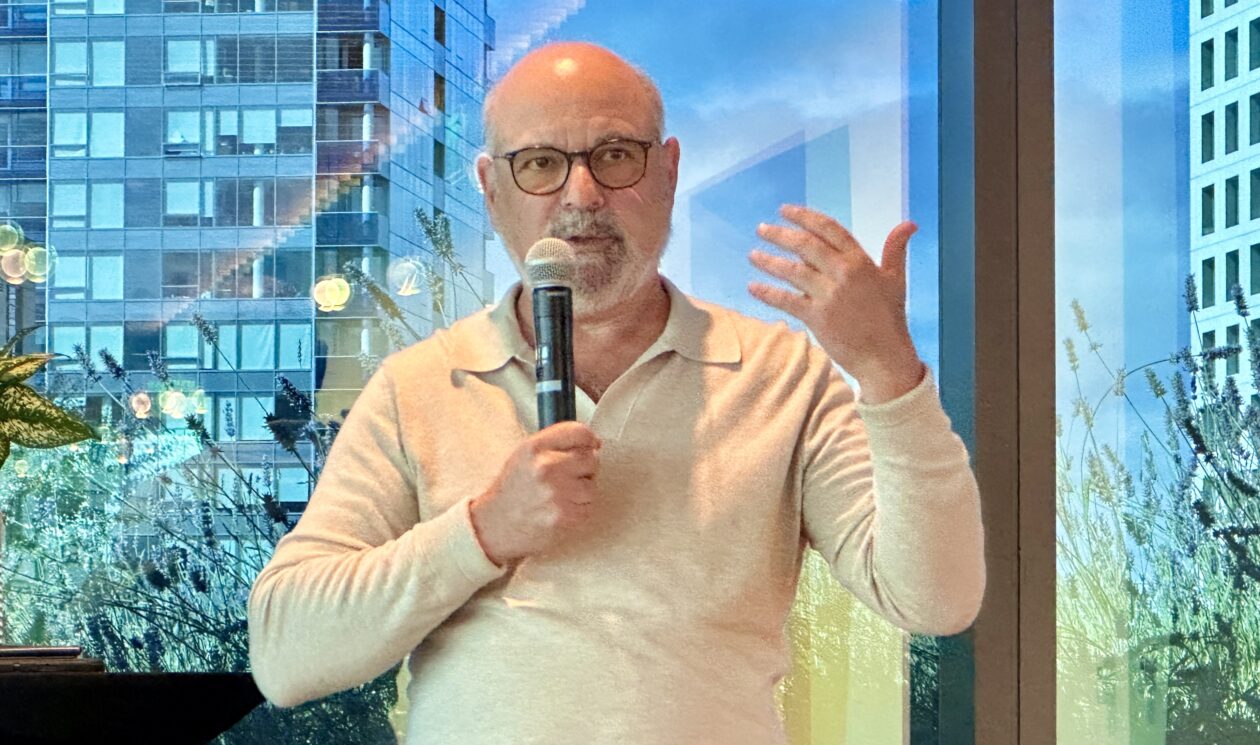
Sophia Space’s founder, Leon Alkalai, speaks during a Seattle Tech Week fireside chat. (GeekWire Photo / Alan Boyle)
The TILE approach to orbital electronics came out of a Caltech research project that initially focused on space solar power systems.
“That was before 2022, when ChatGPT was announced,” Alkalai said. “Once that happened, within a year, all hell broke loose in the data center world, saying we need a thousand times more energy to power AI — and our reason to exist just skyrocketed.”
Putting data centers in orbit would get around some of the problems associated with terrestrial data centers — for example, the mushrooming requirements for real estate and the huge drain on electrical grids. But the cooling issue has loomed as a key impediment for orbital computing.
Alkalai said the “eureka moment” came when he and his fellow researchers came up with a way to balance out the solar power absorbed by the front of the tile, the power requirements for the processing chips, and the heat radiating out the back. “We did the basic math and said, ‘Oh my God, this can work,'” he recalled.
The patent application for “Space-Based Data Centers” was filed in October 2024, and the patent was granted to Sophia Space and Caltech on July 14. In addition to Alkalai, six other members of the team are listed as inventors: John Brophy, Jonathan Sauder, Timothy McElrath and Douglas Sheldon at JPL; Sergio Pellegrino at Caltech; and Don Hunter, a JPL retiree.
In a news release, Brophy said the TILE architecture “was developed as part of JPL’s mission to address challenges of national significance by applying unique JPL talent.”
“This is an illustration of how JPL, Caltech and private industry can work together to rapidly develop solutions to difficult technical problems for the benefit of the nation,” he said.
Where it’s all going
Alkalai said his fellow inventors will share in the fruits of the patent. “All of them are involved in Sophia, and they have equity in the company,” he said. “And with Caltech, we’ve signed a contract to continue doing research with Sergio Pellegrino and his students. … We are continuing this effort with the original inventors. They are consulting and are equity holders of Sophia.”
The development timeline calls for Sophia to fly its first technology demonstrator next year. “We’ve announced that we are partnering with Apex satellites,” Alkalai said. “We’re using their Nova bus … and that will be the first-ever tech demo of a tile with four GPUs.”
Alkalai said Sophia Space plans to start selling TILE systems and related components to customers in 2028, and start testing the system’s capabilities with a constellation of four to six satellites in the 2029-2030 time frame.
“What that will do is demonstrate the end-to-end system,” he said. “Then, in the new decade, we can scale up to larger numbers in the constellation, larger numbers of tiles, and so on.”
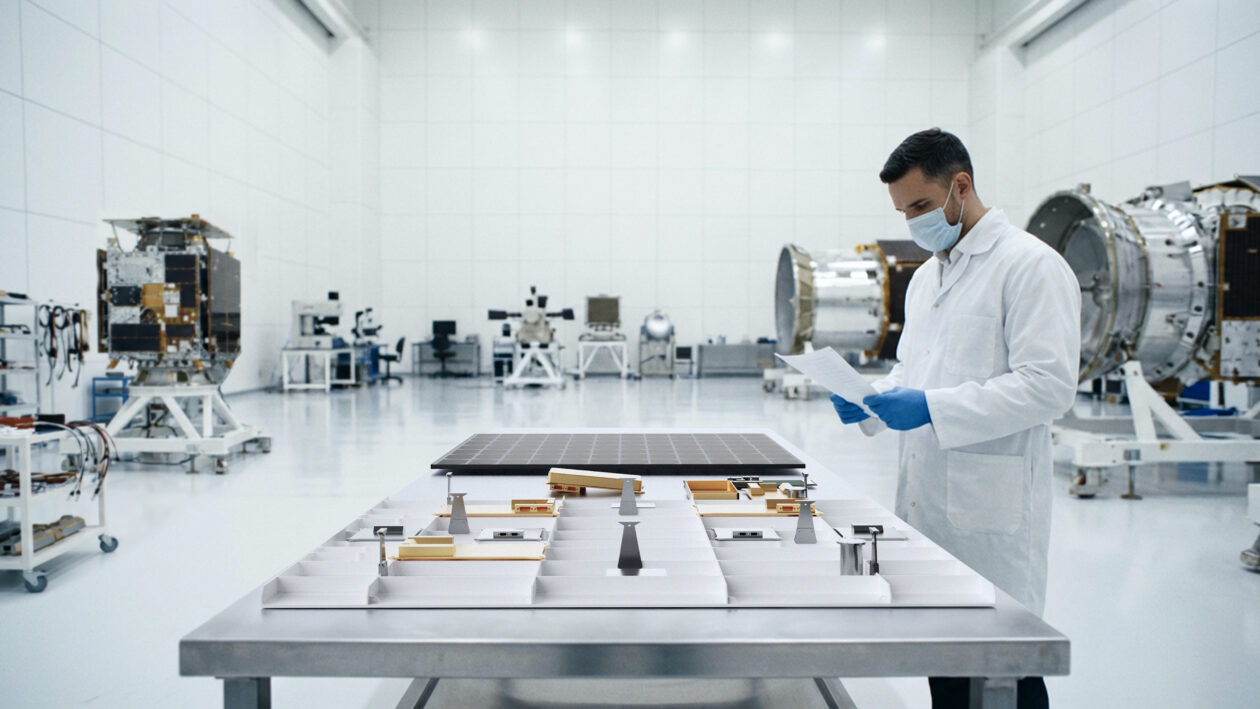
Computer processing tiles are assembled inside a Sophia Space lab. (Sophia Space Photo)
Alkalai said obtaining the newly issued patent is part of Sophia’s plan to build up a strong portfolio of intellectual property.
“If anybody wants to license or use our TILE and use our scalable approach, we could turn that into a business,” he said. “Protecting your IP is not only to deny, it’s also to enable. And I see it more as the latter. Why would somebody fight it? They could license it, and we could make this applicable all over the world.”
Alkalai said the orbital data centers that are being planned by other companies — for example, SpaceX’s ambitious Starmind network and the satellite constellation envisioned by Redmond, Wash.-based Starcloud — don’t appear to be designed to take advantage of passive cooling and would thus raise no questions of infringement on Sophia Space’s patent. But he suspects that the TILE architecture will eventually become the standard for orbital data centers.
“I’ve been on this quest for five years, and I really feel very, very good about this particular topic, because I think it’s of benefit to humanity,” Alkalai said. “This is not just a money issue, or about benefits to me or my team. I just think this is a good direction for humanity as we evolve into a space economy.”

 Login
Login