Reading view

There are new articles available, click to refresh the page.

From OK grades to Dartmouth Hall of Fame: Remitly’s Matt Oppenheimer on his ‘strengths and shadows’

Matt Oppenheimer, second from right, at his Dartmouth College Entrepreneur Hall of Fame induction ceremony in San Francisco on Thursday. The Remitly co-founder is joined by school friends and dignitaries, from left, Jeff CroweAndrea Reisman JohnsonTrevor JensenMaia Josebachvili, Dartmouth President Sian Leah Beilock, and Jamie Coughlin. (Photo courtesy of Matt Oppenheimer)

Nearly 25 years after enrolling at Dartmouth College to study psychology and embarking on a path that led him to co-found Seattle fintech giant Remitly, Matt Oppenheimer has been inducted into the Ivy League school’s Entrepreneur Hall of Fame.

The honor, presented Thursday night in San Francisco as part of Dartmouth’s annual Entrepreneurs Forum, comes seven months after Oppenheimer stepped down as Remitly’s long-time CEO to become chairman of the board.

Created by the Magnuson Center for Entrepreneurship, the Hall of Fame honors Dartmouth alumni who have made lasting positive impacts through their ventures. Oppenheimer joins a select group of honorees with Northwest ties — including Smartsheet co-founders Brent Frei and Mark Mader — and used his acceptance remarks to express deep gratitude to the admissions officers who took a chance on a kid from Boise, Idaho, with “OK grades” and “below average SAT scores.”

Speaking with GeekWire ahead of the event, Oppenheimer recalled how his early college years studying social psychology helped shape his understanding of business.

“I think a lot of business and entrepreneurship does come down to interpersonal dynamics,” Oppenheimer said. “I am a people person. But how do you find what I call career-market fit when it comes to really understanding and connecting with people? That’s ultimately my strength, but it was really hard to define earlier in my career.”

After graduating from Dartmouth in 2005, Oppenheimer earned an MBA from Harvard Business School and worked in Kenya for Barclays Bank, where seeing families hit with steep fees on cross-border money transfers inspired him to start Remitly in 2011.

He served as CEO for nearly 15 years, guiding the company through its 2021 NASDAQ IPO and building it into a fintech powerhouse serving over 9 million customers across more than 170 countries before transitioning to chairman in February.

In his acceptance speech on Thursday, Oppenheimer focused on a central philosophy he calls leading authentically through “towering strengths and shadows.”

“Each of us has a few towering strengths — things we are in the top 10% of the world at doing. Not good at. Towering,” he said. “And almost always, that tower casts a shadow. The same trait that makes you exceptional at one thing quietly makes you a liability at another. They aren’t two traits. They’re one trait, seen from two sides.”

Matt Oppenheimer was introduced in San Francisco on Thursday by his Dartmouth classmates, Maia Josebachvili, left, and Trevor Jensen, right. (Photo courtesy of Matt Oppenheimer)

He pointed to his own extreme tenacity as an example, noting how it helped him build Remitly through years of investor rejections and early product stumbles, but how it also had a darker side.

“That same tenacity can lock onto things that are unhealthy, or unchangeable, or both,” Oppenheimer shared, candidly discussing his personal experiences with OCD-related anxiety and depression. “This isn’t a character flaw sitting next to my strengths. It is the shadow of my greatest strength, from the same place. Which means it’s something to work with … harness the tower, manage the shadow … rather than something to be ashamed of.”

Seven months into his transition from operational CEO to board chairman, Oppenheimer says the shift has felt surprisingly comfortable. Free from managing daily execution, he now channels that same intensity into coaching current leaders and serving on corporate boards.

“I have so much trust in Sebastian [Gunningham], our CEO, and it’s super exciting to support him in a chair capacity,” Oppenheimer told GeekWire. “I get to share reflections on the journey, mentor, and coach. I didn’t know that would be the case, because you hear so many examples of founder-CEOs who transition and have a really hard time with it.”

That mentorship extends to Seattle’s broader startup community, where Oppenheimer is an active member of Foundations, a collective of local tech founders and AI leaders. When advising early stage entrepreneurs, he urges them to remain hyper-focused on solving a single, deep customer problem rather than spreading themselves thin.

And while AI has vastly accelerated product development, Oppenheimer notes that the core fundamentals of building a business haven’t changed.

“With fintech, you still have to build the trust, get the licensing, and build out the compliance infrastructure and banking relationships,” he said. “The actual building and deployment of product got a lot faster, but if you don’t have great judgment, you can go down the wrong path pretty quickly.”

Looking back 25 years later, Oppenheimer noted that the Dartmouth admissions officers who took a chance on him didn’t look past his test scores by accident — they told him years later that they were drawn to his personal qualities and humanity.

“Two strangers in an office in Hanover found my tower before I had any idea what it was, and then they handed me the place to build on it,” Oppenheimer said in his closing remarks. “That isn’t a debt. It’s a privilege. And the only sensible thing to do with a privilege is use it well.”

Tech Moves: AWS data leader jumps to Oracle; Seattle Children’s names new CIO; Zillow’s new legal chief

Mehul Shah. (LinkedIn Photo)

Mehul Shah joined Oracle as group vice president for OCI data and storage services, ending a 14-year run at Amazon and Amazon Web Services.

In his last role at AWS, Shah led engineering and product for Amazon RDS for SQL Server, Oracle and Db2, and ran the launch and expansion of Oracle Database@AWS, the partnership that put Oracle’s database inside Amazon’s cloud.

“Through that collaboration, I saw firsthand that OCI shares the same DNA that inspired me to join Amazon back in 2012,” Shah said on LinkedIn, citing “deep curiosity, a passion to innovate, the courage to make bold decisions, and relentless drive to excel.”

Shah, who is based in Seattle, spent more than eight years at AWS, earlier leading real-time data streaming services including Amazon Data Firehose and Kinesis Data Streams, and serving as director and general manager of Amazon EMR. He started at Oracle this month.

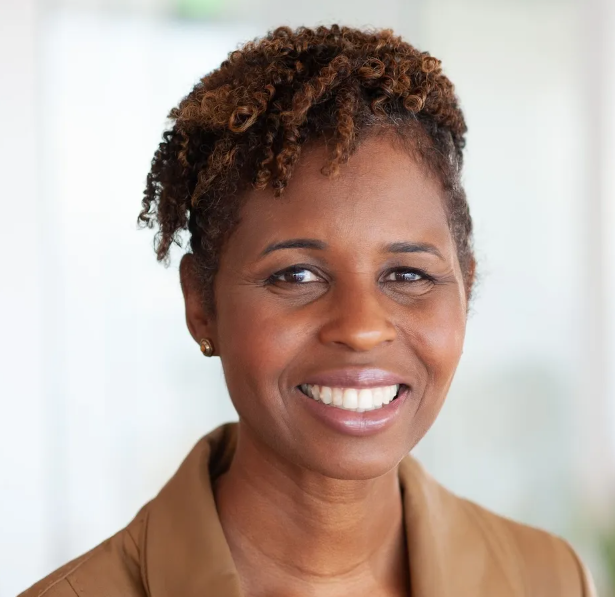
Dr. Natalie Pageler. (Seattle Children’s Photo)

Seattle Children’s named Dr. Natalie Pageler senior vice president and chief information officer, putting her in charge of digital strategy and IT operations for the pediatric hospital system.

Pageler comes from Stanford Children’s Health and the Stanford University School of Medicine, where she was division chief of clinical informatics and earlier spent a decade as chief medical information officer. She is a pediatrician and clinical informaticist with more than 20 years of experience.

Seattle Children’s CEO Dr. Christopher Longhurst followed a similar path. He was chief medical information officer at Stanford Children’s Health, the same role Pageler held, before spending a decade at UC San Diego Health, most recently as chief clinical and innovation officer.

Cassandra “Sandi” Knight. (Zillow Photo)

Zillow Group named Cassandra “Sandi” Knight its first-ever chief legal and policy officer, a role the Seattle company created this month as part of a broader leadership shuffle. Reporting to CEO Jeremy Wacksman, she oversees Zillow’s legal, compliance and government relations functions.

Knight joins from Google, where she spent four years as a vice president leading global civil litigation and discovery. She was previously vice president and chief litigation counsel at PayPal, and spent 11 years at Morgan Stanley in senior litigation and compliance roles.

She began her career as a trial lawyer at the San Diego Public Defender’s Office, the firm Keker & Van Nest and the San Francisco City Attorney’s office. She holds a law degree from Stanford and is based in the San Francisco Bay Area.

She arrives at a busy moment: Zillow and Redfin are set to go to trial Aug. 24 as defendants in an antitrust case brought by the FTC and five state attorneys general over the companies’ $100 million rental listings deal. Zillow has spent $26 million on the case so far this year.

Two longtime Zillow leaders are heading out:

  • Sara Bonert, vice president of industry engagement for Zillow Group and ShowingTime+, is leaving after nearly 20 years. One of Zillow’s earliest employees, she joined in the fall of 2006 as director of broker services, helped build Zillow’s first platform for taking in listing data, and signed the partner agreements that took the site from zero to a million listings in four months.
  • Jeff Tompkins, head of corporate real estate and operations, wrapped up almost five years with the company. Tompkins, who is based in Denver, ran Zillow’s workplace strategy across North America and beyond. He said he will share his next role soon.
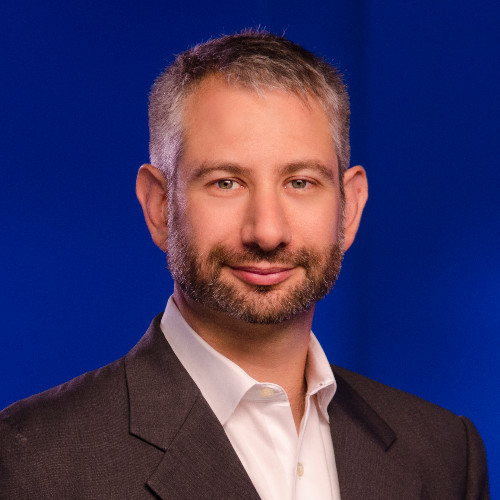
Amir Pelleg. (Uber Freight Photo)

Amir Pelleg, a veteran of companies including Amazon and Convoy, is the new chief product officer at Uber Freight. He is based in Seattle, working out of the shared Uber and Uber Freight office on Second Avenue.

At Amazon, Pelleg was principal product manager for Kindle Fire, launched the Dash Button and initiated Alexa’s smart home controls, then incubated and launched Amazon Shipping in India, the U.K. and the U.S. as a director and general manager in Amazon Transportation.

He was a vice president on Convoy’s executive team until the Seattle freight startup shut down in 2023, then spent two and a half years at dental tech company Dandy.

“I’ve seen what works and what fails in digital freight,” Pelleg said in a Q&A posted by Uber Freight.

— Seattle’s Frazier Healthcare Partners added Wes Wheeler to its Growth Buyout team as an executive in residence, advising on diligence and on life science logistics and infrastructure.

Wheeler was most recently CEO of LabConnect, a central laboratory services company serving clinical trials, and before that president of UPS Healthcare, where he built a vertical of 10,000 employees across 35 countries. During Operation Warp Speed he was the primary industry interface to the U.S. government, overseeing distribution of more than 1.5 billion COVID-19 vaccine doses to over 100 countries.

Dr. Heather Cheng. (Fred Hutch Photo)

Dr. Heather Cheng was announced as the inaugural recipient of the Marty Lazarus Weiden Family Endowed Chair at Fred Hutch Cancer Center, which will fund her work detecting, preventing and treating hereditary cancers.

Cheng is clinical director of cancer genetics programs at Fred Hutch and directs its prostate cancer genetics clinic. In 2016 she was part of a team that found more than 10% of men with advanced prostate cancer carry inherited mutations in DNA-repair genes such as BRCA1 and BRCA2.

The chair is named for Marty Lazarus Weiden, who was diagnosed with breast cancer in 1993 and died in 2001. The family learned only later that some of its members carry a BRCA mutation.

— Microsoft corporate vice president Darryl Willis was named to the board of ONE Nuclear Energy, a natural gas and advanced nuclear developer going public this quarter through a merger with Hennessy Capital Investment Corp.

Willis has led Microsoft’s energy and resources group since 2019. He was previously a Google Cloud vice president and a BP executive who ran the company’s Deepwater Horizon claims process and testified before Congress. He will officially join the board when the merger closes, and he is expected to chair its compensation committee.

Jake Milstein. (LinkedIn Photo)

Jake Milstein was named head of healthcare solutions marketing at Zscaler, a return to healthcare cybersecurity. He joins from application security company Contrast Security and was earlier chief marketing and revenue officer at Critical Insight, the Bremerton, Wash.-based security firm acquired by Lumifi Cyber.

Before moving into technology, Milstein spent a decade at Seattle’s KIRO TV, including four years as news director.

Michele Mehl left Amazon Web Services after nearly two and a half years to become senior public relations manager at ALSO, arriving the same week the electric vehicle company announced a $150 million Series D round led by Prysm Capital.

ALSO builds the TM-B consumer electric bike and the TM-Q commercial delivery quad, and counts Amazon and DoorDash among its commercial partners.

Richard Van Bibber was named senior vice president of research and development at Verasonics, the Kirkland, Wash.-based maker of ultrasound research platforms used in fields including biomedical ultrasound, materials science and earth sciences.

Van Bibber has spent much of a 25-year medtech career in the Puget Sound region, including seven years as director of research at Kirkland’s Cardiac Dimensions and five years leading clinical affairs at Bellevue-based Aortica.

Dave Cotter joined the board of Nickson, the apartment-furnishing startup led by Cameron Johnson, alongside MarcyPen Capital Partners and Larry Braithwaite. Cotter is CEO of Greenwood and has previously worked at Amazon, Nordstrom, zulily, RealNetworks and Leafly.

PCC Community Markets president and CEO Krish Srinivasan will retire effective Jan. 29, 2027. Srinivasan was chief financial officer at Remitly and vice president of finance at Lyft before joining the Seattle grocery co-op as CFO, and earlier held leadership roles at Amazon and Microsoft.

Seattle Foundation named Elizabeth Wong as chief philanthropy officer, reporting to President and CEO Alesha Washington. Wong spent more than a decade at Foundation Source and earlier worked directly with the Gates family at the Bill & Melinda Gates Foundation.

And in case you missed it:

Jay Bartot, a co-founder of the airfare-prediction startup Farecast and former chief technology officer of Madrona Venture Labs, was named CTO of Lev, the Pioneer Square Labs spinout building an “AI co-founder” for entrepreneurs. Read more here.

Expedia Group is parting ways with at least eight vice presidents and senior vice presidents, and promoted five other leaders, as it reorganizes its product and technology groups around AI. Read more in this GeekWire story.

Remitly launches Global Card to turn cross-border money transfers into everyday banking

The Remitly Global Card. (Remitly Image)

Remitly, the Seattle digital remittance startup built on sending money across borders, is now offering a debit card and account meant to hold that money, too.

The company on Thursday launched the Remitly Global Card, a Visa debit card and linked account aimed at customers whose lives span multiple countries — letting them get paid, spend, save, and send money home without switching between apps or accounts.

The launch aligns with Remitly’s broader strategy to expand beyond cross-border transfers into everyday financial services. By offering direct deposits, fee-free local spending, and global ATM access, the company is aiming to deepen customer loyalty and eliminate the banking friction faced by many underbanked or immigrant workers when trying to open traditional accounts.

“Our top goal for the Remitly Global Card was for it to disappear into people’s everyday lives, so sending money home feels as simple as buying a coffee,” CEO Sebastian Gunningham said in a news release, pointing to a unified balance that works across different currencies without requiring separate accounts or spending apps.

The Visa debit card is issued through Lead Bank, with the account wallet powered by Stripe and funds held at Fifth Third Bank, giving eligible customers pass-through FDIC insurance.

The card plan includes several targeted features for cross-border users:

Automatic rate perks: Cardholders receive Remitly’s preferred foreign exchange rates and default access to its fastest transfer options.

Flexible balances: Eligible customers can hold funds in U.S. dollars or USDC, a dollar-backed digital stablecoin, converting to local currencies as needed.

Peer-to-peer transfers: Cardholders can send money instantly to other Remitly cardholders globally.

Liquidity access: U.S. cardholders can access a 0% APR open-end line of credit with no credit history required to help bridge gaps before payday.

Founded in 2011 out of the Techstars Seattle accelerator (originally as Beamit Mobile), Remitly has grown into one of the region’s largest public fintech successes. The company now employs more than 2,800 people globally and reported $452.8 million in revenue for the first quarter of 2026, serving roughly 9.6 million quarterly active customers.

The product rollout comes just months after a major leadership transition for the company. Co-founder Matt Oppenheimer stepped into the board chairman role earlier this year after leading Remitly for nearly 15 years, handing the chief executive reins to Gunningham, a former Amazon executive who previously headed the tech giant’s marketplace and payments teams.

The Remitly Global Card begins a phased rollout to eligible, invited customers on Thursday. Initial international focus targets select markets across Latin America and Asia-Pacific, with plans to expand regional access over the coming quarters to the UK, Europe, Australia, Canada, and the UAE.

Over time, Remitly plans to broaden card access to more existing users and eventually prospective customers, positioning the tool as its primary engine for driving deeper customer loyalty across global borders.

Tech Moves: Remitly names CISO; Joseph Williams leads cybersecurity ed at WWU; Yoodli gets product VP

Jeff Lyon. (LinkedIn Photo)

Jeff Lyon is now chief information security officer at Seattle’s Remitly. Lyon joins from Coinbase, where he was head of infrastructure security for two years. Past roles include security leadership at Robinhood and Amazon Web Services. Lyon also served as a petty officer with the U.S. Navy for more than nine years.

“Remitly’s mission to transform lives through trusted financial services that transcend borders resonates deeply and is a natural progression of my work building security organizations, secure applications, and safe-by-default platforms across fintech,” Lyon said in a LinkedIn post.

Remitly has seen a reshuffling of leadership since co-founder and CEO Matt Oppenheimer departed in February. Ankur Sinha resigned as chief product and technology officer in June, and Rina Hahn left as chief marketing officer earlier this month. Veteran tech and finance executive Sebastian Gunningham now leads the company.

Joseph Williams. (Dept. of Commerce Photo)

Joseph Williams, a longtime Seattle-area leader at the intersection of tech and public service, was named director of Cybersecurity Programs at Western Washington University.

Williams most recently served as the governance, risk management and compliance (GRC) practice director at consulting firm Artemis Connection. His varied career includes working as information and communications technology sector lead for the Washington State Department of Commerce; Seattle office director for Pacific Northwest National Laboratory; and divisional CTO at Microsoft.

In 2025, Williams was named GeekWire’s Public Policy Champion for Innovation.

Williams’ experience “sets the stage for propelling our cybersecurity programs to new heights as we seek to equip and empower our graduates to be successful in exciting careers in a fast-changing technology landscape,” said Filip Jagodzinski, computer sciences’ department chair.

Kartik Murthy. (LinkedIn Photo)

Kartik Murthy was named vice president of product for Yoodli, a roleplay platform using AI to help people improve their professional skills.

Murthy joins the Seattle-based startup from the cybersecurity company Coalition, where he served as head of product for four years. He has held product management roles at companies including Meta, Google and Uber. 

“In a world where many AI products try to automate workflows, Yoodli is taking a bet on humans and it’s already paying off,” Murthy said on LinkedIn.

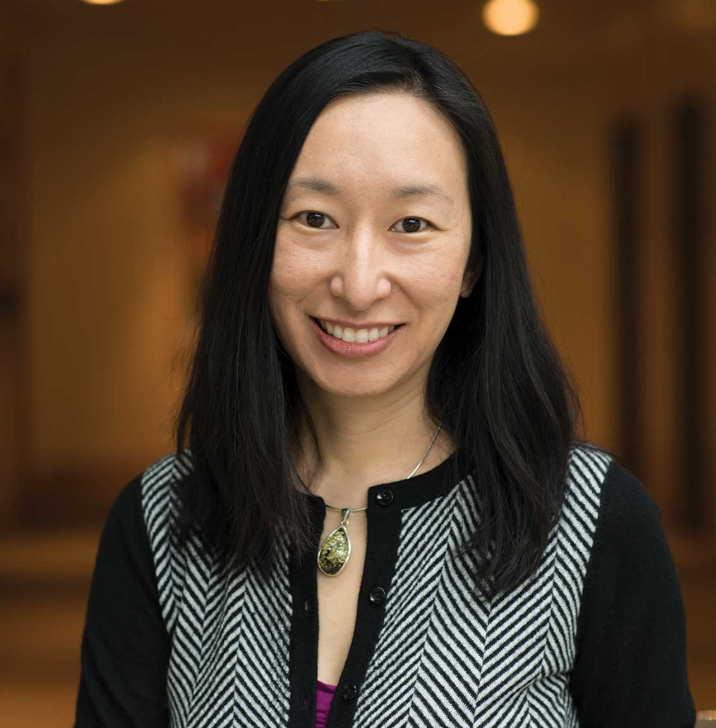
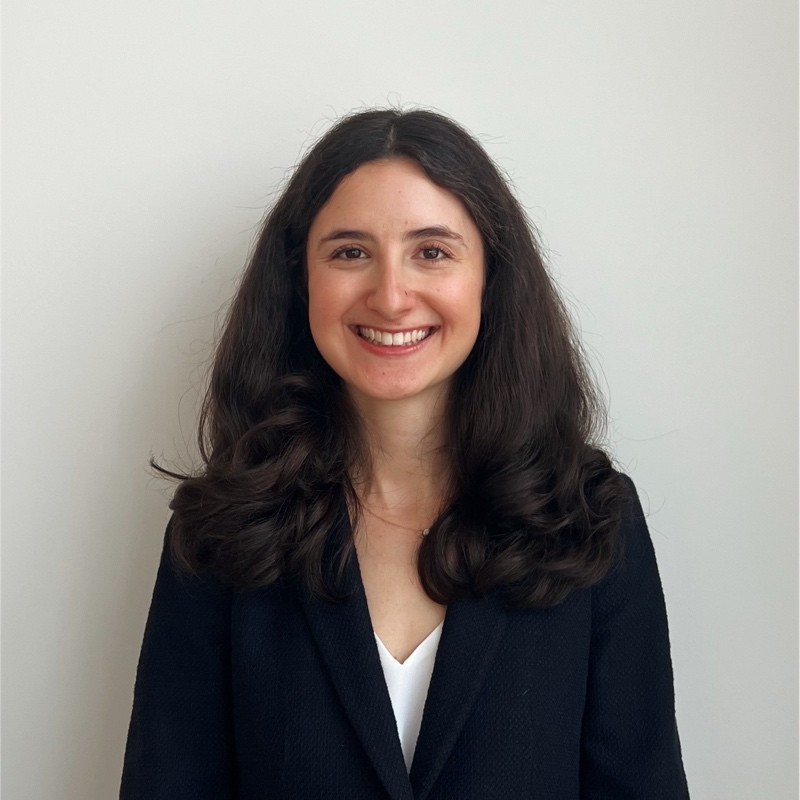
Phoebe Weiser. (LinkedIn Photo)

Phoebe Weiser is now an investor at the longtime Seattle venture firm Madrona. She joins from Databricks, where she worked as a product manager, and previously held internship and full-time roles at Microsoft.

“After building in security at Microsoft and data engineering at Databricks, I’m looking forward to partnering with the next generation of founders. I’m especially grateful to the managers, mentors, and teammates over the past few years for everything they taught me about building products at scale,” she said on LinkedIn.

Salman Taherian is now head of AI for Grant Thornton, a Chicago firm offering audit, assurance, tax and advisory services. Taherian, who is based at the company’s office in Bellevue, Wash., joins from Amazon Web Services where he was global head of agentic AI and strategic partner accounts. Past employers include Wipro Limited and Relx.

— Two Fred Hutch Cancer Center researchers have received endowed chairs:

  • Kate Markey, an assistant professor at Fred Hutch and UW Medicine, has received the Innovators Network Endowed Chair. Markey is a bone marrow transplant physician and studies how gut bacteria affect recovery for cancer patients.
  • Sita Kugel, a pancreatic cancer researcher and Fred Hutch professor, is the inaugural recipient of the Leung Roy Family Endowed Chair.

Jeff Weintraub was appointed chief operating officer and chief financial officer for Nabu, a Seattle startup that publicly launched this year that’s building tools for software product teams. Its co-founders are Jon Grant and Eric Thompson.

Weintraub was most recently at Apple for more than 12 years, leaving the role of director of consumer and enterprise support engineering. Earlier in his career he was with Intel and also owned a bathroom fixture manufacturing company.

❌