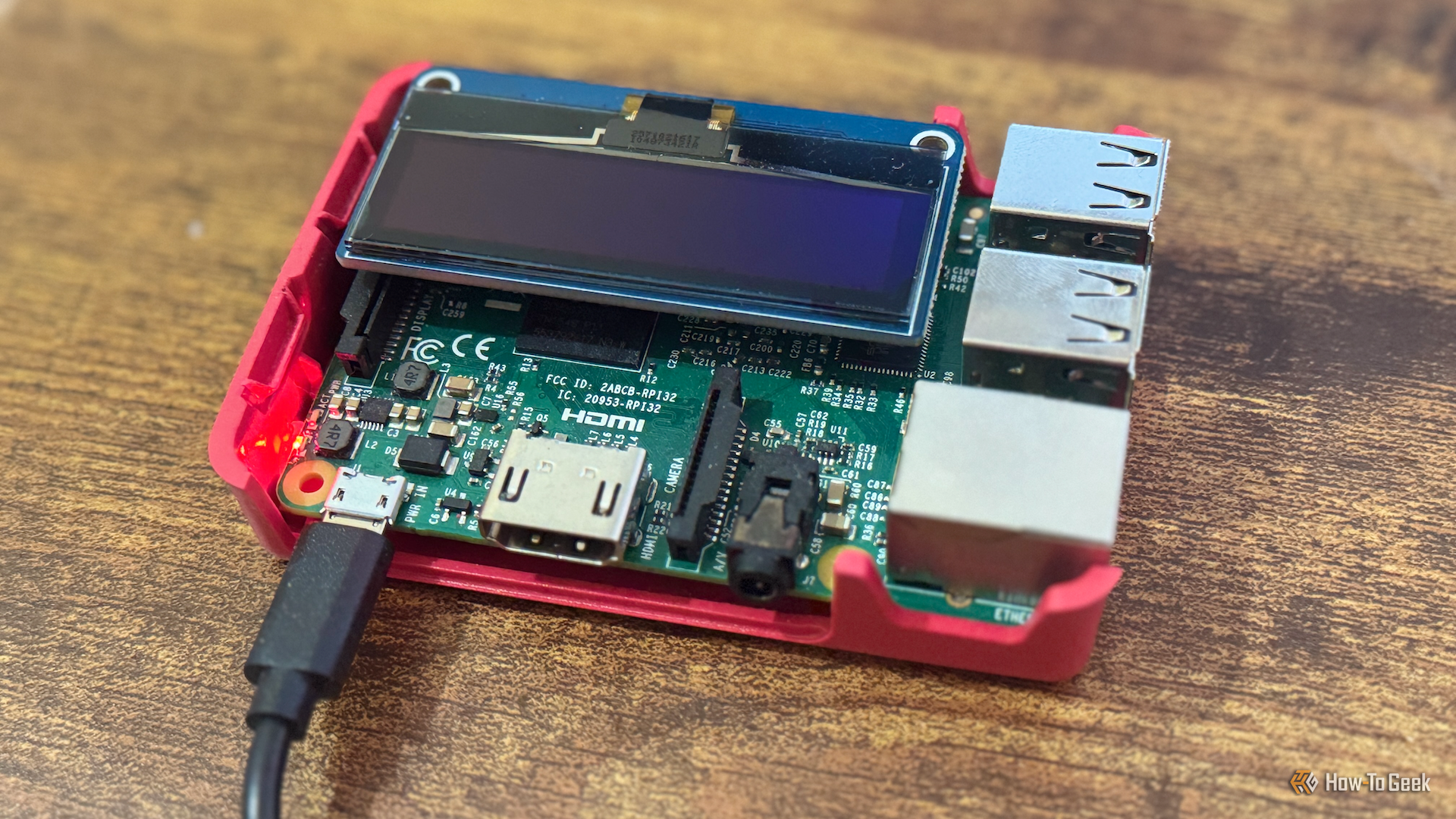
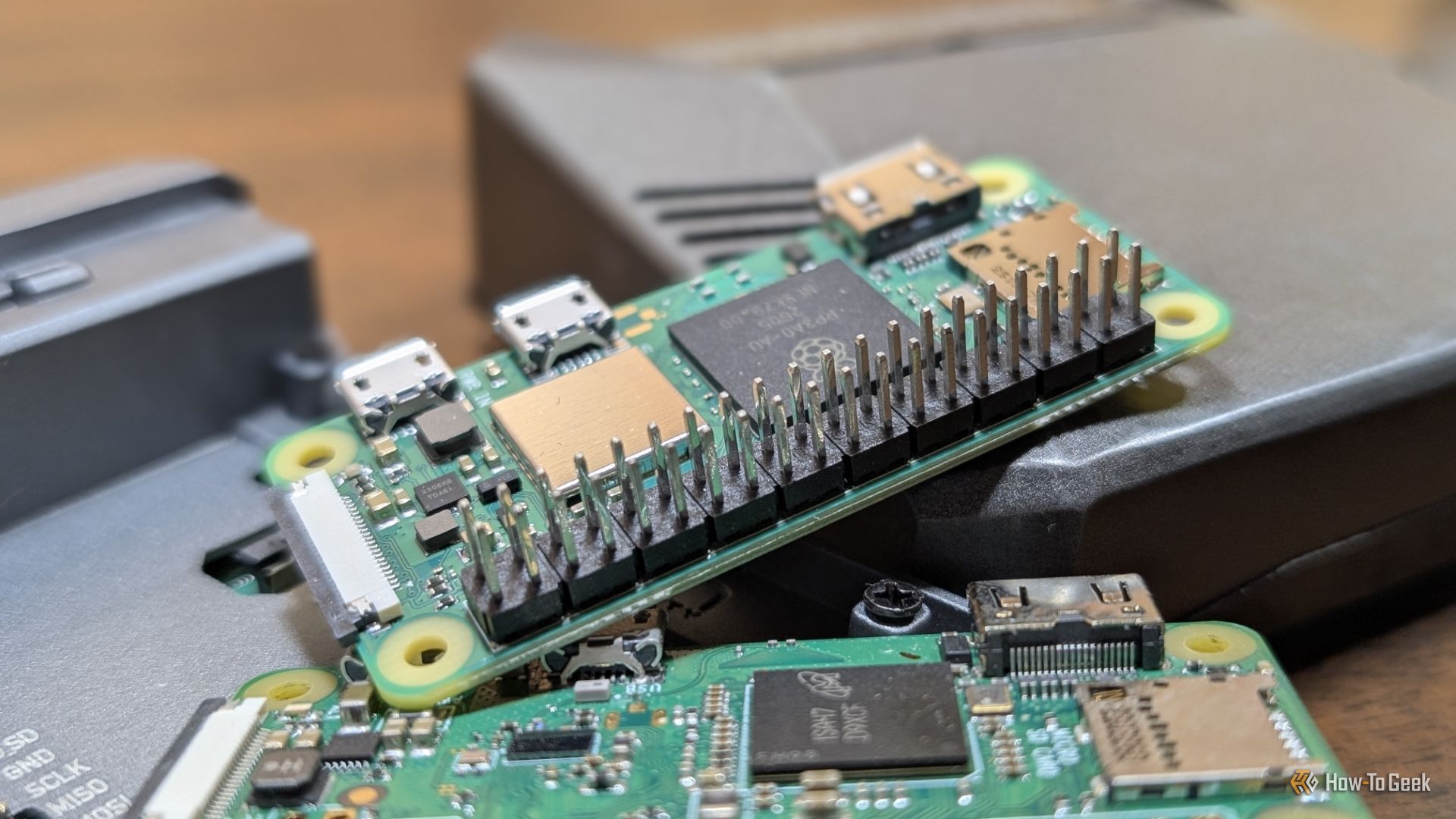
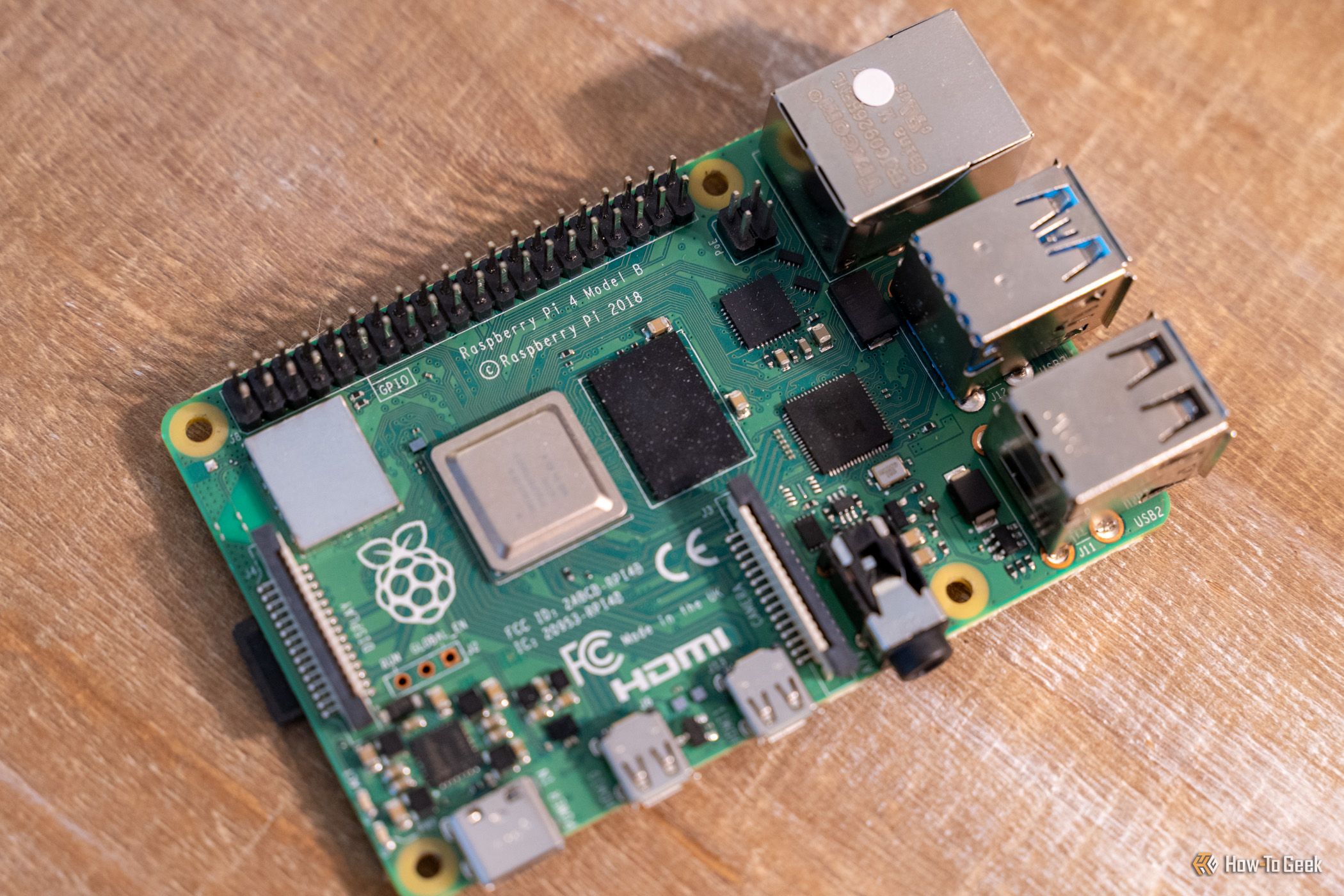
The Raspberry Pi was once an easy recommendation for low-cost tinkering projects, running smart home software, and more. Recently, newer models have gotten so expensive that they're no longer low-cost. Here are some reasons why the older Raspberry Pi 3B+ still beats these newer models.
Using a Raspberry Pi board with Pi OS is a great way to jump into cybersecurity. You don’t need a lot of fancy gear to get started. Just hook it up to a TV, grab a keyboard and mouse, connect to the internet, and you’re all set with a solid system to explore Linux, programming, and hacking.
In this article, we’ll walk through how to install Raspberry Pi OS Desktop on a Raspberry Pi 4 and check out all the cool tools and features it has to offer. Let’s get rolling!
Step #1: What Is Raspberry Pi OS?
Raspberry Pi OS is the official operating system for Raspberry Pi single-board computers. It was launched back in July 2012 under the name Raspbian, which combines Raspberry Pi and Debian. The OS was created to give early users a stable Linux environment that’s tailored to the hardware’s simpler specifications.
There are three different versions of Raspberry Pi OS, each aimed at different users. The Desktop edition is the most beginner-friendly, featuring the PIXEL (Pi Improved Xwindow Environment Lightweight) desktop environment and popular apps like Chromium, and VLC. This version, requiring at least 32 GB of storage.
Raspberry Pi OS Full includes the desktop and all recommended software. It’s got everything from the regular desktop edition and some additional tools.
The Lite version is perfect for folks who prefer the command line to a graphical desktop. It’s great for servers, headless apps, and projects that need to be light on resources, giving savvy users the flexibility to tweak things just the way they like.
This article focuses on the Desktop edition, the one most new users will download first, and a perfect starting point for exploring what Raspberry Pi can do.
Step #2: Installing Raspberry Pi OS
Installing Raspberry Pi OS is pretty straightforward. First, make sure you have a Raspberry Pi, preferably models 3, 4, 5, 400, or 500 if you want the desktop version. You’ll also need a microSD card of at least 32 GB, a computer to set up the SD card, a micro-HDMI cable, and a monitor. The newer Raspberry Pi 4 and 5 use micro-HDMI, while the older models need full-size HDMI. Don’t forget about a keyboard, a mouse, and a power supply.
To install the OS on the microSD card, use the Raspberry Pi Imager. It is the official tool for creating the OS image and handles everything from downloading to writing and verifying in a single app. If you’re on Linux, open up your terminal and type:
sudo apt install rpi-imager
Once it’s running, you’ll see a screen that looks like what’s shown below.
Click on ‘Raspberry Pi Device’ and pick your model so Imager shows only the OS versions that work with your hardware.
Next, tap on ‘Operating System’.
If you’re new to this, go for ‘Raspberry Pi OS (64-bit)’ at the top since that’s the standard Desktop edition. If you want the Full edition with extra features, just scroll down to ‘Raspberry Pi OS (other)’ and pick ‘Raspberry Pi OS Full’.
After that, plug your microSD card into your computer’s card reader. Hit ‘Storage’ and select your card, making sure you’ve got the right one, since Imager will wipe everything on it. Then, click ‘Save’, then ‘Write’. Imager will download the latest OS image or use one you already have, write it to the card, and check that everything went smoothly.
Finally, once Imager gives you the green light, safely eject the card and boot into your Raspberry Pi.
Step #3: First Boot
Insert the prepared microSD card, connect the display using HDMI, plug in your USB keyboard and mouse, and then connect the power supply. The Raspberry Pi will turn on automatically when you power it up; there’s usually no separate power button on most models.
Then, the setup wizard will guide you through a few easy steps. You’ll set up your location and keyboard layout, create a new username and password to replace the default ones, connect to Wi-Fi, and you can even check for software updates before diving into the desktop.
Eventually, you’ll see a desktop that looks something like this:
The top panel has quick-access icons for the tools you use most, such as the file manager, web browser, and terminal. Click on the leftmost icon to open the application menu, which sorts all your installed software into easy categories like Programming and Internet.
By default, a limited number of apps are installed, but you can easily install additional ones through GUI app installers or the terminal.
Step #4: Key Features and Benefits
Raspberry Pi OS is different from regular Linux distributions because it’s made specifically for Raspberry Pi hardware. Everything, from the kernel to the GPU drivers, is tuned to get the best performance out of the Pi’s ARM processor and VideoCore GPU. The packages in the Raspberry Pi OS repository are compiled with specific optimizations that you won’t find in standard ARM versions of Debian or Ubuntu.
Another great thing about Raspberry Pi OS is that it’s designed to use as little memory as possible from the start. The PIXEL desktop environment, along with some basic background services, uses only about 300–400 MB of RAM at boot, leaving plenty of memory for your applications.
And finally, Raspberry Pi OS is completely free to download, install, and use with no license fees or subscription costs.
Summary
Raspberry Pi OS Desktop isn’t just a lightweight Linux version made for some weird hardware. It’s actually built specifically for the unique features and limitations of Raspberry Pi devices. You can really see this design approach in everything, from how efficiently the system runs to how well the hardware works together and even how clear the documentation is.
If you’ve gone through the article, you’re all set up to dive into learning cybersecurity. At this point, it’s a good idea to check out the Hackers-Arise Cybersecurity Starter Bundle and kick off your journey to becoming a master hacker.
The great thing about 3D printers is that they can make almost anything these days. The bad thing about 3D printers is that you can make almost anything with them.
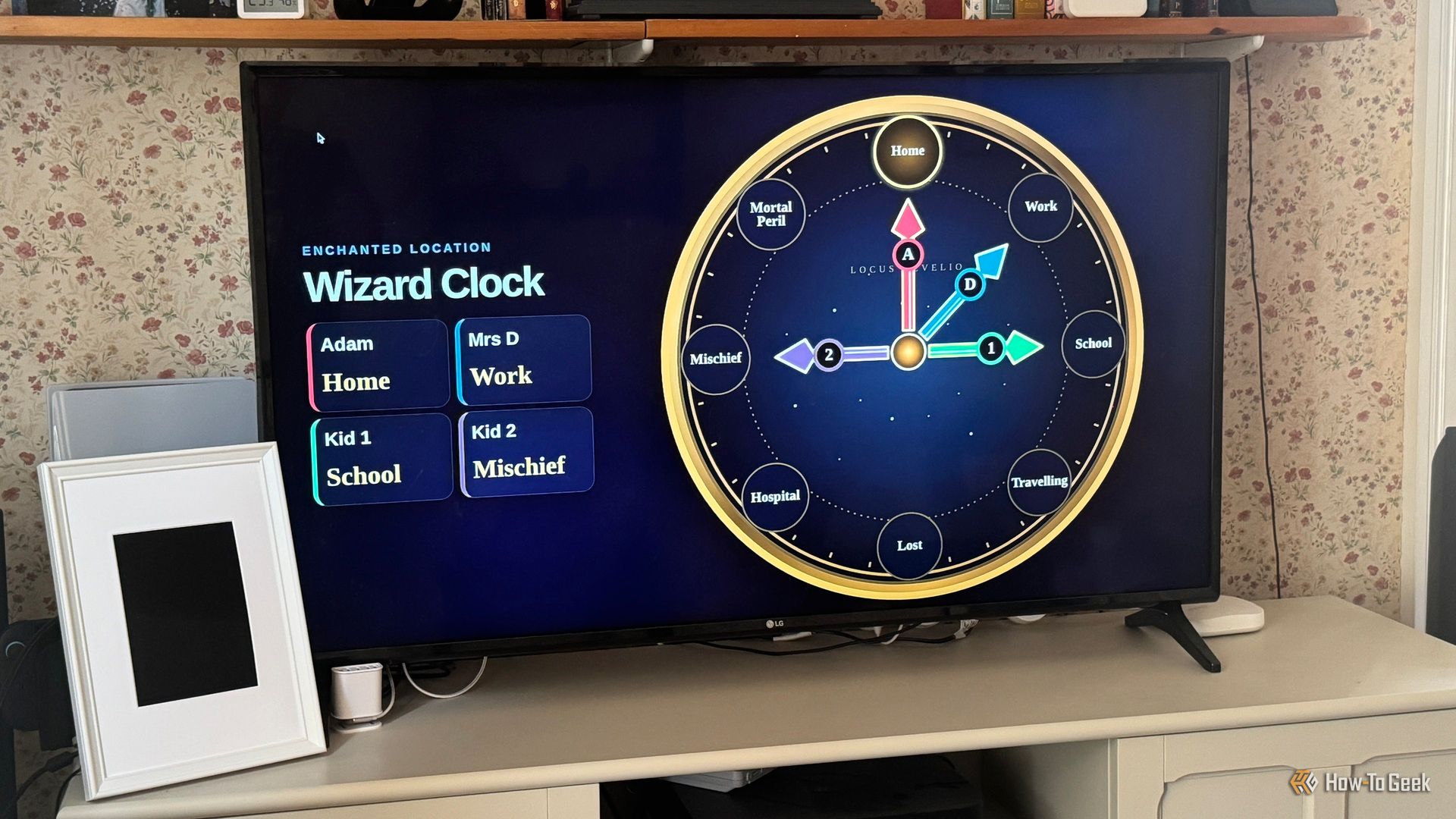
Smart TVs have been around for a while at this point, which means there's a good chance that there's an aging TV somewhere in your home that doesn't have the smarts to be a TV anymore.
Do you have a Raspberry Pi that isn't being used to its fullest? Well, this weekend, I have three projects for you to check out from homelab infrastructure to automatically feeding your pets when you're on vacation.
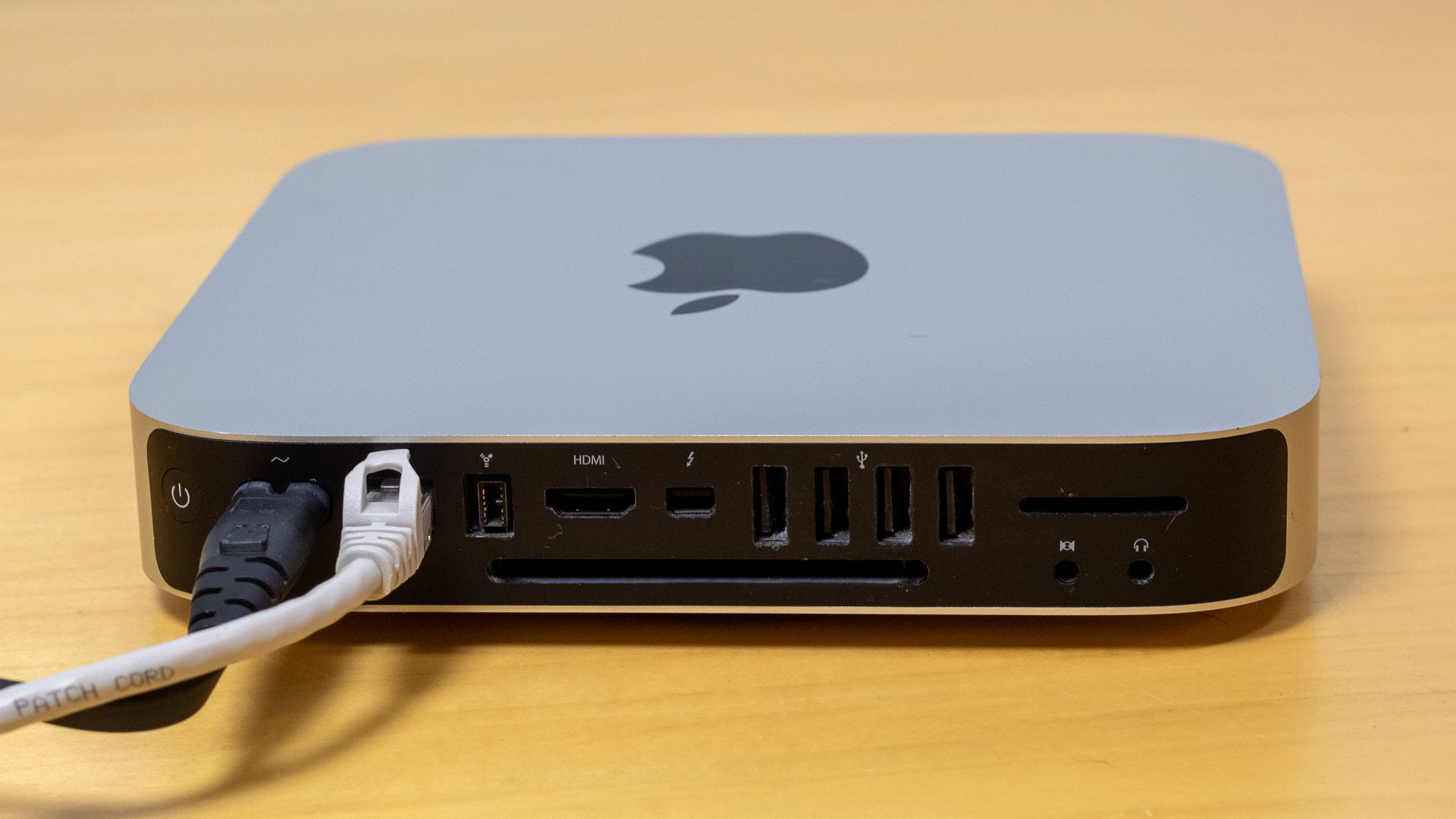
In my search for a media center front-end, Home Assistant server, media server, and do-everything-else computer, I briefly considered buying a Raspberry Pi. Then I caught wind of the used Mac mini market, and it was clear which direction made more sense.
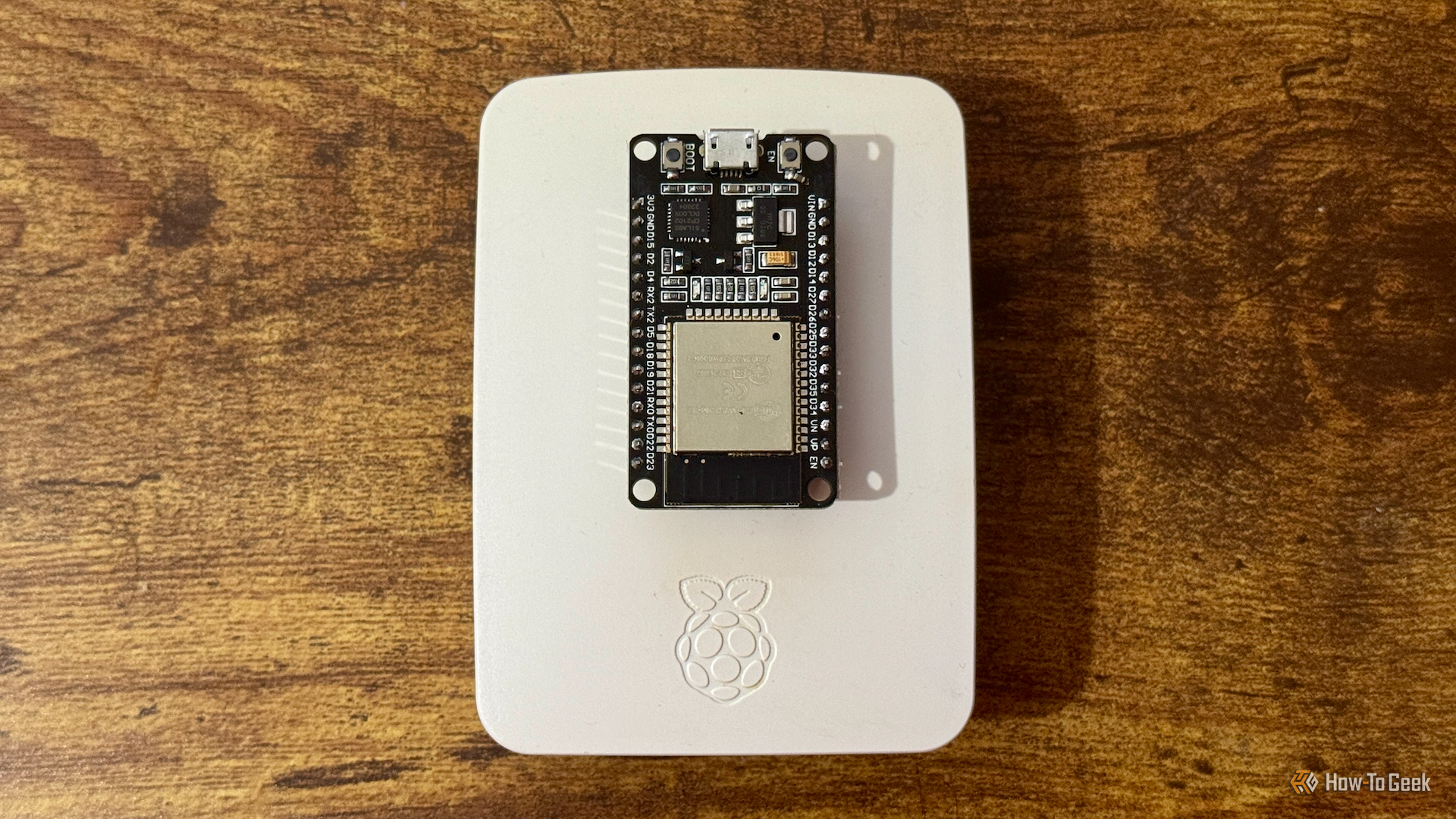
Raspberry Pis have been popular devices for DIY projects for years. They're ideal for many tech projects, but they're not always the perfect choice. There are many projects where a cheap ESP32 board is a better option, and the benefits go beyond the much lower price.
The 1GB Raspberry Pi 5 was introduced in the midst of a RAM crisis that has seen prices of the once-affordable single-board computer hit the roof. You can still get your hands on one for $45 (for now), and your investment can pay for itself in a matter of months if you use it to ditch your subscriptions.
Memory price hikes have pushed new Raspberry Pi prices up across the board and the secondhand market has started looking more appealing than it has in years.
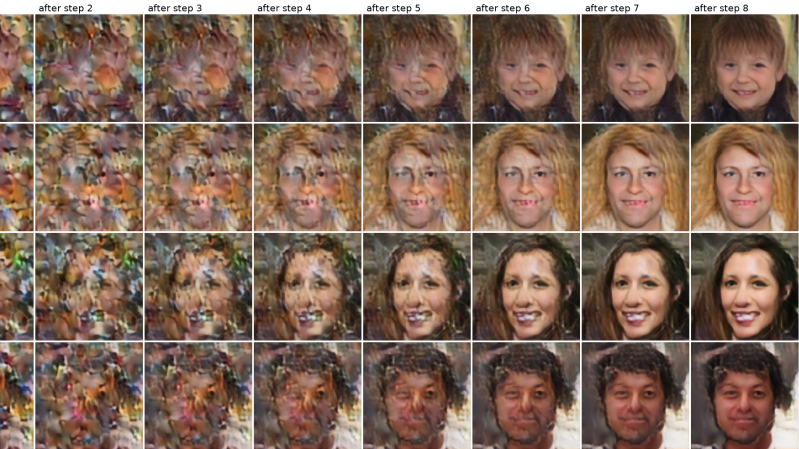
Driven by a desire for privacy, customization, and lower costs, there’s growing interest in AI models which can be run on local hardware. Few of them go as far as [Tim], though, who built an image generation diffusion model which can run on an RP2350 microcontroller.
As might be expected, its capabilities are limited. The resolution is 128×128, it only generates images of human faces, and it takes about twenty seconds per image – still impressive for such limited hardware. It runs on a Waveshare RP2350 development board, and it can output the generated image over USB or display it with the aid of a VGA adapter board.
The generative model doesn’t directly create an image. Rather, it generates a distribution in a latent space, which a variational auto-encoder’s decoder component translates into an image. The auto-encoder was trained in two parts: an encoder which transforms an image into a latent-space distribution, and a decoder to transform that distribution back to an image; once this was trained, only the decoder was used.
The generative portion of the model uses a latent flow diffusion transformer; this takes in noise to start with, then iteratively predicts changes which bring it toward the desired image. It can also take in a output class, which guides the generator’s direction (toward a smiling face, for example). [Tim] trained two models, one larger and one faster, and quantized the weights for both to 8-bit integers. Both models, along with the inference program, then fit into 4 MB of flash memory.
For such a small model, the results are remarkably good; they don’t look quite natural, but they’re quite recognizable. For more on how diffusion image generators work, check out our article on Stable Diffusion.
Bluetooth is often seen as something short range and therefore harmless. Many people think that because it only works over a limited distance, it must also be secure by design. But that’s not true. Bluetooth is convenient, but convenience often comes at the cost of security and privacy. A big number of vulnerabilities show that Bluetooth devices can expose much more information than many realize. At a technical level, they constantly announce their presence to the surrounding environment. Even when you are not actively using them, they still send small pieces of data. Over time these pieces form patterns that show detailed information about people’s lives.
Hackers can take control of devices, pair with them without permission and even use them as remote listening tools. In other cases, simply listening is enough.
WhisperPair Vulnerability
In January 2026, researchers from KU Leuven disclosed a critical Bluetooth vulnerability known as WhisperPair (CVE-2025-36911). This vulnerability affects hundreds of millions of Bluetooth audio devices, including headphones and headsets that rely on modern pairing mechanisms. The attack takes advantage of a feature called Fast Pair in Android. Fast Pair was designed to simplify the user experience. With a single tap users can connect their Bluetooth accessories and synchronize them with their account. It’s convenient and widely adopted.
However, some devices don’t properly ignore pairing requests when they aren’t in pairing mode. A hacker can exploit this by sending crafted pairing initiation packets to a vulnerable device. Even if the device isn’t actively trying to connect, it may still respond. Once the hacker receives that response, they can establish a normal Bluetooth connection.
Source: WhisperPair
From that point on, the hacker gains control over the accessory.
Source: WhisperPair
Then they can activate the microphone to record conversations. The attack works from up to 14 meters away, which is plenty for offices, cafes or public transport.
Source: WhisperPair
This can be combined with device tracking. Some Bluetooth accessories integrate with Google’s Find Hub network, which allows lost devices to be located using nearby Android devices. If a vulnerable accessory has never been paired with an Android device before, a hacker can register it under their own Google account. In doing so, they become the “owner” of the device in the tracking system.
An attacker tracks the victim’s location through the Find Hub network. Source: WhisperPair
The victim may eventually receive a notification about unwanted tracking, but the alert can appear misleading. If the user’s own device is responsible for tracking, that will cause confusion and reduce the likelihood that the threat is taken seriously. Meanwhile, the hacker continues to track the device over time. It affects multiple vendors, chipsets and product lines. As a result, exploitation is likely to continue well beyond 2026.
Bluehood Scanner
Sometimes, attacks are completely passive. In February 2026, a developer released a Bluetooth scanner called Bluehood. It looks like a monitoring tool and shows how much information can be extracted from the environment without ever connecting to a device.
Bluetooth is almost always enabled. Phones, laptops, smartwatches, headphones, cars and even medical devices continuously broadcast signals. Bluehood listens to that data and builds patterns over time. By passively listening to this traffic over days or weeks, hackers can reconstruct behavior.
For example, you can find out when delivery vehicles arrive and whether the same driver appears regularly. You can see daily routines by tracking when certain devices appear and disappear. You can also correlate devices that are always seen together, such as a phone and a smartwatch, which likely belong to the same person. You can even determine approximate schedules when someone leaves for work or returns home.
You don’t need to buy hardware for that. In many cases, a laptop will do the job. If you want, you can get a Raspberry Pi with a Bluetooth adapter.
Some devices are designed to always keep Bluetooth active. Hearing aids, for instance, rely on Bluetooth Low Energy for configuration and diagnostics. Pacemakers may also broadcast BLE signals for similar reasons. These aren’t devices that users can simply turn off.
Many cars use Bluetooth for diagnostics, driver assistance and connectivity features. Consumer devices add even more noise to the environment. Smartwatches, pet trackers and fitness equipment all give off signals. Together, they create a dense network of signals that can be analyzed.
Bluehood works only in passive mode. It doesn’t try to connect to devices. It identifies them based on manufacturer data and BLE service UUIDs, then tracks when they appear and disappear. The tool also includes a web dashboard. It generates hourly and daily heatmaps, tracks dwell time and has filters. New devices often use randomized MAC addresses for privacy and Bluehood can detect and filter these.
Installation
You can install the tool quickly using Docker.
kali > git clone https://github.com/dannymcc/bluehood.git
kali > cd bluehood
kali > docker compose up -d
Alternatively, you can install it using package managers and Python tools.
kali > sudo apt install bluez python3-pip
kali > pip install -e .
kali > sudo bluehood
After the installation you can start the scanner.
# Start with web dashboard (default port 8080)
kali > bluehood

# Specify a different port
kali > bluehood --port 9000

# Use a specific Bluetooth adapter
kali > bluehood --adapter hci1

# List available adapters
kali > bluehood --list-adapters

# Disable web dashboard (scanning only)
kali > bluehood --no-web
Keep in mind that if you installed the app with Docker Compose, it should be accessible at http://localhost:8080.
Collected data is stored in SQLite, and the tool can optionally send notifications through ntfy.sh when devices arrive or leave a location.
Summary
Bluetooth security is often underestimated because the technology feels invisible and low risk. That’s not the case though. There are active and passive techniques that can be used for tracking. Big cities often have listeners scattered around public places and stations, working like Bluehood. Active techniques like WhisperPair can lead to full device compromise with tracking and audio surveillance.
If you enjoy experimenting with frequencies and trying new things, we have our SDR for Hackers training. With Master OTW, you’ll learn how to use your computer and inexpensive SDR hardware to explore and hack a wide range of radio signals.
With artificial intelligence being the bête noir of the moment, there are some projects using it which maybe don’t bring much to the table. So it’s nice to see one that uses it in a creative way, and delivers something new. [arnegiacomo]’s e-paper screen is a great example, as it draws a picture in real time of whatever birds are outside.
Behind the quite large screen sits a Raspberry Pi 5, and on that is BirdNet-Go, an AI-powered birdsong classifier. A USB microphone catches the birdsong, and Birdnet comes up with the species. The birds on the display are then those species as pictures from 19th century bird spotters guides, assembled into a collage. You can even see what the current set of birds it hears are, live, and they are a representative cross section of the European birds you’d find in Norway where it’s located.
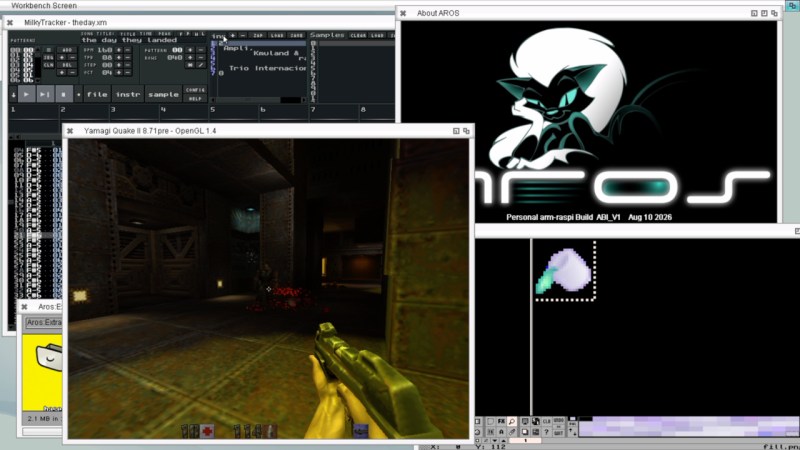
There’s no actual data, but if we had to guess the least-favourite Disney movie of former Amiga owners would have to be Frozen, because none of them will ever be able to “Let it Go”. The Amiga-derived AROS Research Operating System has just been ported to boot bare-metal on the Raspberry Pi, in both 32-bit and 64-bit versions. Yes, there’s a 64-bit Amiga-compatible OS that runs on ARM. It truly is a time of wonders.
AROS has already been ported to a number of platforms. Besides x86, there’s a PPC port that provided a lot of code to the MorphOS, which you can read about here, and a back-port that brings AROS back to original Amiga 68k hardware. There is even a build for RISC V.
AROS developers are making sure that Amiga legacy isn’t stuck on any given hardware, so they never have to let it go. So while not totally out of left field, this development is “pretty nifty” both in that it gives another ultralight operating system for the Pi, with boot times to rival RiscOS, and another platform for ex-Amiga users to play with that isn’t 40 years old. Previously if you wanted to run AROS on a Pi it was virtualized in Linux, making it similar to all other Amiga emulators.
While some software has been recompiled for ARM, the available software isn’t as full-featured as x86, but that’s almost certain to change as time goes on. It’s early days yet and this build is very much a work in progress. Likewise we expect support for other Pi boards to expand, as while right now the target is the Pi3, the forum threads include discussion of the Pi4 and even Zero2W.
You can check the port out in action in a video by [Dan Wood] embedded below, sent to us by tipster [Stephen Walters]. Thanks [Stephen]!
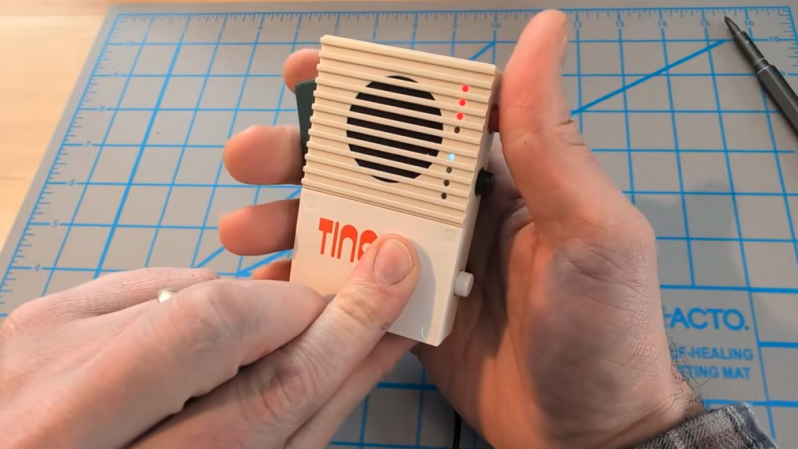
The Ting FX EP-2350 by Teenage Engineering is a standalone microphone with a few extras, including samples and built-in effect presets that can be modified by the user. It also has a distinctive design, and [Sam Holland] does an in-depth teardown that offers some insights that are worth keeping in one’s back pocket. The large, side-mounted lever in particular is an interesting bit, but more about that in a moment.
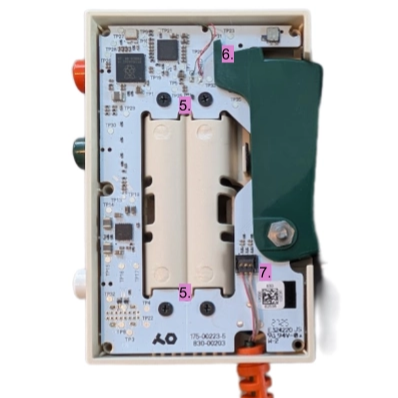
Inside the device is a single PCB, which has a cutout in the middle for a pair of AAA cells. A Raspberry Pi 2350 drives the device’s functions, supported by various components which [Sam] identifies, although he mostly looks at everything from the perspective of a mechanical engineer as he critiques the design. It’s a clean-looking, intentionally low-fi design that belies how complex the device really is.
The multi-function, chunky, spring-loaded side lever is of particular interest. It has three sensors: two switches and a potentiometer. One switch detects when the lever is at rest, or depressed by any amount at all. The potentiometer mates with the pivot point of the lever, allowing the device to directly sense how far the lever is pushed. The last switch triggers when the lever is pushed all the way in. Together, it forms an intuitive input that combines powering on (the device wakes up from sleep mode as soon as the lever is pressed) with the ability to adjust effects in proportion with how far the lever is pressed, while also bottoming out with a distinct click that itself acts as an input signal.
One other interesting bit is the light pipes that carry light from multiple indicator LEDs to the outside of the device. A textured surface acts as a diffuser and helps the lit surface look smooth, while a coating of silver paint prevents light bleed and (probably) maximizes light transmission through the plastic. Hot glue makes a pretty good light pipe material but if DIY light pipes end up in your next project, sanding the exit surface and giving the rest a coating of silver paint just might be worth a shot.

 Login
Login