Microsoft Copilot Notebooks turns project files into working drafts. Check feature access, source accuracy, sharing permissions, and review time before adoption.
Microsoft Copilot Notebooks turns project files into working drafts. Check feature access, source accuracy, sharing permissions, and review time before adoption.
The release of any brand-new operating system means the inevitable discovery of bugs and even device-breaking issues, and Googlebooks are no exception. It's simple to factory reset a Googlebook if you simply need a fresh start or are encountering minor problems, but in the event your Googlebook is effectively unusable, a more complete and in-depth recovery may be necessary. If you're in that boat, follow this guide to completely reinstall Googlebook OS and hopefully save your laptop.
I used to think Excel was just about putting data into rows and columns and doing a few calculations. But once you start using it regularly, you realize how much time you waste doing things manually that Excel can handle in seconds.
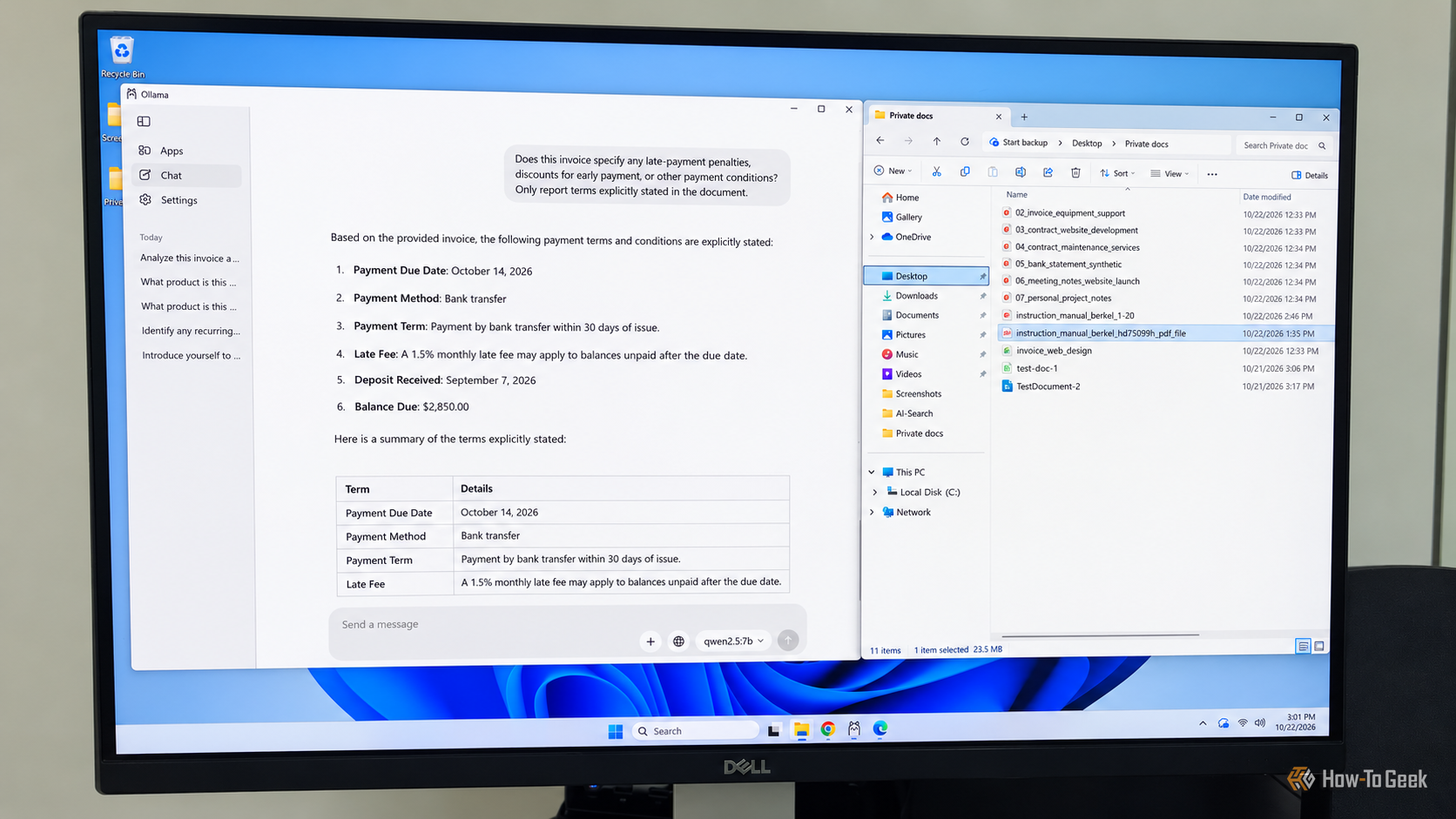
I don't know about you, but I have more bills, invoices, bank statements, and healthcare documents than I know what to do with. Finding a specific detail, understanding a complicated term, or comparing this month's charges with last month's can take up more time than I'd like, not to mention the frustration involved. Tools like ChatGPT and Claude can make this much easier, but I'm not particularly comfortable with the idea of handing my financial, medical, or other sensitive information over to big tech companies just to get a few questions answered. I have enough concerns about how much data these companies collect without voluntarily giving them more.
Some of the best software in the world is produced entirely by volunteers and released for free. Over the years, I’ve come to rely on many of these tools to stay productive and in control of my Mac.
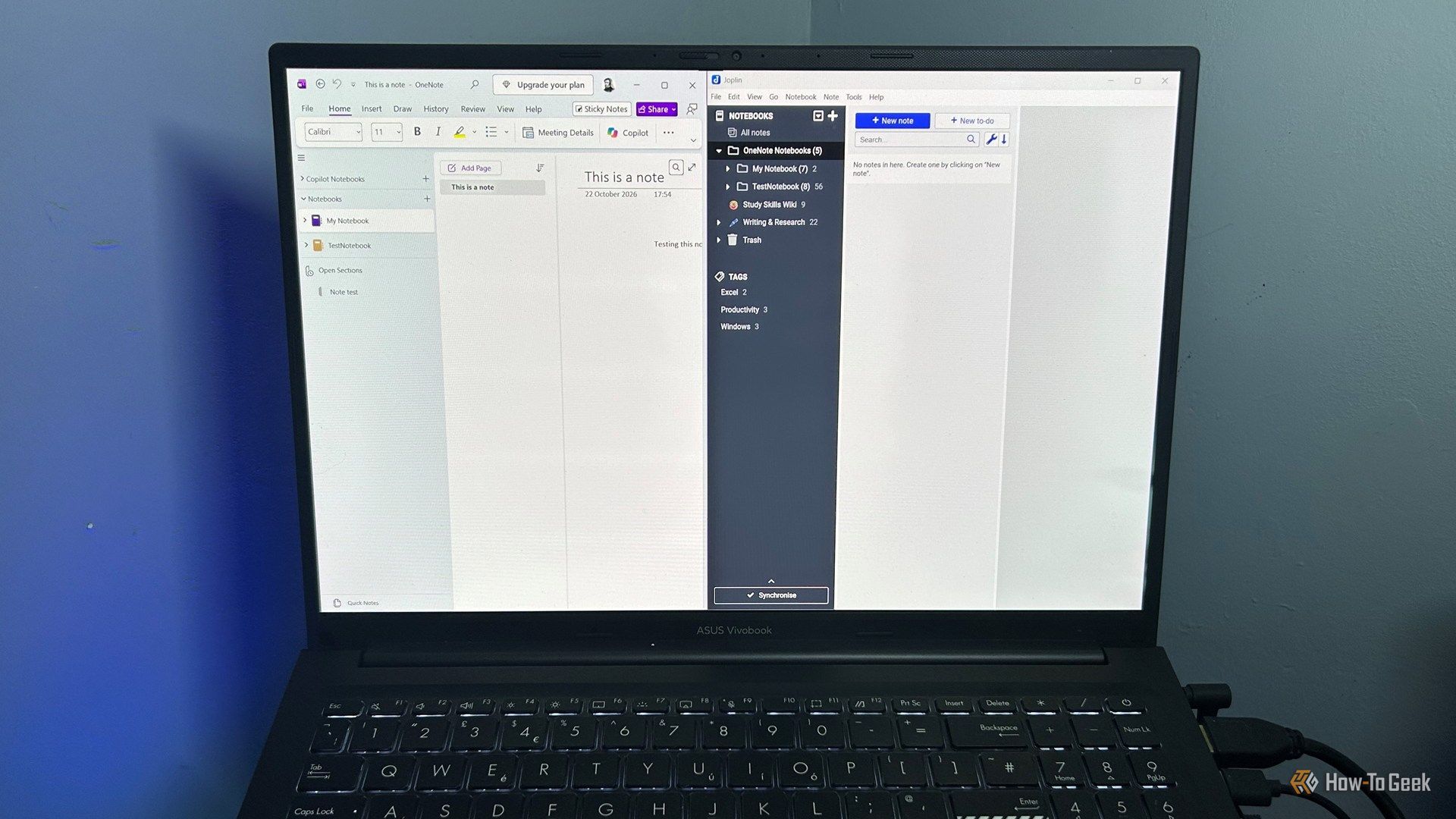
Finding a good alternative app is the easy part. The hard part is deciding what to do with everything you're leaving behind. Years of OneNote notebooks can hold everything from recipes and saved links to work notes you still need. The good news is that moving them into Joplin is easier than you might expect.
Barclays plans 5,000 job cuts in 2026 as AI and restructuring improve efficiency. Learn what the changes mean for developers, IT staffing, and budgets.
Barclays plans 5,000 job cuts in 2026 as AI and restructuring improve efficiency. Learn what the changes mean for developers, IT staffing, and budgets.
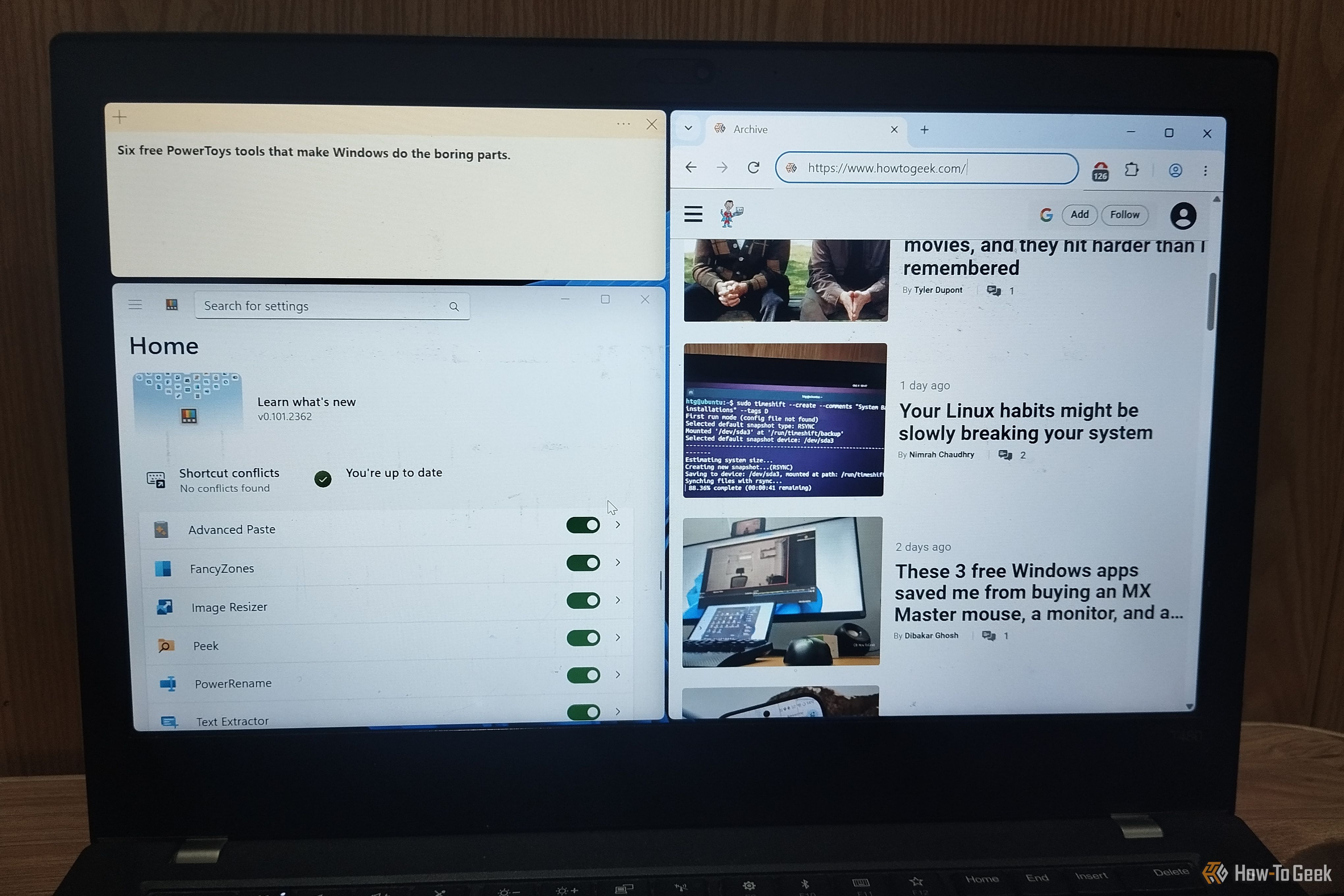
Windows has a habit of making you do things the slow way. How many times have you opened an image editor just to resize a picture, retyped text you couldn't copy, or opened several files just to find the right one? None of it is hard, but it all adds up. The fix has been sitting there for years, free from Microsoft, and it's called PowerToys. It's a free collection of utilities (over 30) that quietly automates the boring parts of Windows with a few clicks or keyboard shortcuts.
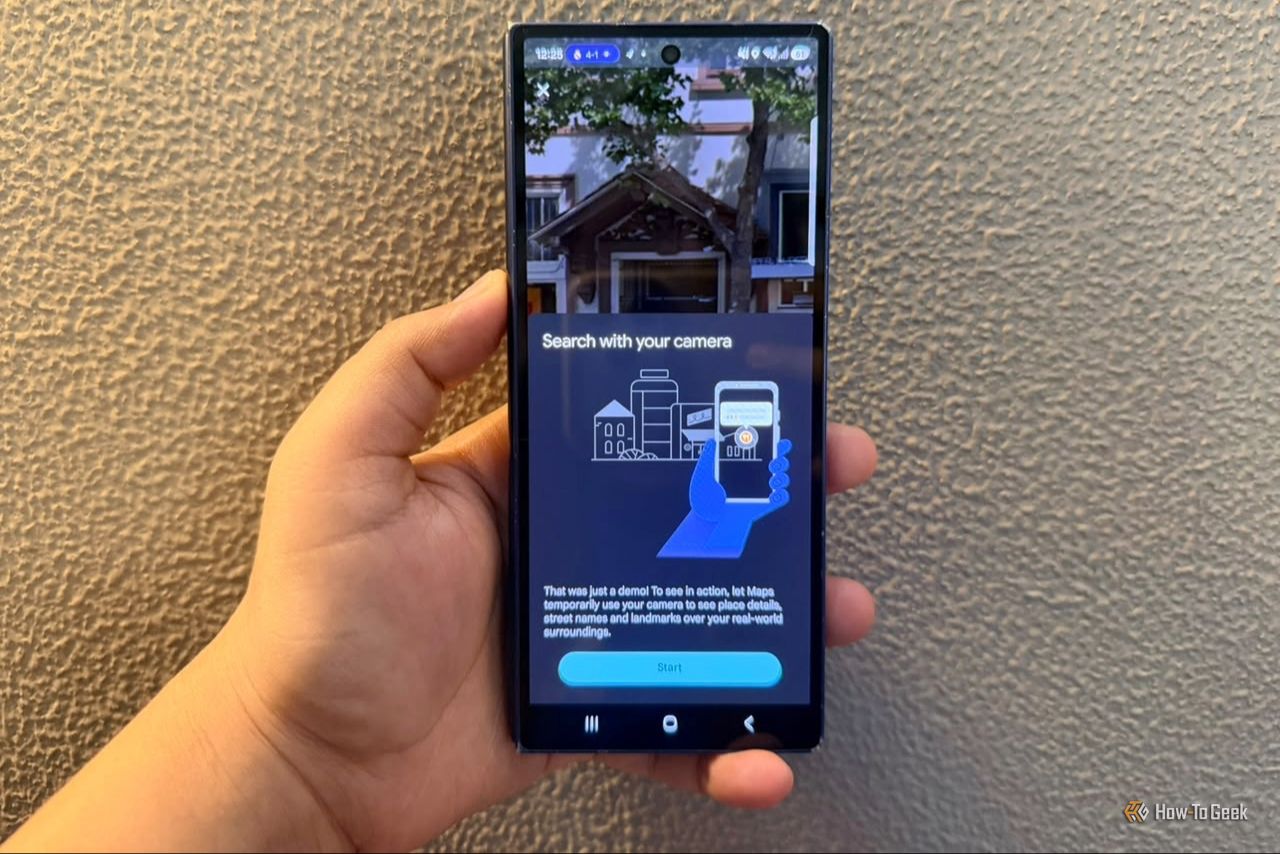
Hands up if you use Google Maps almost every day. Yep, same here. Between grocery runs, long drives with my husband, and picking up my daughter from school, I open it so often that I assumed I knew all the useful bits.
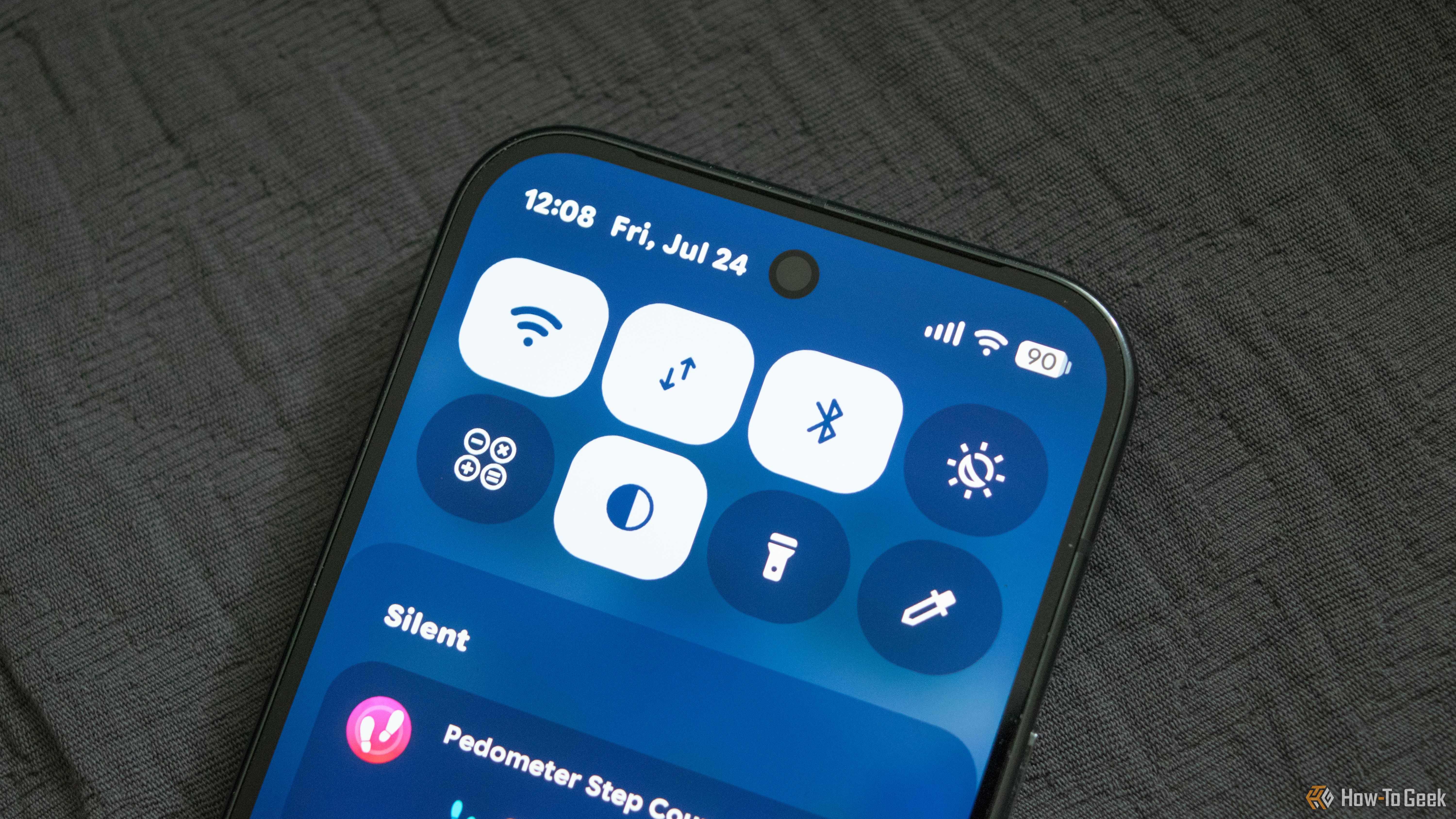
Android gives several ways to customize your phone. Most users use the Quick Settings panel for the same handful of things — Wi-Fi, brightness slider, flashlight, location, and mobile data. These barely scratch the surface. Tucked inside the Quick Settings edit menu are tiles that save you several taps and put useful controls one swipe away. To add tiles, swipe down from the top of the screen, tap the pencil icon, and add the one you want into the panel. The exact steps vary by phone and Android version. Here are five Quick Settings tiles that are worth the space.
Add up the hours you spend in meetings each week, then add up the time you spend dealing with them afterwards. For many people in sales and consulting, those two numbers are uncomfortably close. You need to tidy notes, update the CRM, send a follow-up email while the conversation is still fresh, and get any deadlines on your calendar before they slip your mind.
Exclusive: Supernatural is relaunching in early access and could expand beyond Meta Quest headsets. Meanwhile, Meta VR Glasses could shape what comes next for fitness.
Why reading more crypto news rarely leads to better trades, and how to build a simpler information routine.
You wake up, reach for your phone, and see more than 300 unread messages across Telegram channels, Discord servers and group chats. Half of them are marked urgent. Before you are even out of bed, you already feel behind the market.
For many people in crypto, this is a normal morning. The market trades around the clock, news arrives around the clock, and the tools we use make sure none of it is missed. Over time, this constant flow wears down the one resource every trading decision depends on: attention.
The data behind news fatigue
Feeling exhausted by the volume of information is now a mainstream problem. In the Reuters Institute’s 2024 Digital News Report, 39% of people across the surveyed markets said they felt worn out by the amount of news, compared with 28% in 2019. The authors pointed to smartphones, push notifications and algorithm-driven feeds as likely contributors.
Attention research shows a similar pattern. Gloria Mark, professor emerita of informatics at UC Irvine, has measured how long people stay on one screen before switching to something else. In her early studies it was about 150 seconds. Across her studies from 2016 to 2020, the average dropped to 47 seconds. She also found that fully returning to a task after an interruption can take close to half an hour.
Crypto adds its own layer. A recent survey by the exchange CEX.io found that 68% of respondents check prices after going to bed almost every night, and nearly 70% link their poor trades to lack of sleep. A University of Queensland review of research on crypto traders reported that people spend an average of 2.3 hours a day on trading.
Taken together, these numbers describe a common pattern: hours of market information every day, attention broken into short fragments, and a load that often continues late into the night.
Why more information can make trading worse
Each new message asks for a small decision: open it, ignore it or react to it. A few dozen of these choices are manageable. Several hundred a day leave less mental room for the decisions that matter, such as position size, entry and exit.
Information overload also changes the kind of decisions people make. When the feed is full of urgent headlines, the pressure to act grows. A trade opened because a chat got excited usually has no clear point where the idea is proven wrong and no defined target.
Timing matters as well. By the time a headline has passed through several channels and reached a large group chat, the market has often already reacted to it. Trading on that message means acting on widely known information, at a price that may already reflect it.
Five rules for a calmer information routine
1. Keep three to five sources you trust. Choose one main news outlet, one on-chain or market data source, the official channels of the projects you hold, and one or two analysts whose reasoning you can check. Mute or leave the rest. If an event is truly important, it will reach you through one of these sources.
2. Read news at fixed times. A morning and an evening review are enough for most swing traders and investors. Short-term traders can add a window around their main session. Outside those windows, the feed stays closed.
3. Sort everything into two groups. The first group holds information that affects your open positions or planned trades, such as a project update, a listing or a macro release you already track. The second group holds everything else. Only the first group deserves action today.
4. Replace news alerts with price alerts. Set notifications at the levels where your plan says you should act. A price reaching your level is a concrete signal. A headline about “whales moving” is usually noise.
5. Write the plan before you open the feed. Decide your entry, stop and target first, then check the news to see whether anything changes the plan. In this order, the news informs your decision rather than triggering it.
Rest is part of risk management
The CEX.io survey also showed that crypto volatility tends to peak between 18:00 and 06:00 UTC, which overlaps with sleeping hours in Europe. For many traders, the choice between rest and watching the market is a real one.
Stop-loss orders and price alerts exist so traders can sleep. A position you have to stay awake to manage is usually too large or has no clear exit. Reducing size, setting the stop in advance and putting the phone in another room protect both the account and the person managing it.
Where the advantage comes from
When everyone gets the same headlines within seconds, reading speed rarely separates good results from bad ones. The traders who last are usually those who can stick to a plan when the feed is loud and still have enough energy to think clearly when a real opportunity appears.
Attention behaves like capital. It is limited, it can be spent in small pieces until nothing is left, and it grows in value when you protect it. Every channel you follow should earn its place, the same way every position in your portfolio has to.
How many crypto channels do you follow right now, and how many of them have actually changed a trade you made?
 Login