
 Login
Login
Varagu Pongal | Kodo Millet Pongal
Varagu Pongal is a traditional South Indian dish made with Kodo Millet, also called varagu in Tamil. It's a wholesome and nourishing dish seasoned with aromatic spices. This can be enjoyed for breakfast or during festive occasions. It's a healthy alternative to rice-based dishes, making it a great option for people looking to reduce carbs intake. Follow the step by step instructions to make best tasting Varagu Pongal.
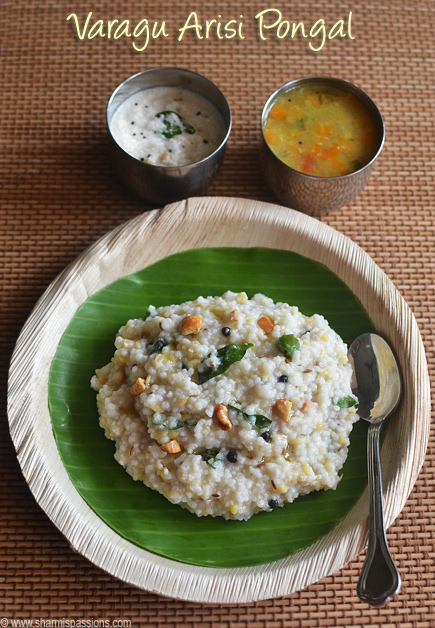
Millets like varagu are rich in magnesium, iron, and fiber, which helps regulate blood sugar levels. This dish combines health benefits with a savory and satisfying flavor. It's a great choice for a healthier meal. It's quick to prepare and perfect for both busy mornings and special occasions, offering a balanced meal.
[feast_advanced_jump_to]About Varagu Pongal
Varagu Pongal is a simple and comforting dish, popular in South Indian homes and loved for its gentle, soothing taste. This dish has a mild, savory flavor. The dish is enhanced with ghee, cashews, and spices like cumin, pepper, and ginger. It's a light yet filling meal, making it easy to digest and perfect for starting the day or as a satisfying snack.
This recipe is made with simple ingredients. It's usually prepared in a pressure cooker, but it can also be made in instant pot for ease. The tempering adds a rich flavor, with roasted spices creating a beautiful aroma in the dish. The recipe is simple enough for beginners to try.
This recipe is versatile, it pairs wonderfully with coconut chutney, sambar, or even a simple pickle. It's an excellent choice for anyone looking for a delicious and nutritious meal. You can easily customize the consistency to suit your preference-either soft and creamy or slightly grainy. The mild taste also makes it ideal for both kids and elders.
I often make varagu pongal with coconut chutney and tiffin sambar and the combo is so good. This is easy and quick to make for breakfast that you can just make it in a jiffy and serve it. You can use the same recipe and use other millets like kuthiraivali, samai, thinai etc.
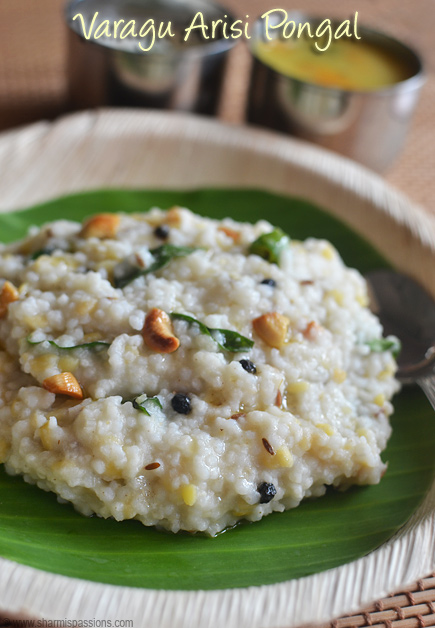
Varagu Pongal Ingredients
- Moong dal - Moong dal is a good source of protein and fiber. It adds a creamy texture to the pongal and helps in digestion, making this dish both filling and light on the stomach.
- Varagu rice - This is the key ingredient. It's a nutritious alternative to rice, is rich in fiber, protein, and essential minerals like iron and magnesium. It has a low glycemic index, making it a great choice for regulating blood sugar levels.
- Water - Used to cook the rice and dal mixture. The amount of water can be adjusted based on your taste preference.
- Oil - Used to temper the spices and brings their full flavor into the dish.
- Whole or crushed pepper, cumin - Adds spice that pairs well with the other spices, cumin aids in digestion and adds a warm, aromatic earthy flavor to the pongal.
- Curry leaves - Adds a distinctive aroma, curry leaves add freshness and depth to the dish.
- Green chilies - Adds a mild heat that can be adjusted based on your spice preference.
- Ginger - Adds a zesty kick and aids in digestion, complements the flavors of the spices.
- Hing - A pinch of hing adds a pungent aroma and enhances the savory taste of the dish. Also aids in digestion.
- Cashews, ghee - Add a rich, crunchy texture and enhance the flavor of the dish. They also provide healthy fats and essential nutrients to the pongal.
Similar Recipes
Why This Recipe Works
- Varagu rice is a nutritious, gluten-free alternative to regular rice.
- It's a quick and easy dish to prepare, making it perfect for busy mornings or a light meal.
- Moong dal and millet provide a rich source of protein and fiber.
- The dish has a wonderful, aromatic flavor.
- The dish is low on the glycemic index, helping to maintain steady blood sugar levels.
- The flavors are customizable based on your spice preferences.
- It's a versatile recipe and can be paired with chutney, sambar, or eaten on its own.
- It's a great option for a healthy, filling meal.
How to make Varagu Pongal Step by Step
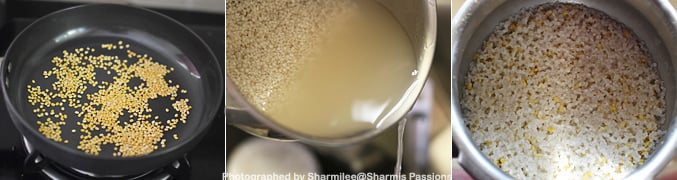
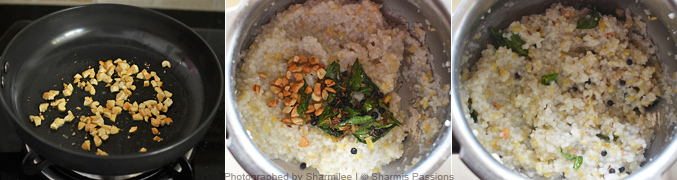
1.Dry roast moong dal till golden brown. Transfer to pressure cooker, then Rinse the millet well, drain water and add it to cooker. Add water and pressure cook for 3-4 whistles in medium flame. Switch off.
2.Once pressure releases, mash up rice and dal well with a ladle. Now get ready with the tempering items. Heat oil in a pan - add the items listed under ' temper' let it splutter.
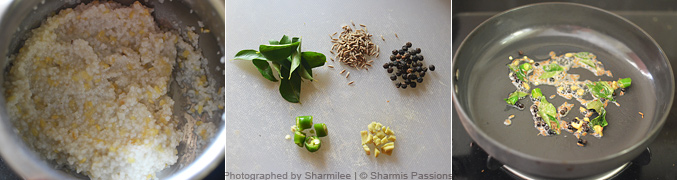
3.Then fry cashews in ghee and transfer both tempering and fried cashews to the pongal. Give a quick stir.
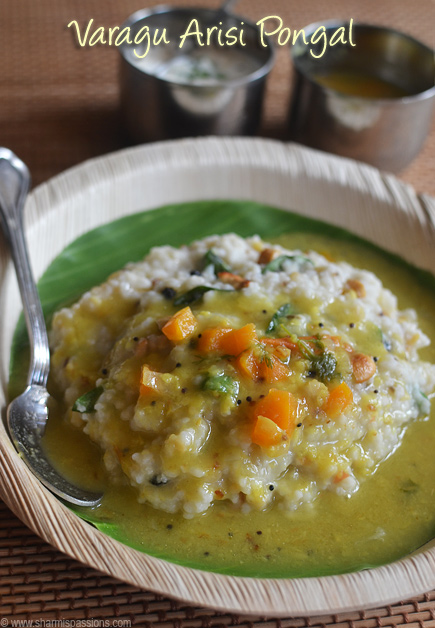
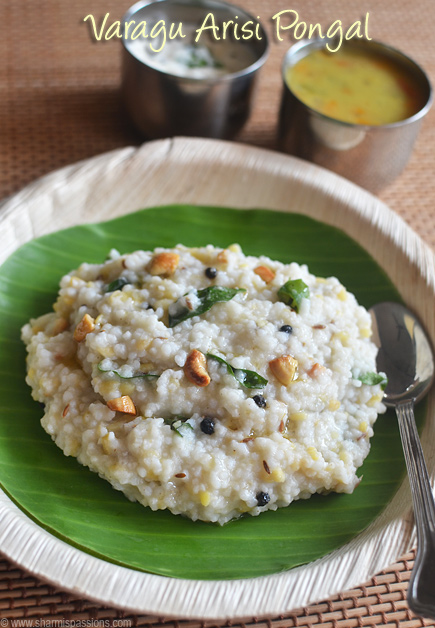
Serve hot with a drizzle of ghee on top along with chutney and sambar.
Expert Tips
- Roasting moong dal - Slightly roast the moong dal before cooking it to enhance its flavor and give the pongal a deeper, nuttier taste.
- Adjusting water - You can add a little more water if you want your pongal to be more runny. It will start to thicken with time so adjust accordingly.
- Pressure cooking - Make sure to cook pongal in medium flame to avoid overcooking the millet and dal. 3-4 whistles are usually enough.
- Tempering - Allow the oil to heat up before adding the spices for tempering. This will help release their essential oils and enhance the dish's flavor.
- Ghee - Drizzling a spoonful of ghee over the pongal just before serving adds a rich flavor. You can also garnish it with extra cashews for a more appealing look.
Serving and Storage
Serve Varagu Pongal hot with a side of chutney or sambar. It's perfect for breakfast, lunch, or dinner.
You can store it in an airtight container, but let the pongal cool completely before transferring it. It can be stored in the refrigerator for up to 1-2 days. Heat before serving, sprinkle little hot water to make the consistency perfect.
FAQS
1.Can I use other millets for this recipe?
Yes, you can use other millets like foxtail or barnyard millet in place of varagu. The cooking time may vary slightly.
2.Can I make Varagu Pongal without ghee?
Yes, you can use oil as a substitute for ghee if you prefer a vegan option.
3.Can I add vegetables to Varagu Pongal?
Yes, you can add vegetables like carrot, peas to make the dish more nutritious, whole some and colorful.
4.Can I prepare Varagu Pongal ahead of time?
It's best served fresh and hot, but you can make it ahead of time and reheat it with a little water or ghee to restore its moisture.
5.Is Varagu Pongal gluten-free?
Yes, varagu rice is naturally gluten-free, making this recipe suitable for those with gluten sensitivities.
If you have any more questions about this Varagu Pongal Recipe do mail me at sharmispassions@gmail.com. In addition, follow me on Instagram, Facebook, Pinterest ,Youtube and Twitter .
Tried this Varagu Pongal Recipe? Do let me know how you liked it. Also tag us on Instagram @sharmispassions and hash tag it on #sharmispassions.
📖 Recipe Card
Varagu Pongal Recipe | Kodo Millet Pongal Recipe
Ingredients
- ½ cup varagu rice
- 3 tablespoon moong dal
- 1 and ¼ cups water
- 5 cashews broken
- 1 teaspoon ghee
- salt to taste
To temper :
- 1 teaspoon oil
- ½ teaspoon pepper whole or crushed roughly
- ½ teaspoon jeera whole or crushed roughly
- few curry leaves
- 1 green chillies
- ½ teaspoon ginger chopped finely
- ⅛ teaspoon hing
Instructions
- Dry roast moong dal till golden brown.
- Transfer to pressure cooker, then Rinse the millet well, drain water and add it to cooker.
- Add water and pressure cook for 3-4 whistles in medium flame. Switch off.
- Once pressure releases, mash up rice and dal well with a ladle.
- Now get ready with the tempering items. Heat oil in a pan - add the items listed under ' temper' let it splutter.
- Then fry cashews in ghee and transfer both tempering and fried cashews to the pongal.
- Give a quick stir.
- Serve hot with a drizzle of ghee on top along with chutney and sambar.
Notes
- Roasting moong dal - Slightly roast the moong dal before cooking it to enhance its flavor and give the pongal a deeper, nuttier taste.
- Adjusting water - You can add a little more water if you want your pongal to be more runny. It will start to thicken with time so adjust accordingly.
- Pressure cooking - Make sure to cook pongal in medium flame to avoid overcooking the millet and dal. 3-4 whistles are usually enough.
- Tempering - Allow the oil to heat up before adding the spices for tempering. This will help release their essential oils and enhance the dish's flavor.
- Ghee - Drizzling a spoonful of ghee over the pongal just before serving adds a rich flavor. You can also garnish it with extra cashews for a more appealing look.
Nutrition
The post Varagu Pongal | Kodo Millet Pongal appeared first on Sharmis Passions.
