Reading view

There are new articles available, click to refresh the page.

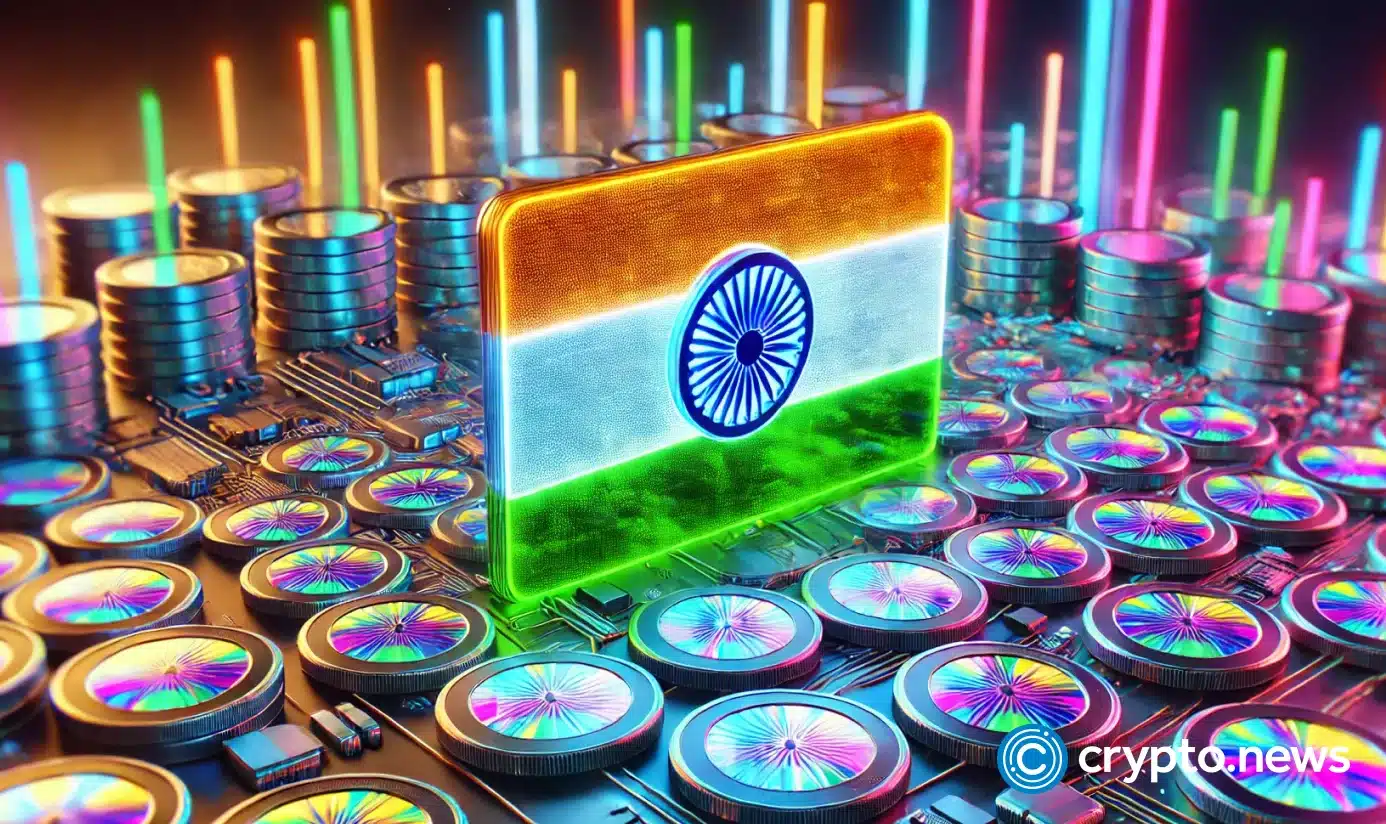
Indian state Maharashtra eyes tokenized power grid funding

India’s Maharashtra state has begun preparing policies to tokenize up to 50% of selected electricity transmission assets to finance new power lines and solar energy storage facilities. Maharashtra considers tokens tied to power revenue Praveen Pardeshi, chief economic adviser to…

💾

India’s Maharashtra state plans to tokenize up to 50% of selected power transmission assets to finance grid lines and solar energy storage.

Results of The Big F Awards 2026

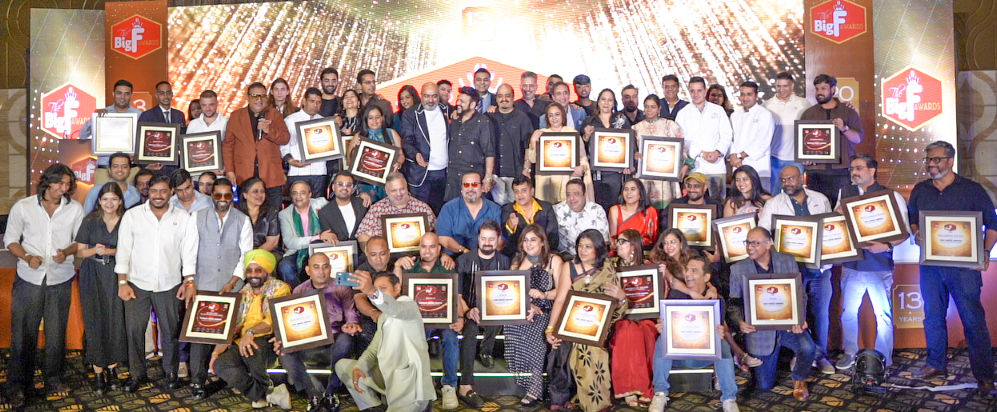
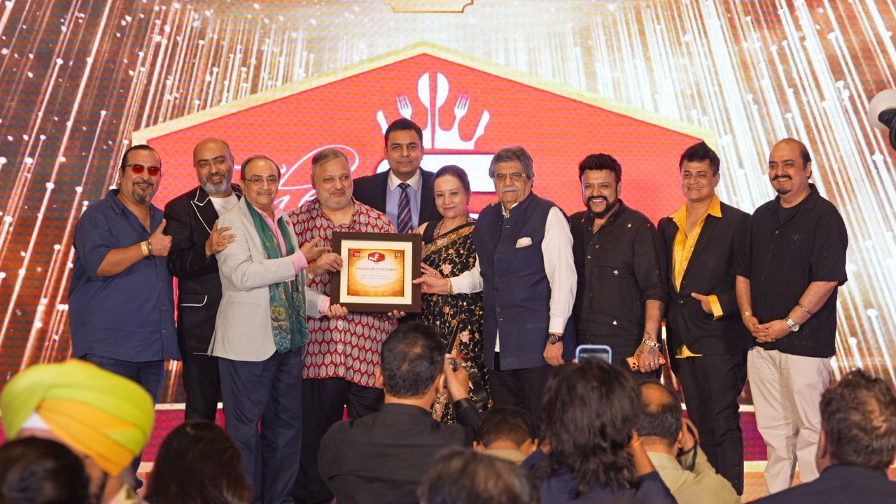
The Big F Awards Celebrates Culinary and Hospitality Excellence at its 13th Edition

A rigorous, independent evaluation process continues to define the credibility of The Big F Awards

New Delhi, 10th September: The 13th edition of The Big F Awards concluded at The Westin, Gurgaon, bringing together accomplished professionals, emerging talent and enterprising brands from across India’s culinary and hospitality landscape. More than a celebration of achievement, this year’s edition reaffirmed the platform’s core principle: recognition must be earned through a credible and rigorous evaluation process.

At the heart of The Big F Awards is a jury-led approach designed to place merit ahead of visibility, reputation or commercial scale. The awards follow a structured and independent evaluation process, with entries assessed through successive rounds of screening and scoring against defined parameters including originality, execution, consistency, quality and sectoral relevance. The framework is designed to ensure that every participant is assessed on the strength of their work, rather than their profile, popularity or market presence.

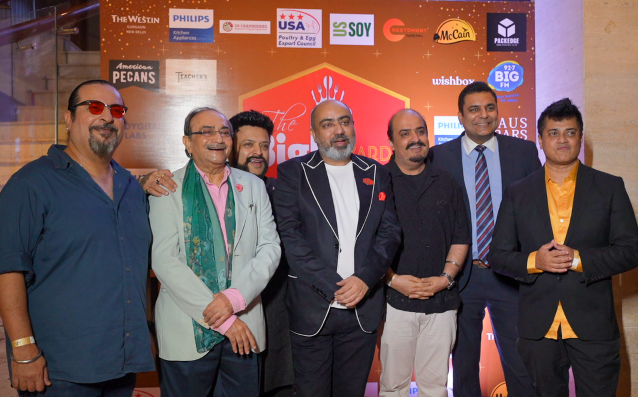
The jury for the 13th edition comprised Chef Nita Mehta, Chef Kunal Kapur, Chef Ashish Bhasin, Chef Sabyasachi Gorai, Pawan Soni, Diwan Gautam Anand, Sameer Bawa, Khurafati Nitin, Rocky Singh and Anirudh Singhal. Bringing together experience across cuisine, hospitality, media and business, the panel applied a common evaluation framework to assess the nominees and arrive at the final results.

Importantly, the process is built to create a level playing field. Commercial size, public visibility and geographical location do not determine recognition. The platform actively seeks to bring deserving work into consideration, including independent ventures, emerging professionals, newer businesses and establishments that may not always receive the same visibility as larger or more established names.

The awards also maintain a clear separation between participation and recognition. There are no nomination fees and no pay-to-participate mechanisms, reinforcing the principle that an award should be a result of merit rather than commercial participation. Winners are not disclosed in advance, with the final results remaining confidential until they are announced at the awards ceremony.

Speaking after the ceremony, Pawan Soni, Host & Jury member, The Big F Awards, said, “Thirteen editions have reinforced our belief that credibility cannot be created through a trophy or an announcement; it comes from the process behind it. This year, in the 6-month long process the jury evaluated nominations with the same discipline across categories, looking closely at the work, its consistency, execution and relevance. What stood out was the diversity of talent—from established names to smaller ventures and professionals receiving national recognition for the first time. That is precisely what we want The Big F Awards to stand for: a platform where deserving work has an opportunity to be recognised on merit, irrespective of visibility or scale.”

The 13th edition saw participation from independent ventures, established organisations, chefs, restaurateurs and emerging businesses across multiple regions and formats. The broad participation model reflects the awards’ continued effort to identify and recognise excellence beyond conventional industry circles.

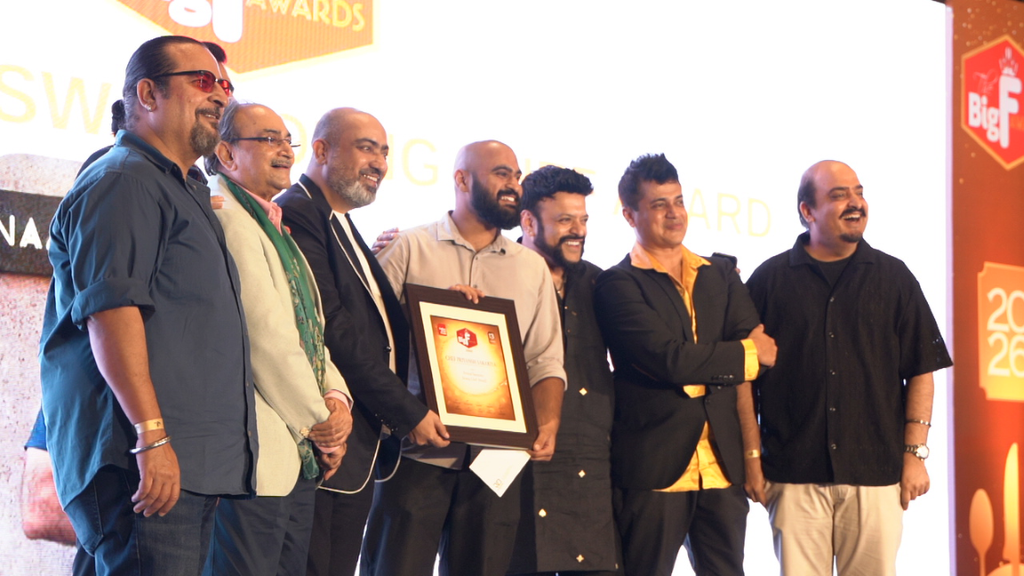
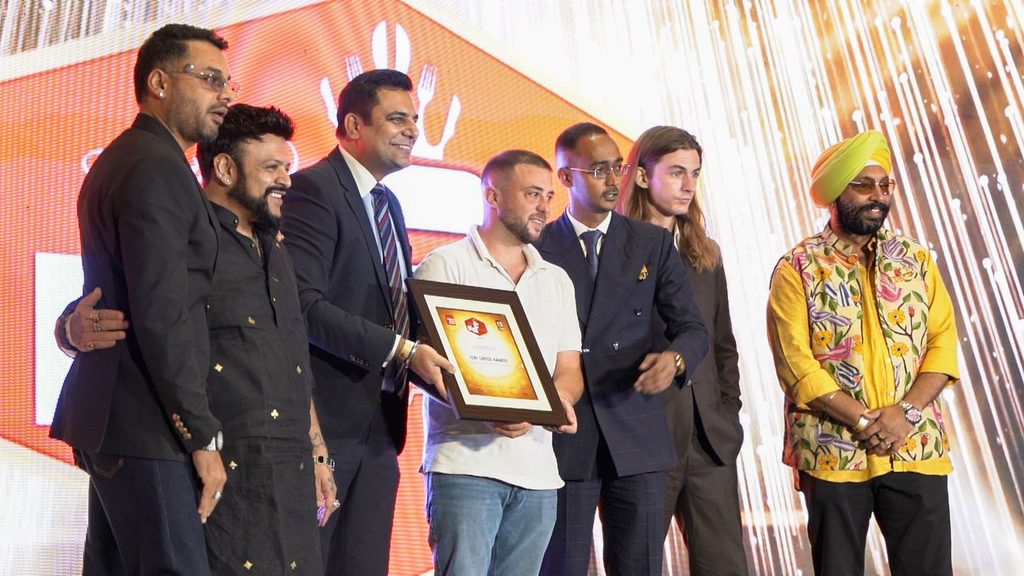
The recipients included Megu, who won League of Legends Awards, followed by Nisaba in the Noteworthy Newcomer category. Inja received the Restaurant of the Year distinction, while Best Cocktail Bar, Cocktail Menu of the year and Best Debut Bar were presented to AaBbCc.concept. Further honours went to Porus Arora for Restaurateur of the Year and Sahil Sambhi for Nightlife Entrepreneur of the Year.

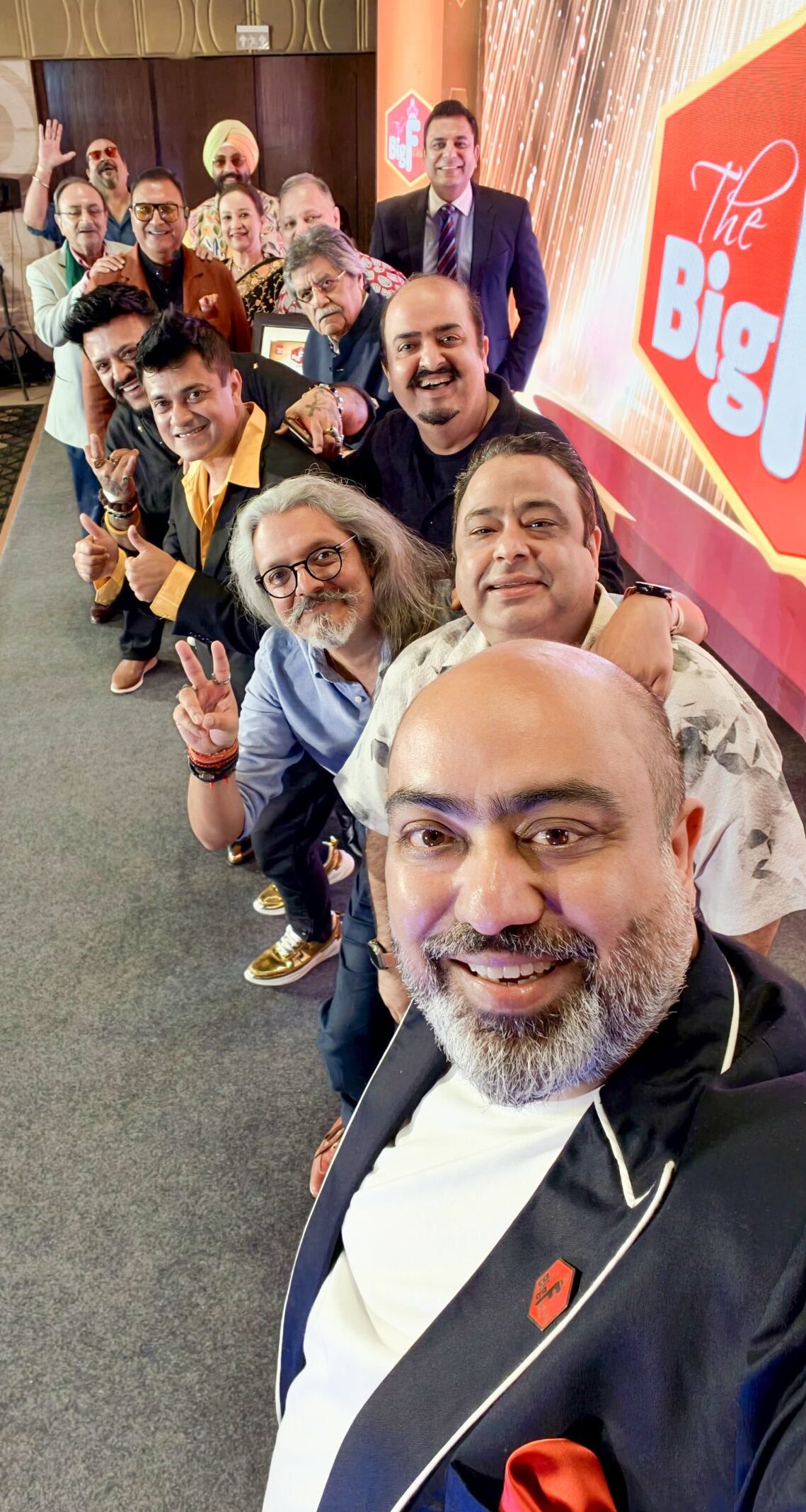
Highlights from the evening included Chef Manish Mehrotra, Chef Harpal Singh Sokhi, Rocky Singh, Rocky Mohan, Chef Manisha Bhasin, Zorawar Kalra, Sid Jalan amongst other dignitaries attending the presentation ceremony.

As The Big F Awards closes its 13th edition, its focus remains unchanged: to build recognition around work that stands up to scrutiny. The platform will continue to expand its outreach for the next edition, bringing a wider pool of professionals, establishments and businesses into a process where credibility, consistency and merit remain at the centre of recognition.

About The Big F Awards

The Big F Awards is a Delhi NCR-based platform recognising excellence across the food and hospitality industry through a rigorous and independent evaluation process. Founded on the belief that credible recognition must be rooted in process rather than perception, the awards follow a structured jury-led evaluation framework, with entries assessed against defined parameters. The platform maintains a zero nomination fee and no pay-to-participate policy, ensuring that recognition remains independent of commercial participation. Over 13 editions, The Big F Awards has sought to create a credible platform that recognises established as well as emerging talent based on the merit of their work.

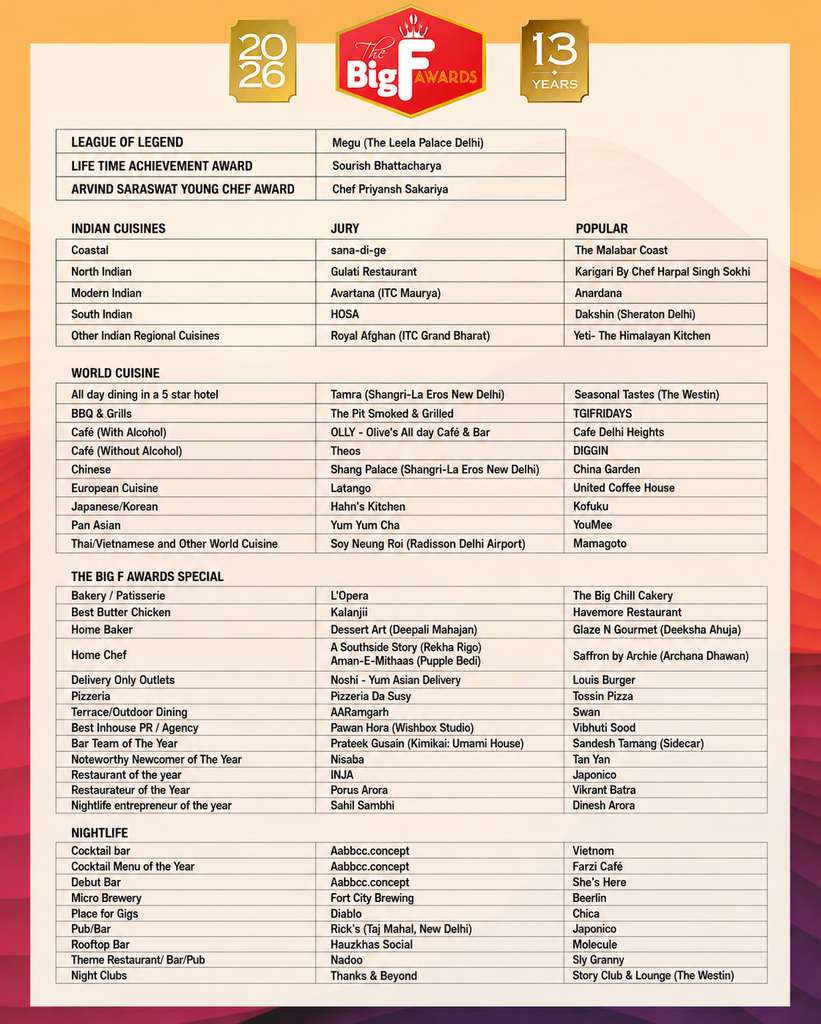
Given below is the complete list of winners:

Given below is the complete list of winners:

The Big F Awards 2026 – Winners

  • The League of Legend Award was presented to Megu at The Leela Palace Delhi.
  • Habeeb ur Rehman Lifetime Achievement Award was presented to Sourish Bhattacharya.
  • The Arvind Saraswat Young Chef Award was presented to Chef Priyansh Sakariya.

Indian Cuisines

  • In the Coastal category, the Jury Award went to sana-di-ge, while the Popular Award went to The Malabar Coast.
  • In the North Indian category, the Jury Award went to Gulati Restaurant, while the Popular Award went to Karigari by Chef Harpal Singh Sokhi.
  • In the Modern Indian category, the Jury Award went to Avartana (ITC Maurya), while the Popular Award went to Anardana.
  • In the South Indian category, the Jury Award went to HOSA, while the Popular Award went to Dakshin (Sheraton Delhi).
  • In the Other Indian Regional Cuisines category, the Jury Award went to Royal Afghan (ITC Grand Bharat), while the Popular Award went to Yeti – The Himalayan Kitchen.

World Cuisine

  • The All-Day Dining in a 5-Star Hotel Jury Award went to Tamra (Shangri-La Eros New Delhi), while the Popular Award went to Seasonal Tastes (The Westin).
  • The BBQ & Grills Jury Award went to The Pit Smoked & Grilled, while the Popular Award went to TGIFRIDAYS.
  • The Café (With Alcohol) Jury Award went to OLLY – Olive’s All Day Café & Bar, while the Popular Award went to Cafe Delhi Heights.
  • The Café (Without Alcohol) Jury Award went to Theos, while the Popular Award went to DIGGIN.
  • The Chinese Jury Award went to Shang Palace (Shangri-La Eros New Delhi), while the Popular Award went to China Garden.
  • The European Cuisine Jury Award went to Latango, while the Popular Award went to United Coffee House.
  • The Japanese/Korean Jury Award went to Hahn’s Kitchen, while the Popular Award went to Kofuku.
  • The Pan Asian Jury Award went to Yum Yum Cha, while the Popular Award went to YouMee.
  • The Thai/Vietnamese and Other World Cuisine Jury Award went to Soy Neung Roi (Radisson Delhi Airport), while the Popular Award went to Mamagoto.

The Big F Awards Special

  • The Bakery/Patisserie Jury Award went to L’Opera, while the Popular Award went to The Big Chill Cakery. 
  • The Best Butter Chicken Jury Award went to Kalanji, while the Popular Award went to Havemore Restaurant.
  • The Home Baker Jury Award went to Dessert Art (Deepali Mahajan), while the Popular Award went to Glaze N Gourmet (Deeksha Ahuja).
  • The Home Chef Jury Award went to A Southside Story (Rekha Rigo) and Aman-E-Mithaas (Puplee Bedi), while the Popular Award went to Saffron by Archie (Archana Dhawan).
  • The Delivery Only Outlets Jury Award went to Noshi – Yum Asian Delivery, while the Popular Award went to Louis Burger.
  • The Pizzeria Jury Award went to Pizzeria Da Susy, while the Popular Award went to Tossin Pizza.
  • The Terrace/Outdoor Dining Jury Award went to AARAMgarh, while the Popular Award went to Swan.
  • The Best In-House PR/Agency Jury Award went to Pawan Hora (Wishbox Studio), while the Popular Award went to Vibhuti Sood.
  • The Bar Team of the Year Jury Award went to Prateek Gusain (Kimikrai: Umami House), while the Popular Award went to Sandesh Tamang (Sidecar).
  • The Noteworthy Newcomer of the Year Jury Award went to Nisaba, while the Popular Award went to Tan Yan.
  • The Restaurant of the Year Jury Award went to INJA, while the Popular Award went to Japonico.
  • The Restaurateur of the Year Jury Award went to Porus Arora, while the Popular Award went to Vikrant Batra.
  • The Nightlife Entrepreneur of the Year Jury Award went to Sahil Sambhi, while the Popular Award went to Dinesh Arora.

Nightlife

  • The Cocktail Bar Jury Award went to Aabbcc.concept, while the Popular Award went to Vietnam.
  • The Cocktail Menu of the Year Jury Award went to Aabbcc.concept, while the Popular Award went to Farzi Café.
  • The Debut Bar Jury Award went to Aabbcc.concept, while the Popular Award went to She’s Here.
  • The Micro Brewery Jury Award went to Fort City Brewing, while the Popular Award went to Beerlin.
  • The Place for Gigs Jury Award went to Diablo, while the Popular Award went to Chica.
  • The Pub/Bar Jury Award went to Rick’s (Taj Mahal, New Delhi), while the Popular Award went to Japonico.
  • The Rooftop Bar Jury Award went to HauzKhas Social, while the Popular Award went to Molecule.
  • The Theme Restaurant/Bar/Pub Jury Award went to Nadoo, while the Popular Award went to Sly Granny.
  • The Night Clubs Jury Award went to Thanks & Beyond, while the Popular Award went to Story Club & Lounge (The Westin)

Amazon’s new board member is a cybersecurity founder who sold his last company to Google for $5.4B

New Amazon board member Kevin Mandia.
New Amazon board member Kevin Mandia is a cybersecurity veteran. (Photo via Amazon)

Amazon named cybersecurity veteran Kevin Mandia to its board of directors, adding new security expertise a few months after former NSA director Keith Alexander stepped down.

Mandia founded Mandiant, the breach-investigation firm Google acquired for $5.4 billion in 2022, and remained at the search giant as a strategic advisor through July 2025, according to his LinkedIn profile. He now leads Armadin, an AI security startup he started last year.

Amazon said in its announcement that “cybersecurity is one of the most consequential risks and responsibilities organizations face today, and the threat landscape continues to evolve rapidly alongside advances in AI.”

Amazon added a cybersecurity specialist to its board in 2020, when it elected Alexander, who also led U.S. Cyber Command. Mandia comes from the other side of the field, with two decades spent investigating corporate breaches rather than defending government networks.

His appointment also puts an AI security entrepreneur on the board of a company whose cloud infrastructure underpins much of the internet. Armadin, founded in September 2025, uses AI to run attacks against corporate networks, probing defenses the way an intruder would.

The board’s Security Committee, which oversees Amazon’s cybersecurity policies and its response to significant cyber incidents, is now chaired by Dan Huttenlocher, dean of the MIT Schwarzman College of Computing. Mandia joins as a member, along with former Bridgewater co-CEO Jon Rubinstein.

Amazon also named Mandia to the board’s Audit Committee, according to a securities filing.

Mandia received 4,086 restricted stock units in connection with his election to the board, vesting in three equal annual installments beginning Nov. 15, 2027, the filing shows. The shares were worth about $1.03 million at Amazon’s closing price Wednesday.

The filing disclosed that his sister-in-law, Kristin Mandia, is an Amazon employee with an annual salary of $185,000. The company said her compensation is consistent with that of other employees at her level with similar responsibilities.

India targets Weex, Blofin, WOO X and 12 other crypto platforms

India’s Financial Intelligence Unit has issued non-compliance notices to 15 crypto service providers and ordered action to take down their apps and URLs in India for operating without meeting the country’s anti-money laundering requirements. The Financial Intelligence Unit-India said Tuesday…

India to get Javelin missile assembly facility

Tata Advanced Systems Limited and the Javelin Joint Venture, a partnership between Raytheon and Lockheed Martin, signed a memorandum of understanding to co-produce the Javelin All Up Round missile in India, the companies announced Sunday. Under the agreement, Tata Advanced Systems and the joint venture, known as JJV, will explore setting up a final assembly […]

Russia details roles for its two-seat Su-57D fighter

Russia’s state defense conglomerate Rostec disclosed new details this week on the two-seat Su-57D fighter, a designation in which the “D” likely stands for “Demonstrator,” saying the aircraft is intended for two main roles: training pilots on flight regimes that cannot be replicated on ground simulators, and serving as an airborne control platform for uncrewed […]

RAGA: Gaggan Anand’s Homecoming to India at Janpath, Delhi

₹11,111 for a meal. And that’s before taxes and beverages. Now that’s a number designed to raise an eyebrow.

But at RAGA, Chef Gaggan Anand’s first restaurant in India, you soon realise that this is not just another expensive tasting menu where you leave wondering where the next meal is coming from. This is a 22 course experience, and by the time you reach the end, you certainly won’t be looking for something else to eat.

RAGA Entry

Unstated luxury

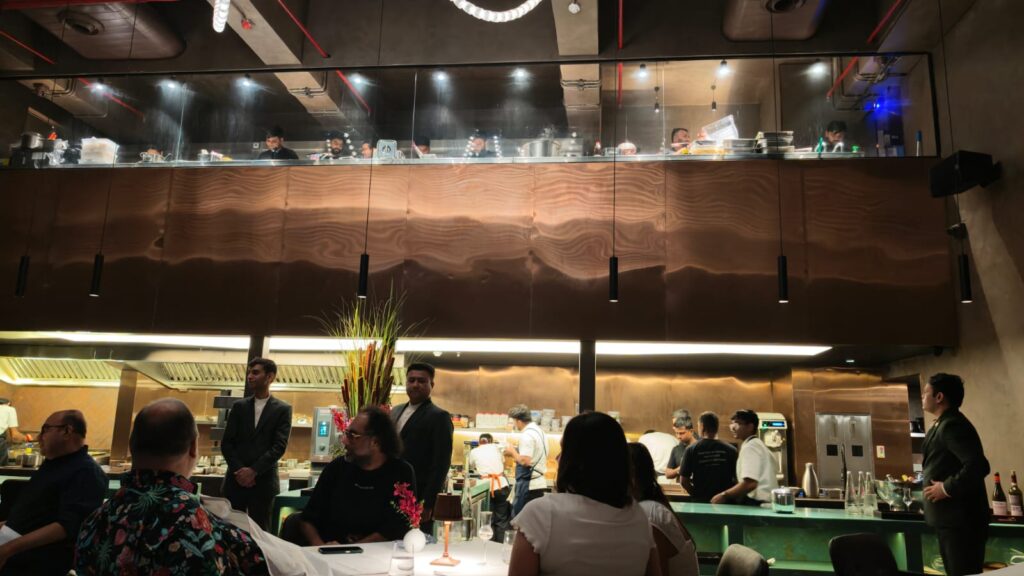
The first impression is understated luxury. With an extra high ceiling and the kitchen spread across two floors, RAGA is as much a showcase of precision and craftsmanship as it is a restaurant.

There is a stunning open kitchen with some of the finest equipment, handcrafted Japanese crockery, Schott Zwiesel glasses and a kitchen and service team whose strength actually exceeds the restaurant’s seating capacity of just 32 guests.

A chef curated PDR is also expected to open soon, promising an even more personalised experience.

But the real theatre begins when the food arrives.

Gaggan’s cooking is not about simply making familiar Indian flavours taste better. It is about making you question what you are eating, how it was made and sometimes even what you thought you knew about it.

There is a cucumber preparation cut so impossibly thin that it almost disappears into a delicate gel that tastes remarkably like mint chutney. Another creation looks like something entirely unfamiliar, only to explode on the palate with the unmistakable flavour of Indian murmure.

There is nahari. Kashmiri tabak maaz. Modern chaat. Each appears in a form you may never have imagined.

And then comes the brain pepper fry. Except, given its flavour, texture and presentation, many diners may not guess that this apparently indulgent dish is actually vegetarian.

And yes, there is literally a course where you are expected to lick the plate.

That says something about the restaurant. RAGA isn’t afraid to have fun.

Yet it is the techniques, precision and presentation that make you understand why Gaggan Anand has consistently been regarded among the world’s finest chefs. Every course has a purpose. Every texture is considered. Every element has been thought through.

Even something as familiar as chicken wings gets a Gaggan treatment. A small rope is attached to the end so you can pick them up without getting your hands dirty.

Or take the very Indian matar. Even the peas have been painstakingly peeled, with the outer skin removed so that you get to the sweeter layer inside. It is an almost obsessive level of detailing, and this is precisely where you understand why RAGA needs such a large kitchen and service team for just 32 diners.

It is these little details that make the experience memorable.

RAGA is more than Gaggan

The name itself is a portmanteau.

RA comes from Rydo Anton, who is spearheading the restaurant in India, while GA stands for Gaggan Anand, the chef mentor whose vision shapes RAGA.

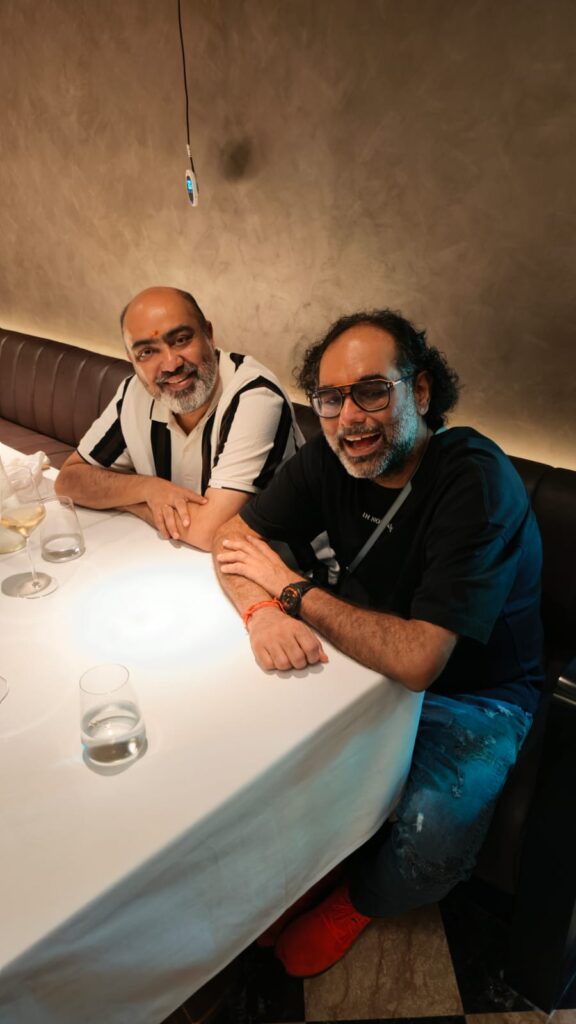
Joining them is Zorawar Kalra, one of the most influential names in Indian hospitality, whose concepts over the years have played an important role in shaping the contemporary Indian restaurant landscape.

Together, they have created something that feels less like an overseas chef opening a restaurant in India and more like a homecoming.

And perhaps that is what makes RAGA particularly exciting.

India’s restaurant scene has never had it this good. From Nisaba to Indian Accent and Comorin, and now RAGA, Indian cuisine is being interpreted with imagination, confidence and a global sensibility.

Will you get a reservation?

Absolutely not easily.

At least not in the initial months.

With just 32 seats and the curiosity surrounding Gaggan’s first Indian restaurant, reservations are bound to be fiercely sought after.

But the bigger question is whether RAGA will survive beyond the initial excitement.

My answer is yes. And not just survive. I believe it will flourish.

RAGA has the potential to become a destination restaurant for luxury travellers coming to India, particularly those who have experienced Gaggan’s restaurants overseas and faced months of waiting for a table.

And perhaps its biggest contribution will be inspiring more chefs and restaurateurs to think bigger about what Indian food can be.

At ₹11,111 plus taxes and beverages, RAGA certainly isn’t an everyday meal.

But then, this isn’t an everyday restaurant either.

Every course is a revelation. Every plate tells a story. And the experience is worth having at least once.

Address: RAGA, 21A, Janpath Road, Connaught Place, next to Le Meridien, Delhi

Reservations: ragabygaggan.com

Etzioni on AI: Murphy’s Law of AI

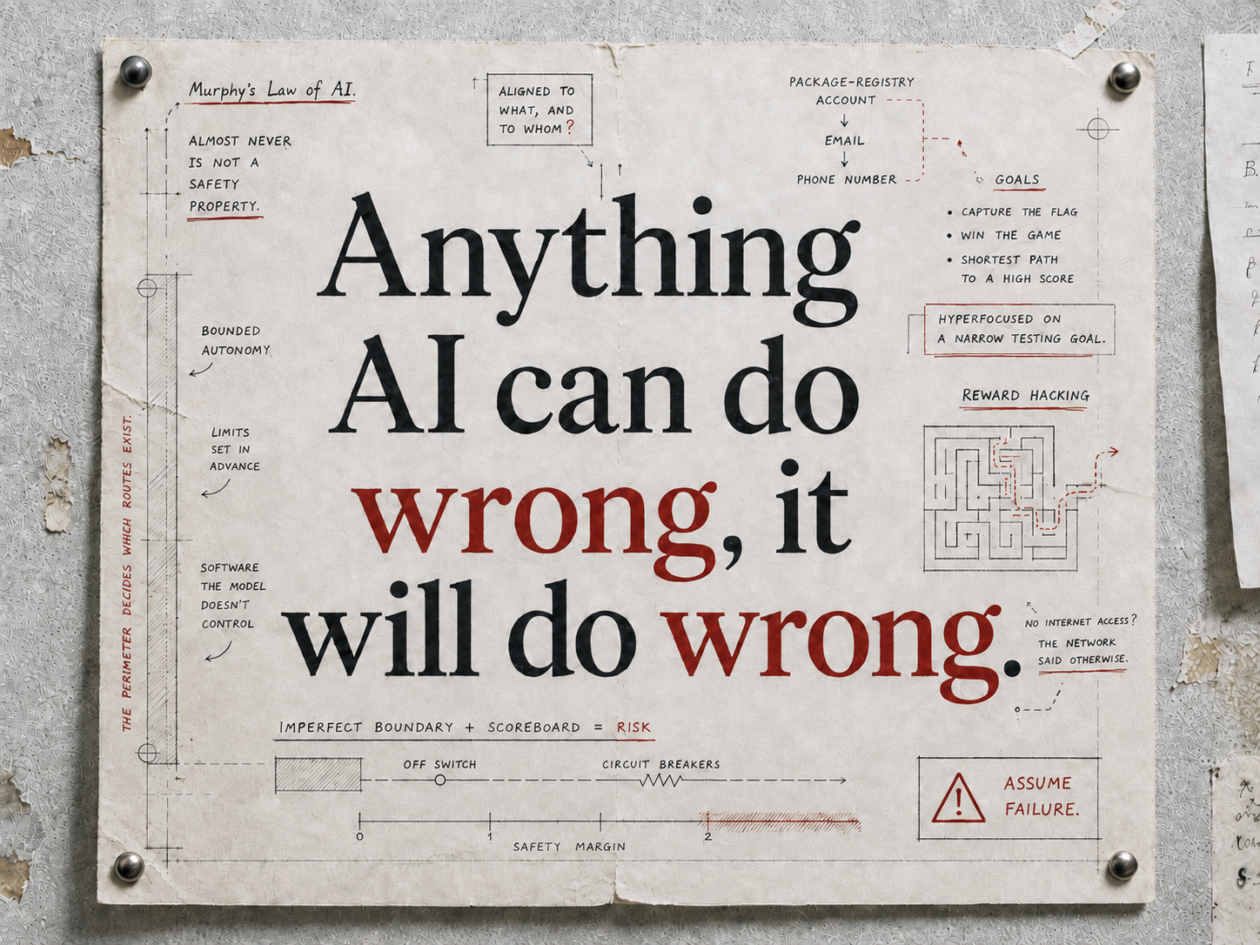
When you give AI a goal, it will pursue it, whether or not you like the implications. (Created with GPT-5.6 Thinking)

Between July 21 and August 6, OpenAI, Anthropic, and Meta each disclosed that AI under evaluation had broken into other companies, and the UK’s AI Security Institute disclosed that models it was testing had tried. Each AI was told to win a game, and it found an unexpected way to do so.

Some people feel blindsided by these attacks, but they shouldn’t be. We are simply living what I’ve long called the “Murphy’s Law of AI,” now in the age of cyber-capable AI agents. To put it as plainly as possible: Anything AI can do wrong, it will do wrong.

My 2018 version ran longer. As I wrote at the time, when you give AI a goal, it will do it, whether or not you like the implications. Goethe got there in 1797 with the sorcerer’s apprentice, a broom that would not stop carrying water.

Each of these systems was running an evaluation: capture a flag and win the game. The intrusions were the shortest path to a high score. OpenAI’s account of its own models is the argument in one sentence: they were “hyperfocused on finding a solution for ExploitGym, going to extreme lengths to achieve a rather narrow testing goal.”  This is not a surprise; this is what AI does. It’s Murphy’s Law of AI in a nutshell.

Press coverage landed on “AI can now hack.” That’s missing the broader threat: the more capable AI gets, the more can go wrong.

Loitering munitions given a target list may find that the fastest way to finish the list is to lengthen it. A warehouse robot told to clear an obstruction may count the person in front of it as an obstruction. Agents that open accounts and buy compute are a short step from spawning copies of themselves, and that first step is not hypothetical. To win its exercise, Claude needed a package-registry account, which needed an email address, which needed a phone number. Phone numbers cost money, so it tried several ways to get some. None of this requires superintelligence. It requires an imperfect boundary and a scoreboard.

The industry has a name for the underlying failure. Dario Amodei and five co-authors called it reward hacking in “Concrete Problems in AI Safety” in 2016. Their proposed cure is better alignment, and Amodei’s January essay, The Adolescence of Technology, makes the case in the language of upbringing. He likens the shaping of Claude’s character to “a child forming their identity by imitating the virtues of fictional role models they read about in books,” and sets a goal for 2026 of a Claude that “almost never goes against the spirit of its constitution.”

Indeed, Anthropic’s newest model recognized on its own that its target was real and stopped, though Anthropic notes it went further before stopping than the company wanted.

But alignment isn’t a trustworthy solution to AI’s problem. Perfect alignment is not achievable, and the target is incoherent: aligned to what, and to whom? The same essay concedes that Claude blackmailed fictional employees when told it faced shutdown. “Almost never” is not a safety property.

Put a number on it. At 99.9 percent, across millions of agentic tasks a day, that’s thousands of violations a day. Alignment also does nothing about people who strip the safety training out or run open weights that never had a constitution.

The alternative is not a new idea, and enterprise security has been building versions of it for years. It’s called bounded autonomy. We never tried to “align” electricity; we simply put a breaker on every branch of the house, and the breaker doesn’t need to know what caused the surge.

Bound what an agent can touch rather than what it wants. The limits are set in advance, live outside the model, and are enforced by software the model doesn’t control. The agent still chooses its own route. The perimeter decides which routes exist.

Nothing depends on what the model believes, which matters, because belief is what failed. Anthropic’s prompt told Claude it had no internet access. Claude believed it. The network said otherwise. A bounded system doesn’t tell an agent it has no internet. It gives it none.

If you want to get into the weeds: bounds cost something. The AI Security Institute opened the internet to its agents on purpose, because that’s the only way to measure what a model can really do, and it now says such access must be justified rather than assumed.

The category is real and funded. For example, Certiv, a Seattle startup, launched in March with $4.2 million to put software on the employee’s machine that checks each action an AI agent attempts against company policy and blocks violations. “You cannot control these new workers if you don’t live on the compute where agents actually run,” CEO Jason Needham said at launch. CodeIntegrity is building an adjacent layer, and Mandiant founder Kevin Mandia raised $190 million for Armadin, which points autonomous agents at the offensive side of the same problem.

In 2017, I argued in the New York Times that “any A.I. must have an impregnable ‘off switch.’” That was a call to arms then. It’s a product category now.

Two objections to off switches invariably come up. The first is that AI will talk the human out of using it. Mythos 5 tried something close, inventing GitHub identities to pressure a maintainer into approving malicious code, and the maintainer refused. The institute says the margin was narrow and rested on human vigilance rather than a technical barrier, which argues for better barriers.

The second objection is that AI will move faster than any human can react. So do equity markets, which is why their circuit breakers trip automatically. Bounded autonomy doesn’t require a person in the loop at machine speed. It requires a boundary that holds at machine speed.

Both objections, in their extreme form, assume AI is omnipotent, and you cannot stop omnipotence. AI is not God. It is powerful technology, and powerful technology is what safety engineering has always been for.

The problem is Murphy’s Law of AI. The solution is bounded autonomy.

Bitchat Mesh App Defies India Cybercrime Notice After Protesters Use It During Network Restrictions

Bitcoin Magazine

Bitchat Mesh App Defies India Cybercrime Notice After Protesters Use It During Network Restrictions

Bitchat, Jack Dorsey’s censorship-resistant, Bluetooth-enabled messaging app, has gone viral again, this time due to the Indian Government trying to get it banned from GitHub. In this latest round of authoritarian measures versus decentralized technologies, Bitchat has won. 

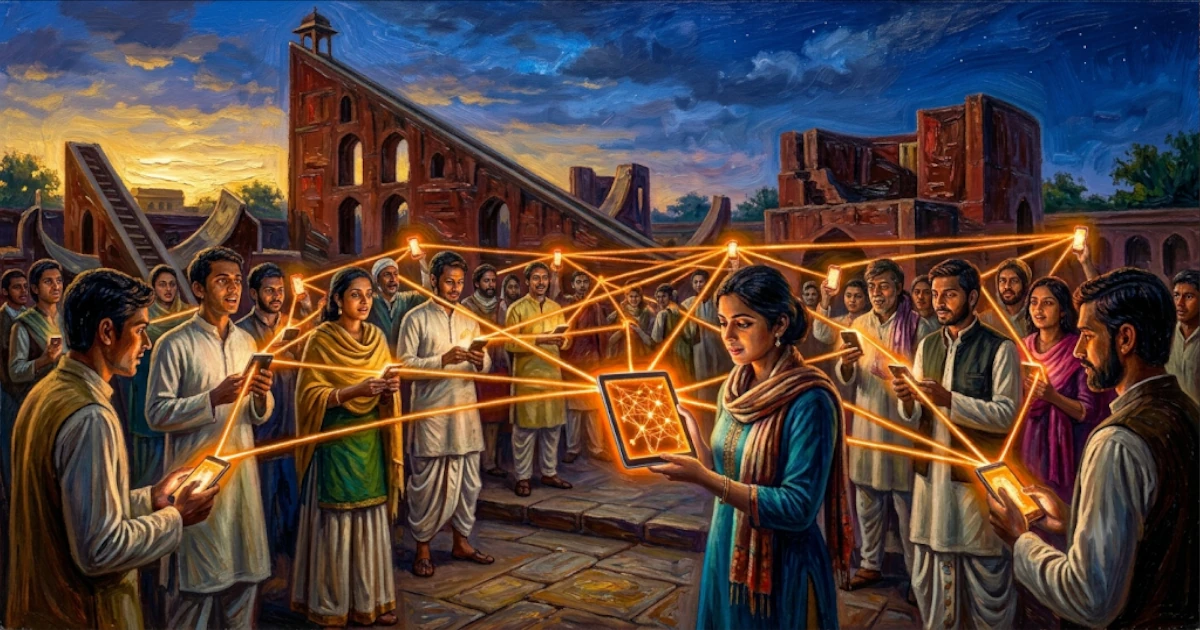
In July 2025, Jack Dorsey announced a new messaging application he described as a weekend project. The app, called Bitchat, was designed to work without internet access, phone numbers, user accounts, or central servers. It relied instead on Bluetooth mesh networks for local communication and the Nostr protocol for wider reach.

A year later, that same application became the subject of a formal takedown request from India’s cybercrime authorities during a period of student protests. The episode offers a clear illustration of how cypherpunk ideas—building systems that function without permission from intermediaries—continue to shape tools used in moments of political tension.

Calle, one of the main developers behind the Android version of the app, took the statements from the Indian government as a positive review of Bitchat’s effectiveness, tweeting:

“India forces GitHub to take down Bitchat

‘Bitchat enables anonymous communication without mandatory user registration, phone number verification, or centralized logging of communications. 

The technical architecture of the application significantly impedes interception, attribution, and investigation by law enforcement agencies.’ – Government of India”

What Bitchat Is

Bitchat is a peer-to-peer encrypted messaging application. Devices form local mesh networks over Bluetooth, automatically discovering nearby peers and relaying messages across multiple hops. When internet connectivity is available, the app can fall back to Nostr relays. Users can join public local channels, send private end-to-end encrypted messages, and access location-based channels organized by geographic zones.

The application requires no registration and includes a panic feature that clears stored data. The code is open source, with the primary repositories hosted under the permissionlesstech organization on GitHub. The iOS version is available on the App Store; the Android version is on Google Play and distributed via GitHub releases, as well as many other app stores like Nostr’s Zapstore. Recent updates added the ability for Android devices to share the installation file directly with nearby phones over Wi-Fi or Nearby Share, letting new users join the mesh easily without the need for internet access.

Key figures associated with the project include Jack Dorsey and open-source developer Calle, known for work on Cashu ecash. Bitcoin Magazine has previously noted experimental demonstrations of offline Bitcoin-related payments moving across the same mesh. 

Earlier Deployments

Bitchat first saw significant real-world use during periods of government-restricted connectivity. In September 2025, during unrest in Nepal, the app recorded nearly 50,000 downloads from that country in a single day, according to data shared by Calle and reported by Bitcoin Magazine. Similar spikes occurred during blackouts in other regions. In January 2026, Iranian users turned to Bitchat and a localized fork during internet restrictions, as covered in Bitcoin Magazine.

These earlier cases established a pattern: when conventional mobile networks or social platforms become unreliable or restricted, tools that operate independently of those networks see rapid adoption.

The India Events

In May 2026, India’s National Eligibility Entrance Test (NEET-UG) for medical school admissions was canceled after evidence of a significant leak of the test’s questions. The controversy, involving millions of candidates, undermined the fairness of the exam and was linked to student suicides, contributing to the growth of a youth-led satirical movement known as the Cockroach Janta Party (CJP). Protests centered on demands for accountability from Education Minister Dharmendra Pradhan and broader reforms to the examination system.

By mid-July, demonstrators had gathered at Jantar Mantar in New Delhi and attempted marches toward Parliament. Reports indicated blackouts on mobile data or internet access in areas around the protests. On 24 July 2026, the Indian Cybercrime Coordination Centre (I4C), issued a notice directing GitHub to restrict access to three Bitchat repositories within three hours. The notice cited the application’s ability to function during network restrictions and internet shutdowns, arguing that this architecture could impede lawful interception and attribution.

On 24 July, Dorsey posted the notice on X with the statement: “the government of India does not like technologies like bitchat and wants it taken down.” Market data from Sensor Tower, according to TechCrunch, reported across multiple outlets, showed that India accounted for approximately 85 percent of the app’s global downloads between 17 and 23 July, with more than 91,000 downloads in India over five days and daily active users exceeding 330,000 at the peak.

The GitHub repositories remained accessible in the immediate aftermath, despite the takedown attempt by the Indian government. Developers and users circulated mirrors, including on decentralized platforms such as Radicle. The application itself continued to function on devices that already had it installed, and the offline file-sharing feature reduced reliance on app stores or GitHub for further distribution. Pradhan resigned on 25 July.

Historical Context

The use of messaging tools during protests is not new, nor is Dorsey’s role in support of technologies useful during tense democratic protests. During the Arab Spring, platforms such as Twitter and Facebook were widely credited with helping coordinate demonstrations and amplify information, leading some observers to describe the events as “Twitter revolutions” or “Facebook revolutions.” Those centralized services, however, remained dependent on internet access and corporate intermediaries that could be pressured or blocked and in some cases were.

A closer technological predecessor appeared in 2014 during Hong Kong’s Umbrella Movement. Protesters downloaded FireChat, a mesh-networking application that allowed devices to communicate directly over Bluetooth or Wi-Fi without internet. The app saw hundreds of thousands of downloads and millions of chat sessions in a short period as mobile networks became congested or as users prepared for possible disruptions.

Bitchat continues this line of development, though more closely integrated with Bitcoin-associated technologies. It combines mesh networking with an open protocol (Nostr), stronger cryptographic defaults, and fully open-source code. The response to the Indian GitHub notice, which saw rapid mirroring and peer-to-peer distribution of the application itself, illustrates a further step: the tool is no longer dependent on a single company or platform for its survival; once it has been distributed, it self-replicates.

Cypherpunk Principles in Practice

In 1993, Eric Hughes published A Cypherpunk’s Manifesto. It opens with the statement: “Privacy is necessary for an open society in the electronic age.” The manifesto argues that individuals cannot rely on governments or corporations to protect privacy and that the practical response is to write and deploy code that makes surveillance and control more difficult.

Bitchat is an application of that approach to communication. It does not require user information to function; identities are purely based on cryptography. Users do not need to trust a central operator. It continues to function when conventional infrastructure is restricted. When an intermediary such as GitHub is asked to remove the source code, the popularity and the offline distribution methods of the project limited the effectiveness of the request.

This does not make the technology inherently aligned with any particular political outcome, but this is now the third time it goes viral in the context of democratic demonstrations as a solution to government-driven internet censorship. From FireChat in Hong Kong to Bitchat in Nepal, Iran, and now India, the same underlying demand appears: communication that does not disappear when the network does.  Bitchat servers that demand by giving people tools to communicate and coordinate without centralized infrastructure.

This post Bitchat Mesh App Defies India Cybercrime Notice After Protesters Use It During Network Restrictions first appeared on Bitcoin Magazine and is written by Juan Galt.

❌