 Login

Cybersecurity’s Black October: How to protect yourself
Each day brings news of another AI-powered attack, or a newly discovered vulnerability. Here’s what’s happening and how ordinary people can protect themselves online.

Each day brings news of another AI-powered attack, or a newly discovered vulnerability. Here’s what’s happening and how ordinary people can protect themselves online.

Former Morgan Stanley and Weiss executive Jordi Visser says AI agents are boosting demand for crypto as he expands his holdings beyond Bitcoin, Ether and Solana.

Similar to the Hugging Face hack, Ethereum researchers have set up an AI Agent message board to help rescue the Glamsterdam fork. ‘Steal My Bitcoin’ site successfully hacked.
Bitcoin Magazine
The Sleeper Has Awakened: Pepenardo’s Sleeping Knights Return
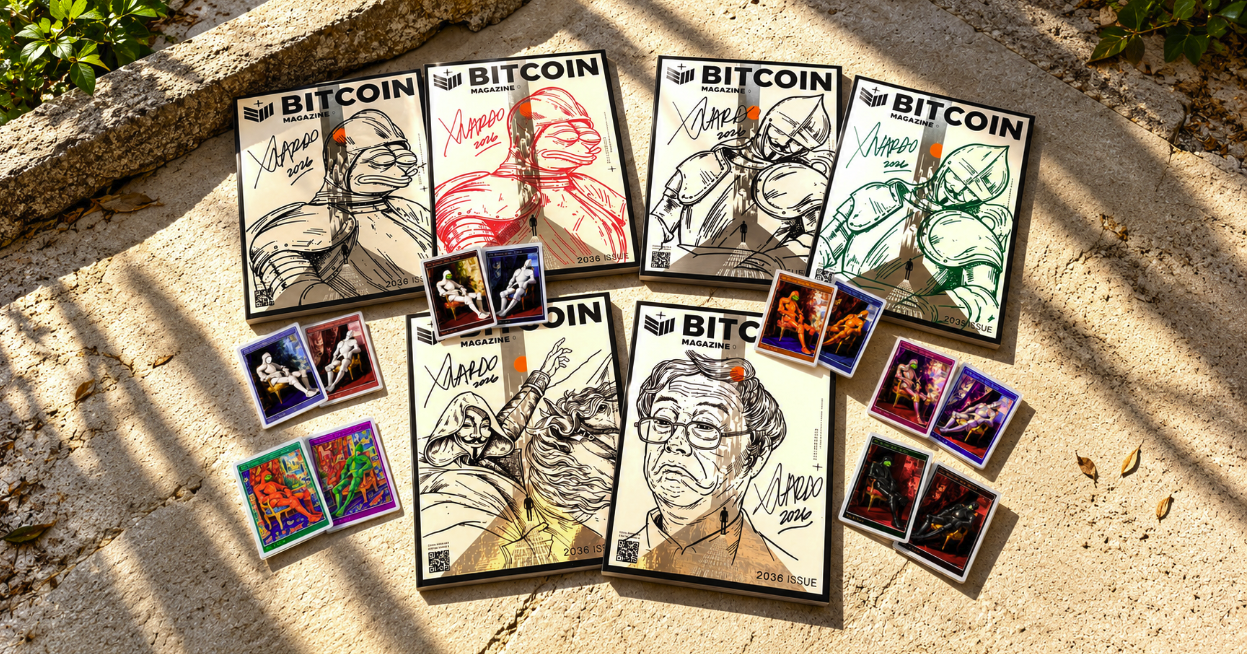
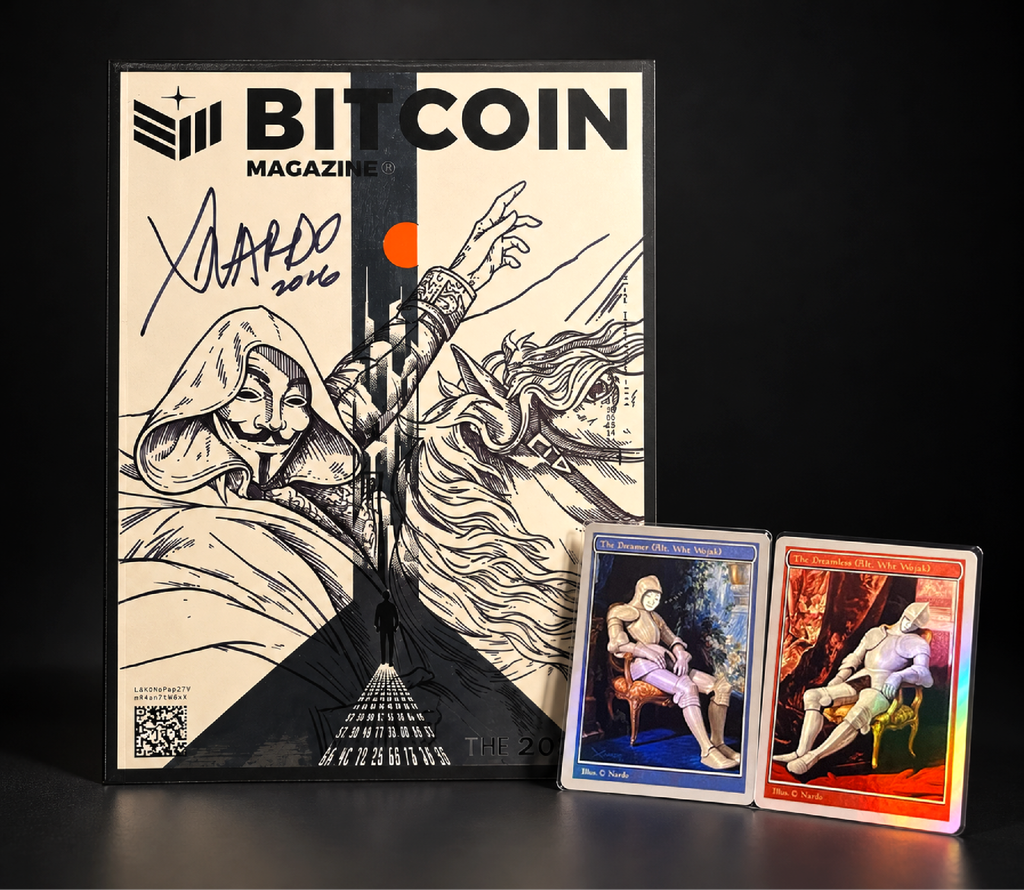
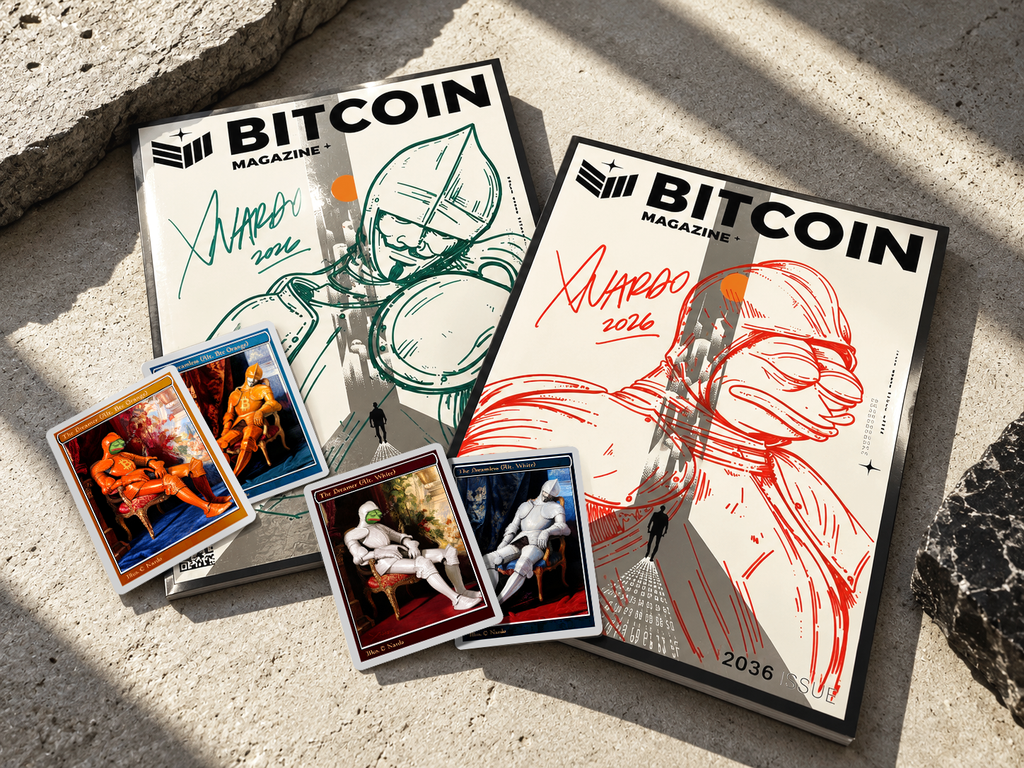
Pepenardo has transformed six copies of Bitcoin Magazine’s 2036 Issue into original artworks, drawing directly onto the covers with a Sharpie. The hand-altered editions feature familiar characters from his visual universe, including the Sleeping Knights, previously exhibited at the BMAG Museum in Nashville and Bitcoin 2026 in Las Vegas. Other imagery includes the masked rider of FAKEGENESIS, Dorian Nakamoto, and Pepe the Frog.
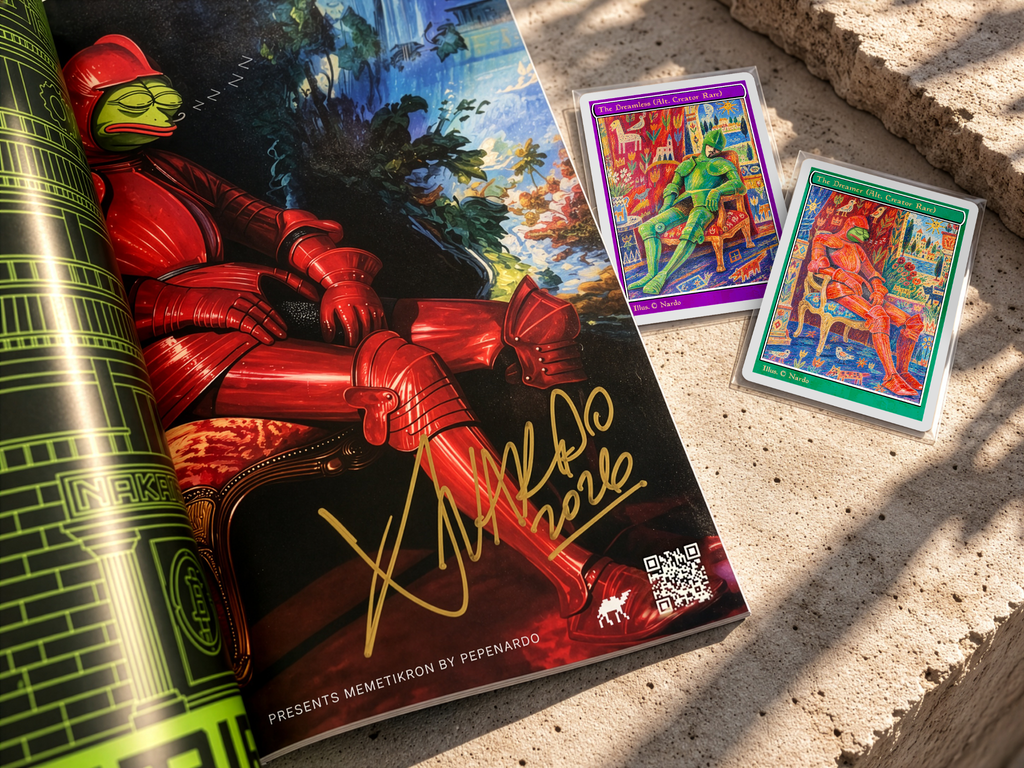
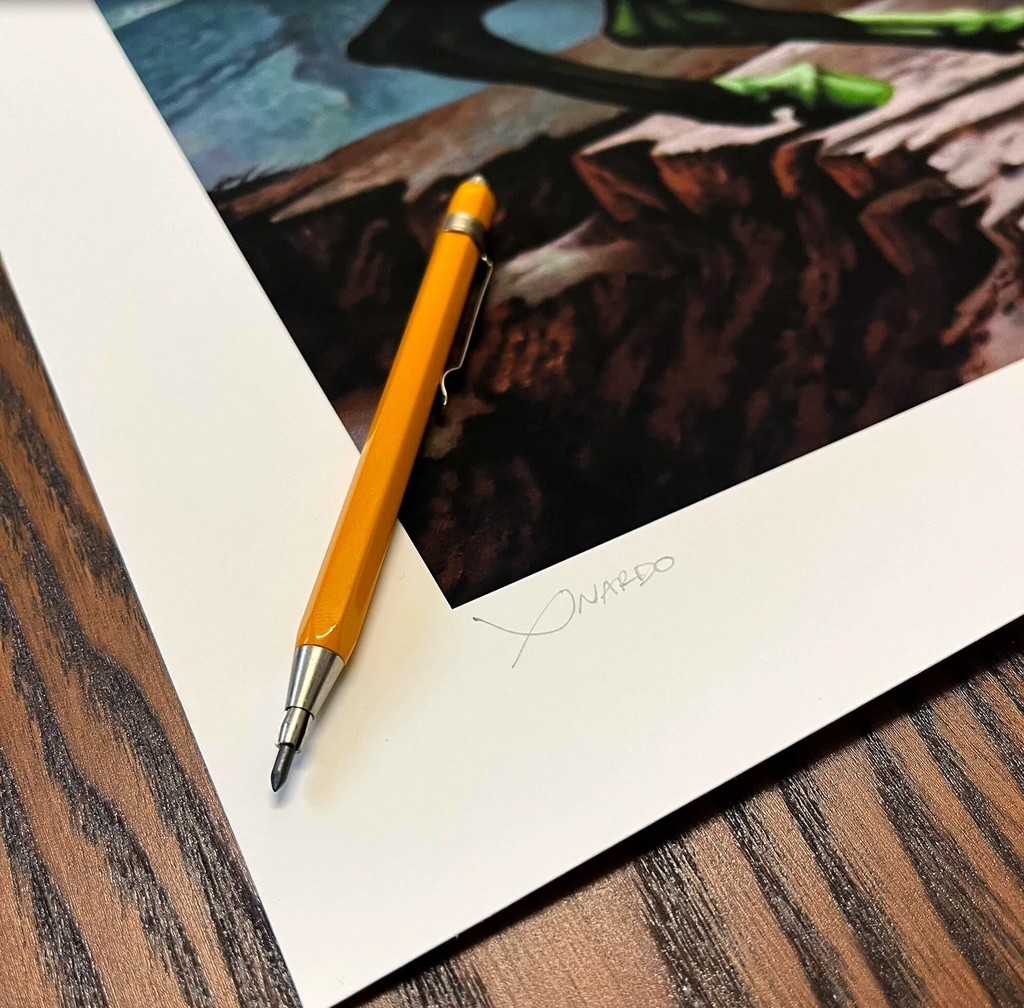
Each magazine features the artist’s signature on its illustrated cover and an additional gold-ink signature on an interior spread reproducing his painting THE DREAMER. Each is paired with two original, one-of-one trading cards created for the collaboration.
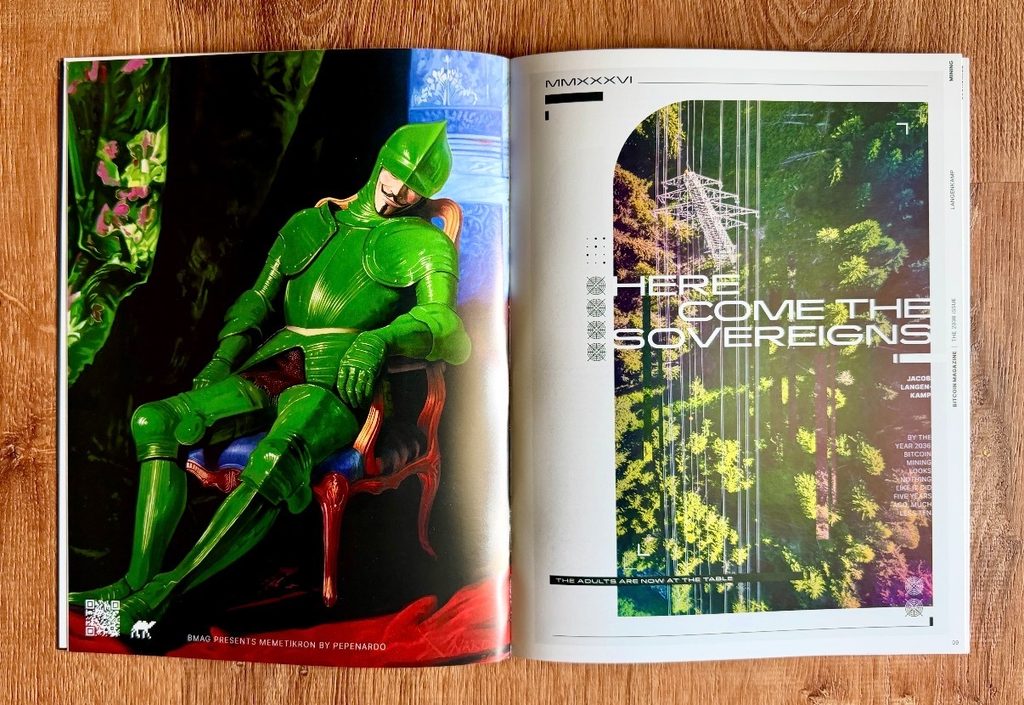
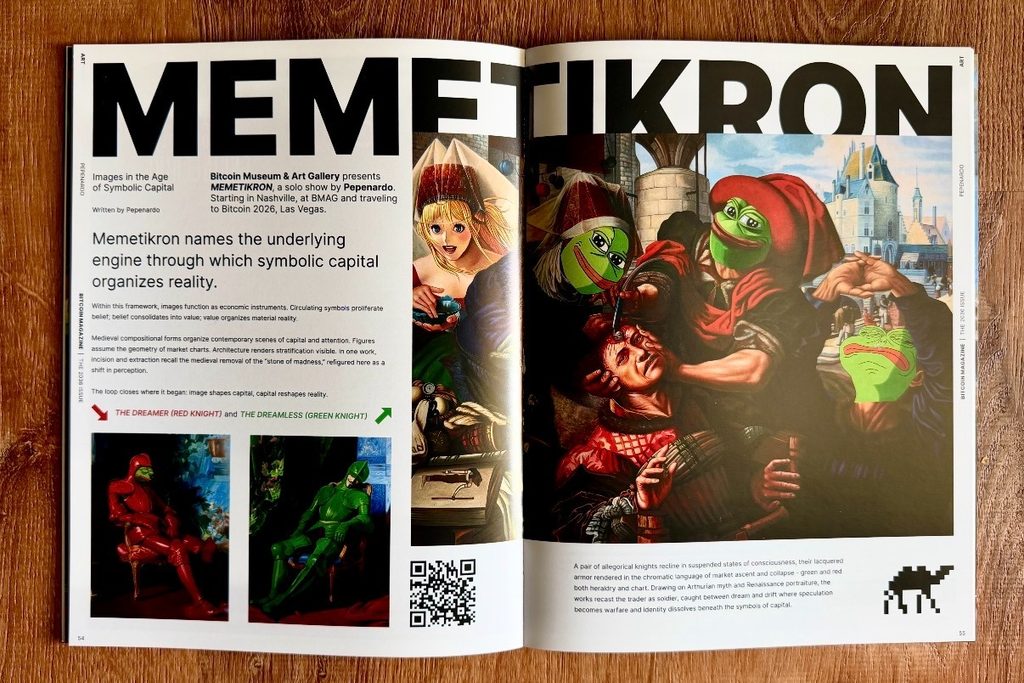
The project reflects BTC Inc.’s growing interest in art, publishing, and collectibles, building on Pepenardo’s MEMETIKRON exhibition at Bitcoin 2026, where THE DREAMER (RED KNIGHT) and THE DREAMLESS (GREEN KNIGHT) became highlights of the BMAG auction.
The two oil paintings, each measuring 30 × 39.5 inches, depict reclining knights in red and green armor, referencing financial markets and historical portraiture. Both sold for 0.32698802 BTC (approximately $26,500 each), attracting a combined 197 bids. Their imagery now reappears in artist-made trading cards featuring alternate colorways, remixed compositions, and hand-painted Creator Rare editions inspired by traditional textiles.
Amid a booming trading card market, Pepenardo’s work bridges painting and handheld collectibles, where scarcity, provenance, and variation shape value. His relationship with this market began well before the Sleeping Knights.
In 2023, his painting FAKEGENESIS, a reinterpretation of Jacques-Louis David’s Napoleon Crossing the Alps featuring a masked rider on a green horse, sold at the Bitcoin Conference in Miami for 1.625 BTC. Originally created as a Fake Rares card in 2022, the composition became an early landmark for physical Bitcoin art, demonstrating the growing collector interest in artwork emerging from Bitcoin’s meme culture.
FAKEGENESIS later appeared on the back cover of Bitcoin Magazine, with prints available through the publication’s store. Its return as a hand-drawn magazine cover completes an unusual progression from trading card to painting, printed reproduction, and original collectible.
Bitcoin Magazine itself has a collecting history dating to its first issue in May 2012, co-founded by Mihai Alisie and Vitalik Buterin. At a bitcoin event in London in September 2012, seven copies of the inaugural issue were signed by more than 20 early bitcoin figures. One attracted a winning bid of 7 BTC, although the buyer never completed the purchase or collected the magazine.
Early issues have since become sought-after historical artifacts, with graded copies and rare editions attracting collectors. In 2023, Bitcoin Magazine introduced the Genesis Box, a limited edition of 21 collector’s sets containing the publication’s first 22 issues, each housed in protective acrylic cases.
Much like early exhibition catalogs, first-edition books, and concert posters, Bitcoin Magazine has developed value beyond its original publishing purpose. Pepenardo’s customized covers extend that history, turning the publication itself into a one-of-one artwork.
I spoke with Pepenardo about his paintings, trading cards, and evolving relationship with Bitcoin Magazine, and with Mark Mason, Head of Media at Bitcoin Magazine, about the historical significance of the publication and its growing collector market.
BMAG: This collaboration came together quickly after you noticed the blank space on the cover of the Bitcoin Magazine issue featuring your work. What inspired you to turn these magazines into original artworks, and how do you see them fitting alongside your paintings and trading cards?
Pepenardo: I couldn’t help but notice that welcoming blank space on the cover. It seemed like an obvious place for a drawing. Coincidentally, I came into Bitcoin through watching the energy around trading cards on Counterparty, from 2016 all the way to the present. Hal Finney foreshadowed this ethos in his famous 1993 email titled “Crypto trading cards.” Of course he was talking about digital collectibles, but the principle stays the same. Bitcoin’s history has a magnetic pull on collectibles; people want to hold on to a fragment of such an important modern history. When we look back fifty years from now, the content and the artifacts that came out of the movement will help future generations make sense of Bitcoin’s tremendous timeline.
BMAG: The two knights, THE DREAMER and THE DREAMLESS, began as oil paintings exhibited and sold at Bitcoin 2026 in Las Vegas. They have since appeared in Bitcoin Magazine and now as original trading cards with different variations. How does the meaning of these characters change as they move between painting, publication, and collectible card? What rules guide your remixed versions, and were you surprised by how quickly the cards sold out?
Pepenardo: I was shocked at how quickly they went. I have no words. But it certainly reinforces that what I’m attempting to create and build with my work has some value. Being able to use the trading cards as a way to remix the original works lets me enrich the life of each painting. The mediums are different – oil on canvas for the paintings, various print methods for the trading cards – but the tedious care that goes into executing both is the same.
BMAG: FAKEGENESIS became a defining work in your career, moving from Fake Rares into an original painting that attracted significant attention at Bitcoin 2023 in Miami. Looking back, what do you remember about that moment, and how did it change your practice and the audience for your work?
Pepenardo: FAKEGENESIS will always be the pivotal work that showed me how I should properly approach my art. I knew that even before it sold. It is a painting that embeds the tropes of Bitcoin’s ethos without being too obvious. Art within the context of Bitcoin shouldn’t have to throw a big B at you all the time; it should give you the fiery sensation of standing inside a new history being built. My hope is that it is remembered as a work that represents an entire movement – onwards and upwards.
BMAG: Bitcoin Magazine’s earliest issues have become historical artifacts in their own right, from signed copies of Issue 1 and graded editions to the Genesis Box collection. Even figures like Michael Saylor have signed covers featuring themselves for charity auctions. What gives these publications their enduring collectible value, and how do you see artist-customized covers like Pepenardo’s fitting into that history?
Mark Mason: For over a decade, Bitcoin Magazine has documented the evolution of Bitcoin, from its early technical developments to the people and culture surrounding it. We see each physical issue as a time capsule, capturing a particular moment in Bitcoin’s journey toward hyperbitcoinization.
One of the biggest factors driving their collectible value is that we never reprint past editions. Each issue has a limited print run, creating a finite supply that has made early editions, graded copies, and signed covers increasingly sought after by collectors.
Bitcoin has always existed at the intersection of technology, economics, and culture. Artist-customized covers like Pepenardo’s take that relationship a step further, transforming an already collectible publication into an original artwork. It’s an extension of what Bitcoin Magazine has become: both a record of Bitcoin’s history and an artifact of that history itself.
Pepenardo’s custom magazine covers and trading card sets sold out shortly after launch, with all six one-of-one editions finding collectors. Additional works remain available, including MASTER CUTS OUT THE STONE (after Hemessen), the centerpiece painting from Pepenardo’s MEMETIKRON exhibition, which traveled from the BMAG Museum in Nashville to Bitcoin 2026 in Las Vegas.
Collectors can also explore FAKEGENESIS prints and the Genesis Box, a limited-edition collector’s set preserving the publication’s first 22 issues from 2012–2014.
The Bitcoin Museum & Art Gallery (BMAG) organizes international exhibitions, auctions, and artist collaborations exploring Bitcoin and its cultural implications. Explore available works from Curtis William Readel’s exhibition Paper Money, along with additional prints, original artworks, and collectibles.
BMAG returns to Bitcoin Amsterdam, November 4–6, 2026, featuring European artists exploring money, power, and Bitcoin. Read more in The Architecture of Money and The Undercurrent. Use code BA26-BMAG20 for discounted admission.
This post The Sleeper Has Awakened: Pepenardo’s Sleeping Knights Return first appeared on Bitcoin Magazine and is written by Dennis Koch.
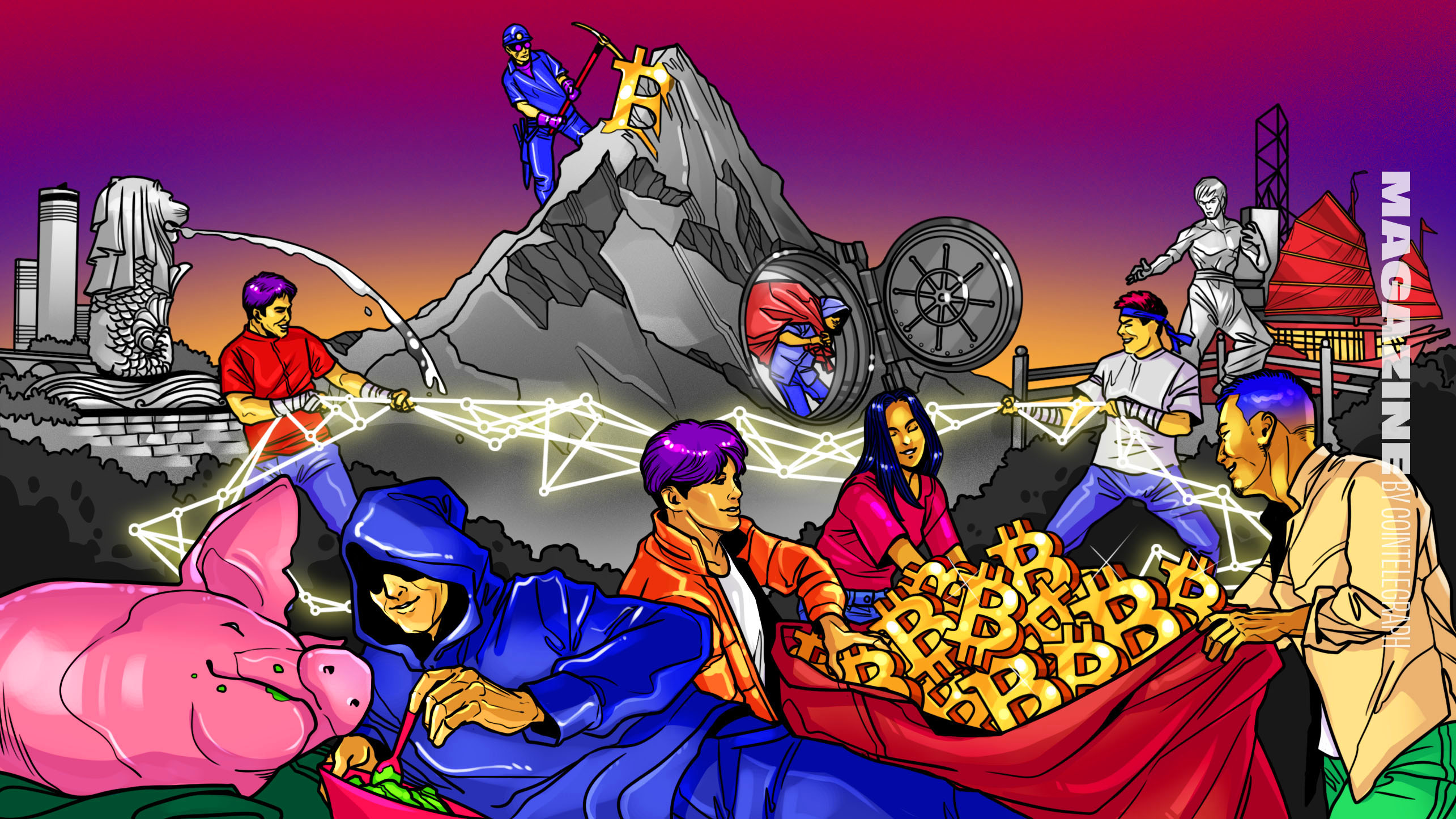
DeepSeek banned from US federal civilian agencies over spying fears. Singapore firm behind Europe’s only spot Bitcoin ETF, as Switzerland partners with Vietnam on crypto tech.
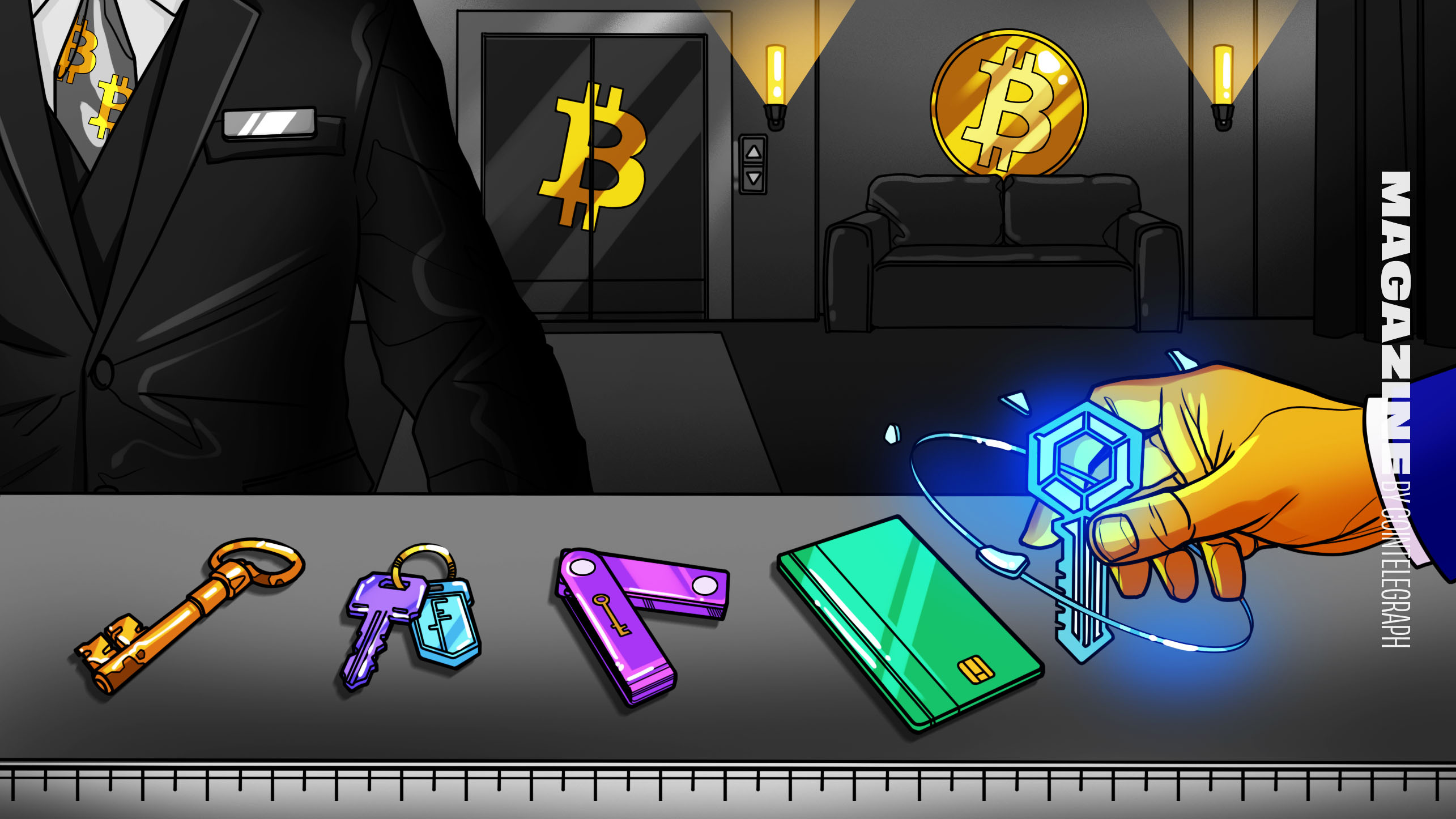
Hardware wallets aren’t the only way to protect your crypto, but from ETFs and passkeys to multisig accounts, each alternative has its own risks and trade-offs.

The Animoca Brands chairman explains that AI agents can make trades while you sleep, but users need to plan for the day they lose access to the bots.

A proposed US bill would let crypto investors correct past tax reporting mistakes through a dedicated disclosure program, with reduced penalties for eligible taxpayers.

HEX founder Richard Heart detained in early morning raid in Istanbul, Starknet plunges almost 50% as it votes to become an L1, and Bitwise says all signs point to Crypto Spring.

A scammer reportedly lost $4.8M of stolen money after storing the funds on tampered Ledgers. Bitcoin and Ether ETFs launch trading in Thailand and South Korea blocks 27 exchanges.

Seattle-area innovators made a strong showing on Time’s 2026 Best Inventions list released Thursday, claiming spots for breakthroughs ranging from a tactile sports tablet for low-vision fans to an ultrasonic chef’s knife.
The annual roundup — featuring 300 innovations, with Apple CEO John Ternus and the new iPhone Duo gracing the cover — includes startups like Yoodli, Tin Can, and OneCourt, alongside major regional hardware operations like SpaceX’s Redmond-based Starlink team and Bellevue’s Valve.
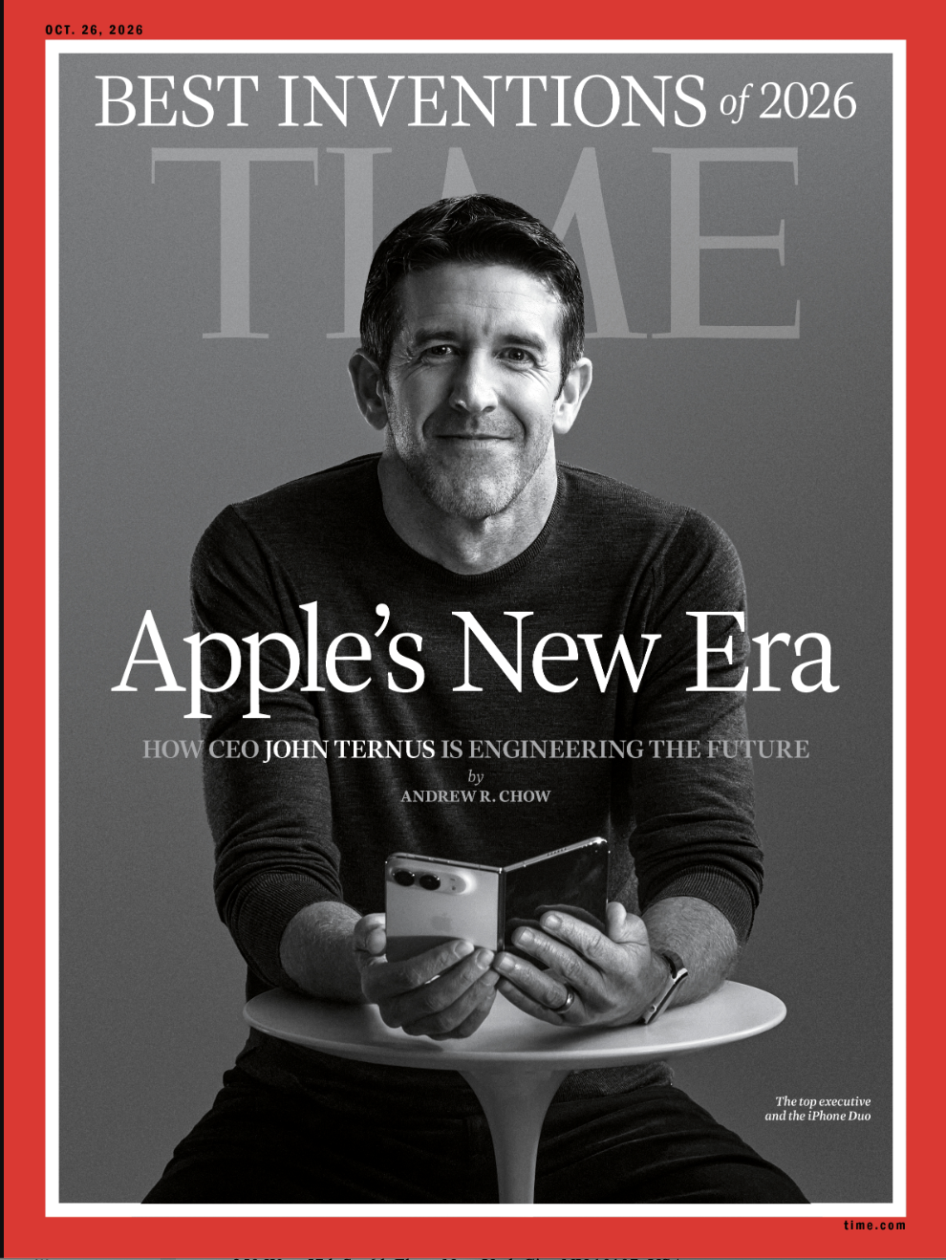
While the main headline focused on Apple’s leadership transition and new flagship hardware, the Pacific Northwest’s outsized presence on this year’s list highlights the region’s growing influence across everything from consumer AI and assistive hardware to outdoor gear.
Among the region’s tech giants, Amazon landed two spots on the list, for both its Amazon Pharmacy Kiosk in the medical category and its voice-directed Proteus warehouse robots in logistics. But Microsoft was shut out entirely, missing a placement in both the main 300 list and special mentions.
“These are creations changing how we live, work, play, and think about what’s possible,” Time’s editor’s wrote, adding that each contender was evaluated on key factors, including originality, efficacy, ambition, and impact.
Here’s a breakdown of regional innovations honored by Time:
OneCourt (Accessibility): Developed a tactile tablet that translates real-time player and ball data into physical vibrations, allowing blind and low-vision fans to track live sports action with their fingertips.
Yoodli (Education): Recognized for its AI platform for human skills, which uses realistic AI roleplays and real-time coaching to help users build and practice workplace communication skills.
Tin Can (Parenting): Earned a spot for its landline-style home phone built specifically for kids, offering a safe way for families to stay connected without screens.
Seattle Ultrasonics C-200 (Food & Drink): Created by Modernist Cuisine alum Scott Heimendinger, this ultrasonic chef’s knife vibrates tens of thousands of times per second to slice effortlessly through food.
SpaceX Starlink V5 (Connectivity): Engineered by SpaceX’s team in Redmond, the newest internet terminal is roughly 35% smaller and 52% lighter than its predecessor, making on-the-go satellite connectivity easier to mount and deploy.
Valve Steam Machine (Entertainment & Gaming): The Bellevue-based gaming giant made the list for its latest hardware push to bring PC gaming into the living room.
NBBJ (Architecture): The legendary Seattle-founded architecture firm was recognized for its design of the Life and Mind Building at the University of Oxford.
Pebblebee Halo (Privacy & Security): Created by the Issaquah-based startup founded by former Boeing engineers, earning a special mention for its latest tracking and safety hardware.
Therm-a-Rest NeoLoft (Outdoors): Honored for its ultra-comfortable sleeping pad, designed under Seattle-based parent company Cascade Designs.
Superfeet ME3D (Sports & Fitness): Selected for its personalized 3D-printed insoles, crafted by the Ferndale, Wash.-based footwear innovation company.
Several other Pacific Northwest companies made the cut. Three Vancouver, B.C., startups earned recognition: Moment Energy for its clean energy storage made from second-life EV batteries, Glüxkind for its AI-powered self-pushing stroller, the Rosa, and Form for its Smart Swim 2 Pro real-time coaching goggles. And in Oregon, Nike secured a spot in apparel for its innovative ACG cooling running shirt.
The Oct. 26 issue of Time goes on sale on Friday.

The SEC and the CFTC have issued a raft of pro-crypto rules recently. But will the rules hold up in court, and can they be easily rolled back by the “anti-crypto army”?

It’s the end of an era at Microsoft: Frank X. Shaw, the executive who oversaw the tech giant’s communications for nearly three decades, first at an external agency and for the last 17 years as one of its senior leaders, is leaving at the end of the year.
Shaw, 64, said he’s not retiring, although he doesn’t have another job lined up. He plans to stop working for a while, do some of the things he hasn’t had time for, and then decide what’s next.
“I have had a ringside seat at some of the biggest leadership, technology, and business transformations that have ever taken place,” Shaw said, sharing the news of his departure (under embargo) in a phone call Thursday afternoon. “I just feel incredibly fortunate.”
He said he had been discussing his potential departure for some time with Takeshi Numoto, Microsoft’s chief marketing officer, looking for the right moment.
Microsoft has not announced a successor for his role as chief communications officer. In a LinkedIn post, Shaw said the company will consider internal and external candidates.
A statement from Shaw’s colleagues in corporate communications credited him for his many years shaping Microsoft’s “voice and reputation with intelligence, candor and wit. His leadership and contributions to the company are too extensive to list, as is the number of journalists who have, at one point or another, used his name in vain.”
A former Marine Corps public affairs officer, Shaw has worked with all three of Microsoft’s CEOs. He started on the agency side, at Waggener Edstrom — now known as We. Communications — when Bill Gates was still running the company.
He built his reputation defending and advocating for Microsoft through some of its hardest stretches: the antitrust years, the Windows Vista backlash, the scramble to replace Steve Ballmer as CEO, and the weekend in 2023 when OpenAI’s board fired Sam Altman.
As the company’s top communications executive, he has also told the story of Microsoft’s reinvention under CEO Satya Nadella, from the LinkedIn and Activision Blizzard deals to an AI push that has carried Azure past $100 billion in annual revenue.
Evolving with technology: Shaw has spent much of his career closely watching the tech landscape and moving Microsoft’s voice into new channels as they emerged.
“We’re always thinking about what is the art and science of communications,” Shaw told PRWeek. “How do we reach our audiences most effectively in a changing environment?” He called the arc from print to radio and TV to social media and newsletters a “constant evolution of influence.”
He turned the corporate blog into a place where the company argued its own case, writing “Microsoft by the numbers” himself in 2010 — a stat-by-stat comparison against Apple and Google that TechCrunch dubbed “fantastic passive-aggressive.”
He and his team experimented with different and risky methods of telling the company’s story, holding mass briefings under embargo and publishing documents known as the “Book of News” in advance of its major keynotes and conferences. The prospect of a reporter having to answer to “fxs” was no doubt a factor in ensuring the news (mostly) didn’t leak.
Shaw hired Steve Clayton out of a technical role at Microsoft in London, where he had been blogging about the company unofficially out of frustration with how it was perceived, and made him chief storyteller. In the middle of the AI boom, Clayton and Shaw embraced the analog undercurrents in popular culture and launched Signal, a quarterly Microsoft print magazine for business leaders.
Clayton was VP of communications strategy by the time he left in January to become chief communications officer at Cisco, making Shaw’s planned departure the second high-profile exit from Microsoft’s comms team in a year.
Adapting to AI: In recent years, Shaw made his own team a testing ground for AI, publishing what worked and what didn’t. In a 2023 post he described using Copilot in Teams to pull story ideas out of conversations with spokespeople and anticipate coverage after interviews, and asking the AI to “poke holes in a statement we’re making on a tricky topic.”
He called it his corporal, a reference to Napoleon, who was said to bring one to meetings and ask whether his generals’ war plans made sense to him. A survey of 80 people in Microsoft’s communications and marketing organization found 84% did not want to go back to working without it.
Shaw was also known to use AI as a sounding board when a story frustrated him, offering him an objective take before he called and let a particular reporter have it.
He announced his departure Friday morning in a message to Microsoft’s communications team (reminding them he’s still there for a few months yet) and his public post on LinkedIn.
“Thank you as well to all the reporters, editors, writers, influencers and analysts who have put up with me over this time, enduring my early and late night calls, my off the record ‘no comments,’ my bad story ideas and my extended commentary on headlines and positioning,” he wrote.
“You all have incredibly hard and valuable jobs,” he added, “and while I’ve not agreed with everything said about us 😊 I appreciate you anyway.”

When AI Breaks Out of the Sandbox What Happens When AI Escapes? AI assistants are gaining unprecedented access to the inner workings of businesses, but that trust comes with one...
The post Innovator Spotlight: Rubrik Zero Labs appeared first on Cyber Defense Magazine.

Giving AI Freedom Without Losing Control Who’s Really in Control? AI agents are stepping into a bigger role inside the enterprise. They are not just providing answers anymore. They are...
The post Innovator Spotlight: Snowflake appeared first on Cyber Defense Magazine.

Exhibitor booths are a major part of the Black Hat experience, giving companies a chance to bring their technology to life and make a lasting impression. This year, some took...
The post Black Hat Rewind: Most Creative Booths Part 1 appeared first on Cyber Defense Magazine.

Why Every Cybersecurity Professional Should Read the Original Records By Gary S. Miliefsky Publisher, Cyber Defense Magazine For more than a decade, cybersecurity professionals have watched researchers at DEF CON’s...
The post Hacking US Elections: The First Tranche of Declassified Election Integrity Documents appeared first on Cyber Defense Magazine.
