❌

Reading view

There are new articles available, click to refresh the page.

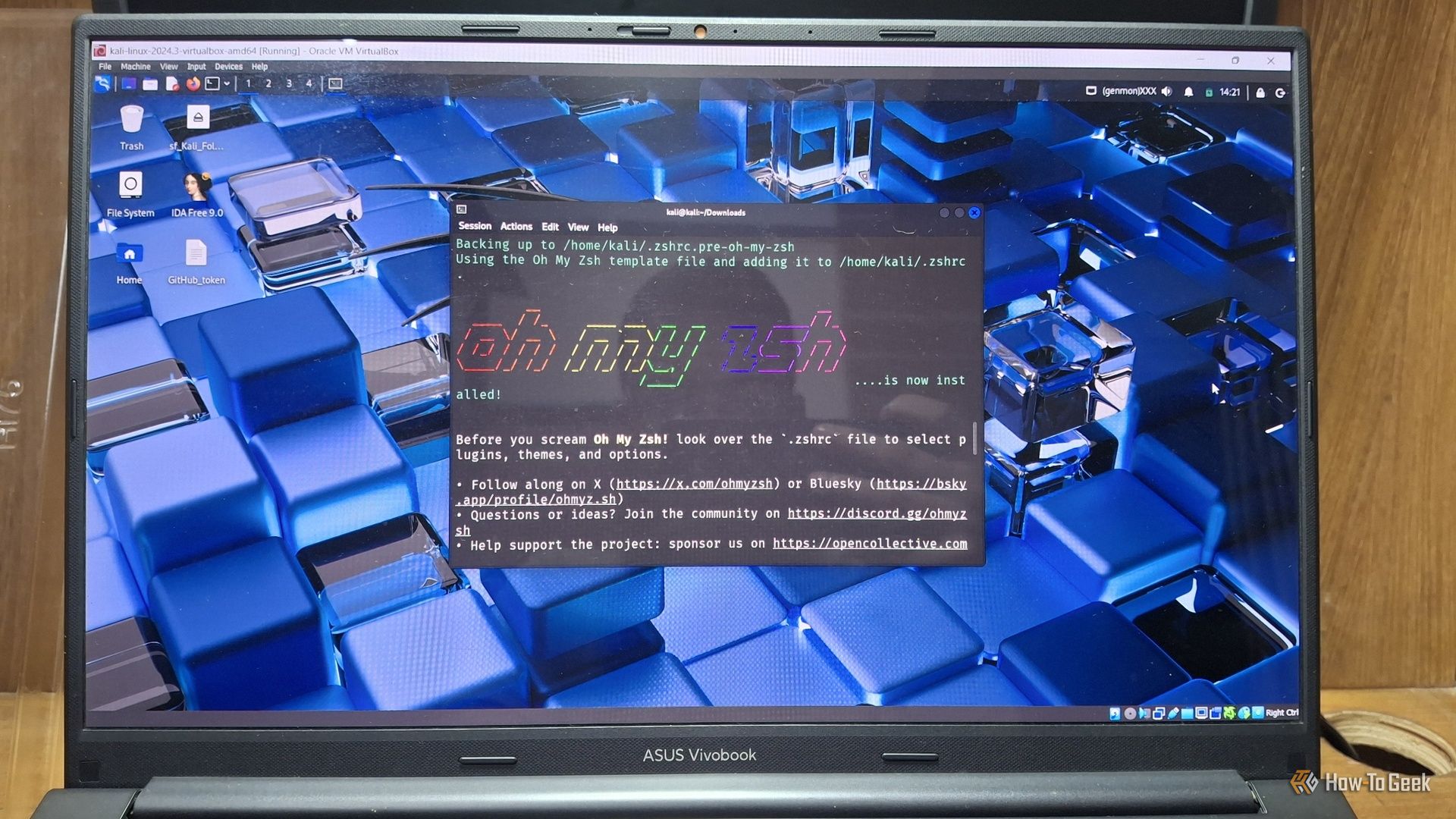
I turned my favorite Linux terminal apps into desktop apps so I could launch them with one click

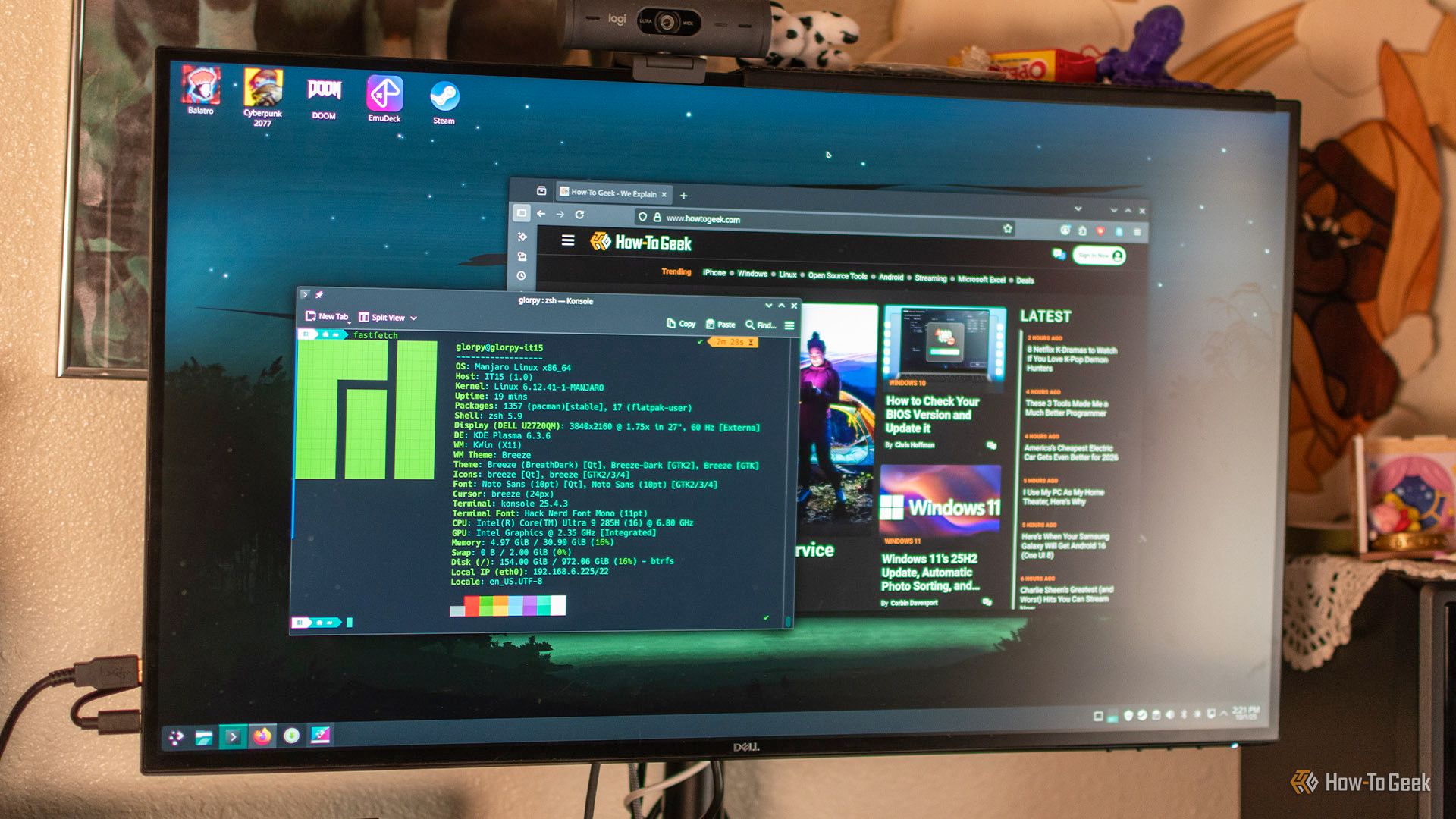
Terminal-based apps are awesome, but if you’ve ever tried to use them, you’re probably already aware of their biggest annoyance: you have to open a terminal and type a command every time. They don’t show up in your dock or app launcher the way regular desktop apps do. Thankfully, there’s a quick and easy fix for that. It’ll hardly take a few minutes, and you’ll be able to give your terminal apps their own icons and entries in your application launcher.
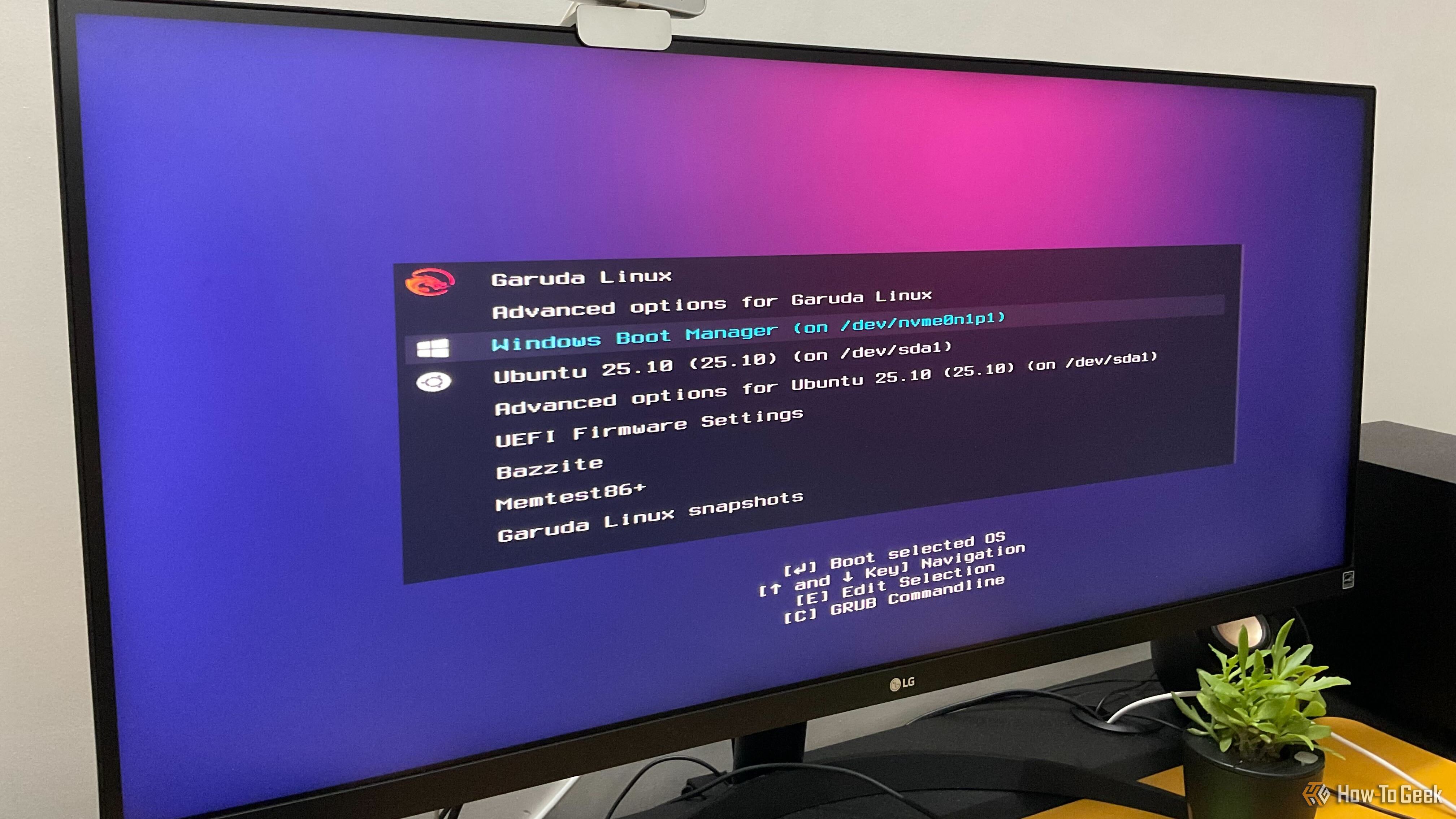
3 dual-booting mistakes that can ruin your Linux and Windows PC

I’ve been dual-booting Linux and Windows for more than 10 years, and my current machine runs four different operating systems side by side. Over the years, I’ve made plenty of mistakes and seen newcomers and enthusiasts make many of the same ones. As such, to help you avoid these common pitfalls, here are three of the most common mistakes people make when setting up a Linux-Windows dual-boot PC.

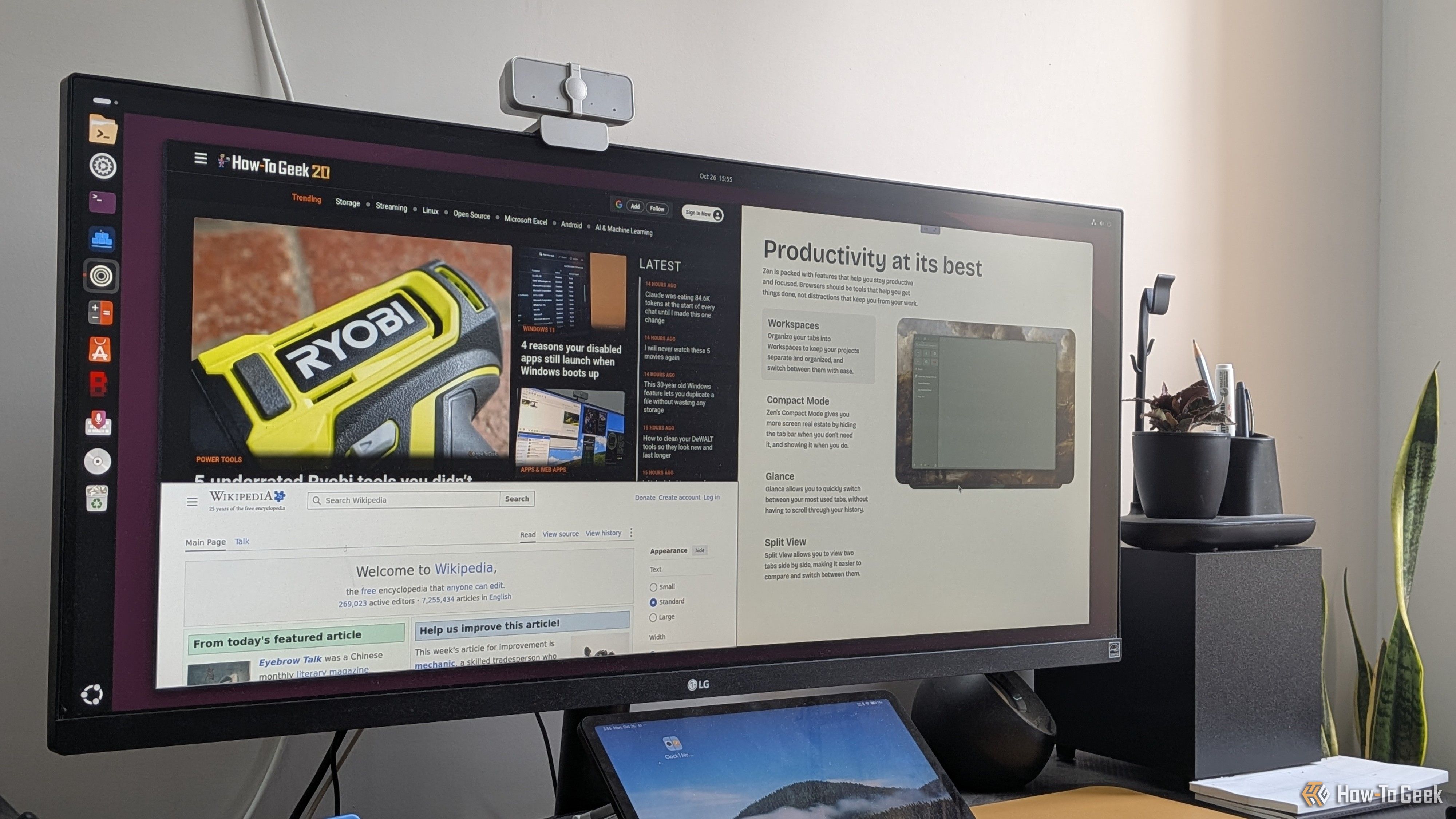
I finally tried the best Linux web browser, and it’s my new default

Almost everything I do on my PC happens inside the browser, to the point that I feel like my operating system is basically a bootloader for my browser. Now, when you have an app that’s so central to your workflow, it’s natural to get a bit picky about it. Thankfully, Firefox has been more than enough as my daily driver for over a decade. Sure, I occasionally experiment with other browsers to see what’s out there, but I’ve always returned to Firefox β€” that is, until now.

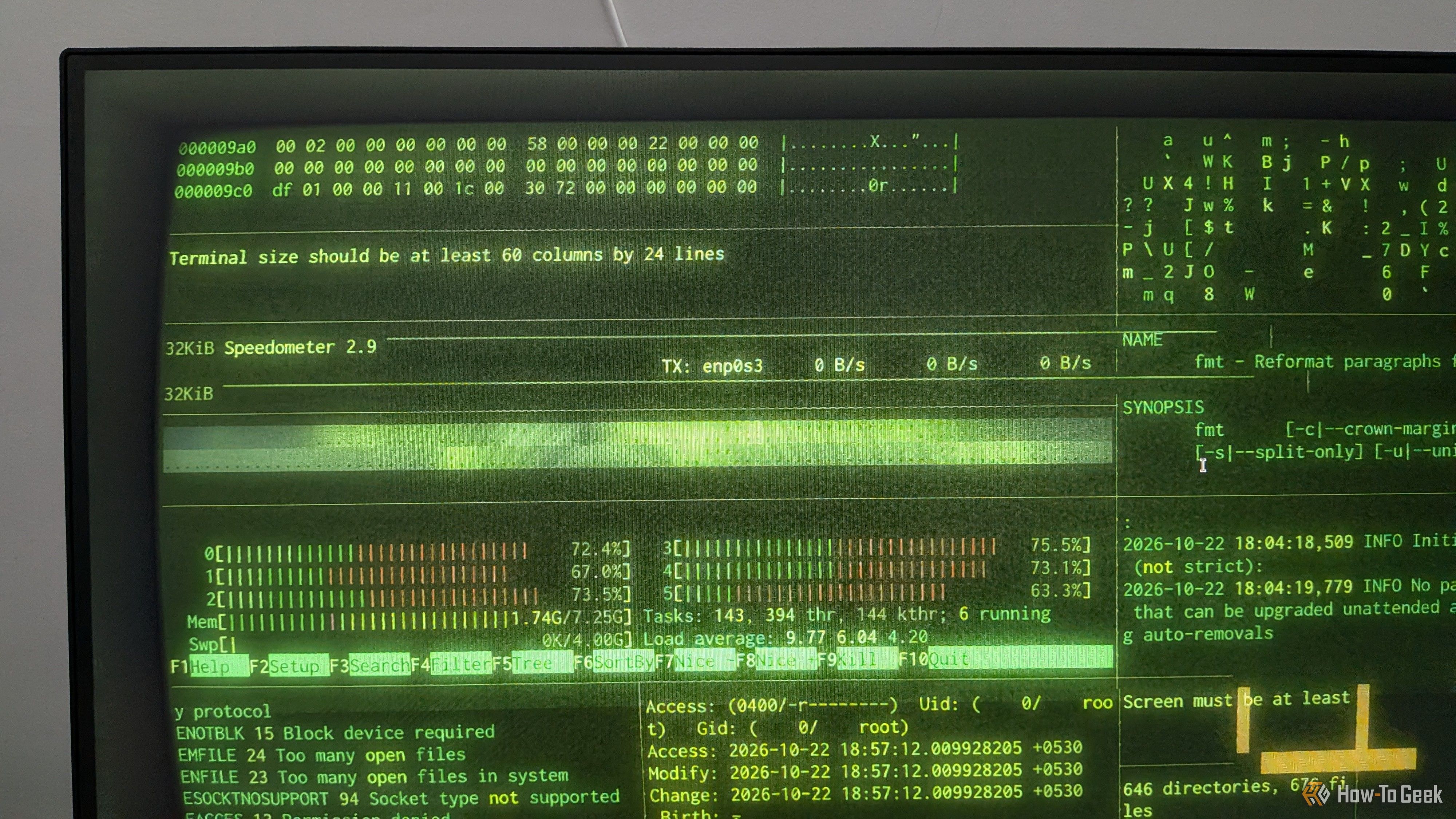
These 5 Linux apps make me feel like a '90s Hollywood hacker (also works on Windows)

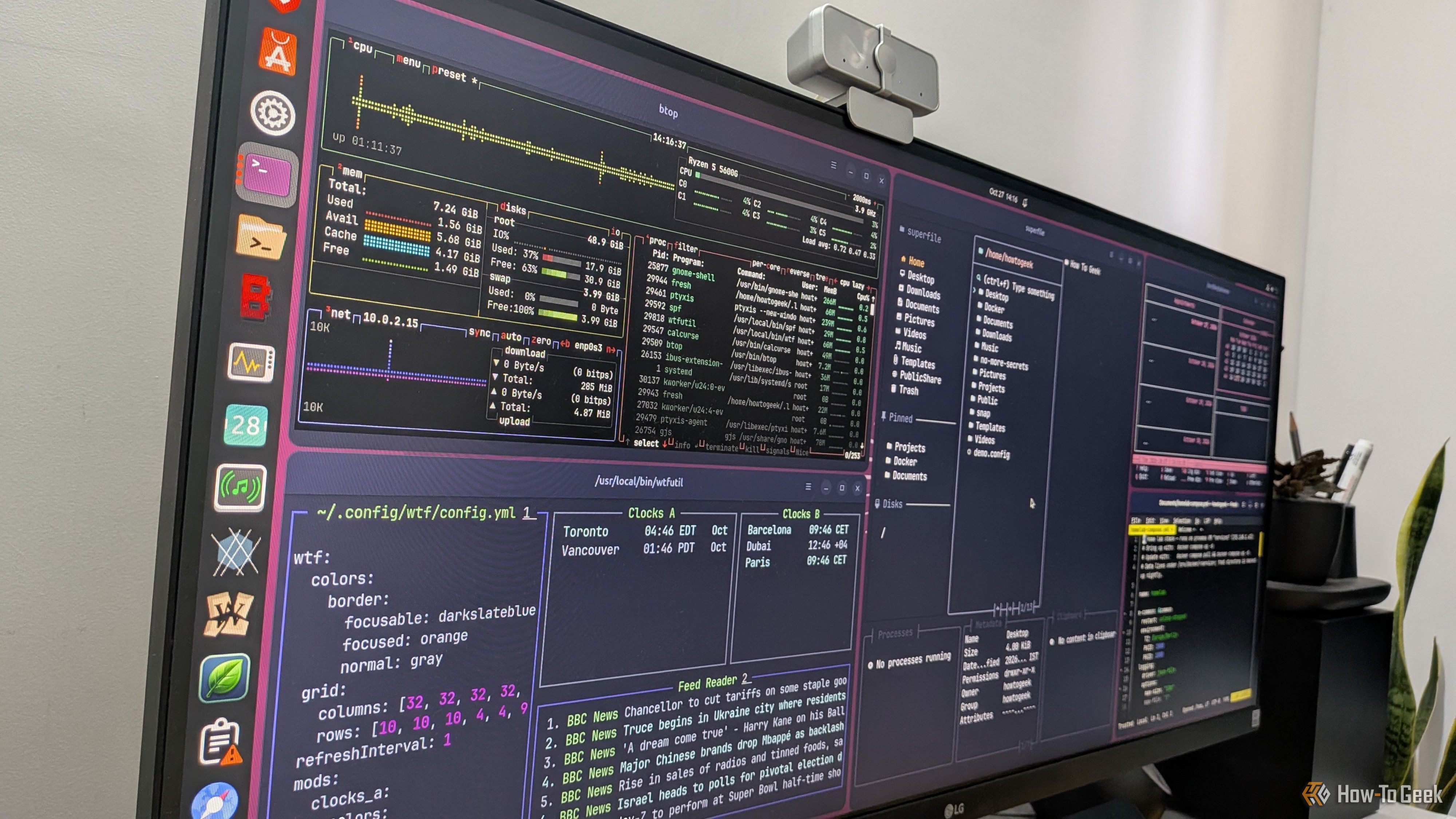
There’s something undeniably cool about the way Hollywood portrays hackers at work. In fact, it’s actually one of the reasons I gravitated toward Linux in the first place. Of course, real-world hacking rarely looks anything like the movies, and Linux doesn’t magically turn your PC into a cybercrime command center. That said, if you want to recreate that cinematic techno vibe on your desktop, there are a few tools that can help. Here are five of my favorites.

These 3 Linux apps replaced all my favorite dead Windows apps

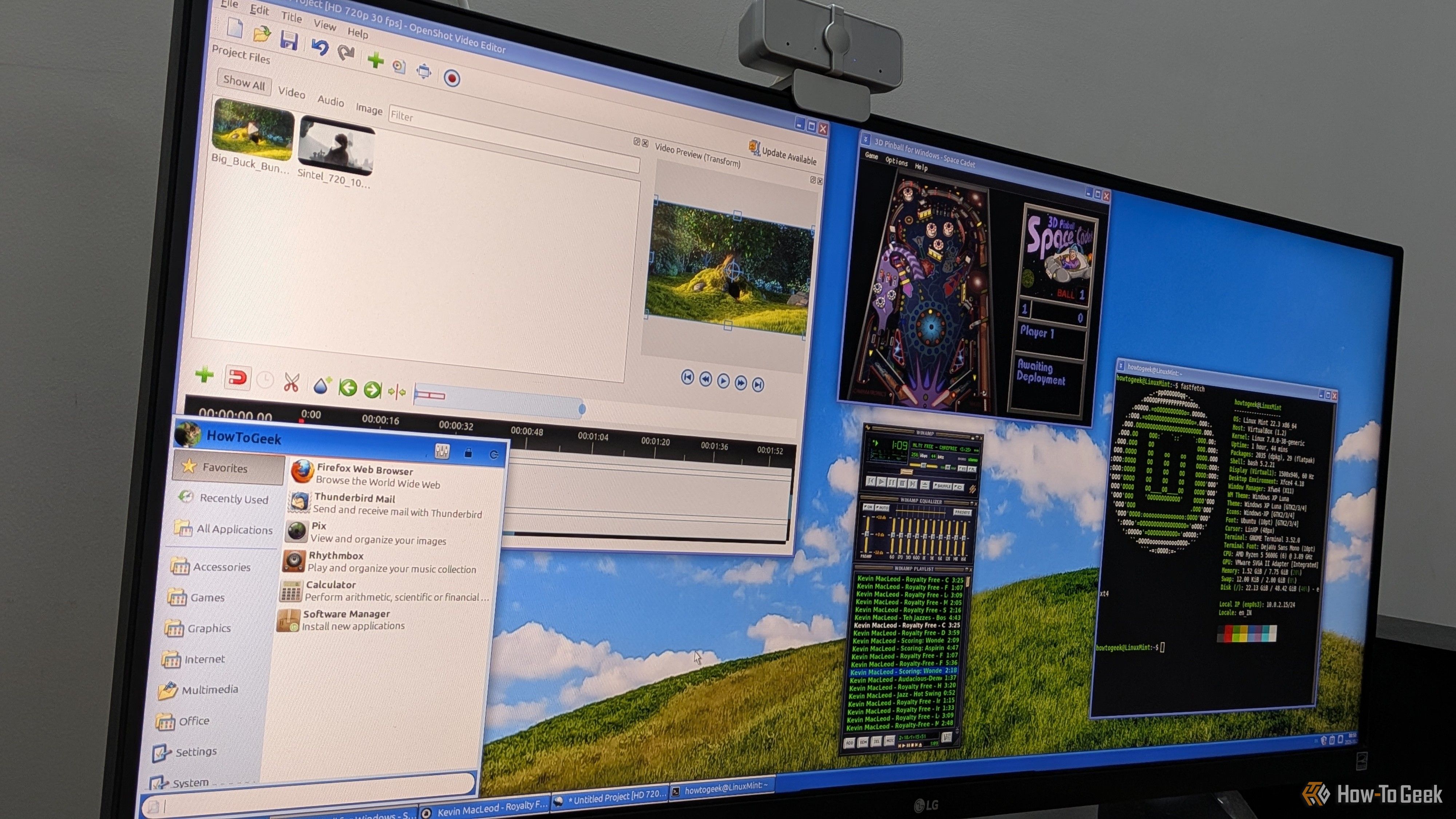
I’ve been using Windows since Windows 95, and over the years, I’ve watched a lot of my favorite apps die or get replaced with more β€œmodern” alternatives. While these newer versions are probably better, I still miss the old ones. I really liked their overall layout and aesthetics, and maybe it’s nostalgia talking, but I also think those apps just worked better and were less buggy than their modern counterparts. As such, I’ve always been on the lookout for apps that try to recreate that retro look and feel, but I never expected to find them on Linux, of all places.

I ditched desktop apps for these 5 Linux terminal apps, and I’m not going back

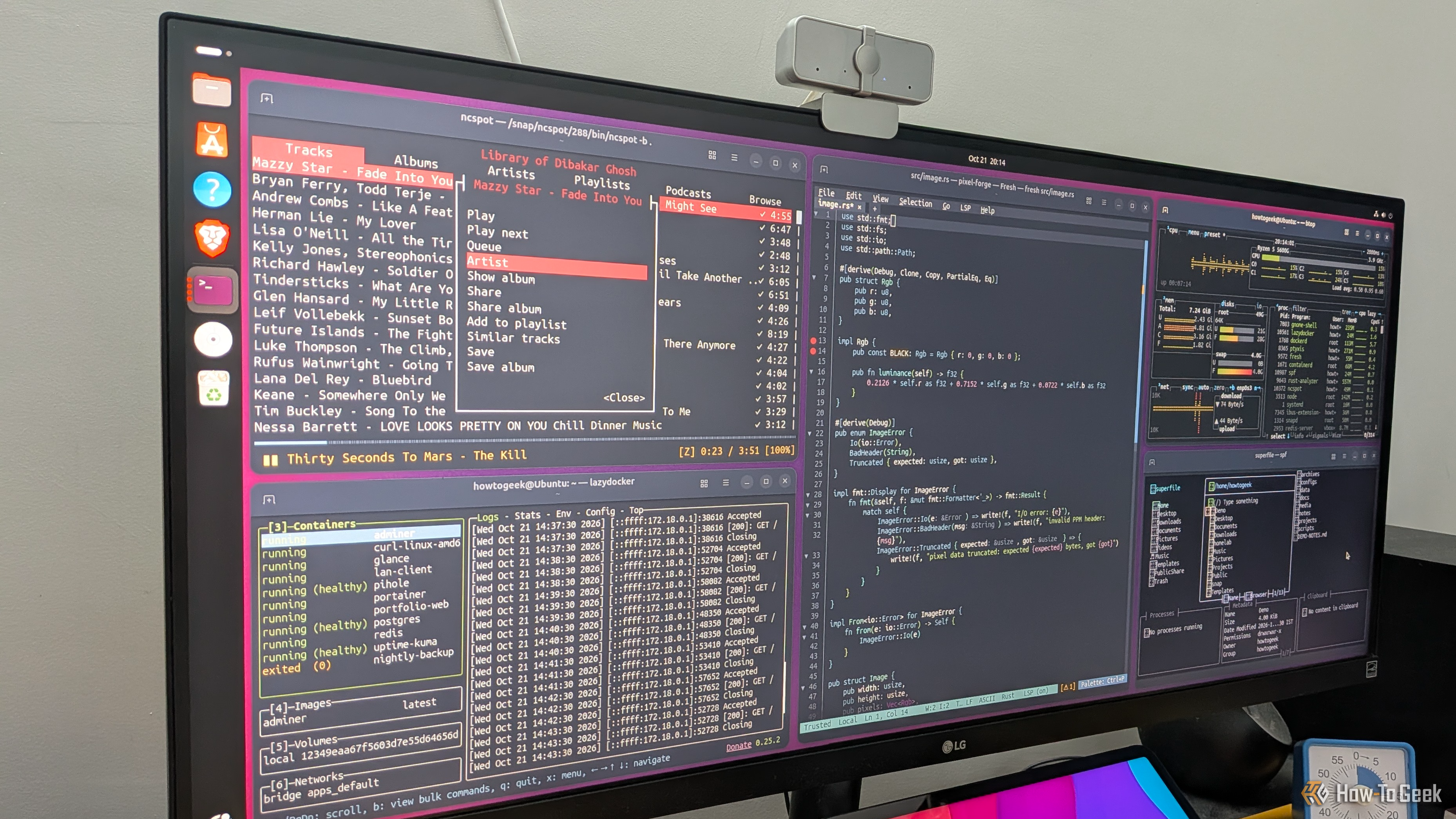
Terminal apps have a reputation for being too minimal, confusing, and useful only for technical workflows. And while that might have been true a few years ago, modern terminal apps are a lot more intuitive and functional, covering plenty of everyday computing use cases. This makes them excellent lightweight alternatives to typical desktop apps. In fact, here are five TUI (terminal user interface) apps that have completely replaced GUI (graphical user interface) apps in my workflow.

I paired Calibre with this TUI file manager to tame my disastrously messy eBook collection

Maintaining an eBook collection can feel like a full-time job. A folder full of public domain books downloaded from the internet can include multiple copies of the same book in different file formats, or file names that bear little resemblance to the titles of the books themselves. I used Yazi, a terminal-based file manager, to clean up an eBook download before the files ever made it into my Calibre library.

Ubuntu is beating Fedora at it's own game, and I can't defend Fedora anymore

Fedora is known as the leading-edge Linux distro, offering an excellent balance between stability and access to the latest Linux features. Ubuntu, on the other hand, has traditionally offered a stable and reliable experience but has often lagged behind Fedora. It’s actually one of the main reasons I decided to ditch Ubuntu, even though it was my first Linux distro.

❌