❌

Reading view

There are new articles available, click to refresh the page.

Hack The Box: Silentium Machine Walkthrough – Easy Difficulity

Completed another Hack The Box machine, Silentium.

Initial access was achieved by exploiting a password-reset vulnerability in the staging Flowise application, followed by abusing a custom MCP endpoint to obtain a root shell inside the Flowise container. Credentials exposed through the container environment were then used to SSH into the underlying host as ben and retrieve the flag.

For privilege escalation, an internal Gogs instance was discovered through local port forwarding. A malicious symlink was pushed and manipulated through the Gogs API to target /etc/sudoers.d/ben, allowing a passwordless sudo rule to be written and ultimately providing full root access.

#HackTheBox #HTB #CyberSecurity #PenetrationTesting #OffensiveSecurity #Linux #PrivilegeEscalation #WebSecurity #CTF …

Learn MoreHack The Box: Silentium Machine Walkthrough – Easy Difficulity

The post Hack The Box: Silentium Machine Walkthrough – Easy Difficulity appeared first on Threatninja.net.

I bought used enterprise HDDs cheap and learned the hard way why they're risky

Buying used enterprise storage is one of those things that makes perfect sense when you look at the price and becomes more complicated once you actually put the hardware into a machine. Enterprise HDDs that originally cost a small fortune can appear on the used market for surprisingly little money. For a homelab, where storage capacity is always useful and budgets are rarely unlimited, it is difficult to ignore those prices.

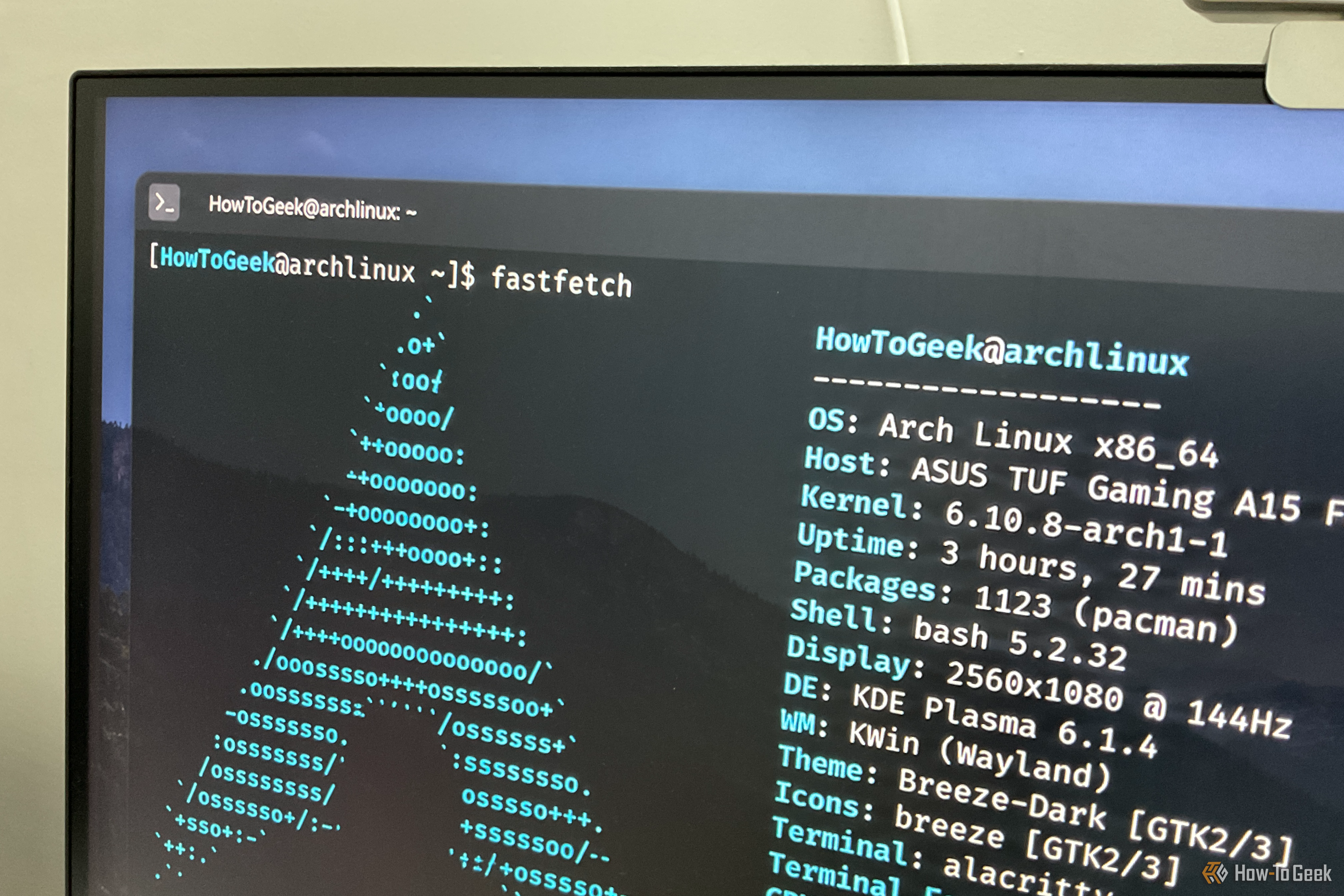
I ran Arch Linux for 5 years β€” Fedora does the same job with less work

I've been an Arch user for five years, and it's been a love-hate relationship. I love having access to the AUR (Arch User Repository) and the hundreds of thousands of packages it brings with it, along with access to bleeding-edge updates as soon as they drop. But at the same time, I hate it when a buggy update just wrecks my system, not to mention the current malware mess with the AUR and all the headaches that come with it.

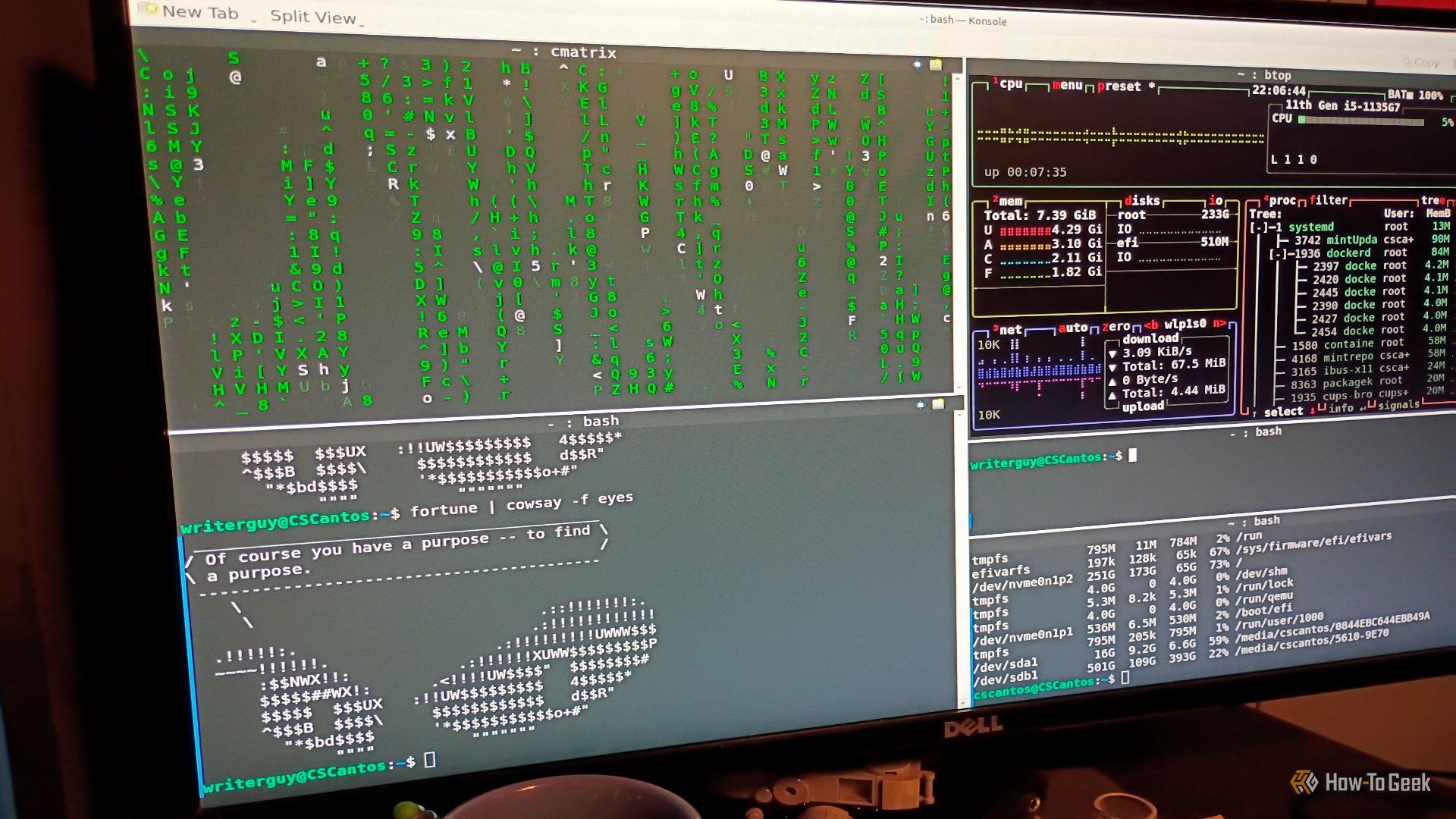
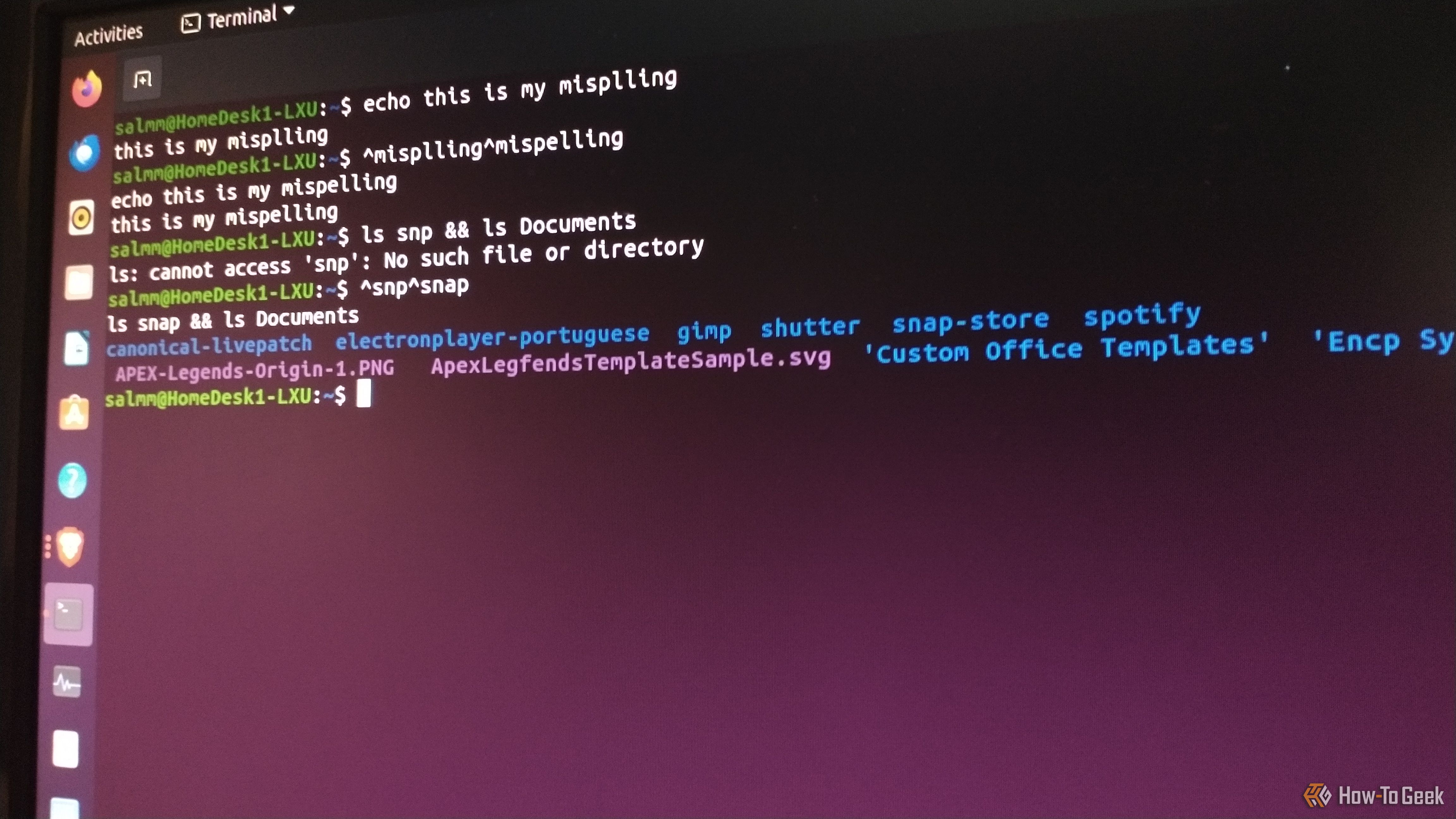
These Bash shortcuts save me hours of terminal typing every month

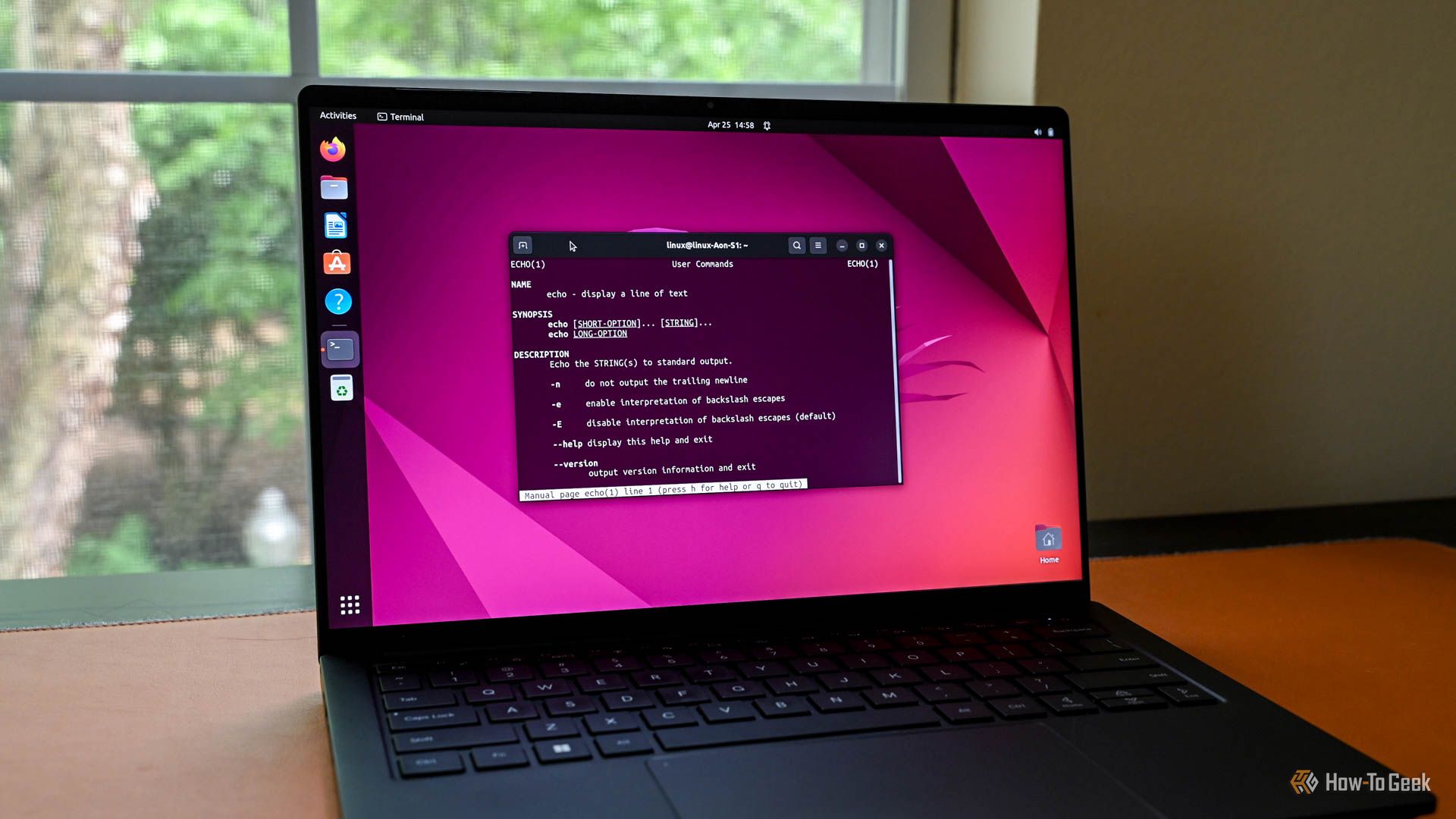
If you type a lot of commands in Bash, it can be time-consuming to navigate, correct, and add strings to achieve the desired output. I've found my fair share of typing errors, multi-instruction commands, and complex interpreters. There are ways to speed up the typing process without wearing you out or giving you headaches, from short codes and hotkeys to cool shortcuts and hidden features.

Arch Linux is not hard to install, by the way

Have you ever wondered why Arch Linux users can’t stop mentioning that they use Arch, by the way? Did you want to try Arch Linux yourself, but then saw the technically demanding installation process and told yourself, β€œOh, that’s why”? Well, I’m happy to tell you that Arch Linux is no longer as hard to install as it used to be β€” and hasn’t been for some time now. Even if you don’t come from a technical background, you can install and set up Arch in an afternoon.

Sick of Wayland vs. Xorg? How about GEM?

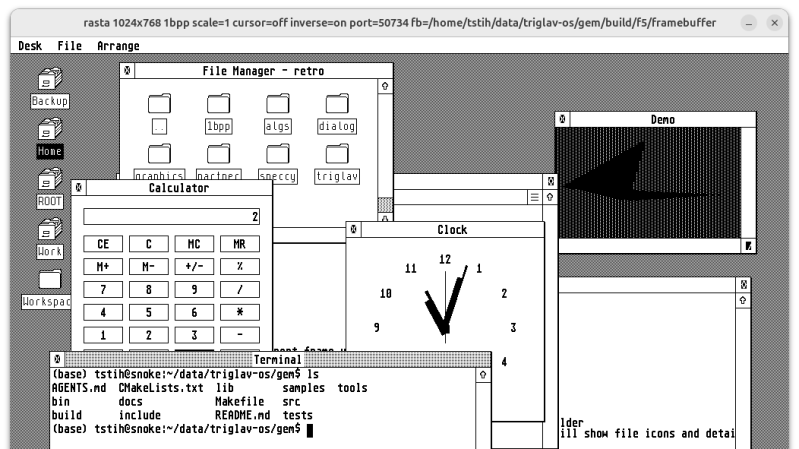
Between lawsuits from Apple, and Microsoft being Microsoft, Digital Research’s GEM desktop for DOS never really had a chance. It did have another life on Atari home computers, but it’s the DOS version that provided the code for [Tomaz Stih]’s Linux port of the GEM graphical desktop β€” which isn’t a WM or DE for X or Wayland, for the record. It is entirely it’s own graphical display that will live in the framebuffer of a minimal Linux installation.

[Thomaz] is leveraging DR’s original code β€” or at least what started as DR’s code before a series of acquisitions and open sourcing β€” via OpenGEM and FreeGEM. Sample applications include the clock and calendar, but [Thomaz] says the APIs are compatible with Atari ST applications; presumably given the codebase the it will match the DOS version as well.

Much like when it was originally crushed betwixt Macintosh System and Microsoft Windows, we doubt many will be rushing out to use GEM instead of Wayland or XServer on Linux, but there may well be some use cases. If nothing else, it’s got to be lightweight.

If you missed the Digital Research GEM saga, this might get you up to date. If the idea of it running on Linux tickles your funny bone, you might enjoy seeing GEM on an AlphaSmart word processor.

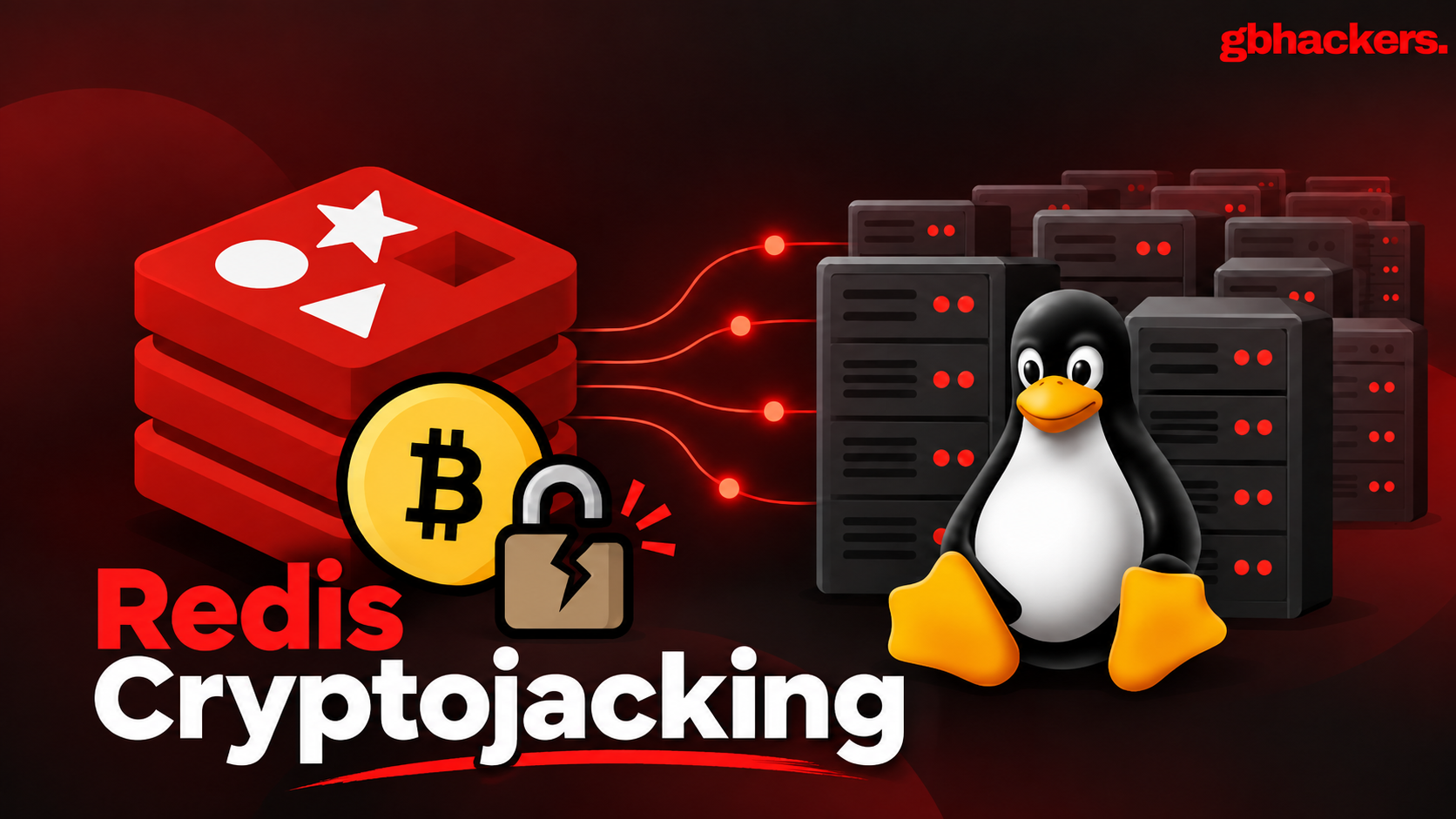
Massive Redis Cryptojacking Campaign Hijacks Thousands of Linux Servers

A large-scale Redis cryptojacking operation targets thousands of exposed Linux servers by abusing unauthenticated Redis deployments to install XMRig cryptocurrency miners and establish durable, cron-based persistence. The campaign scans IPv4 address ranges for Redis services exposed to the internet, typically on TCP port 6379, then attempts to interact with instances that allow connections without authentication. […]

The post Massive Redis Cryptojacking Campaign Hijacks Thousands of Linux Servers appeared first on GBHackers Security | #1 Globally Trusted Cyber Security News Platform.

5 popular Arch distros ranked by how much babysitting they need

Arch Linux has a reputation for being an operating system you build for yourself rather than one that comes built for you. That’s genuinely its biggest strength, since you get to build a hyper-personalized system where every component is there because you chose it. At the same time, it’s also its biggest weakness, because you need to know how to build and manage the thing. That said, not all Arch distros are the same, and some require more babysitting than others. As such, here’s my list of the top 5 Arch options and Arch-based distros, ranked from the neediest to the least needy.

❌