Anthropic's IPO timeline reportedly shifted toward mid-October as investors weigh its financing, growth projections and a potential $2 trillion valuation.
Anthropic's IPO timeline reportedly shifted toward mid-October as investors weigh its financing, growth projections and a potential $2 trillion valuation.
Anthropic’s prospective public-market investors must reckon with an external group of trustees that control the majority of the AI company’s board, as its planned blockbuster initial public offering forces close scrutiny of its experimental governance structure.
The company’s Long-Term Benefit Trust (LTBT) is a small group of advisers created to safeguard the lab’s mission of developing AI for the long-term benefit of humanity, even as commercial pressures intensify.
The trust holds no equity in Anthropic, but has significant influence, with the San Francisco-based company planning to preserve its role after a stock market debut that could value the Claude maker at as much as $2 trillion.
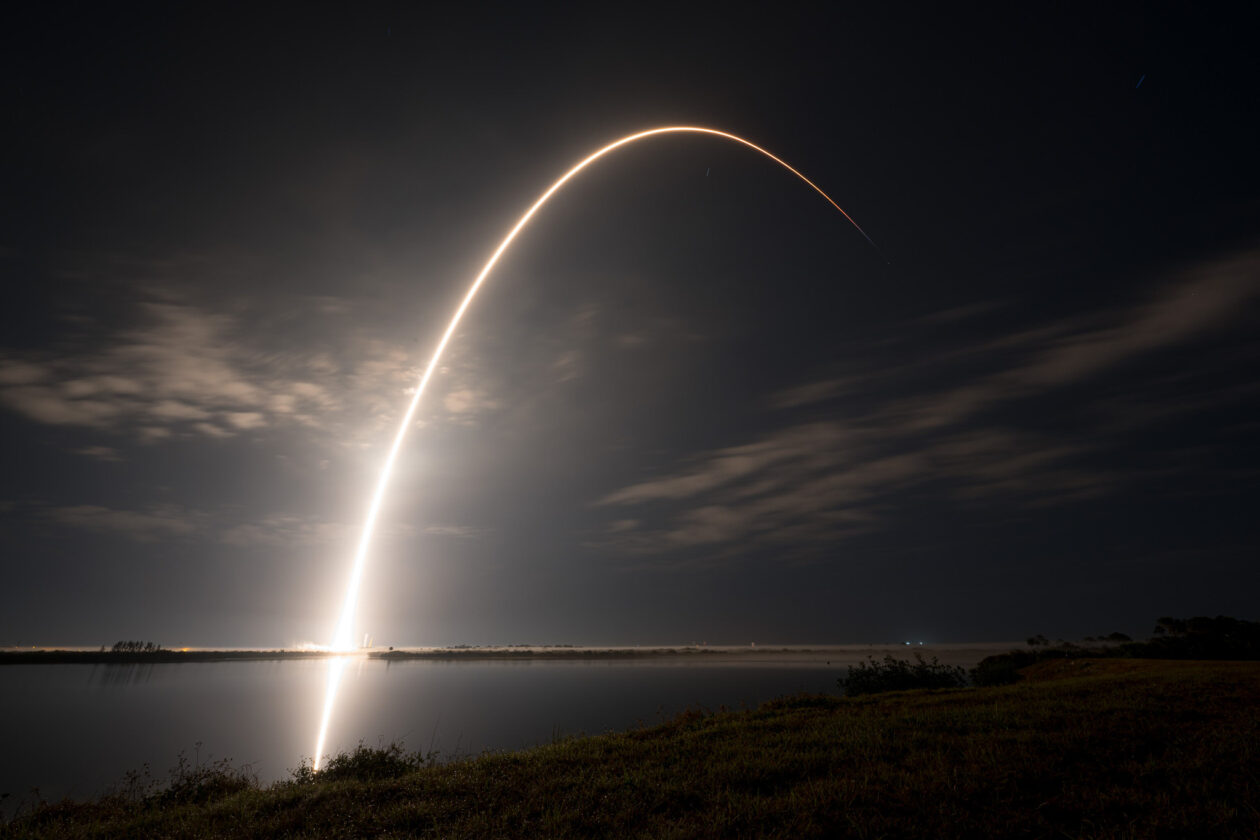
A Falcon 9 rocket arcs into the night sky during a February 2023 launch. Most of SpaceX’s launches carry Starlink satellites built at the company’s factory in Redmond, Wash. (SpaceX Photo, licensed under CC BY-NC 2.0)
The satellites rolling off the line in Redmond, Wash., are paying for Elon Musk’s AI ambitions — and he says the company’s satellite internet business is only getting started.
SpaceX’s Starlink connectivity division posted $1.7 billion in operating income for the second quarter, maintaining its status as the company’s only profitable business, according to numbers released Tuesday afternoon as part of its inaugural earnings report as a public company.
The AI division, built around the Grok model and the X social media and technology platform, lost $1.3 billion while spending $15.8 billion on capital projects. That capital spending amounted to more than three times Starlink’s quarterly revenue of $4.3 billion (up 66%).
Musk, the company’s founder and CEO, used the first SpaceX earnings call to make the case that investors are badly underestimating Starlink.
He said a new generation of satellites could increase Starlink revenue tenfold, and the network could deliver “a majority of the world’s internet” in less than 10 years. Musk said AI and robots will drive demand for bandwidth far beyond anything people generate on their own.
“I think Starlink is the only thing that can actually service that bandwidth,” he said.
Amazon is getting in the race, building its own satellite internet network at a factory in nearby Kirkland, Wash. Its Leo constellation has “close to 400 satellites in orbit, enough to begin initial satellite internet service this year,” CEO Andy Jassy told analysts last week.
Overall, SpaceX topped Wall Street expectations with revenue of $7.8 billion for the quarter, up 92% from $4.1 billion a year earlier. It also narrowed its net loss to $541 million from $1 billion.
SpaceX shares closed at $125.33, up 9.4% on the day, then fell nearly 5% in after-hours trading following the report, apparently on concerns about the company’s capital spending.
SpaceX builds its Starlink satellites at a Seattle-area factory that produced about 70 a week from December 2025 to April 2026, according to the company’s IPO filing. The output has put roughly 9,600 Starlink satellites in orbit, about 75% of all active maneuverable satellites circling the planet.
For the second quarter, SpaceX reported 12 million Starlink subscribers, double the number a year earlier and an increase of 1.7 million from the first quarter. The revenue increase in the Starlink division (officially known as “Connectivity”) was driven by a 108% jump in enterprise and government business, which now accounts for more than 40% of the segment’s sales.
The subscriber total was just under the 12.19 million Wall Street had projected, but the segment’s revenue exceeded expectations by about $460 million, more than any other part of the company.
Starlink now brings in $66 a month per subscriber, down from $85 a year ago as it expands overseas and adds cheaper plans. The good news for SpaceX: the figure stopped falling, holding flat from the first quarter, despite the company’s warning to IPO investors that it would keep sliding.

 Login
Login