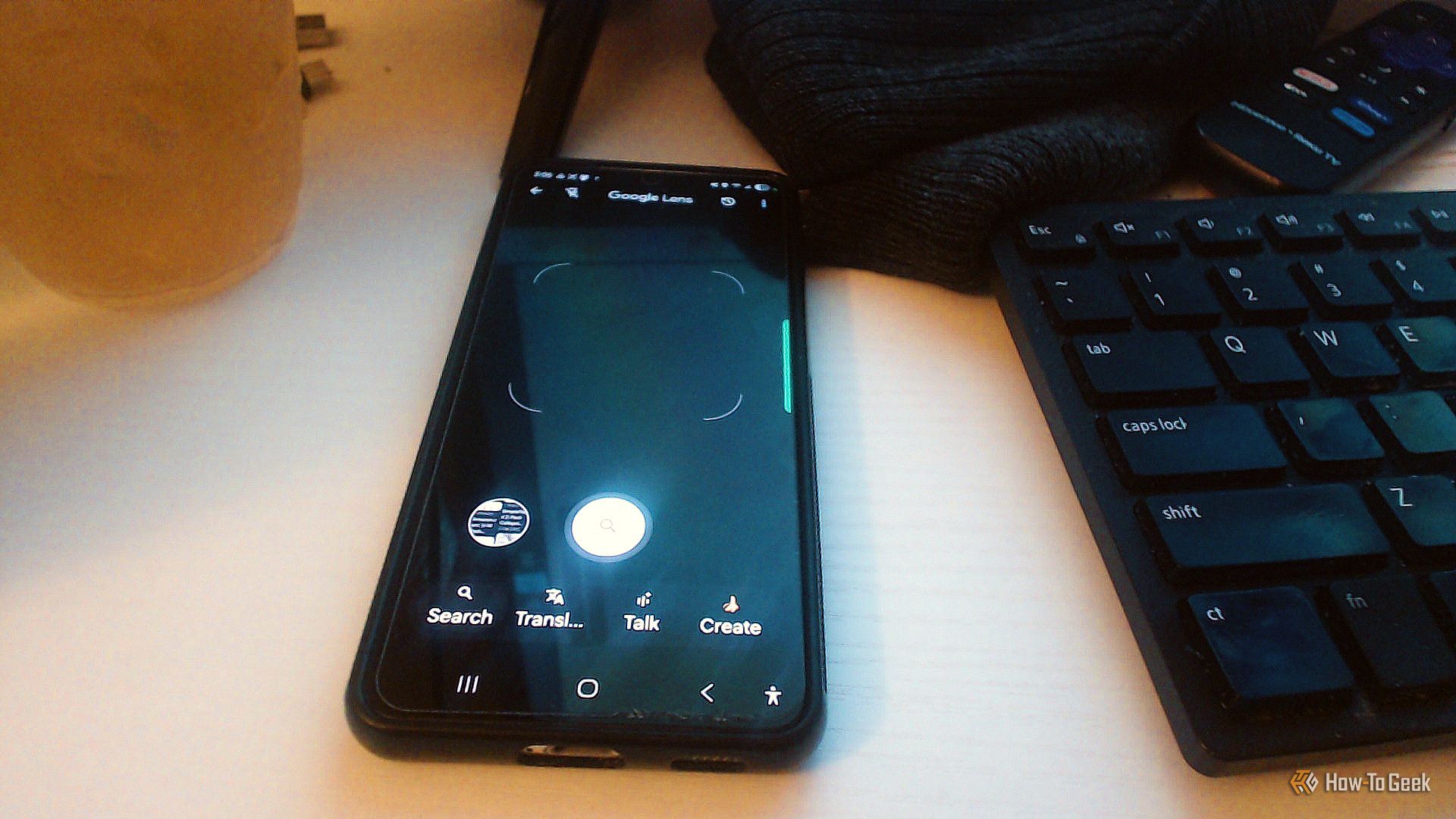
Google Lens tends to get catalogued as a way to figure out how to identify plants or translate a menu while traveling. That's true, but it can do a lot more than that. You don't need to wonder about stuff or run vague Google searches to figure it out; Google Lens is basically Google search on your phone.
When I first tried out Google Drive, it changed everything. Being able to share files and collaborate on documents with others so easily was a complete game-changer, and it made us all so much more productive.
Unless you own a Google Pixel phone with the built-in Now Playing feature, you have to use Shazam to recognize songs playing around you, right? Well, actually, no. Many Android phones have access to Google's built-in Song Search feature, which is almost as good as Now Playing and Shazam.
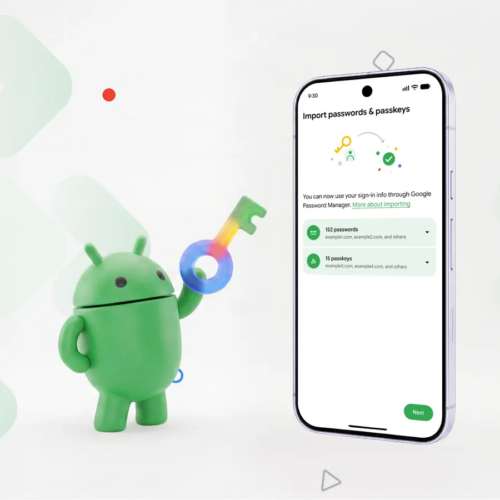
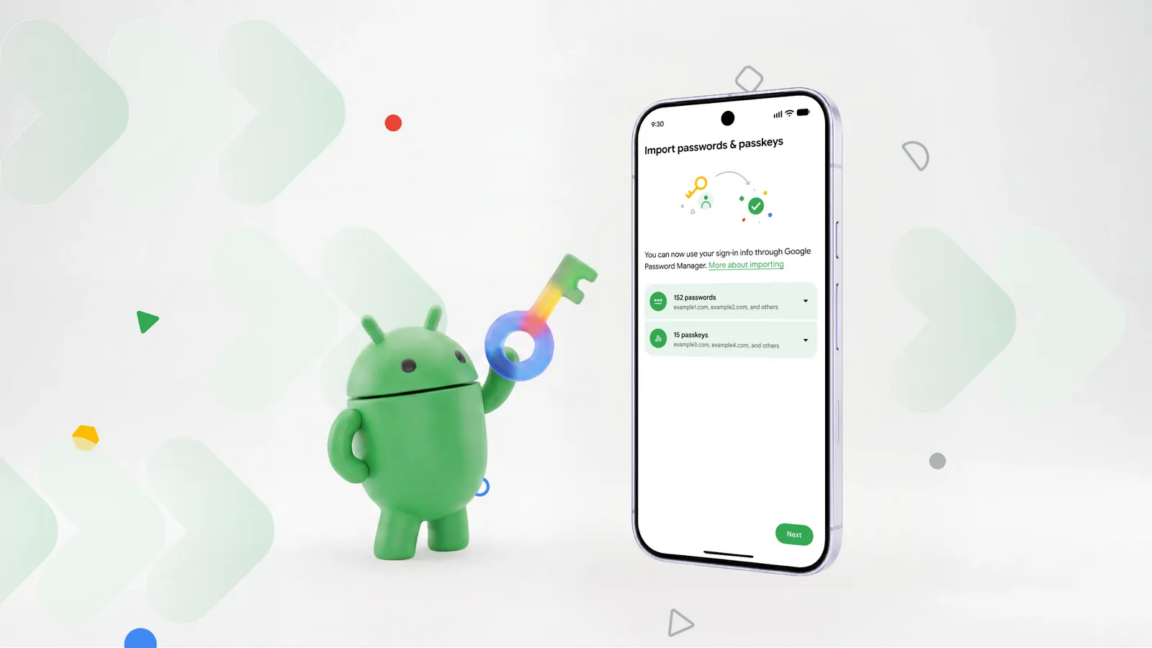
As longer, more complex passwords have become a necessity, remembering all those strings of numbers, letters, and special characters has become nearly impossible. Password managers can solve that problem, but what happens when you want to move to a different login organizer? Sure, you could manually type all your logins into a new app, but now Android can do that for you without the tedium.
Google designed the new login transfer process to happen entirely on your phone, so you need the corresponding apps installed with your credentials synced. To start the move, you'll have to find the import option in the app you want to use. The location of that feature will vary, but in Google Password Manager (built into Android), it's near the top under the settings tab.
The import option in Google Password Manager will plug in to the new migration system, while export still just creates an unencrypted CSV with your passwords that can be dumped into any app. It will be similar in other apps, so make sure to start the process in the app you want to use. Currently, this works in Google's app, 1Password, Bitwarden, and Dashlane.
Doug Kreuzkamp was shocked when news outlets reported that Google won an auction to buy a huge amount of operational data as part of Spirit Airlines’ bankruptcy proceedings.
Kreuzkamp founded a startup called Springshot in 2011, which created a widely used proprietary platform that helps humans and AI systems improve airline efficiency and quickly solve logistics problems so flights can stay on time and airlines can operate as smoothly as possible. Hundreds of airports use it globally.
Springshot powered Spirit’s technology stack for the last three years, right up to the “very last flight,” Kreuzkamp told Ars. Yet his company got no notice when Spirit prepared to auction off a massive dataset that he thinks likely improperly includes a substantial amount of data and intellectual property (IP) that Springshot owns—not Spirit.
Google has a reputation for shutting down some of its most useful and well-loved apps. Over the years, countless users have watched services that became part of their daily routines suddenly get pushed aside. It’s a running joke at this point: just when a Google app or service finally gets some momentum, Google is ready to pull the plug.
It can be painful to change password managers on your phone, not to mention insecure — you might have to download files that expose your passwords in plain text, and recreate all your passkeys. Google now claims to have fixed this with a new "transfer experience" that helps you switch password managers on Android, including passkeys.

 Login
Login