❌

Reading view

There are new articles available, click to refresh the page.

F1 in Texas: The American race that fans love to attend

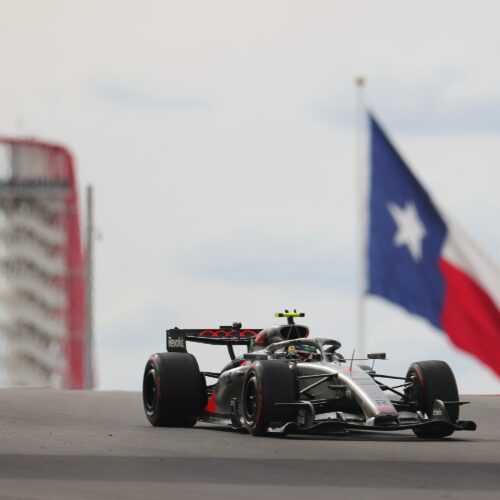
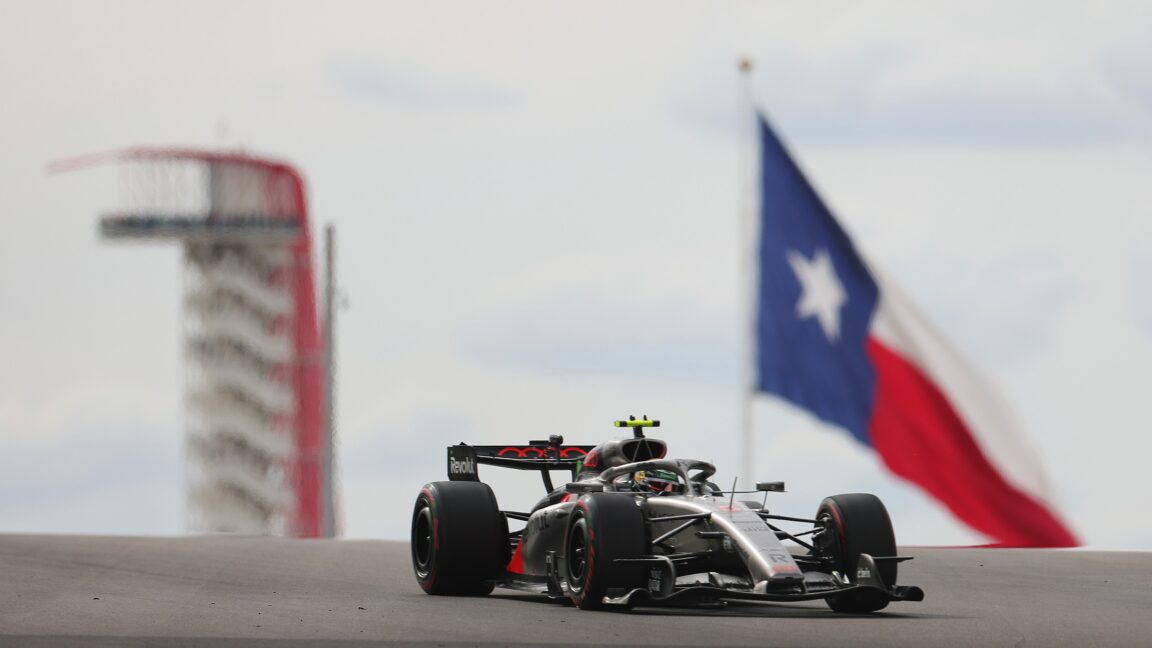
AUSTIN, Texasβ€”Formula 1 returned to US shores this weekend with its annual visit to the Circuit of the Americas in Austin, Texas. Once in danger of falling off the calendar due to lack of interest, it’s now one of the most popular tracks on the calendar and, of the US’s three races, it's the one the real fans mostly attend.

Unlike Miami or Las Vegas, which race on temporary street circuits, COTA is a permanent race track with plenty of run-off areas instead of concrete walls. Designed by motorcycle racer Kevin Schwanzβ€”Herman Tilke’s company did only the buildings and infrastructure, contrary to popular beliefβ€”the track combines a mix of corner speeds with challenging turn sequences, a few heavy braking zones, and plenty of elevation changes.

It’s a place Ars knows rather intimately by now. We’ve driven it in everything from an Audi TT-S to a Corvette ZR1 to a bicycle, and that’s just in the real world. Over the years, we’ve been there for F1 to learn about how the sport puts together its broadcasts, how Pirelli designs its tires, and how various tech partners help teams manage their data and strategies. We even saw the race through a neophyte’s eyes. And that’s just F1β€”we’ve logged many hours there with the World Endurance Championship and IMSA for the Lone Star Le Mans races in sweaty September.
Read full article

Comments

Β© Alex Slitz/LAT Images

Microsoft’s top science exec is leaving to fulfill a childhood dream: Joining a Formula 1 team

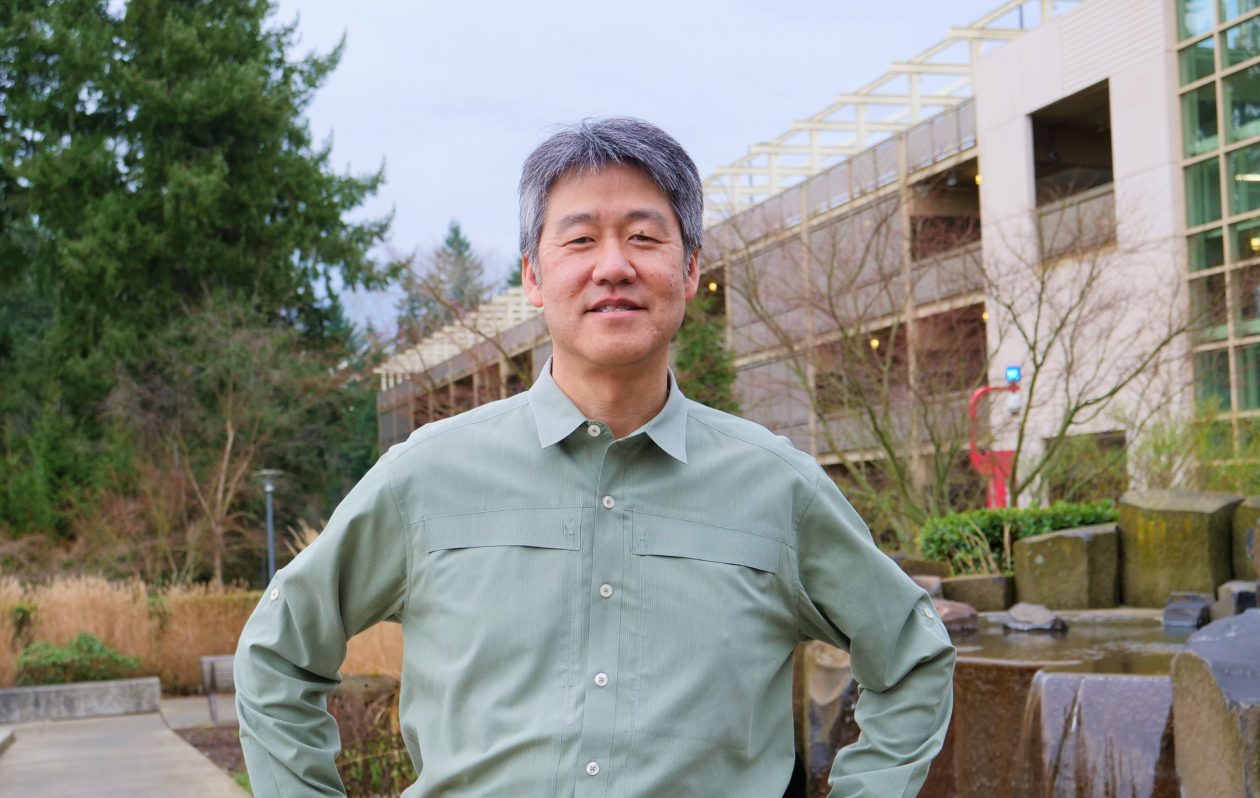
Peter Lee, president of Microsoft Science, is trading research labs for racetracks. (GeekWire File Photo / Clare McGrane)

When Peter Lee announced two weeks ago that he was leaving Microsoft, he said only that his next job would fulfill β€œa dream I’ve had since childhood.”

The dream, it turns out, comes with a pit crew.

The longtime Microsoft Research leader, who is leaving his post as president of Microsoft Science after more than 16 years at the company, plans to join the Mercedes Formula 1 team in a newly created AI advisor role, according to a report by Fortune.

As a career turn, it isn’t as much of a surprise as it might seem. Lee raced karts and Formula Ford as a kid, and he was once a licensed auto body technician, he told GeekWire last year. He had a replica 1955 Porsche 550 Spyder converted to electric and was in the middle of converting a 1968 Ford Mustang GT Fastback last year.

He called cars β€œa great laboratory” for AI models that decide an agent’s next move.

β€œThe thing I’ve always loved about cars, and why I love to work on cars, is you actually finish something,” he said in that interview. β€œThat never happens in software.”

At Mercedes, he’ll focus on using AI to tackle physics problems for the team’s car, breaking down organizational and data silos, building financial and predictive models, and advising the team on how F1’s regulators might govern AI. He’s expected to join on a one-year contract with an option for a second. His exact title is still being worked out, according to the report.

β€œI’m completely thrilled, and I’m in disbelief that they would think of me for something like this,” he told Fortune.

His exit is part of a broader wave of senior departures from Microsoft this year, including LinkedIn and Office chief Ryan Roslansky and communications chief Frank Shaw.

F1 in Singapore: There's a new fastest car now

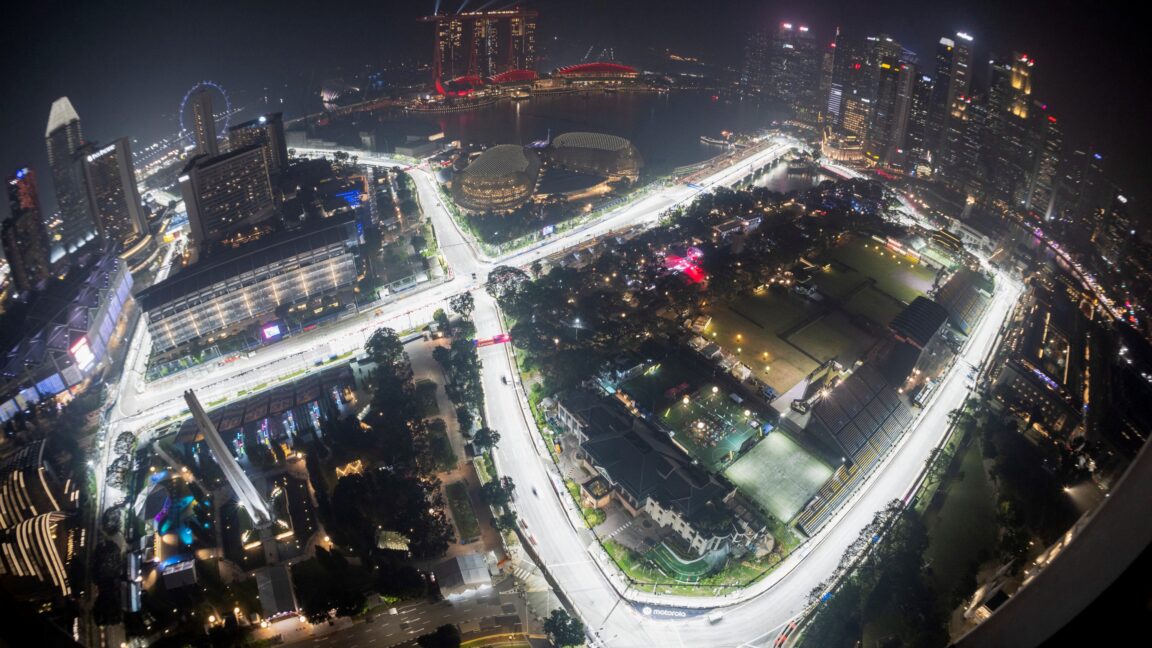
Formula 1’s lengthy 2026 season is entering its final stretch. The sport took to the floodlit streets of Singapore on Sunday night, but Saturday saw action, too; this Grand Prix weekend was also the final of six sprints this year. The night race might be one of modern F1’s greatest spectacles. From overhead shots, the track becomes a bright, illuminated ribbon among the looming darkness of the city-state’s overpasses and skyscrapers. At ground level, the cars shower glittering sparks from their titanium skid blocks as the drivers flirt with how close they can get to the walls. As tracks go, the 90-degree turns and concrete barrier-lined streets were a world away from the abrasive tarmac and ample runoff of Malaysia last time out. But the tropical heat and humidity were a constant given both locations’ proximity to the equator.

Showers for the sprint

In Malaysia (which was still technically the Bahrain GP), a pre-race downpour disrupted things mightily. On Saturday morning in Singapore, shortly before the start of the sprint, it seemed history was about to rhyme when the skies opened. With standing water in places on the track, the sprint was delayed by 30 minutes. The sprint format, where a short extra race replaces a practice session a day before the main event, is unloved by the drivers and teams. For one thing, there’s little prestige in winning Saturday’s sprint. And with qualifying just a few hours later, risk-taking is discouraged lest one wreck the car and ruin Sunday’s race a day early.

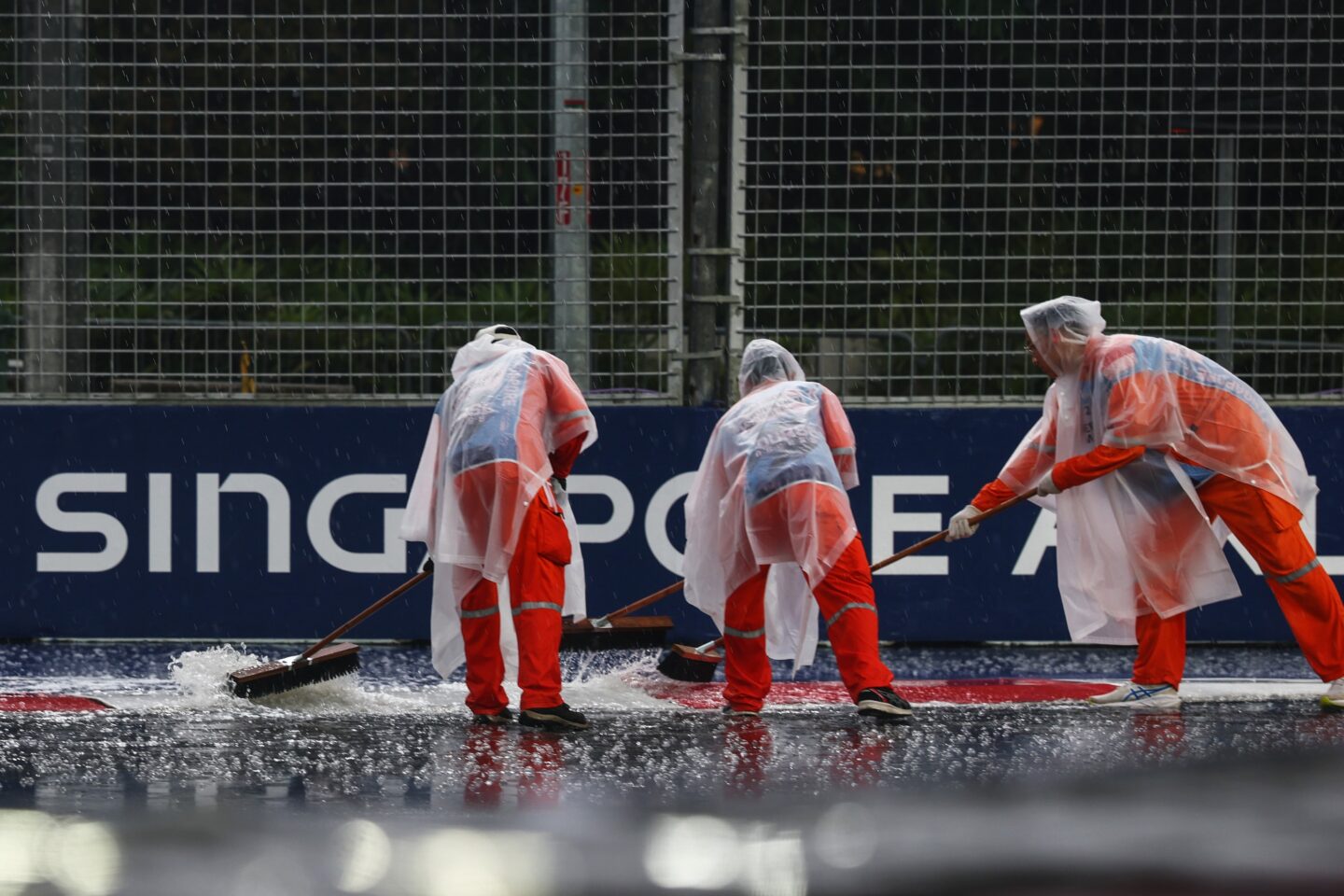
SINGAPORE, SINGAPORE - OCTOBER 10: Marshals sweep away the standing water on track as the rain falls prior to the Sprint ahead of the F1 Grand Prix of Singapore at Marina Bay Street Circuit on October 10, 2026 in Singapore, Singapore. (Photo by Mark Thompson/Getty Images) Oh no, not again! Credit: Mark Thompson/Getty Images
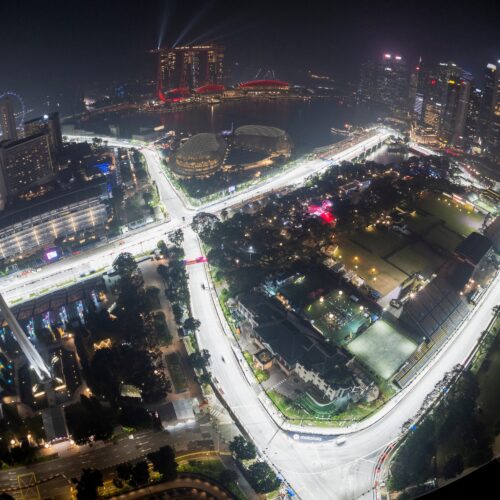
And in Singapore, like most street circuits, the proximity of the unyielding barriers that line the track means there are real, punishing consequences for getting it even a little wrong.

Read full article

Comments

Β© Then Chih Wey/Xinhua via Getty Images

❌