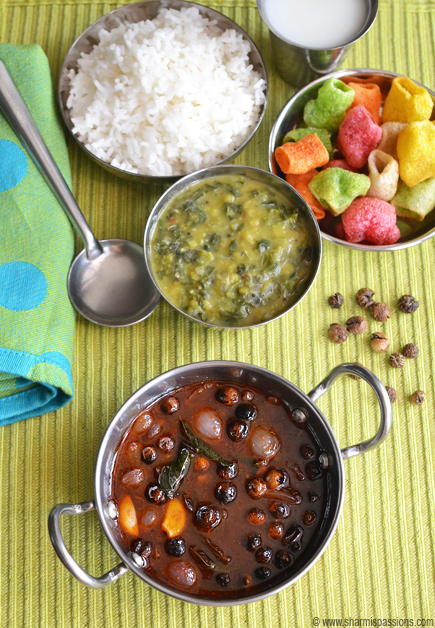
❌

Reading view

There are new articles available, click to refresh the page.

Ellu Podi Recipe (Sesame Seeds Powder)

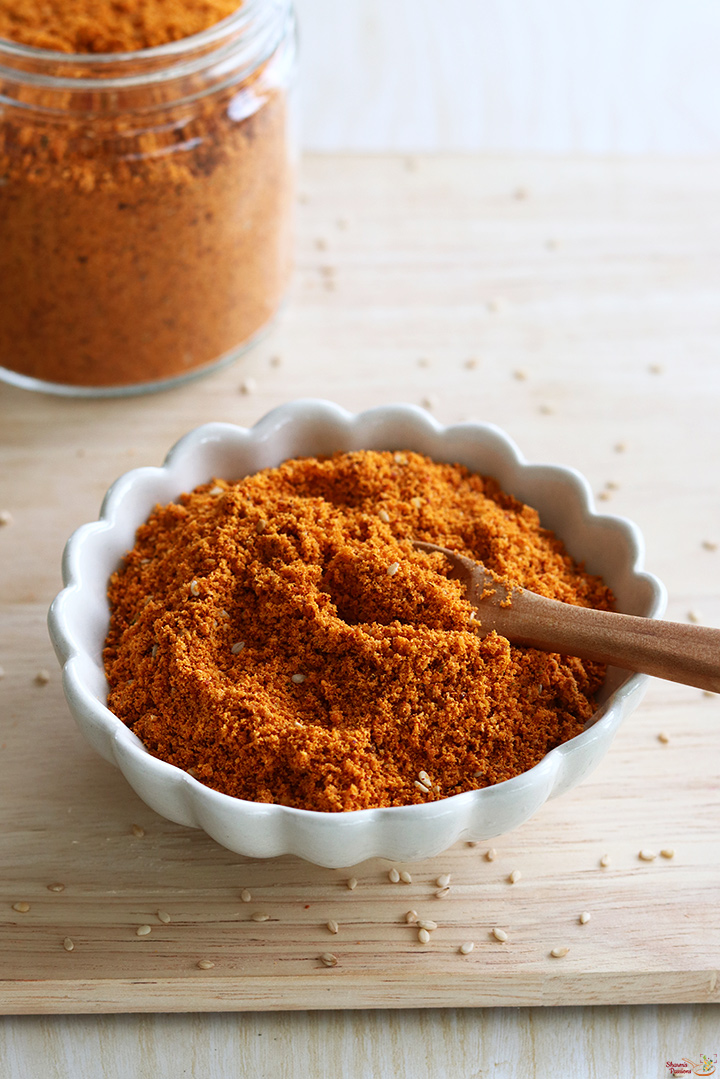
Ellu Podi is a flavourful condiment made by grinding roasted lentils, sesame seeds and few basic spices. This podi is slightly coarse with nice crunch, flavour and aroma. It is used as a side for idli, dosa by mixing it with oil or ghee, you can also add this in hot rice along with ghee.
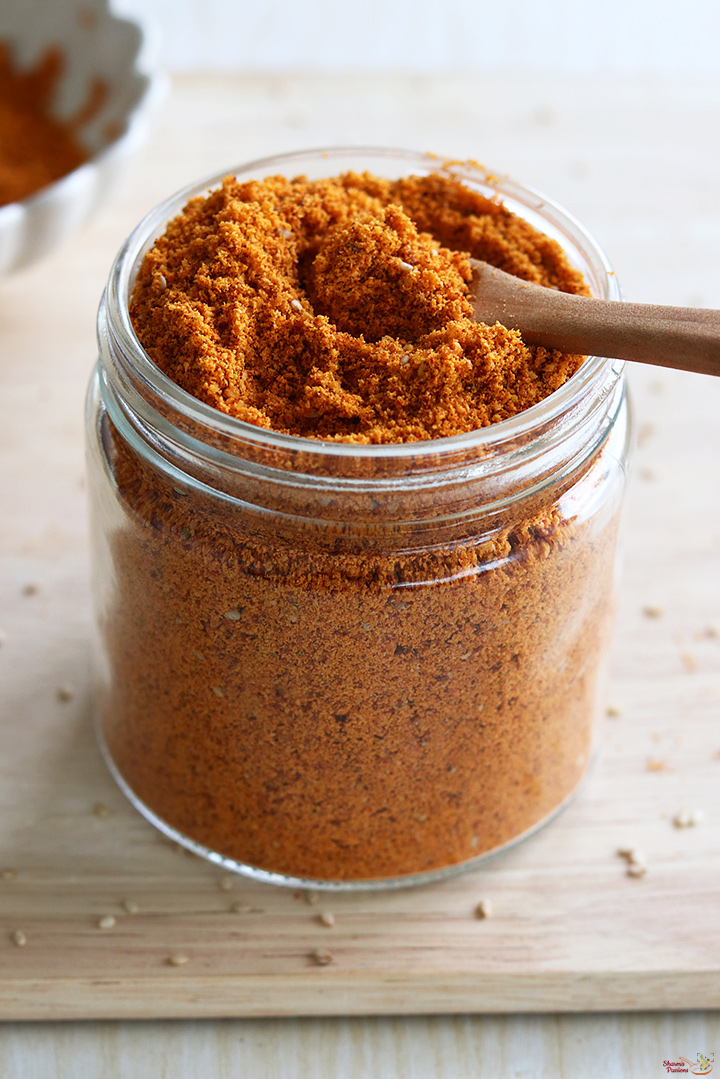
sesame seeds podi served

The ingredients are roasted well and then grind together to make this powder. Each ingredient is roasted to golden brown colour and brings out nice flavour. Sesame seeds has more calcium than in milk so do try to include it often. This is one of my favourite podi variety for idli, dosa.

[feast_advanced_jump_to]

About Ellu Podi

Ellu Podi is made by roasting urad dal, chana dal, sesame seeds, red chillies, curry leaves and rock salt. When you roast each ingredient it brings out different flavours. Sesame seeds becomes fragrant and pops up when they are ready. The lentils turns golden and adds nutty taste.

The texture comes out slightly coarse because you grind everything together. This coarse texture feels nice on idli, dosa and adds crunch to every bite. When you mix this powder with oil it coats the rice or idli nicely.

The powder stays dry and crispy when stored properly in an airtight container. Red chillies adds heat and kashmiri chillies adds colour to the podi. I have kept it simple to enjoy the full flavour and taste of sesame seeds.

Years back, I remember the first time I tasted this podi was in my aunts place and immediately got the recipe from her. I wrote it in a piece of paper, came home and tried it. We all loved it so much that now it has become a staple at home.

Similar Recipes

sesame seeds podi served

Ellu Podi Video

Ellu Podi Ingredients

  • Urad dal - I used urad dal for the base. It is roasted well until golden brown along with chillies.
  • Chana dal - Chana dal adds flavour and crunch to the podi, so do not miss adding it.
  • Sesame seeds - I used sesame seeds for main flavour. They pop up when roasted and brings nice aroma.
  • Red chillies - I used red chillies for heat.
  • Kashmiri chillies - I added kashmiri chillies for colour.
  • Curry leaves - I used fresh curry leaves. They are roasted till crisp and adds aroma.
  • Hing - I added a pinch of hing. It brings flavour and aids in digestion
  • Salt - I used salt to taste. Add according to your preference.
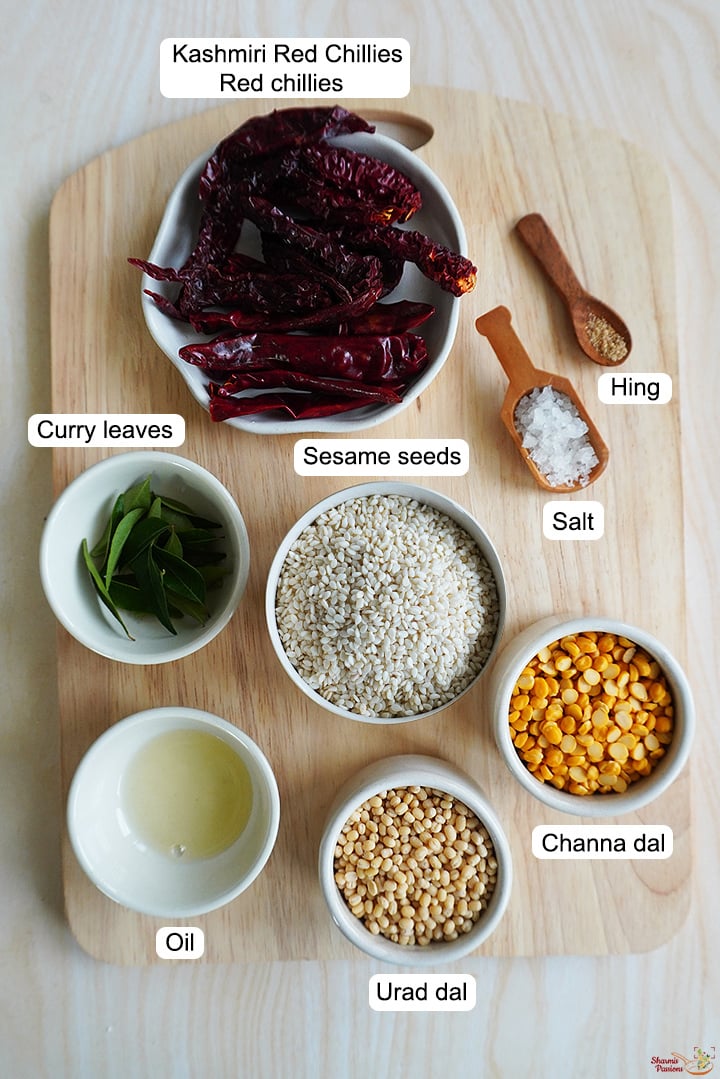
ingredients needed to make sesame seeds powder

How to make Sesame Podi Step by Step

1.To a pan add ΒΎ cup sesame seeds. Start roasting in low flame.
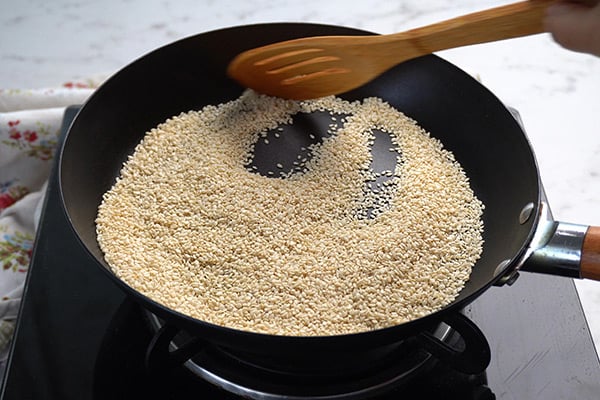
roast sesame seeds

2.Roast until golden and sesame seeds pop well. Transfer to a plate and bring back the pan.
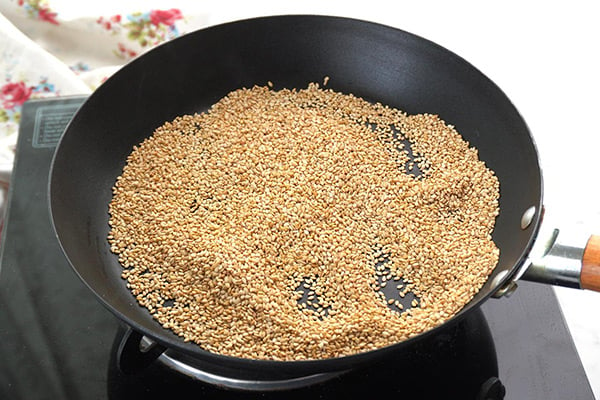
sesame seeds pop

3.To the same pan heat 1 teaspoon oil. Add ΒΌ cup urad dal, ΒΌ cup chana dal, 6 red chillies and 6 kashmiri red chillies.
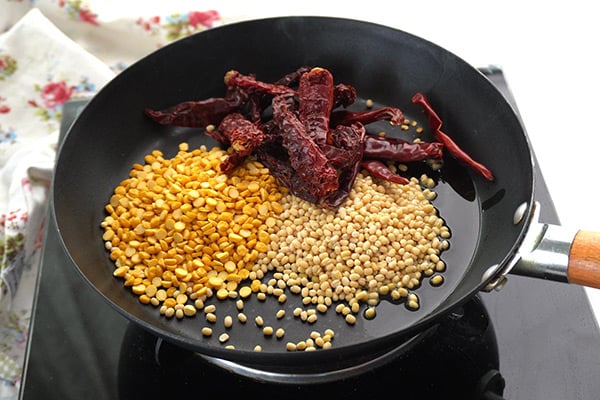
add lentils, chillies

4.Roast until golden brown. Transfer to a plate and bring back the pan.
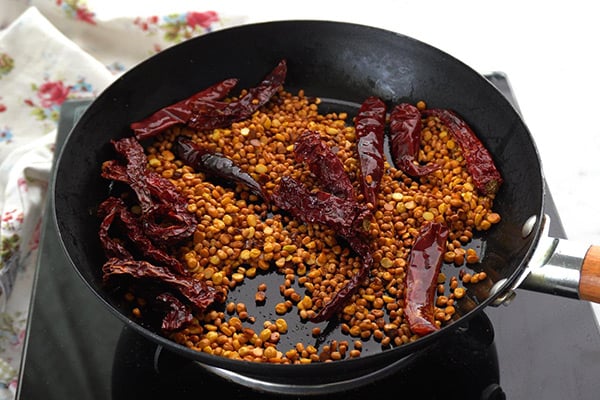
roast till golden brown

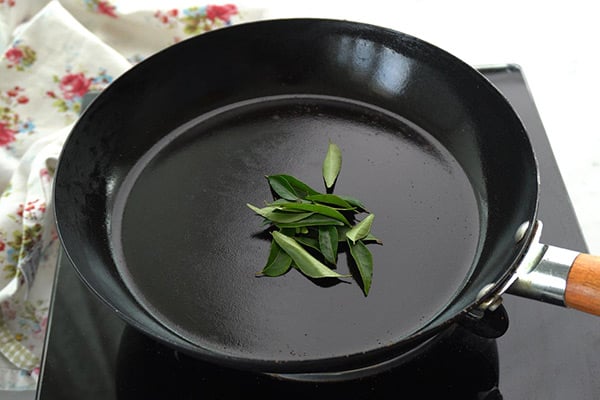
5.Add few curry leaves.

add curry leaves

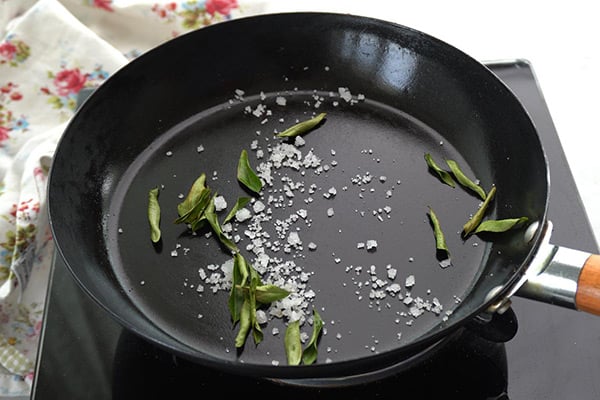
6.Roast until crisp then switch off and add rock salt to atste. Give a quick saute and switch off.
add rock salt

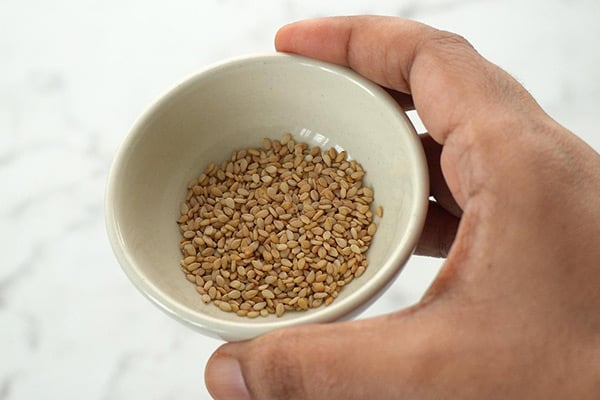
7.Reserve 1 tablespoon roasted sesame seeds.
reserve sesame seeds

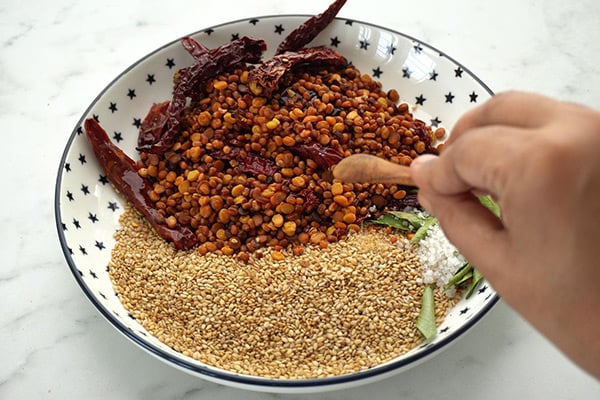
8.Cool down the roasted ingredients then add β…› teaspoon hing.

add hing

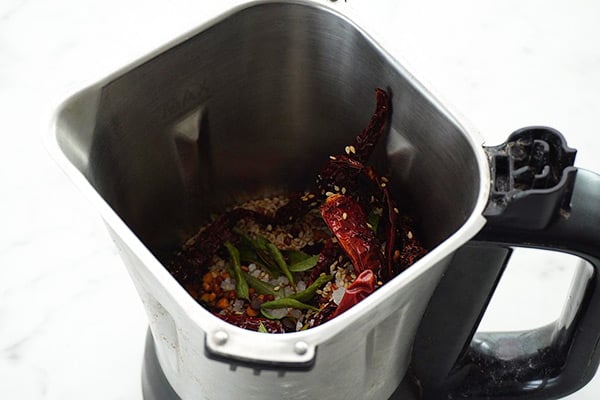
9.Transfer to a dry mixer jar.

transfer to mixer

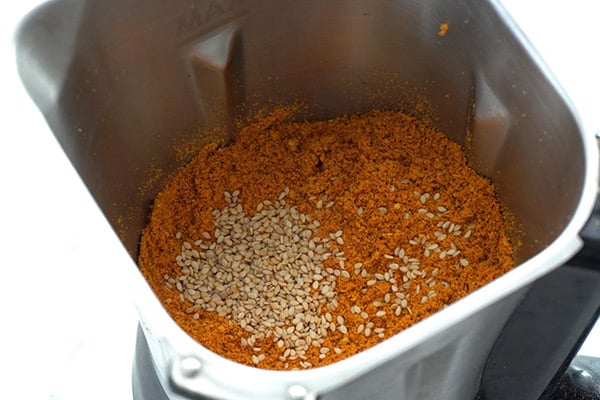
10.Grind it slightly coarse then add reserved roasted seeds and mix it well.
grind it

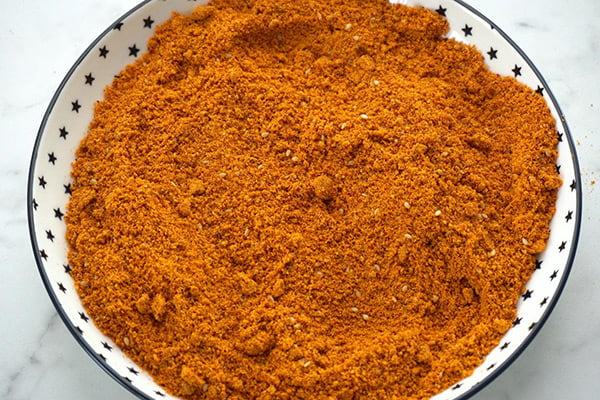
11.Transfer to a plate, cool down then store.
cool down

Enjoy with idli, dosa or rice.

Expert Tips

  • Roast well - I roast it in low flame or low medium flame storring constantly. Make sure not to burn them.
  • Check colour - I watch closely while roasting lentils and seeds. They should turn golden brown and start to pop up.
  • Cool completely - I cool down all roasted ingredients completely before grinding. Hot ingredients are difficult to grind and might loose aroma.
  • Grind to coarse mixture - I grind to slightly coarse texture and not to a fine powder. This gives nice crunch and texture to the powder.
  • Add hing at end - I add hing after roasting and before grinding. This helps flavour spread evenly.
  • Grinding - I grind without oil so powder stays dry. You add oil while serving based on how you like it.

Serving and Storage

Serve ellu podi with idli and dosa by mixing with oil or ghee. Add required salt and mix well before serving. Store in airtight container at room temperature and it stays good for two to three weeks without any problem.

FAQS

1. Can I use black sesame seeds?

Yes you can use black sesame seeds instead of white. The taste and falvour may slightly vary.

2. Can I reduce the spice level?

Yes you can use less red chillies and skip kashmiri chillies if you prefer mild spice.

3. How do I know when sesame seeds are roasted properly?

They pop up and turn golden brown. Once they stop popping that is the right stage to remove from pan.

4. Can I add other spices?

You can add cumin seeds or coriander seeds if you like but keep other ingredients minimal to enjoy the full taste and benefits of sesame seeds.

5. How long does it stay fresh?

Ellu Podi stay good for two to three weeks in airtight container at room temperature. Keep away from moisture.
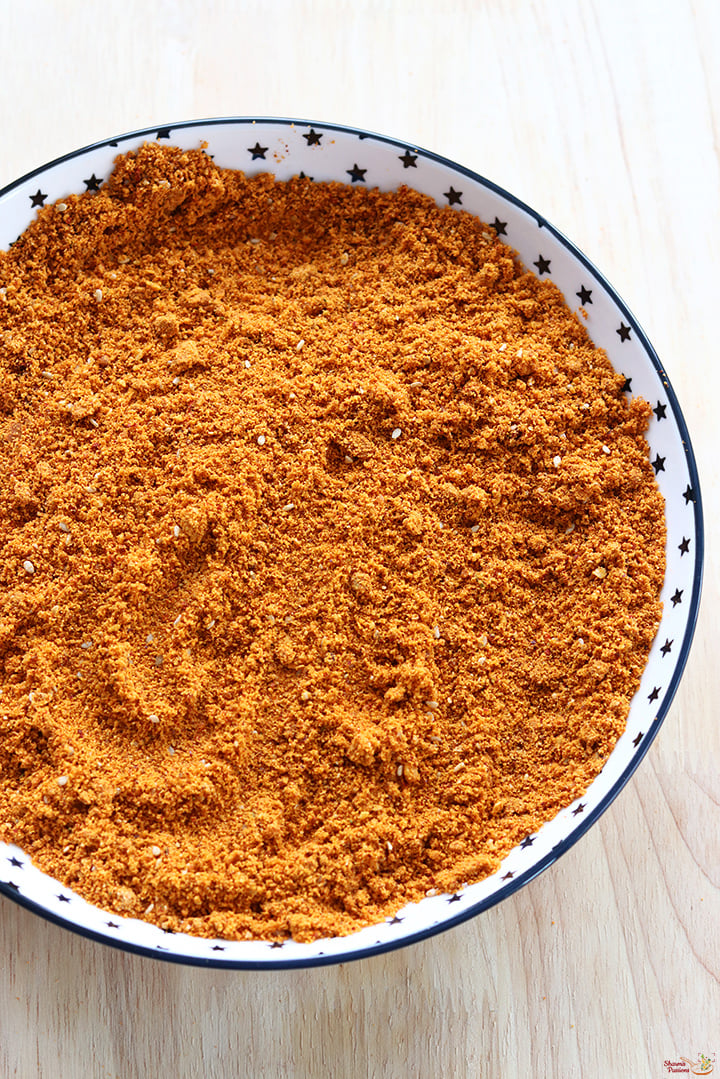
sesame seeds podi freshly grind

If you have any more questions about this Ellu Podi Recipe do mail me at sharmispassions@gmail.com. In addition, follow me on Instagram,Β Facebook,Β PinterestΒ ,YoutubeΒ andΒ TwitterΒ .

Tried this Ellu Podi Recipe? Do let me know how you liked it. Also tag us on Instagram @sharmispassions and hash tag it on #sharmispassions.

πŸ“– Recipe Card

Print

Ellu Podi Recipe | Sesame Seeds Powder Recipe

Ellu Podi is a flavourful condiment made by grinding roasted lentils, sesame seeds and few basic spices. This podi is slightly coarse with nice crunch, flavour and aroma. It is used as a side for idli, dosa by mixing it with oil or ghee, you can also add this in hot rice along with ghee.
Course Breakfast
Cuisine Indian
Keyword 30 mins recipes, dosa sidedish, idli side dish, podi recipes, Side Dish, veg recipes
Prep Time 5 minutes
Cook Time 10 minutes
Total Time 15 minutes
Servings 4
Calories 291kcal
Author Sharmilee J

Ingredients

  • ΒΎ cup sesame seeds
  • ΒΌ cup urad dal
  • ΒΌ cup chana dal
  • 6 red chillies
  • 6 kashmiri red chillies
  • 1 small sprig curry leaves
  • β…› teaspoon hing
  • rock salt to taste

Instructions

  • To a pan add ΒΎ cup sesame seeds. Start roasting in low flame.
  • Roast until golden and sesame seeds pop well. Transfer to a plate and bring back the pan.
  • To the same pan heat 1 teaspoon oil. Add ΒΌ cup urad dal, ΒΌ cup chana dal, 6 red chillies and 6 kashmiri red chillies.
  • Roast until golden brown. Transfer to a plate and bring back the pan.
  • Add few curry leaves.
  • Roast until crisp then switch off and add rock salt to atste. Give a quick saute and switch off.
  • Reserve 1 tablespoon roasted sesame seeds.
  • Cool down the roasted ingredients then add β…› teaspoon hing.
  • Transfer to a dry mixer jar.
  • Grind it slightly coarse then add reserved roasted seeds and mix it well.
  • Transfer to a plate, cool down then store.
  • Enjoy with idli, dosa or rice.

Video

Notes

  • Roast well - I roast it in low flame or low medium flame storring constantly. Make sure not to burn them.
  • Check colour - I watch closely while roasting lentils and seeds. They should turn golden brown and start to pop up.
  • Cool completely - I cool down all roasted ingredients completely before grinding. Hot ingredients are difficult to grind and might loose aroma.
  • Grind to coarse mixture - I grind to slightly coarse texture and not to a fine powder. This gives nice crunch and texture to the powder.
  • Add hing at end - I add hing after roasting and before grinding. This helps flavour spread evenly.
  • Grinding - I grind without oil so powder stays dry. You add oil while serving based on how you like it.

Nutrition

Serving: 20g | Calories: 291kcal | Carbohydrates: 32g | Protein: 12g | Fat: 15g | Saturated Fat: 2g | Polyunsaturated Fat: 6g | Monounsaturated Fat: 5g | Sodium: 16mg | Potassium: 567mg | Fiber: 11g | Sugar: 7g | Vitamin A: 1307IU | Vitamin C: 205mg | Calcium: 323mg | Iron: 7mg

The post Ellu Podi Recipe (Sesame Seeds Powder) appeared first on Sharmis Passions.

Radish Chutney Recipe (Mullangi Chutney)

Radish Chutney is a tasty chutney made by cooking radish with onion, spices then grinding them and tempering it with spices. Radish Chutney can be enjoyed with idli, dosa, uttapam. If you are looking for different chutney recipes then this is sure a refreshing change.

radish chutney served with uttapam

This is just easy chutney to make at home when you run out of tomatoes. It comes together in 25 minutes and you can make a big batch and store it for few days.You can make this at least once a month because my family loves it for breakfast.

[feast_advanced_jump_to]

About Radish Chutney

Radish Chutney is a chutney made with radish, onions, chana dal and spices. These ingredients come together and tastes great with South Indian tiffin items like idli, dosa, upma etc. Radish gives it a mild flavour and the spices balance it perfectly.

The onions in this recipe adds mild sweetness and balances the spices flavours, also the chana dal adds crunch and nutty flavour to the chutney, together the flavours blend and create something really taste great. The tempering with mustard seeds and urad dal adds the finishing touch.

What I love about this chutney is how simple it is to make. You just need to sautΓ© the vegetables, cook them well and grind everything together. The texture comes out smooth and creamy. It goes well with idli, dosa and uttapam and taste good for breakfast or dinner.

I usually make radish chutney during vegetable season when radish is fresh. My family appreciates it because it is healthier than packaged chutneys and tastes homemade. The raw smell is gone once you cook radish properly so it safe to eat.

Similar Recipes

radish chutney served with uttapam

Radish Chutney Ingredients

  • Radish - I used white radish cubed for this chutney. You can use pink radish too if you prefer. It gives mild flavour when cooked well.
  • Onion - I chopped it roughly and added for sweetness and helps to balance the spices in the chutney.
  • Chana dal - I used for nutty flavour and crunch. It is already dry so it roasts quick when you fry it.
  • Coriander seeds - I added for flavour. These seeds bring subtle taste that complete the chutney.
  • Red chillies - I used for medium spice. You can add 4 if you want more heat.
  • Garlic - It gives depth and flavour that make chutney taste nice.
  • Oil - I used for sautΓ©ing and tempering. It help flavours come out and blend together.
  • Salt - I added to taste. Start with less because you can always add more.
  • Mustard seeds - I used for tempering. They splutter and add nice flavour to the chutney.
  • Urad dal - I used split urad dal for tempering. It turns golden and adds crunch on top.
  • Curry leaves - I added fresh curry leaves for tempering.

How to make Radish Chutney Step by Step

1.Heat oil in a pan add chana dal, coriander seeds, garlic and red chillies, fry for 2 mins until fragrant. Add onion.

how to make radish chutney step1

2.Add required salt and saute till transparent then add radish. Saute for 2 minutes.

how to make radish chutney step2

3.Cook covered for 5-7 minutes in low flame. Take a piece of radish to check if its cooked cut with spoon and see it cuts easily then its perfect. Saute for 2 minutes. Switch off and cool down completely.

how to make radish chutney step3

4.Transfer to mixer jar. First grind it coarse, radish will let out water so add water accordingly. Grind to chutney consistency.

how to make radish chutney step4

5.In a pan heat oil - add mustard seeds let it splutter then add urad dal and curry leaves saute till dal turns golden. Transfer tadka to chutney, mix well.

how to make radish chutney step5

Serve with idli, dosa

radish chutney served with uttapam

Expert Tips

  • Cook well - I always make sure radish is cooked properly. If it is not cooked well the chutney will give raw smell.
  • Check doneness - I cut the radish pieces with spoon to check if it cooked. It should cut easily and be soft inside.
  • Grinding - I grind it coarse first because radish let out water. Add water accordingly while grinding.
  • Cool completely - I let everything cool down before grinding. Hot mixture is difficult to grind and might spill out.
  • Tempering - I add tempering after grinding because it keeps mustard seeds and dal crispy. This adds texture to chutney.
  • SautΓ©ing - I sautΓ© onion till transparent before adding radish. This helps onion blend into chutney properly.

Serving and Storage

Serve radish chutney with idli, dosa or uttapam for breakfast. It pair well with south Indian food and taste good at room temperature. Store this in airtight jar at room temperature and it stay good for 4 to 5 days without any problem.

FAQS

1. Can I use pink radish instead?

Yes you can use pink radish too. It gives similar flavour and texture as white radish so no issues adding them.

2. Why does my chutney smell raw?

It gives raw flavour if radish is not cooked well enough. Cook it longer until it is soft and no raw smell remains.

3. Can I add extra chilli?

Yes you can add 4 red chillies instead of 2 for more heat. Adjust based on your preference.

4. How long it stays fresh?

It just stays good for 4 to 5 days in airtight jar at room temperature. You can refrigerate for longer.

5. Can I skip tempering?

You can but tempering adds nice flavour and texture. It only takes few minutes so I recommend tempering the chutney.

radish chutney served with uttapam

If you have any more questions about this Radish Chutney Recipe do mail me at sharmispassions@gmail.com. In addition, follow me on Instagram, Facebook,Β  Pinterest, Youtube andΒ TwitterΒ .

Tried this Radish Chutney Recipe ? Do let me know how you liked it. Also tag us on Instagram @sharmispassions and hash tag it on #sharmispassions.

πŸ“– Recipe Card

RadishChutney1
Print

Radish Chutney Recipe (Mullangi Chutney)

Radish Chutney is a tasty chutney made by cooking radish with onion, spices then grinding them and tempering it with spices. Radish Chutney can be enjoyed with idli, dosa, uttapam. If you are looking for different chutney recipes then this is sure a refreshing change.
Course Breakfast, Side Dish
Cuisine Indian
Keyword 30 mins recipes, chutney recipes, dosa sidedish, idli side dish, radish recipes, Side Dish, veg recipes, vegetable
Prep Time 10 minutes
Cook Time 15 minutes
Total Time 25 minutes
Servings 1 cup
Calories 333kcal
Author Sharmilee J

Ingredients

  • 1 cup radish cubed
  • 1 small sized big onion chopped roughly
  • 1 tablespoon chana dal
  • 1 teaspoon coriander seeds
  • 2 nos red chillies
  • 1 big fat garlic clove
  • 1 tablespoon oil
  • salt to taste

To temper:

  • 2 teaspoon oil
  • Β½ teaspoon mustard seeds
  • Β½ teaspoon split urad dal
  • few curry leaves

Instructions

  • Heat oil in a pan add chana dal, coriander seeds, garlic and red chillies, fry for 2 minutes until fragrant. Add onion.
  • Add required salt and sautΓ© till transparent, then add radish. SautΓ© for 2 minutes.
  • Cook covered for 5-7 minutes in low flame. Take a piece of radish to check if its cooked cut with spoon and see it cuts easily then its perfect.
  • Switch off and cool down completely. Transfer to mixer jar.
  • First grind it coarse, radish will let out water so add water accordingly. Grind to chutney consistency.
  • In a pan heat oil - add mustard seeds let it splutter then add urad dal and curry leaves sautΓ© till dal turns golden. Transfer tadka to chutney, mix well.
  • ServeΒ  Radish Chutney with idli, dosa or uttapam and enjoy!

Notes

  • Cook well - I always make sure radish is cooked properly. If it is not cooked well the chutney will give raw smell.
  • Check doneness - I cut the radish pieces with spoon to check if it cooked. It should cut easily and be soft inside.
  • Grinding - I grind it coarse first because radish let out water. Add water accordingly while grinding.
  • Cool completely - I let everything cool down before grinding. Hot mixture is difficult to grind and might spill out.
  • Tempering - I add tempering after grinding because it keeps mustard seeds and dal crispy. This adds texture to chutney.
  • SautΓ©ing - I sautΓ© onion till transparent before adding radish. This helps onion blend into chutney properly.

Nutrition

Serving: 75g | Calories: 333kcal | Carbohydrates: 27g | Protein: 6g | Fat: 24g | Saturated Fat: 2g | Polyunsaturated Fat: 6g | Monounsaturated Fat: 15g | Trans Fat: 0.1g | Sodium: 51mg | Potassium: 478mg | Fiber: 9g | Sugar: 7g | Vitamin A: 30IU | Vitamin C: 29mg | Calcium: 104mg | Iron: 2mg

The post Radish Chutney Recipe (Mullangi Chutney) appeared first on Sharmis Passions.

Peanut Chutney Powder Recipe

Peanut Chutney Powder is a flavourful, aromatic condiment made by grinding roasted peanuts, fried gram and spices. Peanut Chutney Powder is used for making peanut chutney and also as a side for idli, dosa by mixing it with oil. Peanut Chutney Powder serves as a taste enhancer too for curries and gravies.

peanut podi served

This powder is used for making peanut chutney or serves as a side with idli and dosa. You can mix it with oil and eat with rice too. It also works as a taste enhancer for curries and gravies. The powder stays fresh for long time so you can make a big batch and store.

[feast_advanced_jump_to]

About Peanut Chutney Powder

Peanut chutney powder is made using roasted peanuts, fried gram dals and a few basic spices. It has a bit coarse texture and not fully smooth which gives that homemade touch. You can mix it with hot ghee, rice or have it with idli, dosa. The roasted chillies and garlic adds a great taste that mix really well with the lentils.

Peanut Chutney Powder also known as groundnut chutney powder is one of the tasty side dish for idli, dosa or even rice.

The powder has a slightly coarse texture which is better than fine powder. It stays dry and don't clump up in jar. The flavour is warm, nutty and aromatic. This powder is quite common in many South Indian homes where podis are like regular part of daily meals.

You can make this powder more or less spicy based on how many chillies you use. Some people add more garlic for stronger flavour. You can skip curry leaves if you don't like them. This powder works great as a side dish or for making chutney.

I usually make big batch of this powder and keep for whole month. My family enjoys it on warm rice with ghee. The flavour stay strong and fresh for long time.

Similar Recipes

peanut podi served

Peanut Chutney Powder Ingredients

  • Peanuts - Peanuts are used as main ingredient for this powder. They give nutty flavour and makes powder taste rich.
  • Fried gram dal - Fried gram dal is added for sweetness and texture. It help s the powder stay dry and crunchy.
  • Red chillies - I used red chillies for spice and flavour. You can add more or less based on spice level you like.
  • Garlic - I added garlic for aroma and warm taste. Big fat cloves gives better flavour than small ones.
  • Curry leaves - I used curry leaves for slight citrusy flavour. They add aroma to powder without overpowering taste.
  • Oil - I added oil for frying garlic and curry leaves. Just little bit helps flavours release and blend.
  • Salt - I used salt for seasoning the powder. Rock salt gives better taste than regular salt.

How to make Peanut Chutney Powder Step by Step

1.I had de-skinned peanuts so used it. Dry roast until golden spots appear here and there, set aside. Now take fried gram dal.

how to make peanut powder step1

2.Roast until golden, set aside. Heat Β½ teaspoon of oil add garlic, curry leaves and red chillies fry for 2 minutes. Cool down all the ingredients completely.

4how to make peanut powder step2

3.Transfer to mixer jar along with required salt. Grind it to a slightly coarse mixture. Transfer to a plate spread it to cool down. Then you can store. While grinding first grind at a stretch then pulse so that peanuts do not leave oil.

how to make peanut powder step3

Serve with idli,dosa or with hor rice and ghee.

Expert Tips

  • Roasting peanuts - I roast peanuts until golden spots appear. Don't over roast or they may burn and taste bitter.
  • Roasting dal - I roast fried gram dal until golden colour. This bring out flavour and makes it crunchy.
  • Cooling - I let all roasted ingredients cool completely before grinding. Hot ingredients create moisture and powder stick together.
  • Grinding - I grind at stretch for few seconds then pulse. This helps peanuts not to release oil and powder stays dry.
  • Not over grinding - I don't run mixer grinder too long. Peanut oil comes out if you grind too much and powder becomes more like a paste.
  • Storage - I spread powder on plate to cool before storing. Cool it and then store. It keeps fresh longer and stay crunchy in jar.

Serving and Storage

Serve this powder with hot rice and ghee or side dish for dosa or idli with oil. Store leftover powder in an airtight container and keep in a cool dry place. It stays fresh for few weeks if roasted well. You can refrigerate for longer shelf life also.

FAQS

1. Can I use peanuts along with skin?

You can use peanuts with skin. Just roast and rub between palms to remove skin. Blow away the skin and use the peanuts.

2. How do I know peanuts are roasted enough?

Roast until golden spots appear on peanuts. Smell should be strong and nutty. Don't over roast or they taste burnt.

3. Can I use Kashmiri chillies?

Yes you can but then the chutney won't be much spicy, so adjust it how you like.

4. Can I skip the garlic and curry leaves?

You can skip them but flavour come out different. They add warmth and aroma. It may taste more plain without them.

5. Can I use raw peanuts?

You need to roast raw peanuts first. Raw peanuts don't give same flavour and taste different.

peanut podi served

If you have any more questions about this Peanut Chutney Powder Recipe do mail me at sharmispassions@gmail.com. In addition, follow me on Instagram,Β Facebook,Β PinterestΒ ,YoutubeΒ andΒ TwitterΒ .

Tried this Peanut Chutney Powder Recipe ? Do let me know how you liked it. Also tag us on Instagram @sharmispassions and hash tag it on #sharmispassions.

πŸ“– Recipe Card

PeanutPodi3
Print

Peanut Chutney Powder Recipe

Peanut Chutney Powder is a flavourful, aromatic condiment made by grinding roasted peanuts, fried gram and spices. Peanut Chutney Powder is used for making peanut chutney and also as a side for idli, dosa by mixing it with oil. Peanut Chutney Powder serves as a taste enhancer too for curries and gravies.
Course Main Course
Cuisine Indian
Keyword chutney recipes, dosa sidedish, idli side dish, peanut recipes, podi recipes, recipes, Side Dish, veg recipes
Prep Time 10 minutes
Cook Time 10 minutes
Total Time 20 minutes
Servings 15 cup
Calories 72kcal
Author Sharmilee J

Ingredients

  • 1 cup peanuts
  • ΒΌ cup fried gram dal
  • 2 big fat cloves garlic
  • 3 red chillies
  • Β½ teaspoon oil
  • few curry leaves
  • salt / rock salt to taste

Instructions

  • I had de-skinned peanuts so used it. Roast until golden spots appear here and there, set aside.
  • Now take fried gram dal. Roast until golden, set aside.
  • Heat Β½ teaspoon of oil add garlic, curry leaves and red chillies fry for 2 mins. Cool down all the ingredients completely.
  • Transfer to mixer jar along with required salt. Grind it to a slightly coarse mixture.
  • Transfer to a plate spread it to cool down. Then you can store. While grinding first grind at a stretch then pulse so that peanuts do not leave oil.
  • Serve Peanut chutney Powder for idli, dosa or with hot rice and ghee.

Notes

  • Roasting peanuts - I roast peanuts until golden spots appear. Don't over roast or they may burn and taste bitter.
  • Roasting dal - I roast fried gram dal until golden colour. This bring out flavour and makes it crunchy.
  • Cooling - I let all roasted ingredients cool completely before grinding. Hot ingredients create moisture and powder stick together.
  • Grinding - I grind at stretch for few seconds then pulse. This helps peanuts not to release oil and powder stays dry.
  • Not over grinding - I don't run mixer grinder too long. Peanut oil comes out if you grind too much and powder becomes more like a paste.
  • Storage - I spread powder on plate to cool before storing. Cool it and then store. It keeps fresh longer and stay crunchy in jar.

Nutrition

Serving: 15g | Calories: 72kcal | Carbohydrates: 4g | Protein: 4g | Fat: 5g | Saturated Fat: 1g | Polyunsaturated Fat: 2g | Monounsaturated Fat: 2g | Trans Fat: 0.001g | Sodium: 3mg | Potassium: 132mg | Fiber: 2g | Sugar: 1g | Vitamin A: 87IU | Vitamin C: 13mg | Calcium: 14mg | Iron: 1mg

The post Peanut Chutney Powder Recipe appeared first on Sharmis Passions.

Sundakkai Vathal Kulambu Recipe

Sundakkai Vathal Kulambu is a South Indian curry made with sundakkai vathal (dried turkey berry), tamarind, and a flavorful mix of spices. This dish is delicious and has numerous health benefits. Sundakkai is rich in antioxidants and is often used in traditional dishes to treat digestive issues. It adds a unique bitterness to the curry, which is perfectly balanced with the sweetness of jaggery and the tanginess of tamarind.

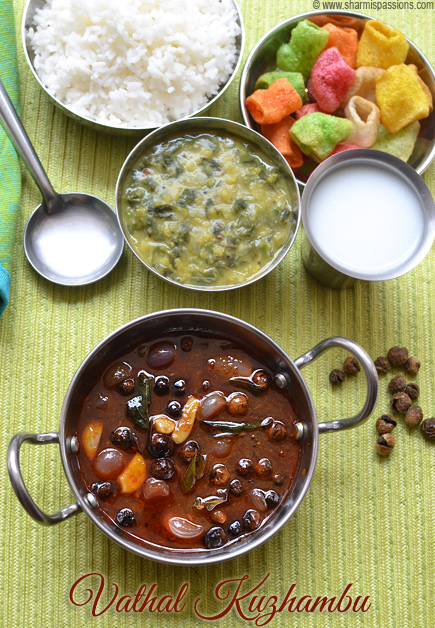
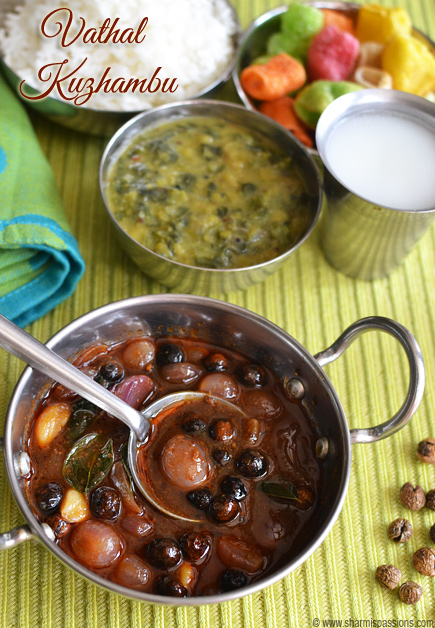
sundakkai vathal kulambu served with rice and greens

Sundakkai Vathal Kuzhambu is made with simple ingredients that are easy to find in most South Indian kitchens. This kuzhambu has a bold, deep flavor from the sundakkai vathal. It's a comforting dish packed with traditional Tamil flavors. You can try this simple recipe and enjoy its delicious taste.

[feast_advanced_jump_to]

About Sundakkai Vathal Kulambu

Sundakkai Vathal Kulambu is a traditional Tamil dish known for its bold and complex taste. This recipe is made with sundakkai vathal as the key ingredient, the kulambu brings out rich, earthy flavors with a perfect balance of spice, tanginess, and subtle sweetness. The bitterness of sundakkai blends beautifully with the curry. It is called Vatha Kulambu or Vathal Kuzhambu

This dish is a staple in many Tamil households and is often prepared during regular weekdays as well as special occasions. Its thick, aromatic curry can be paired with hot steamed rice and a dollop of ghee, creates a soul-satisfying meal. It also goes well with millet rice or can be served as a flavorful side dish for idli or dosa.

This recipe is a wholesome and comforting option, especially when you're looking for something that is both tasty and good for your health.Β Even if you're new to using sundakkai in cooking, this dish is a great introduction. With the right preparation, it loses its bitterness and adds depth to the curry.Β It's a dish filled withΒ warmth and the richness of Tamil cuisine perfect to pair up wit rice and curry of your choice.

sundakkai vathal kulambu served with rice and greens

Sundakkai Vathal Kulambu Ingredients

  • Sundakkai Vathal (dried turkey berry)Β -Β This is the key ingredient, It adds a unique bitterness and intense flavorΒ to the dishΒ that makes the curry stand out.
  • Gingelly oil (sesame oil)Β -Β Adds a nutty aroma and rich flavor, perfect for this recipe. It's high smoke point ensures a crisp tempering without burning the ingredients. It also helps bring out the flavors of the spices really well.
  • Mustard seeds,Β cumin seeds, chana dalΒ -Β Add a nutty,Β spicy flavor to the tempering, they provide a slight crunch and texture to the dish.
  • Fenugreek seedsΒ -Β This is a must-add ingredient to the dish, brings a slightly bitter, aromatic flavor that complements the other spices.Β 
  • Red chiliesΒ -Β Adds heat and color to the tempering. They contribute a spicy taste and vibrant red color to the curry.
  • Curry leavesΒ -Β Gives the authentic South Indian aroma and flavor when fried. These add a fragrant, herbal touch to the tempering.
  • Small onionsΒ -Β Adds natural sweetness and depth to the gravy. They soften during cooking and blend perfectly into the curry.
  • GarlicΒ -Β Adds mild pungency and fragrance to the dish. Garlic enhances the flavor andΒ  taste of the curry.
  • Sambar powderΒ -Β Gives the kulambu its characteristic flavor and warmth. It infuses the dish with a savory, mildly spicy taste.
  • WaterΒ -Β You can adjust the consistency of the curry. It balances the ingredients and helps the flavors blend together.
  • TamarindΒ -Β Gives a tangy kick that balances the bitterness of the sundakkai and spices. It's perfect for the deep, rich flavors of the curry.
  • JaggeryΒ -Β Adds a touch of sweetness to balance the tanginess of tamarind. Jaggery also enhances the overall richness and smoothness of the dish.

Similar Recipes

Why This Recipe Works

  • Quick to make and perfect for weekday meals
  • It has a bold, tangy flavor with a rich, traditional taste.
  • This recipe is a balance of spicy, sour, and a hint of sweetness.
  • Easily customizable with other vathals or veggies.
  • Uses sundakkai vathal which is both flavorful and healthy.
  • Tastes even better the next day.
  • Can be paired with rice, idli, dosa, or even chapati.

How to make Sundakkai Vathal Kuzhambu Step by Step

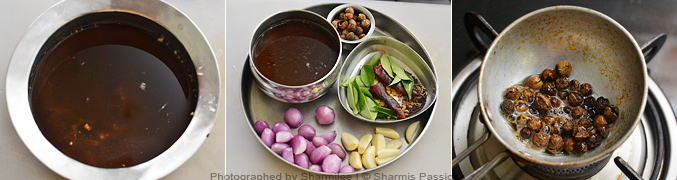
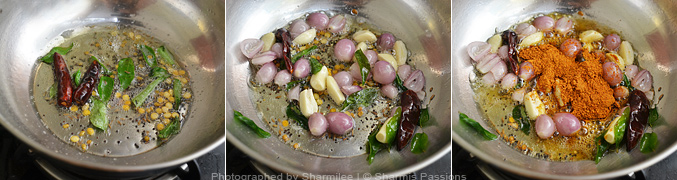
1.Soak tamarind in hot water and extract the thin tamarind water. Peel the skin of garlic and small onions and make it ready. In a tadka pan - fry the sundakkai vathal till dark browned.

how to make vathal kuzhambu step1

2.In a kadai / pan heat oil - add the items listed under 'to temper', then add onion and garlic, fry for 2 minutes. Then add sambar powder.

how to make vathal kuzhambu step2

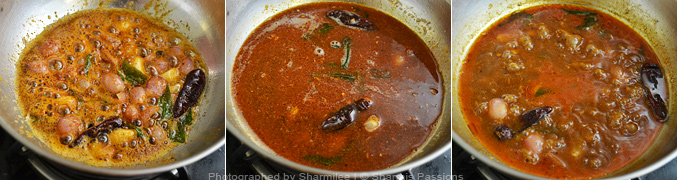
3.Fry for a minute. Then add tamarind water and let it boil for few minutes. Let it boil for few minutes till oil separates and it becomes slightly thick.

how to make vathal kuzhambu step3

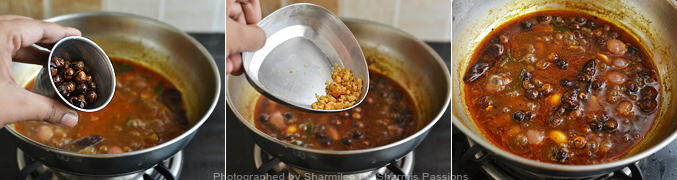
4.Then add sundakkai vathal and let it boil for a good 5 minutes in low flame. Then finally add jaggery stir well and switch off.

how to make vathal kuzhambu step4

Serve with hot rice.

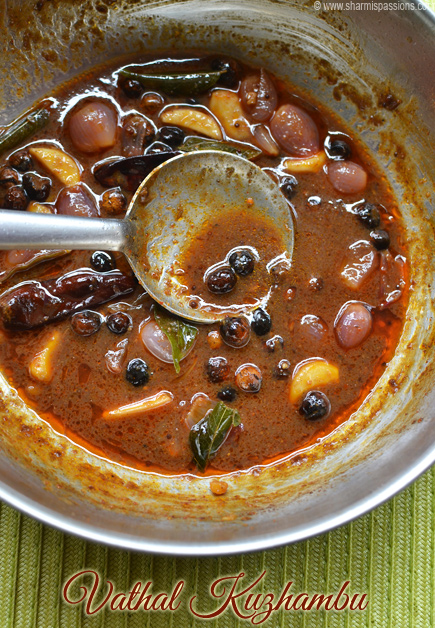
sundakkai vathal kulambu

Expert Tips

  • Sundakkai vathalΒ Β -Β Make sure to fry the vathal until it turns dark brown for the best flavor and texture. This enhances the bitterness and makes it crispy.
  • Gingelly oil (nallennai)Β -Β It enhances the flavor and provides the authentic South Indian taste. It also adds richness to the curry.
  • Soaking tamarindΒ -Β This helps extract a good balance of tangy tamarind juice, not too strong or weak. It gives a smoother consistency.
  • Spice levelsΒ -Β If your sambar powder isn't spicy enough, add extra chili powder. You can customize it to your preferred spice level.
  • JaggeryΒ -Β It balances the tangy tamarind and adds a mild sweetness that complements the bitterness.
  • Other vathalsΒ -Β If you don't have sundakkai, try using manathakkali vathal or maa vathal for a different taste. These vathals also pair well with this recipe.

Serving and Storage

Sundakkai Vatha Kulambu is best served hot with plain rice and a side of vegetable or papad. You can also enjoy it with dosa or idli for a flavorful twist.Β 

Stays fresh for up to 2 days at room temperature or can be stored in an airtight container for up to a week in the refrigerator.

FAQS

1.What is sundakkai vathal?

It's dried turkey berry, used in South Indian cooking for its health benefits and unique bitter flavor.

2.Can I use fresh sundakkai instead of dried?

Yes, but dried sundakkai gives a more intense and traditional flavor.

3.Is jaggery necessary?

Yes, It adds a lovely balance of sweetness to the curry.Β 

4.Can I replace sambar powder with other spice powders?

Yes, you can replace it with a mix of coriander powder, red chili powder.

5.Can I skip onions and garlic?

Yes, but the flavor will change. They add a good flavor base to the kulambu.

6.What other vathals can I use?

You can try manathakkali, maa vathal, or even a mix of different vathals for a different taste and flavor.

sundakkai vathal kulambu served with rice and greens

If you have any more questions about this Sundakkai Vathal Kuzhambu Recipe do mail me at sharmispassions@gmail.com. In addition, follow me on Instagram, Facebook,Β  Pinterest, Youtube andΒ TwitterΒ .

Tried this Sundakkai Vathal Kuzhambu Recipe? Do let me know how you liked it. Also tag us on Instagram @sharmispassions and hash tag it on #sharmispassions.

πŸ“– Recipe Card

15338436742 fe834b4c71 o
Print

Sundakkai Vatha Kulambu Recipe | Sundakkai Vathal Kulambu Recipe

Sundakkai Vathal Kulambu is a South Indian curry made with sundakkai vathal (dried turkey berry), tamarind, and a flavorful mix of spices. This dish is delicious and has numerous health benefits. Sundakkai is rich in antioxidants and is often used in traditional dishes to treat digestive issues. It adds a unique bitterness to the curry, which is perfectly balanced with the sweetness of jaggery and the tanginess of tamarind.
Course Lunch, Side Dish
Cuisine Indian
Keyword 30 mins recipes, curry, curry recipes, Gravy, gravy recipes, healthy recipes, kuzhambu, kuzhambu recipes, lunch recipes, travel recipes
Prep Time 10 minutes
Cook Time 20 minutes
Total Time 30 minutes
Servings 2
Calories 424kcal
Author Sharmilee J

Ingredients

  • ΒΌ cup sundakkai vathal / dried turkey berry
  • Β½ lemon sized tamarind
  • 15 small onion
  • 5 garlic pearls halved
  • 3 teaspoon sambar powder
  • 1 cup water
  • 1 teaspoon jaggery powdered
  • salt to taste

To Temper:

  • 3 tablespoon gingelly oil
  • Β½ teaspoon mustard seeds
  • Β½ teaspoon jeera
  • ΒΎ teaspoon chana dal
  • ΒΌ teaspoon fenugreek
  • 2 red chillies
  • a small sprig curry leaves

Instructions

  • Soak tamarind in hot water and extract the thin tamarind water. Peel the skin of garlic and small onions and make it ready.
  • In a tadka pan - fry the sundakkai vathal till dark browned.
  • In a kadai / pan heat oil - add the items listed under 'to temper', then add onion and garlic, fry for 2 minutes.
  • Add sambar powder and fry for a minute.
  • Add tamarind water and let it boil for few mins till oil separates and becomes slightly thick.
  • Add sundakkai vathal and let it boil for a good 5 minutes in low flame.
  • Finally add jaggery stir well and switch off.
  • Serve Sundakkai Vatha Kulambu with hot rice.

Notes

  • Sundakkai vathalΒ Β -Β Make sure to fry the vathal until it turns dark brown for the best flavor and texture. This enhances the bitterness and makes it crispy.
  • Gingelly oil (nallennai)Β -Β It enhances the flavor and provides the authentic South Indian taste. It also adds richness to the curry.
  • Soaking tamarindΒ -Β This helps extract a good balance of tangy tamarind juice, not too strong or weak. It gives a smoother consistency.
  • Spice levelsΒ -Β If your sambar powder isn't spicy enough, add extra chili powder. You can customize it to your preferred spice level.
  • JaggeryΒ -Β It balances the tangy tamarind and adds a mild sweetness that complements the bitterness.
  • Other vathalsΒ -Β If you don't have sundakkai, try using manathakkali vathal or maa vathal for a different taste. These vathals also pair well with this recipe.

Nutrition

Serving: 75g | Calories: 424kcal | Carbohydrates: 49g | Protein: 8g | Fat: 24g | Saturated Fat: 3g | Polyunsaturated Fat: 6g | Monounsaturated Fat: 14g | Trans Fat: 0.1g | Sodium: 22mg | Potassium: 523mg | Fiber: 7g | Sugar: 14g | Vitamin A: 440IU | Vitamin C: 81mg | Calcium: 191mg | Iron: 8mg

The post Sundakkai Vathal Kulambu Recipe appeared first on Sharmis Passions.

Kadamba Chutney Recipe

Kadamba Chutney is a tasty chutney that is made by blending spices, dal, vegetables and herbs then tempered with mustard seeds. This makes meals special and is a must try at home for the taste, also the chutney feels creamy and smooth and is best served fresh. Kadamba Chutney is a great side dish for idli, dosa, uttapam and an alternate to the regular chutneys.

kadamba chutney served with pongal

This needs just basic ingredients and simple grinding. Each spoon has spices and herbs flavour and the mint and coriander makes it fresh, the tempering adds flavour and together it feels satisfying. This comes together quickly without requiring much effort.

[feast_advanced_jump_to]

About Kadamba Chutney

'Kadambam' in tamil means mixed so this chutney had a mix of ingredients and it is so flavourful. Kadamba Chutney is quick and easy to enjoy different herbs in a different form and this recipe is also easy to make and does not need much effort. It can be made ahead and kept in the fridge, the flavours blend together well and gives fresh taste.

I saw this easy chutney in my chettinad cookbook so wanted to give it a try.Usually I look for different chutney recipes or sidedish for idli dosa and this one was different from the usual chutneys.

The texture is creamy and smooth throughout the chutney. When you taste it fresh everything comes together and tastes really good. The chutney has flavour from mint and coriander herbs. Roasted dal and spices add depth and warmth to the chutney.

I usually make this when we have idli or dosa at home. The creamy texture and herb flavour make it a favourite side dish. It keeps well in the fridge for a couple of days. This Kadamba Chutney goes well with idli, dosa and pongal etc.Actually I had the leftovers with chapathi too and it was soo good.

Similar Recipes

kadamba chutney served with pongal

Kadamba Chutney Video

Kadamba Chutney Ingredients

  • Urad Dal - I have used urad dal for roasting and grinding. It gives nutty flavour and helps make chutney creamy.
  • Chana Dal - I added chana dal for flavour and texture. It complements urad dal and adds sweetness to the chutney.
  • Red Chillies - I used red chillies for spice and heat, you can adjust based on how much spice you like.
  • Green Chilli - I added green chilli for freshness and mild heat, also gives light pungent flavour to the chutney.
  • Onion - I used for mild sweetness. Onion becomes sweet when cooked and blends well with herbs.
  • Tomato - I added tomato for tanginess and colour. It give depth and slight sourness that balance the flavours.
  • Mint and Coriander Leaves - I used both for fresh flavour throughout the chutney. They give aromatic taste and make chutney smell amazing.
  • Coconut - I added grated coconut for richness and creamy texture. Coconut helps bind all ingredients and make chutney smooth.
  • Tamarind - I used for tanginess and flavour. It balances the spices and add depth to the chutney taste.

How to make Kadamba Chutney Step by Step

1.Heat oil in a pan - add urad dal, chana dal, red chilli and green chilli. Saute till golden.Then add ginger and hing, give a quick mix.

how to make kadamba chutney step1

2.Add onion, tomato and curry leaves saute till mushy and raw smell of tomatoes leaves. Add mint and coriander leaves.

how to make kadamba chutney step2

3. Saute till it shrinks, finally add coconut, tamarind and required salt. Give a quick mix and switch off.

how to make kadamba chutney step2

4.Transfer to mixer jar, add little water and grind to a semi coarse paste. Transfer to bowl.

how to make kadamba chutney step4

5.Heat oil in a tadka pan - add mustard seeds, let it crackle. Add the tempering to the chutney and mix well. Add salt if needed.

how to make kadamba chutney step5

Serve with idli, or dosa or pongal.

Expert Tips

  • Sauteing dal and spices - I usually roast dal and chillies until golden brown in oil. This give nice roasted flavour and make chutney more aromatic.Β 
  • Grinding consistency - I grind everything to semi coarse, makes chutney feel textured instead of smooth paste.
  • Tempering - I heat oil separately and add mustard seeds until they crackle. This tempering add flavour to the chutney and makes it more tasty.Β 
  • Serving Fresh - I always serve chutney fresh and right away for best taste. Fresh chutney have more vibrant flavour compared to kept chutney.Β 
  • Spiciness - You can adjust the red chillies according to your spice level.

Serving and Storage

Serve Kadamba Chutney with idli, dosa or uttapam for best taste. You can store in fridge for about two days, consume within for best flavour and freshness.

FAQS

1.Can I add carrot to this chutney?

Yes you can add small piece of carrot for a mild sweet taste.Β 

2.How much spice to add?

You can add red chillies based on how much spice you like. Start with less and add more if you prefer more heat.

3.Can I skip mint leaves?

You can skip mint if you don't have them, but it give amazing fresh flavour. Coriander alone also work well if mint is not available.

4.How long does it keep?

You can store in the fridge for about two days only. Consume within for best flavour and fresh taste of the chutney.

5.Can I make this in bulk?

Yes you can double the recipe and store in the fridge. It gives nice volume and perfect when you expect guests at home.

kadamba chutney served with pongal

If you have any more questions about this Kadamba Chutney RecipeΒ do mail me at sharmispassions@gmail.com. In addition, follow me on Instagram,Β Facebook,Β PinterestΒ ,YoutubeΒ andΒ TwitterΒ .

Tried this Kadamba Chutney Recipe? Do let me know how you liked it. Also tag us on Instagram @sharmispassions and hash tag it on #sharmispassions.

πŸ“– Recipe Card

KadambaChutney1
Print

Kadamba Chutney Recipe

Kadamba Chutney is a tasty chutney that is made by blending spices, dal, vegetables and herbs then tempered with mustard seeds. This makes meals special and is a must try at home for the taste, also the chutney feels creamy and smooth and is best served fresh. Kadamba Chutney is a great side dish for idli, dosa, uttapam and an alternate to the regular chutneys.
Course Side Dish
Cuisine Indian
Keyword 30 mins recipes, chutney recipes, dosa sidedish, idli side dish, onion chutney, onion chutney recipe, oothapam kara chutney, Side Dish, vengaya chutney
Prep Time 10 minutes
Cook Time 10 minutes
Total Time 20 minutes
Servings 3 people
Calories 103kcal
Author Sharmilee J

Ingredients

  • 1 teaspoon urad dal
  • 1 teaspoon chana dal
  • 1 tablespoon oil
  • 2 small red chillies
  • 1 no green chilli
  • a pinch hing
  • ΒΌ inch ginger
  • 1 big sized onion chopped roughly
  • 1 medium sized tomato chopped roughly
  • a small sprig of curry leaves
  • ΒΌ cup mint leaves loosely packed
  • ΒΌ cup coriander leaves loosely packed
  • 2 tablespoon coconut
  • salt to taste
  • Β½ teaspoon tamarind
  • water as needed

To temper:

  • 1 teaspoon oil
  • Β½ teaspoon mustard seeds

Instructions

  • Heat oil in a pan - add urad dal, chana dal red chilli and green chilli. Saute till golden.
  • Then add ginger and hinger, give a quick mix.
  • Add onion, tomato and curry leaves saute till mushy and raw smell of tomatoes leaves.
  • Add mint and coriander leaves. Saute till it shrinks.
  • Finally add coconut and tamarind. Give a quick mix and switch off.
  • Transfer to mixer jar, add little water and grind to a semi coarse paste. Transfer to bowl.
  • Heat oil in a tadka pan - add mustard seeds, let it crackle.
  • Add the tempering to the chutney and mix well. Add salt if needed. Enjoy Kadamba Chutney!

Video

Notes

  • Sauteing dal and spices - I usually roast dal and chillies until golden brown in oil. This give nice roasted flavour and make chutney more aromatic.Β 
  • Grinding consistency - I grind everything to semi coarse, makes chutney feel textured instead of smooth paste.
  • Tempering - I heat oil separately and add mustard seeds until they crackle. This tempering add flavour to the chutney and makes it more tasty.Β 
  • Serving Fresh - I always serve chutney fresh and right away for best taste. Fresh chutney have more vibrant flavour compared to kept chutney.Β 
  • Spiciness - You can adjust the red chillies according to your spice level.

Nutrition

Serving: 75g | Calories: 103kcal | Carbohydrates: 8g | Protein: 2g | Fat: 8g | Saturated Fat: 1g | Polyunsaturated Fat: 2g | Monounsaturated Fat: 4g | Trans Fat: 0.03g | Sodium: 9mg | Potassium: 246mg | Fiber: 2g | Sugar: 3g | Vitamin A: 877IU | Vitamin C: 51mg | Calcium: 25mg | Iron: 1mg

The post Kadamba Chutney Recipe appeared first on Sharmis Passions.

❌