I understand the appeal of foldable phones—they let manufacturers keep expanding screen sizes while still producing devices that can reasonably fit in a pocket. In practice, though, every foldable Android phone I've seen in public has had a ridiculously visible seam between the two halves of the screen, often with what looks like delamination from the underlying surface, giving the display an ugly, bubbly appearance.
Back when Android phones began shipping with bigger and bigger screens and the iPhone was stuck at a miserly four inches, I was jealous. But I've never looked at anyone using a chunky, fragile-looking foldable phone in public and pined for Apple's take on the idea.
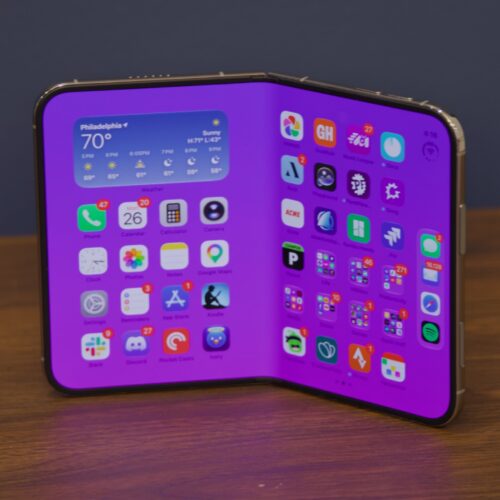
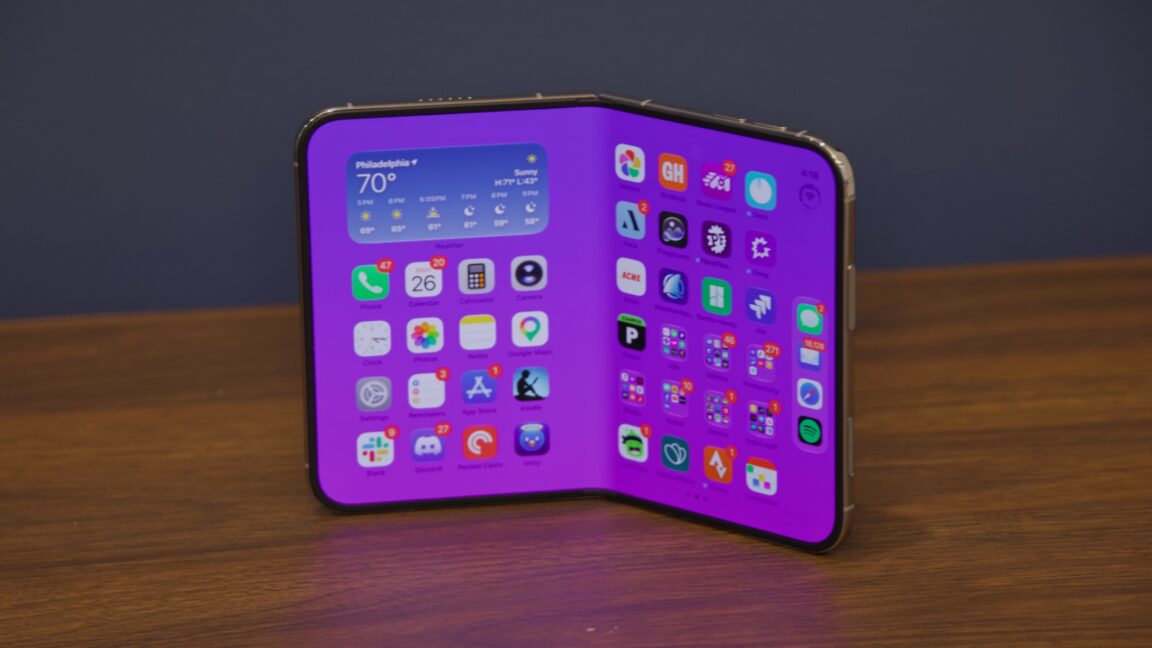
Nevertheless, that take has arrived, in the form of the iPhone Duo. This $1,999-and-up foldable is the biggest change to the iPhone in years, with both hardware and software updates that dramatically change how you interact with the device.
If you have come across iPhone Duo crackgate related posts and videos on social media and was wondering what Apple has to say about it, well the company has finally responded.
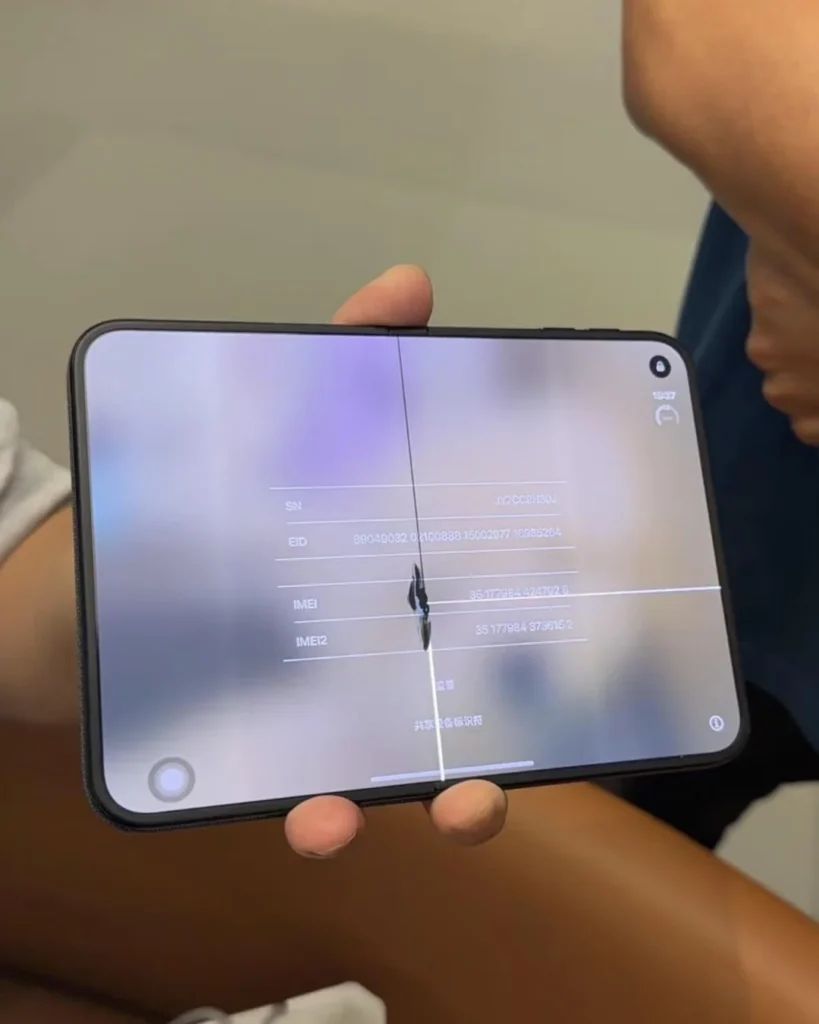
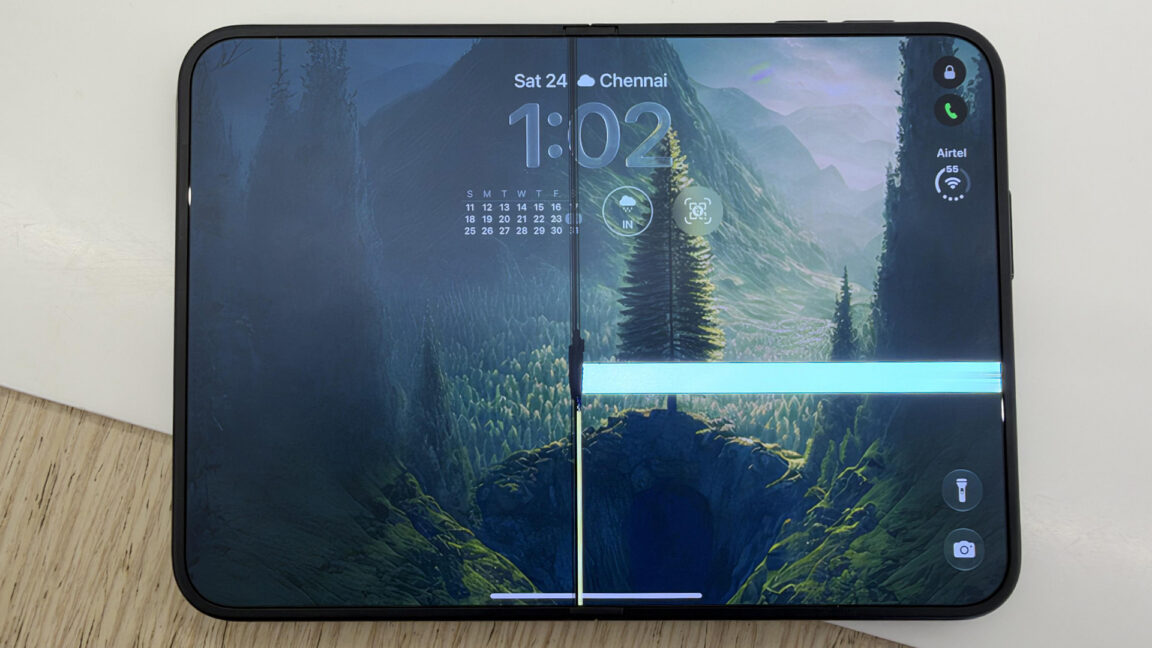
The iPhone Duo launched last week, offering anyone willing to spend $2,000 a chance to experience Apple's first foldable phone. For some early buyers, the morning after isn't going great. Despite the company's big talk about its "precision-engineered" hinge, some devices appear to have a hardware flaw that destroys the device's impressive internal display within hours (or minutes) of use.
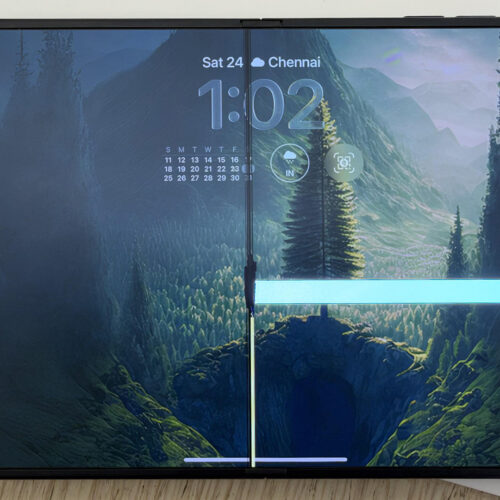
The Internet is currently overflowing with images of busted iPhone Duos, all sporting almost identical damage. The OLED is marred by several bright lines originating just below the midpoint of the display. These bands of damaged pixels extend all the way to the bottom and right edges. Some units also show lines of dead pixels following the crease from the top to the area where the bright lines begin.
Anyone who has seen a damaged OLED panel will be familiar with this type of defect. When the layers of the display are damaged, the pixels no longer receive the correct voltage to illuminate them. Instead, they get the full driving voltage and are permanently on at maximum brightness. Some pixels can get no voltage, leaving them totally black. The only fix is to replace the OLED, but swapping the iPhone Duo's screen reportedly costs half as much as the device itself.
These creative iPhone Duo apps bring back the fun and experimentation of the early App Store days, offering unique experiences designed for Apple's latest device.
iFixit gives the iPhone Duo a provisional 5/10 repair score while investigating screen failures. See hinge concerns, $999 repairs, and tips for owners.
iFixit gives the iPhone Duo a provisional 5/10 repair score while investigating screen failures. See hinge concerns, $999 repairs, and tips for owners.
The iPhone Duo is a brave new chapter for Apple, but seeing it struggle with the fundamentals across hardware and software has me appreciating the Galaxy Z Fold 8 a lot more.
Two iPhone Duo teardowns point to different hinge problems behind early screen failures, but neither confirms the cause. Owners should stop folding the phone if its hinge suddenly tightens or makes unusual sounds.
From retro cassette players and virtual notebooks to flight trackers and even a digital toaster, developers are finding creative ways to take advantage of Apple's first foldable iPhone.
Deliveries of the iPhone Duo have started arriving to customers, and a small number of early owners are already reporting display defects with their units. As MacRumors first reported, several affected phones have developed cracks or bright lines along the inner screen, with the damage appearing near the hinge. Reports of display failure have come […]

 Login