 Login

Starlink seems to be working normally again in Ukraine
Elon Musk reportedly ordered SpaceX to throttle Ukraine's Starlink access.

Trump wants data center companies to pay host communities as opposition to AI infrastructure grows. Here's what the proposal could mean for future projects.
The post The AI Boom Needs More Data Centers. Trump Wants Communities to Get a Cut appeared first on TechRepublic.
Trump wants data center companies to pay host communities as opposition to AI infrastructure grows. Here's what the proposal could mean for future projects.
The post The AI Boom Needs More Data Centers. Trump Wants Communities to Get a Cut appeared first on TechRepublic.
 The United States and Israel are moving toward a new war with Iran within days, as President Donald Trump said Washington is no longer negotiating with Tehran and that “something” will happen “fairly soon,” while U.S. troops pull out of exposed bases across the Middle East and Israeli fighter jets rehearse a strike on Iran […]
Elon Musk’s SpaceXAI is stuck facing a lawsuit over alleged data center pollution after Donald Trump failed to convince a judge that his Environmental Protection Agency (EPA) has complete control over all Clean Air Act lawsuits and can dismiss any suit at whim.
Soon after unpermitted gas turbines were discovered powering Musk’s giant Colossus data center in Memphis, Tennessee, the NAACP sued. Its lawsuit sought an injunction requiring xAI (which, following a merger, is known now as SpaceXAI) to use the best available pollution control technology when operating the turbines and ordering penalties up to $124,426 per day per violation. Without such remedies, the turbines risked drastically spiking pollution in already vulnerable neighborhoods housing predominantly Black communities nearby, the NAACP argued.
To block the lawsuit, Trump tried to intervene, arguing that the EPA had the power to unilaterally dismiss lawsuits any time the president decides against enforcing the Clean Air Act. According to Trump, it would supposedly “not serve the public interest” if citizens were allowed to seek massive civil penalties to punish polluting AI firms that were trying to get data centers operational as fast as possible to support Trump’s AI Action Plan.


© ©Steve Jones, Flight by Southwings for SELC

© Getty Images/aelitta
 The United States is now sending Ukraine only 12 Patriot air defense interceptors a month, about a quarter of what Kyiv received under President Joe Biden, and is holding back some missiles Ukraine has already paid for, President Volodymyr Zelenskyy said. Zelenskyy made the comments in an interview with Bloomberg in Kyiv published on Oct. […]

© The Associated Press
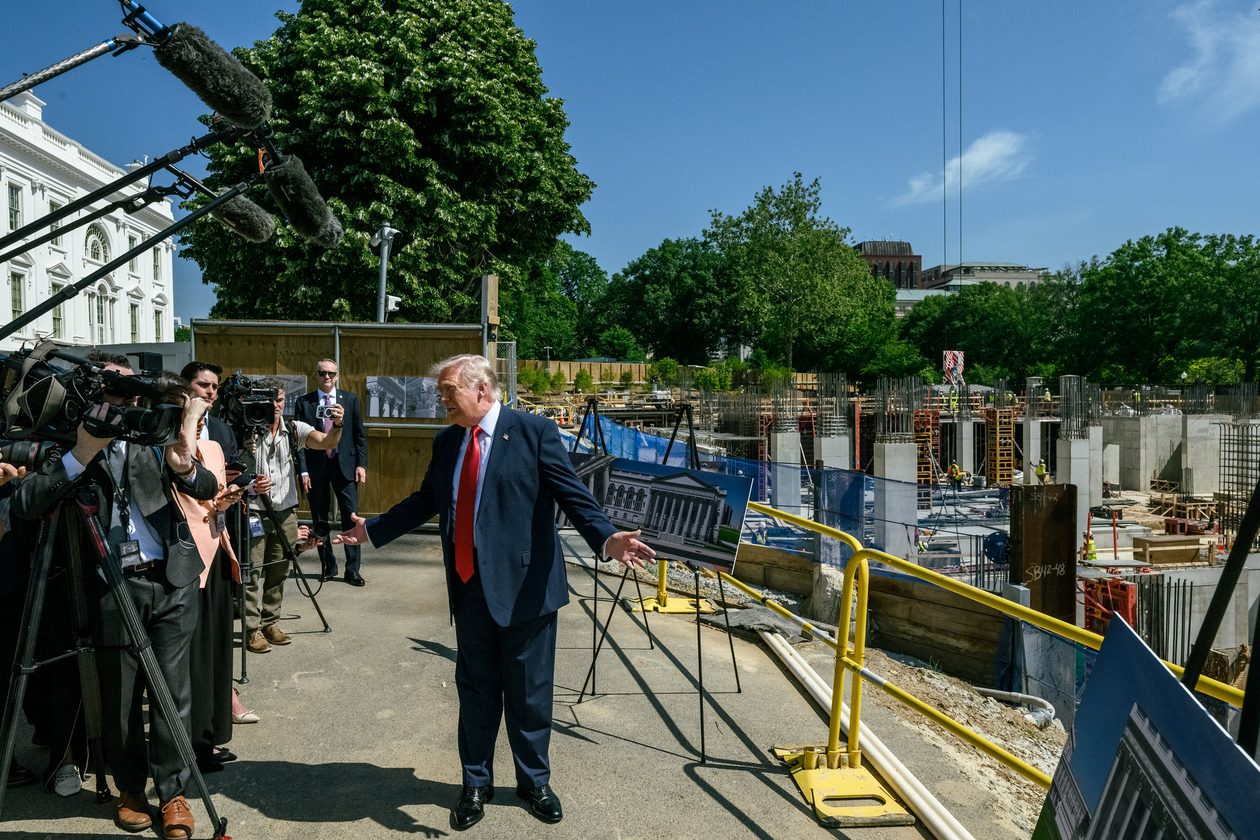
Microsoft committed $10 million to President Trump’s White House ballroom project, and Amazon and T-Mobile each chipped in $5 million, according to an internal donor list obtained by the Washington Post and reported by the newspaper Thursday morning.
The commitments are drawing scrutiny because the ballroom donations aren’t subject to campaign finance limits or disclosure requirements. The money goes through a nonprofit, the Trust for the National Mall, into a White House account the president directly controls.
Of the $333 million raised so far, the vast majority came from companies and wealthy people with interests before the federal government, the Post found, raising concerns among experts that companies could be buying influence with the administration, or feeling pressured to give.
The White House publicly named Microsoft, Amazon and T-Mobile among the ballroom’s donors last October but didn’t disclose the amounts. Other donors asked to keep their names out of it entirely, the Post found, including a subsidiary of mortgage lender Rocket, which committed $10 million weeks after a federal agency approved its acquisition of Mr. Cooper.
The Seattle-area companies have a wide range of dealings with the government as suppliers, regulated businesses and targets of federal scrutiny. Microsoft and Amazon are two of the federal government’s largest technology providers, and T-Mobile requires regulatory approval across its business, from wireless spectrum to acquisitions.
Amazon is facing an FTC antitrust trial next year, focused on its treatment of third-party sellers on its online marketplace. The FTC and 22 states also sued Amazon in August, accusing it of rigging ad auctions to overcharge advertisers.
Microsoft is at odds with Vice President JD Vance and the Labor Department over claims that the company laid off American workers while sponsoring foreign workers for permanent residency, leading the department to suspend the company from the program.
Apple and Nvidia were among the top contributors at $25 million each, according to the list of 67 donations above $10,000. Microsoft’s $10 million puts it in the next tier with Palantir and Lockheed Martin, while Amazon and T-Mobile joined Meta, Cisco and ServiceNow at $5 million.
White House spokesman Davis Ingle told the Post that the donors are “a wide array of great American companies and generous individuals, all of whom are contributing to make the People’s House better for generations to come.”
A Microsoft spokesperson said the company didn’t have a comment beyond what has been publicly reported. We’ve contacted Amazon and T-Mobile for comment.
© AP/Pablo Martinez Monsivais
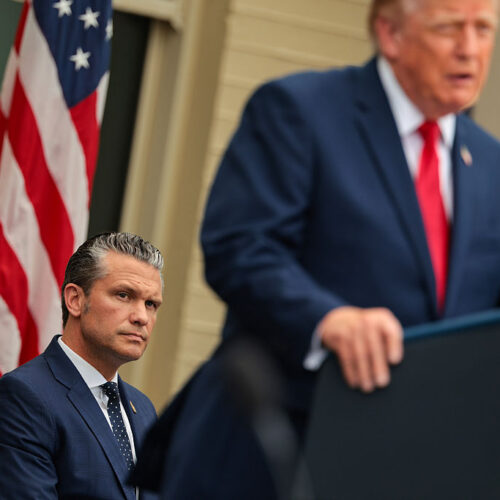
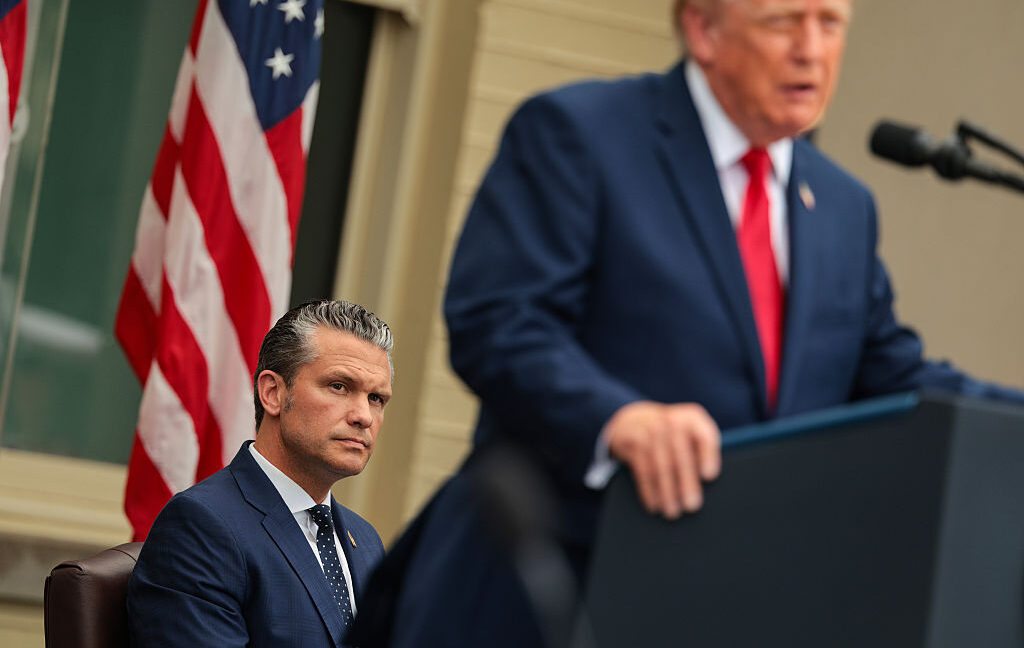
On Thursday, Donald Trump called off the Pentagon’s highly controversial plans to livestream a firing squad execution that is still on schedule for December 3.
Trump supports the execution of Nidal Hasan, who was convicted of killing 13 people and wounding more than 30 others in the 2009 mass shooting at Fort Hood. But sources close to Trump told CNN that the president was blindsided last week when Secretary of Defense Pete Hegseth announced that the event—which is the first US execution of a soldier since World War II—would be livestreamed.
Backlash to the livestream was immediate and crossed political divides. On the morning Trump canceled the plans, an ABC News poll found 8 in 10 Americans were against the livestream, including a 55 percent majority of MAGA Republicans.
© Chip Somodevilla / Staff | Getty Images News
Following a string of incidents where AI models hacked websites and breached government systems during testing phases, the Federal Trade Commission is officially probing Anthropic and OpenAI over consumer harms, an insider told Axios.
On Wednesday, the FTC sent out civil investigative demands seeking a wide range of information from the AI firms on recent safety incidents.
The FTC did not respond to Ars’ request to review the subpoena demands. However, Axios’ source said the requests spanned more than 50 pages of questions and sought documents related to the incidents, internal security measures taken, and marketing materials that may suggest consumers were misled.
© Tom Williams / Contributor | CQ-Roll Call, Inc.

© Amelia Brust/Federal News Network
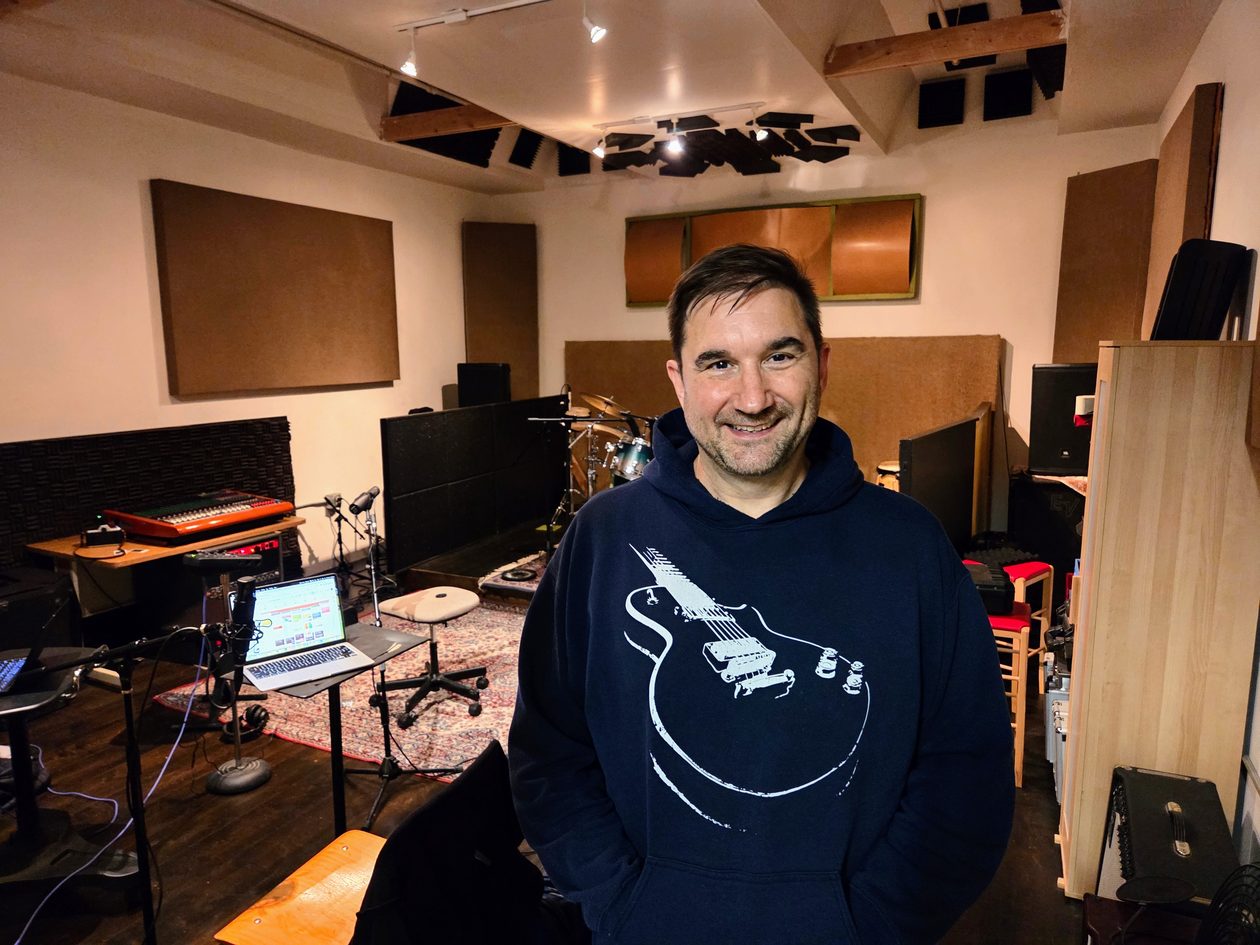
This week, we take the GeekWire Podcast to Front Burner Studios in Seattle, where we’re hosted by studio co-owner Seth Paul, who’s co-founder and CEO of security startup Qinsay.
We discuss the White House crackdown on Microsoft’s green-card sponsorships, which Vice President JD Vance announced just hours before President Trump awarded Satya Nadella the National Medal of Technology and Innovation. We talk about the contrast, and about how Nadella himself traveled that same path from H-1B visa to U.S. citizenship.
We also look at how Seattle-area startups raised a record $3.5 billion, driven largely by companies building physical things like rockets and satellites.
That leads us to Shield AI’s plans to build AI-piloted fighter jets in Des Moines, Wash., where a city FAQ assures residents the facility is not a data center.

After we catch up on the news, Seth joins us to tells us about the studio, including the vintage console he drove from Detroit, and how he brings a musician’s approach to the startup world.
And in the final segment, it’s the return of the GeekWire Trivia Challenge.
Related links:
Subscribe to GeekWire in Apple Podcasts, Spotify, or wherever you listen.
Satya Nadella arrived in the U.S. from India in 1988 to study computer science. Over the next three decades, he went from a temporary work visa to permanent residency to American citizenship, and rose up the ranks at Microsoft to become only the third CEO in its history.
“I don’t think my story would be possible anywhere else,” Nadella wrote in his 2017 book, “Hit Refresh.” “I am proud today to call myself an American citizen.”
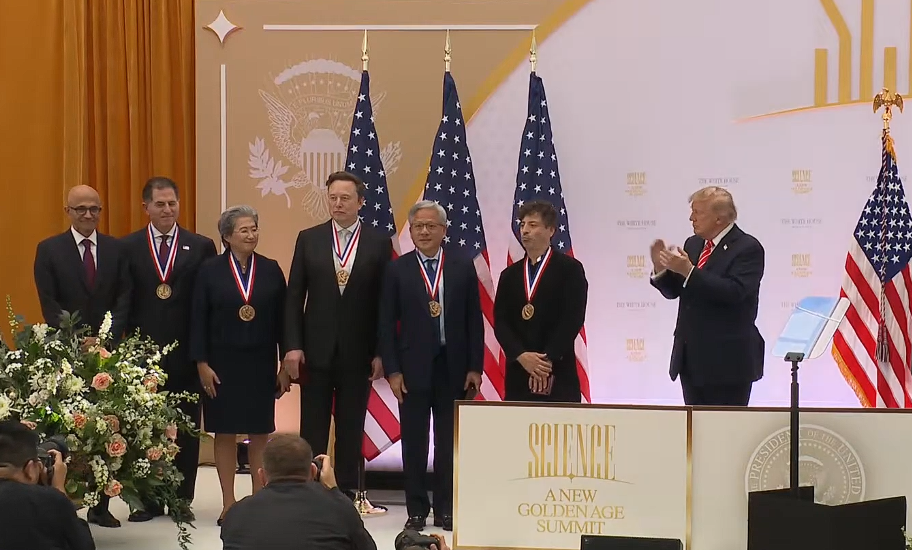
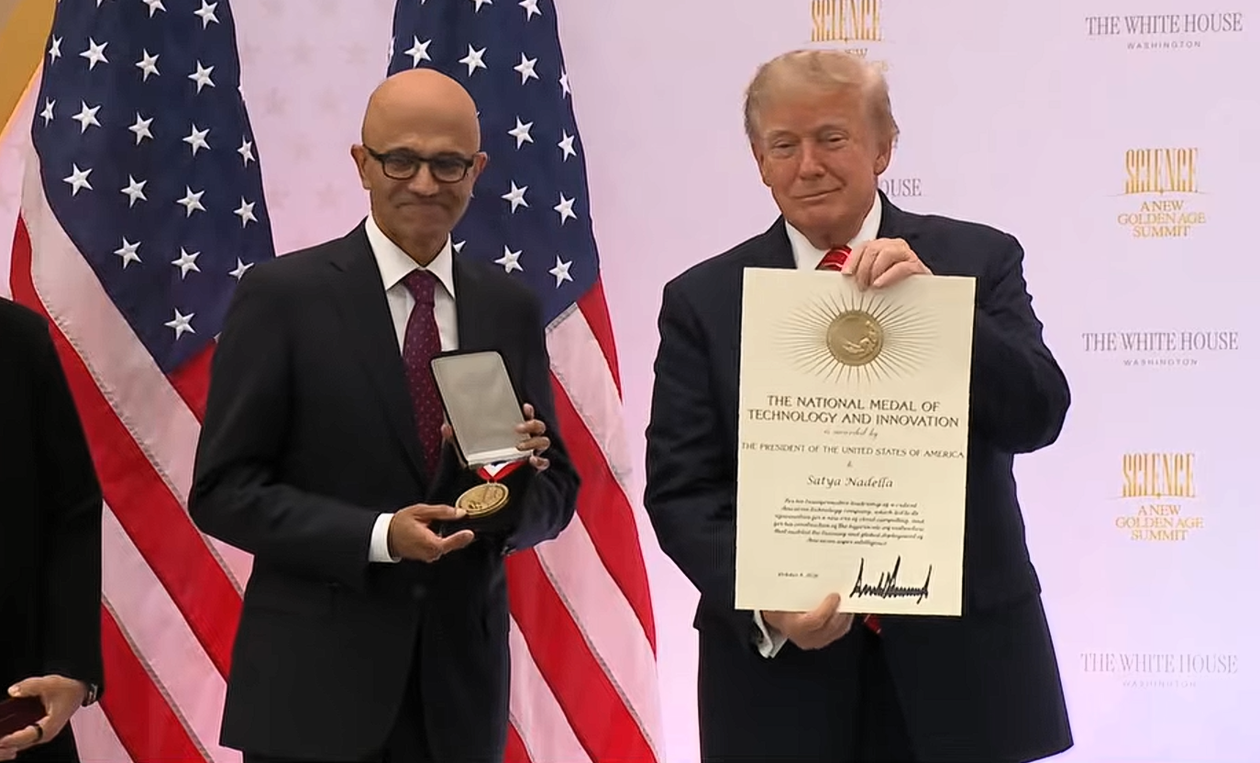
On Thursday, President Trump personally handed the Microsoft CEO the National Medal of Technology and Innovation. The award cited his “transformative leadership of a critical American technology company, which led to its rejuvenation for a new era of cloud computing.”
Nadella thanked Trump on X, writing that he was “humbled to stand alongside so many giants of American innovation.” The other honorees were Dell Technologies CEO Michael Dell, who also received the technology medal; and Elon Musk, Google co-founder Sergey Brin, Nvidia CEO Jensen Huang and AMD CEO Lisa Su, who received the National Medal of Science.
Five of the six were born outside the country.
Hours earlier, the Trump administration had suspended Microsoft from the federal program it uses to help foreign workers take the same path to permanent residency. Vice President JD Vance said the company had abused the system by laying off American workers while hiring foreign workers, and called H-1B workers “foreign indentured servants.”
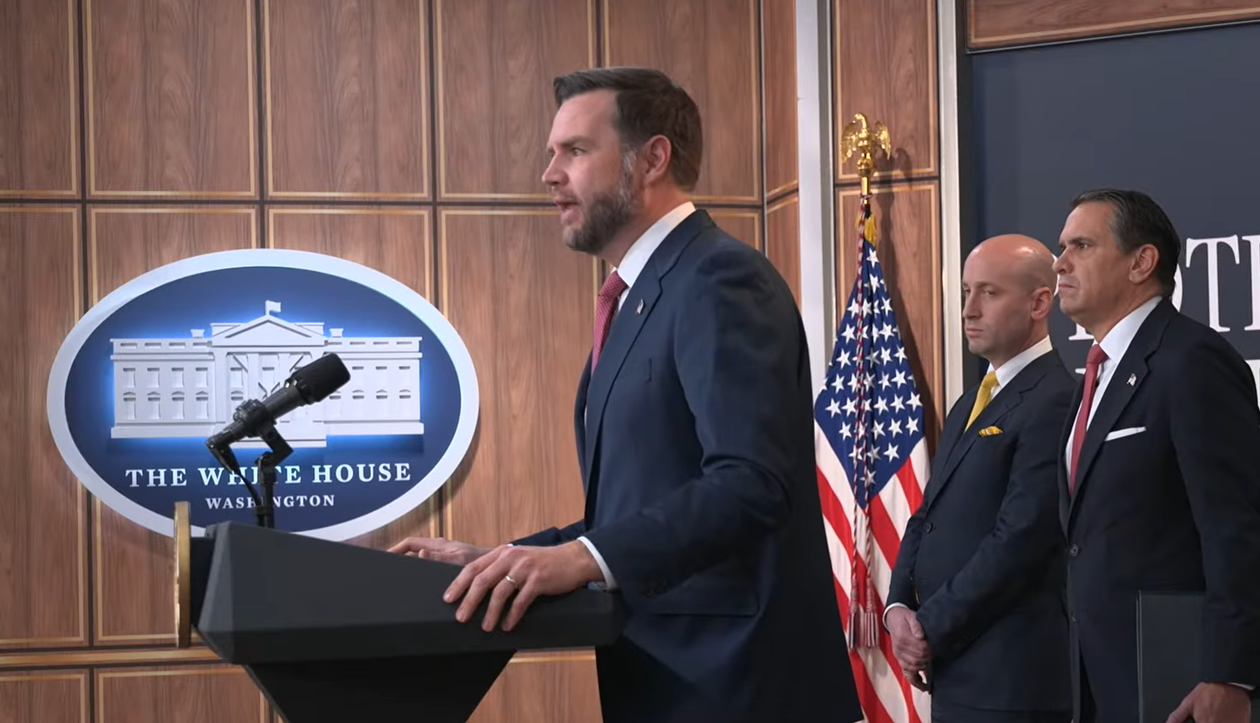
“Our message to Microsoft is you’re a great American company, but you’ve got to hire great American workers,” Vance said at a White House news conference.
Two different programs: The suspension doesn’t stop Microsoft from hiring foreign workers on H-1B visas. Those are temporary work visas, typically granted for three years at a time and generally limited to six years, with some exceptions. They’re overseen by U.S. Citizenship and Immigration Services.
Amazon is the bigger user of H-1B visas. It received more than 19,000 approvals for H-1B petitions in fiscal 2025, about three times Microsoft’s total, according to an analysis of USCIS data by the National Foundation for American Policy. The totals include renewals and extensions, so they don’t represent individual workers.
The program to which Microsoft lost access comes later in the process.
Known as PERM, it’s run by the Labor Department and is usually the first step when a company sponsors an employee to stay in the U.S. permanently. The employer has to advertise the job and show that no qualified, available U.S. worker can fill it. Most applications are for people already working in the U.S. on H-1B visas.
Microsoft is the biggest user of PERM. The Labor Department ruled on 3,161 of its applications in the fiscal year that ended in September 2025, more than for any other employer in the country, according to a GeekWire analysis of the agency’s data. Microsoft also led in the first nine months of fiscal 2026, with 1,683 applications decided through June.
Amazon and Google filed thousands of PERM applications in 2022 and early 2023, then largely stopped. The Labor Department ruled on 39 applications from Amazon and its subsidiaries last fiscal year, including Whole Foods, Audible and Zappos, and three from Google.
The suspension could hit hardest for Microsoft employees already on H-1B visas. Many count on the company to start the permanent residency process in time to extend their visas past the usual six-year limit, and the Labor Department says it won’t process Microsoft’s pending applications either.
Some Microsoft employees on H-1B visas were surprised by the news and unsure whether it would affect them, The Seattle Times reported. The paper noted that the White House hasn’t provided evidence of fraud by Microsoft.
Microsoft’s response: In a statement posted Thursday, Microsoft pushed back on criticism of its hiring and said it looks forward to “providing the Administration with additional information.” The statement focused on H-1B visas and didn’t address the PERM suspension specifically.
The company said about 80% of the roughly 6,000 H-1B applications it filed last fiscal year were to extend or change the status of people who already work at Microsoft. “These were not to hire new people,” it said.
The rest were for new hires already living in the U.S. legally, a group equal to about 1% of Microsoft’s U.S. workforce. “They are not new arrivals to our country,” the company said.
Microsoft also said it files H-1B petitions only for workers who meet “the rigorous standards of this visa category,” pays them “the same as any other employees doing comparable work,” and offers wages “among the highest of all H-1B filings.”
The vast majority of its U.S. employees are Americans, the company said.
Nadella’s own path: Nadella’s route to citizenship wasn’t a straight line, as he described in “Hit Refresh.” He was working at Microsoft when he married his wife, Anu, in India in December 1992. The next summer, her application for a visa to join him in the U.S. was rejected because she was married to a permanent resident.
Spouses of permanent residents faced long waits, and Microsoft’s immigration lawyer told Nadella it could take five years or more to bring her to the U.S.
Nadella considered quitting Microsoft and moving back to India. Then the lawyer suggested a different approach: give up his permanent residency and go back to a temporary H-1B visa, which would let his wife join him right away.
In June 1994, Nadella went to the U.S. embassy in New Delhi, past the long lines of people hoping to get visas, and told a clerk he wanted to give up his permanent residency. The clerk was dumbfounded, Nadella wrote. The plan worked, and Anu joined him in Seattle, where they started a family. Nadella eventually got back on the path to permanent residency and later became a U.S. citizen.
But in the meantime, back in Redmond, Nadella became known around the Microsoft campus as the guy who gave up his green card. Colleagues called him for advice. One, Kunal Bahl, later left Microsoft when his H-1B ran out before his permanent residency came through. He returned to India and founded the e-commerce company Snapdeal.
“Such is the perverse logic of this immigration law,” Nadella wrote.

© AP Photo/Rogelio V. Solis
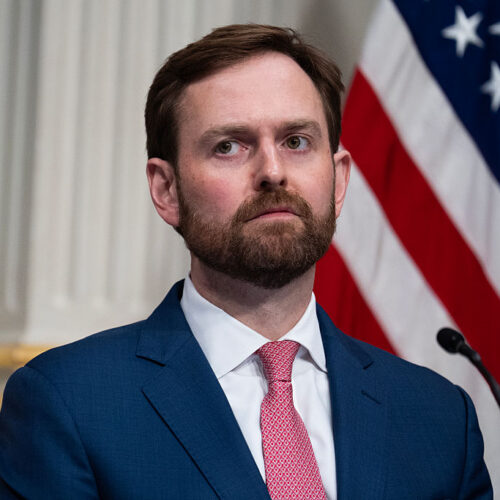
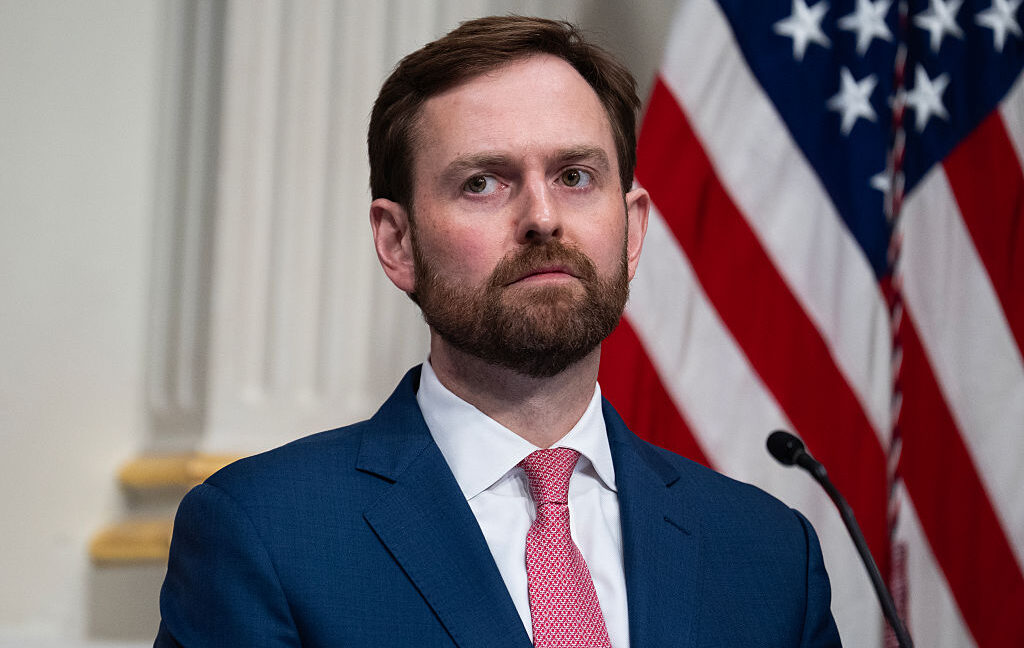
The Trump administration suspended Microsoft from the federal program the company uses to help foreign workers stay in the U.S. permanently, accusing the tech giant of abusing the system.
The announcement by Vice President JD Vance, during a news conference Thursday morning at the White House, came hours before President Trump gave Microsoft CEO Satya Nadella the National Medal of Technology and Innovation in a ceremony honoring Elon Musk and other tech leaders.
Vance said Microsoft laid off 6,000 American workers last year while getting 6,300 H-1B visas and nearly 3,000 green cards, which he said amounted to replacing U.S. employees with lower-paid foreign workers.
“There has been no company in the United States, unfortunately, that has abused the system more than Microsoft,” Vance said at the news conference, while adding, “Our message to Microsoft is you’re a great American company, but you’ve got to hire great American workers.”
Microsoft’s response: In a statement, the company said 80% of the roughly 6,000 H-1B applications it filed last fiscal year were to extend or change the status of people who already work for the company. The rest were for new hires who were already living in the U.S. legally, a group equal to about 1% of its U.S. workforce.
“They are not new arrivals to our country,” the company said.
Microsoft said it pays H-1B employees “the same as any other employees doing comparable work,” that its wages are “among the highest of all H-1B filings,” and that the vast majority of its U.S. employees are Americans.
The statement didn’t mention the suspension, but the company said it looks forward to “providing the Administration with additional information.”
Details of the penalty: The suspension covers the Labor Department’s Permanent Labor Certification program, known as PERM. It’s usually the first step when a company sponsors a foreign employee to live and work in the U.S. permanently. To get approved, the employer has to advertise the job and show the government that no qualified American worker was available.
Labor Secretary Keith Sonderling said the department won’t accept new applications from Microsoft or process the ones it already has pending. The move doesn’t stop Microsoft from applying for H-1B visas, the temporary work visas that many PERM applicants hold.
The department also suspended Adobe and six IT outsourcing firms: Cognizant, Infosys, Tata, Wipro, HCL and Capgemini.
Trump didn’t mention the suspension at the ceremony. Introducing Nadella, he credited him with making Microsoft “an early leader in superintelligence” and said, “Satya, we are honored to give you the National Medal of Technology and Innovation. It is so well deserved.”
The official citation honored Nadella “for his transformative leadership of a critical American technology company” and for building the “hyperscale infrastructure that enabled the training and global deployment of American superintelligence.”
Tech industry reaction: The announcement drew pushback in Seattle’s tech community.
“There has been a continuous, nonstop deluge of immigration-related news leading up to the midterms,” said Xiao Wang, co-founder and CEO of Boundless, a Seattle startup that helps people navigate the U.S. immigration process.
Wang pushed back on Vance’s characterization of H-1B workers as “foreign indentured servants,” noting there are wage requirements to prevent underpayment of employees. He emphasized the economic benefits of educating and employing the students and workers who seek these visas — and what happens if they’re discouraged or prevented from coming to the U.S.
“What I have been trying to warn folks about is the long-term chilling effects that would be detrimental to the long-term prosperity and competitiveness of the United States,” he said.
Wang said the idea that the layoffs and recruitment of foreign-born workers are linked doesn’t make sense. “Layoffs and hiring are not one for ones of each other, especially at giant companies like Microsoft,” he said.
Someone laid off from a gaming division at Microsoft isn’t interchangeable, for example, with an H-1B employee who’s an expert in agentic AI for a Copilot role, he said.
Priyanka Kulkarni, founder and CEO of the immigration technology company Casium, previously worked at Microsoft for more than a decade building enterprise AI technology. She personally navigated H-1B status before becoming a permanent resident.
“I worked alongside people from around the world whose expertise helped build technology used by American businesses every day,” she said, adding, “America wants to lead in AI. That requires attracting and retaining exceptional people, and giving them confidence that they can build a future here.”
Kulkarni called the phrase “foreign indentured servants” troubling, and said it exposes a contradiction in the administration’s action.
“If the concern is that workers depend too heavily on their employers, blocking their path to permanent residency could deepen that dependence,” she said. “Permanent residency gives people more freedom to change jobs, negotiate pay, and start businesses.”

© Derace Lauderdale/Federal News Network

© AP Photo/Charles Dharapak
