Reading view

There are new articles available, click to refresh the page.

Government Defeated as Lords Back UK Digital Assets Strategy

Bitcoin Magazine

Government Defeated as Lords Back UK Digital Assets Strategy

The UK government suffered a defeat in the House of Lords on Wednesday as peers backed an amendment requiring the Treasury to draw up a national strategy for regulating digital assets.

The upper chamber approved the measure by 194 votes to 138, with Conservative and Liberal Democrat peers combining against a near-solid bloc of Labour votes. Baroness Neville-Rolfe, a Conservative former Treasury minister, moved the amendment to the Financial Services and Markets Bill.

The new clause, titled “Digital assets strategy,” would require the Treasury to prepare, publish and consult on a strategy for regulating and developing digital assets and related digital financial market infrastructure in the UK.

JUST IN: 🇬🇧 U.K. House of Lords passes amendment requiring the government to develop a national cryptocurrency strategy 👀 pic.twitter.com/77tsy5cRaO

— Bitcoin Magazine (@BitcoinMagazine) September 11, 2026

The regulation of digital assets includes “cryptoassets, qualifying stablecoins, Central Bank Digital Currencies, tokenised securities and other digital and tokenised financial assets,” according to the draft. 

The UK is in the process of drafting a sweeping new crypto bill. The country’s Financial Conduct Authority finalised its regulatory framework for cryptoassets in June, with the regime due to take effect on 25 October 2027. The authorisation gateway for firms opened on 30 September and runs to 28 February 2027. 

Britain is trailing behind Brussels and Washington with digital asset regulation. The EU’s Markets in Crypto-Assets regulation has applied to service providers since 30 December 2024. 

And the U.S. under President Donald Trump signed the GENIUS Act into law in July 2025, establishing a federal framework for dollar-backed tokens. Broader market-structure legislation remains unfinished: the Clarity Act cleared the House in July 2025 by 294-134 but has been stuck in the Senate over DeFi, stablecoin yield and ethics provisions, with a procedural vote set for next week. 

This post Government Defeated as Lords Back UK Digital Assets Strategy first appeared on Bitcoin Magazine and is written by Mathew Di Salvo.

Lummis Blasts Democrats Ahead of Clarity Act Vote — But Adds Bill Can Get Passed

Bitcoin Magazine

Lummis Blasts Democrats Ahead of Clarity Act Vote — But Adds Bill Can Get Passed

Republican Senator Cynthia Lummis has again slammed Democrats over the long-awaited crypto Clarity Act. 

Writing on X on Tuesday, the pro-crypto lawmaker responded to an article from Semafor that reported Republican senators saying the bill was likely to fail when the senate returns next week. 

Lawmakers were hoping a crucial vote on the long-awaited crypto market structure bill would go ahead in August before their five-week recess. But it was delayed and the Senate will now vote on it next week. 

JUST IN: 🇺🇸 U.S. Senate will hold a procedural cloture vote on the Clarity Act one week from today.
Senator Cynthia Lummis says if they fail to pass it next week, "we will not get another realistic shot at this before the end of the decade" 👀

Pass it 👏 pic.twitter.com/BIejUDw0Tu

— Bitcoin Magazine (@BitcoinMagazine) September 8, 2026

“If this bill fails it won’t be because of ethics, it will be because Democrats didn’t join Republicans in embracing a bipartisan bill that protected consumers, cements America’s leadership in digital assets, and empowered law enforcement to clamp down on illicit finance,” wrote Lummis. 

She said that Democrats were continuing to “demand changes” that could allow future regulators to “kill the crypto industry.”

“If we can bridge those gaps I’m confident we can pass Clarity, but they require further compromise from Democrats, not the White House,” added Lummis. 

Lummis previously said that if the Clarity Act dies, it will be because of the Democrats. Lummis and other pro-crypto lawmakers have blasted politicians who they think are deliberately holding back the bill. 

The Clarity Act drafts a framework to formally divide oversight between regulators, distinguishing which digital assets are securities, commodities or stablecoins. 

Though passed by the House of Representatives last July, it has been stalled this year, mostly because the banking lobby clashed with crypto companies over paying customers stablecoin yield. 

A new draft tackling the issue of ethics started circulating in July, banning government officials from promoting or making money from crypto — something Democrats have criticized the Trump family for doing. 

Despite the changes, a group of Democrats said the bill fell short and wanted amendments. 

President Donald Trump has urged lawmakers to get the legislation over the line. In August, he said that in order for the U.S. to remain the “undisputed leader in Bitcoin and crypto,” they had to pass the “very, very powerful legislation.”

This post Lummis Blasts Democrats Ahead of Clarity Act Vote — But Adds Bill Can Get Passed first appeared on Bitcoin Magazine and is written by Mathew Di Salvo.

National Sheriffs’ Association Drops Opposition to Clarity Act

Bitcoin Magazine

National Sheriffs’ Association Drops Opposition to Clarity Act

The National Sheriffs’ Association this week dropped its opposition to the crypto Clarity Act, after having previously warned that the proposed bill could help criminals. 

Writing Thursday to Senate Majority Leader John Thune and Minority Leader Chuck Schumer, the association said it was changing its stance to neutral given how complex the issue is. 

A number of lawmakers were hoping to vote on the Clarity Act in August. After a delay, a vote will now go ahead this month. The bill will establish a framework for distinguishing between digital assets that are securities, commodities or payment stablecoins — legislation that the crypto industry has long called for. 

“Given the complexity of the legislation and the number of important details that remain under consideration, the NSA is changing its position on the Clarity Act to neutral,” the letter from NSA President Sheriff Troy Wellman and Executive Director Justin Smith read. 

JUST IN: Major U.S. law enforcement organization National Sheriffs’ Association no longer opposes The Clarity Act 👀

“We believe the most appropriate course is to step back and allow the legislative process to proceed to establish a…much needed regulatory framework.” 🇺🇸 pic.twitter.com/NBpKlrUsUj

— Bitcoin Magazine (@BitcoinMagazine) September 4, 2026

“At this time, we believe the most appropriate course is to step back and allow the legislative process to proceed to establish a clear, effective, and much needed regulatory framework.”

The NSA had previously warned that the bill could create regulatory and anti-money laundering loopholes by exempting certain crypto developers and infrastructure providers from money transmitter rules.

Despite being passed in the house of representatives last year with strong bipartisan support, the Clarity Act has been in a deadlock for much of 2026. The banking lobby raised concerns over stablecoin yield and some lawmakers have said improvements need to be made surrounding ethics. 

An updated bill of the Clarity Act was introduced in July that addressed some of these concerns — banning government officials and their families from issuing or promoting crypto. 

Pro-crypto senator Cynthia Lummis wrote on Friday that the “bipartisan bill” gives “law enforcement real tools to fight the illicit finance crimes hurting hard working Americans.”

Major financial institutions, lawmakers and companies have said they support the latest draft of the new bill, but some Republicans have accused Democratic lawmakers of deliberately playing politics and holding the bill back. 

This post National Sheriffs’ Association Drops Opposition to Clarity Act first appeared on Bitcoin Magazine and is written by Mathew Di Salvo.

French Hill Eyes Bipartisan Path for Clarity Act Ahead of September Vote

Bitcoin Magazine

French Hill Eyes Bipartisan Path for Clarity Act Ahead of September Vote

U.S. congressman French Hill expressed the importance of bipartisan support to get the long-awaited crypto market structure bill, the Clarity Act, over the line before the midterms. 

The lawmaker told Fox Business Thursday that Democrats and Republicans have come to “narrow their differences in getting the bill drafted. 

Pro-crypto lawmakers were hoping the Clarity Act passed before Congress departed for August recess. After a delay, a vote will now go ahead on September 15. 

WATCH: Chairman @RepFrenchHill on the importance of passing the Clarity Act:

"…we passed the CLARITY Act in the House last summer with 78 Democratic votes. It is time for the Senate to join us and pass the CLARITY Act. Members on both sides of the aisle in the Senate have… pic.twitter.com/GMva1XOTDK

— Financial Services GOP (@FinancialCmte) September 3, 2026

“Can Democrats work with Republicans and make sure America leads the world in distributed ledger technology and financial services?” Hill said. 

“This one remaining significant issue is the ethics provision, and that is best solved by passing the legislation because everybody — no matter what family they belong to, the Trumps or not — would then be under a regulatory framework fully scrutinized by the United States government in commodity and securities and banking regulators,” he added. 

The Clarity Act was first introduced by Hill, the House Financial Services Chairman, last year. 

Crypto companies have long called for clear regulations for the industry. The Clarity Act drafts a framework to formally divide oversight between regulators, distinguishing which digital assets are securities, commodities or stablecoins. 

The House of Representatives passed the bill last July but it has been stalled this year, mostly because the banking lobby clashed with crypto companies over paying customers stablecoin yield. 

A new draft tackling the issue of ethics started circulating in July. It bans government officials from promoting or making money from crypto — something Democrats have criticized the Trump family for doing. 

A group of Democrats said the bill fell short and wanted amendments. Some were accused of deliberately holding it back by Republicans like Cynthia Lummis

Some have praised the bipartisan work that has already gone into the bill, namely Coinbase, America’s biggest crypto exchange. The company’s Chief Policy Officer, Faryar Shirzad, said in July that while some Democratic lawmakers were holding back the long-awaited legislation, younger Democrats wanted to pass it. 

President Donald Trump in August said that in order for the U.S. to remain the “undisputed leader in Bitcoin and crypto,” lawmakers had to pass the “very, very powerful legislation.” 

This post French Hill Eyes Bipartisan Path for Clarity Act Ahead of September Vote first appeared on Bitcoin Magazine and is written by Mathew Di Salvo.

‘Crypto Capital of the World’: SEC Chair Expects Clarity Act to Pass This Month

Bitcoin Magazine

‘Crypto Capital of the World’: SEC Chair Expects Clarity Act to Pass This Month

Wall Street’s top regulator has said that he expects the long-awaited Clarity Act will get passed this month and the U.S. will be on track to be the “crypto capital of the world.” 

Speaking to Fox Business on Tuesday, Securities and Exchange Chairman Paul Atkins confirmed that the regulator was pushing ahead with rules to help the crypto industry. 

Pro-crypto lawmakers had hoped to pass the Clarity Act before Congress broke for August recess, but the vote slipped to September. The bill will establish a framework for distinguishing between digital assets that are securities, commodities or stablecoins. 

JUST IN: 🇺🇸 SEC Chairman Paul Atkins says "The Regulation Crypto Assets proposal is our most historic step yet to cement America as the Crypto Capital of the World" 👀
pic.twitter.com/lcHtWcslgO

— Bitcoin Magazine (@BitcoinMagazine) September 2, 2026

“The Clarity Act will be voted on in the Senate on the 15th of September,” Atkins said. “I anticipate and hope that it will be passed by the Senate and sent ultimately to the President’s desk for a signature.”

He added: “We’re changing the past approaches to try to update [rules], modernize them in the age of blockchain and crypto assets.”

Despite a vote on the Clarity Act being delayed, regulators like the SEC and Commodity Futures Trading Commission have said they will still proceed with trying to shape crypto policy. 

Last week, the SEC sent a proposal to the White House aiming to “clarify the framework for the custody of crypto assets” for investment advisers and companies. 

Despite being passed by the House of Representatives last year, the Clarity Act has been in a deadlock for most of this year after the banking lobby clashed with lawmakers and crypto businesses over whether platforms like Coinbase should be able to pay customers yield. 

Some lawmakers have sought to change wording in the bill regarding ethics, and a new bill started circulating in July. The draft bans government officials from promoting and making money from crypto. 

But other Democratic lawmakers said it still fell short; a number of pro-crypto Republicans accused Democrats of deliberately playing politics and delaying the bill. 

This post ‘Crypto Capital of the World’: SEC Chair Expects Clarity Act to Pass This Month first appeared on Bitcoin Magazine and is written by Mathew Di Salvo.

💾

Enjoy the videos and music you love, upload original content, and share it all with friends, family, and the world on YouTube.

XRP Short Position Hits 115.7M Tokens As Traders Watch Rotation

XRP derivatives positioning is back in focus after CFTC Commitments of Traders data showed a 115.7 million-token net short position building against the asset.

The positioning matters because it gives traders a cleaner look at how larger market participants are leaning. A large short position does not guarantee a squeeze, and it does not mean XRP is about to rally. But it does create a setup where the market becomes more sensitive to sharp upside moves.

If price rises quickly, heavily short positioning can add fuel as traders reduce exposure or cover.

That is why the CFTC data matters. It gives the XRP market something more concrete than social-media sentiment or chart speculation.

For more details, visit the official Cftc platform.

TL;DR

  • CFTC positioning data showed 115.7 million XRP in net short exposure.
  • The setup could become sensitive if XRP rallies.
  • This is a positioning story, not a price prediction.

Why The CFTC Data Matters

Crypto traders often rely on exchange dashboards, funding rates, open interest, and liquidation maps.

CFTC data is different because it offers a more formal view of regulated derivatives positioning. It does not capture every trade in the crypto market, but it can reveal how certain market participants are positioned in listed or reportable instruments.

For XRP, that matters because the asset is highly sensitive to regulatory, institutional, and derivatives-driven narratives.

When short positioning becomes large, traders start asking whether the market is too crowded on one side.

That does not mean a reversal is guaranteed.

But it does mean XRP’s next major move may be sharper if positioning has to unwind.

Shorts Can Become Future Buyers

A short position is a bet against price.

If the trade works, short sellers benefit from downside. If price rises instead, those traders may need to buy back exposure to manage risk. That buying can add momentum to an upside move.

This is the basic short-squeeze setup.

The important thing is not to jump too quickly from “large shorts exist” to “squeeze is certain.” Markets can stay heavily short for a long time if price continues lower or remains weak. Shorts only become fuel when price starts moving against them.

For XRP, the next question is whether spot demand is strong enough to pressure those positions.

XRP Still Trades Around Regulation And Access

XRP’s market structure remains unusual.

It is one of the most liquid altcoins, but its history has also been shaped by regulatory uncertainty, exchange access, institutional products, and Ripple-related headlines. That means positioning can change quickly when the market sees a shift in legal or product-access expectations.

A large short position can therefore become more important during news-heavy periods.

If traders believe the regulatory backdrop is improving, or if regulated exposure products attract attention, XRP can move quickly. If those catalysts fade, shorts may remain comfortable.

No Forced Liquidation Claim Yet

The market should be careful with language.

A large net short position is not the same as a forced liquidation. It is not proof that traders are trapped. It does not show that a squeeze has already happened.

It simply shows that short exposure is meaningful.

The cleaner read is that XRP has a crowded positioning setup that may matter if market momentum turns.

The Measured Read

XRP traders now have a clear derivatives signal to watch.

The 115.7 million-token net short position shows that bearish exposure is large enough to matter, but the market still needs a catalyst. Spot demand, regulatory headlines, ETF access, exchange flows, and broader altcoin rotation will decide whether shorts come under pressure.

For now, XRP’s setup is not a forecast.

It is a pressure point.

This article is based on CFTC Commitments of Traders data and public XRP market information.

This article was written by the News Desk and edited by Samuel Rae.

This report is based on information released by Cftc. at Cftc

Hyperliquid Briefly Flips Dogecoin In Market Cap As HYPE Rally Extends

Hyperliquid’s HYPE token briefly moved above Dogecoin by market capitalization on August 20, marking a striking valuation shift between one of crypto’s fastest-growing trading ecosystems and the market’s most famous meme coin.

Market data showed HYPE and DOGE trading close in valuation, with HYPE’s rally helping it temporarily overtake Dogecoin. The move was driven by continued interest in Hyperliquid’s ecosystem, including automated fee buybacks and strong derivatives activity.

The key word is “briefly.”

This was a temporary market cap ranking shift, not proof that HYPE has permanently displaced Dogecoin. Rankings can change quickly, especially when assets are close in size and one is moving sharply.

TL;DR

  • Hyperliquid’s HYPE briefly flipped Dogecoin by market capitalization.
  • The move followed a strong rally in HYPE.
  • The ranking shift should not be treated as permanent.

Why The Flip Got Attention

Dogecoin has been a top crypto asset for years.

It is simple, highly liquid, widely recognized, and deeply tied to meme culture. For a newer asset like HYPE to move above DOGE, even briefly, signals how quickly market narratives can change.

Hyperliquid represents a very different category.

It is tied to a fast-growing perpetuals and trading ecosystem, not meme culture. Its value proposition centers on exchange activity, fees, liquidity, and ecosystem growth.

That contrast makes the flip notable.

It is not just one token passing another. It is a market-structure asset challenging a meme-asset incumbent.

HYPE’s Rally Has A Different Narrative

HYPE’s rise has been supported by active platform usage and token mechanics.

Fee buybacks can create a direct link between ecosystem activity and token demand. If trading volume is strong and fees are used to support buybacks, investors may treat HYPE as having a more cash-flow-like narrative than many altcoins.

That does not make it risk-free.

Exchange-linked tokens and ecosystem tokens can be volatile. Their value depends on user activity, competition, regulation, liquidity, and the durability of incentives.

Still, HYPE’s story is fundamentally different from DOGE’s.

Dogecoin Is Still A Major Asset

Dogecoin should not be written off because of one ranking shift.

DOGE has survived multiple market cycles, built one of crypto’s strongest communities, and remains deeply liquid. It also benefits from meme culture, retail familiarity, and historical staying power.

A temporary flip does not erase that.

It does, however, show that DOGE’s market cap can be challenged when newer assets develop stronger momentum.

In crypto, reputation helps, but it does not freeze rankings.

Market Cap Rankings Can Be Fragile

Market cap flips are often dramatic but unstable.

A token can move up or down several places based on a single rally, a sharp selloff, supply changes, or liquidity conditions. When two assets are close in valuation, a few percentage points can change the order.

That is why the market should avoid treating this as a permanent hierarchy change.

The more useful read is that Hyperliquid has grown large enough to compete with major legacy altcoins in market capitalization.

That alone is significant.

What To Watch Next

The next question is whether HYPE can hold its valuation relative to DOGE.

If Hyperliquid continues growing volume, fees, and ecosystem adoption, HYPE may keep challenging older large-cap assets. If momentum fades or trading activity cools, the flip may look like a brief speculative burst.

For Dogecoin, the test is whether meme liquidity and community strength can keep defending its position in a market increasingly drawn to revenue-linked crypto assets.

For now, Hyperliquid has made a statement.

Briefly flipping Dogecoin shows how far HYPE has come — but staying there will be the real test.

This article is based on public market capitalization data for Hyperliquid and Dogecoin.

This article was written by the News Desk and edited by Samuel Rae.

This report is based on information released in disclosures at primary source documentation.

XRP Reclaims $1.10 As Traders Watch Breakout Momentum

XRP jumped 11% intraday to reclaim the $1.10 level, giving bulls a short-term win after weeks of choppy trading.

The move came alongside broader crypto strength and renewed attention on regulatory expectations following recent political and industry discussions. Market data showed XRP pushing back into a key area watched by traders, with $1.10 acting as both a psychological and technical reference point.

That does not mean a new all-time high is around the corner.

The clean read is simpler: XRP has recovered an important level, and now the market has to see whether buyers can defend it.

TL;DR

  • XRP rallied 11% intraday.
  • The move reclaimed the $1.10 level.
  • Traders should not treat one breakout attempt as a guaranteed trend reversal.

Why $1.10 Matters For XRP

Round levels matter in crypto because they create shared reference points.

A price like $1.10 is easy for traders to watch. It can influence stop levels, breakout entries, short covering, and retail sentiment. When XRP moves through that level quickly, it gets attention.

The recent rally suggests buyers were willing to step in aggressively.

But reclaiming a level is only the first part of the move. Holding it is the more important test.

If XRP stays above $1.10 and volume remains healthy, traders may treat the move as a stronger breakout attempt. If price slips back below, the rally may look like a short-term squeeze.

Regulatory Sentiment Still Drives XRP

XRP remains one of the most regulation-sensitive major assets.

News around market structure, ETF exposure, Ripple, crypto ownership, and US policy can all influence XRP sentiment. That is because the asset’s narrative has long been tied to legal clarity, institutional access, and payment infrastructure.

When the broader regulatory backdrop improves, XRP often benefits.

That does not mean every policy headline translates into lasting demand. But it explains why XRP can move sharply when traders believe the environment is becoming more favorable.

Price Action Needs Confirmation

An 11% intraday move is meaningful, but crypto traders know how quickly momentum can fade.

XRP needs follow-through. That means sustained spot demand, clean volume, and continued defense of reclaimed levels. Without that, the move risks becoming another brief rally inside a wider range.

The market will also watch whale activity and exchange flows.

If large holders are accumulating, the move may look stronger. If the rally is mostly leverage-driven, it may be more fragile.

The difference matters.

Do Not Turn The Move Into A Forecast

A breakout attempt is not a prediction.

It tells traders that momentum has shifted for now. It does not guarantee that XRP will continue higher, reclaim former highs, or avoid retracement. Crypto markets can move violently in both directions, especially when leverage returns quickly after a rally.

That is why the $1.10 level becomes the immediate battlefield.

Bulls want to turn it into support. Bears want to push price back below it.

The Measured Read

XRP’s move back above $1.10 gives the market a stronger short-term setup.

It shows that buyers are still present, regulatory optimism can still move the asset, and traders are willing to chase momentum when the broader crypto market improves.

But the next phase matters more than the first spike.

If XRP can hold the level and build from there, the breakout narrative strengthens. If not, the move may become another failed rally.

For now, XRP has reclaimed attention. Holding it is the hard part.

This article is based on public XRP market data for August 20, 2026.

This article was written by the News Desk and edited by Samuel Rae.

This report is based on information released in disclosures at primary source documentation.

President Trump To Host Crypto Execs at White House 

Bitcoin Magazine

President Trump To Host Crypto Execs at White House 

U.S. President Donald Trump is set to host crypto bigwigs at the White House Wednesday. 

The meeting — first reported last week by POLITICO — will see executives from the prediction market and digital asset space meet to discuss regulation. 

According to reports, some of the big names due to meet include executives from Coinbase, Kraken parent company Payward, and Blockchain.com. 

It hasn’t been reported which prediction markets executives will be at the meeting. 

Despite the long-awaited crypto market structure bill — the Clarity Act — being delayed, regulators are moving ahead with digital asset initiatives. 

The Securities and Exchange Commission on Tuesday proposed its own framework for crypto asset offerings, pressing ahead while the landmark legislation stalls. 

Pro-crypto lawmakers had hoped that the Clarity Act passed before Congress departed for August recess. A vote will now go ahead in September.

Lawmakers started mulling over a new draft of the bill, which was passed by the House of Representatives last year, in July. The text tackled the issue of ethics, banning government officials from promoting or making money from crypto.  

Some Democrats have criticized the president for alleged conflicts of interest as the Trump family has made money from crypto ventures. President Trump and the White House have always denied any wrongdoing. 

President Trump campaigned on a ticket to help America become the crypto capital of the world, and received backing from major players in the space. 

Since taking office, the president has passed a number of pro-crypto pieces of legislation. High-profile lawsuits against crypto companies have also been scrapped, and the SEC has taken a more friendly approach to watchdogging the space. 

President Trump has reported over $1.4 billion in income from his family’s cryptocurrency ventures. 

This post President Trump To Host Crypto Execs at White House  first appeared on Bitcoin Magazine and is written by Mathew Di Salvo.

SEC Proposes Crypto Rulebook as Clarity Act Stalls

Bitcoin Magazine

SEC Proposes Crypto Rulebook as Clarity Act Stalls

The Securities and Exchange Commission has proposed its own framework for crypto asset offerings, pressing ahead while landmark legislation stalls. 

The regulator unveiled “Regulation Crypto Assets” on Tuesday, a tailored offering regime it says will let token issuers raise money in the U.S. without falling foul of securities laws.

Tuesday’s proposal carves out two exemptions from registration under the Securities Act of 1933. The first is a one-time exemption allowing issuers to raise up to $5 million in crypto over four years. The second permits up to $75 million in any 12-month period, but comes with financial statements and ongoing reporting obligations. Both require issuers to make narrative disclosures — written explainers for investors outlying a business and its risks — available. 

The rules also dangle a conditional safe harbor. Once an issuer has completed — or permanently abandoned — the managerial work it promised, its token would no longer be deemed subject to an investment contract, and so would sit outside the definition of a “security.” 

JUST IN: 🇺🇸 SEC proposes new "Regulation Crypto Assets" rules to create a framework for investment contracts involving crypto assets 👀 pic.twitter.com/AoMGh4Sx0I

— Bitcoin Magazine (@BitcoinMagazine) August 18, 2026

SEC Chairman Paul Atkins said the proposal was another step to “onshore innovation in crypto asset markets,” and would give entrepreneurs clear pathways to raise capital “as Congress works to establish a lasting regulatory framework.”

That framework is going nowhere fast. Pro-crypto lawmakers had hoped to pass the Clarity Act before Congress broke for August recess, but the vote slipped to September after Democrats balked at the latest draft. Some Republican senators — like Senator Cynthia Lummis — accused some of deliberately holding it back.

Regulators aren’t waiting. CFTC Chairman Michael Selig has said he will proceed with rulemaking whether or not the Clarity Act is enacted, aiming to finalise rules before the administration’s term is out.

The proposal builds on the SEC’s March interpretation of how securities laws apply to crypto. Comments are open for 60 days after publication in the Federal Register.

This post SEC Proposes Crypto Rulebook as Clarity Act Stalls first appeared on Bitcoin Magazine and is written by Mathew Di Salvo.

Bank of Russia Approves Bitcoin Trading For Retail Investors 

Bitcoin Magazine

Bank of Russia Approves Bitcoin Trading For Retail Investors 

Russia’s central bank has approved Bitcoin trading for the public on the country’s crypto exchanges, according to reports. 

Citing the Bank of Russia’s Telegram channel, news agency Tass reported that the central bank capped cryptocurrency purchases for retail investors at 300,000 rubles ($3,632) per year. 

The news comes as Russia moves fast in regulating the crypto space. President Vladimir Putin has spoken about the benefits of Bitcoin and spoken about how the country has advantages when it comes to crypto mining. But using crypto to pay for goods is still prohibited in Russia. 

“According to the law, the selection of cryptocurrencies factors in their market capitalization, average daily trading volume, and foreign exchange pricing history, which must span at least five years for each asset,” TASS reported the Telegram channel saying. 

It added that other top cryptocurrencies, including Tether’s USDT stablecoin, were allowed for retail investors too. 

Qualified investors will be able to trade a longer list of digital assets, it continued. Qualified investors have no limits on the amount they can trade, a news report earlier this month revealed. 

President Putin earlier this month reportedly signed a law to regulate digital currencies and digital rights in the country. 

Russian regulators, lawmakers and the central bank have been working to clarify the legal status for digital assets in recent years.  

The Russian state still has a tight grip over what its citizens can do with Bitcoin, though. Despite Putin appearing to praise Bitcoin in the past, the use of digital assets to pay for things has been banned for years. 

Russian lawmakers have made an exception for international payments — but most likely as a way to dodge Western sanctions.  

The U.S. and European governments cut Russia off from the SWIFT payments system after it invaded Ukraine in 2022 and Russian companies have been using Bitcoin to skirt around the penalties, according to the country’s finance minister. 

This post Bank of Russia Approves Bitcoin Trading For Retail Investors  first appeared on Bitcoin Magazine and is written by Mathew Di Salvo.

Senators Cynthia Lummis and Angela Alsobrooks Say Bipartisan Work on Clarity Act Continues Despite Delays

Bitcoin Magazine

Senators Cynthia Lummis and Angela Alsobrooks Say Bipartisan Work on Clarity Act Continues Despite Delays

The Clarity Act may be delayed — for now — but pro-crypto senators remain committed to the fight. 

And not just Republicans: Democratic Senator Angela Alsobrooks accompanied conservative “Bitcoin Senator” Cynthia Lummis in assuring voters that work was being done on the bill. 

Lawmakers were hoping a crucial vote on the long-awaited crypto market structure bill was to go ahead before a five-week recess but news dropped Friday that it was too little, too late. Now, the Senate will vote on the bill in September. 

JUST IN: 🇺🇸 Senator Lummis releases statement now Clarity Act vote is delayed:

"There will be a time where I can say more, but for now, let me say this, we've come too far to quit"👀

"I will continue working with my colleagues to get this done — this fight is far from over" ✊ pic.twitter.com/ZLzc3pImrw

— Bitcoin Magazine (@BitcoinMagazine) August 7, 2026

“We’ve worked for over a year on a bipartisan basis to protect consumers, limit deposit flight, fight illicit finance, and include a fair deal on ethics,” Alsobrooks said in a statement. 

Lummis, who had previously blasted Democrats for holding back the bill, added: “There will be a time where I can say more, but for now, let me say this, we’ve come too far to quit. I will continue working with my colleagues to get this done — this fight is far from over.”

Passed last year in the House of Representatives, the Clarity Act started small but its text has grown over the months. 

This is partly because of banking lobby chiefs locking horns with crypto exchanges over concerns they pay customers too much yield with their stablecoin products. But Democrats also have wanted more work on the ethics side of the bill. 

A bill banning government officials from promoting and making money was circulating among lawmakers in July though some lawmakers said it still fell short. 

JUST IN: 🇺🇸 Senator Angela Alsobrooks on the Clarity Act vote getting delayed:

"We’ve worked for over a year on a bipartisan basis…We will continue our work — getting the Clarity Act right remains our goal." 👏 pic.twitter.com/3Hsn0282FU

— Bitcoin Magazine (@BitcoinMagazine) August 7, 2026

Lummis last week said she was genuinely “struggling to understand” what else Democrats wanted for the bill. Some suggested they may have been playing politics ahead of the midterms. 

A number of Democrats have criticized the way the Trump family has profited from digital asset ventures, such as the President’s memecoin, $TRUMP, and World Liberty Financial project. 

Trump and the White House have always denied any conflicts of interest, and the President has also highlighted that Democrats have cashed in trading stocks. 

This post Senators Cynthia Lummis and Angela Alsobrooks Say Bipartisan Work on Clarity Act Continues Despite Delays first appeared on Bitcoin Magazine and is written by Mathew Di Salvo.

Crucial Vote On Crypto Clarity Act Delayed Until September, Trump Says More People Are Paying in Bitcoin: Reports

Bitcoin Magazine

Crucial Vote On Crypto Clarity Act Delayed Until September, Trump Says More People Are Paying in Bitcoin: Reports

A vote on the long-awaited Clarity Act will be delayed until September as lawmakers go on recess today. 

As first reported by POLITICO, citing comments from Majority Leader John Thune, the vote on the landmark bill will now have to wait until lawmakers return from August recess. 

Bipartisan work has gone into the Clarity Act, which was passed by the House of Representatives last year, but some Republicans have accused Democrats of stalling the bill. 

BREAKING: 🇺🇸 President Donald Trump says “I see it more and more where people are paying with Bitcoin, they don’t even know about cash anymore.”

“Crypto’s a big deal.” pic.twitter.com/Y7ZFifz6zL

— Bitcoin Magazine (@BitcoinMagazine) August 7, 2026

“The Dems insisted on no Clarity vote,” Thune was quoted telling reporters Thursday evening. “We’re getting that queued up first thing [when] we come back in September.”

The Clarity Act started small but its text was beefed up over the past year — mainly because of Democrats, according to some lawmakers like Senator Cynthia Lummis. 

While stuck in a deadlock for a lot of 2026 due to banking lobby chiefs locking horns with crypto exchanges over concerns about stablecoin yield, Democrats also wanted more work on the ethics side of the bill. 

President Donald Trump campaigned on a ticket to help the crypto space but some Washington lawmakers have criticized the way the Trump family has profited from digital asset ventures, such as the President’s memecoin, $TRUMP, and World Liberty Financial project. 

Trump and the White House have always denied any conflicts of interest. 

Speaking in an interview with Punchbowl News Friday about the Clarity Act and ethics, President Trump pointed out the Democrats have also made money from stock trading. 

“They want a bill, and in the bill they want me to be different to everyone else,” he said. 

He added that getting the bill over the line was important because the U.S. should take the lead over China when it comes to crypto and AI. 

He continued: “You see people paying with Bitcoin and they don’t even know about cash anymore.”

The latest draft of the Clarity Act contains language — drafted by Democrats and Republicans — banning government officials from promoting or making money from crypto. It started circulating in July. 

Still, Democrats like Senator Elizabeth Warren, who has from the beginning criticized the Clarity Act, have claimed that new legislation will benefit the president and his family. 

Major financial institutions — not just crypto companies — have backed the bill, including Goldman Sachs and Fidelity, as well as law enforcement groups. 

This post Crucial Vote On Crypto Clarity Act Delayed Until September, Trump Says More People Are Paying in Bitcoin: Reports first appeared on Bitcoin Magazine and is written by Mathew Di Salvo.

💾

Enjoy the videos and music you love, upload original content, and share it all with friends, family, and the world on YouTube.

“We Need Clarity,” Says Former New York Governor Andrew Cuomo

Bitcoin Magazine

“We Need Clarity,” Says Former New York Governor Andrew Cuomo

Ex-governor of New York and Democrat Andrew Cuomo has said lawmakers need to hurry up and get the “highly political” Clarity Act over the line. 

Cuomo, who is also the director of crypto exchange OKX, said that Democrats and Republicans were mainly locking horns over the ethics language in the bill. 

A number of lawmakers are hoping the Clarity Act — which would set in stone crypto regulation in the U.S. — gets passed before Congress departs for August recess. The bill was passed by the House of Representatives last year but sticking points remain. 

“We need clarity,” Cuomo said Thursday on CNBC’s Squawk Box. “Tell me the rules — I want to play the game fairly, but you have to tell me the boundaries, and that’s what the Clarity Act is all about.”

JUST IN: 🇺🇸 Former Governor of New York Andrew Cuomo says he thinks the Senate will resolve the Clarity Act ethics issues and pass the bill 👀

"We need Clarity…the world is passing us by"

Pass it 🚀 pic.twitter.com/oW40FdqHFr

— Bitcoin Magazine (@BitcoinMagazine) August 6, 2026

Cuomo added that Democrats wanted to “raise in the campaign” the issue of the Trump family making money in crypto — and so were continuing to bring up the issue of ethics. 

A new draft of the Clarity Act started circulating that tackled the issue of ethics, banning government officials from promoting or making money from crypto. 

Some Democrats have criticized President Trump’s crypto business interests, with some alleging conflicts of interest as his family has made money from meme coins and the decentralized finance protocol, World Liberty Financial. The White House has always said there have been no conflicts of interest.

New language has been drafted, bipartisanly, adding changes to the ethics section of the bill. The White House is reportedly looking over it this week. 

Cuomo continued: “I think Democrats have to be a little careful because you want to talk about conflicts of interest, meanwhile you have Democrats who are buying stocks and they have inside information also.”

He warned: “And again, the world is passing us by. OKX, we’re doing gangbusters in Europe, and they’re passing regulations, and the technology is flourishing.”

“When you pass the regulations, and you allow innovation to develop, it takes off, and that’s what’s happening around the world, and it’s not happening here in the U.S. because of the Clarity Act,” he added. 

This post “We Need Clarity,” Says Former New York Governor Andrew Cuomo first appeared on Bitcoin Magazine and is written by Mathew Di Salvo.

White House Now Reviewing Crypto Clarity Act Ethics Text Ahead of August Deadline: Report

Bitcoin Magazine

White House Now Reviewing Crypto Clarity Act Ethics Text Ahead of August Deadline: Report

Time is running out to get a vote on the long-awaited crypto Clarity Act, though bipartisan work is intensifying with the White House reviewing the latest draft behind closed doors, according to reports. 

Senator Thom Tillis said that bipartisan language drafted and sent to the White House last week is currently being reviewed by the White House. “We’ve got people working with White House right now…they’re going through some of the lines right now,” he was quoted and first reported by Punchbowl News Senior Reporter Brendan Pendersen. 

Senate Majority Leader John Thune declined to file cloture on the crypto market structure bill Wednesday afternoon, according to Punchbowl News, leaving negotiators only a narrow window to reach something resembling consensus.

Thune had told reporters earlier in the day that he still hoped for a vote before the break, and Republican and Democratic staff reportedly held a flurry of meetings over the prior 24 hours trying to close out remaining disagreements.

Despite optimism last week from top crypto companies — like Coinbase — and backing from major financial institutions, lawmakers appear to be prioritizing other bills to vote on before their five-week break starting Thursday or Friday. 

JUST IN: 🇺🇸 Senator Tillis tells says the White House is now engaging on bipartisan Clarity Act ethics text, Punchbowl News reports.

“We’ve got people working with the White House right now…they're going through some of the lines right now” 👀 pic.twitter.com/y3vUHDcbr9

— Bitcoin Magazine (@BitcoinMagazine) August 5, 2026

Republicans like Senator Cynthia Lummis have said that Democrats are deliberately holding back the bill. 

Senator Thom Tillis, who has been working with Democrats on ethics language for the bill, said the odds of a vote hinge on whether the Senate stays in Washington past its scheduled Thursday departure.

“If we were getting out on schedule, which would be tomorrow afternoon, I think it’d be a moonshot at this point,” Tillis said. “But there’s still a chance if we’re going to be delayed, particularly if we have to go into next week.”

Meanwhile, momentum for the bill is building outside the Senate floor. South Carolina Republican Darline Graham posted on X in support of swift passage, framing the Clarity Act as central to President Trump’s push to keep digital-asset innovation in the U.S. 

She added that the Senate needs to deliver a bill that protects consumers, arms law enforcement, and gives the industry regulatory certainty, adding that she stands ready to back Senate Banking Chairman Tim Scott, Senator Cynthia Lummis, and the president in getting the legislation “across the finish line.”

If cloture is filed Thursday, a floor vote could still come as soon as this weekend — though a delay into next week may be the bill’s best remaining shot at passage before recess.

This post White House Now Reviewing Crypto Clarity Act Ethics Text Ahead of August Deadline: Report first appeared on Bitcoin Magazine and is written by Mathew Di Salvo.

Russia Passes Law to Regulate Crypto Exchanges, Keeps Payment Ban in Place

Bitcoin Magazine

Russia Passes Law to Regulate Crypto Exchanges, Keeps Payment Ban in Place

Russian President Vladimir Putin has reportedly signed a law to set in stone the regulation of digital currencies and digital rights in the country — but citizens won’t be using Bitcoin to pay for goods just yet. 

News agency Tass reported Tuesday that the new law will allow only registered entities to operate as exchanges, and puts limits on the amount of crypto retail investors can use. 

For now, retail investors are limited to trading most liquid cryptocurrencies, capped at 300,000 rubles ($3,700) per year. Qualified investors have no restrictions, according to the report. 

But the new law still prohibits digital currencies and digital rights as a means of payment or legal tender within Russia. Using crypto has been illegal in Russia as a form of payment since 2022. 

According to the report, Russians can use digital currencies to pay for settlements under foreign trade contracts between residents and non-residents or for those involved in crypto mining. 

Russian regulators, lawmakers and the central bank have been over the past few years trying to set in stone clear rules for digital assets. 

But Putin is pro-Bitcoin?

The news that digital currencies can’t be used as payments may come as a surprise to those who have heard President Putin talk about Bitcoin. 

Back in 2024, the Russian leader seemed to speak highly of Bitcoin, saying that new technologies were emerging that could help people move money. 

“For example, Bitcoin, who can ban it? Nobody,” he said. 

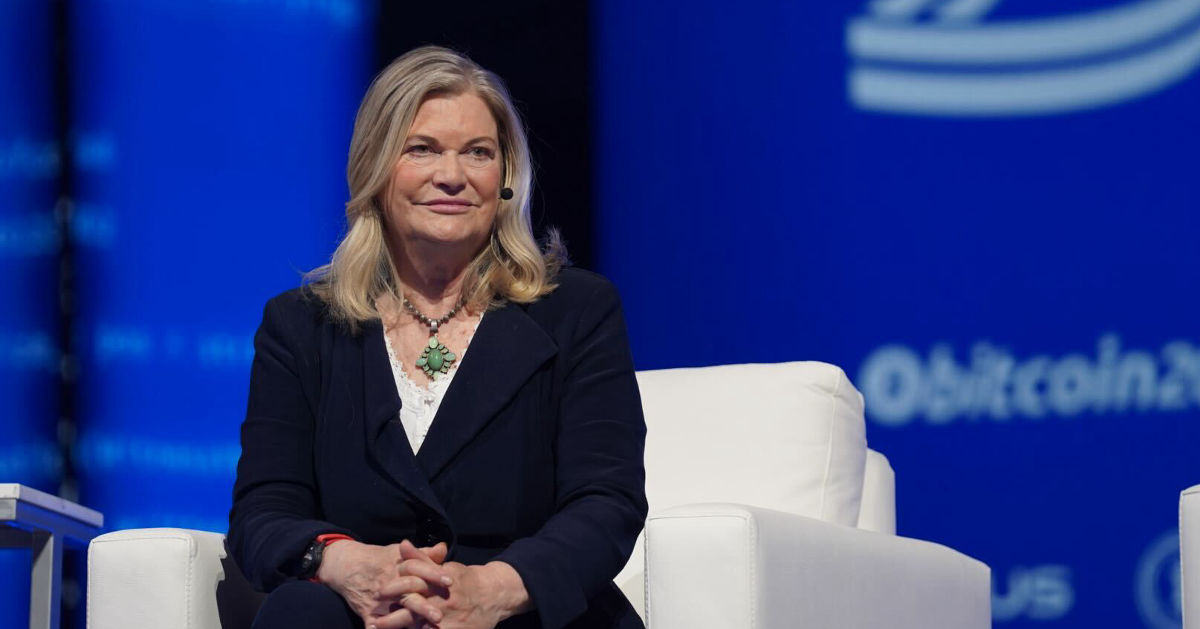
BREAKING: 🇷🇺 Russian President Putin says "Who can ban #Bitcoin? Nobody." pic.twitter.com/6mJ664BZZ8
— Bitcoin Magazine (@BitcoinMagazine) December 4, 2024

The president has also spoken about how the country has “competitive advantages” when it comes to Bitcoin mining due to the abundance of cheap energy in Russia. 

But Russian lawmakers want to retain a tight grip on citizens’ spending; the use of digital currency has been for years permitted for international payments — most likely as a way to dodge Western sanctions. 

This post Russia Passes Law to Regulate Crypto Exchanges, Keeps Payment Ban in Place first appeared on Bitcoin Magazine and is written by Mathew Di Salvo.

‘If Clarity Dies, Democrats Killed It’: Lummis Urges Senate to Act on Crypto Bill Before Recess

Bitcoin Magazine

‘If Clarity Dies, Democrats Killed It’: Lummis Urges Senate to Act on Crypto Bill Before Recess

Pro-bitcoin Senator Cynthia Lummis has said that bipartisan work is going into the crypto Clarity Act but warned that some lawmakers are still making unreasonable demands.  

The Republican, speaking to Fox Business Wednesday, said that she had been working with Democratic lawmakers into the night to get the bill over the line. 

But she said that some Democrats were still dragging their feet on the bill. Lawmakers are pushing to get a vote on the crypto market structure bill before the Senate goes to recess.

JUST IN: 🇺🇸 Senator Cynthia Lummis says "I believe we will get a vote on the Clarity Act before August recess." 👀

"I don't think we'll be leaving on Friday, I think we'll go into the weekend."

Pass it! 🚀

pic.twitter.com/1AZR7DzEln

— Bitcoin Magazine (@BitcoinMagazine) August 5, 2026

“The president agreed to an ethics provision that no president has ever agreed to,” Lummis said. “He’s gone farther to protect ethics than any president in history — yet the Democrats do want more. Their proposal is in front of the president now, and we’ll see what he does.”

She added: “We’re going to vote on it. If it dies, it’s going to be because the Democrats kill it. I’ve bent over backwards for 11 months, to give them as much as we can possibly give them to regulate this industry.”

The Clarity Act has been in a deadlock for much of 2026, partially because the banking lobby raised concerns over crypto companies allowing clients to earn stablecoin yield. 

An updated bill of the Clarity Act was introduced in July addressing concerns around ethics; it now bans government officials and their families from issuing or promoting crypto. 

Democrats have criticized President Trump’s family crypto business ventures. The White House has always said there have been no conflicts of interest. 

A group of Democrats in July said the bill needs work. 

Major financial institutions like Fidelity and BlackRock, and law enforcement organizations have thrown their weight behind the new bill, 

If passed, the Clarity Act would create a regulatory framework for the U.S. cryptocurrency market.

This post ‘If Clarity Dies, Democrats Killed It’: Lummis Urges Senate to Act on Crypto Bill Before Recess first appeared on Bitcoin Magazine and is written by Mathew Di Salvo.

SEC Commissioner Hester ‘Crypto Mom’ Peirce Optimistic About Clarity Act 

Bitcoin Magazine

SEC Commissioner Hester ‘Crypto Mom’ Peirce Optimistic About Clarity Act 

The Security and Exchange Commission’s outgoing commissioner, Hester Peirce, has expressed optimism that the long-awaited Clarity Act will pass. 

Speaking on CoinDesk’s The Policy Protocol show, the regulator said that passing the law would help the SEC in drafting regulation. 

Lawmakers are pushing to get a vote on the crypto market structure bill — or Clarity Act — before the Senate goes to recess. Some Republicans have bemoaned that Democratic members of the senate are deliberately dragging their feet with the bill. 

The Senate has 4 days to pass the CLARITY Act before recess. 👀

Contact your Senator and tell them to pass the bill! 🇺🇸 pic.twitter.com/3ZHZEmh7UC

— Bitcoin Magazine (@BitcoinMagazine) August 3, 2026

“I’m still optimistic that the bill will get finished, and it will give I think the industry and investors and regulators an easier path forward because there’ll be very clear lines about who has authority over the crypto spot market, for example,” Commissioner Peirce said. 

“If the legislation passes, we’ve got lots of rulemaking to do,” Peirce continued. “But even if it doesn’t pass, we can do a lot: We can develop a framework for people who are trying to do fundraising using crypto assets, as an example.”

The Clarity Act has been in a deadlock for much of 2026, partially because the banking lobby raised concerns over crypto companies allowing clients to earn stablecoin yield. 

An updated bill of the Clarity Act was introduced in July addressing concerns around ethics; it now bans government officials and their families from issuing or promoting crypto. 

But a group of Democrats have said the bill needs work. 

If passed, the Clarity Act would create a regulatory framework for the U.S. cryptocurrency market.

Commissioner Peirce earned the nickname “crypto mom” for her friendly approach to regulating the space despite the SEC’s previous actions. 

Under ex-Chair Gary Gensler, the top regulator was openly hostile towards the digital asset space and hit crypto companies with a number of lawsuits. 

Since President Donald Trump took office in 2025, the SEC — and other regulators — have taken a far more friendly approach to crypto legislation. 

The SEC in 2025 announced a crypto task force specifically aimed at watchdogging the space.

This post SEC Commissioner Hester ‘Crypto Mom’ Peirce Optimistic About Clarity Act  first appeared on Bitcoin Magazine and is written by Mathew Di Salvo.

Crypto Clarity Act Risks More Delay As Recess Looms

Bitcoin Magazine

Crypto Clarity Act Risks More Delay As Recess Looms

The long-awaited crypto Clarity Act may be further delayed as August recess fast approaches. 

Despite optimism last week from top crypto companies — like Coinbase — and backing from top financial institutions, lawmakers appear to be prioritizing other bills to vote on before their five-week break starting Thursday or Friday. 

Democratic Senator Elizabeth Warren was even quoted saying in a Sunday Punchbowl News report that “more people in the Senate are beginning to question crypto’s electoral invincibility.” 

Pro-crypto Republicans, such as Senator Cynthia Lummis, have blasted Democrats for deliberately holding back the bill after members of the party said that the current bill falls short.

Crypto critic Warren has claimed that the bill will allow criminals and cartels to move money and further enrich President Donald Trump — despite the proposed law banning government promotion of crypto. 

The Clarity Act, which was passed last year by the House of Representatives with support from both parties but has been in a deadlock this year, will set in stone digital asset regulation in the U.S. 

A new bill draft started circulating in July addressing concerns around ethics. The language would ban government officials and their families from issuing or promoting crypto. 

The bill has stalled this year as the banking lobby has raised concerns over stablecoin yield, claiming they could lose their deposit base if crypto exchanges pay attractive rewards to customers.

Another sticking point some lawmakers have with the crypto industry is President Trump’s business interests: some have alleged conflicts of interest as his family has made money from meme coins and the decentralized finance protocol, World Liberty Financial. 

Despite slow movements on the bill, top Wall Street firms such as Fidelity and Goldman Sachs, as well as law enforcement organizations, have backed the bill in its current form. 

And Kristin Smith, president of the Solana Institution and former Blockchain Association CEO, said on X Monday that bipartisan work on the bill was continuing, with Republican Thom Tillis and Democrat Ruben Gallego working together to draft new language on ethics for the act. 

Coinbase, which has been hashing out the bill with lawmakers, struck an upbeat tone regarding the bill last week, with the company’s Chief Policy Officer, Faryar Shirzad, saying that Democrats and Republicans had worked hard to draft the legislation. 

This post Crypto Clarity Act Risks More Delay As Recess Looms first appeared on Bitcoin Magazine and is written by Mathew Di Salvo.

South Korean Police Arrest Three In $9M Fake XRP Staking Case

South Korean police have arrested three suspects tied to an alleged fake XRP staking platform that reportedly defrauded 71 investors out of 3.4 million XRP, worth about $9 million.

South Korean police reporting identifies the platform as Fxrpntwork.com and says authorities froze 17.3 billion won in digital assets on overseas exchanges. The case is still ongoing, so the legal framing needs to stay careful.

Arrests are not convictions. Allegations still have to move through the legal process.

Still, the case is another reminder that staking scams remain one of crypto’s most effective fraud formats, especially when they attach themselves to large, familiar assets like XRP.

TL;DR

  • South Korean police arrested three suspects in an alleged fake XRP staking fraud.
  • The case involves 3.4 million XRP from 71 investors.
  • Authorities reportedly froze 17.3 billion won in digital assets.

Why Fake Staking Scams Work

Fake staking platforms are dangerous because they borrow the language of legitimate crypto yield.

Users know that some blockchains offer staking. They know that crypto platforms sometimes provide yield. They may also know that large assets can have ecosystem products built around them. Scammers use that familiarity to make fraudulent offers feel plausible.

The victim sees a platform promising XRP staking rewards and may not immediately realize the setup is fake.

That is the trap.

XRP itself is not a proof-of-stake asset in the same way as networks where native staking secures consensus. But many users do not understand the difference between network staking, lending, yield products, escrow programs, and fake investment platforms.

Scammers exploit that confusion.

XRP Branding Makes The Scam Easier To Sell

XRP has a large global community, strong brand recognition, and a long history of headlines around payments, banks, exchanges, and regulation.

That makes it attractive to scammers.

A fake platform tied to a small unknown token may be harder to sell. A fake platform using XRP can appear more credible to casual investors because the asset is familiar.

This is not unique to XRP. Bitcoin, Ethereum, Solana, and other major assets are also used in scams. The bigger the brand, the easier it is for criminals to create a fake product around it.

Freezing Assets Is A Key Step

The reported freeze of 17.3 billion won in digital assets is important because recovery often depends on speed.

Once stolen funds move through exchanges, bridges, mixers, or multiple wallets, recovery becomes harder. If authorities can identify and freeze assets quickly, victims may have a better chance of partial recovery.

That does not guarantee funds return to investors.

There may be legal claims, exchange procedures, court orders, and asset-tracing work still ahead. But frozen assets are better than assets disappearing completely.

Investors Need To Check The Yield Source

The simplest defense against fake staking is asking where the yield actually comes from.

Is it native protocol staking? Is it lending? Is it market making? Is it a reward program? Is it a centralized investment product? Is there an official issuer or protocol announcement? Is the platform asking users to send funds to an unknown wallet?

If the answer is unclear, the risk is high.

Crypto investors often look at the promised return. They need to understand the mechanism.

Legitimate yield has a source. Fake yield often has only marketing.

Legal Process Comes Next

For now, the South Korean case should be described as arrests and allegations.

The police action is significant, but the suspects have not been convicted in the framing provided. That distinction protects accuracy and avoids turning a criminal investigation into a final judgment before court proceedings are complete.

The bigger lesson is already clear.

Crypto fraud is becoming more polished, more international, and more likely to use familiar asset brands. Fake staking platforms are not going away.

For XRP holders, the safest rule is simple: no official source, no trust.

This article is based on South Korean enforcement reporting and public details of the alleged XRP staking fraud case.

This article was written by the News Desk and edited by Samuel Rae.

This report is based on information released in disclosures at primary source documentation.

❌