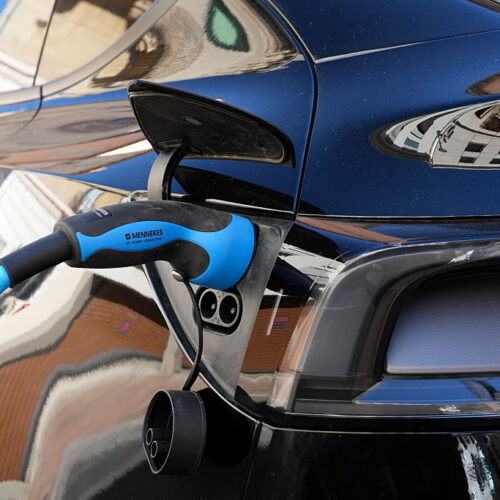
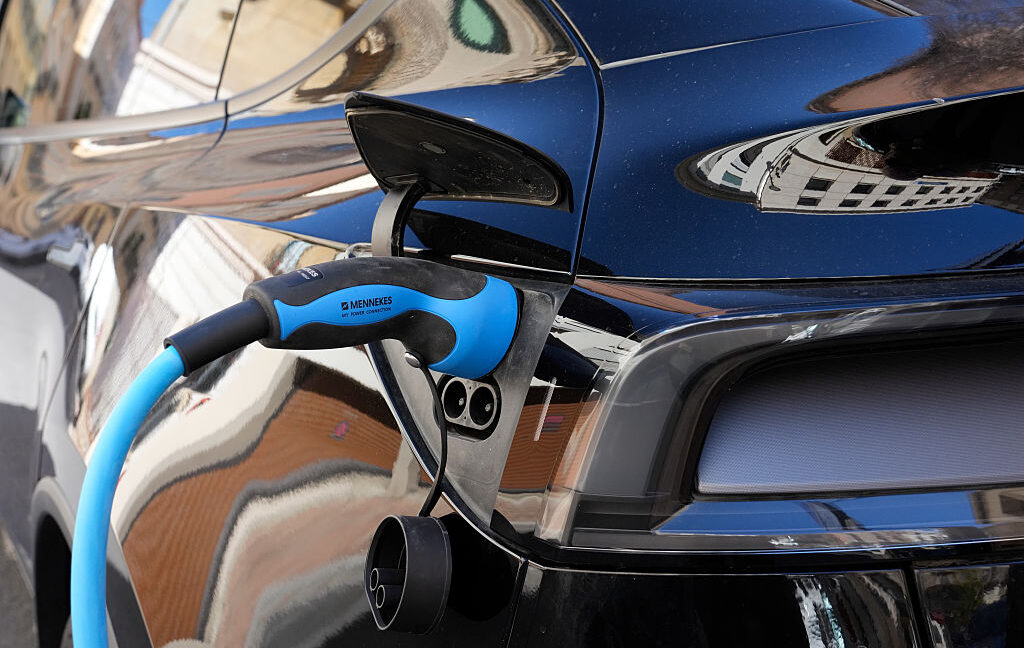
Electric vehicle batteries are lasting longer than previously feared by drivers, with most used EVs able to retain about 90 percent of their original usable battery capacity after 150,000 kilometers, a new study has shown.
Despite a surge in global EV sales on the back of rising fuel prices, long-term battery durability continues to be one of the key concerns for drivers when they consider switching from a petrol model to an electric car.
EV battery warranties typically cover eight years or 100,000 miles (160,000 km) with car manufacturers required under the warranty to provide a replacement battery if capacity falls below 70 percent.
Uber and Wayve have launched 15 supervised robotaxis in London. Learn how the rides work, why safety drivers remain and what comes next for riders and Uber.
Uber and Wayve have launched 15 supervised robotaxis in London. Learn how the rides work, why safety drivers remain and what comes next for riders and Uber.
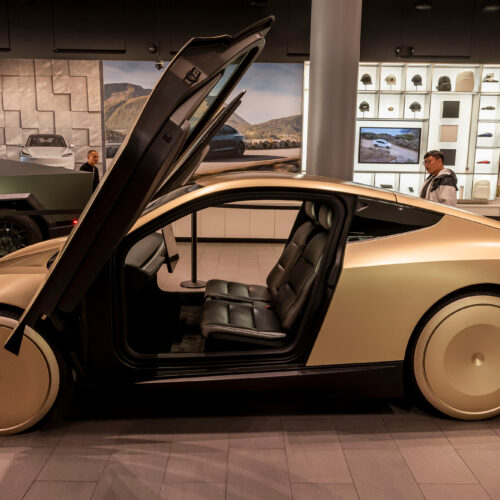
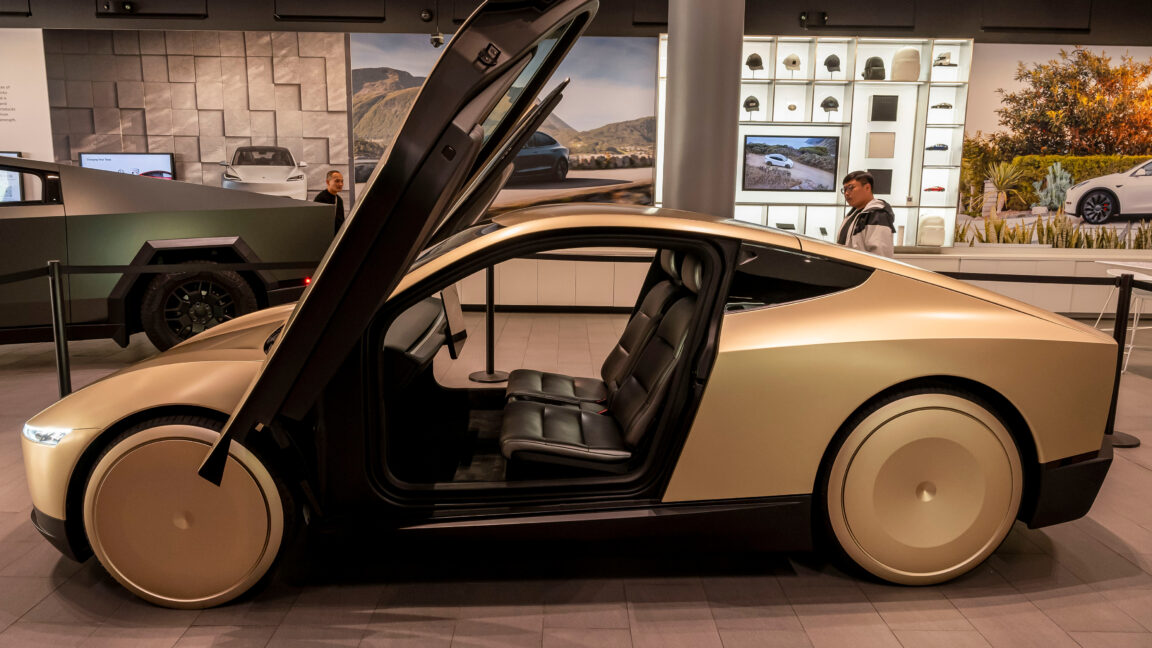
Tesla’s Cybercab, a distinctive two-seater without a steering wheel or brake pedals, is set to start picking up members of the public in two states. But the vehicle is already under investigation by the US federal government, which is probing whether it meets federal safety standards.
The investigation comes just hours after the electric automaker welcomed hundreds of fans to downtown Austin to ride in the driverless Cybercabs. Tesla plans to deploy the vehicles on its Robotaxi ride-hail network, which is currently operating in a handful of cities in Texas and Florida.
The National Highway Traffic Safety Administration is updating vehicle standards to make it easier and faster for driverless cars to deploy on public roads. It’s currently tweaking eight rules, including those requiring car parts that driverless cars don’t really need: brake pedals, windshield wipers, and rearview mirrors. But for now, years-old standards remain in place.
Jaguar Land Rover was one of the first automakers to announce a transition away from combustion engines. That transition timeline might have slipped somewhat—pesky things like pandemics, supply chains, and revanchism have all been barriers to more rapid electrification—but it's still underway, and today is the debut of the Range Rover Electric, a new battery-electric vehicle variant that sits alongside the internal combustion and plug-in hybrid Range Rovers.
Until now, the only way to get a fully electric Range Rover was by going the restomod route. But classic Range Rovers drive like classic cars, with all their inherent faults, and the price tag can be eye-watering. No Range Rover is exactly cheap, but with a starting price of $138,000, the 2027 Range Rover Electric is about half the cost of one of those restomods and benefits from 21st century safety systems like airbags, advanced driver assistance systems, modern crash protection standards, plus the support and warranty of a major OEM. And there's evidently demand: JLR told us that it already has 80,000 hand-raisers—half from North America—70 percent of whom are new to the brand, with 20 percent already owning an EV. (Obviously, only some fraction of those will translate to sales.)
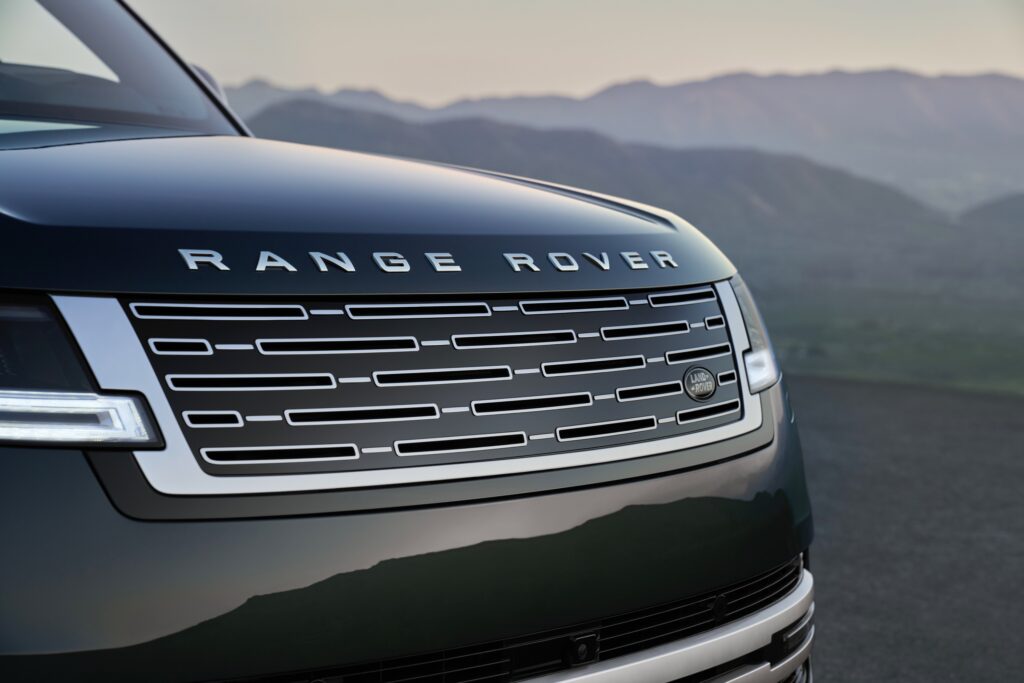
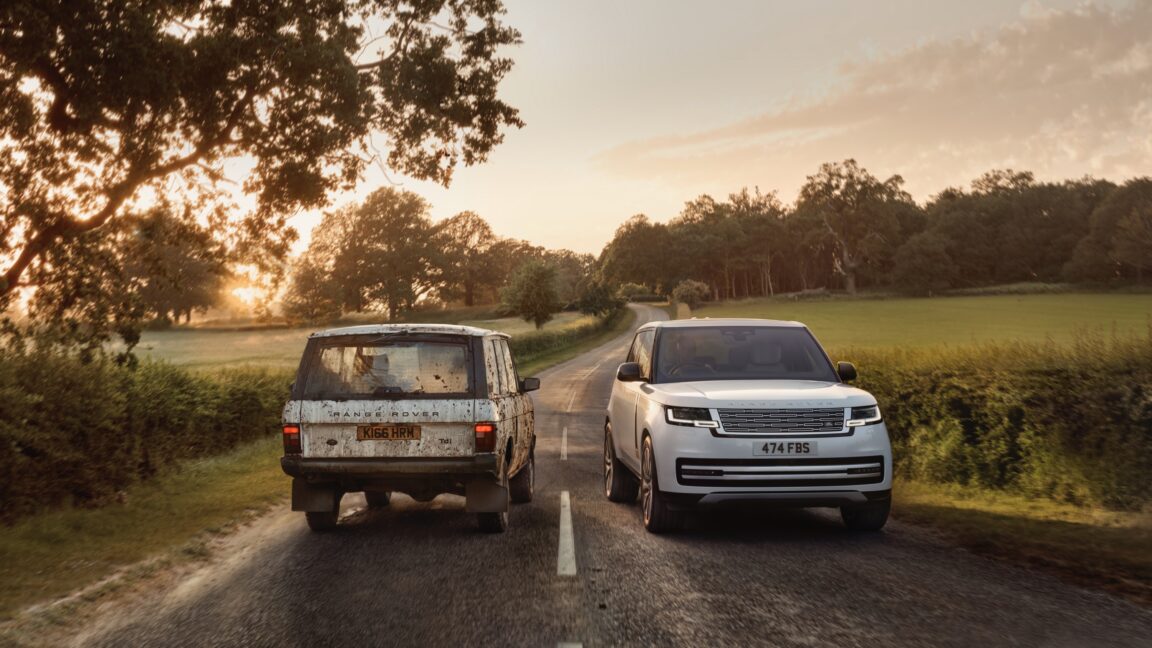
The smooth front grille is one of the only ways to spot a Range Rover Electric.
Credit:
Range Rover
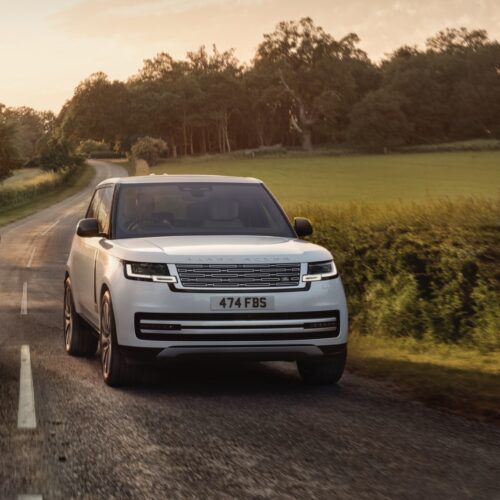
Because the idea was to make the Range Rover Electric a Range Rover first and an EV second, it looks virtually identical to the other versions, albeit with a slightly more aerodynamic front grille and more aero-efficient wheels that together conspire to shave off a fraction of the vehicle's drag coefficient. The lack of tailpipes at the back is probably the biggest giveaway that you're looking at the electric one. There's also a flat underbody, but hopefully you'll never need to look at that.
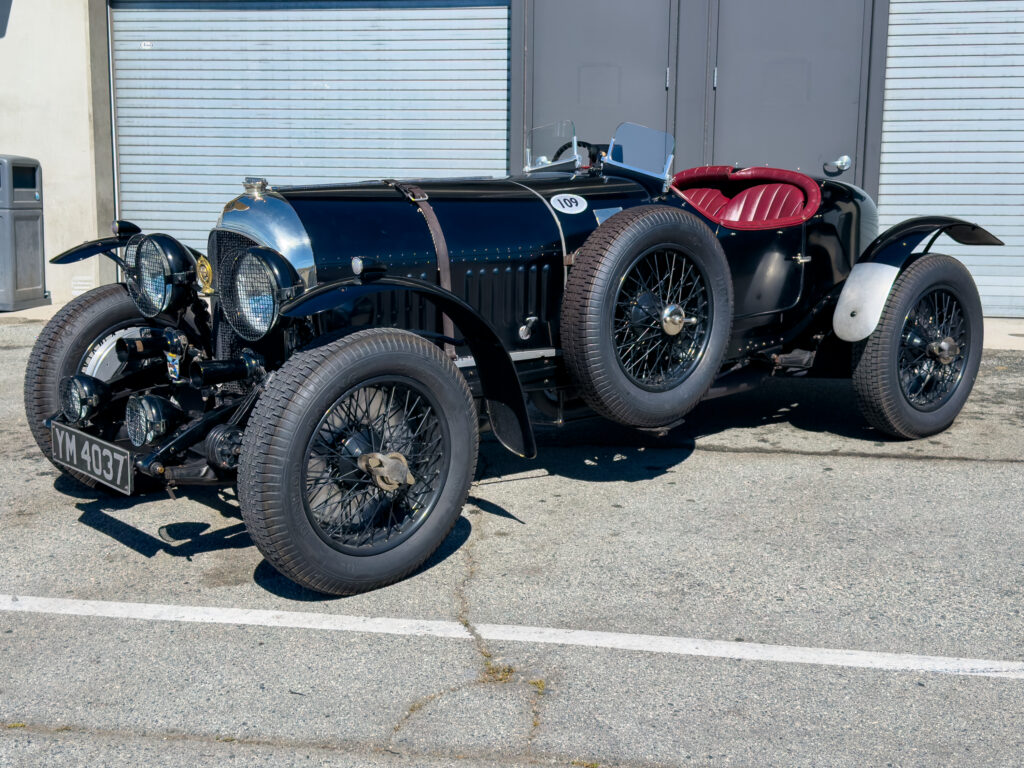
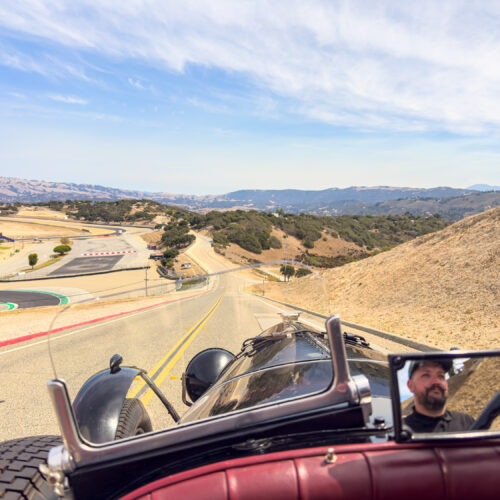
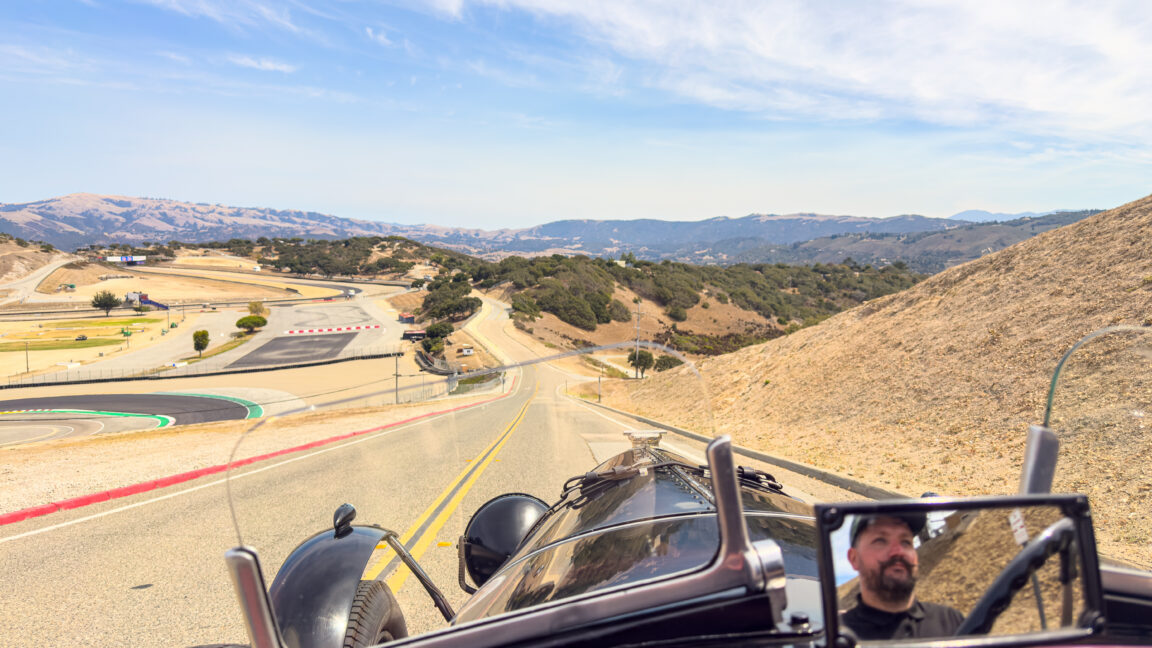
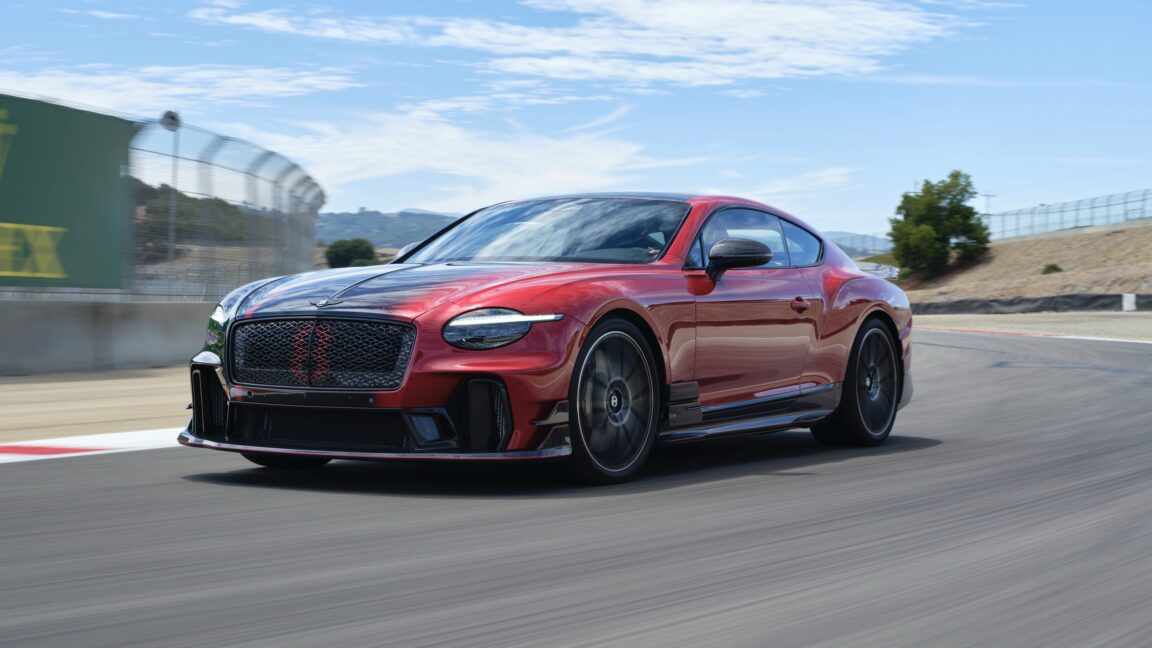
MONTEREY, Calif.—Elsewhere on these pages, you can find our first track drive of the new Bentley Supersports. Shorn of its hybrid system and stripped back to rear-wheel drive, it's not only the most driver-focused Bentley we can remember, but it's also apparently the lightest car the company has made in 85 years. But you have to go back even further into the Bentley archive to find the first car to wear the Super Sports badge. And since Bentley had done just that, bringing along to Laguna Seca an example from the time, it would have been rude to refuse the offer of a ride.
Bentley built 18 Super Sports between 1925 and 1927, taking its standard 3 Litre model and shortening the wheelbase by 9.5 inches (241 mm). Like today's Super Sports, that shaved some mass and made it a more responsive driver's car. But a fast one, too. The radiator was more tapered and thus presented less resistance against the flow of air, although like many cars at the time, the bodywork was a matter of whichever coachbuilder the owner decided upon.
Smoky's two-seat bodywork was compact for the time.
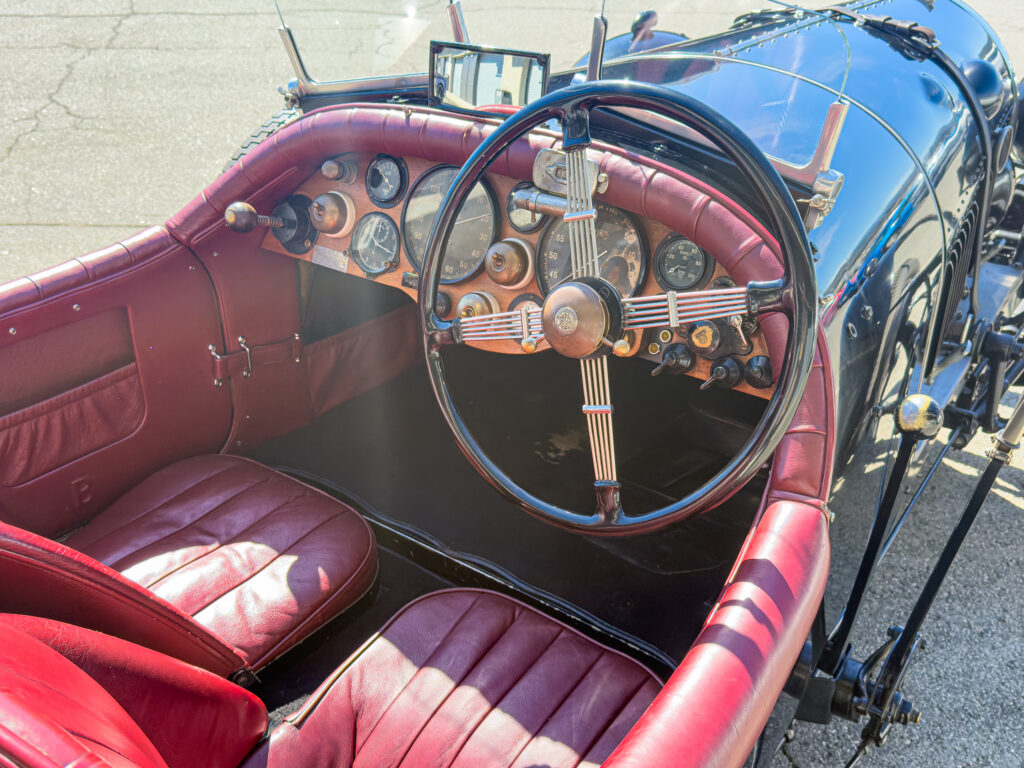
The lever for the three-speed transmission is just outside the car. Not sure the FIA or NHTSA would let you get away with that today.
Credit:
Jonathan Gitlin
Like today with the Continental GT and the new Supersports, the 3.0 L engine Bentley in the original Super Sports was more special than one you'd find in the standard car, with new pistons, a lighter flywheel, more compression, and different carburetors. Together with its unique gearing, the factory would guarantee a Super Sports that could exceed 100 mph (160 km/h); the millions of Ford Model Ts that took the roads those same years were hard-pushed to break 40 mph (64 km/h).
MONTEREY, Calif.—Last week, we brought news of the Bentley Torcal, a new electric vehicle that the luxury automaker has been cooking up at its HQ in Crewe, England. The company wants to attract new customers with its first battery EV, part of a plan to make sustainability as much a part of the brand's character as its high-end fit and finish. W12 engines have given way to V8 plug-in hybrid power, and the new Continental GT is all the better for it.
But around the same time as Ars got its first experience of that new PHEV two-door on a rather wet Spanish racetrack, some of Bentley's boffins were wondering what might happen if you also built one without the hybrid stuff.
Or all-wheel drive—something that has been a characteristic of every new road-going Bentley since the turn of the century. That would certainly cut the curb weight. So, too, would leaving out the rear seats. That sort of idea leads down a well-trodden path for some OEMs, and Porsche in particular is famous for making stripped-out road cars inspired by its race cars and making money from them, too.
MONTEREY, Calif.—Next month Bentley will reveal its first battery-electric vehicle. The British automaker is no stranger to electric motors; it now offers plug-in hybrids across its range, even replacing the Continental GT's W12 with a new plug-in hybrid V8. The addition of electric motors perfectly suits the marque: what's more Bentley than waves of effortless torque, after all? But until now, there's always been a combustion engine along for the ride. Not so the Torcal.
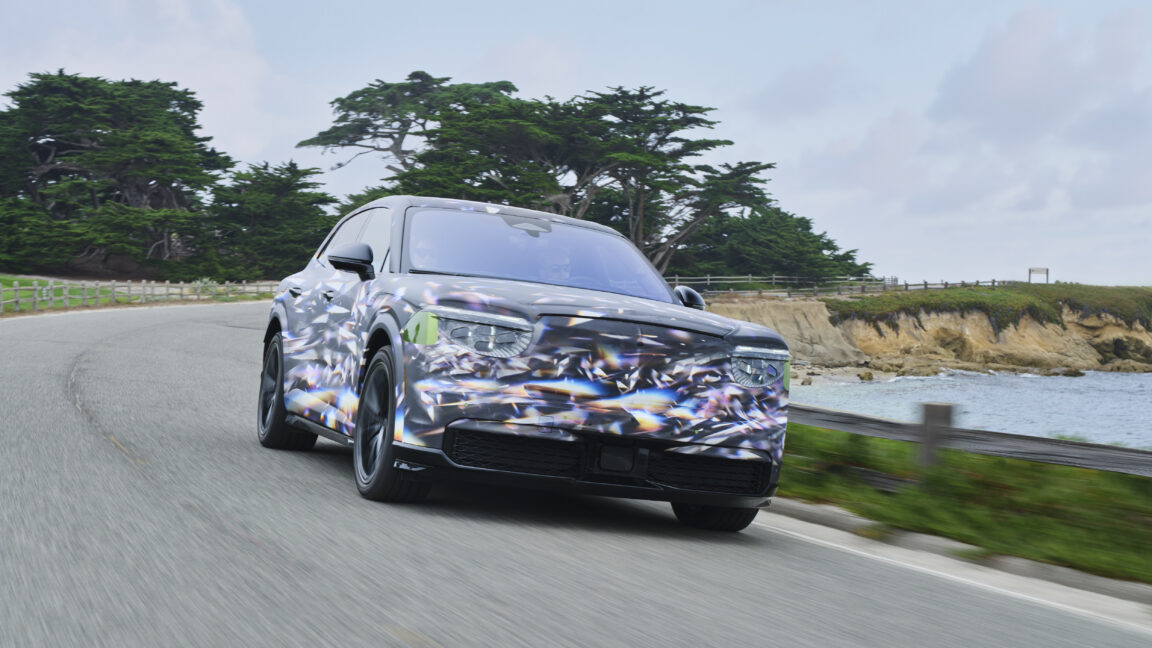
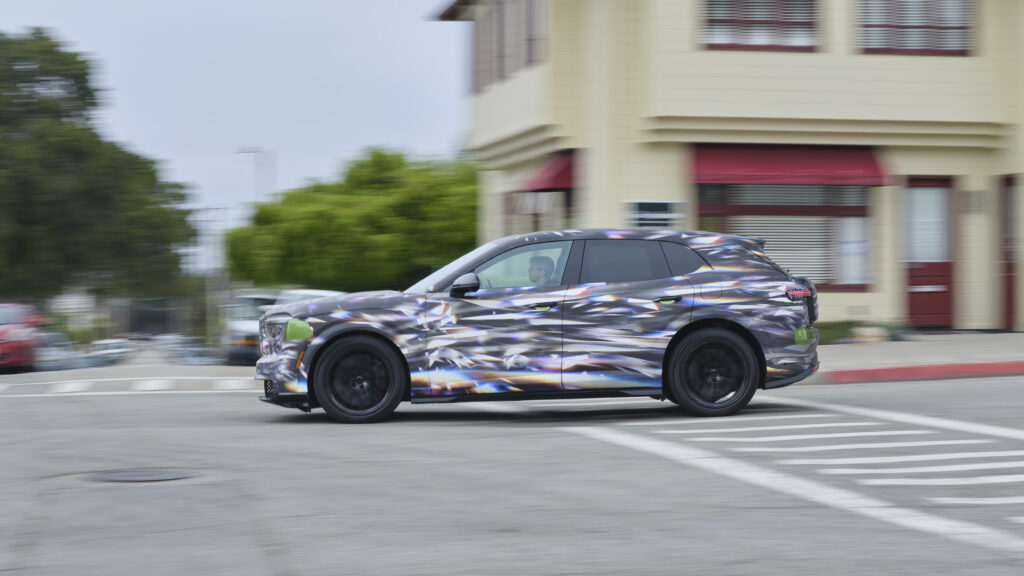
Clad in plastic and wrapped in a multi-hued dazzle camouflage, it's shorter in length and height compared to a Bentayga, although it is similarly voluminous on the inside thanks to the inherent packaging efficiencies of an EV. If the proportions remind you of a Porsche Cayenne EV, that's because the two share quite a lot of the same basic engineering, albeit reworked by Bentley to suit its needs. The target is 300 miles (482 km) in EPA range or 600 km (373 miles) under WLTP, from the battery pack, and like the Cayenne, expect 400 kW DC fast-charging.
Bentley is targeting the sports SUV segment with the Torcal. It's 5 meters (16 feet, 5 inches) long, which is shorter than a Bentayga.
Credit:
Bentley
Don't expect the Cayenne's quadruple-figure power output, though. "We'll be well over a thousand newton-meters of torque [737 lb-ft], which is one of the sort of enabling pillars of the technology, which is fantastic. There'll be over 850 PS [838 hp/625 kW], but we're not chasing four figures," said Martin Page, product line director for the Torcal.
The GT3 occupies a singular place in the 911 lineup. Whereas the range-topping Turbo S piles on power, technology, luxury, and all-weather capability, the GT3 has always pursued something more elemental: a lighter weight, more focus, and a finely honed setup that puts the driver at the center of the experience.
Porsche has expanded the GT3 formula since the model’s debut in 1999, adding the more extreme GT3 RS to the lineup in 2003 and the slightly more reserved GT3 Touring in 2017, along with the GT3 S/C earlier this year. While the concept behind the drop-top S/C requires some mental gymnastics to make sense of it, the Touring’s original premise was refreshingly simple: Take the standard GT3—including its naturally aspirated 4.0 L flat-six and track-tuned chassis—and replace the fixed rear wing with the deployable spoiler from the Carrera. The result is a subtler version of the homologation car that recaptures the classic 911 silhouette without giving up the hardware that makes a GT3 a GT3.
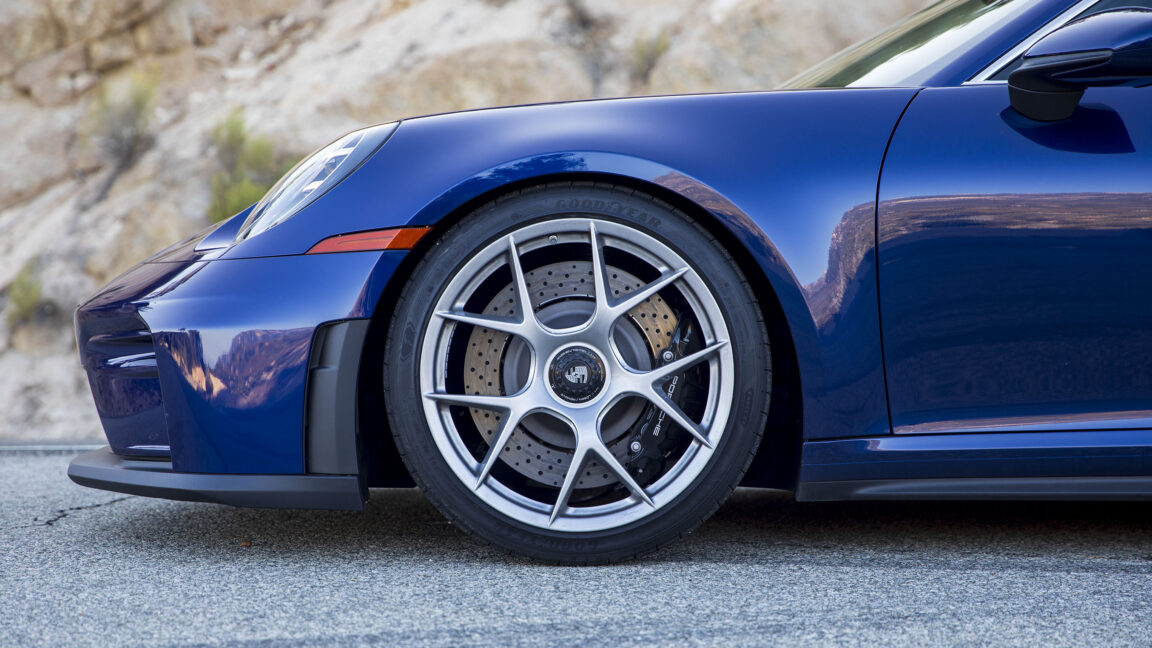
Fresh from its 992.2 mid-cycle update, the latest GT3 Touring sticks closely to that original design. Its 4.0 L flat-six still spins to 9,000 rpm and produces 502 hp (375 kW) and 331 lb-ft (449 Nm), sending its output exclusively to the rear wheels through either a seven-speed PDK dual-clutch automatic or six-speed manual gearbox. Massive brakes, rear-axle steering, a GT3-specific suspension, active sport exhaust, and plenty of other road course-oriented hardware remain standard.
The Velotric Discover M e-bike we reviewed earlier this year had a feature I found somewhat annoying: It would sporadically block much of the display with an alert telling me I should be in a different gear. While the implementation bugged me, the concept made a certain degree of sense; most e-bikes now know your cadence, how much torque you're generating, and how that power is being translated into speed. That's everything you need to know to determine an optimal gear.
Somewhere in the back of my mind, I thought, "If you're so smart, why don't you just shift for me?"
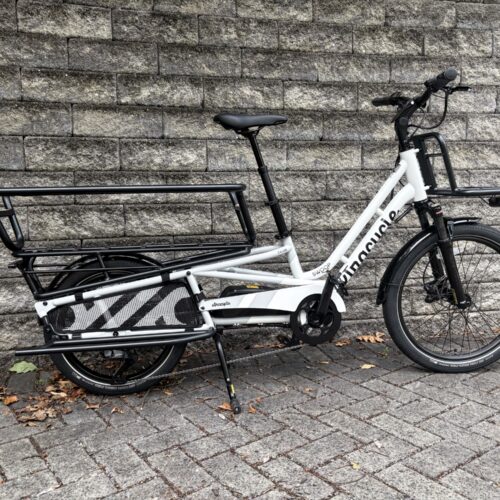
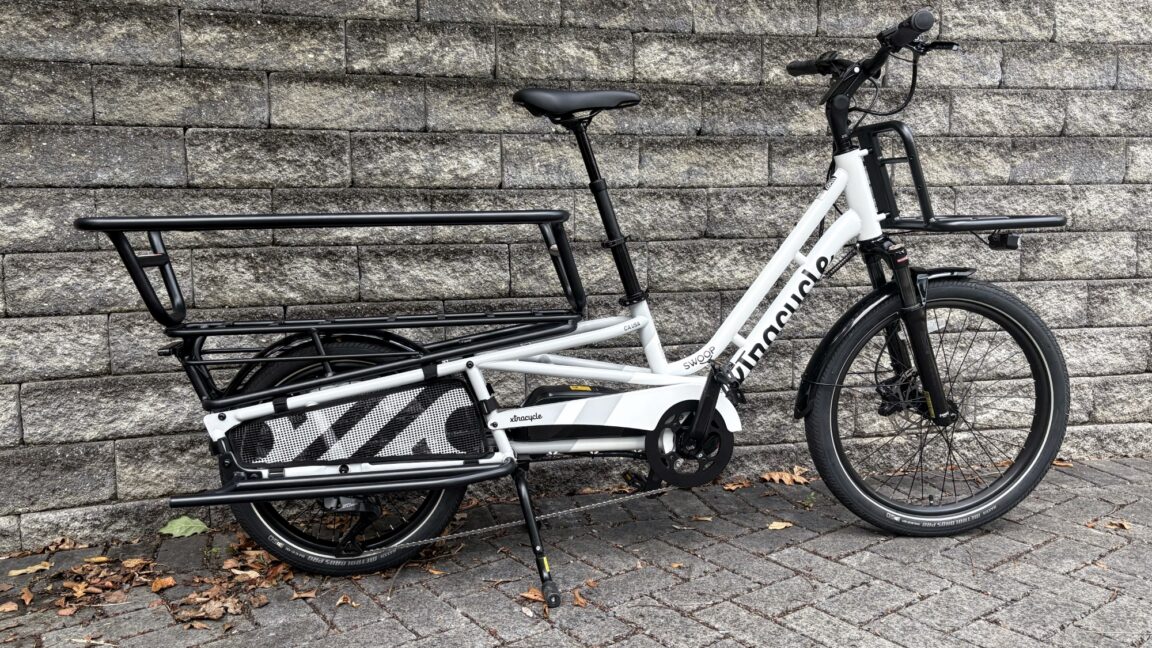
I was completely unaware that Shimano had already developed a system that did exactly that. And for the past few weeks, I've been using it on a $4,500 cargo bike from Xtracycle called the Swoop ASM that let me see what it's like to hand control of my gears to an electronic brain.
The federal government is expanding a safety investigation into a number of vehicles manufactured by General Motors after receiving hundreds of reports of brake failure. The problem affects more than 1.1 million cars, including many of GM's electric vehicles, as well as ones it has built for Honda and Acura. The problem is with the brake-by-wire system (which GM calls eBoost), which can suffer a spindle fracture while driving.
GM says that in the event of that happening, the car should still retain a number of critical safety features—antilock brakes, traction control, and stability control—at least until it comes to a complete stop, at which point they become inoperable. But NHTSA's ODI says that it has received many reports that contradict this behavior and allege that eBoost failures are followed by an immediate loss of braking, which obviously poses a safety risk.
Indeed, NHTSA has received 227 incident reports, a number that grows to 745 once you include the hundreds of occurrences reported to GM. Twenty-two cases resulted in crashes, and while six people have been injured in five crashes, thankfully there have been no fatal incidents.
After months of rumors surrounding his future, now we know: Four-time champion Max Verstappen is staying in the sport for the foreseeable future. The news broke on the eve of the Dutch Grand Prix, held this past weekend at Zandvoort in the Netherlands as F1 returned from its mandatory summer vacation.
Verstappen's wasn't the only contract news—Williams will keep both Alex Albon and Carlos Sainz, too. More than once I've noticed a driver having an underwhelming weekend following a freshly signed contract; in this case, all three had a weekend they'd probably rather forget. They weren't the only ones, though. Up and down the grid, we saw friction between teammates. And there's no one an F1 driver wants to beat more than the only other person to have the same car as they do.
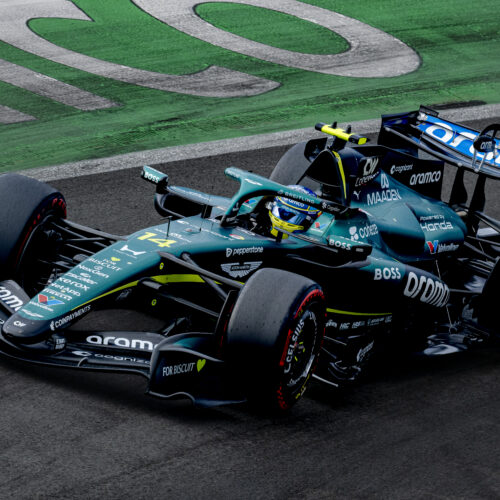
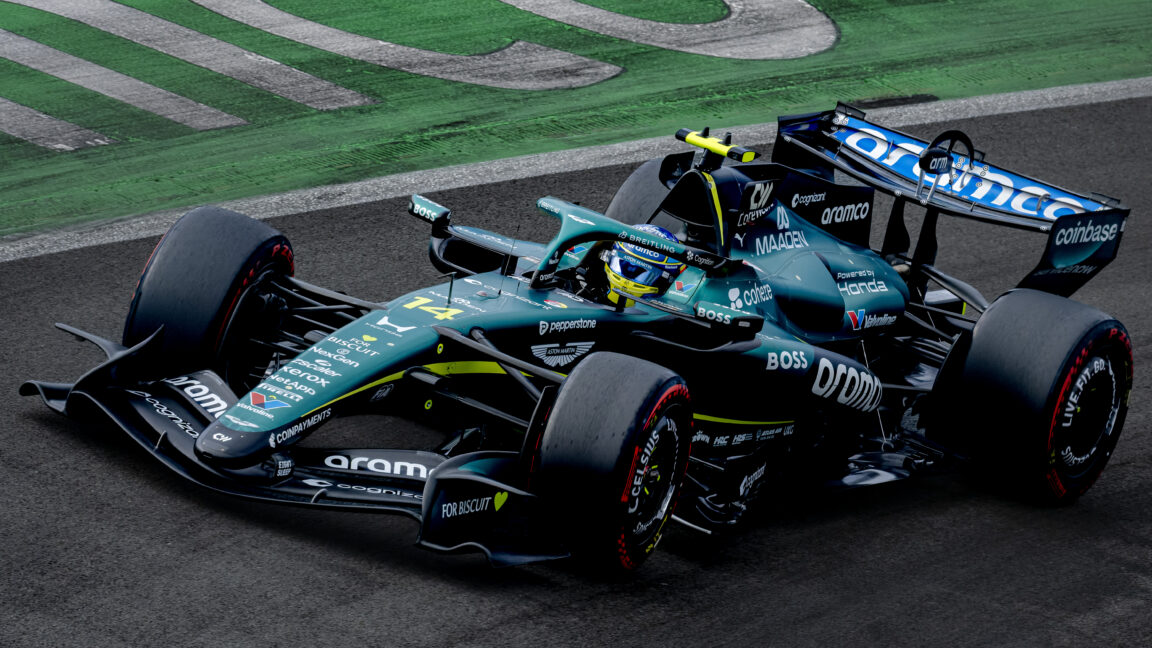
Formula 1 returned from its summer break with this weekend's Dutch Grand Prix.
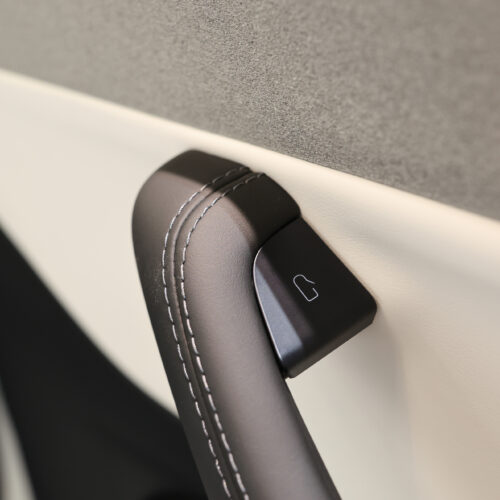
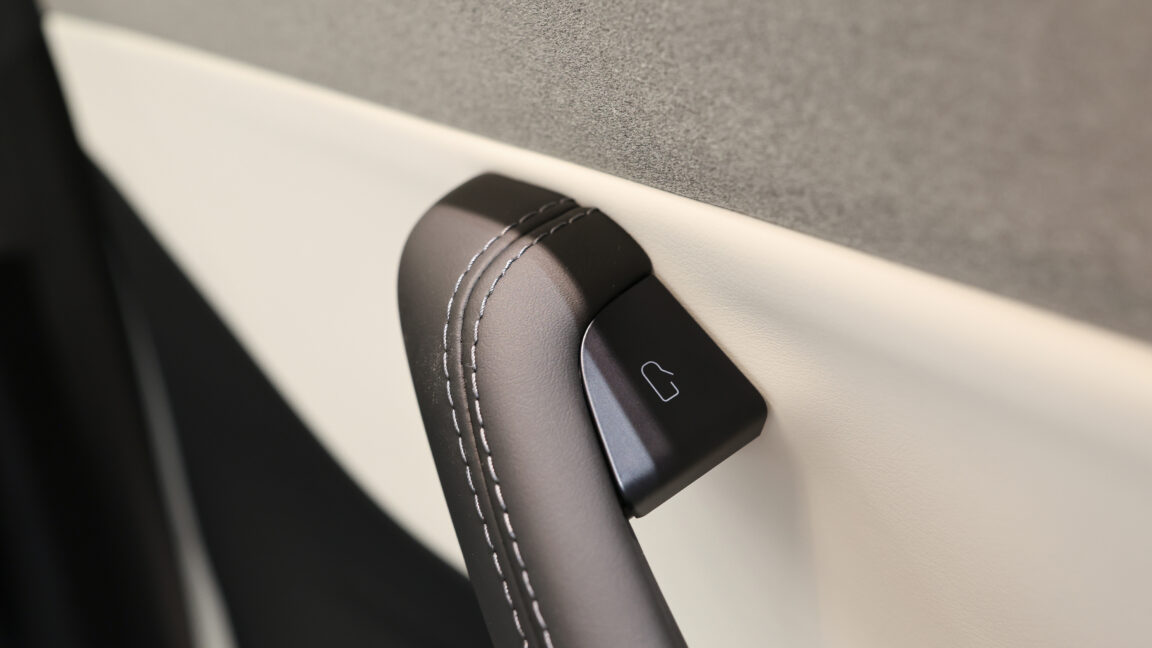
Tesla is facing a massive recall in China today. Chinese regulators are taking a stricter approach to safety, and the automaker now has to add warning labels to 2.98 million Model 3 and Model Y electric vehicles in China that make it clearer how to open the rear doors in the case of an emergency that causes the car to lose power.
As we learned earlier this year, Chinese regulators are getting more serious about the recent trend of electronically controlled car doors; a growing number of crashes have had fatal consequences when the occupants have been trapped in burning cars. Starting next year, new rules give specific dimensions for handles that must be followed by all newly approved vehicles. But cars that have already been on sale for some time, like the Models 3 and Y, are grandfathered in, at least until the end of 2028.
But China wants Tesla to do something about the nearly 3 million cars already on its roads. It is requiring the automaker to add warning labels to the car interiors—something that will require physical access to the car. Additionally, Tesla will push out a software update that automatically lowers all the cars' windows in the event of a collision.
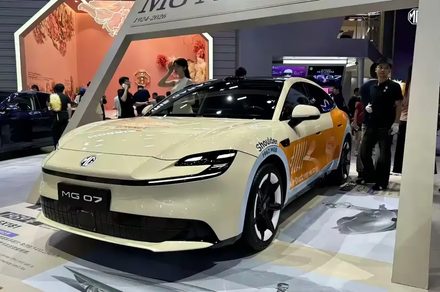
MG has officially launched the 07 sedan in China with both EV and PHEV versions, starting around $16,000, and a range that stretches all the way to 845km.
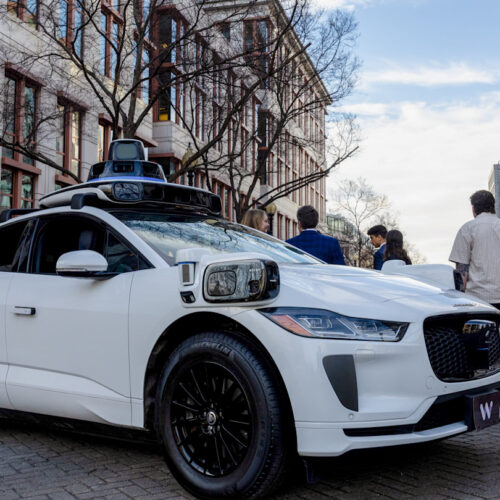
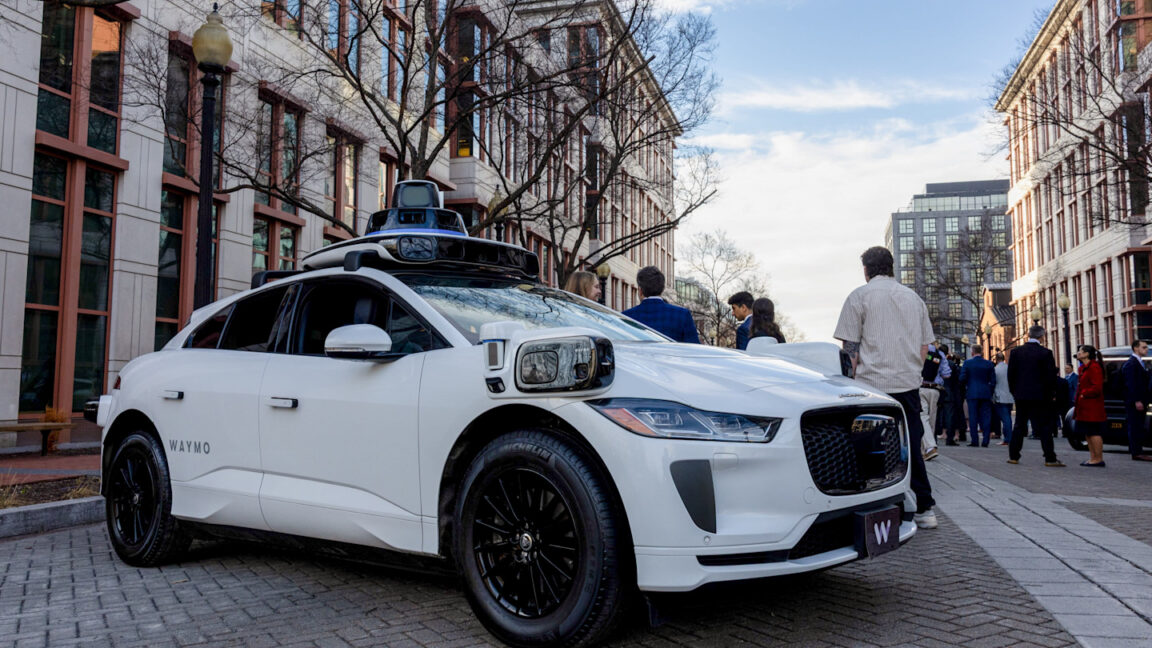
Waymo has sharply increased its lobbying spending as it seeks to persuade US regulators to clear a path for fully autonomous taxi services, intensifying its battle with rival Uber over the future of robotaxis.
The Alphabet-owned company spent more than $1 million between April and June on lobbying the federal government, more than double its outlay a year earlier, according to filings. That put Waymo’s spending close to Uber’s and well ahead of rivals including Amazon’s Zoox and Tesla.
The rise in lobbying comes as Waymo and Uber push competing visions for the future of ride-hailing. Waymo wants a faster route to fully driverless commercial services, while Uber is advocating a staggered rollout in which robotaxis operate alongside human drivers.
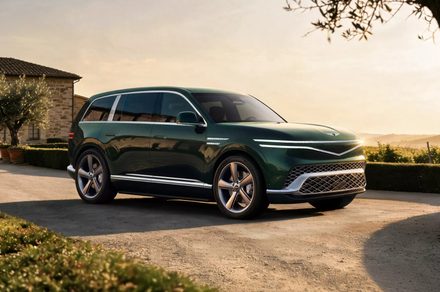
Genesis has unveiled the GV90, its largest electric SUV yet, packing 657 horsepower, a massive battery, lounge-like luxury and an unusual roof-mounted airbag.
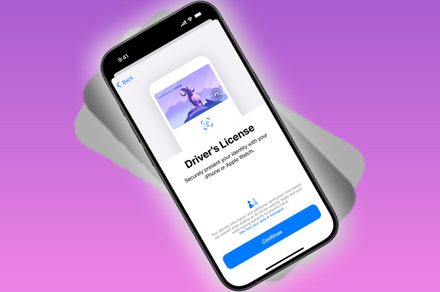
North Carolina is preparing to launch digital driver's licenses, with Apple Wallet support expected in early 2027 after an initial rollout through the state's own NC Wallet app.

 Login
Login
 The smooth front grille is one of the only ways to spot a Range Rover Electric.
Credit:
Range Rover
The smooth front grille is one of the only ways to spot a Range Rover Electric.
Credit:
Range Rover
 Bentley is targeting the sports SUV segment with the Torcal. It's 5 meters (16 feet, 5 inches) long, which is shorter than a Bentayga.
Credit:
Bentley
Bentley is targeting the sports SUV segment with the Torcal. It's 5 meters (16 feet, 5 inches) long, which is shorter than a Bentayga.
Credit:
Bentley