
❌

Reading view

There are new articles available, click to refresh the page.

Tech Moves: T-Mobile appoints CFO; Microsoft and Blue Origin VPs depart; AZX and Caddi name leaders

Jessica Uhl. (T-Mobile Photo)

β€” Telecom giant T-Mobile announced that Jessica Uhl will join as chief financial officer-designate later this month, and succeed Peter Osvaldik as CFO in February. Uhl served as CFO of Shell and worked for the global oil and energy giant for more than 17 years. She joins T-Mobile from GE Vernova, where she was president.

β€œI am thrilled to welcome Jessica to T-Mobile,” Srini Gopalan, president and CEO of T-Mobile said in a statement. β€œShe brings deep financial and strategic acumen, capital allocation expertise and an innovative growth mindset that is a perfect fit for T-Mobile’s next era.”

Osvaldik will transition to strategic advisor and retire from T-Mobile in July. He joined the company in 2016 and became chief financial officer in 2020. Osvaldik’s tenure β€œhas been defined by disciplined financial stewardship, consistent financial outperformance, and an unwavering commitment to T-Mobile’s mission,” the company said.

The move marks the latest leadership shakeup at the Bellevue, Wash.-based company. Mike Katz, T-Mobile’s chief business and product officer, announced his departure in July, and Chris Sambar was named chief enterprise officer. T-Mobile has cut 470 jobs in its home state this year and closed numerous retail locations.
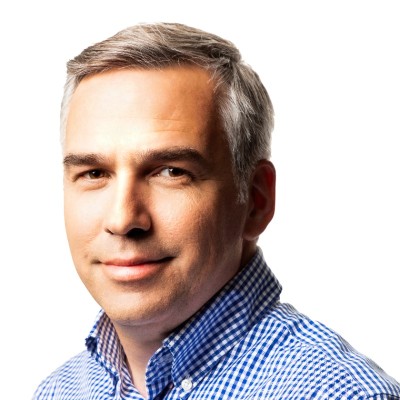
Brent Colburn. (LinkedIn Photo)

β€” Brent Colburn, Microsoftβ€˜s vice president of global public affairs, is resigning after three years, effective mid-October.

β€œStepping away from Microsoft is not a decision that I made lightly, but ultimately it is the right one for me and my family,” said Colburn, who has been commuting weekly between his home in Oakland, Calif., and Microsoft’s Redmond, Wash., headquarters.

Colburn’s career has spanned leadership roles in government, academia and philanthropy. That includes serving as principal advisor to the secretary of defense for communications and chief of staff to then-Secretary Shaun Donovan. More recent roles include communications vice president for the University of California in Oakland, Princeton University and the Chan Zuckerberg Initiative.

Blue Origin crew portrait
William Shatner stands alongside crewmates Chris Boshuizen (left), Audrey Powers and Glen de Vries. (Blue Origin Photo)

β€” After nearly 13 years, Audrey Powers has left Blue Origin, the aerospace company founded by Jeff Bezos that develops reusable rockets, spacecraft and rocket engines. She was on Blue Origin’s October 2021 spaceflight that also carried β€œStar Trek” star William Shatner and two others.

β€œHopefully, I’ve helped change peoples’ impressions of rockets (they land, too), astronauts (they are everyone), and our Earth,” Powers said, adding that she was sad to leave, but grateful that she took a chance on β€œa little startup no one had heard of.”

Powers held the title of deputy and vice president of the New Shepard Business Unit, which is the program that carries people and research payloads into suborbital space. She is an attorney who has previously worked at NASA as a flight controller and as a senior systems engineer at Lockheed Martin.

Michael Levi. (LinkedIn Photo)

β€” Michael Levi has joined AZX as chief commercial officer of the Bellevue-based startup, which works with utilities and other industries to build in-house AI technologies supporting their missions.

Levi is based in San Francisco and was previously vice president of marketing and growth for KloudGin, where he helped reposition the company’s field service software into an AI-native platform for utilities and the public sector. He earlier founded L1CG, a go-to-market advisory, and has held leadership roles in energy, renewables, supply chain and fintech.
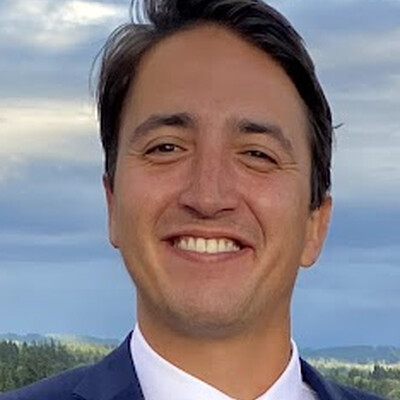
Jason Alafgani. (LinkedIn Photo)

β€” Jason Alafgani was named head of marketing for Caddi, a Seattle startup that launched out of AI2 Incubator and is automating basic business operations with generative AI. Alafgani is the co-founder of startups including the podcast company Jellypod and worked as marketing leader for Appwrite, Dodgeball, Mode and others.

β€” Dr. Amir Iravani has joined Los Angeles-based UCLA Health as director of the theranostics program, which focuses on treating cancer using targeted radiation therapy. Iravani previously served as theranostics clinical director at Fred Hutchinson Cancer Center in Seattle and was an associate professor of radiology at the University of Washington School of Medicine.

Kelly Lyons. (LinkedIn Photo)

β€” Portland Metro Region Innovation Hub has hired Kelly Lyons as director of the organization, which provides networking, coaching, funding and other support to entrepreneurs. Lyons is the founder of two startups and has served in leadership at Core Education, Umpqua Bank and Development House, a social services nonprofit.

β€” DigiStor, a Vancouver, Wash.-based provider of secure data-at-rest protection solutions, appointed Michael Callahan to its board of directors. Callahan co-founded Awake Security and PolyServe, which was acquired by HP.

Shiba Inu Burn Rate Spikes 1,020% As 20.82M SHIB Move To Dead Wallets

Shiba Inu’s daily burn rate jumped 1,020% after 20.82 million SHIB were sent to dead wallets, according to Shibburn tracker data.

The spike gives SHIB holders another supply-reduction headline, but it needs careful framing. A large percentage increase in daily burn rate can sound dramatic, especially when the prior day’s burn was low. The actual token amount matters just as much as the percentage.

In this case, 20.82 million SHIB were burned.

That is meaningful as a community activity signal, but it should not be described as a major supply shock for a token with a very large circulating supply.

For more details, visit the official Shibburn platform.

TL;DR

  • Shiba Inu’s burn rate rose 1,020%.
  • Around 20.82 million SHIB were sent to dead wallets.
  • The burn is notable, but not large enough by itself to transform SHIB supply dynamics.

Why SHIB Burns Matter

Token burns are central to Shiba Inu’s community narrative.

The idea is simple: sending tokens to dead wallets permanently removes them from circulation. Over time, holders hope that repeated burns can reduce supply and improve scarcity.

That narrative has helped keep SHIB’s community engaged.

Burns give holders something to track beyond price. They create visible activity and reinforce the idea that supply reduction is part of the ecosystem’s long-term story.

But the scale matters.

Percentage Spikes Can Mislead

A 1,020% burn-rate increase looks huge.

But burn-rate percentages are sensitive to the prior comparison period. If one day’s burn is small, the next day can show a massive percentage gain even if the actual token amount is modest.

That is why the 20.82 million SHIB figure is essential.

It gives readers the real scale of the event. The burn is notable, but it is not enough on its own to materially change SHIB’s supply profile.

Responsible burn coverage needs both numbers: percentage change and token amount.

Community Activity Still Counts

Even if the burn is not a supply shock, it still matters for sentiment.

Shiba Inu’s community pays close attention to burn data. Higher burn activity can support engagement, especially during periods when meme assets are competing for attention.

Community-driven tokens often depend on visibility.

Burns, ecosystem updates, exchange flows, and social activity all contribute to whether traders keep watching.

The latest burn spike gives SHIB holders a fresh data point.

Burns Do Not Replace Demand

Supply reduction is only one side of the market.

For SHIB to build durable strength, burns need to be paired with demand, liquidity, utility, or broader meme coin appetite. Removing tokens from circulation helps only if the market also wants the remaining supply.

That is why burn headlines can be overread.

A burn spike may support sentiment, but it does not guarantee price movement.

The Clean Read

Shiba Inu saw a sharp daily burn-rate spike, with 20.82 million SHIB removed from circulation.

That is useful for community tracking and supply-reduction narrative building. But it should not be framed as a dramatic change to SHIB’s overall economics.

The next thing to watch is consistency.

If burns remain elevated over time, the story becomes stronger. If this is a one-day spike, it may be more of a sentiment marker than a structural shift.

This article is based on public burn data from Shibburn.

This article was written by the News Desk and edited by Samuel Rae.

This report is based on information released by Shibburn. at Shibburn

Binance Auto-Burn Destroys 1.6M BNB Worth $932M

Binance has completed its 36th quarterly BNB burn, permanently removing more than 1.6 million BNB from circulation in one of the largest scheduled supply reductions for the token to date.

The burn destroyed 1,615,827.795 BNB, valued at roughly $931.7 million at the time of the event. The tokens were sent to the BNB Chain dead address through the network’s Auto-Burn mechanism, continuing Binance’s long-running plan to reduce the total BNB supply over time.

Token burns are familiar in crypto, but they are not all equal. A small burn can be little more than marketing. A burn close to $1 billion is harder to ignore, especially when it involves one of the largest exchange-linked assets in the market.

For BNB holders, the important question is whether supply reduction can keep supporting the token’s long-term economics while the broader Binance ecosystem continues to evolve.

Reference: BNB Chain

TL;DR

  • Binance completed its 36th quarterly BNB burn.
  • The burn removed 1,615,827.795 BNB, worth about $931.7 million.
  • The event continues the Auto-Burn programme designed to reduce BNB supply over time.

Why The BNB Burn Matters

BNB’s burn programme is one of the central pieces of the token’s economic design.

The idea is simple: reduce supply over time and make the remaining tokens scarcer. In theory, that can support long-term value if demand remains stable or grows. In practice, the market still has to weigh burns against trading activity, regulatory pressure, Binance ecosystem growth, and broader crypto sentiment.

That is why each quarterly burn gets attention.

A burn does not automatically make a token rise. Markets are forward-looking, and traders often know a burn is coming. But the size of the latest event is still significant. Removing more than 1.6 million BNB from circulation gives investors a concrete supply-side update at a time when exchange tokens are under closer scrutiny.

BNB is not just another altcoin. It sits close to Binance, BNB Chain, trading fees, ecosystem incentives, DeFi activity, and user behaviour across one of crypto’s largest platforms.

That makes the burn both a tokenomics event and an ecosystem signal.

Auto-Burn Keeps The Process Predictable

The Auto-Burn mechanism matters because it makes the process less discretionary.

Earlier token burns across crypto sometimes felt like manual announcements designed to create attention. Binance’s Auto-Burn model is intended to create a more predictable supply-reduction schedule based on network and market conditions.

That predictability can help investors understand the token’s long-term supply path.

According to the available project materials, the 36th burn sent BNB to the dead address on BNB Chain, permanently removing the tokens from circulation. The supporting BscScan address provides the on-chain record of the burn destination.

This kind of transparency is useful because tokenomics claims need verification. A project can say tokens are burned, but the market wants to see the movement on-chain.

For BNB, the burn programme also ties into the broader commitment to reduce supply toward the long-term target. That gives the token a structural scarcity narrative, even if price still depends on demand.

Supply Reduction Is Only Half The Story

The burn is important, but BNB still needs demand.

A shrinking supply can support a token only if users, traders, developers, and ecosystem participants continue to find reasons to hold or use it. That is why the BNB Chain ecosystem matters alongside the burn schedule.

BNB is used across exchange-related activity, gas fees, ecosystem participation, and DeFi applications. It is also tied to the perception of Binance’s strength as a global crypto brand. If Binance and BNB Chain remain active, burns can reinforce the token’s economic case. If demand weakens, burns alone may not be enough.

That is the balance traders will be watching.

The latest burn comes as exchange tokens face a more mature market. Investors no longer look only at supply reduction. They want to know whether the ecosystem is growing, whether regulatory risk is manageable, and whether the token has durable utility beyond speculation.

For BNB, the answer remains closely tied to Binance’s broader reach and BNB Chain’s continued activity.

What Traders Watch After The Burn

The immediate price reaction to a burn can be noisy.

Some traders buy before the event and sell after. Others treat the burn as long-term background rather than a short-term catalyst. Market conditions also matter. If Bitcoin and Ethereum are under pressure, even a large BNB burn may not drive a sustained move.

The more important signal is whether BNB can maintain demand over time as supply continues to decline.

If BNB Chain activity grows, exchange usage remains strong, and token utility stays relevant, the burn programme can strengthen the long-term narrative. If activity weakens, the supply story becomes less powerful.

That is why the 36th quarterly burn should be read as part of a bigger picture.

It is a serious supply reduction, not a magic price lever. It reinforces the tokenomics case, but it does not replace the need for ecosystem growth.

For now, Binance has delivered another large burn on schedule. The next test is whether the market treats that reduced supply as meaningful in a more selective crypto environment.

This article is based on information from BNB Chain and BscScan.

This article was written by the News Desk and edited by Samuel Rae.

This report is based on information released by BNB Chain. at BNB Chain

❌