Workers tell WIRED that NOA—or “No Ordinary Assistant”—was unhelpful. Bestselling authors also say AI is ruining their relationships with Big Five publishers.
Microsoft Copilot Notebooks turns project files into working drafts. Check feature access, source accuracy, sharing permissions, and review time before adoption.
Microsoft Copilot Notebooks turns project files into working drafts. Check feature access, source accuracy, sharing permissions, and review time before adoption.
Sir Arthur Conan Doyle created one of the most beloved fictional detectives of all time in Sherlock Holmes, spawning countless novels, films, TV series, and so forth featuring the sleuth. Far fewer people know about the real-life inspiration for Holmes: a renowned surgeon at Scotland's University of Edinburgh named Joseph Bell, who taught Doyle when the author was still a young medical student. Bell is the subject of a new, eminently readable biography, Sleuth-Hound: The Case of the Real Sherlock Holmes, by medical historian Lindsey Fitzharris.
In 2020, Fitzharris hosted a documentary for the Smithsonian Channel, The Curious Life and Death Of…, exploring famous deaths, ranging from drug lord Pablo Escobar to magician Harry Houdini. Fitzharris performed virtual autopsies, experimented with blood samples, interviewed witnesses, and conducted real-time demonstrations in hopes of gleaning fresh insights. And last year she and her husband, caricaturist Adrian Teal, collaborated on an illustrated children's book, Dead Ends! Flukes, Flops, and Failuresthat Sparked Medical Marvels.
Amazon has renamed Kindle Unlimited to Kindle+, keeping the $11.99 monthly price while expanding its audiobook catalog with more titles, including some narrated by AI.
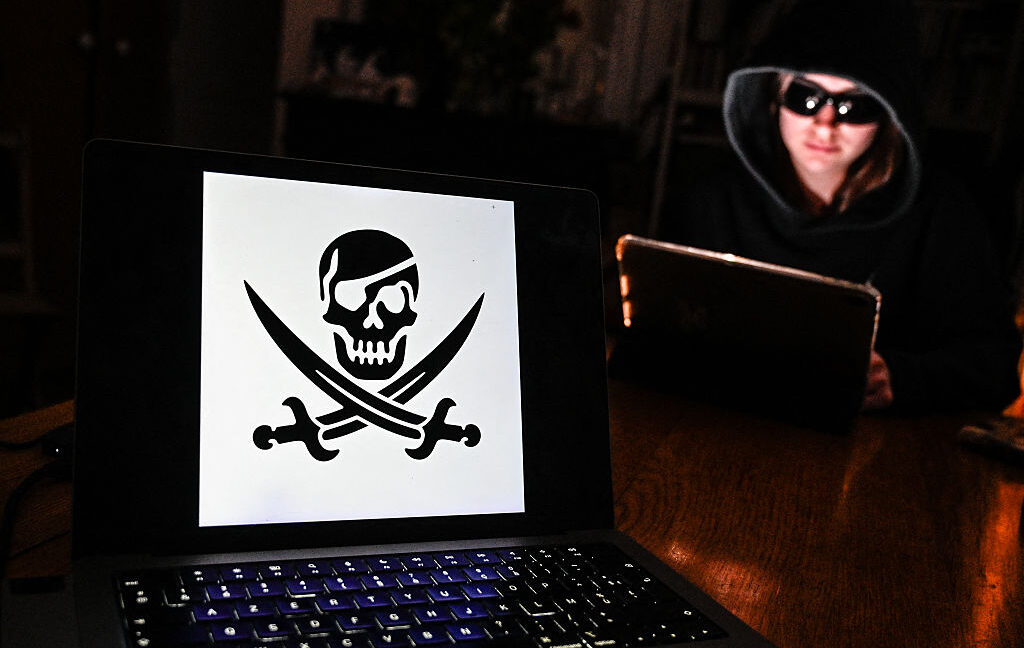
In copyright lawsuits over AI training, Meta has spent weeks blaming staff for downloading torrents. The company has now been ordered to name executives who authorized decisions to pirate books from shadow libraries like Anna’s Archive and LibGen, TorrentFreak reported.
In a discovery order impacting a class action raised by book authors—including Richard Kadrey and Sarah Silverman—as well as a lawsuit from publisher Entrepreneur Media, Magistrate Judge Thomas Hixon largely agreed that Meta must clearly identify key decision-makers. Following testimony from Meta staff who downloaded torrents, the order could expose a wider range of supervisors, managers, and executives whom staffers said greenlit the piracy.
Meta had been hoping to avoid detailing the chain of command, particularly for leadership involved in early AI training. According to a Meta court filing, its initial efforts to compile massive AI datasets were managed through an “informal approach" where supposedly nobody with authority made any decisions. Instead, Meta insisted that a “decision” was “made only in the sense” that some staffers “technically” downloaded torrents.
Kindle Scribe combines ebook reading with handwritten notes, while reMarkable Paper Pure focuses on writing and document workflows. We compare features, costs, and usability.
Kindle Scribe combines ebook reading with handwritten notes, while reMarkable Paper Pure focuses on writing and document workflows. We compare features, costs, and usability.
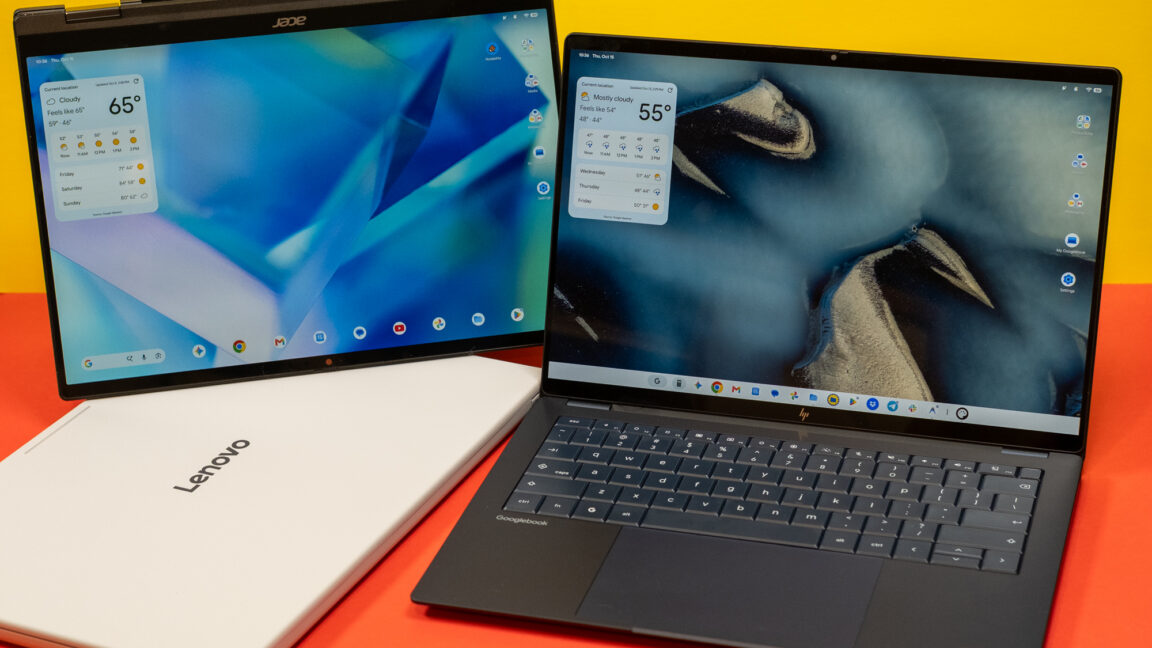
Android was designed for phones, but that hasn't stopped Google from trying to adapt the OS and its apps to larger machines over the years. Googlebooks are just the latest attempt after tablets, Chromebooks, and foldables induced little change in how people interact with Android software. These new Android-powered laptops are designed to pick up where the web-focused ChromeOS left off, offering premium hardware and native support for Android apps.
Google sees Googlebooks as an alternative to Windows and macOS, but these platforms are entrenched with decades of software and UI conventions that keep users locked in. Googlebooks have to offer something very special to steal users away from either of the dominant operating systems.
For devoted Android phone users, there are some cool things in Googlebook OS, but the Android roots of these machines are impossible to miss. Sometimes it feels like using a Chromebook, and sometimes it feels like using a giant phone. It almost never feels like using a premium laptop, and that's the problem.
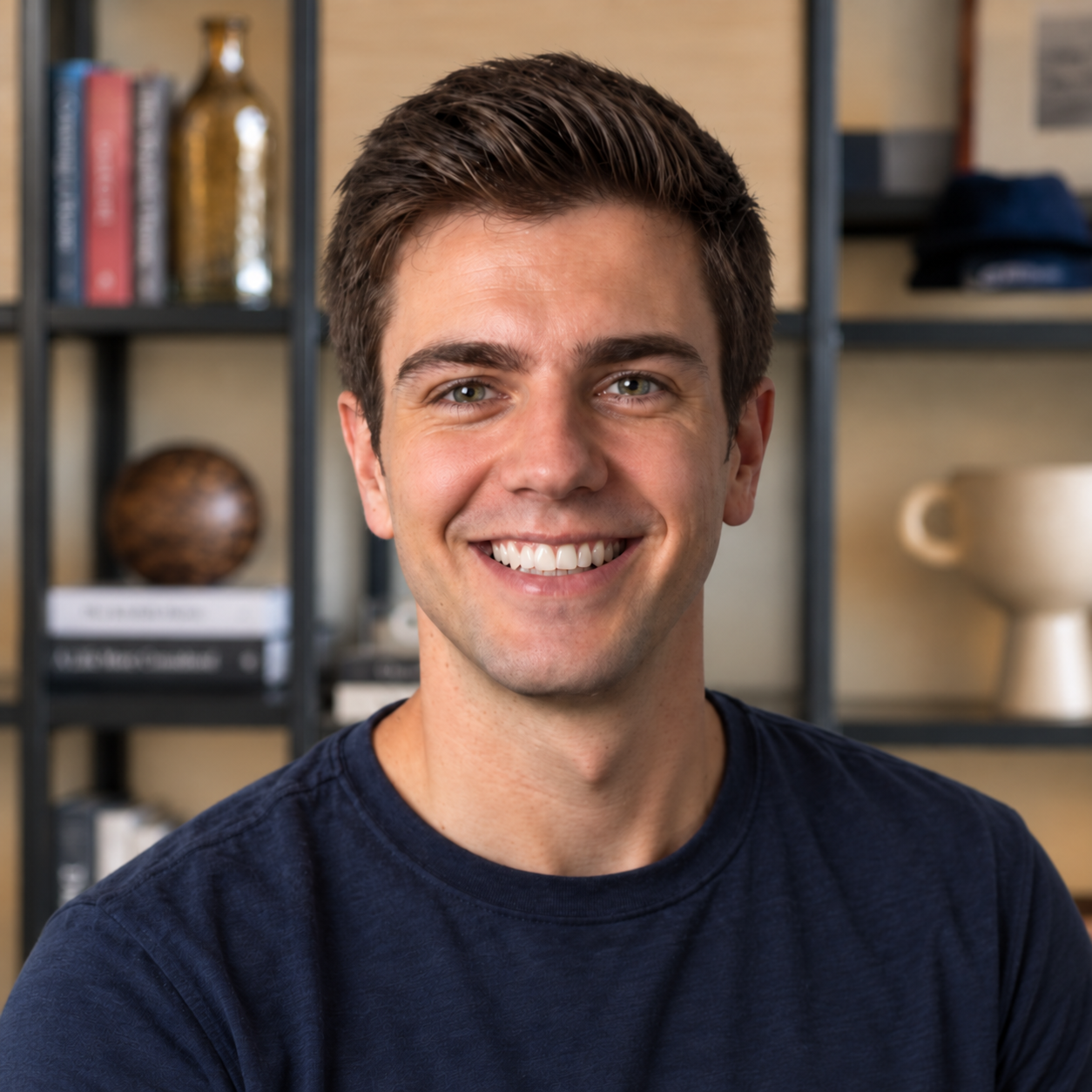
— Niantic SpatialhiredDave Citron as chief product officer. He joined from Microsoft AI, where he was corporate vice president of product on the Superintelligence team and helped build and launch Microsoft’s first frontier foundation models.
San Francisco-based Niantic Spatial, spun out of Pokémon Go maker Niantic, builds spatial AI models and services, including a visual positioning system trained in part on images crowdsourced from Pokémon Go players. The company has an engineering team in Bellevue, Wash.
The Seattle-area executive was previously senior director of product for the Gemini app at Google DeepMind and worked on Google Meet and Google Duo. He began his career at Microsoft in 2005, helping take OneDrive from its first release to more than 200 million monthly users.
“AI is remarkably good at reading and writing, but it still doesn’t understand the physical world well enough to act in it safely,” Citron said in the announcement.
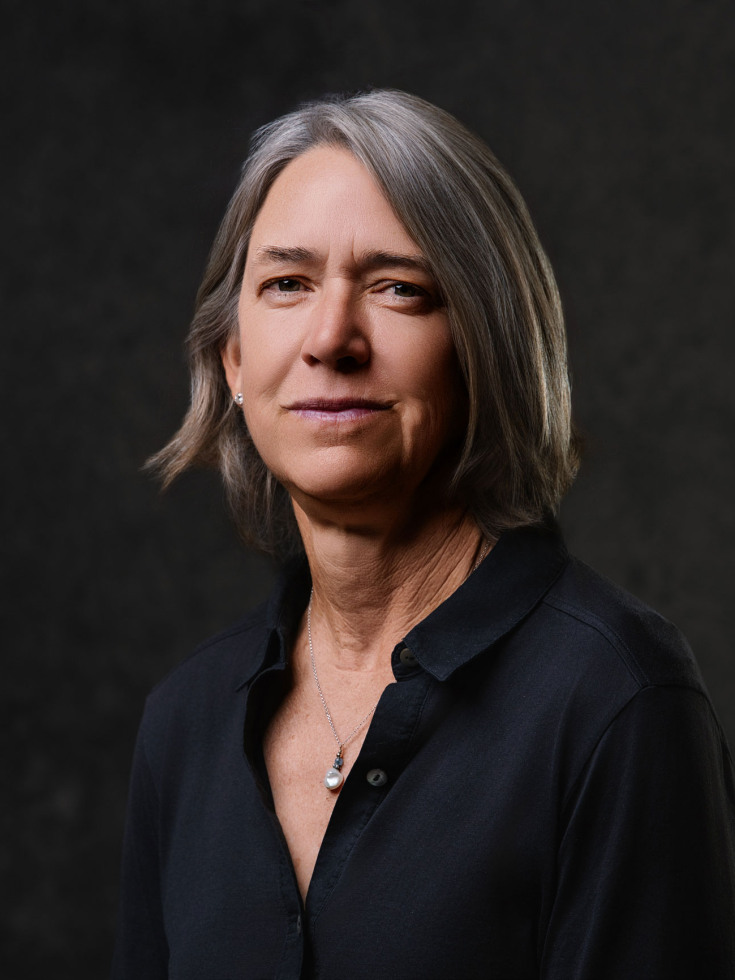
Jane Dietze. (Brown University Photo)
— The Fund for Science and Technology, the Seattle-based foundation responsible for giving away a large portion of the late Microsoft co-founder Paul Allen’s fortune, namedJane Dietze its first chief investment officer. She starts Jan. 4, 2027, after finishing the year at Brown University, where she has held that role since 2018.
Brown says its endowment grew from $3.2 billion to $8 billion over the 10 years through fiscal 2025. Her deputy, Joshua Kennedy, will succeed her. Dietze previously held investment roles at Bowdoin College, Fortress Investment Group and Columbia Capital.
The foundation launched publicly in August 2025 with a mandate to deploy at least $500 million over four years in bioscience, the environment and AI for good. It also funds the Allen Institute and Ai2, the Allen Institute for AI.
The fund started with a $3.1 billion endowment from Allen’s estate and is expected to oversee a large portion of the proceeds from the sale of Allen’s sports teams. Its first CEO, Lynda Stuart, stepped down in May.
Nicholas Stevens. (LinkedIn Photo)
— Nicholas Stevens joined payments giant Stripe as head of product for agentic commerce, working from Seattle, after a decade at Zillow. He was most recently Zillow’s vice president of product for AI and data, leading product strategy for the company’s AI products and data platform.
His LinkedIn profile notes that he drove the partnership that made Zillow one of seven global launch partners for OpenAI’s ChatGPT apps platform. He previously worked in product at Prismatic.
“I believe AI buying & selling on your behalf can be magical,” he wrote.
— Scowtt, a Kirkland, Wash.-based startup that uses AI to predict which sales prospects will become customers, namedBen Trenda chief revenue officer. Trenda is an ad tech veteran who worked at Overture/Yahoo, AOL and Rubicon Project, and co-founded iSocket. Scowtt says it is approaching $10 million in annual recurring revenue.
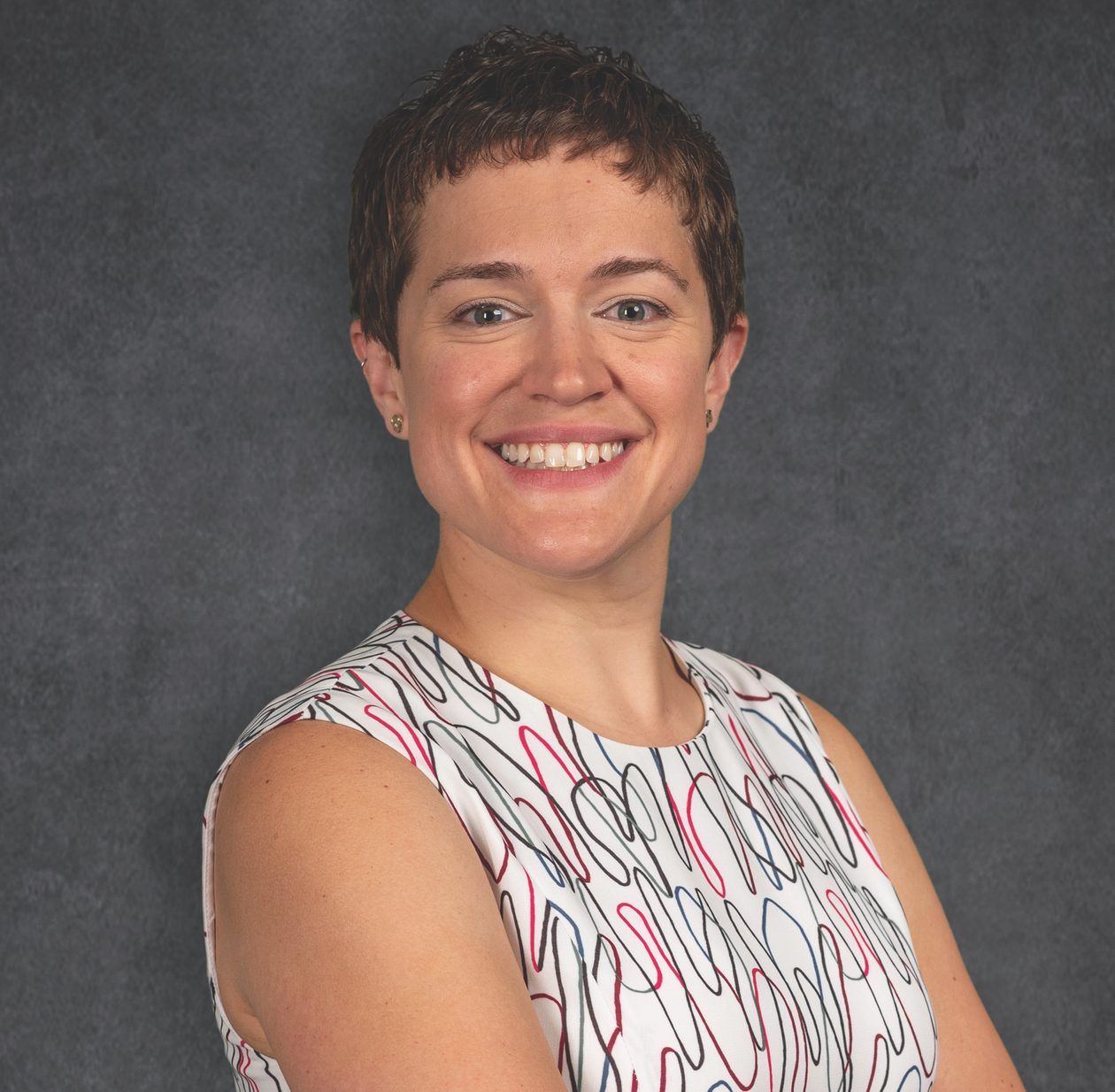
Emily Levesque. (Photo courtesy AAS)
— The American Astronomical Societynamed University of Washington astronomy professor Emily Levesque the next editor in chief of its journals, including The Astrophysical Journal. She takes charge in August 2027, succeeding Ethan Vishniac.
— ThriftBooks, the online used-book seller founded in Seattle in 2003, namedCarla Anderson Skogland chief financial officer. She had been interim CFO since April. Anderson Skogland, who is based in the Seattle area, was previously CFO of Sono Bello. She spent 11 years at Amazon, and earlier worked at T-Mobile and for more than 15 years at Starbucks.
— Michael Mann is stepping down as executive director of Clean & Prosperous, a climate policy group that backed Washington’s Climate Commitment Act, once a successor is chosen. He took over on an interim basis from the late founder David Giuliani and led the group for five years. Mann, founder of consulting firm Cyan Strategies, previously led the City of Seattle’s Office of Sustainability and Environment.
Lani Ramos. (LinkedIn Photo)
— Lani RamosjoinedYoodli, a Seattle startup that uses AI roleplays for communications training, to build its renewals function. Ramos spent 13 years at Tableau and Salesforce, most recently as director of renewal for North America.
— Former Starbucks CFO Rachel Ruggerijoined the board of San Diego-based Jack in the Box. Ruggeri, a Seattle-area finance leader, spent more than two decades at Starbucks and was its CFO from 2021 to March 2025. She also serves on the board of Stryker.
— Victor Fetter is stepping down at the end of the year as chief technology and business systems officer at Everett, Wash.-based Fortive after nearly seven years. Rich Noonan, Fortive’s chief information security and technology operations officer, will become CIO. Fetter, who is based in Mississippi, plans to expand his board work and angel investing.
— And in case you missed it:
Microsoft moved its communications team under President Brad Smith. Brent Colburn is interim communications leader, and longtime comms chief Frank Shaw will serve as an advisor through the end of the year.
25 More Proven Smoker Recipes You'll Cook Again and Again If you enjoyed Volume 1, you're going to love Volume 2. This collection features 25 more of my favorite smoker...

 Login